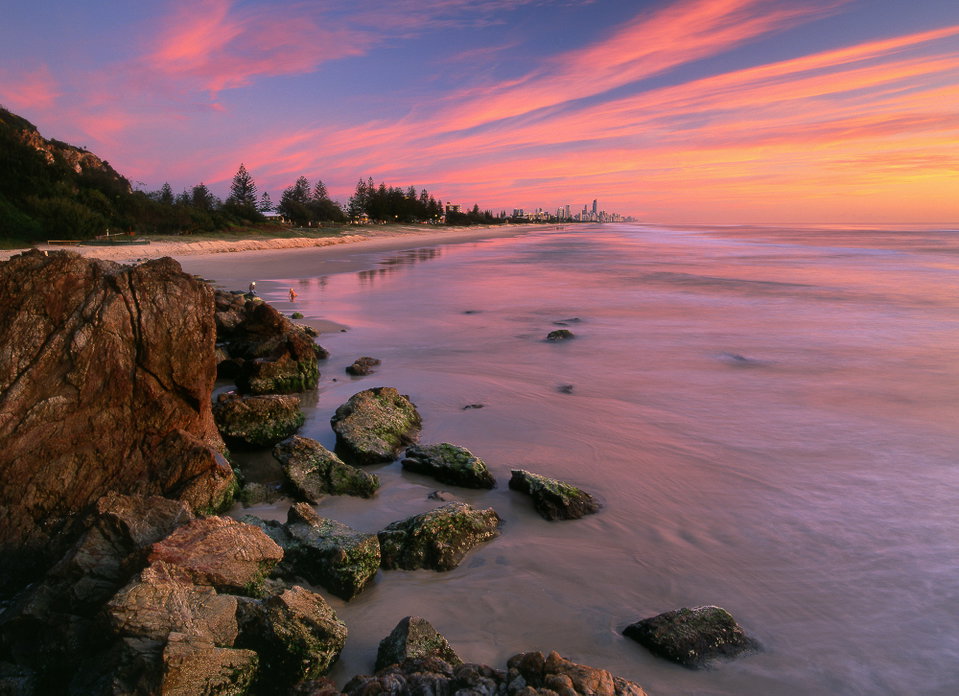
Aerial view of Cairns esplanade and lagoon with the Coral Sea and rainforest-clad hills in the background

Destination guide

Cairns

Far North Queensland · Australia

Gateway to the Great Barrier Reef and the ancient Daintree Rainforest

Best season

May to October (dry season) for calm seas and low humidity; July–August is peak but book ahead

From Nairobi

Approximately 18–22 hours via hubs such as Dubai, Singapore, or Kuala Lumpur (no direct service)

Why visit Cairns?

Cairns is one of the few places on Earth where two UNESCO World Heritage natural areas meet almost within sight of each other. You can spend the morning floating above coral gardens on the Great Barrier Reef and be walking through 180-million-year-old rainforest by afternoon — all without a long transfer or complex logistics.

For divers, the reef here is some of the most accessible on the planet: dedicated liveaboard vessels, learn-to-dive courses, and day-trip catamarans leave the marina daily. Non-divers have just as much fun snorkelling, riding glass-bottom boats, or descending in a semi-submersible. On land, the Skyrail Rainforest Cableway and Kuranda Scenic Railway are two of Australia's most celebrated scenic journeys, threading through the canopy to the village of Kuranda.

The surrounding region — Port Douglas, the Atherton Tablelands, Cape Tribulation — adds waterfall swimming, platypus spotting, and 4WD adventures. Cairns also has a vibrant First Nations cultural scene, with Tjapukai Cultural Park and numerous guided country experiences offering genuine insight into some of Australia's oldest living cultures.
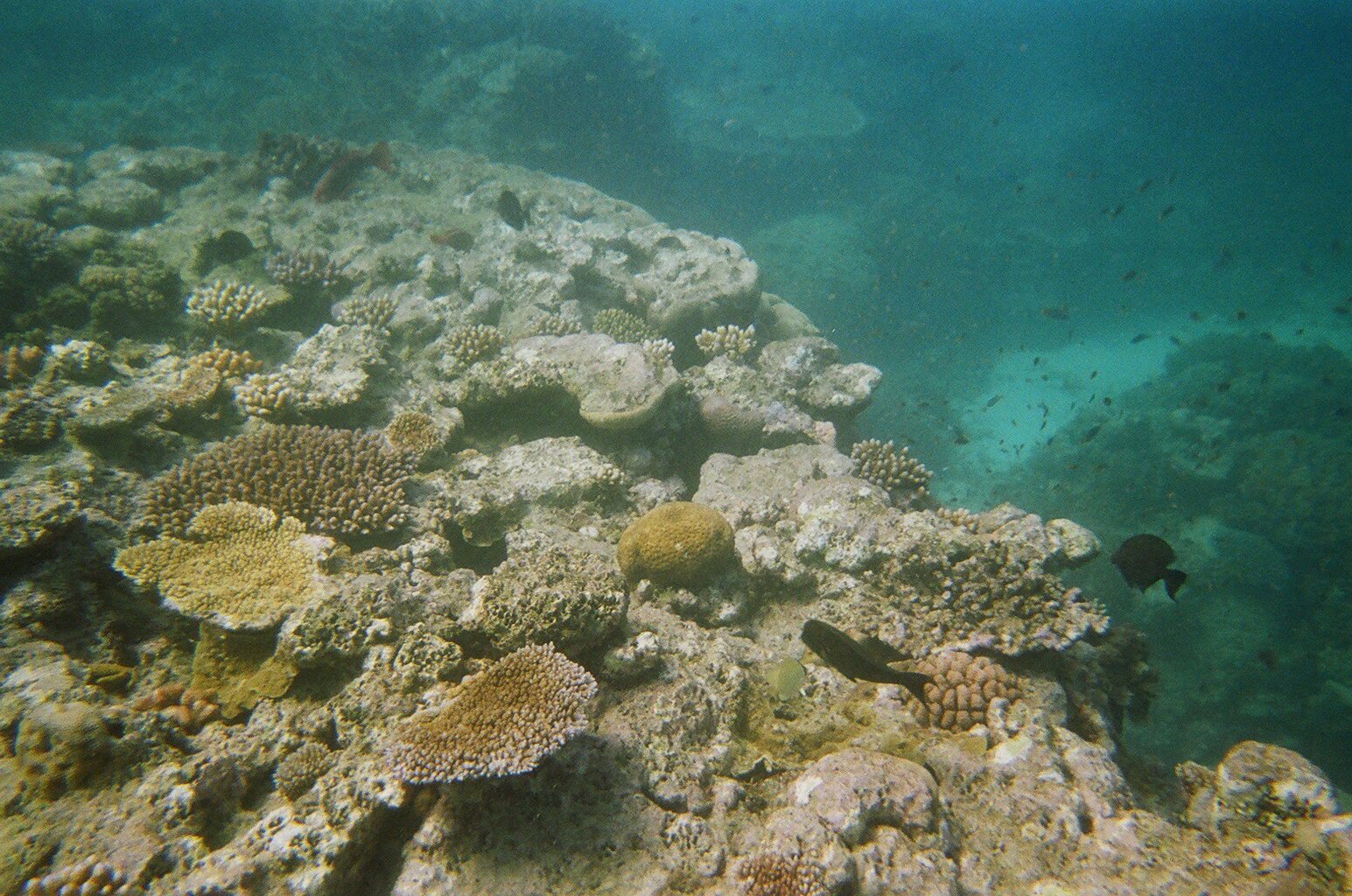
  • Dive or snorkel the Great Barrier Reef — the world's largest coral ecosystem — on a daily catamaran from the marina
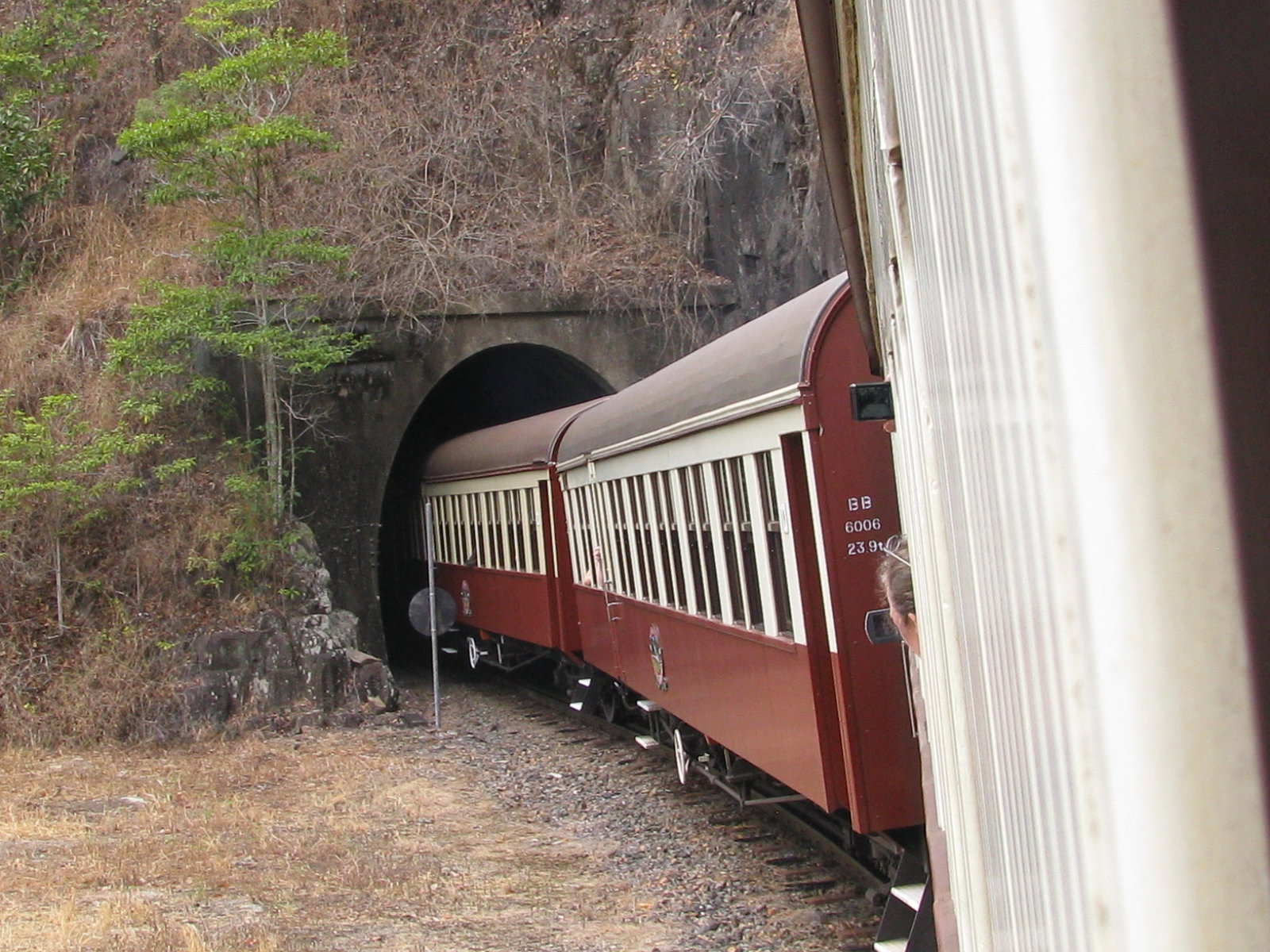
  • Ride the Kuranda Scenic Railway through World Heritage rainforest canopy, one of Australia's great train journeys
  • Spot cassowaries, tree kangaroos, and crocodiles in their natural habitats within an hour of the city
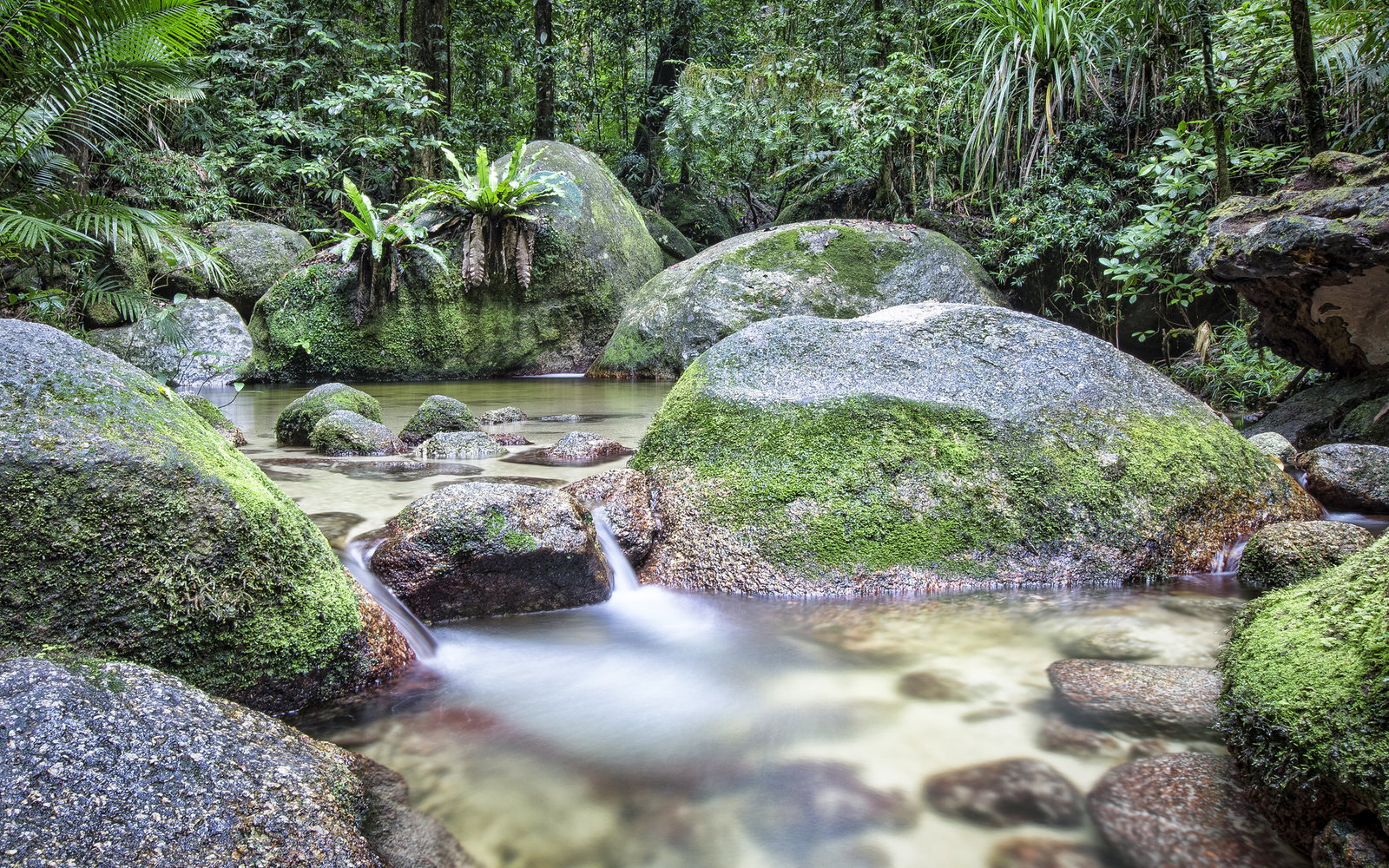
  • Swim in cool rainforest swimming holes on the Atherton Tablelands between waterfall-chasing and platypus watching
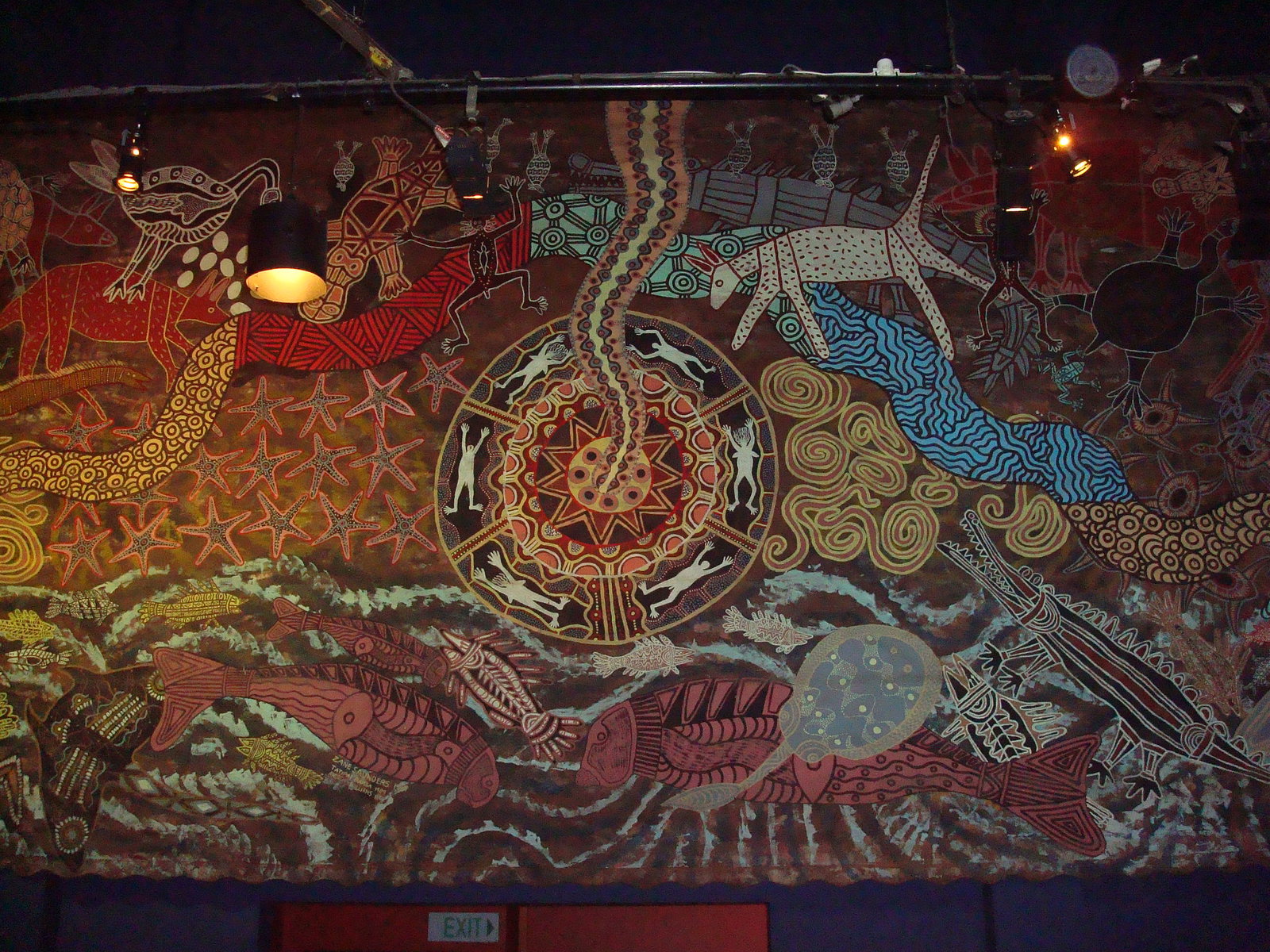
  • Experience First Nations culture through Tjapukai or a guided Bama Way tour with traditional custodians
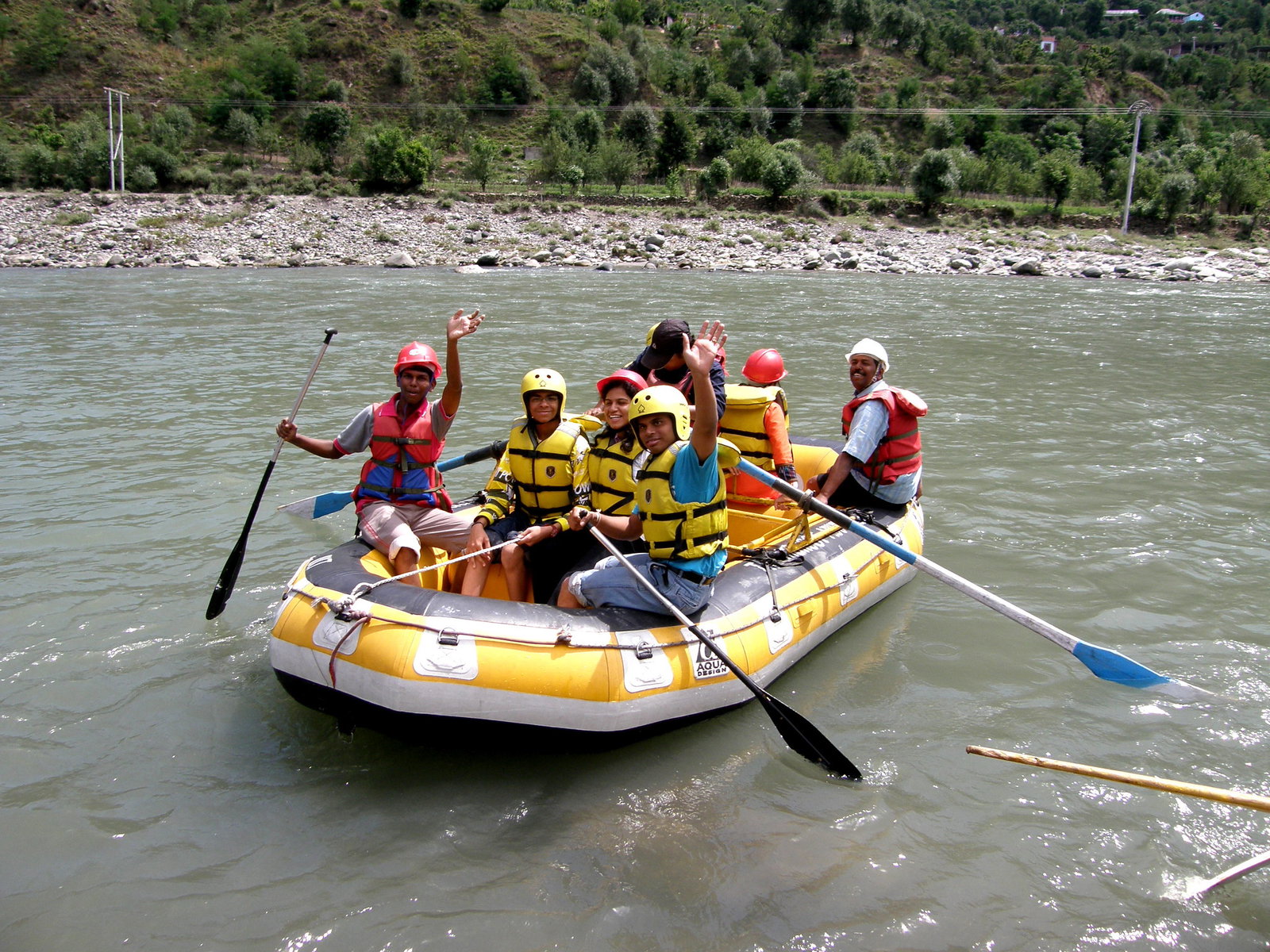
  • Bungee jump, white-water raft the Tully River, or zipline through the canopy for a full adrenaline hit

Best for

Reef divers and snorkellers, rainforest hikers, wildlife enthusiasts, families, adventure seekers

Trip style

Adventure, Nature & Wildlife, Cultural, Family

Known for

Great Barrier Reef day trips, Daintree Rainforest, Kuranda Scenic Railway, bungee jumping, white-water rafting

Quick facts

Best time to visit

May to October (dry season) for calm seas and low humidity; July–August is peak but book ahead

Currency

Australian Dollar (AUD)

Languages

English; Yirrganydji and other Yalanji languages spoken by local First Nations communities

Visa summary

Most visitors need an ETA or eVisitor visa (easy online application); New Zealand citizens enter visa-free

Flight time from Nairobi

Approximately 18–22 hours via hubs such as Dubai, Singapore, or Kuala Lumpur (no direct service)

Airport / arrival

Cairns Airport (CNS) is 7 km from the city centre; taxis, rideshare, and shuttle buses are readily available

Safety note

Very safe for tourists; standard precautions apply — heed marine stinger warnings Oct–May and crocodile signs near waterways

Visa and entry

Look up entry rules by passport for travel to Australia on the Tsavaro visa checker.

Check visa requirements for Australia

Things to do

Great Barrier Reef Day TripWater & Marine

Great Barrier Reef Day Trip

Full day (8–10 hours)

Board a high-speed catamaran from Cairns Marina to outer reef pontoons at Michaelmas Cay or Green Island. Snorkel, dive, ride a glass-bottom boat, or descend in a semi-submersible — guides on deck keep even first-timers comfortable.

Kuranda Scenic Railway & SkyrailScenic & Rail

Kuranda Scenic Railway & Skyrail

Full day

Take the historic 1891 train from Cairns up through 15 hand-cut tunnels and 37 bridges to the rainforest village of Kuranda, then glide back over the canopy on the Skyrail Rainforest Cableway. Combine both for the classic 'Kuranda Experience'.

Daintree Rainforest & Cape TribulationNature & Hiking

Daintree Rainforest & Cape Tribulation

Full day

Drive or join a guided tour north of Port Douglas to the Daintree — the world's oldest continuously surviving tropical rainforest. Cross the Daintree River on the cable ferry, walk the Dubuji Boardwalk, and wade at Cape Tribulation where the rainforest meets the reef.

White-Water Rafting on the Tully RiverAdventure

White-Water Rafting on the Tully River

Half day to full day

The Tully River offers Grade 3–4 rapids through World Heritage rainforest. Half-day and full-day guided rafting trips depart from Cairns with transfers included — no experience needed.

Tjapukai Aboriginal Cultural ParkCulture & Heritage

Tjapukai Aboriginal Cultural Park

2–4 hours

A short drive from the city, Tjapukai brings Yirrganydji and Djabugay culture to life through live dance and music performances, boomerang and spear-throwing workshops, and Dreamtime storytelling around a fire circle.

Atherton Tablelands Day TourNature & Scenic

Atherton Tablelands Day Tour

Full day

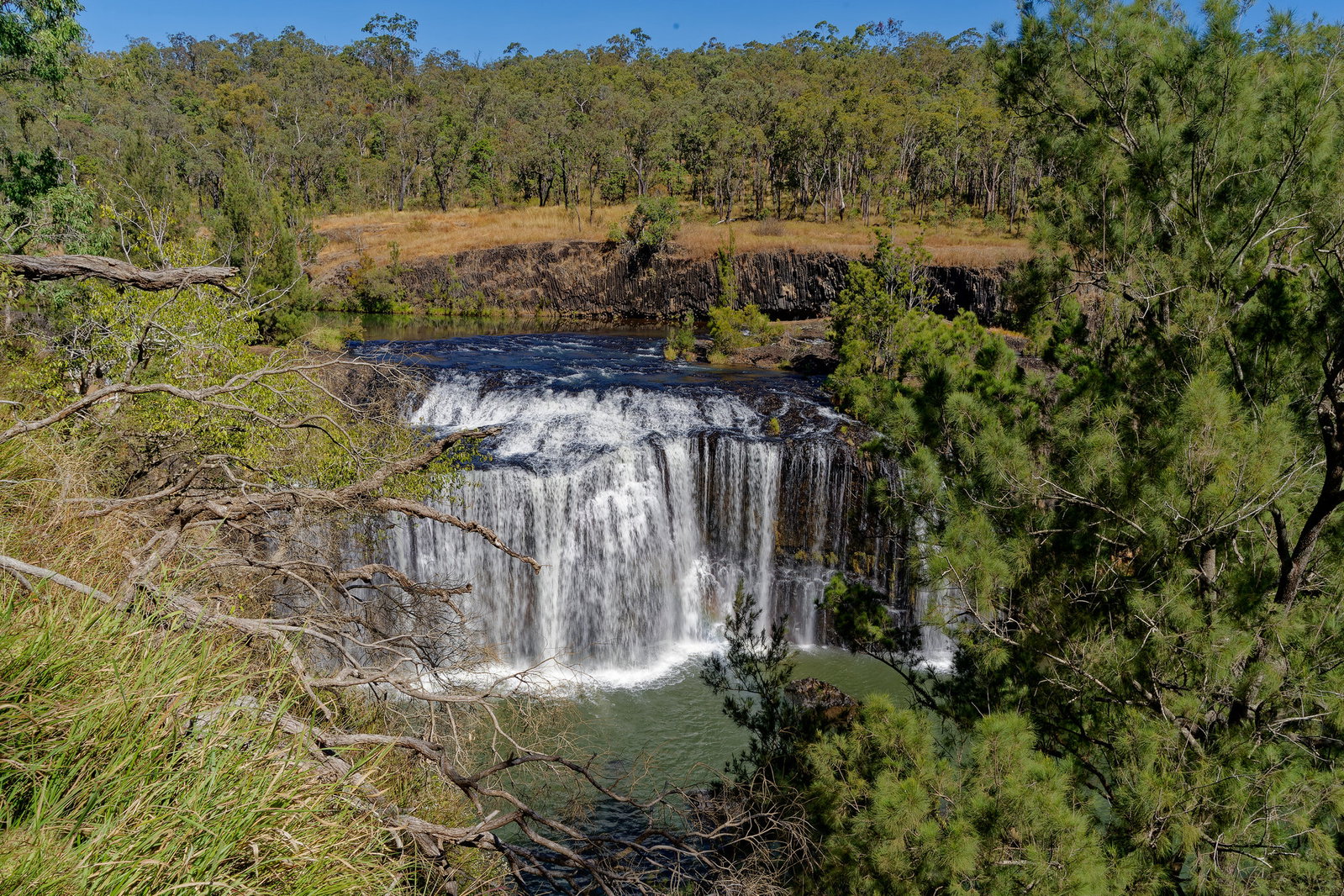
Head inland to the cool volcanic plateau for Millaa Millaa Falls (Australia's most photographed waterfall), Crater Lakes, swimming holes, platypus spotting at Yungaburra, and local farm produce at roadside stalls.

Best time to visit Cairns

The best time to visit Cairns is May to October, the dry season, when days are warm (24–30°C), humidity is low, trade winds keep conditions comfortable, and the Coral Sea is calm for reef trips. July and August are the most popular months — expect higher prices and book reef trips and accommodation well in advance.

November to April is the wet season: short but intense afternoon downpours, high humidity, and occasional tropical cyclones. However, the landscape turns brilliantly green, waterfalls are at their most dramatic, marine stingers arrive in inshore waters (wear stinger suits), and some budget travellers appreciate the discounted rates and fewer crowds. The Daintree Rainforest is particularly spectacular after rain.

For diving, June to October generally offers the best visibility on the outer reef (often 20–30 m). Whale sharks visit the outer ribbon reefs in June and July. June is also Cairns Festival month if you enjoy local arts and cultural events.

Is Cairns safe to visit?

Yes — Cairns is generally very safe for tourists and ranks as one of Australia's most visited regional cities without significant crime concerns. Violent crime against visitors is rare, and the city centre, Esplanade, and main tourist precincts are well-lit and busy well into the evening.

The main hazards are natural rather than human. Marine stingers (box jellyfish and Irukandji) are present in inshore waters from October to May — always swim at patrolled beaches using stinger suits or enclosures, or stick to the Esplanade Lagoon. Saltwater crocodiles inhabit rivers, estuaries, and some beaches in the region; obey all crocodile warning signs and never swim in unpatrolled waterways. Sun intensity is extreme — SPF 50+ sunscreen, a hat, and a rash vest are essential on reef days. In the wet season (November to April) tropical cyclones and flash flooding can disrupt travel, so monitor the Bureau of Meteorology forecasts and allow schedule flexibility.

Suggested itinerary

7 Days in Cairns: Reef, Rainforest & Beyond

This plan is designed for first-time visitors based in Cairns city, mixing iconic reef and rainforest days with local culture. It assumes a mid-range budget, private or shared tour transport, and a relaxed pace with one highlight per day.

Day 1

Arrive & Explore the Esplanade

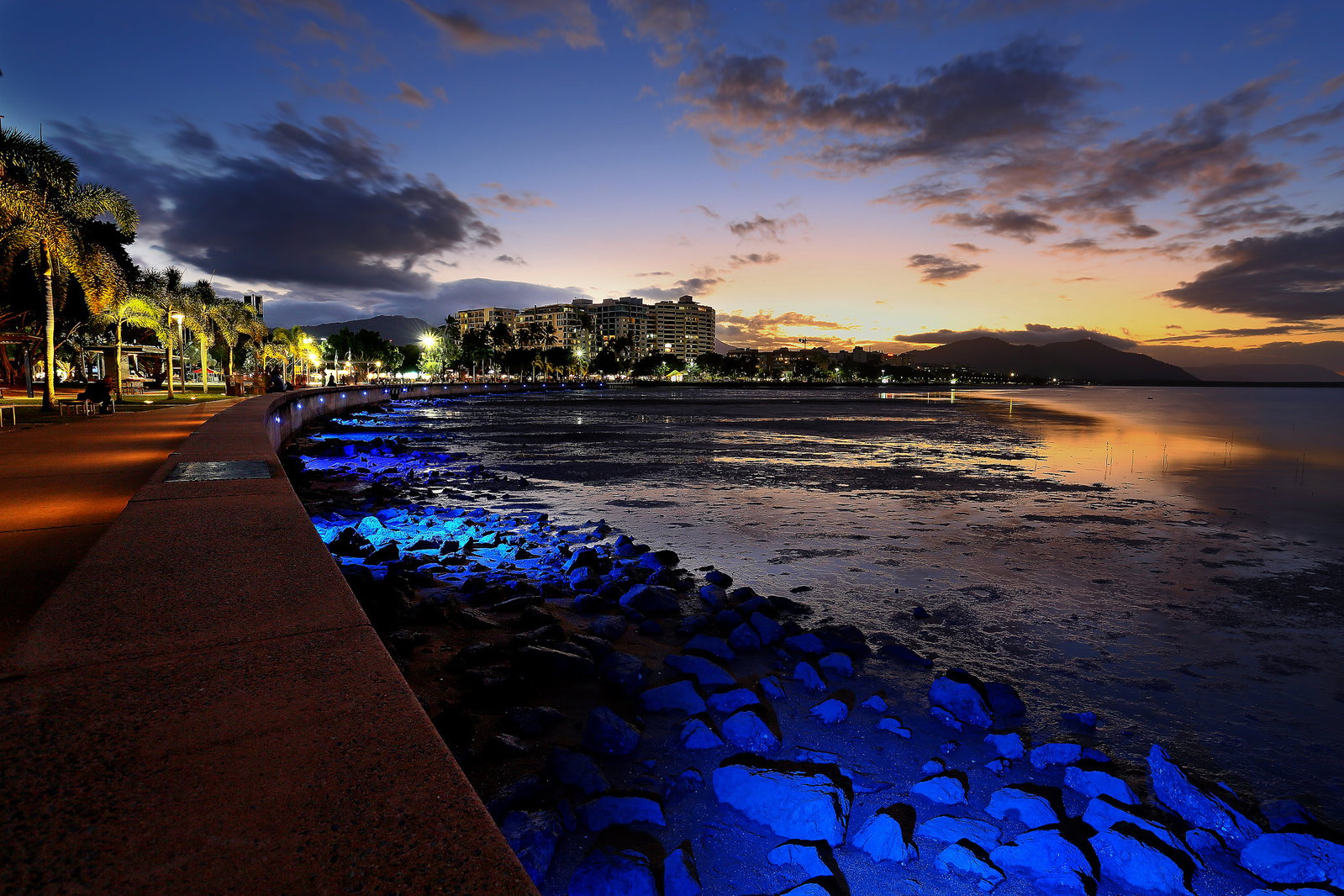
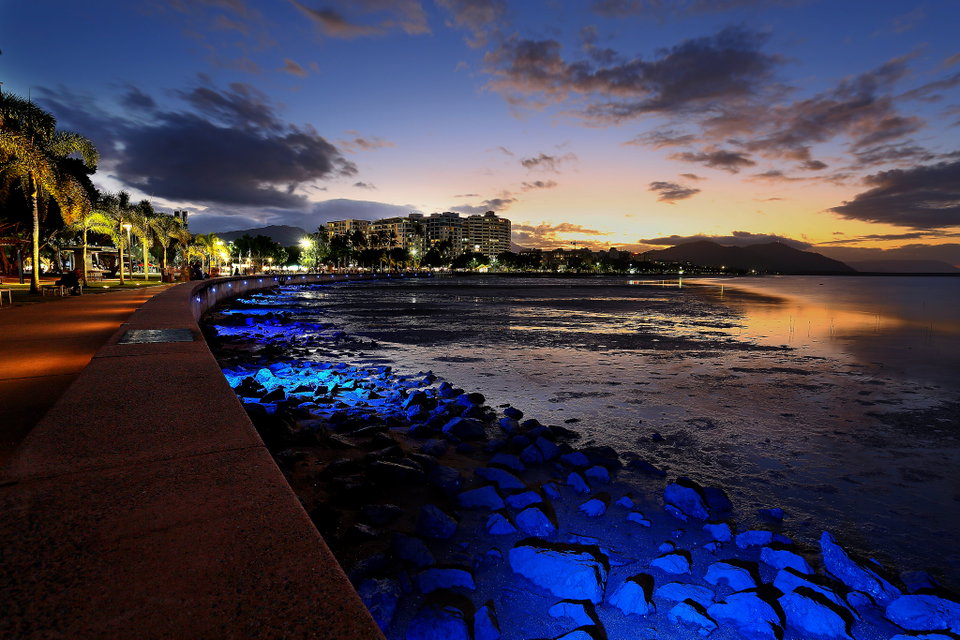
Check into your hotel and shake off jet lag with a walk along the Cairns Esplanade boardwalk. Swim in the free Lagoon, browse the Mud Markets if it's a weekend, and dine on barramundi at one of the waterfront restaurants. Visit the Night Markets on the Esplanade for a taste of local street food and souvenirs.

Cairns — Arrive & Explore the Esplanade

Travel essentials

Getting around

Within Cairns, TransLink buses cover the city and nearby suburbs; taxis and rideshare (Uber) are widely available. Most tourists hire a car for the Daintree, Atherton Tablelands, and Port Douglas day trips — a 2WD is fine for most routes, but a 4WD opens up Cape Tribulation beyond the ferry. Reef and rainforest tours almost always include hotel pick-up from central Cairns.

Typical costs

Budget travellers can manage on AUD 100–130/day (hostel dorm, self-catered meals, free Esplanade). Mid-range visitors typically spend AUD 200–300/day including a comfortable hotel, one reef or rainforest tour, and restaurant meals. A Great Barrier Reef day trip costs AUD 120–250 per person; Kuranda combo tickets around AUD 100–150. Dining out for dinner averages AUD 25–45 per main course at a good restaurant.

Culture and etiquette

Cairns sits on the Country of the Yirrganydji and Gimuy Walubara Yidinji peoples. Respect First Nations cultural sites, don't photograph ceremonies without permission, and consider a guided tour with Traditional Owners rather than self-guided exploration of sacred areas. Tipping is not expected in Australia but is appreciated for exceptional service (10% is generous). Casual dress is the norm; beachwear is fine near the esplanade but cover up in shops and restaurants.

Safety and planning

Travel insurance with adventure sports cover is strongly recommended — reef and rainforest activities carry inherent risks. Check the Australian Government's Smartraveller website before departing. Always reef-walk with fins to protect coral and your feet. Apply reef-safe sunscreen to protect the coral ecosystem. For cyclone season travel, keep an eye on the Bureau of Meteorology (bom.gov.au) and have a flexible itinerary.

Connectivity

4G coverage (Telstra has the widest regional network) is excellent in Cairns city and along the Bruce Highway, but patchy in the Daintree and Atherton Tablelands hinterland. Free Wi-Fi is available at the Cairns library, many cafes, and most hotels. A prepaid Australian SIM (Telstra recommended for Far North Queensland) costs around AUD 30–40 with ample data.

Payments

Australia is highly card-friendly; tap-and-go (Visa/Mastercard/Amex) is accepted almost everywhere including small tour operators and market stalls. ATMs are plentiful in the CBD. Carry a small amount of cash for Kuranda markets and some farm stalls on the Tablelands. Foreign transaction fees apply on most non-Australian cards — a Wise or Revolut card saves money on currency conversion.

Cairns travel FAQs

More destinations to explore