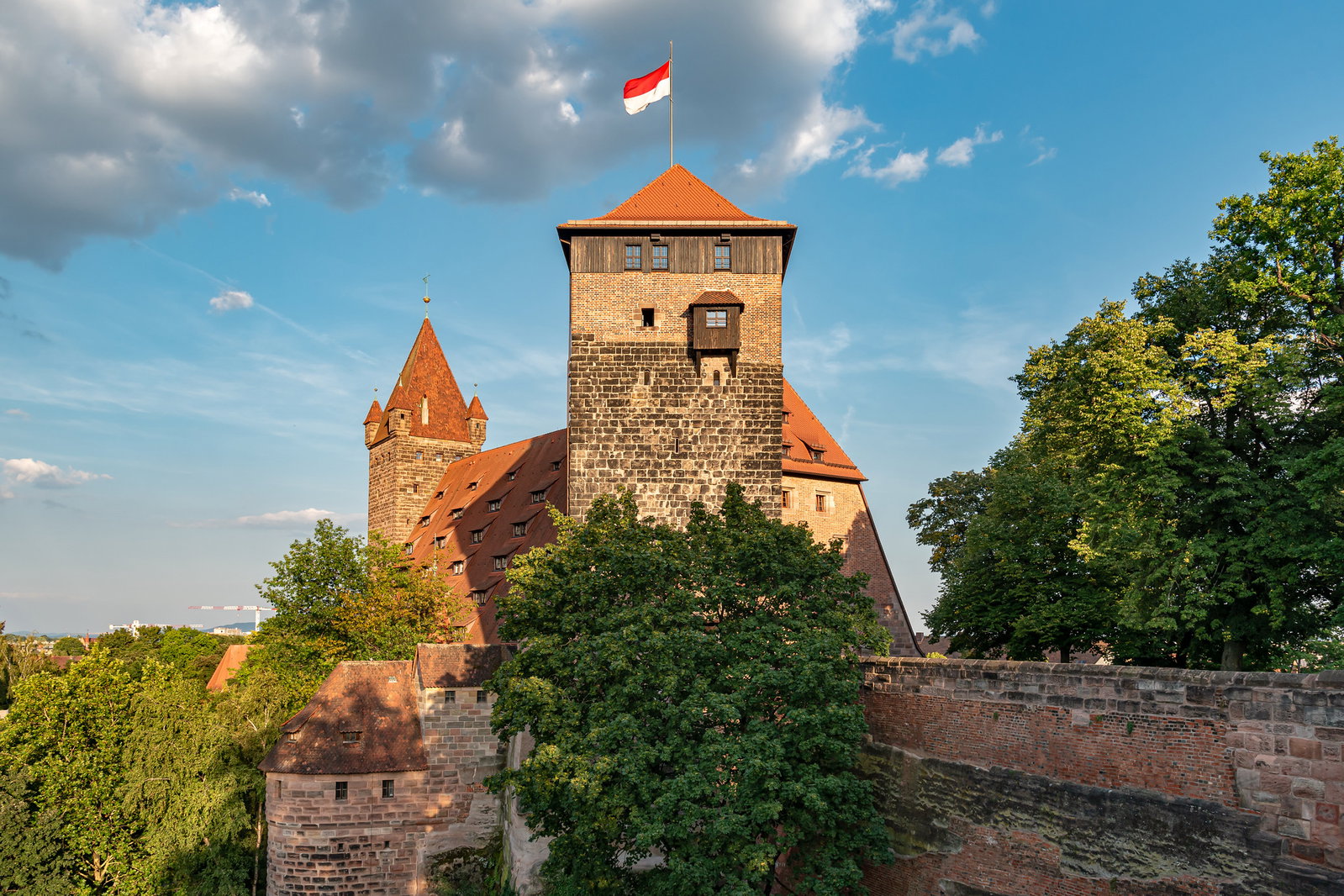
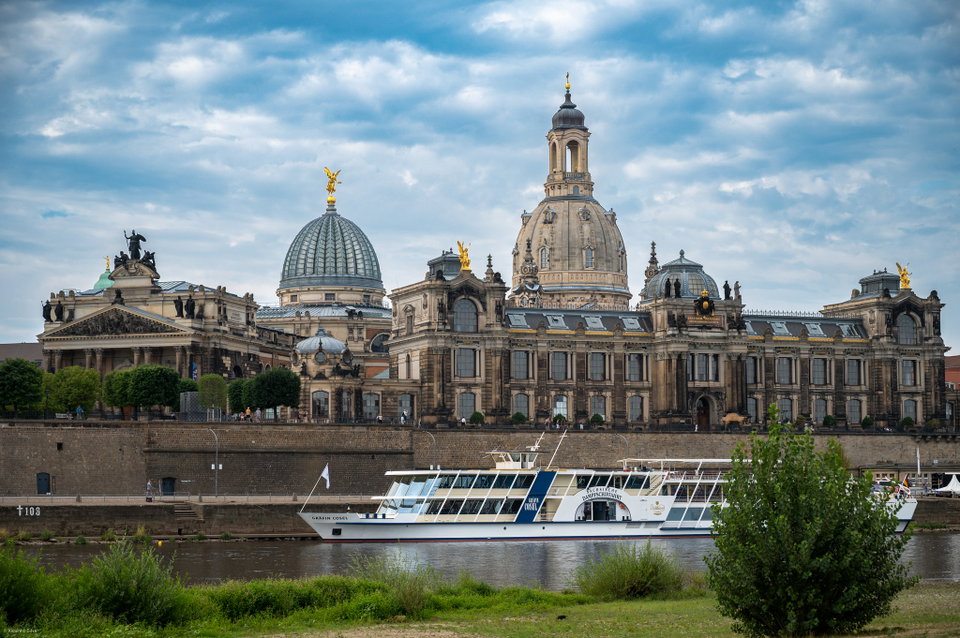
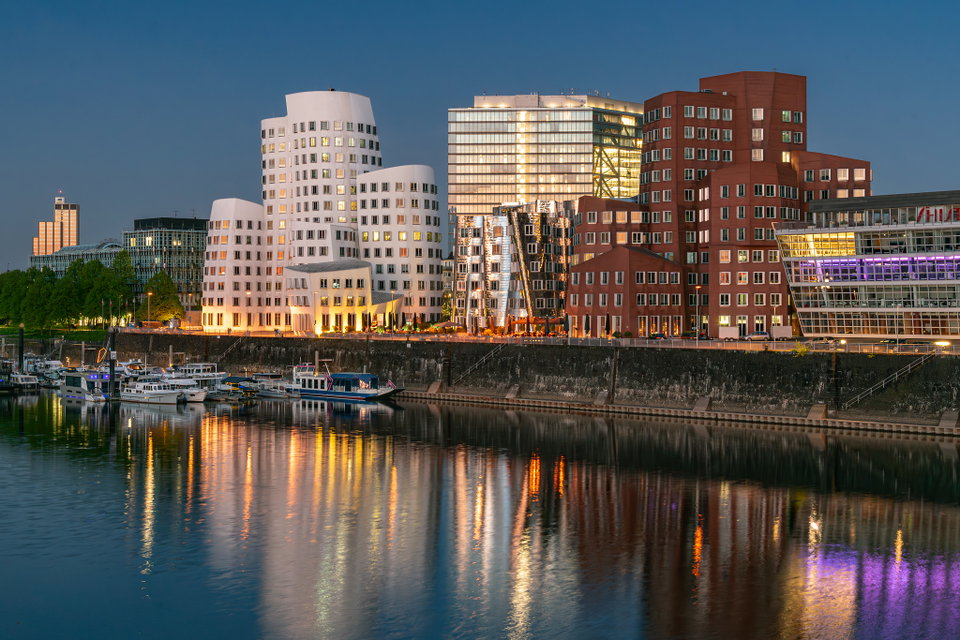
Nuremberg's medieval Imperial Castle rising above the red-roofed Altstadt at dusk

Destination guide

Nurnberg

Bavaria, Southern Germany · Germany

Bavaria's medieval powerhouse — sausages, castles, and a Christmas market that sets the standard

Best season

May–October for warm weather and outdoor festivals; late November–December for the famous Christmas market

From Nairobi

Approx. 9–11 hours (typically one stop via Frankfurt, Munich, or the Gulf hubs)

Why visit Nuremberg?

Few German cities pack so much history into so compact a footprint. Nuremberg's walled Altstadt (Old Town) survived Allied bombing through painstaking post-war reconstruction and feels genuinely medieval — narrow stone alleys, orielled fountains, and Romanesque church towers at every turn.

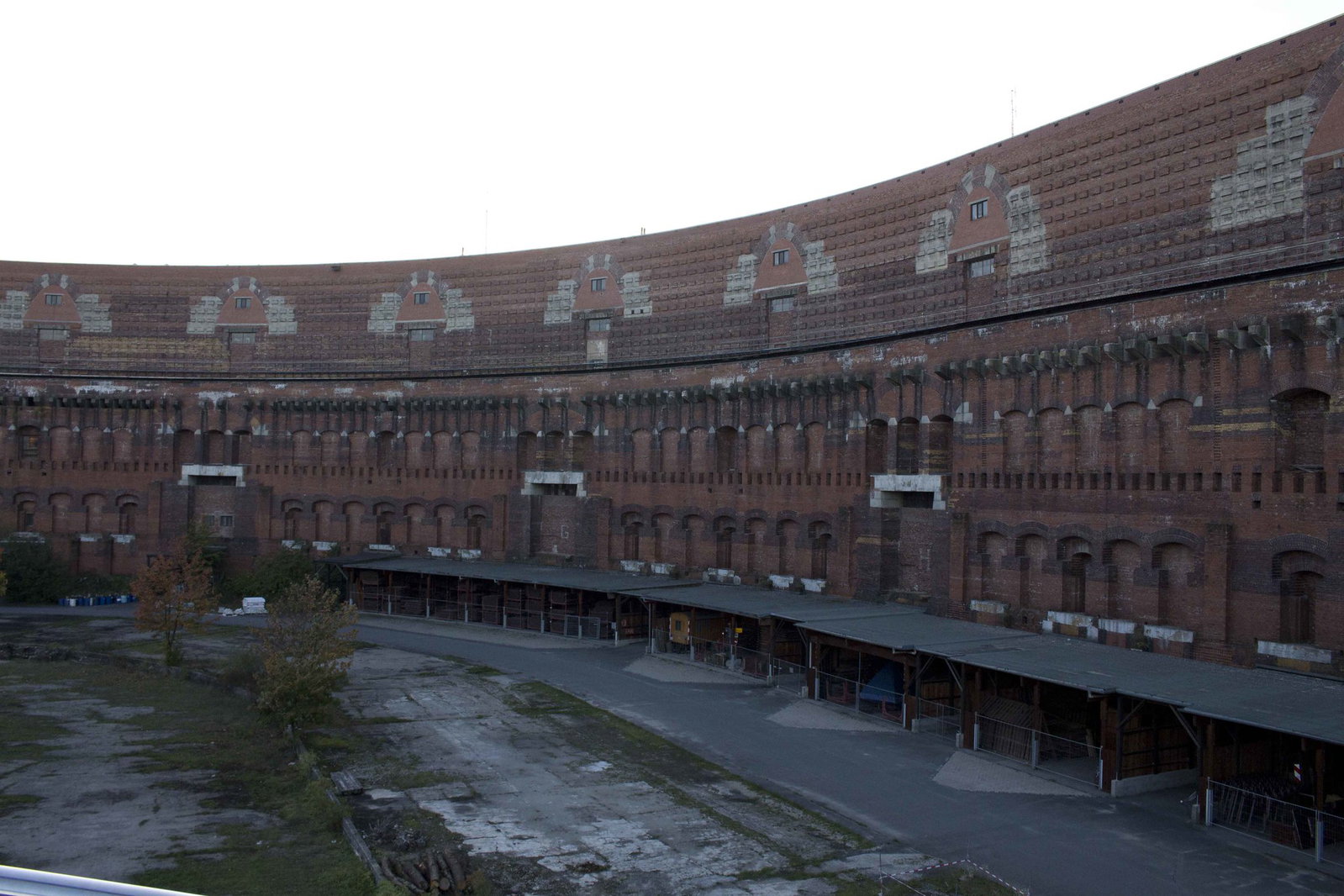
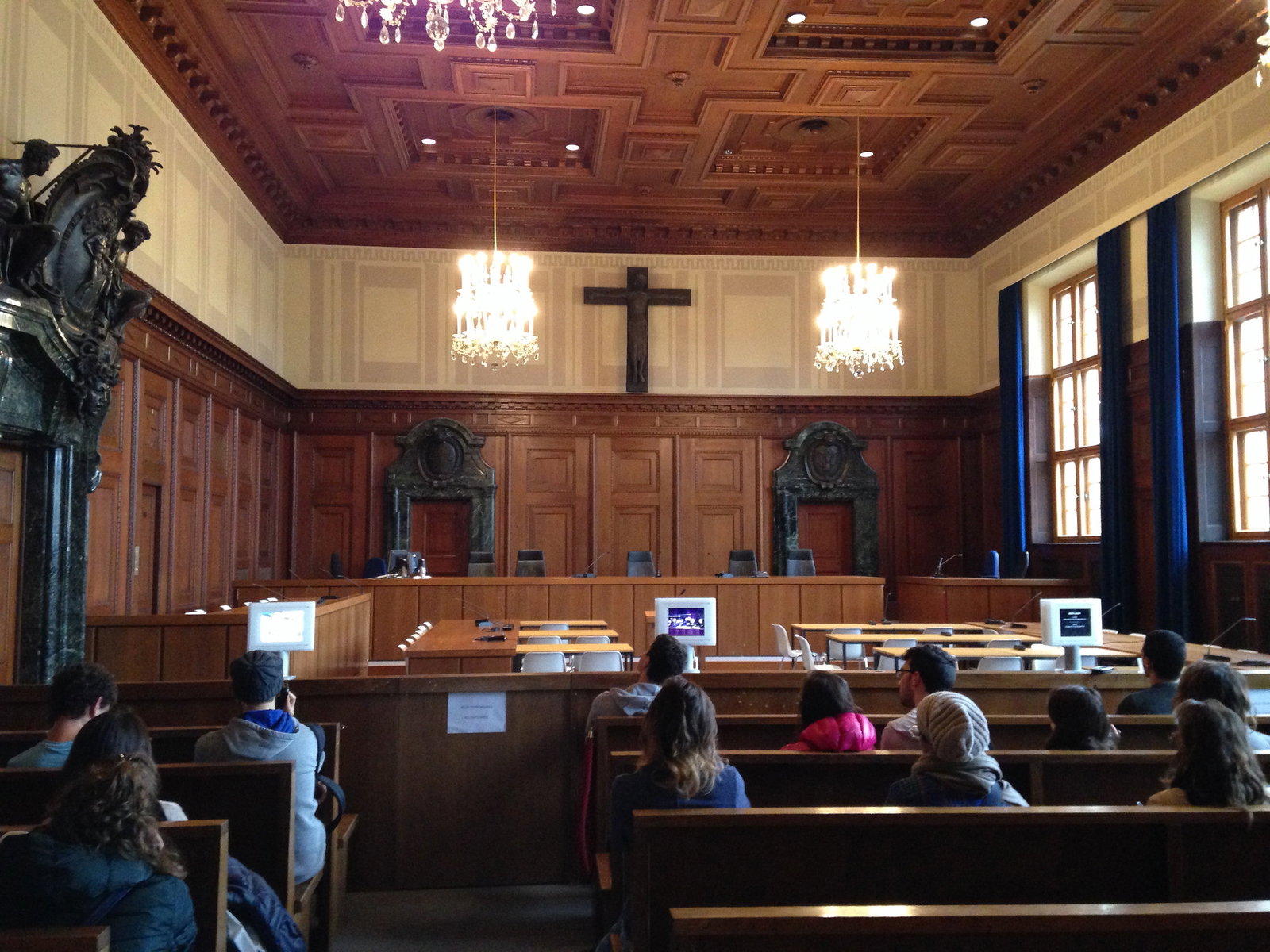
Beyond the scenery, Nuremberg is intellectually honest about its darker chapters. The Documentation Centre at the Nazi Party Rally Grounds is one of Europe's most thoughtful historical museums, and the Courtroom 600 where the Nuremberg Trials took place still functions as a regular court but opens for guided visits.

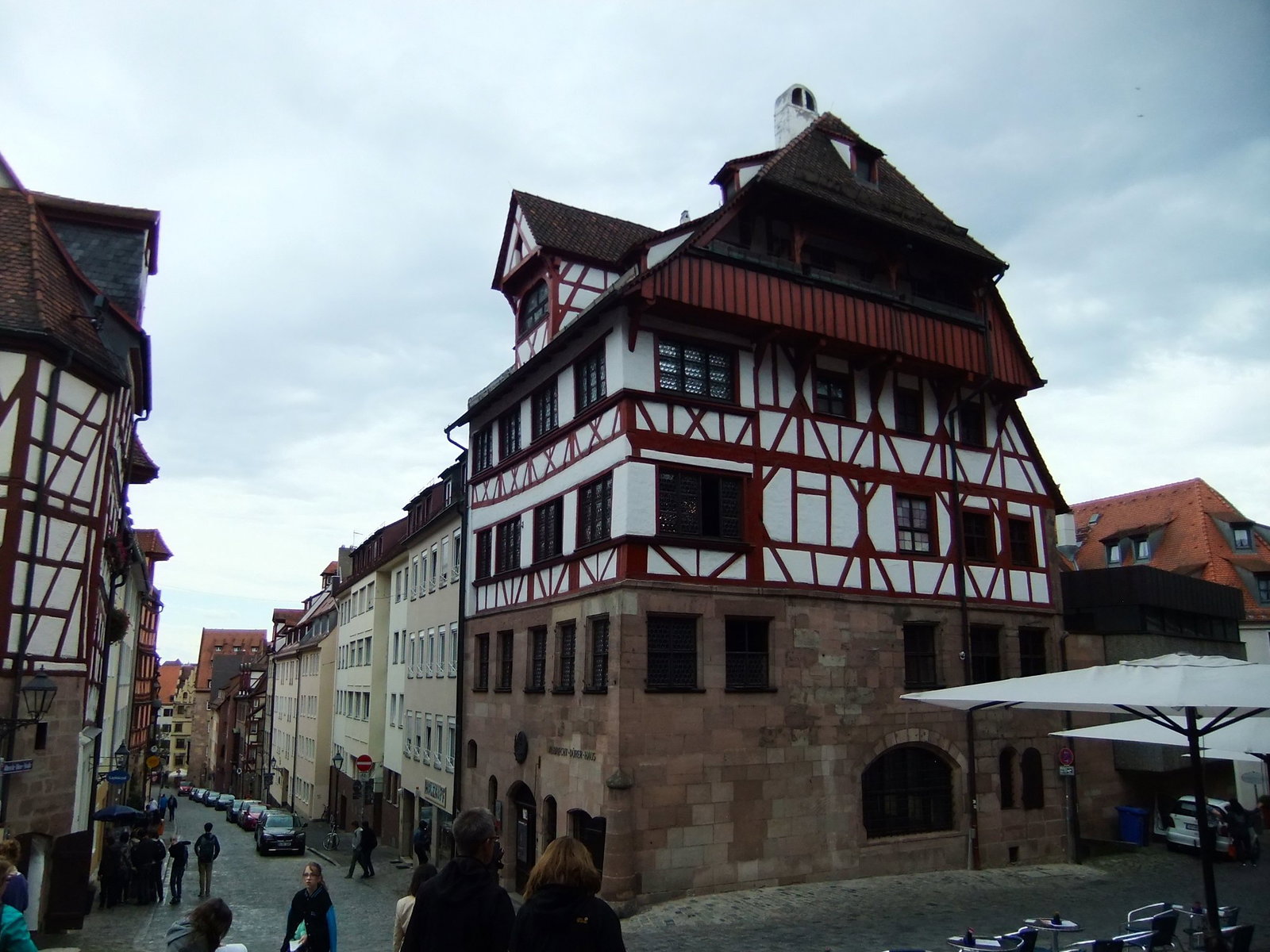
The city also punches well above its size for culture and food. The Germanisches Nationalmuseum holds Germany's largest collection of cultural history artefacts. Albrecht Dürer's house is open as a museum. And the street-food culture — Rostbratwurst grilled over beechwood embers, Lebkuchen gingerbread, Franconian wines — is reason enough to visit.

  • Climb the Kaiserburg (Imperial Castle) for a panorama over the entire medieval Altstadt
  • Walk Courtroom 600 — the very room where Nazi war criminals faced international justice in 1945–46
  • Bite into three Rostbratwurst tucked into a bread roll at the Hauptmarkt — Nuremberg's defining street food
  • Lose an afternoon in the Germanisches Nationalmuseum, Germany's largest cultural-history collection
  • Experience the Christkindlesmarkt, Europe's most iconic Christmas market, in the shadow of the Frauenkirche
  • Follow the Albrecht Dürer trail through the lanes where the Renaissance master lived and worked

Best for

History lovers, foodies, Christmas market seekers, museum enthusiasts, city-break travellers

Trip style

Cultural city break, heritage tour, festive travel

Known for

Imperial Castle, Nuremberg Trials, Christkindlesmarkt, Rostbratwurst, Albrecht Dürer, Lebkuchen

Quick facts

Best time to visit

May–October for warm weather and outdoor festivals; late November–December for the famous Christmas market

Currency

Euro (EUR)

Languages

German; English widely understood in tourist areas

Visa summary

EU/EEA nationals: ID card only. Most other nationalities can enter Germany visa-free for up to 90 days; check Germany's official visa portal for your passport.

Flight time from Nairobi

Approx. 9–11 hours (typically one stop via Frankfurt, Munich, or the Gulf hubs)

Airport / arrival

Nuremberg Airport (NUE) is 7 km north of the city centre; U-Bahn U2 reaches the Hauptbahnhof in about 12 minutes. High-speed ICE trains also connect Nuremberg to Munich (1 hr), Frankfurt (2 hrs), and Berlin (3.5 hrs).

Safety note

Very safe by European standards. Normal city precautions apply around the Hauptbahnhof at night.

Visa and entry

Look up entry rules by passport for travel to Germany on the Tsavaro visa checker.

Check visa requirements for Germany

Things to do

Explore Kaiserburg Imperial CastleHeritage

Explore Kaiserburg Imperial Castle

2–3 hours

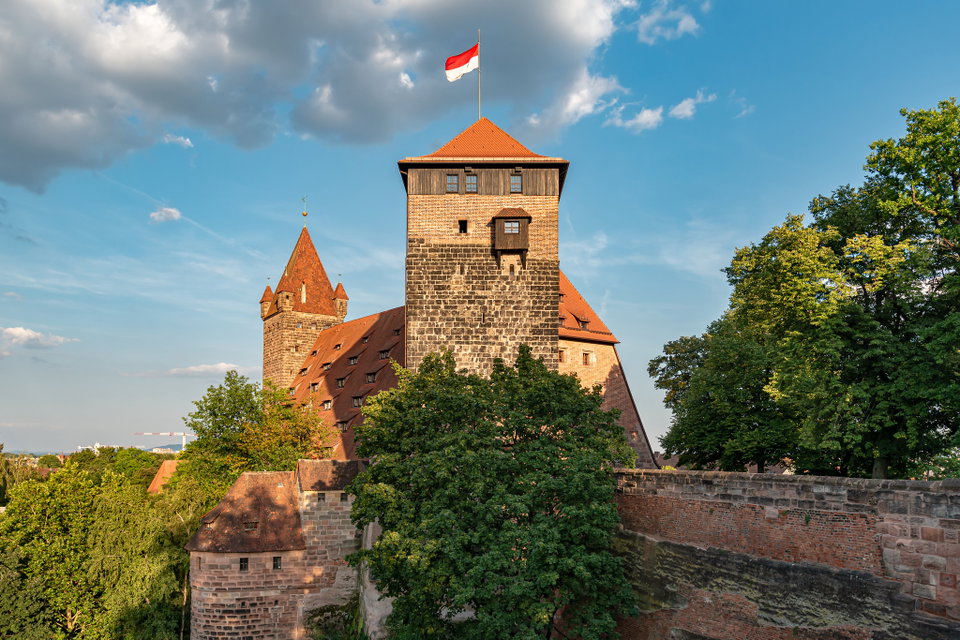
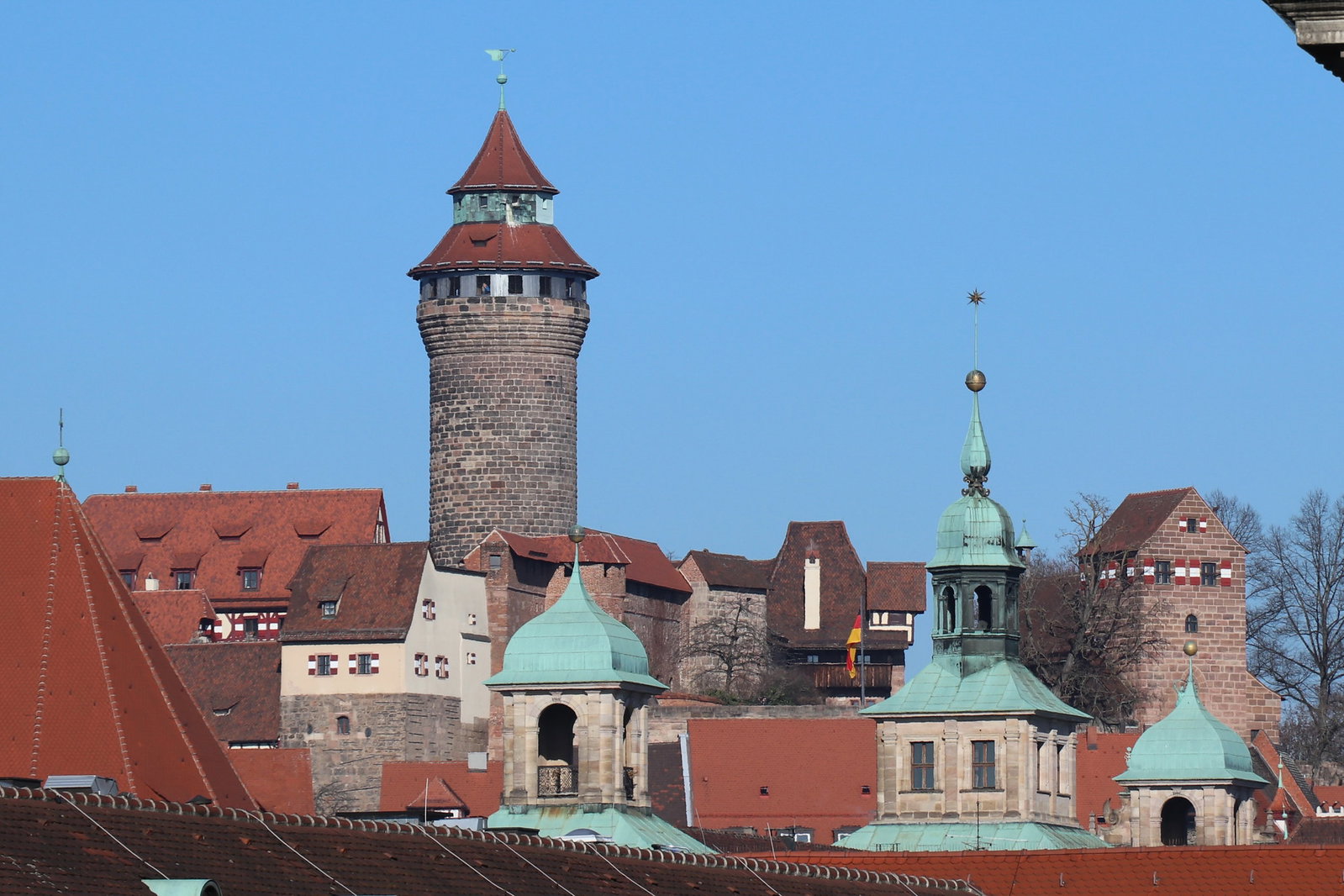
Perched on a sandstone bluff at the northern edge of the Altstadt, the Kaiserburg was the residence of Holy Roman Emperors for five centuries. Tour the Imperial Chapel, the Double Chapel, and the Deep Well, then climb the Sinwell Tower for the city's best 360-degree view.

Visit the Nazi Documentation Centre & Rally GroundsHistory & Culture

Visit the Nazi Documentation Centre & Rally Grounds

3–4 hours

The sprawling Nazi Party Rally Grounds south of the city centre are now a sobering open-air monument. The Documentation Centre inside the unfinished Congress Hall is one of Europe's most rigorous museums on the rise and fall of National Socialism — essential for any serious traveller.

Attend a Courtroom 600 guided tourHistory & Culture

Attend a Courtroom 600 guided tour

1.5–2 hours

The Nuremberg Palace of Justice still operates as a working court, but Courtroom 600 — where the International Military Tribunal convened — opens for guided tours on weekends. The permanent exhibition on the trials sits alongside the original dock.

Wander the Hauptmarkt and try RostbratwurstFood & Culture

Wander the Hauptmarkt and try Rostbratwurst

1–2 hours

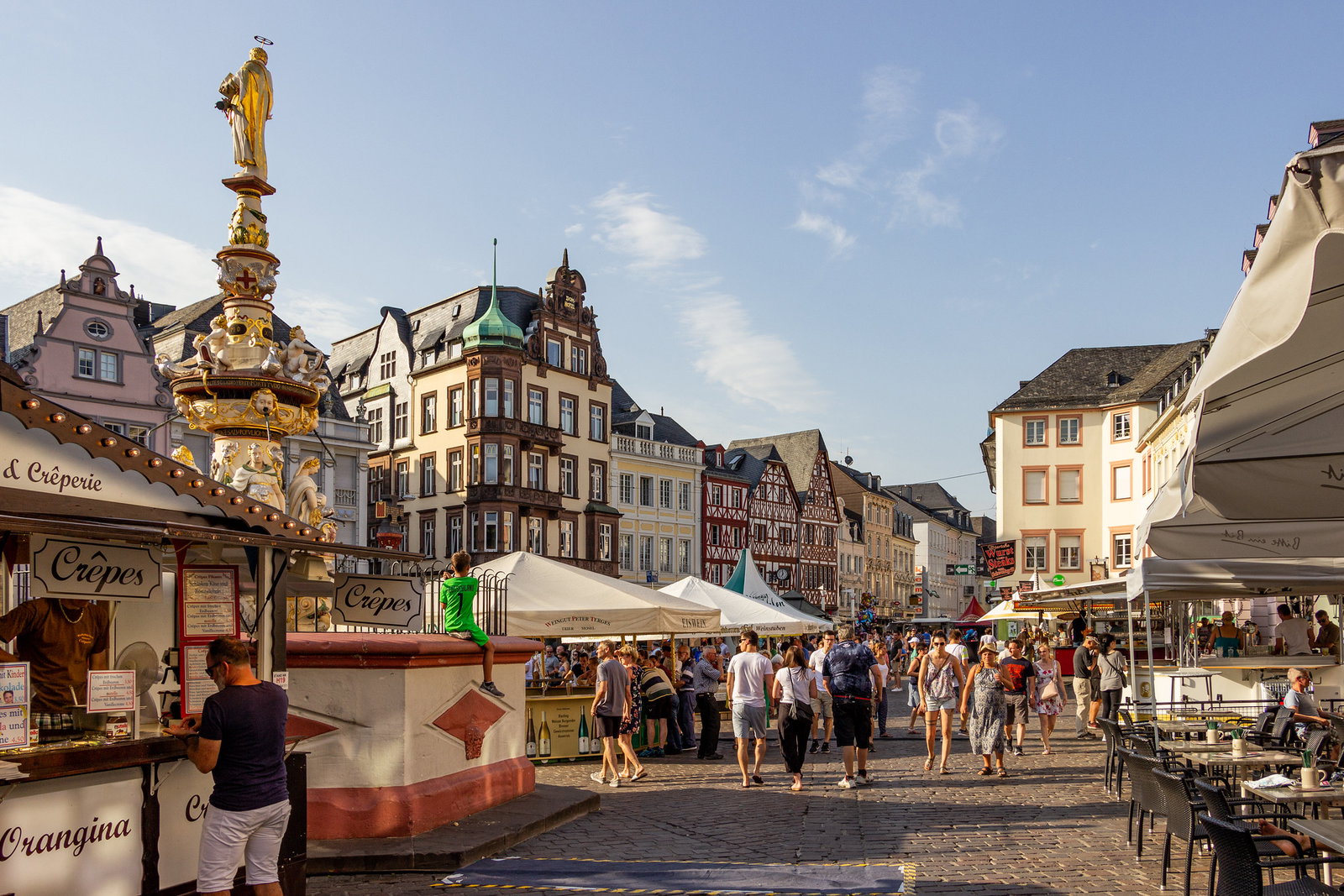
The central Hauptmarkt square buzzes daily with market stalls selling Franconian produce. Grab a tray of three finger-sized Rostbratwurst from the historic Bratwursthäusle or a street grill — always served with mustard and a Brötchen — and watch the world go by.

Germanisches NationalmuseumMuseums & Art

Germanisches Nationalmuseum

Half day

Germany's largest museum of cultural history spans over 1.3 million objects across art, craft, science, and everyday life from prehistory to the present. Dürer originals, medieval armour, early globes, and historic toys all share space here.

Albrecht Dürer's HouseMuseums & Art

Albrecht Dürer's House

1–2 hours

The well-preserved half-timbered home where Albrecht Dürer lived and worked from 1509 until his death in 1528 has been converted into an immersive museum. Costumed guides demonstrate Renaissance printing techniques in the original workshop.

Best time to visit Nuremberg

The best time to visit Nuremberg is May to October, when long daylight hours and temperatures of 18–26 °C make outdoor exploration of the Altstadt and castle grounds comfortable and enjoyable.

Spring (April–May): Crowds are lighter, beer gardens reopen, and the city's parks bloom. Daytime temperatures reach 14–20 °C — ideal for walking.

Summer (June–August): Peak season with the Rock im Park festival, Classical Open Air concerts in the castle moat, and lively Hauptmarkt markets. Expect 22–28 °C and higher hotel rates; book accommodation well in advance.

Autumn (September–October): Golden light, grape harvest festivals in the Franconian wine country nearby, and noticeably thinner crowds. The Altstadtfest (Old Town Festival) in September is a highlight.

Winter (November–December): Nuremberg's Christkindlesmarkt — Germany's most famous Christmas market — runs from late November to Christmas Eve and transforms the Hauptmarkt into a fairy-lit wonderland. Temperatures hover around 0–5 °C; pack layers. Book hotels months ahead.

January–March is the quietest and cheapest period. Cold (sometimes below zero) and some attractions keep reduced hours, but museums are uncrowded and the city has a local, unhurried feel.
Is Nuremberg safe to visit?

Yes — Nuremberg is a very safe destination for tourists. Germany consistently ranks among Europe's safest countries, and Nuremberg's crime rates are low by any international comparison.

Petty theft: As in any busy European city, keep an eye on bags and wallets in crowded areas such as the Hauptmarkt, the Christkindlesmarkt, and around the Hauptbahnhof. Pickpockets occasionally target distracted tourists at Christmas market stalls.

At night: The Altstadt and central areas are well-lit and active well into the evening. Exercise ordinary caution around the Hauptbahnhof late at night, as is standard in most large German cities.

Transport: Public transport is reliable, clearly signed, and safe. Trams, U-Bahn, and buses run to most tourist sites. Taxis and ride-share apps are readily available.

Health: Germany has an excellent healthcare system. EU citizens should carry a European Health Insurance Card (EHIC). All other travellers should hold comprehensive travel insurance.

Emergency numbers: Police 110 · Ambulance/Fire 112.

Suggested itinerary

Nuremberg in 3 Days: Castles, Courts & Cuisine

A mid-pace city-break itinerary based in the Altstadt, mixing Nuremberg's medieval highlights with its frank historical reckoning and outstanding food scene. Suits first-time visitors arriving by train or plane. Budget band: mid-range (€100–180/night for central hotels).

Day 1

The Medieval Altstadt & Kaiserburg

Start with breakfast at a bakery on the Hauptmarkt, then head straight up to the Kaiserburg. Allow a leisurely two hours for the castle complex — chapel, Imperial rooms, well, and the Sinwell Tower climb.

Descend through the Burgviertel (castle quarter), pausing at Albrecht Dürer's House on Albrecht-Dürer-Strasse. Lunch at the famous Bratwursthäusle on Bergerstrasse for a platter of Rostbratwurst with sauerkraut.

Afternoon: explore St. Sebaldus Church and St. Lorenz Church — both Gothic masterpieces packed with medieval carvings and Veit Stoss sculptures. End with an evening stroll along the Pegnitz River and dinner at a Franconian Wirtshaus for Schäufele (braised pork shoulder) and local Franconian wine.

Nurnberg — The Medieval Altstadt & Kaiserburg

Travel essentials

Getting around

The compact Altstadt is very walkable — most major sights are within 20 minutes on foot. Nuremberg's integrated VGN public transport network (U-Bahn, tram, bus) covers the outer attractions including the Rally Grounds (U1 to Langwasser Mitte or tram 9) and the airport (U2). Day tickets offer good value. Cycling is popular; bike-share stations are dotted across the city.

Typical costs

Budget: €60–80/day (hostel dorm, self-catering, free museums on certain days). Mid-range: €130–200/day (3-star Altstadt hotel, sit-down meals, all museum entries). Upscale: €250+/day (boutique hotels, fine Franconian dining). A plate of Rostbratwurst costs €3–5; a half-litre of local beer around €4–5 in a Wirtshaus.

Culture and etiquette

Punctuality is valued. Greet shopkeepers and restaurant staff with 'Guten Tag'. Tipping 5–10% in restaurants is customary (round up or say 'stimmt so' to keep the change). Many smaller Franconian Wirtshäuser still prefer cash. Quiet hours (Ruhezeit) typically apply after 10 pm — keep noise down in residential areas.

Safety and planning

Register with your country's embassy or travel app if visiting for an extended stay. Carry a copy of your passport. The emergency number for police is 110; ambulance and fire is 112. Pharmacies (Apotheke) are plentiful and staff usually speak some English.

Connectivity

Free Wi-Fi is available at the airport, main train station, and many cafes. German SIM cards or EU roaming plans provide reliable 4G/5G coverage across the city. The tourist office on the Hauptmarkt offers a free Nuremberg Card covering public transport and museum entry for 48 or 72 hours.

Payments

Credit and debit cards (Visa, Mastercard) are widely accepted in hotels, restaurants, and larger shops. However, some traditional Wirtshäuser, market stalls, and smaller attractions are still cash-only. Keep €20–50 in cash on hand. ATMs (Geldautomat) are plentiful throughout the centre.

Nurnberg travel FAQs

More destinations to explore