The best time to visit Munich is May to June or September to early October, when temperatures are pleasant, daylight hours are long, and the city's beer gardens and outdoor spaces are at their most welcoming.
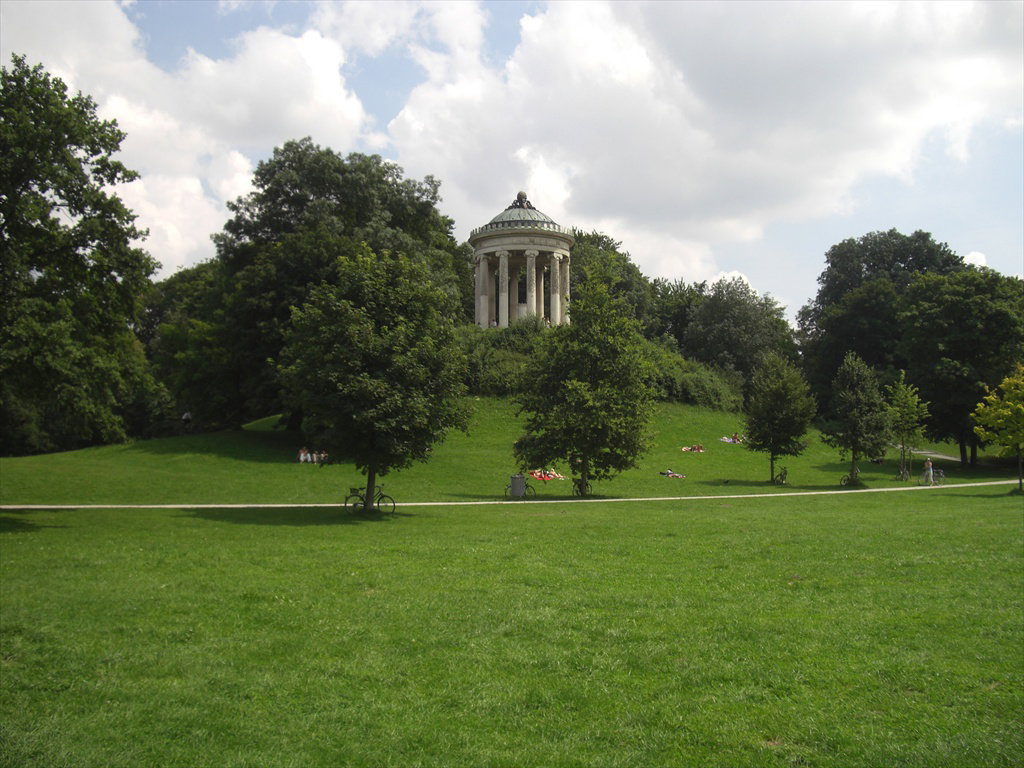
Spring (April–June): Temperatures rise from around 10°C in April to 22°C in June. The English Garden fills up fast, beer gardens open at the first hint of sun, and Starkbierfest (strong-beer festival, March) and Frühlingsfest (spring festival, late April–early May) give you a taste of Oktoberfest energy without the crowds. Best for: sightseeing, cycling, Alpine day trips.
Summer (July–August): Warm and occasionally hot (25–30°C), with long daylight hours. Crowds peak at major museums and Neuschwanstein. The Isar river banks become the city's outdoor living room — locals swim and picnic on the gravel banks. Afternoon thunderstorms are common. Best for: outdoor life, festivals, lake swimming.
Oktoberfest (late September – first weekend of October): Munich's most famous event draws over six million visitors across 16 days. The Theresienwiese fairground opens in the third week of September. Book accommodation 6–12 months ahead; tent tables must usually be pre-reserved through official breweries. Prices double or triple citywide.
Autumn (October–November): After Oktoberfest, the city exhales. October still offers warm days and spectacular Alpine light. November turns grey and cool — off-peak prices reward flexible travellers.
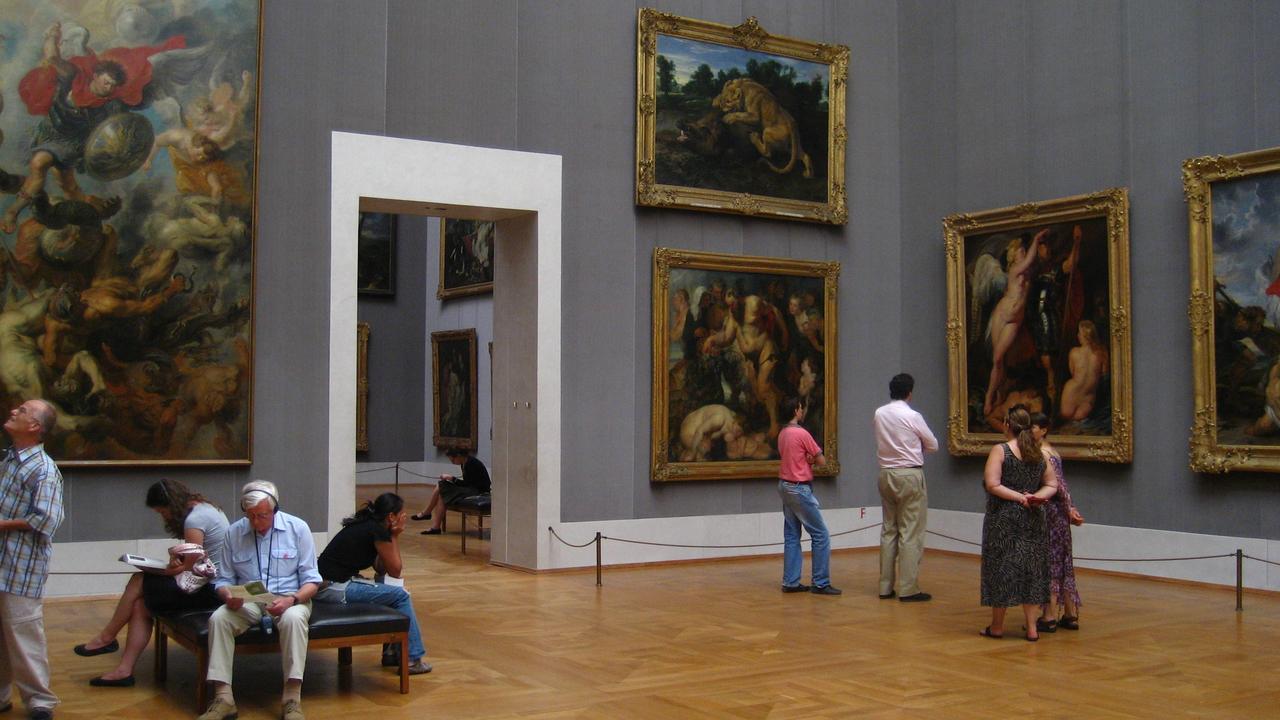
Winter (December–February): Christmas markets from late November through 23 December are a major draw — Marienplatz, Schwabing, and the Medieval Market at Wittelsbacherplatz are highlights. January and February are cold and quiet; ski resorts in the Alps are in full swing. Best for: Christmas atmosphere, ski day trips, museum-heavy itineraries at low prices.
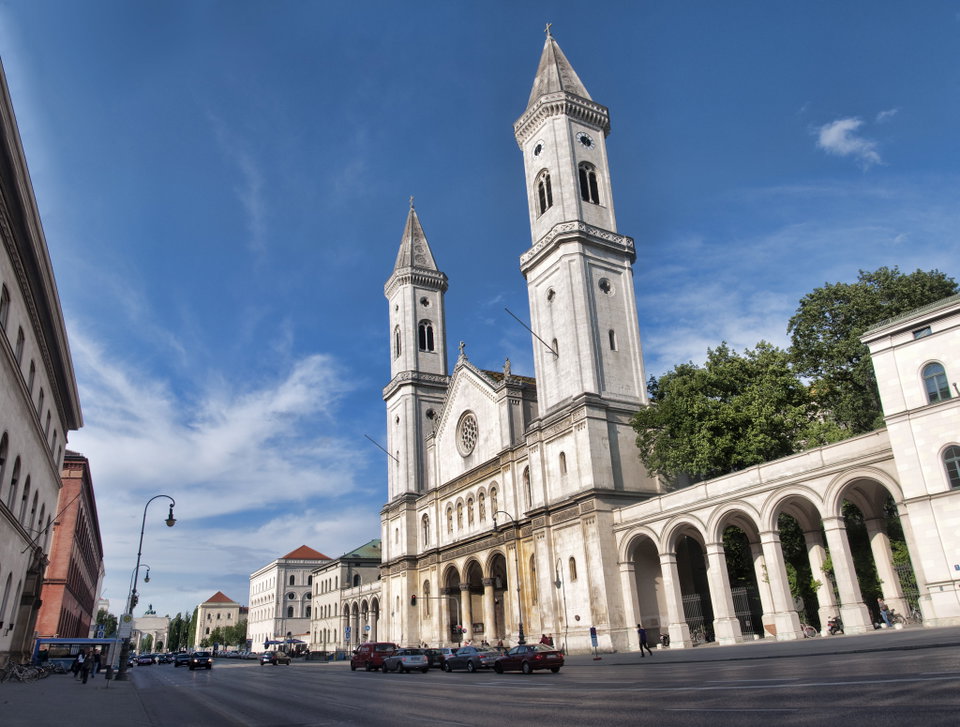
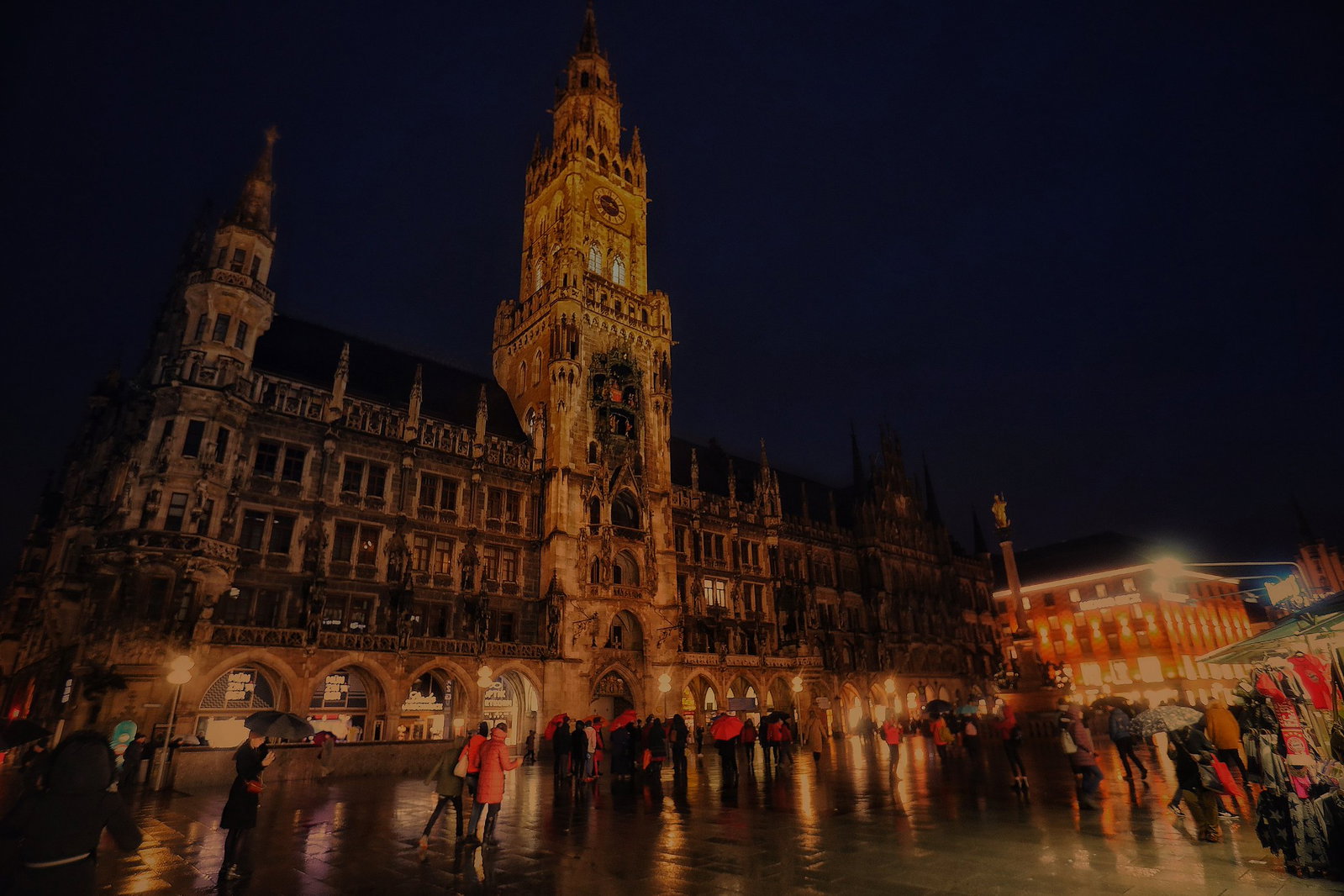 Landmark