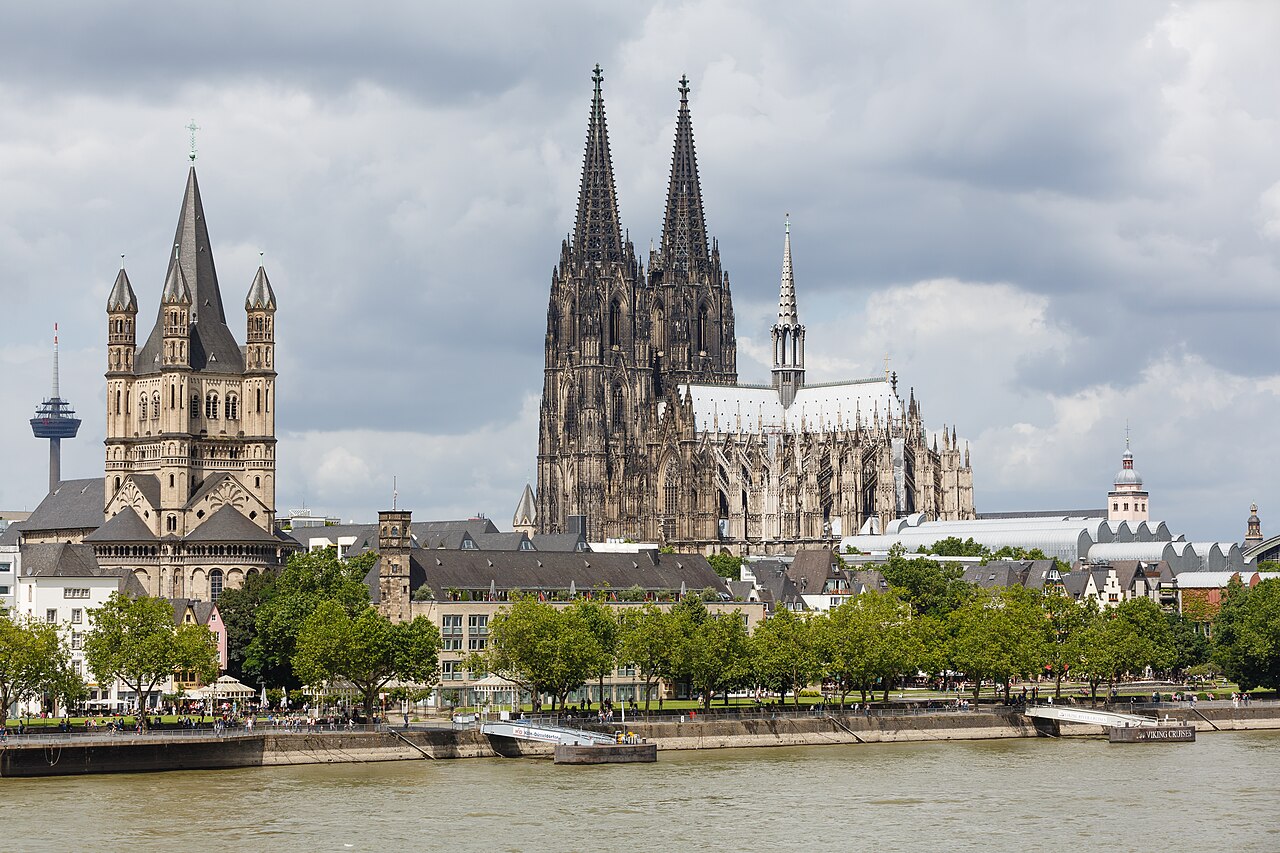
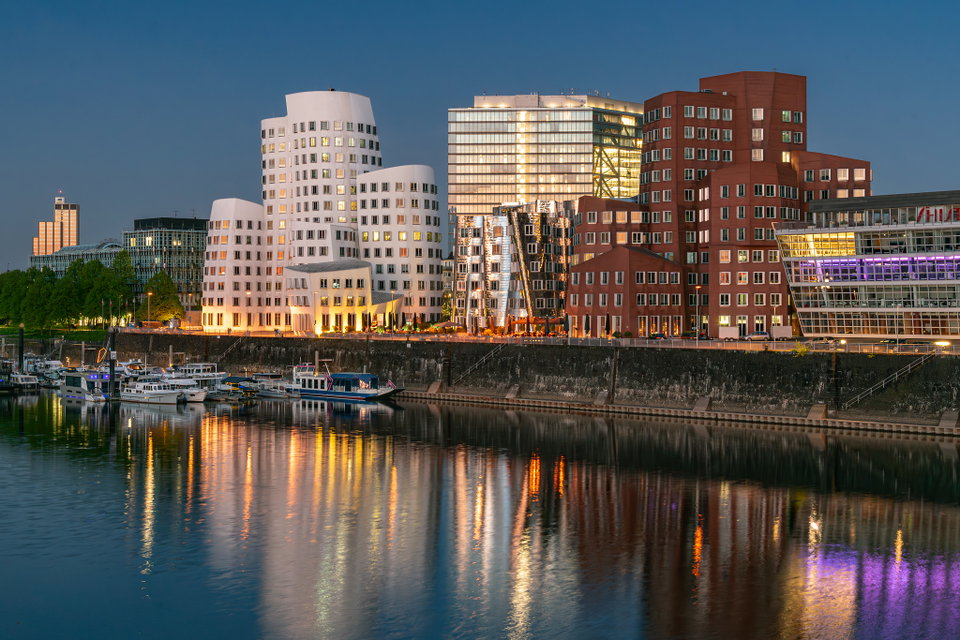
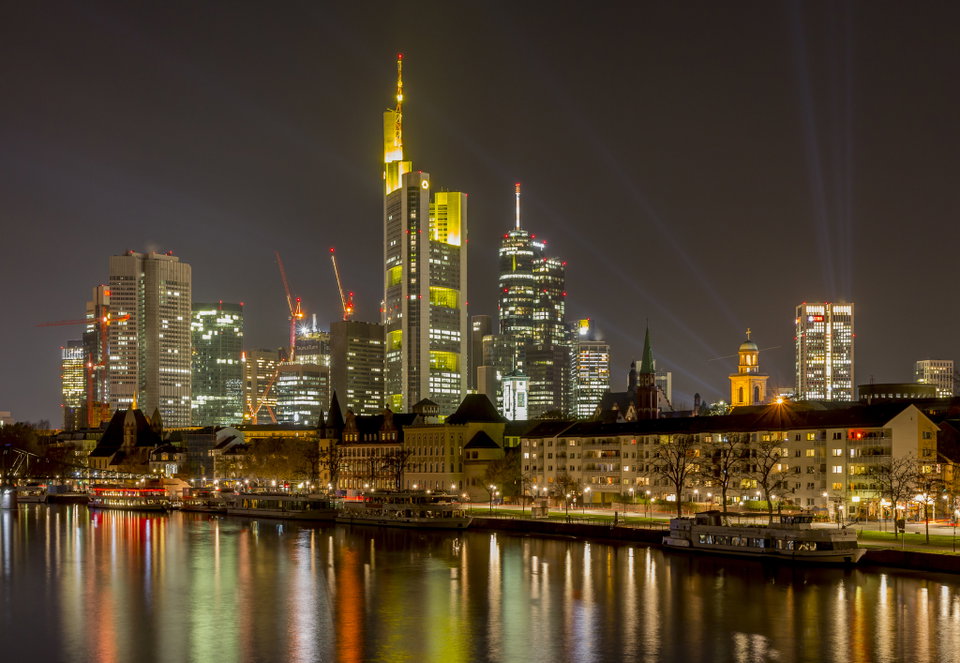
Cologne Cathedral and the Hohenzollern Bridge reflected in the Rhine at dusk

Destination guide

Cologne

North Rhine-Westphalia, Western Germany · Germany

Two millennia of history, Gothic grandeur, and the friendliest carnival in Europe

Best season

April–May and September–October for mild weather and fewer crowds; late November for the Christmas market; February for Karneval

From Nairobi

Approx. 9–10 hrs direct to Frankfurt (FRA) or Düsseldorf (DUS), then ~30–60 min by train to Cologne

Why visit Cologne?

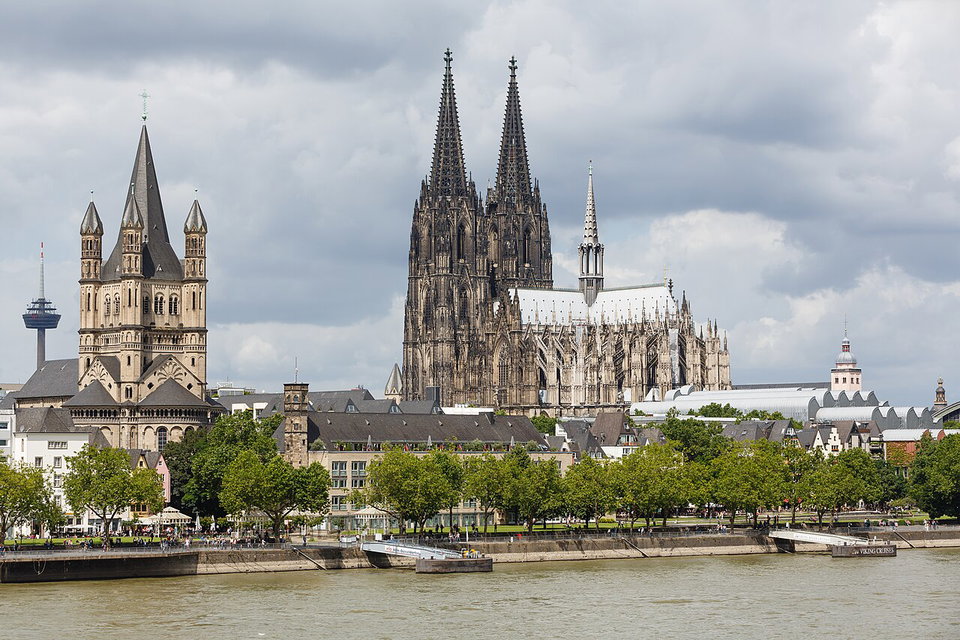
Few European cities pack this much cultural and architectural weight into such an accessible footprint. The twin-spired Cologne Cathedral took over 600 years to complete and still dominates the skyline — and the soul — of the city. Just steps away, the Roman-Germanic Museum displays the largest Roman floor mosaic north of the Alps, while the Museum Ludwig holds one of the world's finest collections of 20th-century art, including a definitive Picasso wing.

Beyond the museums, Cologne is a city that lives outdoors. The Old Town (Altstadt) brims with brewhouses serving Kölsch, the city's own protected pale ale, in traditional cylindrical glasses. The Rhine promenade draws locals and visitors alike at every hour of the day, and the Belgian Quarter's independent boutiques and cafés reveal the city's creative side. Cologne also hosts some of Europe's most celebrated seasonal events — Karneval in February draws over a million revellers into the streets, and the Christmas market around the cathedral is routinely ranked among Germany's best.

  • Stand inside a UNESCO World Heritage cathedral 157 m tall — and climb all 533 steps to the top
  • Sip Kölsch in a centuries-old brewhouse where the waiter keeps refilling your glass until you say stop
  • Walk a Roman mosaic floor that has been in place since the 3rd century AD
  • Join a million costumed strangers for the wildest street party in Germany every February
  • Browse six Christmas markets, the best wrapping around the cathedral's Gothic feet
  • Cross the Hohenzollern Bridge and add your padlock to the 500,000 love locks already there

Best for

History lovers, art and museum fans, festival-goers, beer enthusiasts, short-break city trippers

Trip style

Cultural city break, festival travel, weekend escape

Known for

Cologne Cathedral (Kölner Dom), Kölsch beer, Karneval, Roman history, world-class museums, Christmas markets

Quick facts

Best time to visit

April–May and September–October for mild weather and fewer crowds; late November for the Christmas market; February for Karneval

Currency

Euro (EUR)

Languages

German; English is widely spoken in tourist areas

Visa summary

Schengen visa rules apply — EU/EEA citizens enter freely; most Western passport holders get 90 visa-free days

Flight time from Nairobi

Approx. 9–10 hrs direct to Frankfurt (FRA) or Düsseldorf (DUS), then ~30–60 min by train to Cologne

Airport / arrival

Cologne Bonn Airport (CGN) is 15 km from the city centre — S-Bahn line S13 reaches Cologne Hbf in around 15 minutes

Safety note

Cologne is one of Germany's safest large cities. Standard urban precautions apply around the main station and busy festival periods

Visa and entry

Look up entry rules by passport for travel to Germany on the Tsavaro visa checker.

Check visa requirements for Germany

Things to do

Cologne Cathedral (Kölner Dom)Architecture & Heritage

Cologne Cathedral (Kölner Dom)

1.5–2 hrs

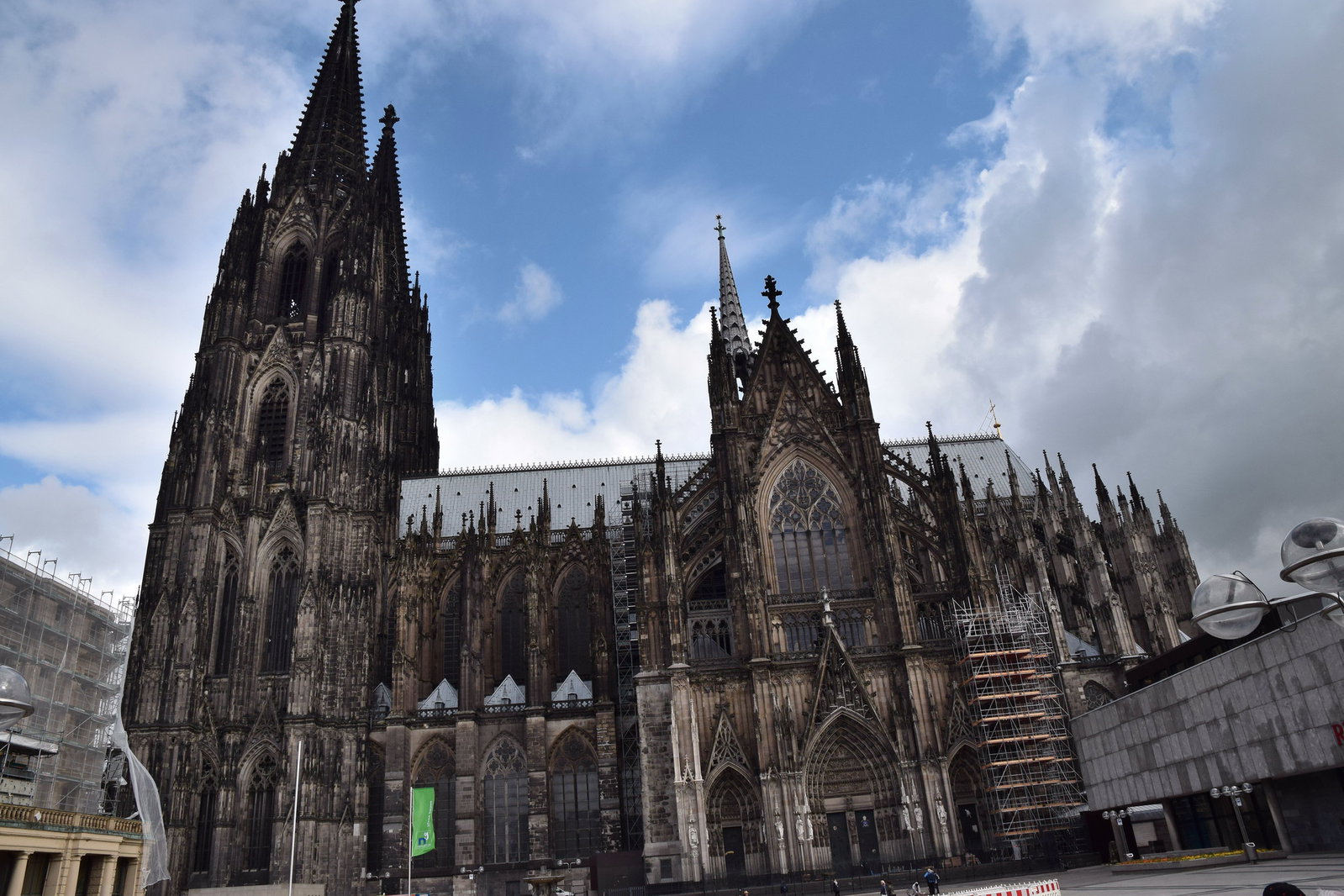
The centrepiece of the city and a UNESCO World Heritage Site, Cologne's Gothic cathedral is one of the largest in the world. Climb the South Tower's 533 steps for panoramic Rhine views, and don't miss the glittering Shrine of the Three Kings inside.

Roman-Germanic MuseumMuseums & Culture

Roman-Germanic Museum

1.5 hrs

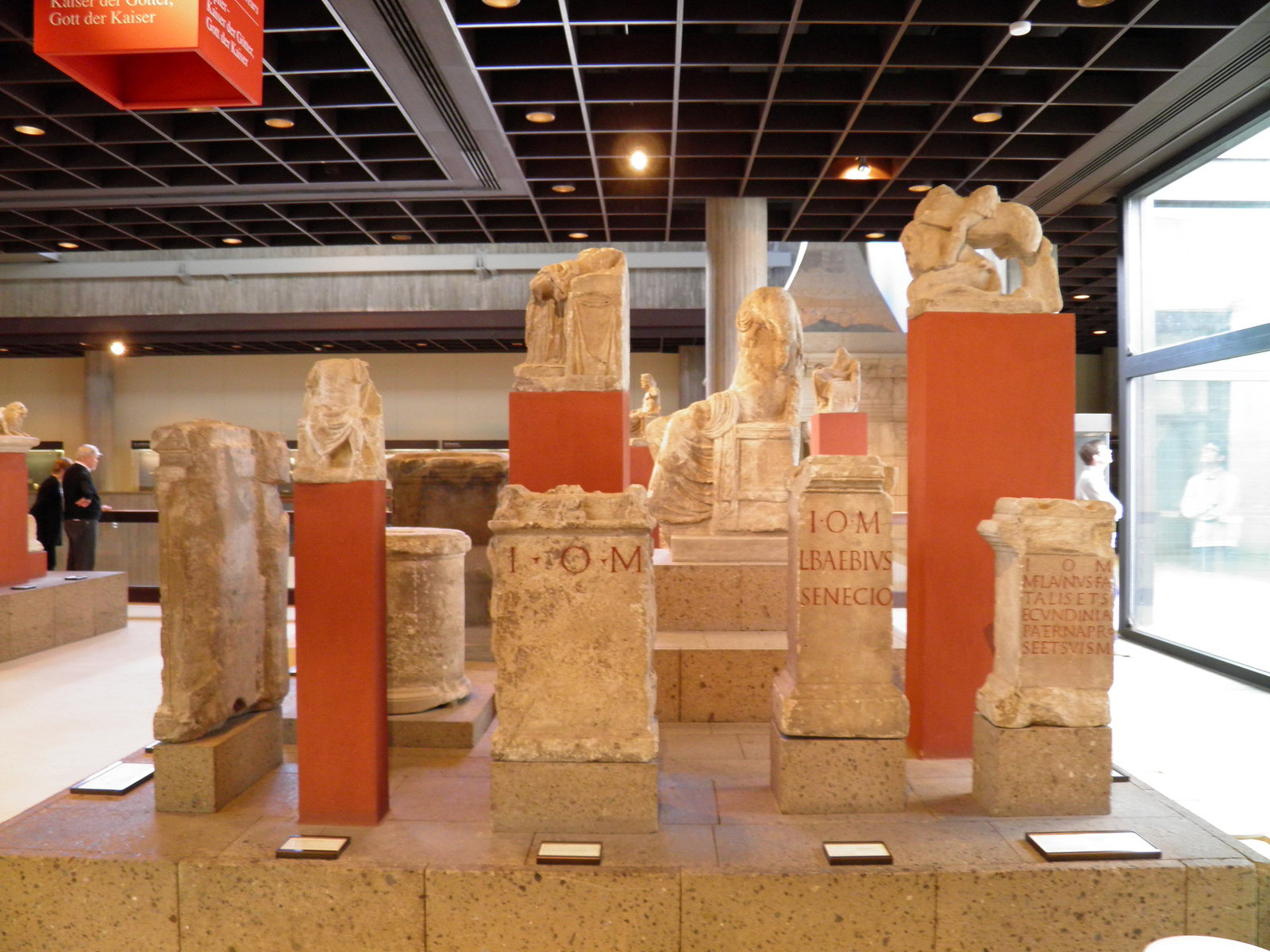
Built directly over a Roman villa, this museum displays the stunning 3rd-century Dionysus Mosaic in situ, alongside Roman glassware, jewellery, and the towering Poblicius tombstone — an unmissable window into Colonia Claudia Ara Agrippinensium.

Museum LudwigArt & Museums

Museum Ludwig

2–3 hrs

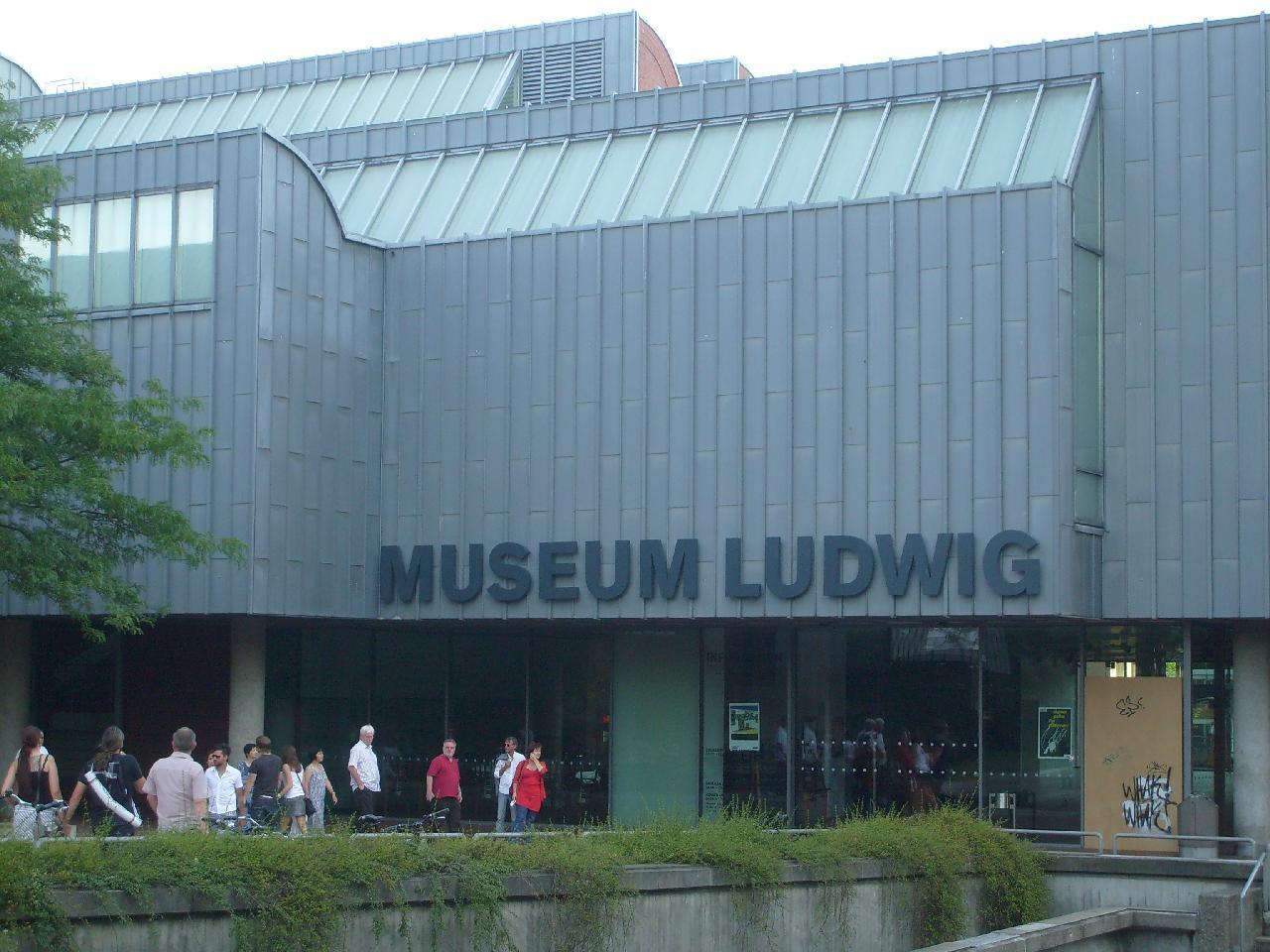
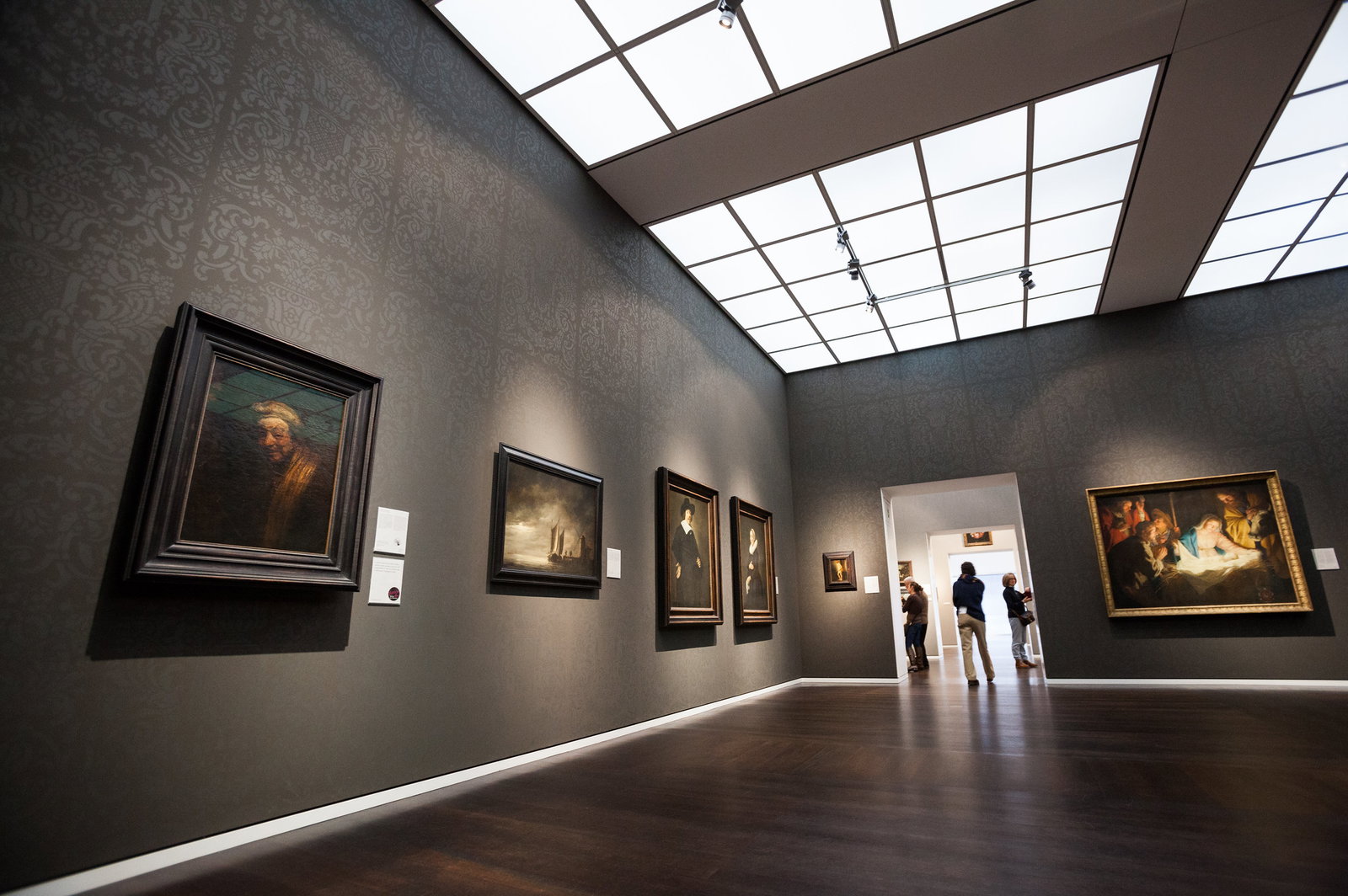
One of Europe's leading modern and contemporary art museums, the Museum Ludwig holds masterworks by Picasso, Warhol, Lichtenstein, and Dix, alongside an outstanding photography collection. Exhibitions change regularly and always reward repeat visits.

Old Town Kölsch TrailFood & Drink

Old Town Kölsch Trail

2–4 hrs (evening)

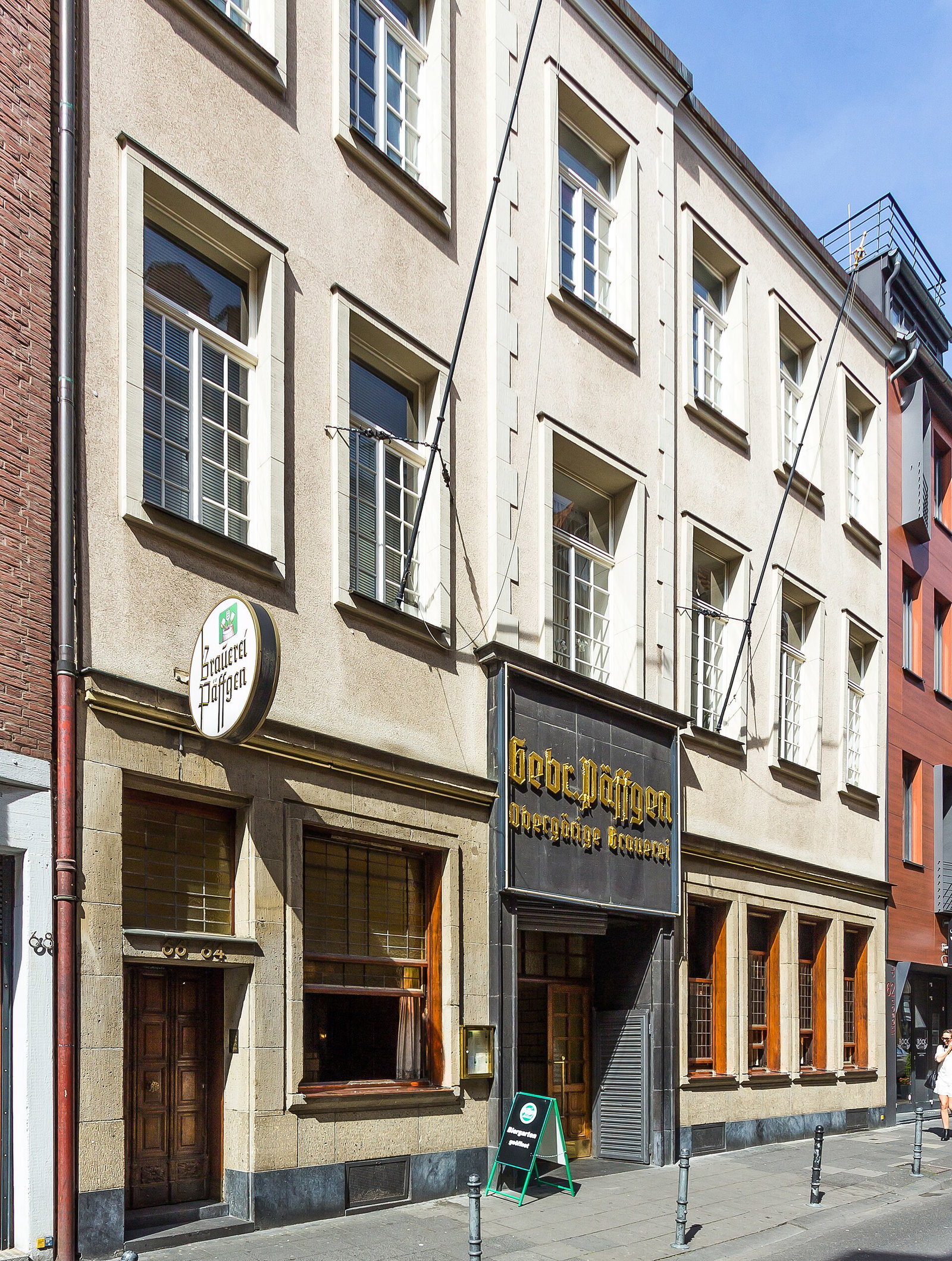
Cologne's historic brewhouses — Früh, Gaffel, Peters, Päffgen — cluster in the Altstadt and Friesenstraße. Join locals at long communal tables, drink from the iconic 0.2 l Stange glass, and let the blue-aproned Köbes (waiter) keep your tally on a beer mat.

Rhine Promenade & Hohenzollern BridgeOutdoor & Scenic

Rhine Promenade & Hohenzollern Bridge

1–2 hrs

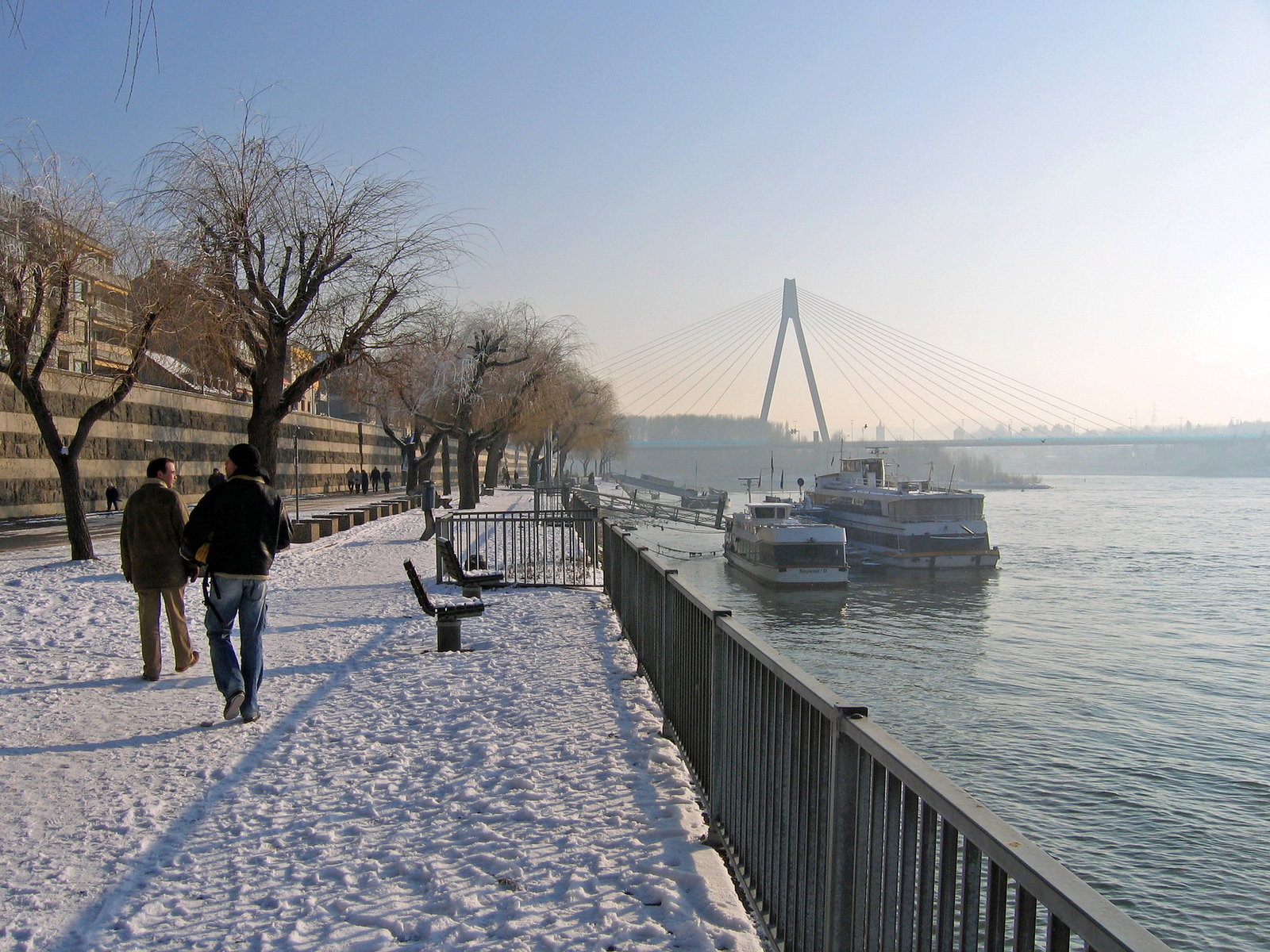
Stroll the wide riverside promenade from the Altstadt south toward the Rheinauhafen crane-houses, or cross the Hohenzollern Bridge — festooned with half a million love locks — for a classic view back at the cathedral and the city skyline.

Wallraf-Richartz MuseumArt & Museums

Wallraf-Richartz Museum

2 hrs

Germany's oldest civic museum, home to an exceptional collection of medieval Cologne School paintings, Dutch and Flemish Old Masters, and 19th-century European art including Renoir, Monet, and Courbet.

Best time to visit Cologne

The best time to visit Cologne is April to May or September to October, when temperatures are pleasant (14–22 °C), crowds are manageable, and outdoor café terraces are in full swing. Spring also brings the Rhine in bloom, with flowering trees lining the promenade.

Summer (June–August) is warm and lively — peak season for river cruises and outdoor festivals — but hotel prices rise and the cathedral crowds thicken. The city rarely suffers the sweltering heat of southern Europe, making it a comfortable warm-weather option.

Winter has two unmissable draws: Karneval, which peaks in February/March and turns the entire city into a costume party, and the Christmas Markets (late November to late December), which are among Germany's finest and most atmospheric. Expect cold temperatures (0–6 °C) but excellent festive spirit. January is the quietest and cheapest month — fine for museum-hopping if you don't mind grey skies.
Is Cologne safe to visit?

Yes — Cologne is generally safe for tourists and ranks among the lower-crime large cities in Germany. The vast majority of visitors complete their trip without incident.

As in any major European city, stay alert around Cologne Hauptbahnhof (the main station) and the adjacent square, which can attract petty thieves, particularly during busy festival periods. Keep bags zipped and avoid displaying expensive camera gear unnecessarily in crowded areas.

During Karneval, the streets become extremely packed; exercise extra caution with personal belongings in the crush, and plan your accommodation and transport well in advance as the city fills rapidly. LGBTQ+ travellers will find Cologne exceptionally welcoming — Cologne Pride (Christopher Street Day) is one of Germany's largest and most celebrated. Emergency number across Germany: 112 (EU standard).

Suggested itinerary

3 Days in Cologne: Cathedral, Culture & Kölsch

A mid-pace itinerary based in the city centre, suitable for first-time visitors wanting to cover the headline sights without rushing. Budget band: mid-range (hotel around €90–€150/night, museum entries €7–€14 each). Walkable for most of days one and two; tram or S-Bahn for day three.

Day 1

Cathedral Quarter & Roman Roots

Start at the Cologne Cathedral the moment it opens (9 am) to beat coach groups. Spend an hour inside examining the Shrine of the Three Kings and the medieval stained glass, then commit to the South Tower climb for rooftop views. Recover with coffee at a pavement café on Domplatte.

Head next door to the Roman-Germanic Museum — the Dionysus Mosaic alone justifies the entry fee. Lunch on Fishmarkt in the Altstadt. Afternoon: stroll the Rhine promenade south to the Rheinauhafen crane-house towers, then cross the Hohenzollern Bridge on foot. Dinner in an Altstadt brewhouse (Früh am Dom or Gaffel am Dom are classics) — order Halver Hahn, Cologne's famous rye-roll-with-cheese.

Cologne — Cathedral Quarter & Roman Roots

Travel essentials

Getting around

Cologne's city centre is very walkable — the cathedral, Altstadt, Museum Ludwig, and Roman-Germanic Museum are all within 10 minutes on foot of each other. The KVB tram and U-Bahn network covers the wider city efficiently; day tickets (Tagesticket) offer good value. Taxis and Uber operate city-wide. Cycling is popular and several bike-share stations dot the river promenade.

Typical costs

Budget travellers: €60–€90/day (hostel, supermarket, one museum). Mid-range: €130–€200/day (3-star hotel, restaurant meals, museum entries). Kölsch costs €2–€3 per glass in a traditional brewhouse; a main course in a mid-range restaurant runs €14–€22. Museum entries: €8–€14. Cathedral entry is free; South Tower climb costs €6.

Culture and etiquette

Cologne is famously open and welcoming — locals are proud of 'Kölner Frohnatur' (the cheerful Cologne character). Tipping is customary but not compulsory: round up the bill or add 10 % in restaurants. Greet shop owners when you enter. During Karneval, greeting strangers with 'Alaaf!' (the local carnival cheer) is entirely expected and encouraged.

Safety and planning

Travel insurance covering medical and cancellation is strongly recommended. Germany's public healthcare is excellent; EU citizens should carry their EHIC card. Pharmacies (Apotheken) are on every major street. Emergency: 112. Police: 110. The German SOS-Notruf app can be useful for travellers.

Connectivity

Free Wi-Fi is available at the airport, most hotels, and many cafés. Germany's mobile networks (Telekom, Vodafone, O2) offer good 4G/5G coverage. EU roaming rules mean European SIM holders pay domestic rates. For longer stays, prepaid SIM cards are available at the airport and supermarkets.

Payments

Cards are widely accepted in hotels, larger restaurants, and shops. However, many traditional brewhouses, smaller cafés, and market stalls are still cash-preferred or cash-only. Carry some euros — ATMs (Geldautomaten) are plentiful throughout the city centre.

Cologne travel FAQs

More destinations to explore