Bremen's colourful Böttcherstraße reflected in the Weser River at dusk

Destination guide

Bremen

North Germany / Weser River · Germany

Hanseatic grandeur, fairy-tale streets, and Germany's best fish sandwich — on the Weser.

Best season

May–September for warm weather and outdoor markets; December for one of Germany's finest Christmas markets

From Nairobi

Approximately 9–11 hours via a connecting hub (Frankfurt, Amsterdam, or Istanbul)

Why visit Bremen?

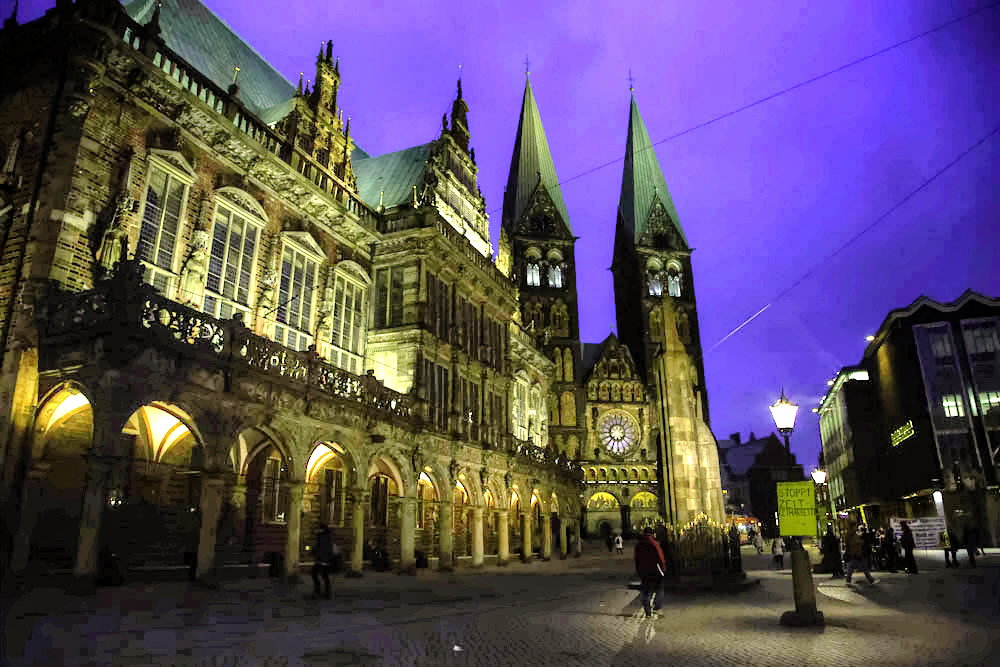
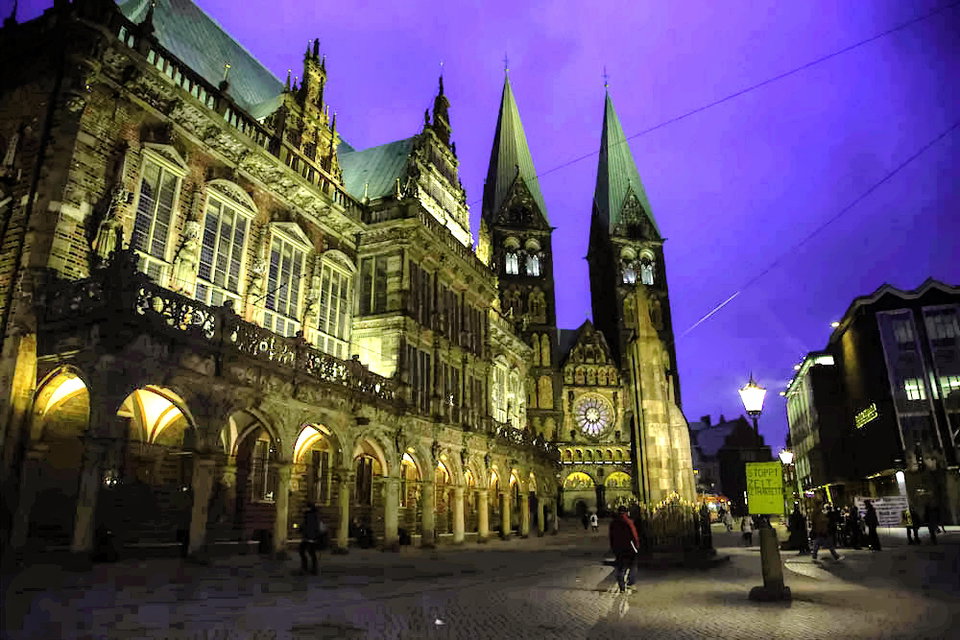
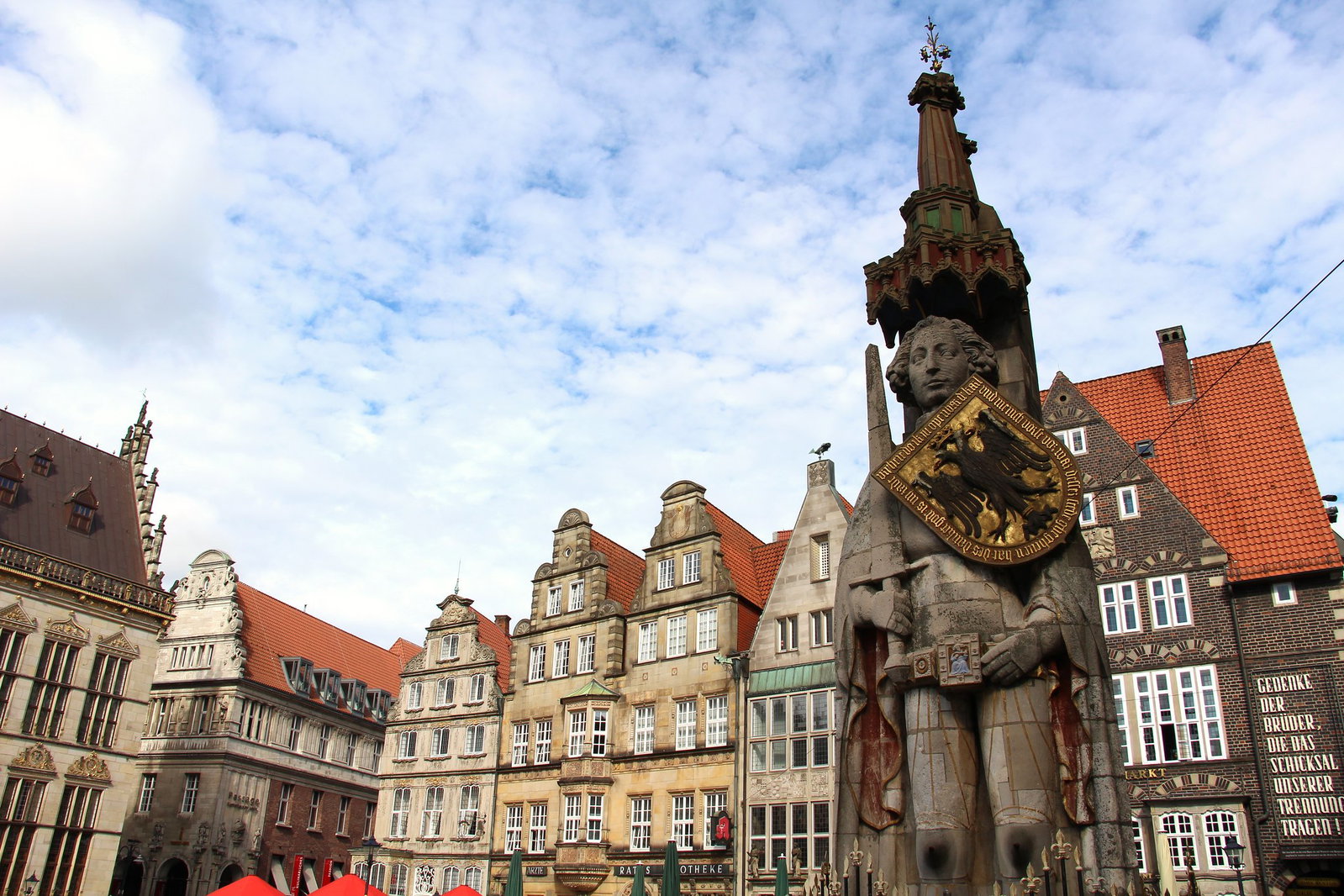
Bremen punches well above its size. Its Market Square — home to the Town Hall, Roland statue, and Cathedral of St Peter — earned UNESCO World Heritage status in 2004, yet you can walk its entire cobbled expanse in five minutes and still find a spot to sit with a coffee. The city's Hanseatic past built merchant fortunes that funded extraordinary architecture: the Gothic Town Hall, the Art Nouveau fantasy of Böttcherstraße, and the surrealist Schnoor quarter of 15th-century fishermen's cottages.

Beyond the old town, Bremen is surprisingly contemporary. The Überseestadt (Overseas City) harbour district has been reinvented as a creative and dining quarter. The Kunsthalle Bremen holds one of Germany's oldest and most respected art collections. Beck's beer was born here, and the city's Freimarkt — held every October — is the oldest folk festival in Germany, dating to 1035.

For travellers connecting through northern Europe, Bremen also makes an easy and underrated day trip from Hamburg (under an hour by ICE train), though it truly deserves an overnight stay to explore the Schnoor's independent shops and the Weser riverfront at sunset.

  • A UNESCO World Heritage market square you can have almost to yourself by 8 am
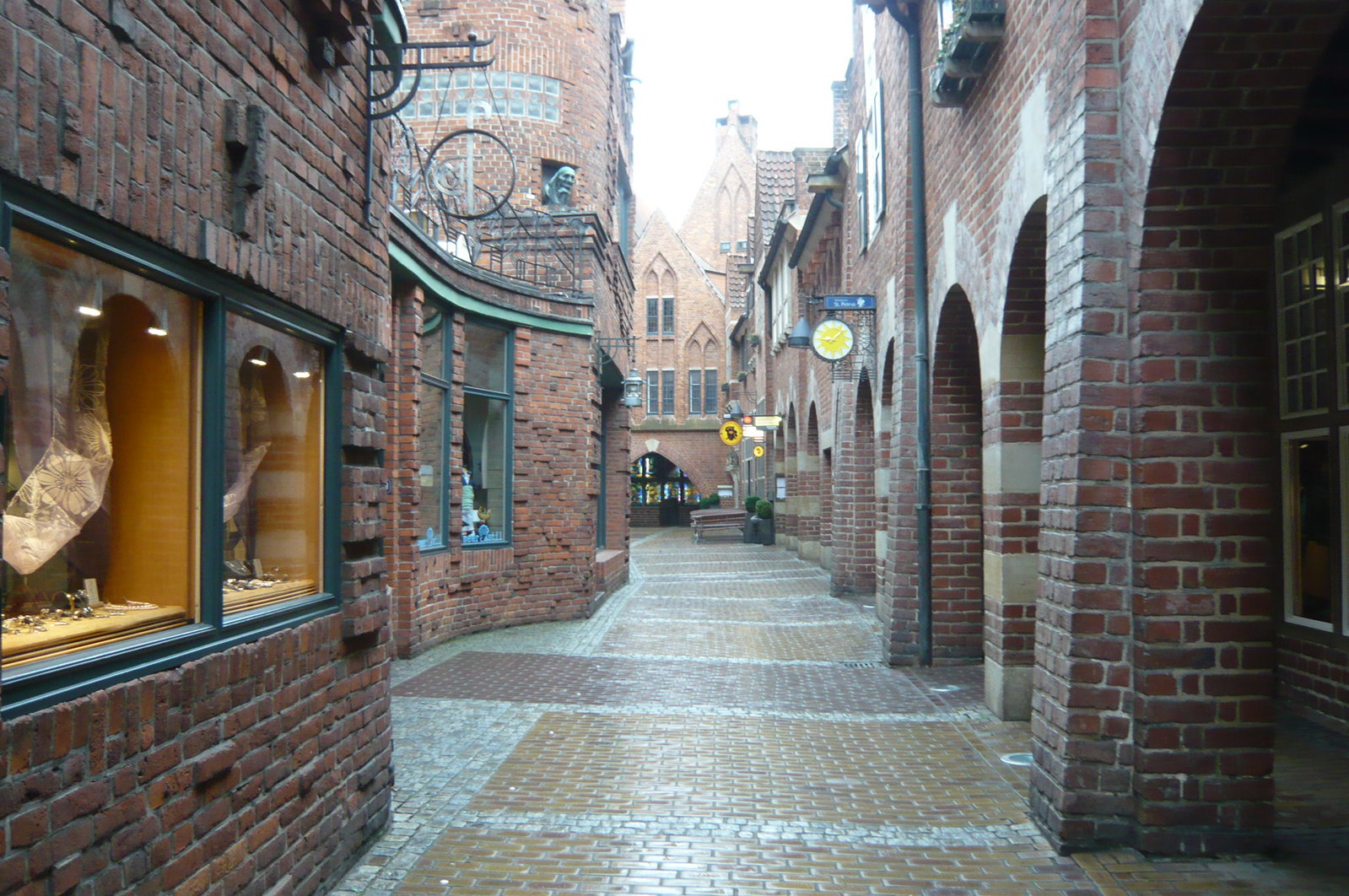
  • Böttcherstraße — seven Art Nouveau brick houses crammed into one photogenic lane
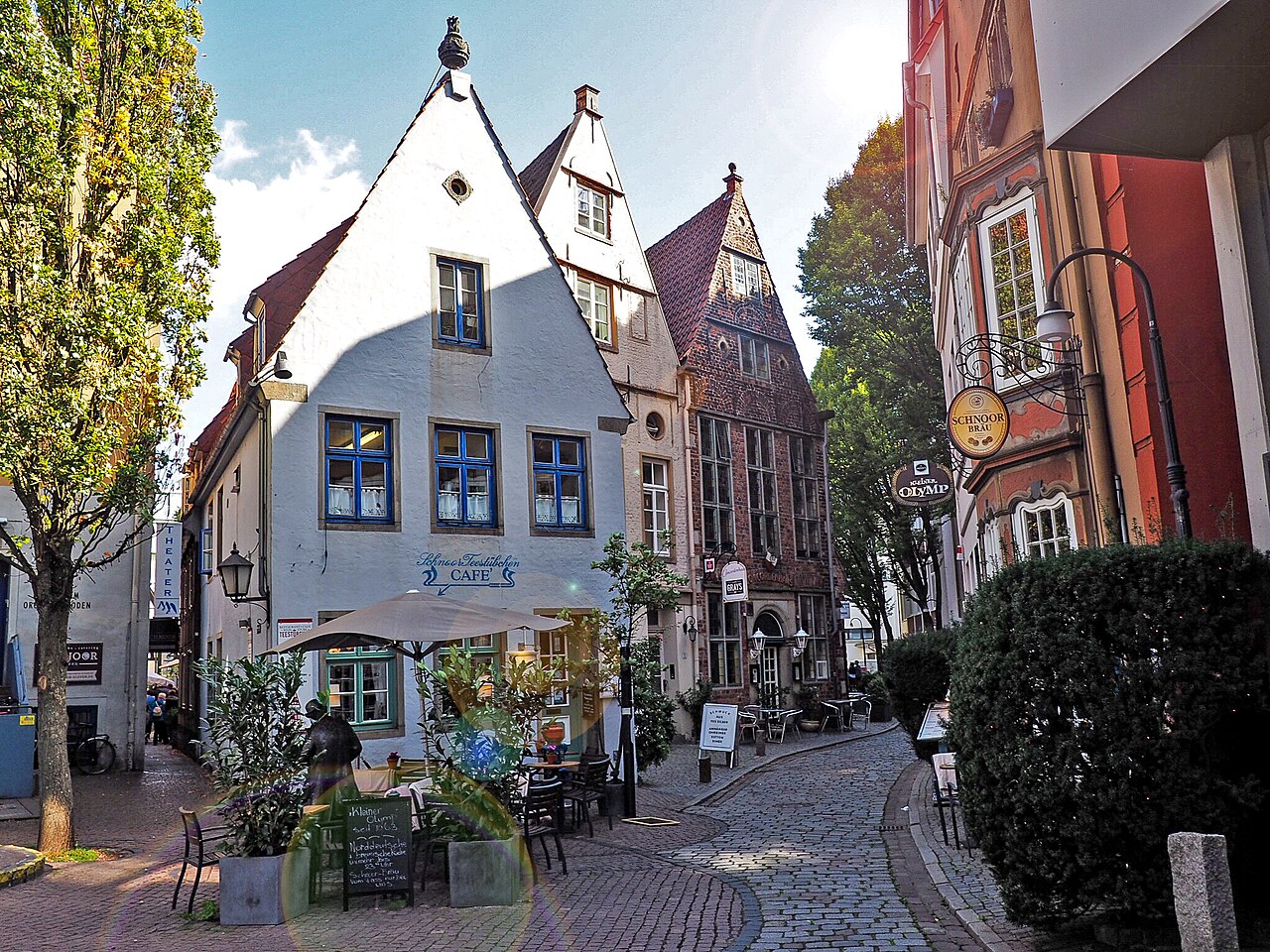
  • The Schnoor: a rabbit-warren medieval quarter of chocolatiers, cafés, and craft studios
  • Beck's Brewery birthplace — tour the original cellars and pour your own pint
  • Germany's oldest folk festival, the Freimarkt, held every October since 1035
  • Easy rail access from Hamburg and Hannover for a seamless northern Germany loop

Best for

History lovers, art enthusiasts, foodies, weekend city-breakers, and travellers on a northern Europe circuit

Trip style

Culture, city break, history, food & drink

Known for

UNESCO Market Square, the Brothers Grimm Town Musicians statue, Böttcherstraße, Beck's beer, Schnoor quarter, Freimarkt festival

Quick facts

Best time to visit

May–September for warm weather and outdoor markets; December for one of Germany's finest Christmas markets

Currency

Euro (EUR)

Languages

German; English widely spoken in hotels, restaurants, and tourist areas

Visa summary

No visa required for EU/EEA citizens; Schengen visa rules apply for most other nationalities

Flight time from Nairobi

Approximately 9–11 hours via a connecting hub (Frankfurt, Amsterdam, or Istanbul)

Airport / arrival

Bremen Airport (BRE) is 3.5 km south of the city centre; tram line 6 reaches the Hauptbahnhof in about 12 minutes

Safety note

Very safe city overall; standard urban precautions apply around the central station at night

Visa and entry

Look up entry rules by passport for travel to Germany on the Tsavaro visa checker.

Check visa requirements for Germany

Things to do

Explore the UNESCO Market SquareHeritage

Explore the UNESCO Market Square

1–2 hours

Stand in the heart of Bremen on a cobbled square flanked by the Gothic Town Hall (built 1405–1410), the soaring Cathedral of St Peter, and the 10-metre Roland statue — all UNESCO-listed since 2004. Duck into the Town Hall to see the medieval state rooms and the famous Ratskeller wine cellar beneath.

Stroll BöttcherstraßeCulture & Architecture

Stroll Böttcherstraße

1–2 hours

This 100-metre lane was reimagined in the 1920s by coffee merchant Ludwig Roselius and sculptor Bernhard Hoetger as a showcase of Expressionist brick architecture. Today it holds the Paula Modersohn-Becker Museum (the world's first museum dedicated to a female artist), the Roselius House, craft shops, and a carillon of Meissen porcelain bells that plays three times a day.

Get Lost in the Schnoor QuarterNeighbourhood & Shopping

Get Lost in the Schnoor Quarter

1–2 hours

Bremen's oldest neighbourhood is a tangle of lanes so narrow two people can barely pass. The 15th-century buildings now house independent chocolatiers, tearooms, jewellers, and artisan studios. Visit on a weekday morning for the calmest experience and the best chance to chat with shopkeepers.

Visit the Bremen Town Musicians StatueLandmark

Visit the Bremen Town Musicians Statue

15 minutes

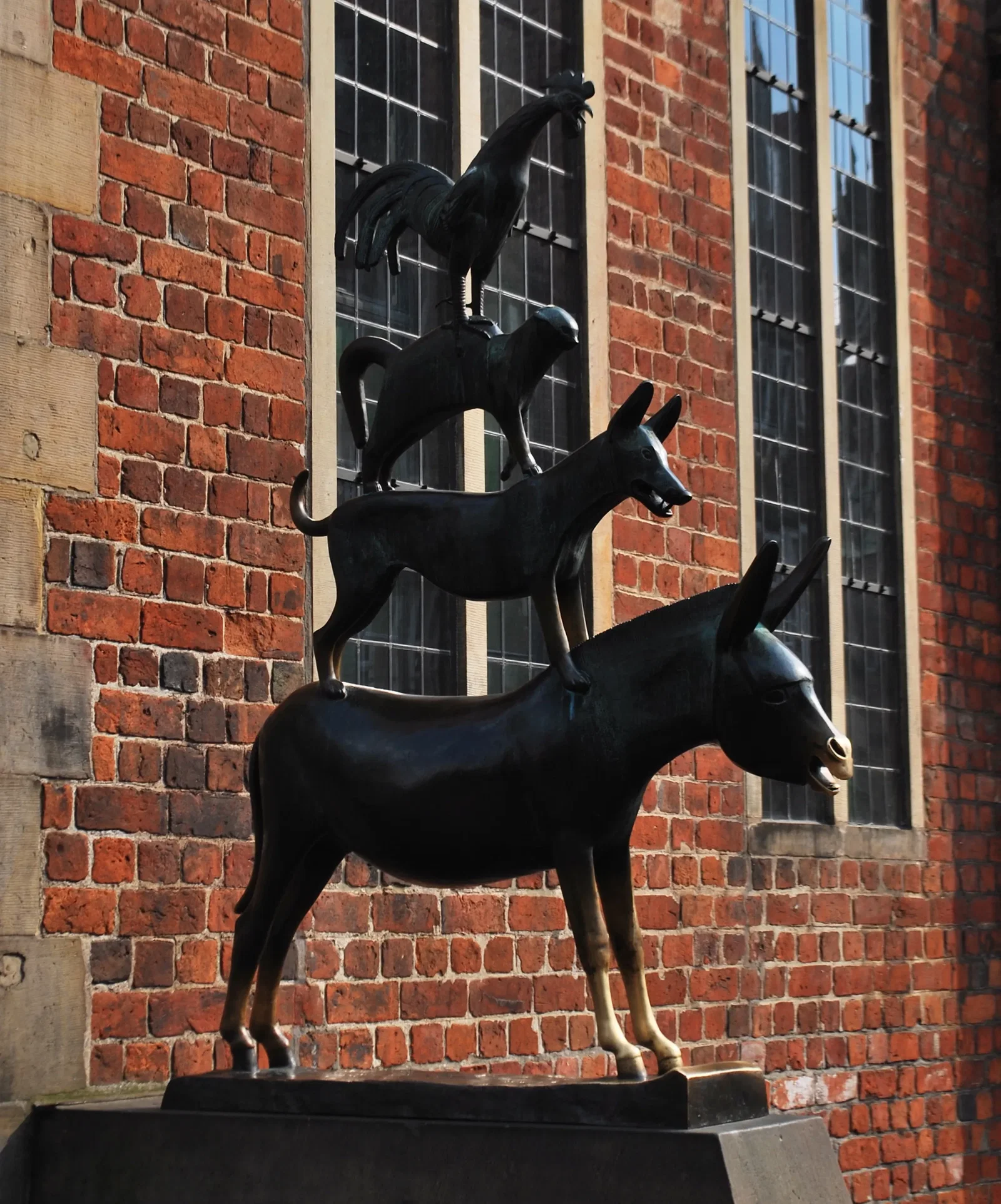
The most-photographed spot in Bremen: the stacked bronze donkey, dog, cat, and rooster immortalised by the Brothers Grimm. Rub the donkey's front hooves for good luck — generations of visitors have polished them golden. The statue stands just west of the Town Hall.

Tour Beck's BreweryFood & Drink

Tour Beck's Brewery

1.5 hours

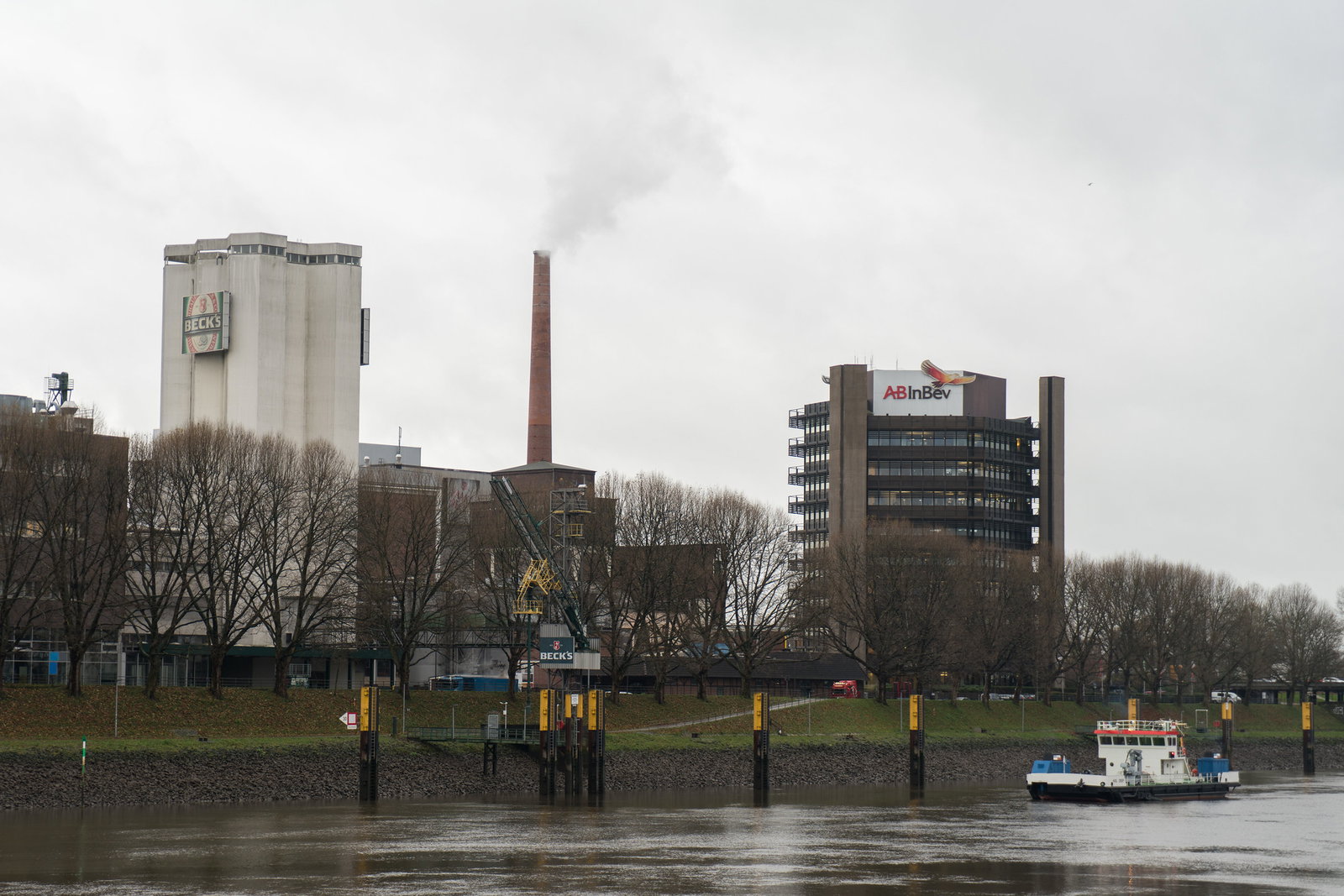
Beck's has brewed in Bremen since 1873. The 90-minute guided tour takes you through the brewing hall, lagering cellars, and bottling plant, and ends with a tasting of freshly poured pilsner. Book online in advance, especially in summer. The brewery is a 15-minute walk from the old town along the Weser.

Kunsthalle BremenArt & Museums

Kunsthalle Bremen

2–3 hours

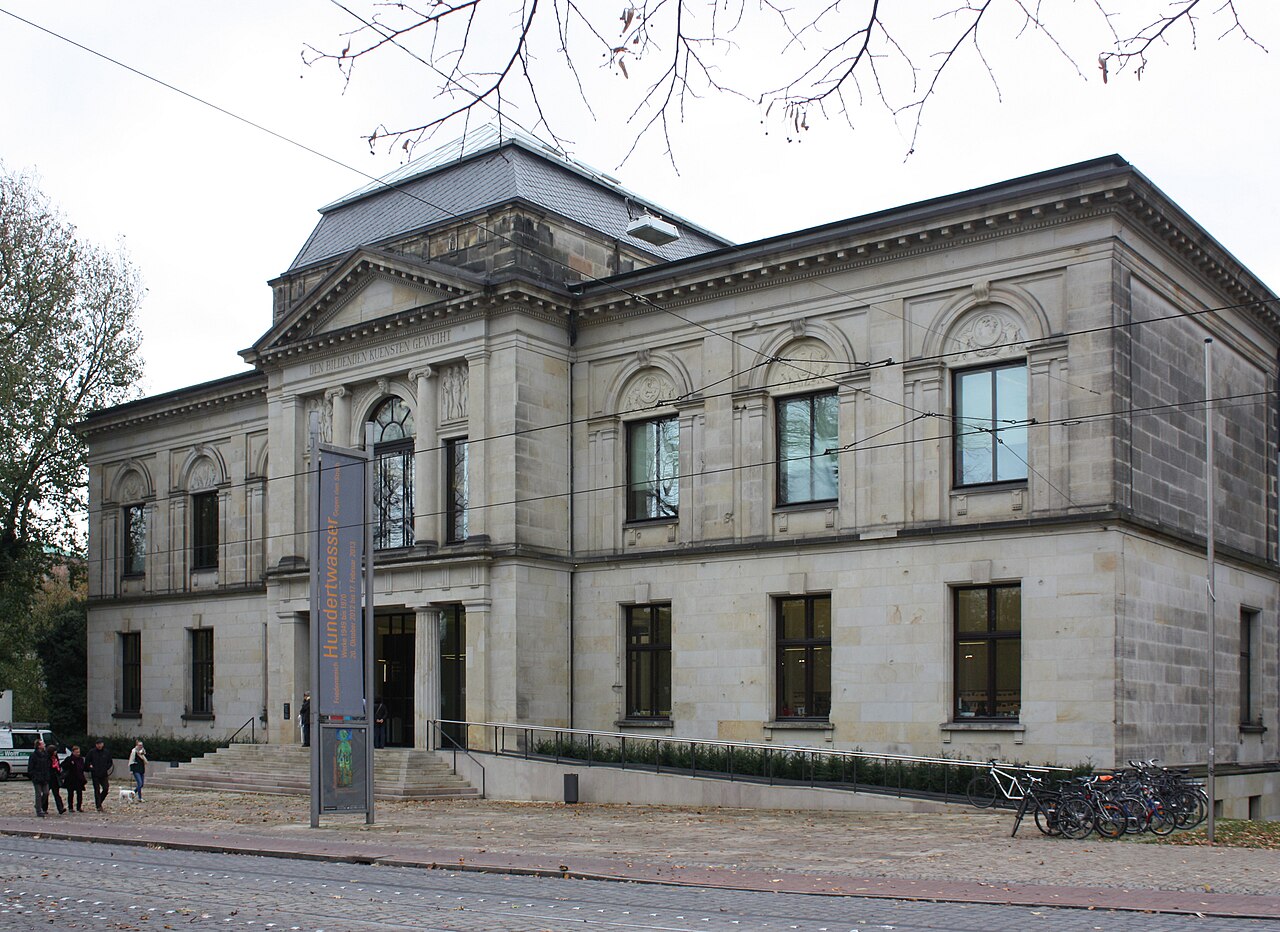
One of Germany's oldest public art museums (founded 1849), the Kunsthalle holds over 220,000 works spanning seven centuries — from Dürer and Rubens to Monet, Manet, and a superb collection of German Expressionists. The building itself, a neoclassical rotunda expanded with a striking modern wing, is worth the visit alone.

Best time to visit Bremen

The best time to visit Bremen is May to September, when temperatures are warm (18–25°C), outdoor beer gardens and riverfront terraces are in full swing, and the city's parks and Bürgerpark are at their most inviting.

Spring (April–May) is quietly excellent — fewer tourists than summer, cherry blossoms in the Rhododendron Park, and comfortable walking weather. The Rhododendron-Park's famous 'Rhodo Week' in May draws visitors from across Germany.

Summer (June–August) is the peak season. The Weser promenade and Schlachte embankment buzz with life, outdoor events fill the calendar, and long daylight hours make evening walks around the old town particularly atmospheric. Book accommodation early.

Autumn (September–October) is arguably the most characterful time to visit. The October Freimarkt — Germany's oldest folk festival, running for nearly a month — fills the city with fairground rides, traditional food stalls, and a genuine local atmosphere that few outsiders expect.

Winter (November–February) is cold (often near freezing) and grey, but Bremen's Christmas Market on the Market Square, held from late November to Christmas Eve, is consistently rated among Germany's top five. The Schnoor's lantern-lit lanes in December are genuinely magical. Outside the Christmas market period, sights are quieter and hotel rates drop significantly.
Is Bremen safe to visit?

Yes — Bremen is a very safe destination for tourists. Germany as a whole ranks among Europe's safest countries, and Bremen's main visitor areas (the Market Square, Böttcherstraße, Schnoor, and Kunsthalle neighbourhood) are well-lit, well-policed, and busy with locals throughout the day and evening.

The area immediately around Bremen Hauptbahnhof (central station) can feel a little rough late at night, as is common in many German cities — exercise standard awareness after midnight if you are alone. The Steintor neighbourhood near the station sees occasional low-level disorder but poses no serious risk to tourists passing through.

Pickpocketing in crowded areas (Christmas market, Freimarkt festival, busy tram stops) is the most realistic risk — keep bags zipped and phones out of back pockets. Emergency services in Germany are excellent: dial 110 for police, 112 for fire and ambulance.

Female solo travellers, LGBTQ+ travellers, and families all report highly positive experiences in Bremen, which has a notably liberal and inclusive civic culture.

Suggested itinerary

3 Days in Bremen: Hanseatic History to Creative Harbour

This itinerary is designed for a relaxed pace with a single base in the old town or Mitte district. It suits independent travellers and couples on a first visit, and assumes walking and occasional tram use. Budget band: mid-range (€80–160/night accommodation; €30–50/day food and activities).

Day 1

Market Square, Böttcherstraße & the Schnoor

Start the morning early at the Market Square before tour groups arrive — the Gothic Town Hall and Roland statue are stunning in low light. Book a Town Hall guided tour (usually 11 am or 12 pm) to see the medieval state rooms and descend into the Ratskeller, Germany's oldest municipal wine cellar still in operation.

After lunch at one of the square's cafés, spend the early afternoon in Böttcherstraße — listen for the Meissen carillon at 12 pm, 3 pm, or 6 pm, and browse the Paula Modersohn-Becker Museum. End the day wandering the Schnoor quarter's lanes, picking up artisan chocolate and settling into a hidden tearoom for the evening.

Bremen — Market Square, Böttcherstraße & the Schnoor

Travel essentials

Getting around

Bremen's compact old town is best explored on foot. The tram and bus network (operated by BSAG) is excellent and covers the whole city; a single ticket costs around €3.00 and a day pass around €7.00. Bikes are the local's preferred transport — hire from Call a Bike (Deutsche Bahn) or local rental shops. Taxis and Uber are available. Bremen Airport is served by tram line 6 (12-minute journey to the Hauptbahnhof).

Typical costs

Budget travellers can manage on €60–80/day (hostel, supermarket meals, free sights). Mid-range visitors spending on hotel, restaurant lunches and dinners, and museums should budget €120–180/day. Museum entry is typically €8–15; the Beck's Brewery tour is around €16; the Town Hall tour is about €8.

Culture and etiquette

Germans value punctuality, quiet in residential areas (especially Sunday), and direct communication. Tipping 5–10% is customary in restaurants — round up the bill rather than leaving cash on the table. Greet shopkeepers when entering ('Guten Tag'). Jaywalking at red pedestrian lights is culturally frowned upon even when the street is empty.

Safety and planning

Travel insurance with medical cover is strongly recommended for non-EU visitors. Germany has a world-class public health system; the nearest major hospital to the old town is Klinikum Bremen-Mitte. Keep a photocopy of your passport separate from the original. Emergency number: 112.

Connectivity

Free Wi-Fi is available in most hotels, cafés, and the main train station. Germany's mobile networks (Telekom, Vodafone, O2) offer good 4G/5G coverage across the city. EU roaming rules mean EU SIM users pay no extra charges; others should buy a prepaid German SIM at the airport or a convenience store (€10–15 including data).

Payments

Germany is more cash-oriented than many European cities — carry euros for smaller restaurants, market stalls, and the Schnoor's independent shops. Major credit and debit cards (Visa, Mastercard) are accepted at hotels and larger restaurants, but always confirm before ordering. ATMs (Geldautomaten) are plentiful.

Bremen travel FAQs

More destinations to explore