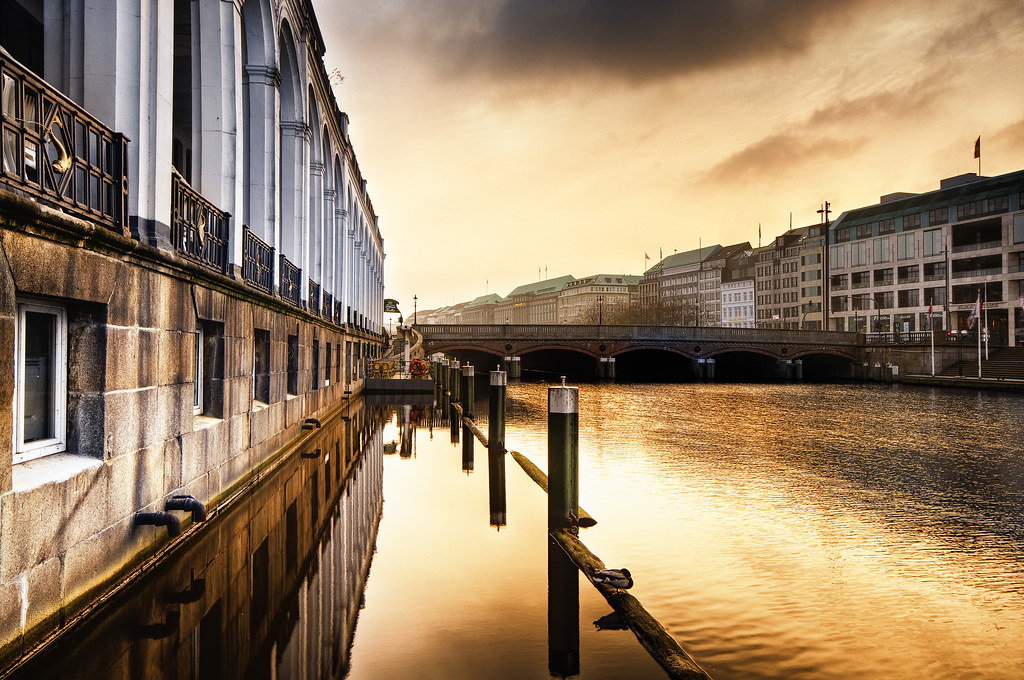
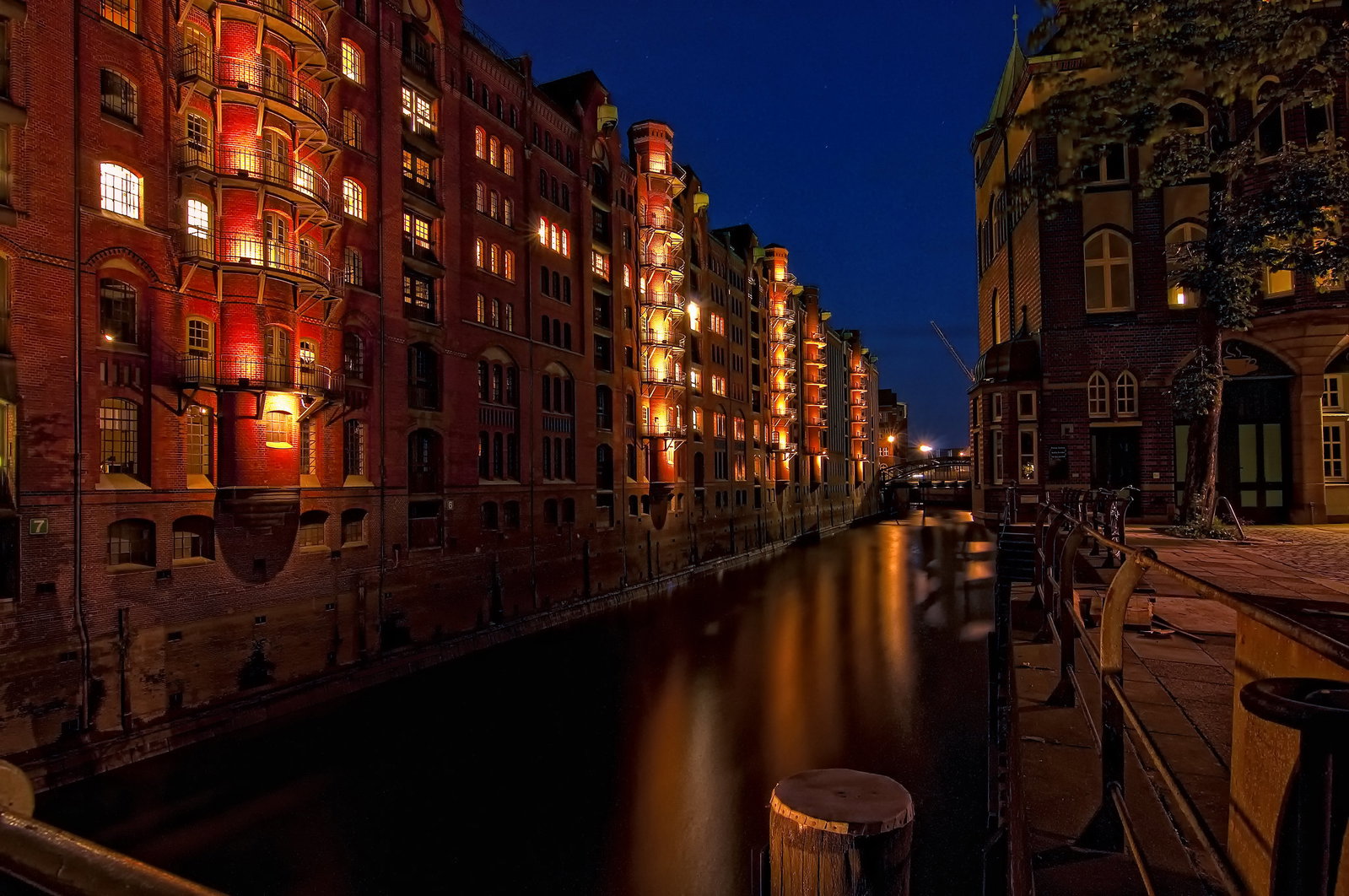
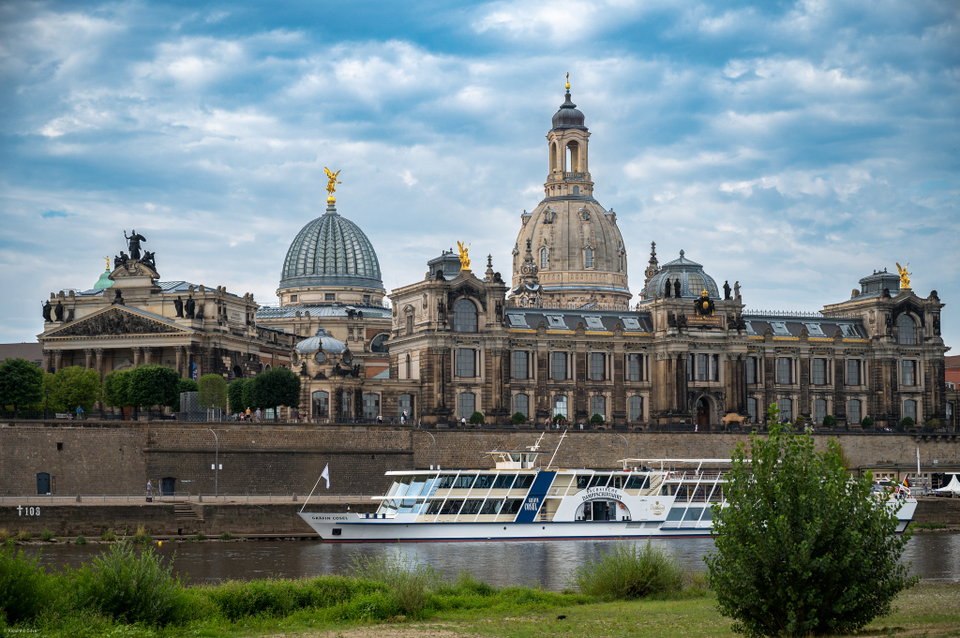
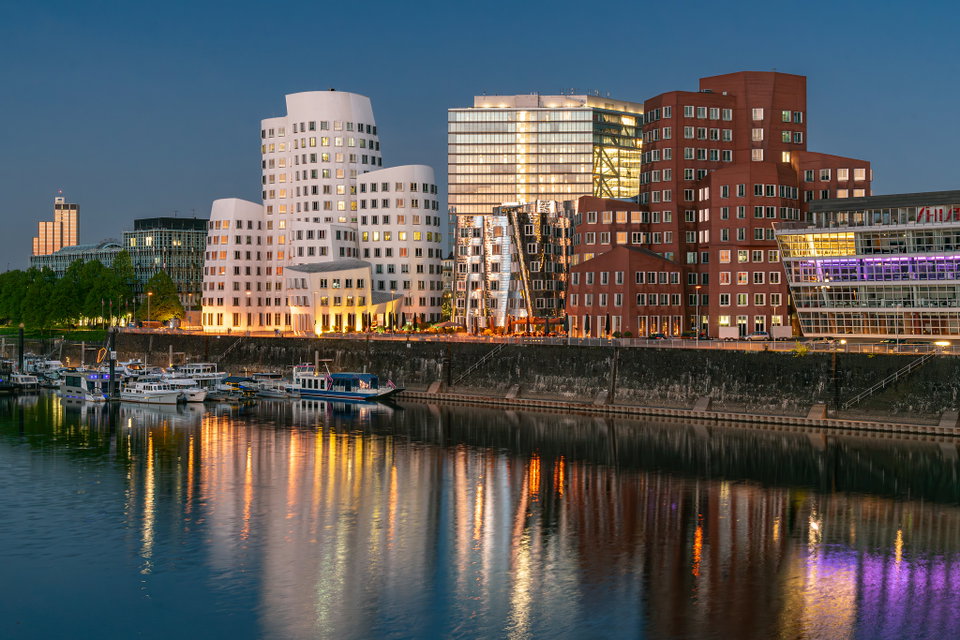
Hamburg's Speicherstadt warehouse district reflected in the Elbe canal at dusk

Destination guide

Hamburg

Northern Germany · Germany

Germany's gateway port — where red-brick canals meet world-class music and maritime grit

Best season

May–September for warmest weather and outdoor festivals; December for atmospheric Christmas markets

From Nairobi

Approximately 9–10 hours direct (seasonally); 11–14 hours via connecting hubs such as Dubai, Doha, or Frankfurt

Why visit Hamburg?

Few European cities wear their contradictions as well as Hamburg. The Hanseatic League made it fabulously wealthy; you can still read that confidence in the red-brick Kontorhaus district and the domed Rathaus. Yet the same port culture that brought the world's goods to its docks also seeded a fierce independence — Hamburg was home to Europe's first public opera house in 1678 and gave the Beatles their stage chops in the early 1960s.

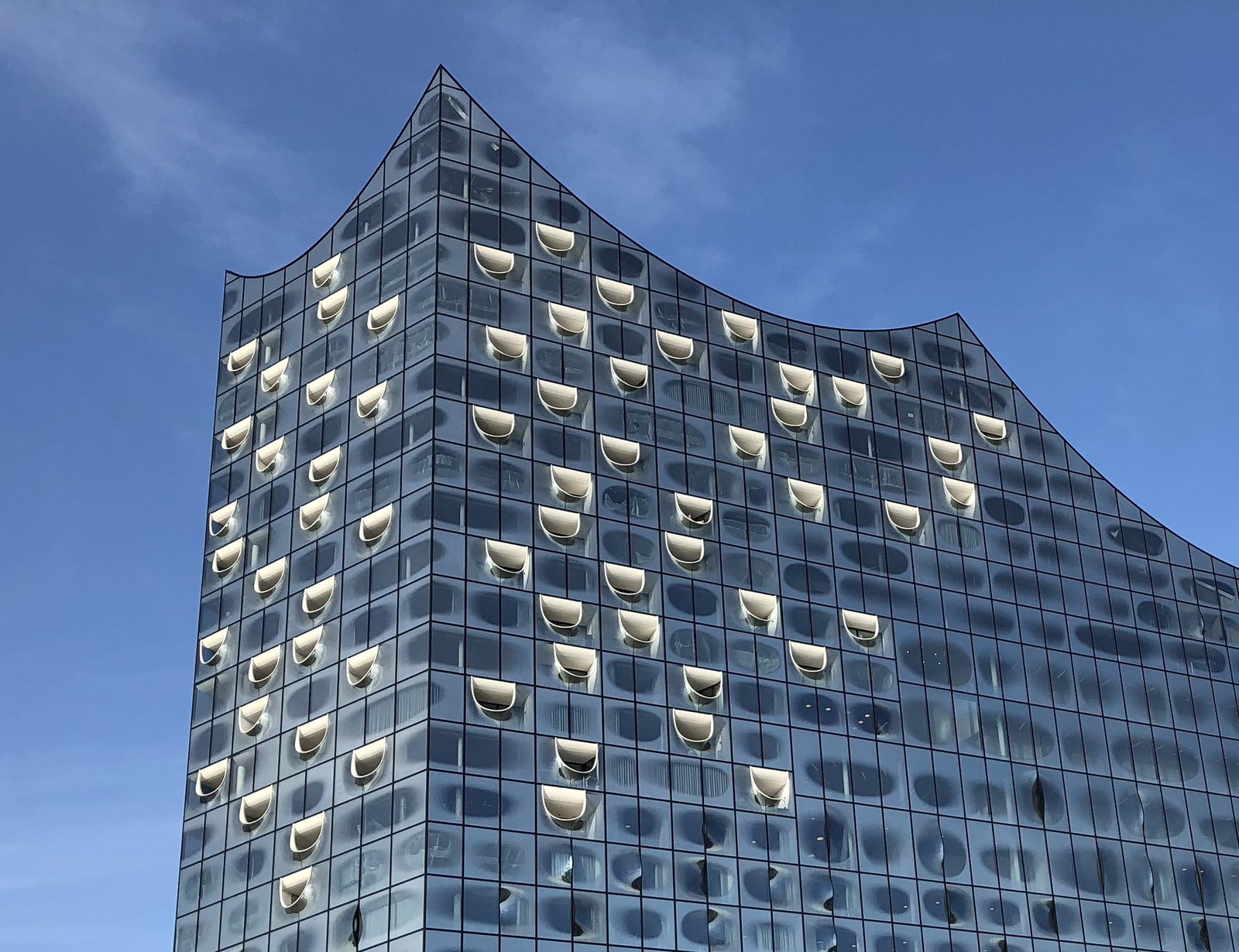
The Elbphilharmonie — a shimmering glass wave atop a century-old warehouse — opened in 2017 and instantly became one of Europe's defining concert halls. Below it, 2.5 kilometres of rehabilitated waterfront at HafenCity represent the continent's largest inner-city redevelopment project, blending contemporary architecture with working port atmosphere.

Beyond the big landmarks, Hamburg is a city for wandering. Altona's fish market runs every Sunday from 5 am; the Schanzenviertel brims with vintage boutiques and third-wave coffee; Alster Lakes offer sailing and stand-up paddleboarding minutes from the main station. With over 2,500 bridges — more than Venice, Amsterdam, and London combined — every neighbourhood has its own waterside character.

  • More bridges than Venice, Amsterdam, and London combined — canals are Hamburg's secret superpower
  • The Elbphilharmonie's public plaza offers the city's best panorama — free to visit, even without a concert ticket
  • UNESCO-listed Speicherstadt: the world's largest warehouse complex turned museums, design studios, and cafes
  • Sunday's Fischmarkt starts at 5 am — the best hangover cure (or early-riser ritual) in northern Germany
  • The Beatles played over 280 shows in Hamburg before recording a single album — the Reeperbahn honours that history
  • HafenCity's working waterfront is Europe's biggest inner-city regeneration project, still evolving in real time

Best for

City breaks, culture and music lovers, food and drink explorers, weekend travellers from within Europe

Trip style

Urban, cultural, culinary, maritime

Known for

Elbphilharmonie, Speicherstadt, Reeperbahn, HafenCity, harbour cruises, Christmas markets, Hamburger Dom fair

Quick facts

Best time to visit

May–September for warmest weather and outdoor festivals; December for atmospheric Christmas markets

Currency

Euro (EUR)

Languages

German; English widely spoken in hotels, restaurants, and tourist areas

Visa summary

No visa required for EU/EEA and Schengen-zone travellers. UK, US, Canadian, and Australian citizens can visit visa-free for up to 90 days.

Flight time from Nairobi

Approximately 9–10 hours direct (seasonally); 11–14 hours via connecting hubs such as Dubai, Doha, or Frankfurt

Airport / arrival

Hamburg Airport (HAM) is 8 km from the city centre — S-Bahn S1 train reaches the Hauptbahnhof in about 25 minutes. Taxis take 20–30 minutes.

Safety note

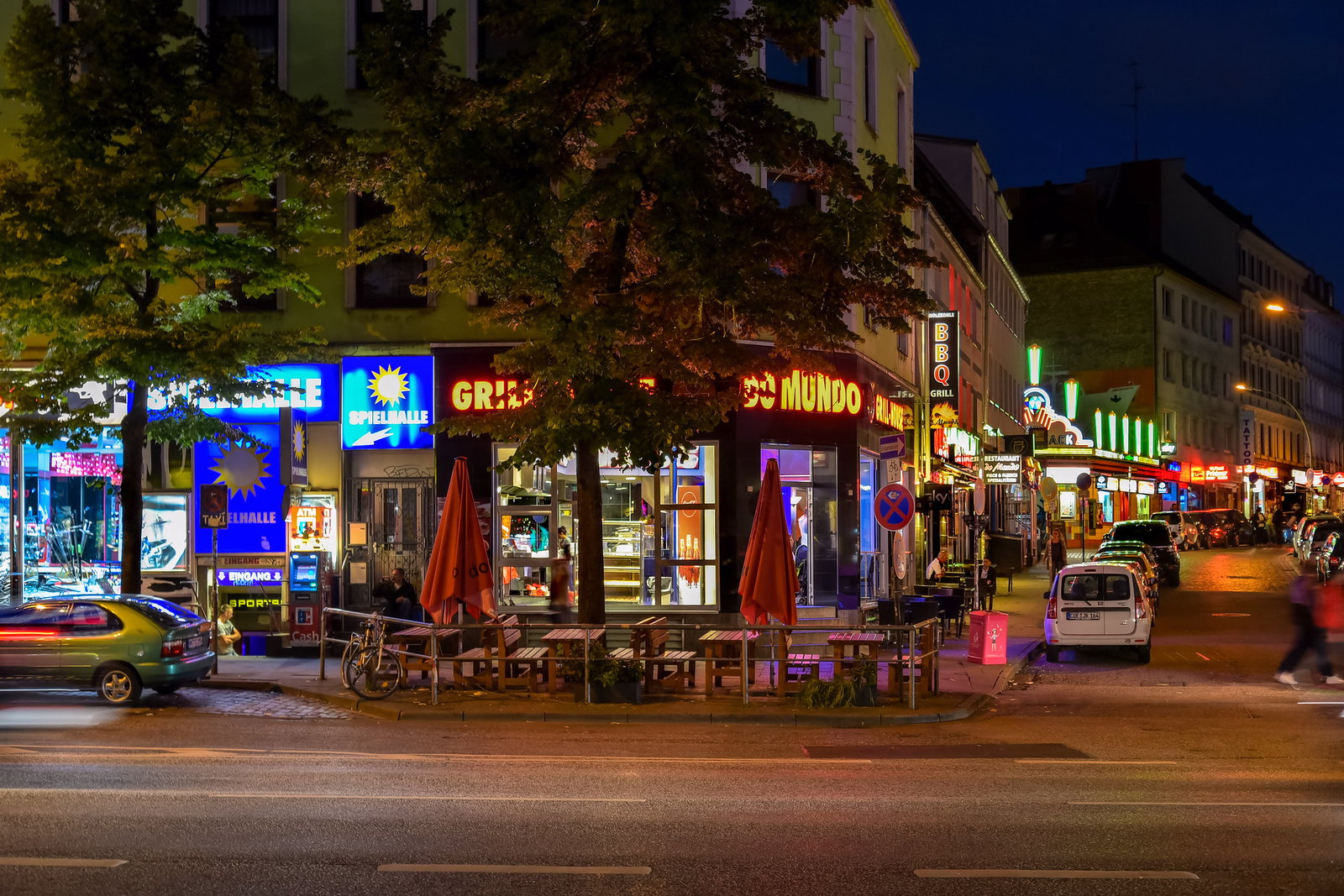
Hamburg is generally safe. The Reeperbahn and surrounding St Pauli area can be rowdy at night — standard city precautions apply.

Visa and entry

Look up entry rules by passport for travel to Germany on the Tsavaro visa checker.

Check visa requirements for Germany

Things to do

Ride the Inner and Outer Alster LakesOutdoor & Water

Ride the Inner and Outer Alster Lakes

1–3 hours

Hire a rowing boat, canoe, or stand-up paddleboard on the Binnenalster and Aussenalster right in the heart of the city. White sailing boats dot the water in summer and the skyline reflections are extraordinary at golden hour.

Visit the ElbphilharmonieCulture & Music

Visit the Elbphilharmonie

1–3 hours

Grab a free ticket to the Plaza (8th floor) for sweeping harbour views, then check the concert programme — acoustics in the Grand Hall are among the finest in the world. Book recital seats well in advance.

Wander the SpeicherstadtHeritage & Museums

Wander the Speicherstadt

Half day

Explore the UNESCO-listed brick warehouse district on foot or by boat. Don't miss the Miniatur Wunderland (world's largest model railway), the Spicy's Speicherstadt Museum, and the International Maritime Museum.

Harbour cruise on the ElbeMaritime & Sightseeing

Harbour cruise on the Elbe

1–2 hours

Take a one-hour HADAG ferry or book a longer sightseeing boat to see container ships, the historic Rickmer Rickmers sailing ship, and the vast port infrastructure that makes Hamburg Germany's busiest cargo hub.

Explore the Reeperbahn and St PauliNightlife & Culture

Explore the Reeperbahn and St Pauli

Evening to late night

Europe's most famous entertainment mile runs through St Pauli. By day visit the Beatles Platz and the Davidwache police station; by night choose from jazz bars, techno clubs, cabaret shows, and live-music venues.

Browse the Sunday FishmarktFood & Markets

Browse the Sunday Fishmarkt

1–2 hours

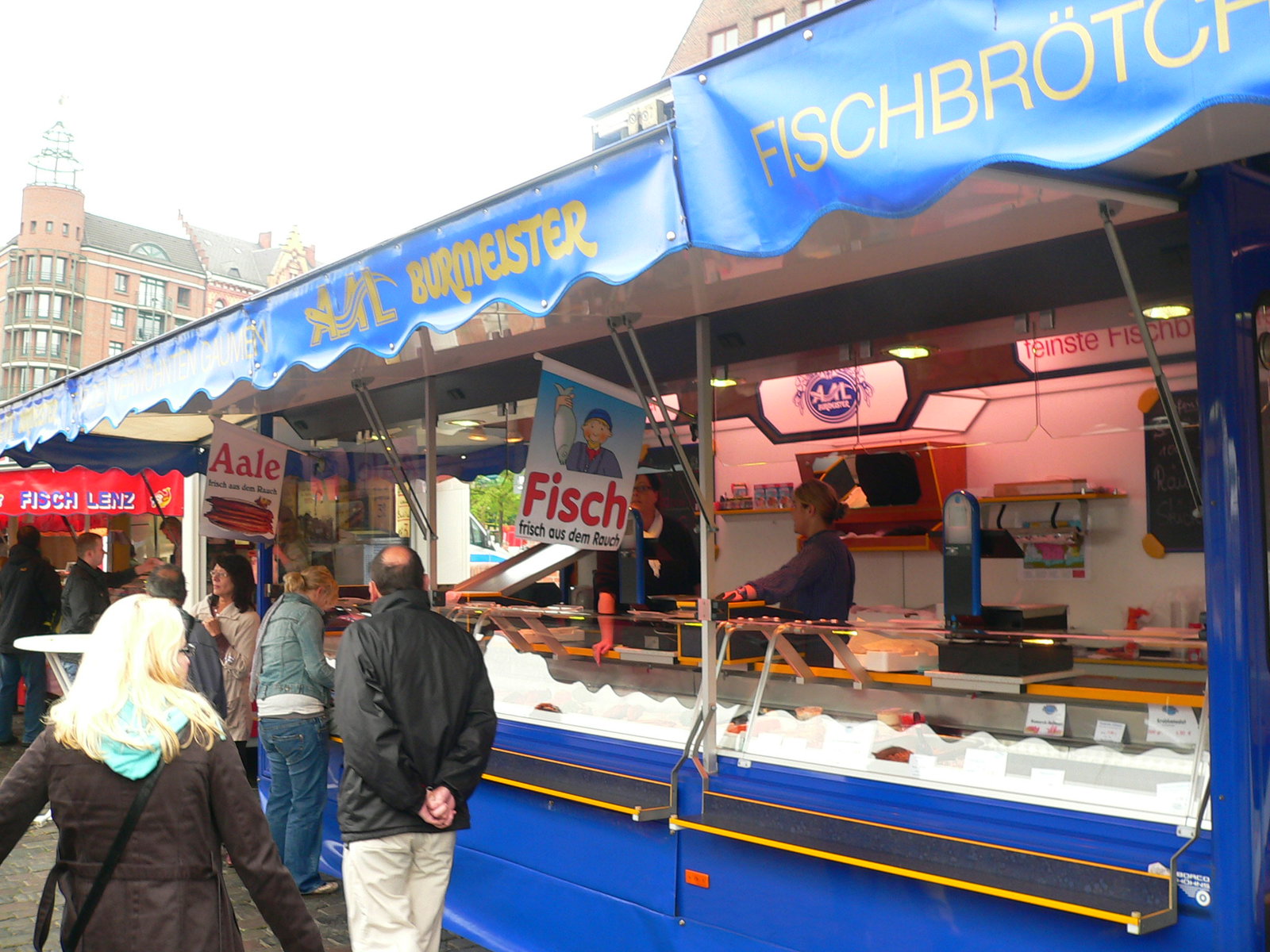
Since 1703 Hamburg's fish market has opened at dawn (5 am May–Oct, 7 am Nov–Apr). Stallholders shout, haggle, and entertain; live bands play in the century-old auction hall. Fresh fish, fruit, and German breakfast snacks.

Best time to visit Hamburg

The best time to visit Hamburg is May to September, when days are long, temperatures are comfortable (18–24 °C), outdoor beer gardens thrive, and the Alster lakes come alive with sailing and paddleboarding. July and August are the warmest months and coincide with the Hamburg Summer Festival and various open-air concerts.

Season by season:

Spring (March–May): Temperatures climb from 8 °C to 17 °C. Cherry blossoms appear in Planten un Blomen park from late March. Crowds are lighter than summer and hotel rates are reasonable. Rain is possible but rarely sustained.

Summer (June–August): Peak season. Daylight extends past 9 pm in June. The Hamburger Dom fair runs in July and August. Expect higher prices and advance booking for the Elbphilharmonie. This is the best time for harbour cruises and Alster lake activities.

Autumn (September–November): September retains summer warmth and sees the MS Dockville and Reeperbahn Festival — one of Europe's best showcase music events. October brings golden foliage and fewer tourists. November turns grey and rainy.

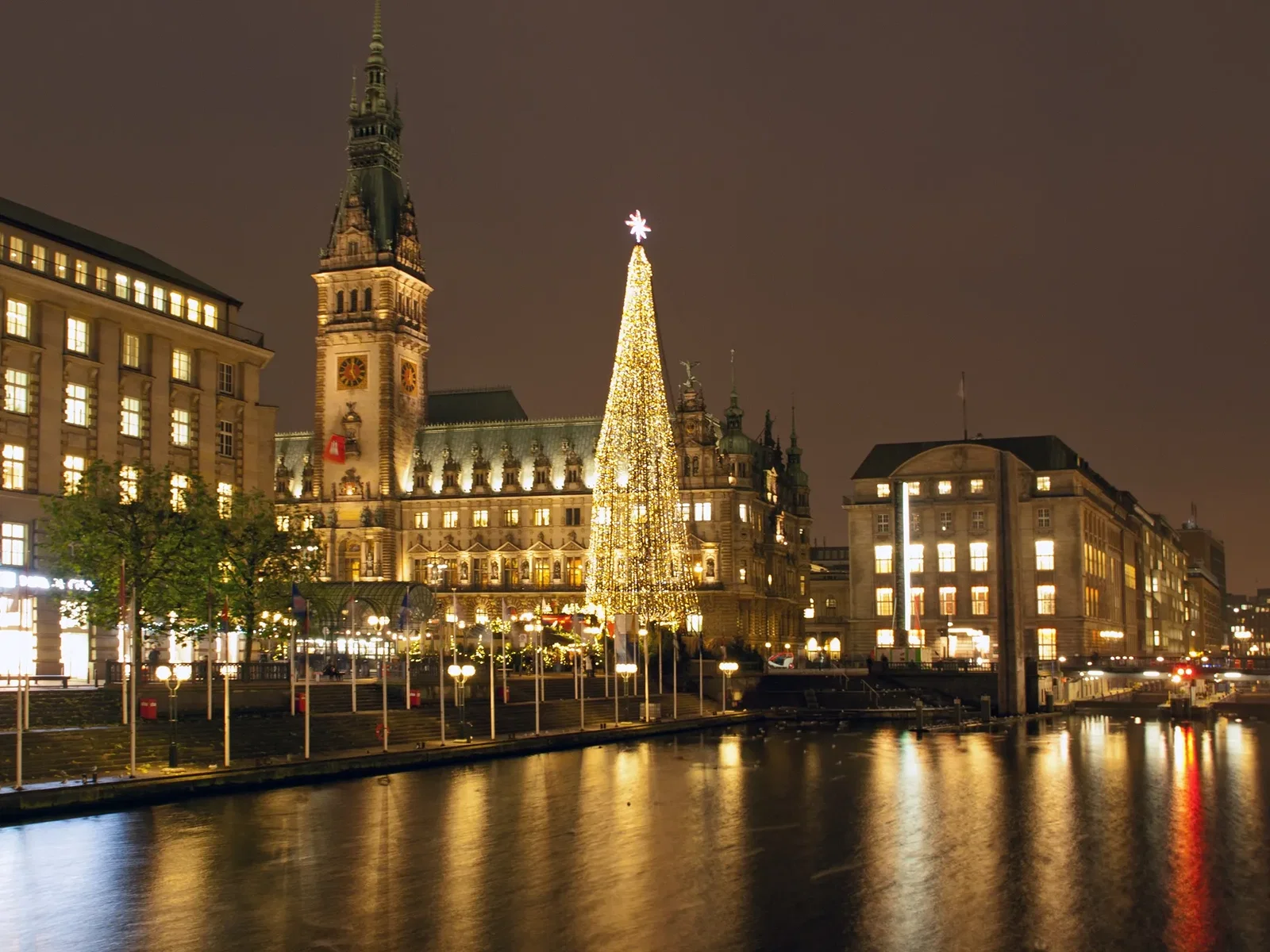
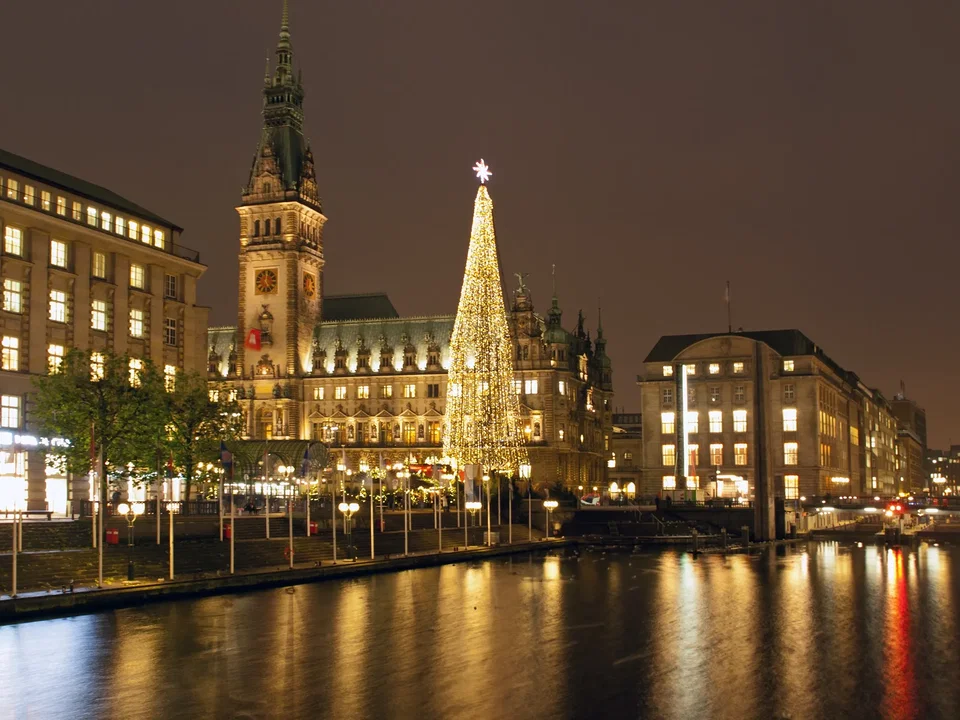
Winter (December–February): Cold (0–5 °C) but Hamburg's Christmas markets — especially at the Rathaus, HafenCity, and the historic Hanse market — are among Germany's finest and draw large crowds in December. January and February are the quietest, cheapest months: good for museum-heavy trips with a Nordic atmosphere.

Overall: avoid the grey shoulder months of November and February unless budget is the priority. May–June and September offer the best balance of good weather, manageable crowds, and fair pricing.

Is Hamburg safe to visit?

Yes — Hamburg is generally a safe destination for tourists. It consistently ranks among Germany's safer large cities, and violent crime against visitors is rare. The city's police presence is visible, particularly in busy tourist areas and on public transport.

A few practical points worth knowing:

St Pauli and the Reeperbahn are lively entertainment districts that attract large crowds at night. Petty theft (pickpocketing) can occur in busy bars and clubs, so keep valuables secure and stay aware in crowded spaces. The area is well-policed and most visitors have a perfectly safe experience.

The main Hauptbahnhof (central station) has improved significantly in recent years but remains a busy transit hub — stay alert to your surroundings and your bags, especially late at night.

Hamburg's canal network is a delight by day but poorly lit in some areas after dark — stick to main paths along the Speicherstadt if walking at night.

Public transport is reliable and used by locals at all hours. Cycling is popular and the city is well-provisioned with bike infrastructure.

For solo female travellers, Hamburg is one of Germany's more welcoming cities, with a progressive social culture and well-lit, active nightlife areas. Standard sensible precautions apply anywhere after midnight.

Emergency number in Germany: 112 (fire/ambulance) and 110 (police).
Suggested itinerary

Hamburg in 4 Days

This itinerary is designed for a mid-pace city break based in central Hamburg, staying somewhere between HafenCity and the Altstadt. Budget is mid-range to comfortable. Public transport (HVV day pass) covers almost everything; one harbour cruise is included. Best executed in late spring or early autumn.

Day 1

Waterfront Icons & Harbour Views

Start at the Elbphilharmonie — pick up a free Plaza ticket at the box office or pre-book online. Spend an hour on the observation deck taking in the harbour panorama. Walk east along the HafenCity waterfront, stopping to admire the contemporary architecture and grab a coffee at one of the canal-side cafes.

After lunch, cross into the Speicherstadt. Walk the main Poggenmühle bridge for postcard reflections, then choose one or two museums — Miniatur Wunderland is unmissable. End the afternoon with a 90-minute harbour cruise departing from Landungsbrücken pontoons. In the evening, find a table in HafenCity for fresh Matjes herring and a cold Astra beer.

Hamburg — Waterfront Icons & Harbour Views

Travel essentials

Getting around

Hamburg's HVV network covers U-Bahn (metro), S-Bahn (suburban rail), buses, and harbour ferries. A day pass (Tageskarte) covers all zones and is excellent value. Cycling is practical — the city has over 1,500 km of bike lanes and StadtRAD hire stations throughout. The HADAG ferry line 62 between Landungsbrücken and Finkenwerder doubles as a scenic free harbour ride on a day pass.

Typical costs

Budget: €60–90/day (hostel, supermarkets, discount theatre tickets). Mid-range: €120–180/day (3-star hotel, restaurant meals, one museum). Comfortable: €200–300+/day (4-star hotel, fine dining, Elbphilharmonie tickets). A sit-down lunch in a mid-range restaurant averages €12–18; a local beer in a bar €3.50–5.

Culture and etiquette

Punctuality is valued — arrive on time for tours, concerts, and reservations. Tipping 5–10% at restaurants is customary (round up the bill or add to card). Most locals speak excellent English but a greeting of 'Moin' (the North German hello, used all day) is warmly received. Quiet hours (Ruhezeit) apply in residential areas from 10 pm to 7 am and on Sundays — avoid loud music near apartments.

Safety and planning

Carry your passport or a copy for ID. Travel insurance covering health is strongly recommended for non-EU visitors. Tap water is safe to drink throughout Hamburg. Pharmacies (Apotheke) are common and pharmacists are trained to advise on minor ailments. Emergency: 112 (fire/ambulance) or 110 (police).

Connectivity

Free public Wi-Fi is available in the Hauptbahnhof, many cafes, and increasing numbers of public squares. Most hotels include Wi-Fi. EU visitors pay no data roaming charges. Non-EU visitors can pick up an affordable German SIM (Telekom, Vodafone, O2) at the airport or central electronics stores.

Payments

Cards (Visa, Mastercard) are accepted at hotels, larger restaurants, and shops. However, Hamburg retains a strong cash culture — many smaller restaurants, market stalls, and bars are cash-only. Withdraw euros at a Geldautomat (ATM) on arrival. ATMs are plentiful throughout the city centre.

Hamburg travel FAQs

More destinations to explore