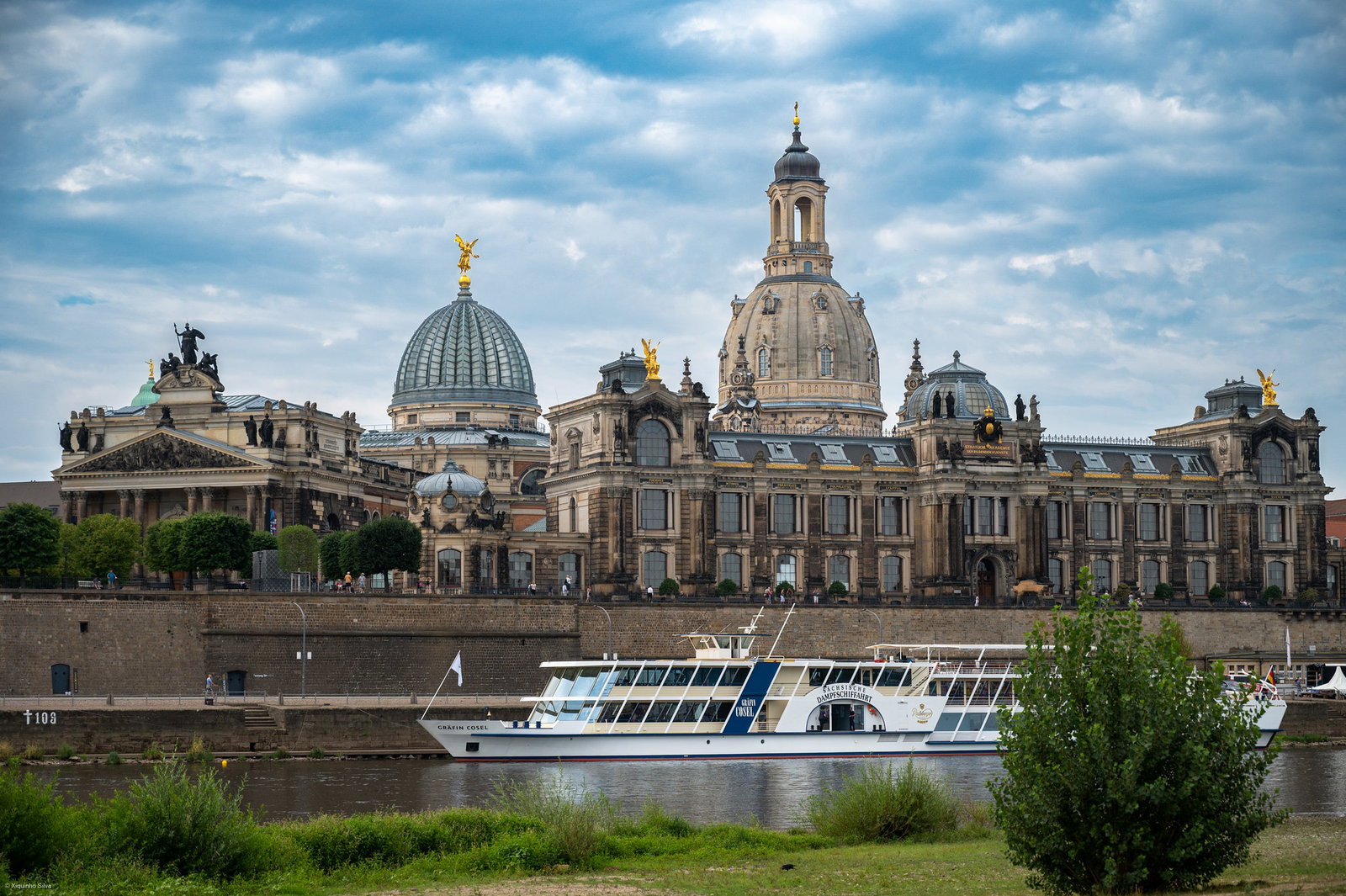
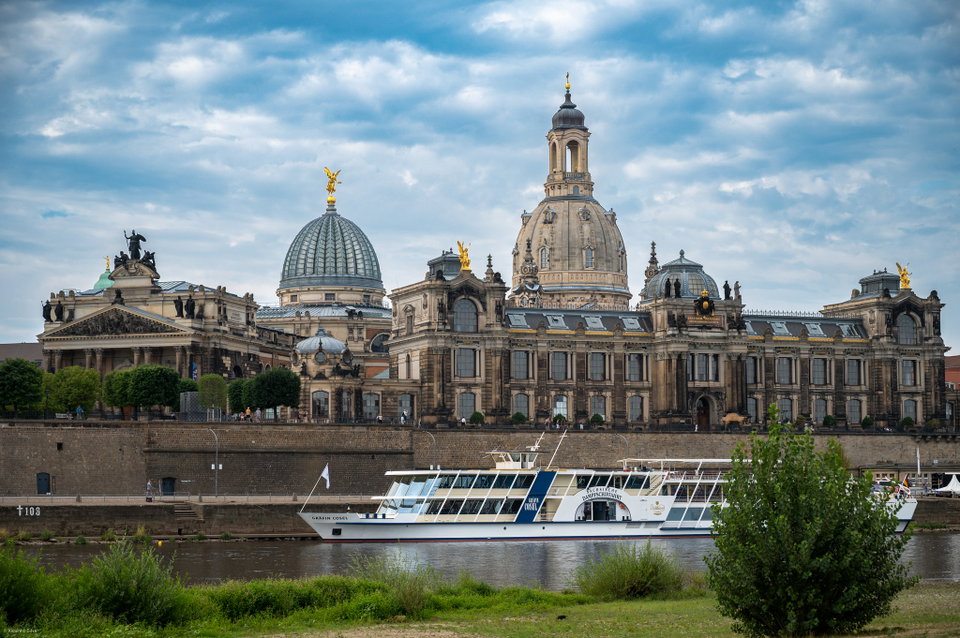
Dresden's Baroque skyline reflected in the River Elbe at dusk, with the Frauenkirche dome rising above the rooftops

Destination guide

Dresden

Saxony, Eastern Germany · Germany

Baroque grandeur, world-class museums, and a city rebuilt from the ashes — on the banks of the Elbe.

Best season

May–June and September–October for mild weather and fewer crowds; December for the legendary Christmas markets.

From Nairobi

Approx. 10–13 hrs via Frankfurt, Amsterdam, or Doha

Why visit Dresden

Few European cities pack so much art and architecture into such a walkable core. The Zwinger palace complex alone houses three world-class museums, including Raphael's Sistine Madonna. Meander along the Brühlsche Terrasse — dubbed the 'Balcony of Europe' — for sweeping Elbe views, then cross to Neustadt for indie coffee shops and street art. Wine lovers can hop on a ferry up the valley to the steep Elbe vineyards, unique to this part of Germany, and history seekers will find layer upon layer of story from the Thirty Years War through to the GDR and reunification.

The pace is relaxed compared with Berlin or Munich, prices are noticeably lower, and English is spoken confidently across the main cultural sites. Dresden also makes an excellent hub: Prague is under two hours by direct train, and Leipzig and Meissen are easy day trips.

  • Rebuilt Frauenkirche — Europe's most moving story of post-war reconstruction, stone by numbered stone.
  • The Zwinger's Green Vault holds one of the richest royal treasure collections in the world.
  • Semperoper: catch a performance in one of Europe's most beautiful opera houses.
  • Brühlsche Terrasse stroll above the Elbe, followed by a glass of crisp Elbe Valley Riesling.
  • Neustadt's independent café and bar scene — a gritty, creative antidote to Baroque perfection.
  • Day trips to Meissen's porcelain factory and Saxon Switzerland's dramatic sandstone landscapes.

Best for

History and architecture lovers, art and museum enthusiasts, wine and food travellers, city-break seekers, families

Trip style

Cultural city break, history deep-dive, art pilgrimage

Known for

Baroque Old Town, Frauenkirche, the Zwinger, Semperoper opera house, Dresden Green Vault, Elbe Valley vineyards, Christmas markets, Meissen porcelain

Quick facts

Best time to visit

May–June and September–October for mild weather and fewer crowds; December for the legendary Christmas markets.

Currency

Euro (€)

Languages

German (English widely spoken in the tourist centre)

Visa summary

No visa required for EU/Schengen citizens. Citizens of Australia, USA, Canada, UK, and NZ can enter visa-free for up to 90 days.

Flight time from Nairobi

Approx. 10–13 hrs via Frankfurt, Amsterdam, or Doha

Airport / arrival

Dresden Airport (DRS) is 9 km north of the centre; S-Bahn S2 reaches the main station in about 22 minutes. Berlin Brandenburg (BER) is also a viable gateway, roughly 2 hrs by direct train.

Safety note

Very safe for tourists. Standard urban precautions apply — watch for pickpockets around the Hauptbahnhof and busy Christmas markets.

Visa and entry

Look up entry rules by passport for travel to Germany on the Tsavaro visa checker.

Check visa requirements for Germany

Things to do

Visit the FrauenkircheCulture & history

Visit the Frauenkirche

1–2 hours

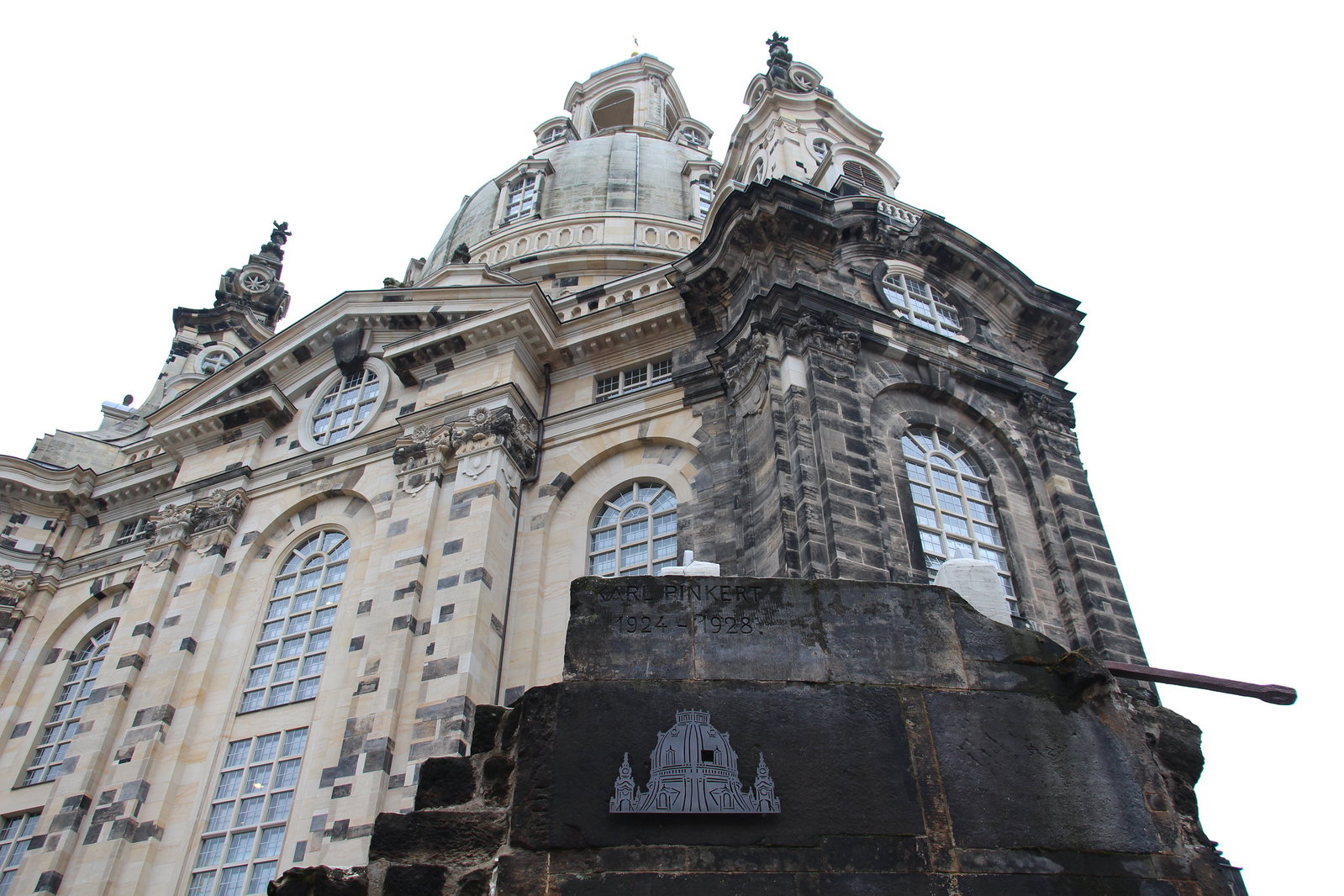
Climb the reconstructed dome for panoramic rooftop views of the Old Town, or attend an organ concert in the luminous interior. The church's story of destruction in 1945 and meticulous rebuilding — completed in 2005 — is told in a small museum at the base.

Explore the Zwinger Palace complex

3–5 hours

The Baroque Zwinger houses three unmissable museums: the Old Masters Picture Gallery (Raphael's Sistine Madonna, Vermeer, Rembrandt), the Porcelain Collection (the world's largest), and the Royal Cabinet of Mathematical and Physical Instruments. Budget half a day.

Tour the Green Vault (Grünes Gewölbe)

2–3 hours

Hidden inside Dresden Palace, the Historic Green Vault displays August the Strong's treasury in its original Baroque rooms — amber, ivory, jewels, and the astounding Court of Delhi at the Birthday of the Grand Mogul. Book timed tickets well in advance.

Attend a performance at the Semperoper

2–3 hours (evening) / 1 hour (tour)

One of the world's great opera houses, home to the Dresden State Opera and Dresden Staatskapelle. Even a guided daytime tour reveals the stunning Neo-Renaissance interior, but an evening performance is unforgettable.

Stroll the Brühlsche Terrasse and Elbe Meadows

Half day

Walk the elevated Baroque terrace above the river, then descend to the Elbe meadows on the far bank for cyclist-friendly paths and golden-hour views back at the skyline. Rent a bike in Neustadt and follow the Elbe Cycle Route.

Explore Neustadt's neighbourhood scene

Half day to evening

Cross the Augustusbrücke to Dresden's Left-Bank alternative district: vintage shops, street-art courtyards (the Kunsthofpassage is a must), third-wave coffee, and some of the city's best restaurants. The Outer Neustadt is lively from afternoon into the early hours.

Day trip to Saxon Switzerland

Full day

A 40-minute S-Bahn ride reaches the dramatic Elbe Sandstone Mountains national park, where the Bastei rock bridge soars above forested gorges. Short hiking loops suit all fitness levels; the Königstein Fortress adds a history angle.

Visit Meissen and the Porcelain Manufactory

Full day

Europe's oldest porcelain factory (est. 1710) sits in a hilltop town 25 km upriver. Tour the working manufactory to watch master painters at work, browse the demonstration showroom, and walk up to Albrechtsburg Castle for river views.

Discover the Elbe Valley vineyards

Half day

The steep Elbe Valley terraces produce Germany's most easterly — and some of its most distinctive — wines: dry Riesling, Müller-Thurgau, and Grauburgunder. The Weingut Schloss Wackerbarth estate near Radebeul offers tours and tastings just 15 minutes from the centre.

Experience the Dresden Christmas Markets

2–4 hours

The Striezelmarkt (running since 1434, Germany's oldest Christmas market) sets up on Altmarkt from late November. Neighbouring specialist markets — the Medieval Market, the Romantic Market on Neumarkt — keep different hours and atmospheres. Don't miss the giant wooden pyramid and Stollen cake ceremony.

Best time to visit Dresden

The best time to visit Dresden is May–June or September–October, when temperatures are pleasant (15–22 °C), tourist crowds are manageable, and the city's parks and Elbe meadows are at their most inviting.

Spring (April–June): Blossom on the Elbe banks and mild days make this ideal for walking and cycling. May is arguably the sweet spot — long daylight hours, fewer summer crowds, and outdoor terraces fully open.

Summer (July–August): The warmest months (up to 28 °C) bring open-air concerts, river swimming spots, and lively beer gardens on the Elbe. Expect the highest hotel prices and larger tour groups at the main sights; book the Green Vault well ahead.

Autumn (September–October): Arguably the most beautiful season as Elbe Valley vineyard leaves turn amber and gold. Wine harvest festivals run through October, and the tourist volume drops noticeably after mid-September.

Winter (November–February): Cold (often below freezing), but Dresden in December is magical. The Striezelmarkt, Germany's oldest Christmas market, draws visitors from across Europe. January–February are the quietest and cheapest months; some outdoor attractions have limited hours.

Avoid: The city gets busy around Easter and during the Semperoper Ballnacht in January/February, when accommodation prices spike.
Is Dresden safe to visit?

Yes — Dresden is generally very safe for tourists, consistently ranking among Germany's lower-crime major cities. Violent crime targeting visitors is rare, and the main tourist areas around the Frauenkirche, Zwinger, and Semperoper are well-policed and busy with other travellers at all hours.

Pickpockets: The Hauptbahnhof, tram stops, and crowded Christmas markets are the most common spots. Keep bags zipped and valuables in a front pocket or hotel safe.

Neustadt at night: The Outer Neustadt bar district is lively but generally safe; as in any nightlife area, stay aware of your surroundings after midnight.

Road & tram safety: Dresden has an excellent tram network. Validate tickets before boarding — inspectors are frequent and fines for fare-dodging are steep.

Far-right demonstrations: Dresden has occasionally seen political demonstrations; these are typically well-managed by police. Check local news if visiting around significant anniversaries (e.g., 13 February).

Emergency numbers: Police 110 | Ambulance/Fire 112. English-speaking operators are available.

Suggested itinerary

Dresden in 3 Days: Baroque Masterpieces, Elbe Views & Beyond

A three-day plan based in the city centre, mixing Old Town culture with Neustadt neighbourhood life and one day trip. Suited to a moderate pace with pre-booked museum tickets. Budget: mid-range (€80–€130/day inc. accommodation).

Day 1

Old Town Immersion

Start at the Frauenkirche early to beat the queues and climb the dome for panoramic views. Walk around Neumarkt square, then head into the Zwinger — allow three hours across the Old Masters Gallery and Porcelain Collection. Lunch at one of the courtyard cafés inside the Zwinger. Afternoon: stroll the Brühlsche Terrasse, descend to the riverbank, and cross the Augustusbrücke for views back at the skyline. Evening: dinner in Neustadt, followed by a bar crawl through the Kunsthofpassage courtyards.

Dresden — Old Town Immersion

Travel essentials

Getting around

Dresden's tram (Straßenbahn) network covers the whole city and is the easiest way to get around. A 24-hour day ticket (€7.50) covers unlimited tram, bus, and S-Bahn journeys within the city zone. Validate tickets at the on-board machines. Cycling is excellent along the Elbe; hire bikes from multiple operators near the main station. Taxis and Uber are available. The Old Town and Neustadt are very walkable from most central hotels.

Typical costs

Budget traveller: €60–80/day (hostel dorm, self-catering + cheap lunches, free sights). Mid-range: €110–160/day (3-star hotel, restaurant lunch and dinner, key museum entries). Upscale: €200+/day (boutique or 4-star hotel, fine dining, Semperoper tickets). Museum combo tickets offer savings — the Staatliche Kunstsammlungen Dresden annual day pass covers most collections. A tram day ticket is €7.50; an espresso in Neustadt costs €2.50–3.50.

Culture and etiquette

Germans appreciate punctuality and directness — don't read bluntness as rudeness. Greet shop staff and restaurant hosts when entering (Guten Tag). Tipping 10% is customary in restaurants; round up taxi fares. Quiet hours (Ruhezeit) apply on Sundays and between 10 pm and 7 am in residential areas — keep noise down. Jaywalking is technically illegal and frowned upon; wait for the green pedestrian light.

Connectivity

Free Wi-Fi is available in most hotels, cafés, and the airport. Public Wi-Fi exists in central squares but is patchy. A German SIM or EU roaming (for EU-passport holders) is the most reliable option. Vodafone, Telekom, and O2 all have shops in the main shopping streets.

Payments

Germany remains more cash-reliant than Western Europe's average, though the situation is improving. Most restaurants, hotels, and large shops accept Visa and Mastercard; smaller Neustadt cafés and market stalls are often cash-only. ATMs (Geldautomaten) are plentiful. Contactless payments are increasingly accepted. Avoid dynamic currency conversion at ATMs — always choose to be charged in euros.

Dresden travel FAQs

More destinations to explore