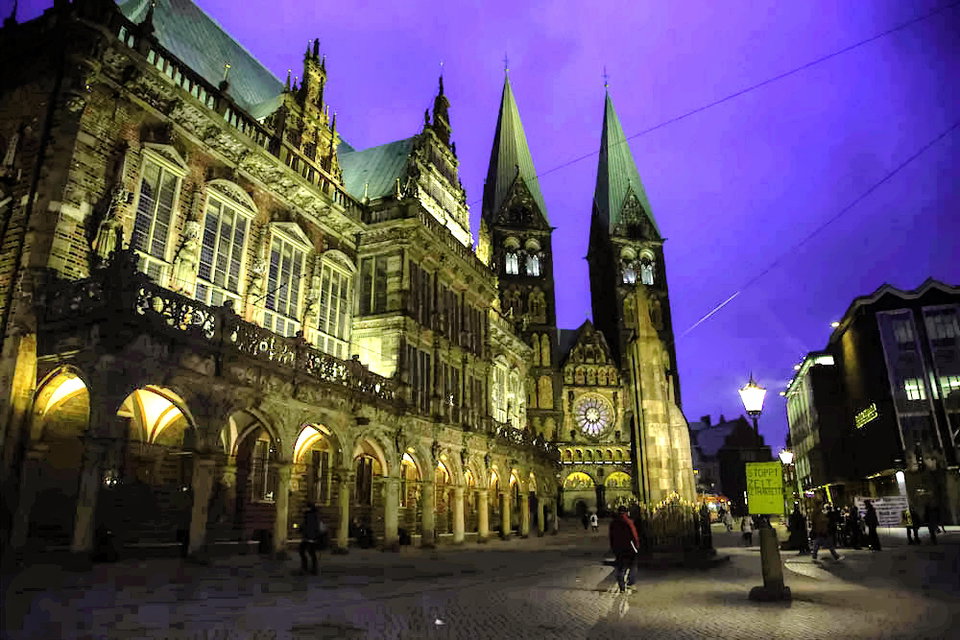
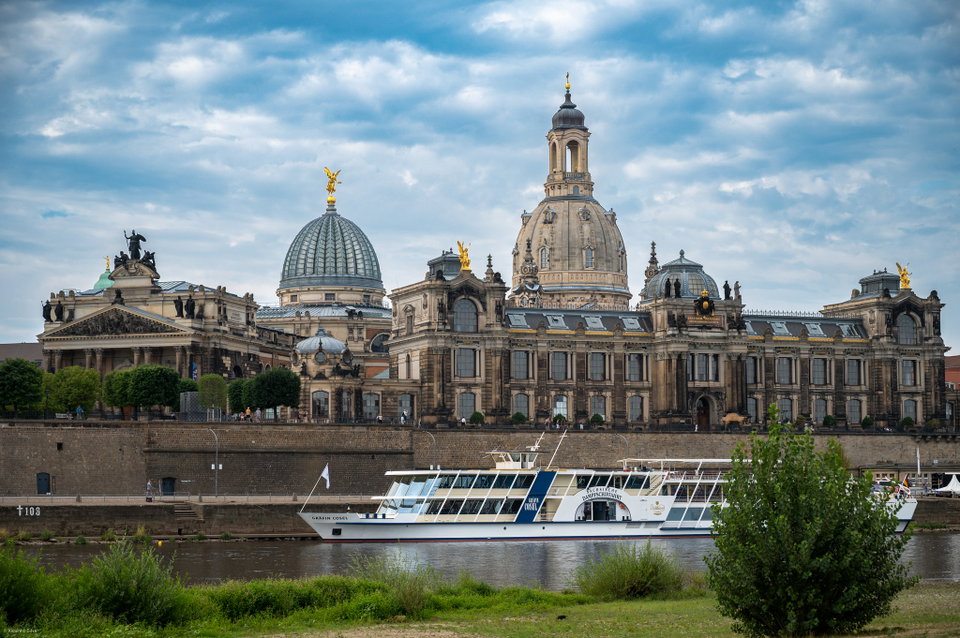
Leipzig city skyline with the Old Town Hall reflected in the Market Square, Saxony, Germany

Destination guide

Leipzig

Saxony, Central Germany · Germany

Bach, beats, and brilliance — Germany's most underrated city is having its moment.

Best season

May–September for warm weather, open-air festivals, and beer gardens; December for the atmospheric Christmas markets.

From Nairobi

Approximately 9–11 hours with one stop (typically via Frankfurt, Amsterdam, or Addis Ababa). No direct service.

Why visit Leipzig

Leipzig punches well above its weight. It was the city where Johann Sebastian Bach spent the most productive decades of his career, where Felix Mendelssohn founded Germany's first music conservatory, and where Richard Wagner was born. That classical legacy is very much alive — the Gewandhaus Orchestra is one of the finest in the world, and the Thomanerchor (St Thomas Boys Choir) has sung continuously since 1212.

Yet Leipzig is also the city that incubated the Monday demonstrations that helped bring down the Berlin Wall in 1989, a story told with gripping honesty at the STASI museum and the Forum of Contemporary History. Add a thriving contemporary art scene centred on a former cotton mill (Baumwollspinnerei), a labyrinth of 19th-century covered arcades (Passagen) for shopping and coffee, and a student population that keeps the bars and clubs alive until dawn, and Leipzig becomes one of the most layered short breaks in central Europe.

Prices remain refreshingly affordable by western European standards, the public transport network is excellent, and almost everything in the historic core is walkable.

  • Hear the Thomanerchor sing Bach motets in the very church where he was choirmaster — for free on Friday evenings.
  • Walk the 19th-century glass-roofed Passagen — a city-within-a-city of boutiques, cafés, and art galleries.
  • Tour the Baumwollspinnerei, a former cotton mill turned world-class contemporary art campus.
  • Trace the 1989 peaceful revolution at the STASI Museum and the Church of St Nicholas, where it began.
  • Catch the Gewandhaus Orchestra — one of Europe's oldest and best — in an acoustic masterclass.
  • Explore a wildly affordable food and bar scene that keeps going long after most German cities have gone to bed.

Best for

Culture lovers, classical music fans, history buffs, nightlife seekers, budget travellers, art enthusiasts

Trip style

City break, cultural immersion, weekend escape, music pilgrimage

Known for

Bach and the Thomanerchor, Gewandhaus Orchestra, 1989 peaceful revolution, underground club scene, Baumwollspinnerei art galleries, historic Passagen arcades

Quick facts

Best time to visit

May–September for warm weather, open-air festivals, and beer gardens; December for the atmospheric Christmas markets.

Currency

Euro (€). ATMs are widely available; cards accepted almost everywhere.

Languages

German. English is widely spoken in hotels, museums, and restaurants.

Visa summary

EU/EEA citizens: ID card sufficient. UK, US, Canadian, Australian citizens: visa-free for stays up to 90 days in the Schengen Area.

Flight time from Nairobi

Approximately 9–11 hours with one stop (typically via Frankfurt, Amsterdam, or Addis Ababa). No direct service.

Airport / arrival

Leipzig/Halle Airport (LEJ) is 18 km north-west of the city centre. The Airport Express train (S-Bahn S5) reaches the main station (Hauptbahnhof) in about 14 minutes.

Safety note

Leipzig is generally safe. Standard city precautions apply around Hauptbahnhof and busy nightlife areas after dark.

Visa and entry

Look up entry rules by passport for travel to Germany on the Tsavaro visa checker.

Check visa requirements for Germany

Things to do

Attend a Thomanerchor motet at ThomaskircheMusic & Culture

Attend a Thomanerchor motet at Thomaskirche

1–1.5 hours

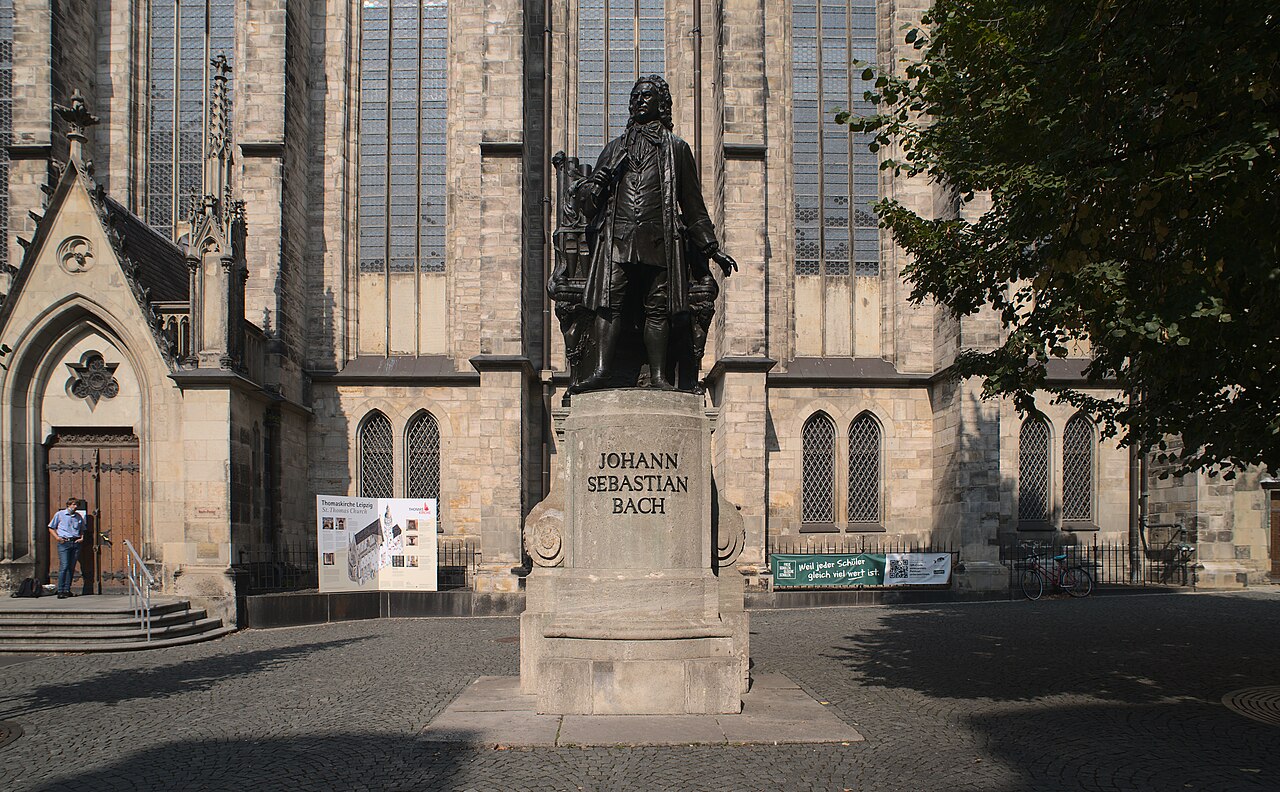
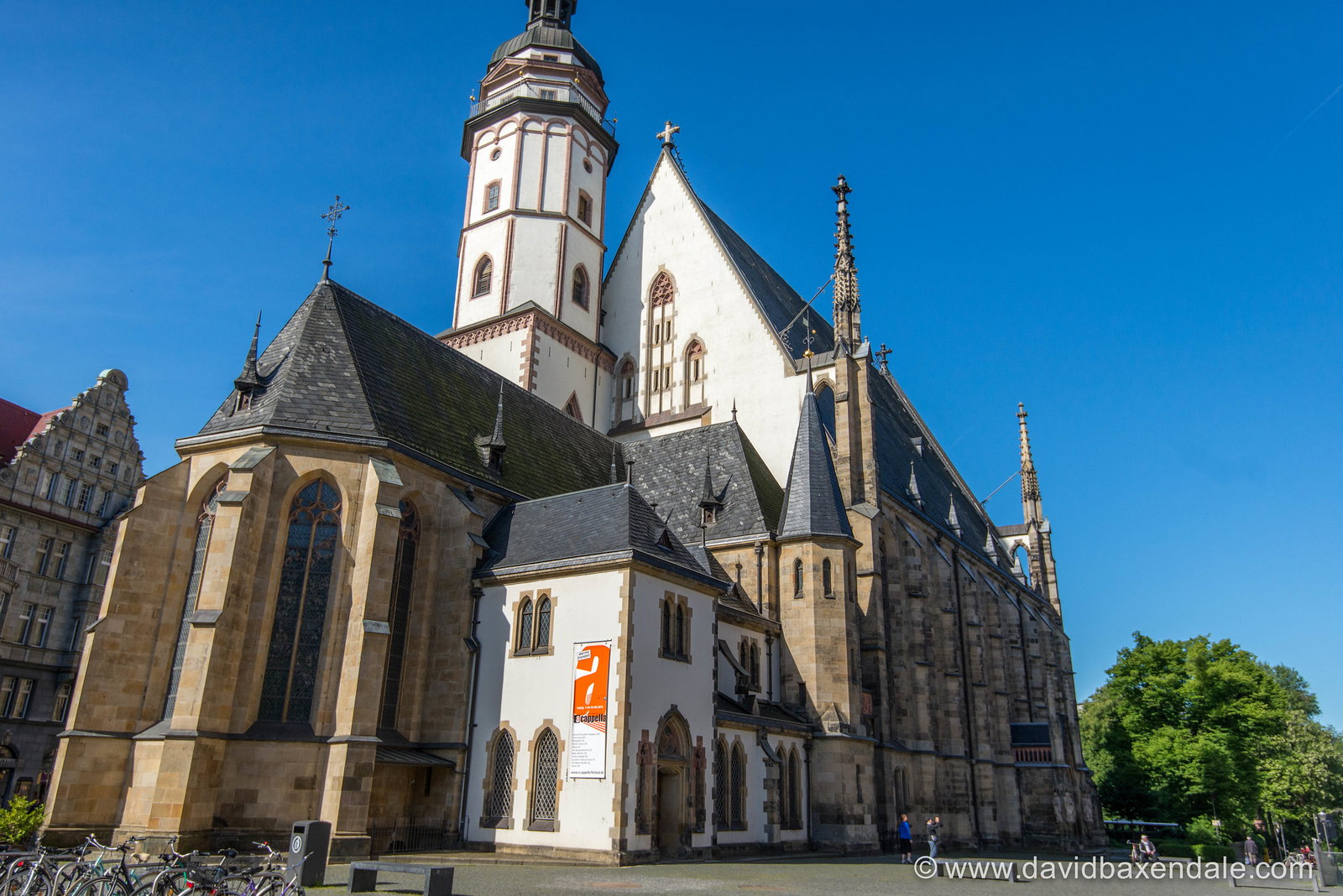
St Thomas's Church is where Bach worked as choirmaster from 1723 until his death, and the boys' choir he led has sung here unbroken since 1212. Free Friday-evening motets and ticketed weekend concerts let you experience this living tradition exactly as Bach intended.

Wander the historic PassagenArchitecture & Shopping

Wander the historic Passagen

2–3 hours

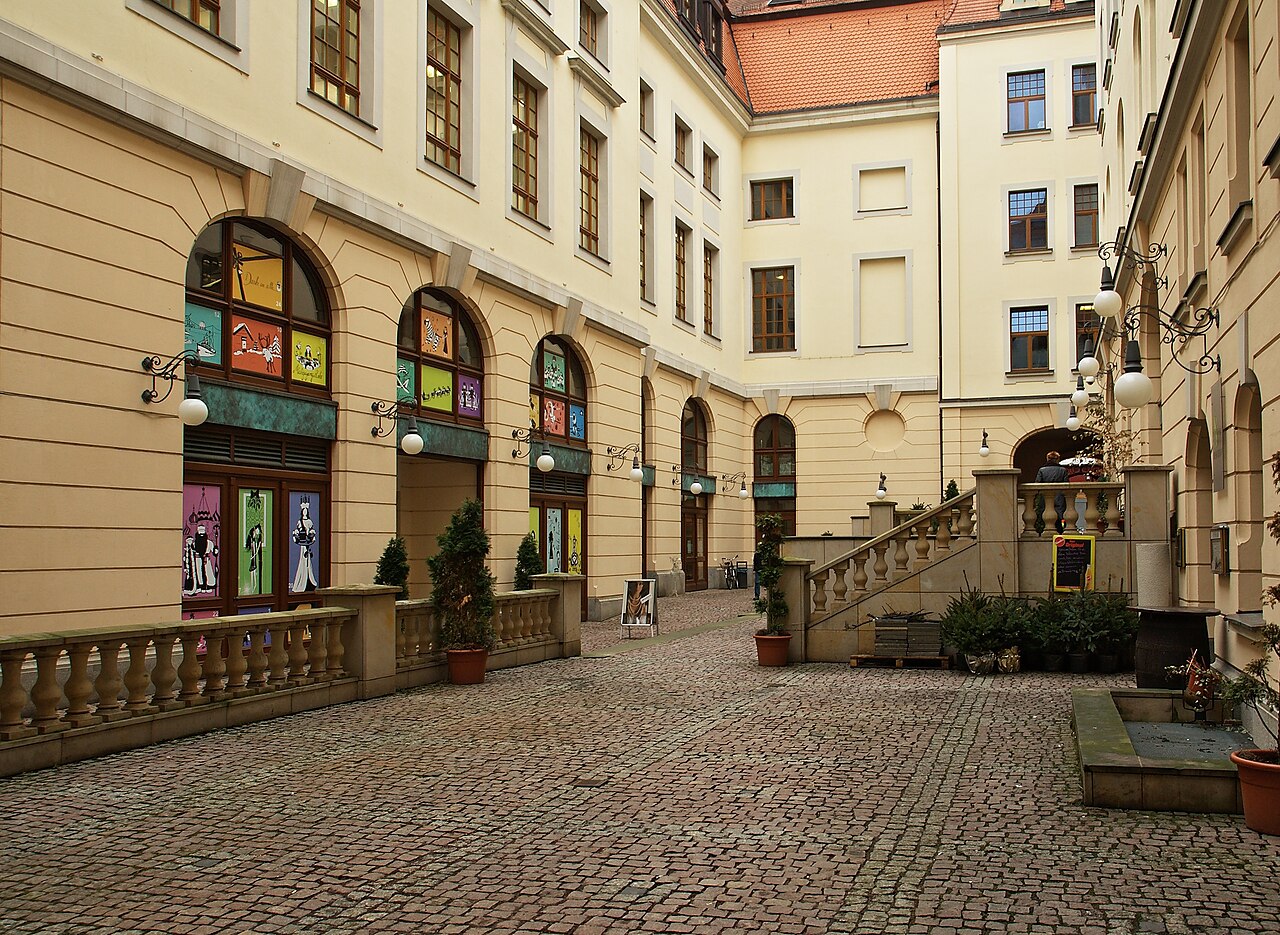
Leipzig's network of covered trading arcades — Mädler-Passage, Specks Hof, Städtisches Kaufhaus — rivals Milan's Galleria in grandeur. Mädler-Passage houses Auerbachs Keller, the medieval restaurant immortalised in Goethe's Faust.

Visit the Bach Museum LeipzigMusic & History

Visit the Bach Museum Leipzig

1.5–2 hours

An immersive, beautifully curated museum opposite Thomaskirche covering Bach's life, family, and Leipzig years. Interactive listening stations let you work through the cantatas and feel the architecture of his counterpoint.

Discover the STASI Museum (Runde Ecke)History

Discover the STASI Museum (Runde Ecke)

1.5–2 hours

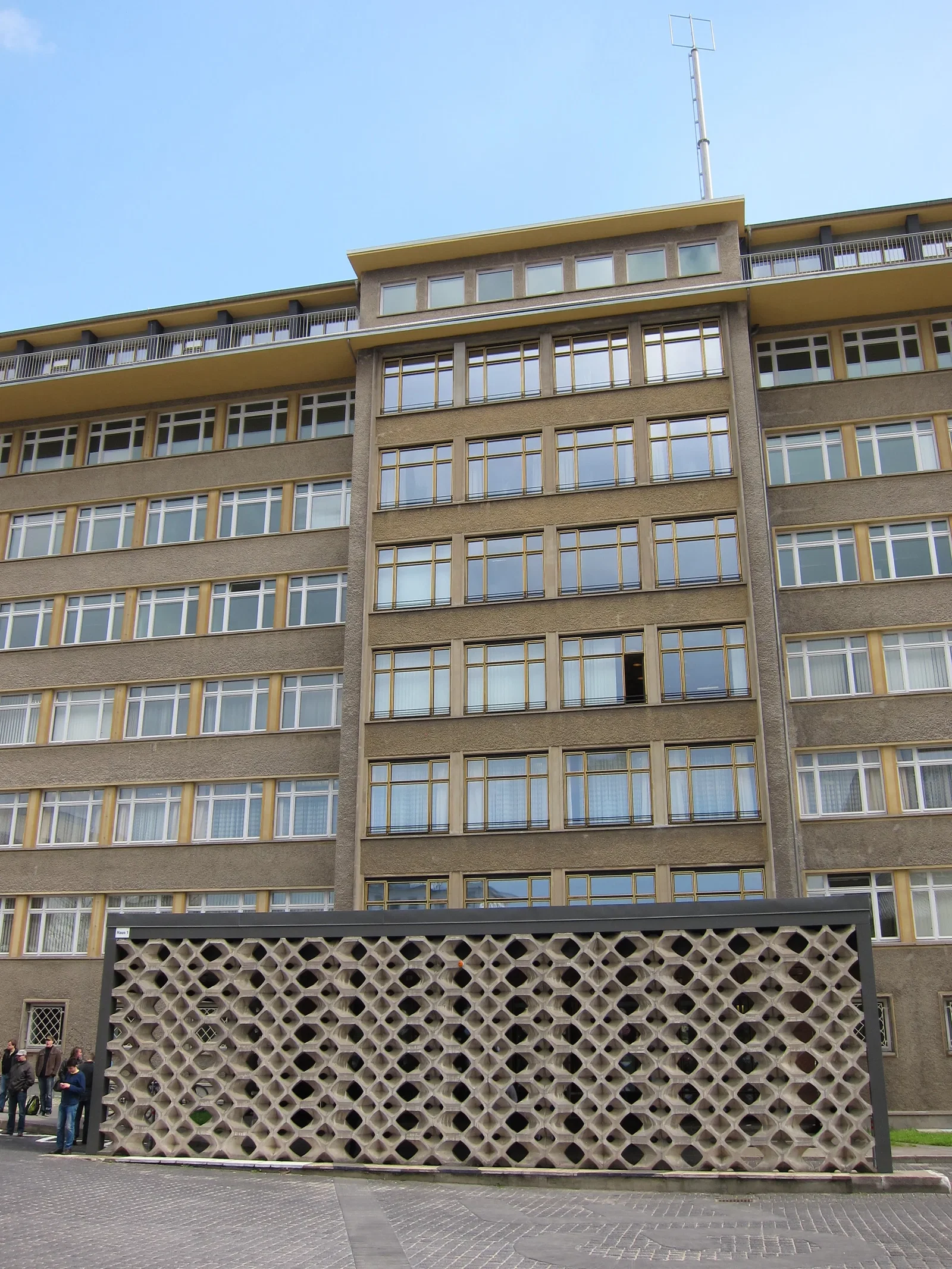
Housed in the former headquarters of Saxony's secret police, this volunteer-run museum tells the story of GDR surveillance and the 1989 citizens' committee occupation of the building. Deeply affecting and scrupulously researched.

See the Monument to the Battle of the NationsHistory & Architecture

See the Monument to the Battle of the Nations

1.5 hours

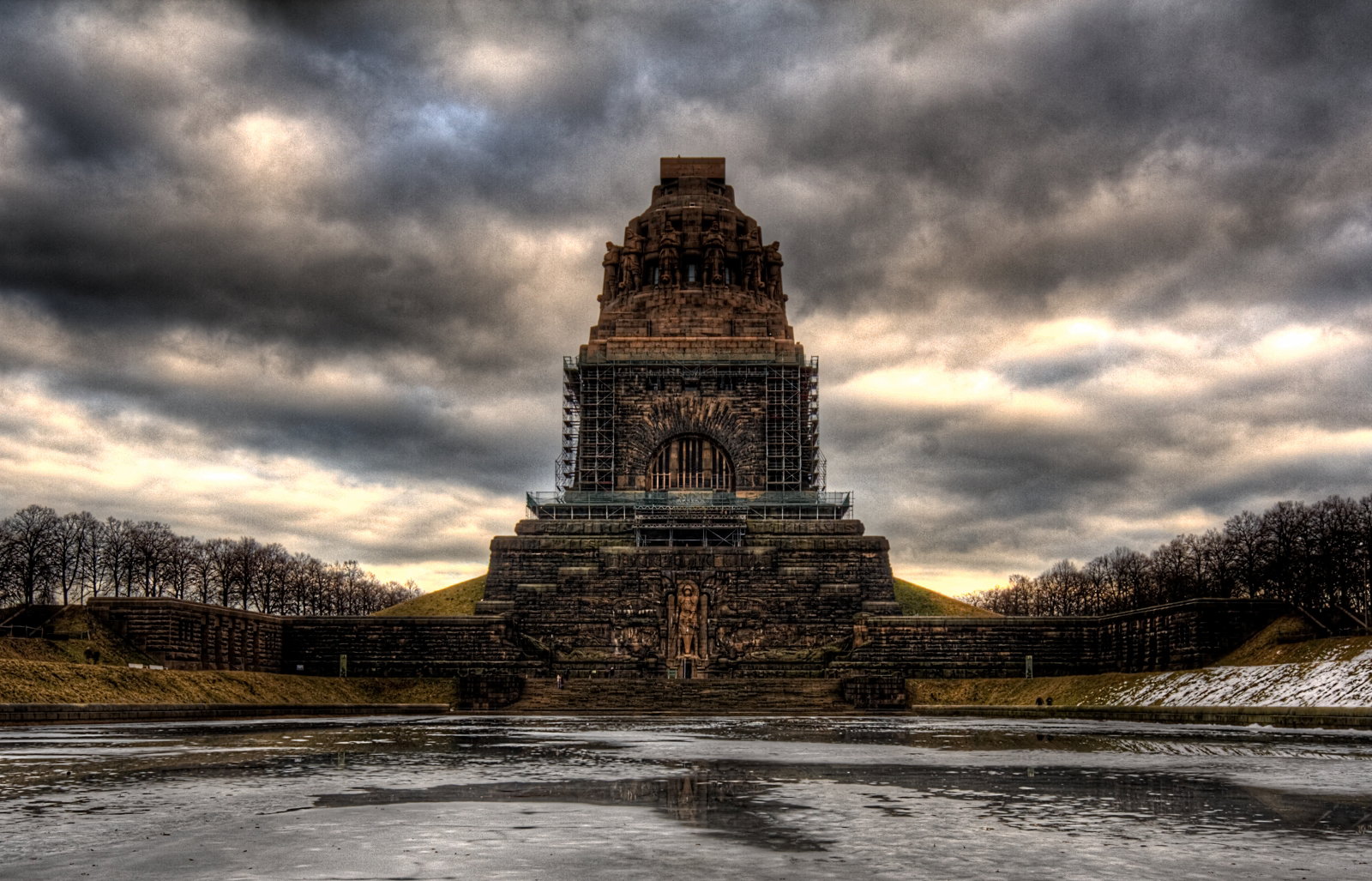
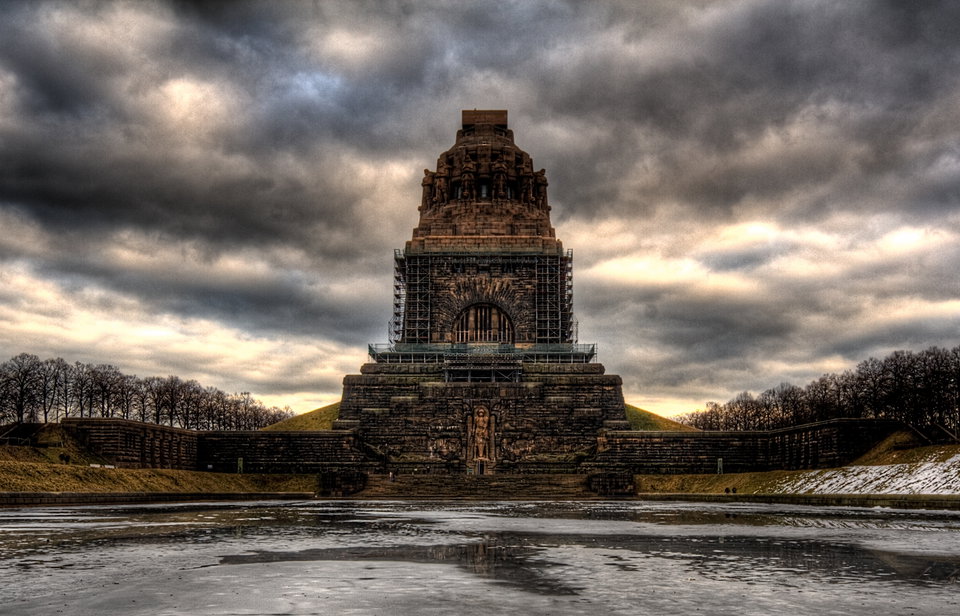
This brooding 91-metre granite colossus commemorates the 1813 Battle of Leipzig, the largest battle in European history before World War I. Climb to the viewing gallery for a panorama stretching across Saxony.

Best time to visit Leipzig

The best time to visit Leipzig is May to September, when long days, warm temperatures (averaging 20–25 °C in July), and a packed festival calendar make the city feel at its most alive. The Wave-Gotik-Treffen (Whitsun weekend, late May/early June) draws tens of thousands of goths and alternative culture fans; Leipzig Bach Festival fills June with ten days of concerts; and the Klassik airleben open-air season runs classical concerts in parks through the summer.

Spring (April–May) is ideal for lighter crowds, blossom along the Pleisse meadows, and the Baumwollspinnerei's spring gallery weekend.

Autumn (September–October) brings the second gallery weekend, harvest-season menus, and the start of the main classical concert season at the Gewandhaus and Opera House.

Winter (November–February) is cold (lows around -2 °C to 3 °C) but Leipzig's Christmas markets — particularly on the Market Square and inside the historic Passagen — are among Saxony's best. January and February are the quietest, cheapest months, good for museum visits and concert-going without the summer buzz.

Avoid the city's largest trade fairs (Leipzig Book Fair in March, and the auto shows) unless you're attending: hotel prices spike and rooms sell out weeks in advance.
Is Leipzig safe to visit?

Yes — Leipzig is generally safe for tourists, and violent crime against visitors is rare. The city consistently ranks as one of Germany's more affordable and liveable urban centres, with a relaxed street atmosphere in most neighbourhoods.

A few practical points: the area immediately around Leipzig Hauptbahnhof (the main station) attracts petty theft and occasional rough sleepers, particularly late at night — keep bags zipped and be aware of your surroundings. The same applies to busy weekend nights in the club district around Karl-Liebknecht-Strasse.

Cyclists should lock bikes securely; bike theft is the most commonly reported crime in the city. Trams and buses are safe and well-lit at night. Emergency number: 110 (police), 112 (fire/ambulance). The city has a visible and responsive police presence in tourist areas.

LGBTQ+ travellers will find Leipzig welcoming — Christopher Street Day (CSD) in June is a well-attended, safe event, and the city has an established and open queer scene.

Suggested itinerary

3 Days in Leipzig: Bach to Beats

This plan assumes a mid-pace city break with a single central base, mixing cultural highlights in the mornings with neighbourhood wandering and evenings out. Budget band: mid-range (€80–140/night for a hotel; meals €10–25 per person at a sit-down restaurant).

Day 1

The Musical City: Bach, Gewandhaus & the Old Town

Start at Thomaskirche — arrive early to beat school groups and pay your respects at Bach's tomb. Spend an hour in the Bach Museum opposite, picking up the composer's Leipzig story from his 1723 arrival to the late cantatas.

Walk five minutes to the Market Square (Markt) to admire the Renaissance Old Town Hall and grab a coffee in one of the Passagen. Duck into Mädler-Passage: browse the boutiques, peer down into Auerbachs Keller, and notice Goethe's bronze lounging by the entrance.

Afternoon: swing by the Museum of Fine Arts (Museum der bildenden Künste), whose Caspar David Friedrich and Max Beckmann collections are excellent, then rest up for an evening concert at the Gewandhaus. If the Gewandhaus is dark that night, check the Opera House or the Mendelssohn Haus for chamber events.

Leipzig — The Musical City: Bach, Gewandhaus & the Old Town

Travel essentials

Getting around

Leipzig's compact historic core is very walkable. The tram network (managed by LVB) covers the wider city efficiently — a day ticket (Tageskarte) costs around €9 and covers all trams and buses. Bikes are excellent: the city is largely flat and has extensive cycle lanes; hire from stadtrad stations or private providers along the Karl-Heine-Kanal. Taxis and Uber/FREENOW operate city-wide. For the Southern Lakes, the S-Bahn (S1, S3, S5) reaches Cospudener See and Markkleeberger See in 20–30 minutes.

Typical costs

Leipzig is affordable by German standards. Budget: €15–30/day for meals eating street food and self-catering. Mid-range sit-down restaurant: €10–20 per main course. Beer in a bar: €3–4.50. Museum entry: €6–12 (many offer free or reduced admission on the first Sunday of the month). Hostel dorm: €20–35/night. Mid-range hotel: €80–140/night. Concert tickets at the Gewandhaus: €15–80 depending on programme and seat.

Culture and etiquette

Punctuality matters in Germany — for tours, concerts, and restaurant reservations, arrive on time. Tipping is customary but not obligatory: rounding up or leaving 5–10% is standard. Speak quietly on public transport. Many independent shops and market stalls still prefer cash. Sunday is genuinely quiet — most retail closes, but museums, restaurants, and cafés remain open.

Safety and planning

Travel insurance with medical coverage is strongly advised. Germany's healthcare system is excellent; EU citizens should carry their EHIC card. Pharmacies (Apotheken) are plentiful and knowledgeable. Emergency: 112. The tap water is safe to drink everywhere.

Connectivity

Free Wi-Fi is available in most hotels, cafés, and the Hauptbahnhof. City-wide public Wi-Fi (Leipzig.de) covers major squares. A German or EU SIM with a data plan (available at the airport or any phone shop) is the most convenient option for full connectivity.

Payments

Cards (Mastercard, Visa) are accepted in hotels, chain restaurants, and supermarkets. Many independent restaurants, market stalls, and smaller bars remain cash-preferred — carry €20–40 in small notes as backup. Contactless payment is increasingly common.

Leipzig travel FAQs

More destinations to explore