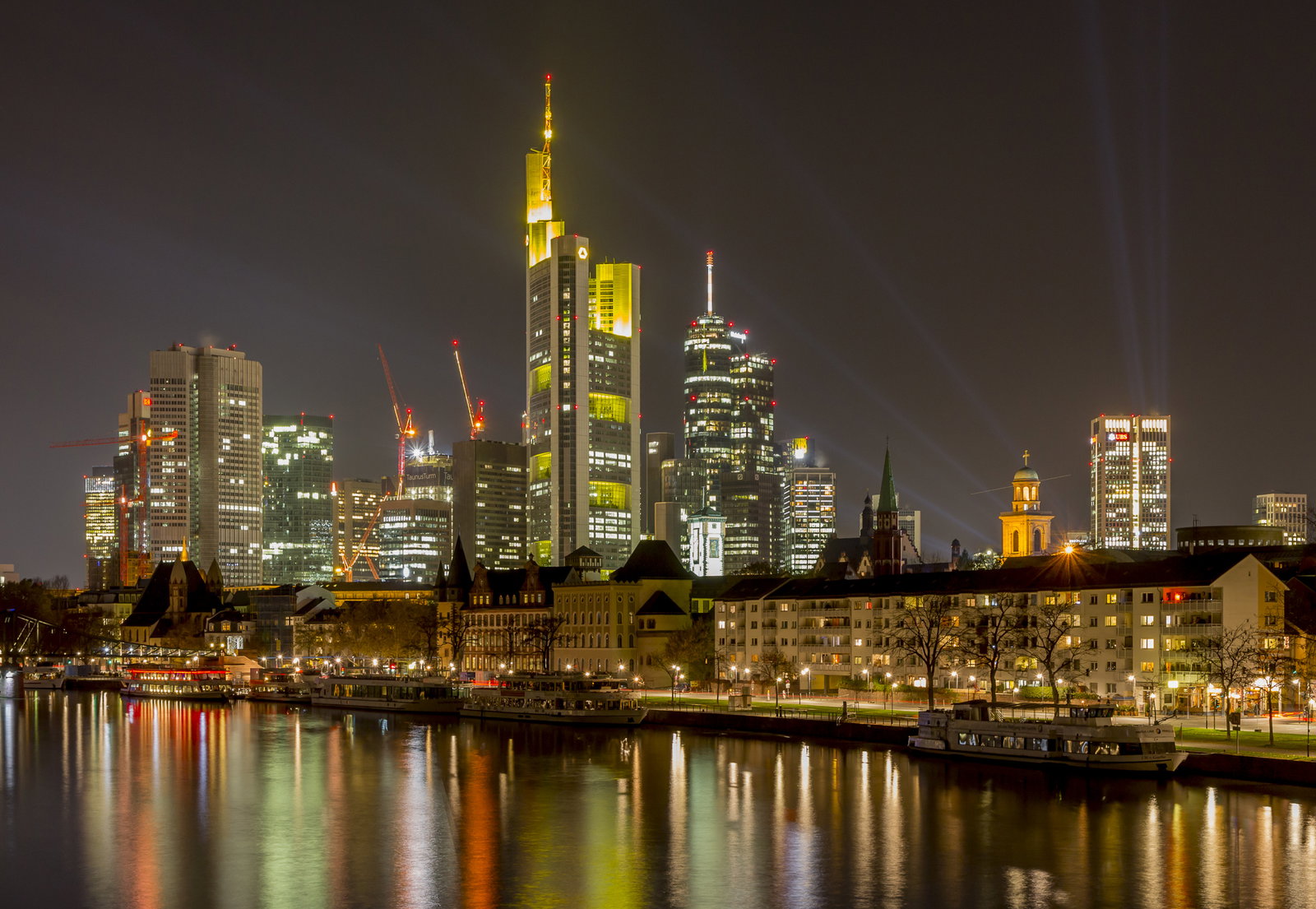
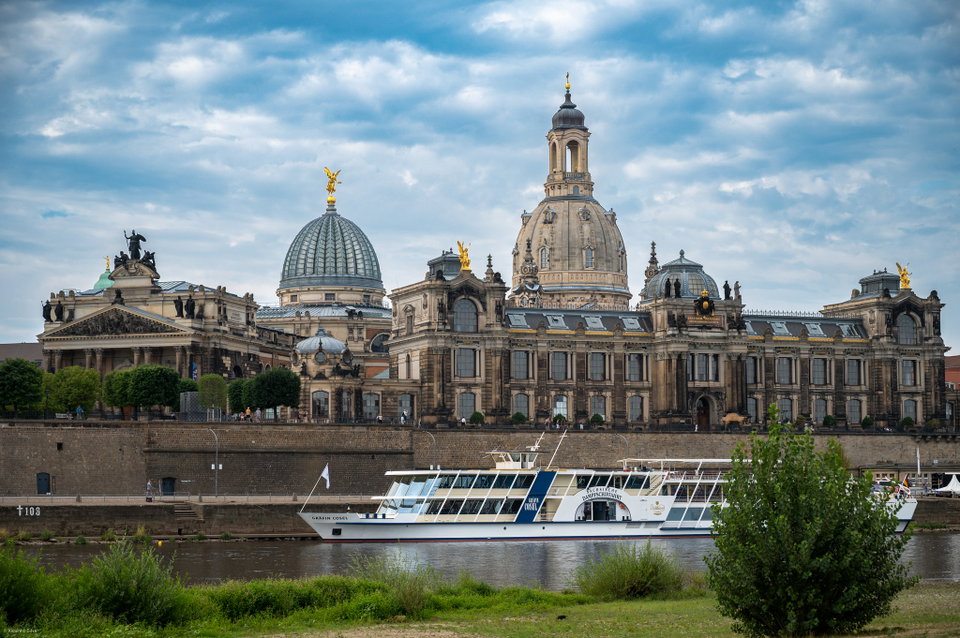
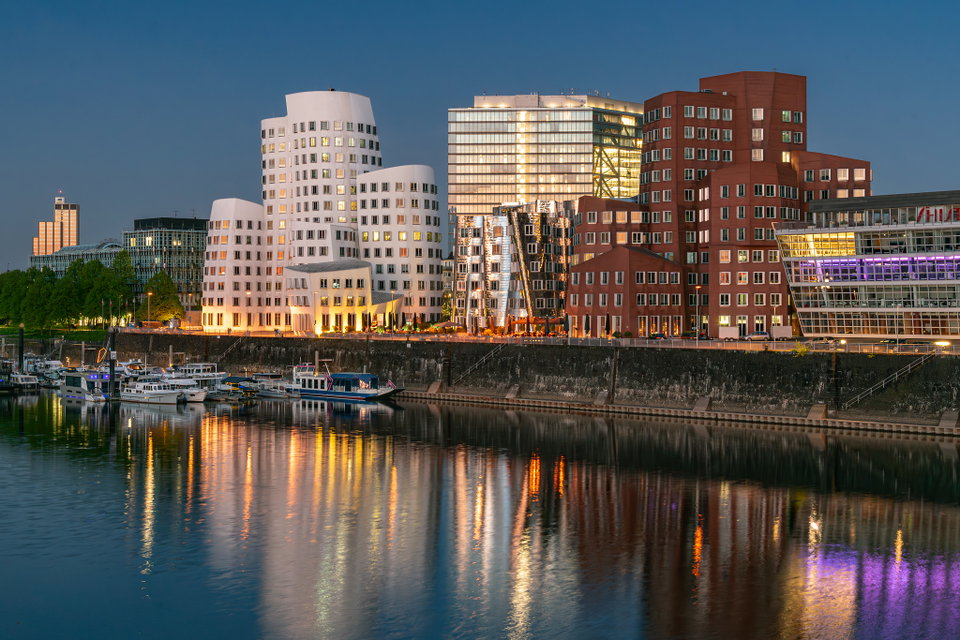
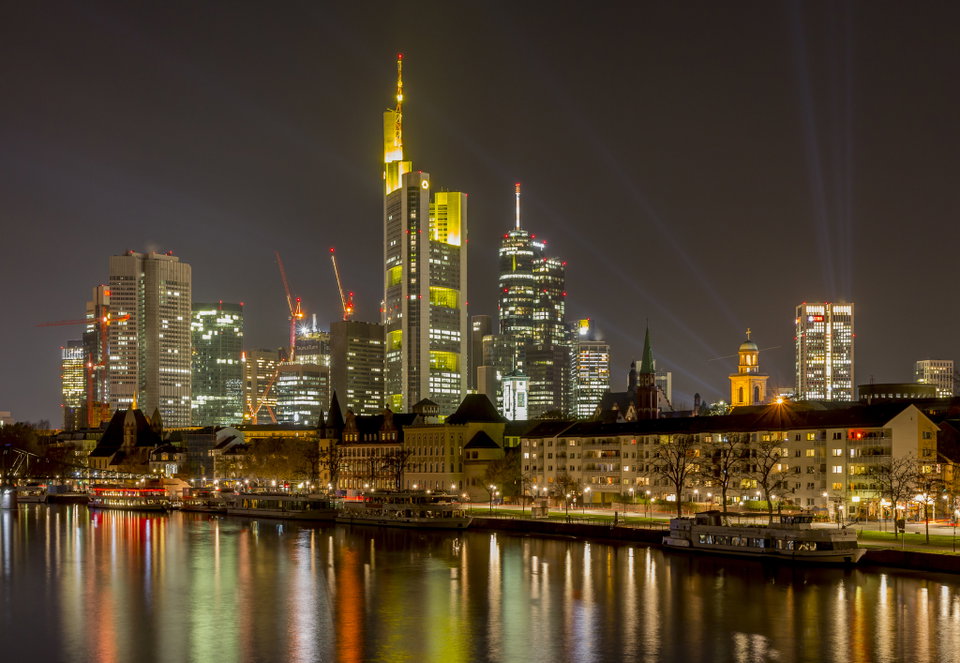
Frankfurt am Main skyline reflected in the Main River at dusk, skyscrapers rising above the Römerberg old town

Destination guide

Frankfurt

Hesse, Rhine-Main Region · Germany

Germany's financial capital — medieval roots, a soaring skyline, and one of Europe's great airports on your doorstep.

Best season

April–May and September–October for mild weather and fewer crowds; December for the famous Christmas markets.

From Nairobi

Approximately 8–9 hours non-stop from Nairobi (NBO) to Frankfurt (FRA) — one of the most direct Africa–Europe connections.

Why visit Frankfurt am Main?

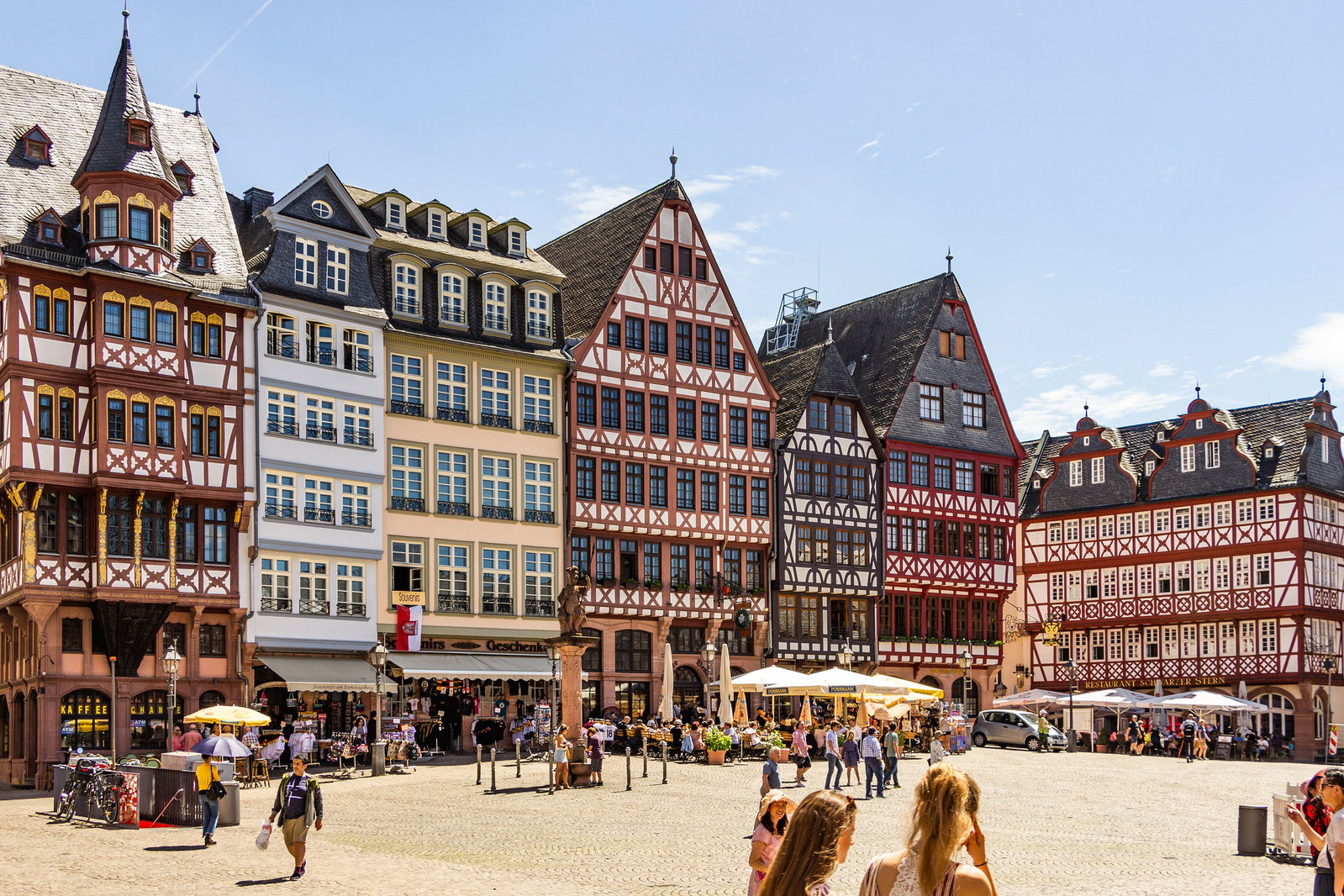
Frankfurt punches well above its size. The reconstructed Römerberg and New Old Town (Dom-Römer quarter, reopened 2018) give the city a medieval heart that survived — and was lovingly rebuilt after — the Second World War. Across the Main, the Museumsufer (Museum Embankment) strings together more than a dozen first-rate museums along a riverside promenade, making a single afternoon walk a cultural marathon.

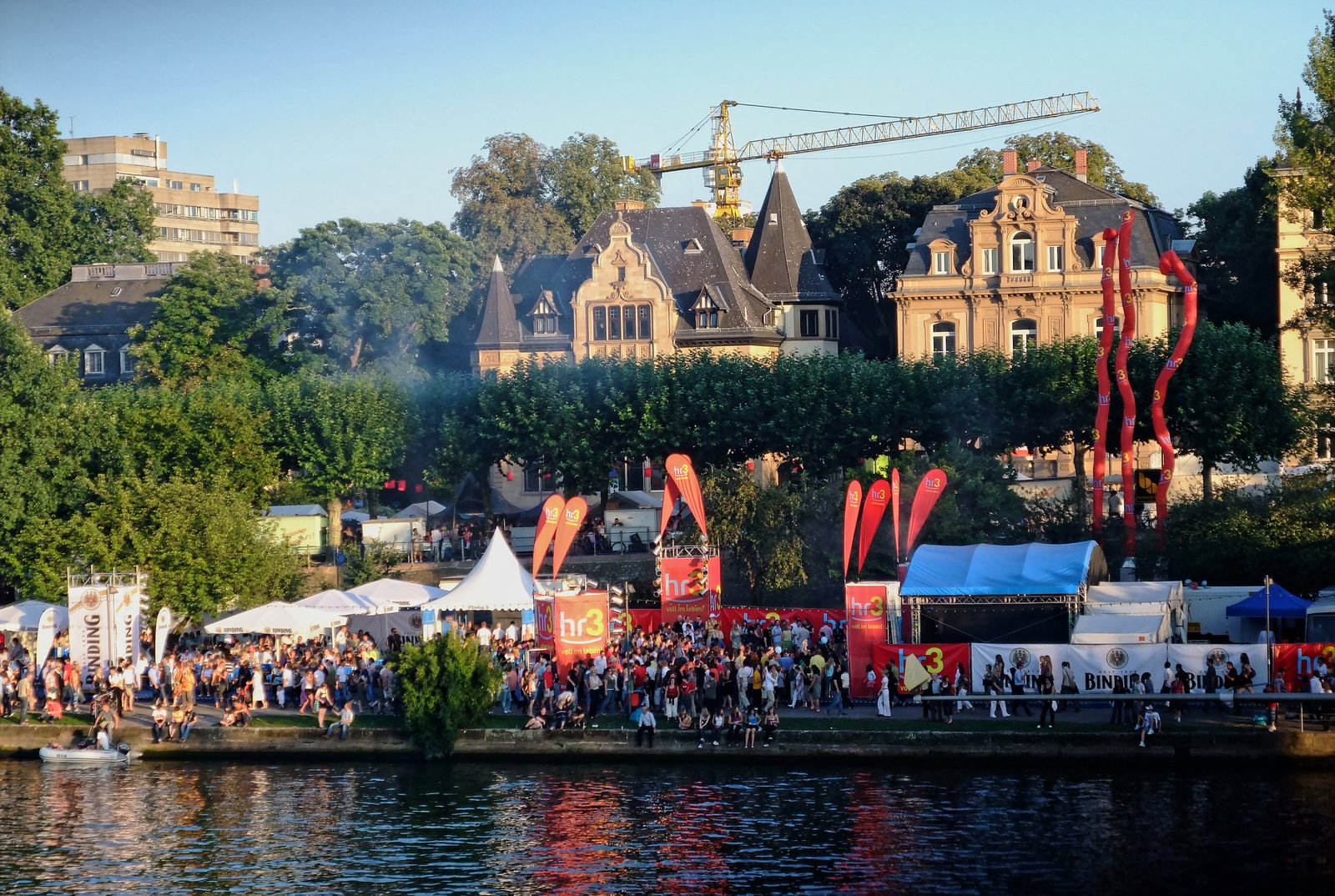
The Palmengarten botanical garden, the zoo — one of the oldest in Germany — and the forested Taunus hills just beyond the city limits ensure Frankfurt is never short of green space. Meanwhile, the city's gastronomy scene ranges from no-frills Apfelwein (apple wine) taverns in Sachsenhausen serving Handkäse mit Musik to Michelin-starred restaurants in Westend. The annual Frankfurt Book Fair (Buchmesse) in October draws the global publishing industry, and the summer Museumsuferfest is one of the largest open-air cultural festivals in Europe.

As a gateway city, Frankfurt is hard to beat: day trips to the Rhine Gorge, Heidelberg, the Moselle vineyards, or even Cologne fit comfortably into a long weekend.

  • Walk from a reconstructed medieval old town to a 20th-floor sky bar in under 15 minutes.
  • Fifteen world-class museums on one riverside promenade — the Museumsufer.
  • Sip Apfelwein in Sachsenhausen taverns that have barely changed in a century.
  • One of the world's top-five airports — nearly every long-haul route passes through FRA.
  • Day-trip range: Rhine Gorge, Heidelberg, and Cologne all within 90 minutes by train.
  • Home to the Frankfurt Book Fair, the world's largest trade fair for books and media.

Best for

City breaks, culture lovers, business travellers, weekend stopovers, European rail-trippers

Trip style

Urban exploration, museum-hopping, culinary discovery, day-tripping

Known for

Skyline contrasts, Römerberg old town, Museumsufer, Apfelwein, Frankfurt Book Fair, world-class airport hub

Quick facts

Best time to visit

April–May and September–October for mild weather and fewer crowds; December for the famous Christmas markets.

Currency

Euro (EUR). ATMs widely available; card payments accepted almost everywhere.

Languages

German (official). English is widely spoken in hotels, restaurants, and the city centre.

Visa summary

Schengen Area rules apply. EU/EEA and Swiss citizens enter freely; many nationalities can visit visa-free for up to 90 days. Check your specific requirements before travelling.

Flight time from Nairobi

Approximately 8–9 hours non-stop from Nairobi (NBO) to Frankfurt (FRA) — one of the most direct Africa–Europe connections.

Airport / arrival

Frankfurt Airport (FRA) is one of Europe's busiest hubs. The S-Bahn (S8/S9) reaches the city centre (Hauptbahnhof) in about 11 minutes; taxis take 20–30 minutes.

Safety note

Generally very safe. Exercise standard urban awareness around the Hauptbahnhof and Bahnhofsviertel at night.

Visa and entry

Look up entry rules by passport for travel to Germany on the Tsavaro visa checker.

Check visa requirements for Germany

Things to do

Explore the Dom-Römer QuarterCulture & Heritage

Explore the Dom-Römer Quarter

2–3 hours

Wander the painstakingly reconstructed New Old Town (Dom-Römer), completed in 2018. Thirty-five historically faithful buildings surround a web of cobbled lanes between the Gothic cathedral (Kaiserdom) and the Römerberg square. The result is one of the most ambitious urban reconstructions in postwar Europe.

Museum-hop along the MuseumsuferArt & Museums

Museum-hop along the Museumsufer

Half day to full day

The south bank of the Main hosts a remarkable stretch of museums within easy walking distance of each other. Highlights include the Städel (one of Germany's finest art galleries, spanning 700 years), the Liebieghaus sculpture museum, the German Film Museum, and the Museum of World Cultures. The annual Museumsufer Festival in August opens them all for a festival weekend.

Climb the Main Tower for skyline viewsViewpoints

Climb the Main Tower for skyline views

1 hour

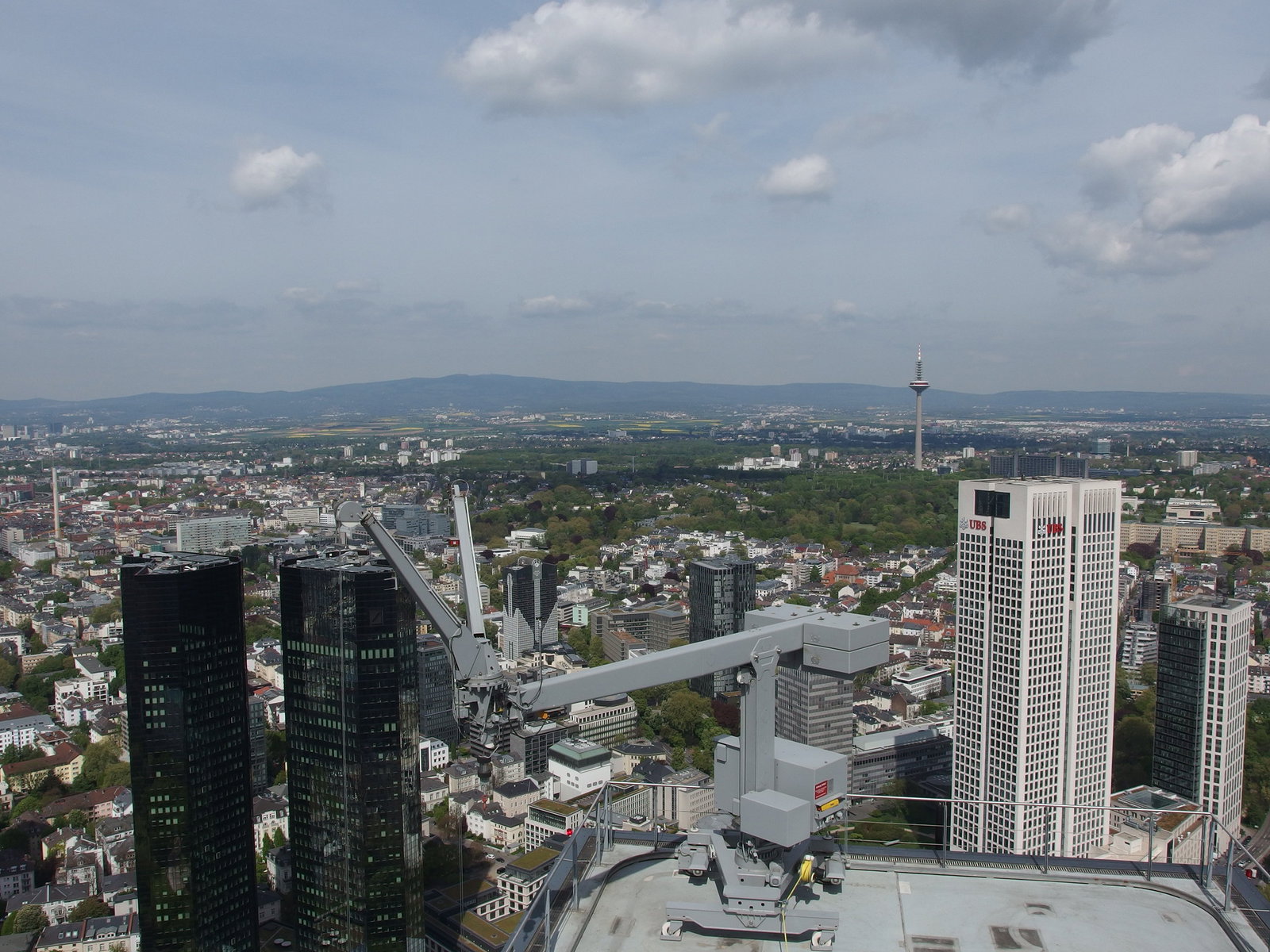
At 200 m, the Main Tower observation deck is the only publicly accessible skyscraper roof in Frankfurt. Sunset visits reward you with the full city panorama — Taunus hills to the north, Odenwald forest to the south, and the Main River snaking through the middle.

Drink Apfelwein in SachsenhausenFood & Drink

Drink Apfelwein in Sachsenhausen

Evening

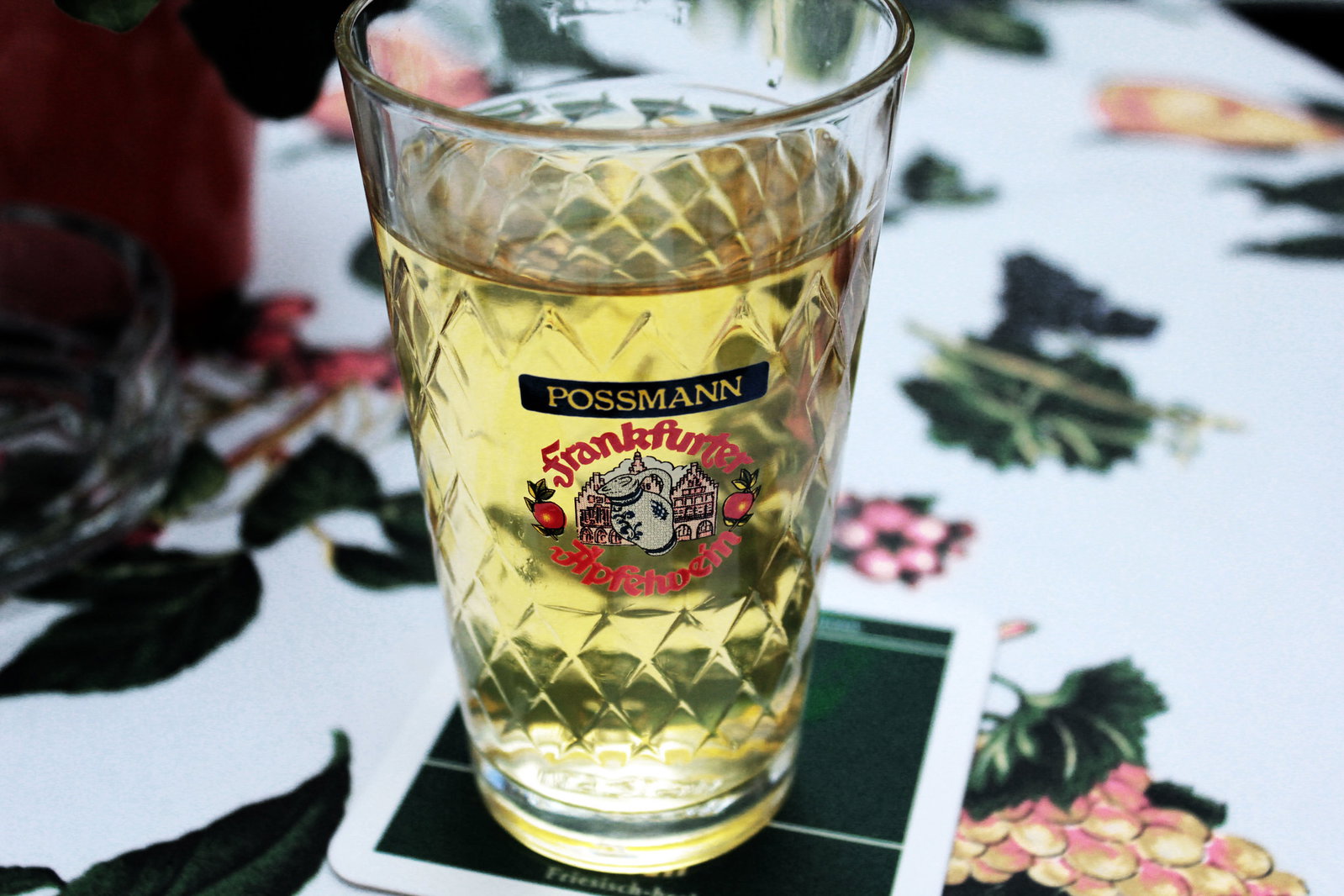
Cross the Eiserner Steg footbridge to Sachsenhausen and settle into a traditional Apfelwein tavern — look for branches of pine above the door. Order a Bembel (stoneware jug) of the sharp local cider and pair it with Handkäse mit Musik (marinated soured cheese) or Grüne Soße (Frankfurt's beloved herb sauce). Wagner and Dauth-Schneider are classic spots.

Visit the Frankfurt KaiserdomCulture & Heritage

Visit the Frankfurt Kaiserdom

1–2 hours

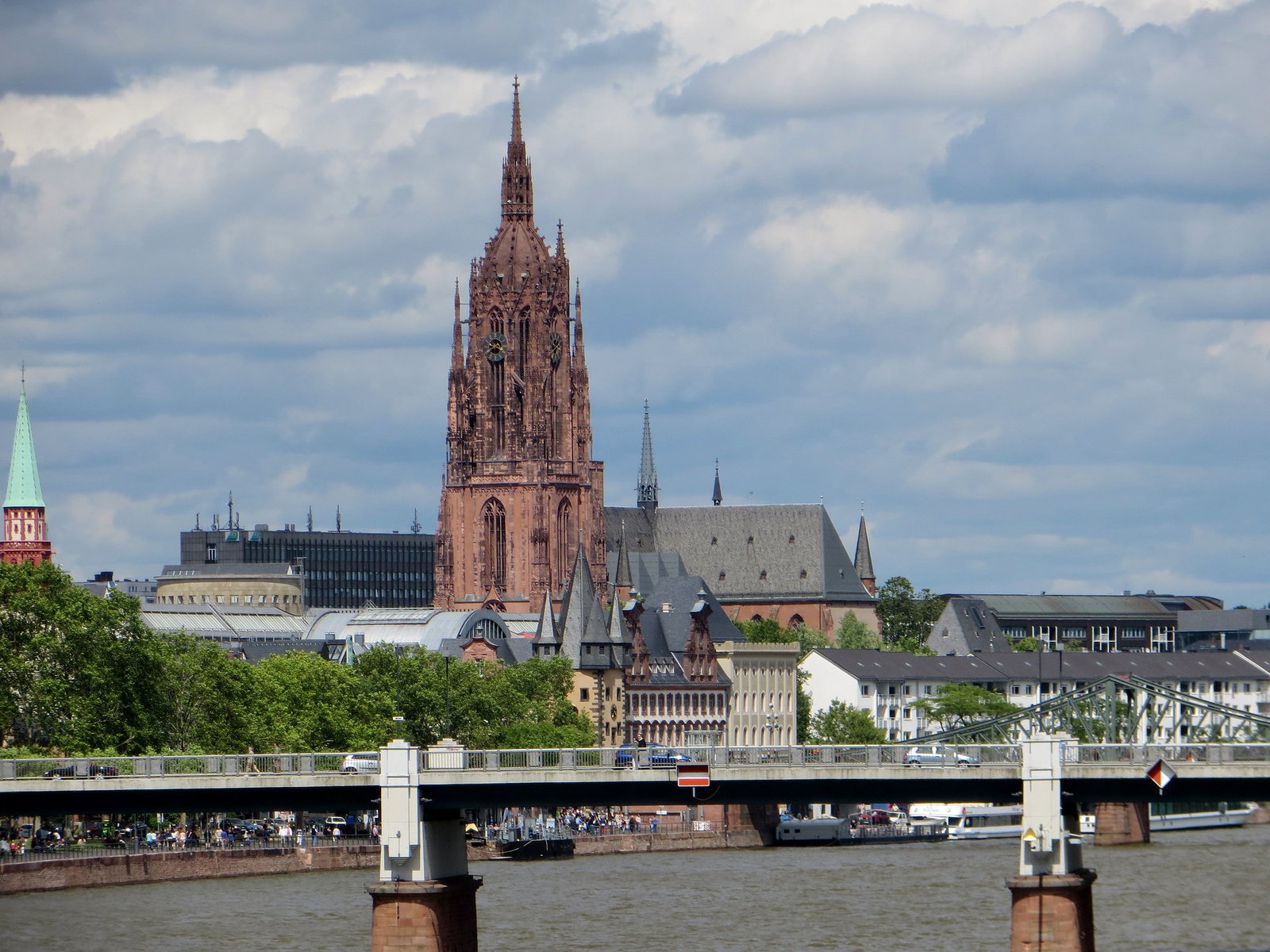
The Imperial Cathedral of Saint Bartholomew served as the coronation church of Holy Roman Emperors from 1562 to 1792. Climb the 95-metre tower for rooftop views over the old town, and explore the cathedral museum for imperial regalia and medieval treasures.

Stroll and picnic in the PalmengartenNature & Parks

Stroll and picnic in the Palmengarten

2–3 hours

Founded in 1868, Frankfurt's Palmengarten is one of Germany's great botanical gardens — 22 hectares of themed gardens, tropical glasshouses, a rose garden, and a boating pond. It's a favourite weekend escape for locals and the venue for summer open-air concerts.

Best time to visit Frankfurt am Main

The best time to visit Frankfurt am Main is April to May or September to October, when temperatures are mild (12–22 °C), the city's parks and riverside promenades are at their most inviting, and major cultural events bookend the calendar.

Spring (April–May): Cherry blossoms in the Palmengarten and Grüneburgpark, comfortable walking temperatures, and the start of the outdoor café season. Crowds are moderate and hotel rates reasonable.

Summer (June–August): Warm to hot (up to 30 °C+), with long evenings ideal for the Museumsufer promenade, outdoor pools (Freibäder), and river-boat trips. The Museumsufer Festival in late August draws hundreds of thousands to the riverbanks. Peak season for prices.

Autumn (September–October): Arguably the finest season. The Frankfurt Book Fair (Buchmesse) in mid-October is the city's biggest annual event. Vineyard harvests in the nearby Rheingau make day trips especially rewarding. Crisp air, golden light, and the city at full cultural pace.

Winter (November–March): Cold (near or below freezing in January), but Frankfurt's Christmas markets — particularly the Römerberg Weihnachtsmarkt, one of Germany's oldest — run from late November to Christmas Eve and are genuinely magical. Off-peak rates apply most of winter.
Is Frankfurt am Main safe to visit?

Yes — Frankfurt am Main is generally a safe city for tourists, ranking among the safer major European metropolises by most international indices. Violent crime against visitors is rare, and the city has an efficient, well-lit public transport network that operates late into the night.

The main area to be aware of is the Bahnhofsviertel (station quarter) around the Hauptbahnhof, which has a visible open drug scene especially after dark. The area is not dangerous in the conventional sense, but it can feel unsettling for first-time visitors: keep valuables secure and stay alert. Sachsenhausen and the Innenstadt are very relaxed at all hours.

Practical tips: — Use hotel safes for passports and large amounts of cash. — Pickpocketing can occur on the U-Bahn and S-Bahn during rush hour — keep bags in front of you. — Emergency number: 112 (police and fire); 110 (police only). English-speaking operators are available. — Frankfurt's S-Bahn and U-Bahn are safe to use at night; night buses (Nachtbus) cover gaps. — Travel insurance with medical cover is strongly recommended for all visitors to Germany.

Suggested itinerary

Frankfurt in 3 Days: Old Town, Skyline & the Main River

A three-day plan based in central Frankfurt — ideally in the Innenstadt or Sachsenhausen — moving at a relaxed but full pace. Budget band: mid-range (€100–180/night accommodation, €30–50/day food). Suited to first-time visitors who want culture, food, and a day trip without feeling rushed.

Day 1

Old Town, Cathedral & Sachsenhausen

Start the morning at the Römerberg — Frankfurt's historic market square — before the tour groups arrive. Explore the Dom-Römer Quarter's cobbled lanes and climb the Kaiserdom tower for your first rooftop view of the city.

Lunch at a traditional Innenstadt restaurant (try Grüne Soße with potatoes and egg, the city's signature dish). After lunch, walk to the Main Tower for the 200 m observation deck: the skyline perspective from here is unforgettable.

Cross the Eiserner Steg footbridge at golden hour and spend the evening in Sachsenhausen. Settle into an Apfelwein tavern — Wagner on Schweizer Straße is a classic — for a Bembel of cider and a plate of Handkäse mit Musik.

Frankfurt — Old Town, Cathedral & Sachsenhausen

Travel essentials

Getting around

Frankfurt's RMV public transport network (U-Bahn, S-Bahn, trams, buses) is comprehensive and punctual. A 24-hour day ticket covers all zones within the city. The airport S-Bahn (S8/S9) connects FRA to the Hauptbahnhof in 11 minutes. The city centre is very walkable — the Römerberg to the Museumsufer is a 10-minute stroll. Taxis and ride-hailing apps (FREE NOW) are readily available. Cycling is popular; bike-share schemes (NextBike, Deutsche Bahn Call a Bike) have docking stations across the city.

Typical costs

Mid-range hotel: €100–180/night. Budget hostel: €25–50/night. Sit-down lunch: €12–20. Dinner (mid-range restaurant): €25–45 per person. Apfelwein Bembel (1 litre): €5–8. Museum entry: €8–18 (Städel €18; many museums free on the last Saturday of the month). 24-hour RMV transport pass: approx. €9. Airport taxi: €30–45.

Culture and etiquette

Punctuality is valued in Frankfurt — if you have a reservation, be on time. Greet with 'Guten Morgen' or 'Guten Tag'; English is widely understood in tourist areas. Tipping is customary but not obligatory: rounding up or adding 5–10% is standard. Sunday trading laws mean many shops are closed — plan grocery shopping for Saturday. Recycling is taken seriously; use the correct bins.

Safety and planning

Register with your embassy or consulate for longer stays. Keep a photocopy of your passport separate from the original. Comprehensive travel insurance with medical repatriation is strongly advised. Germany's healthcare system is excellent; EU citizens should carry a European Health Insurance Card (EHIC).

Connectivity

4G/5G coverage is excellent across the city and airport. Frankfurt Airport offers free Wi-Fi. Most hotels, cafés, and restaurants provide free Wi-Fi. EU-roaming travellers pay no extra charges within Germany. Non-EU visitors can buy a prepaid SIM at the airport (Telekom, Vodafone, O2 all have counters in Terminal 1).

Payments

Cashless payments are widely accepted in Frankfurt, though some traditional Apfelwein taverns and market stalls remain cash-only. Visa and Mastercard are universally accepted; Amex less so at smaller venues. ATMs (Geldautomat) are abundant throughout the city. Inform your bank before travelling to avoid card blocks.

Frankfurt travel FAQs

More destinations to explore