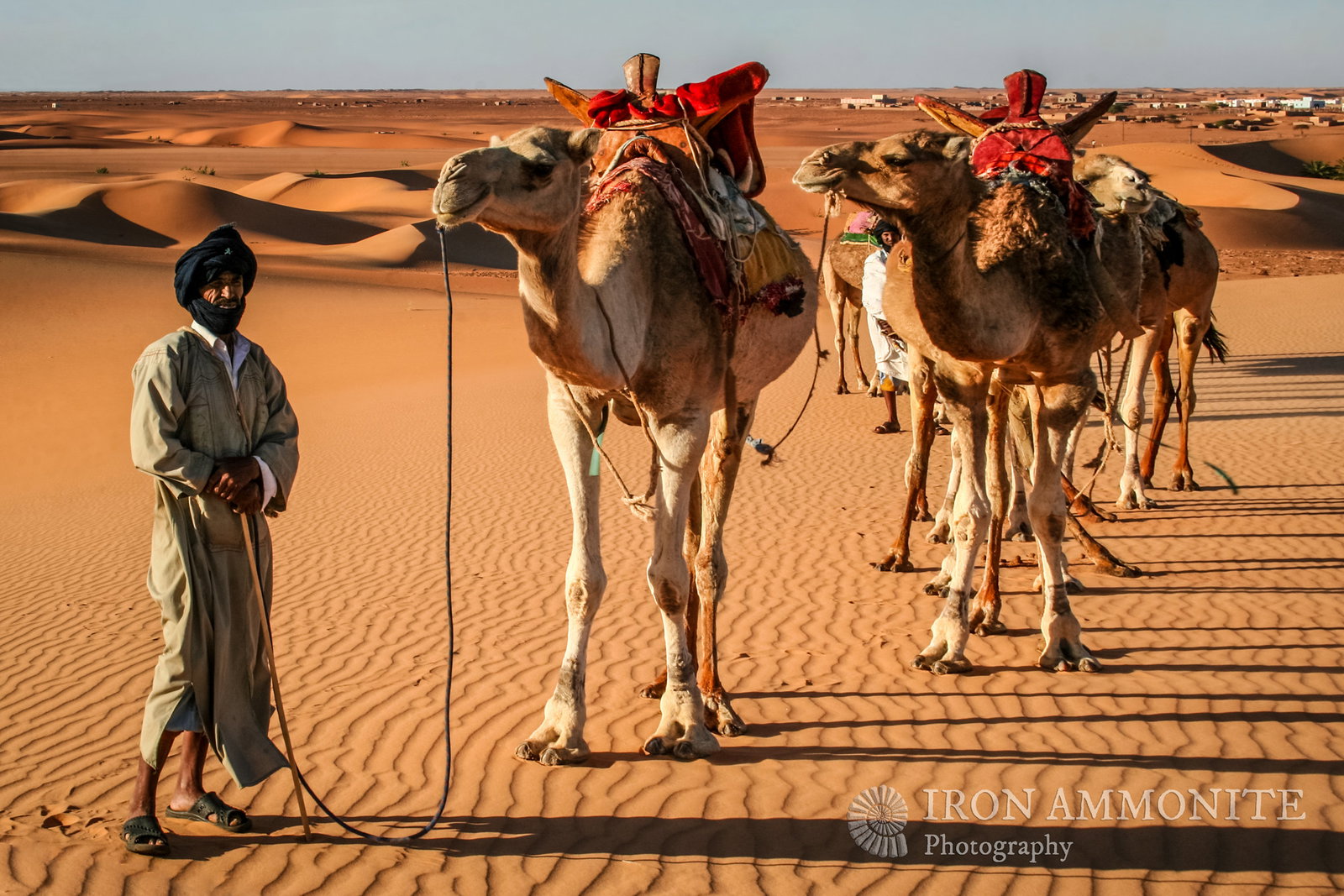
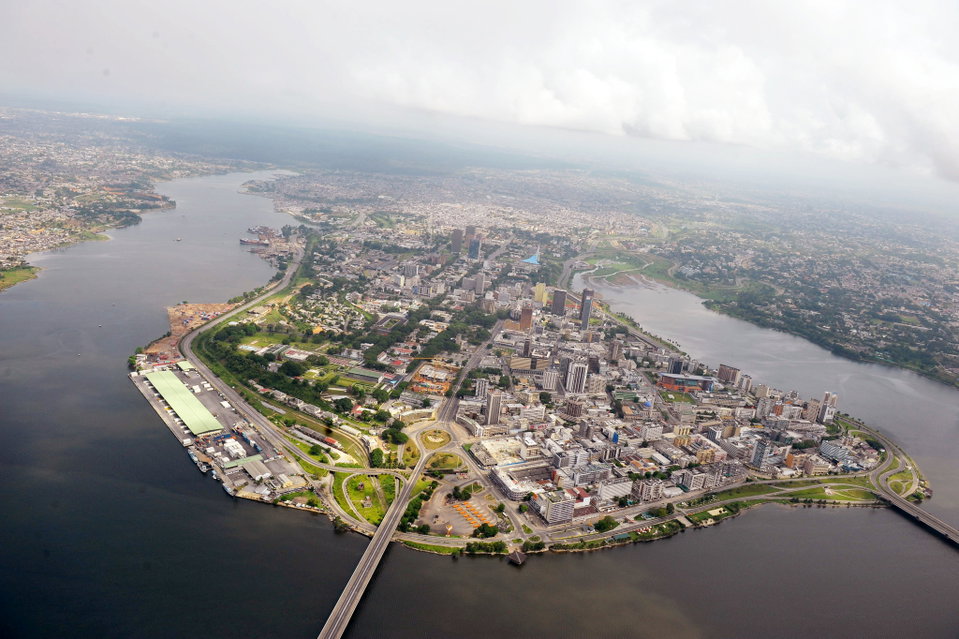
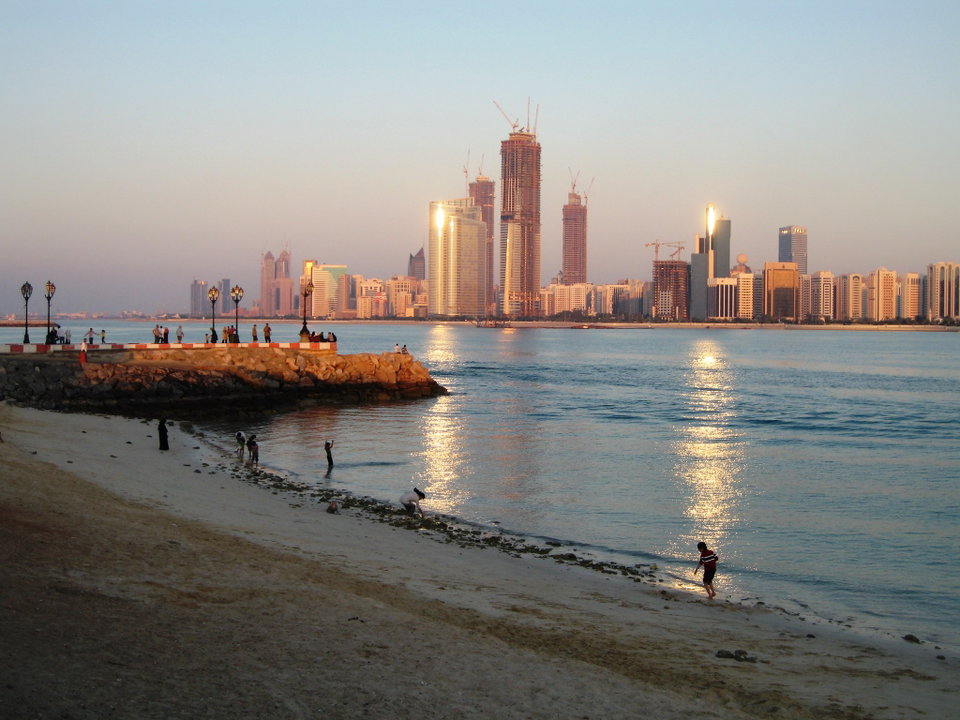
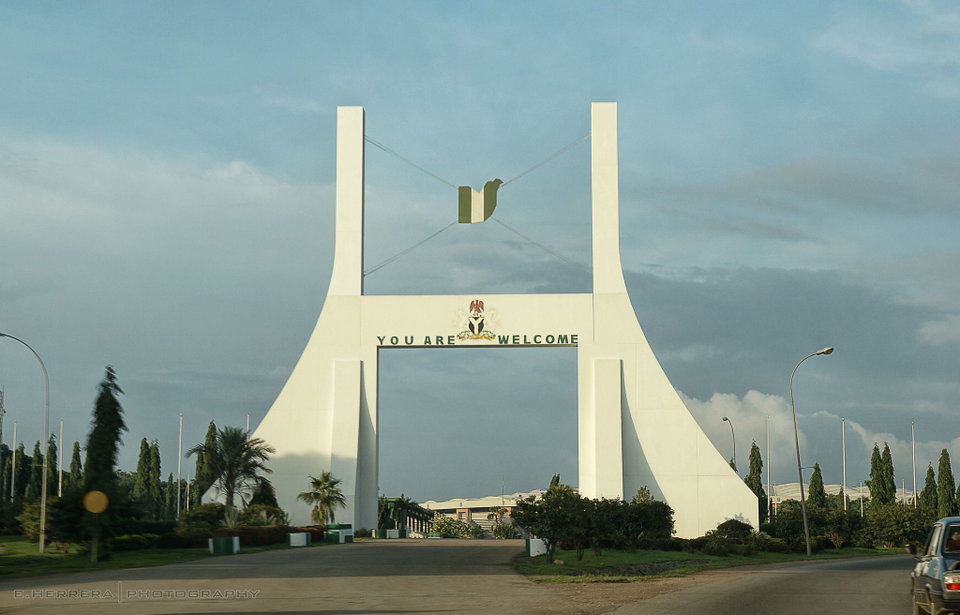
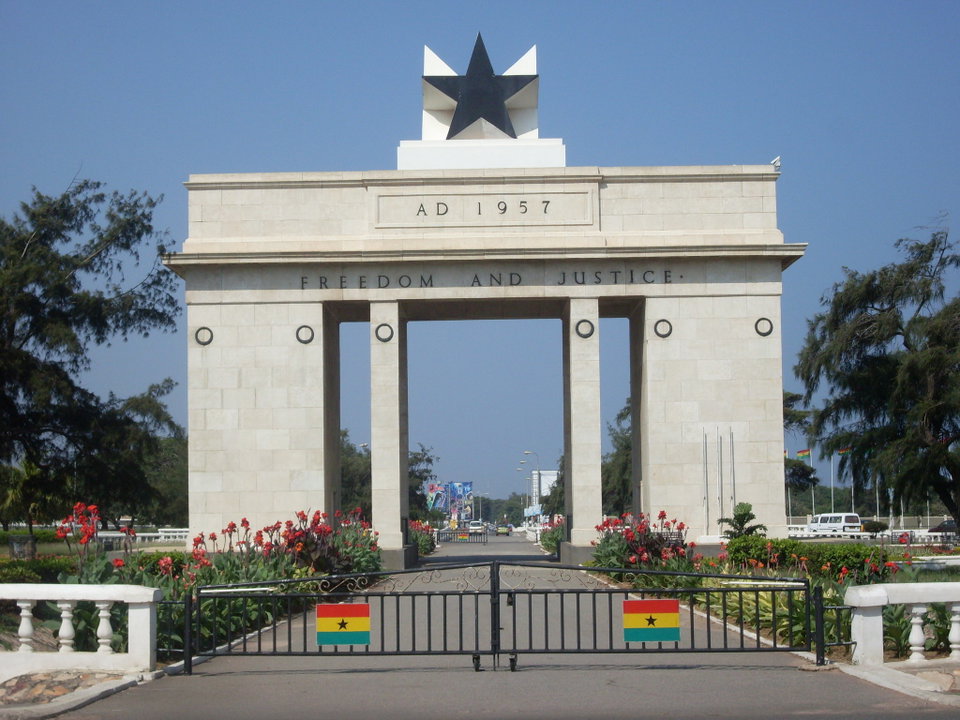
Aerial view of Nouakchott's skyline meeting the Atlantic Ocean at sunset, Mauritania

Destination guide

Nouakchott

Atlantic Sahara Coast · Mauritania

A raw Saharan capital where the desert meets the sea — few tourists, real Africa.

Best season

November to February (cool, dry harmattan season; highs around 25–30 °C)

From Nairobi

Approx. 8–10 hours with one stop (commonly via Addis Ababa, Cairo, or Casablanca; no direct service)

Why visit Nouakchott?

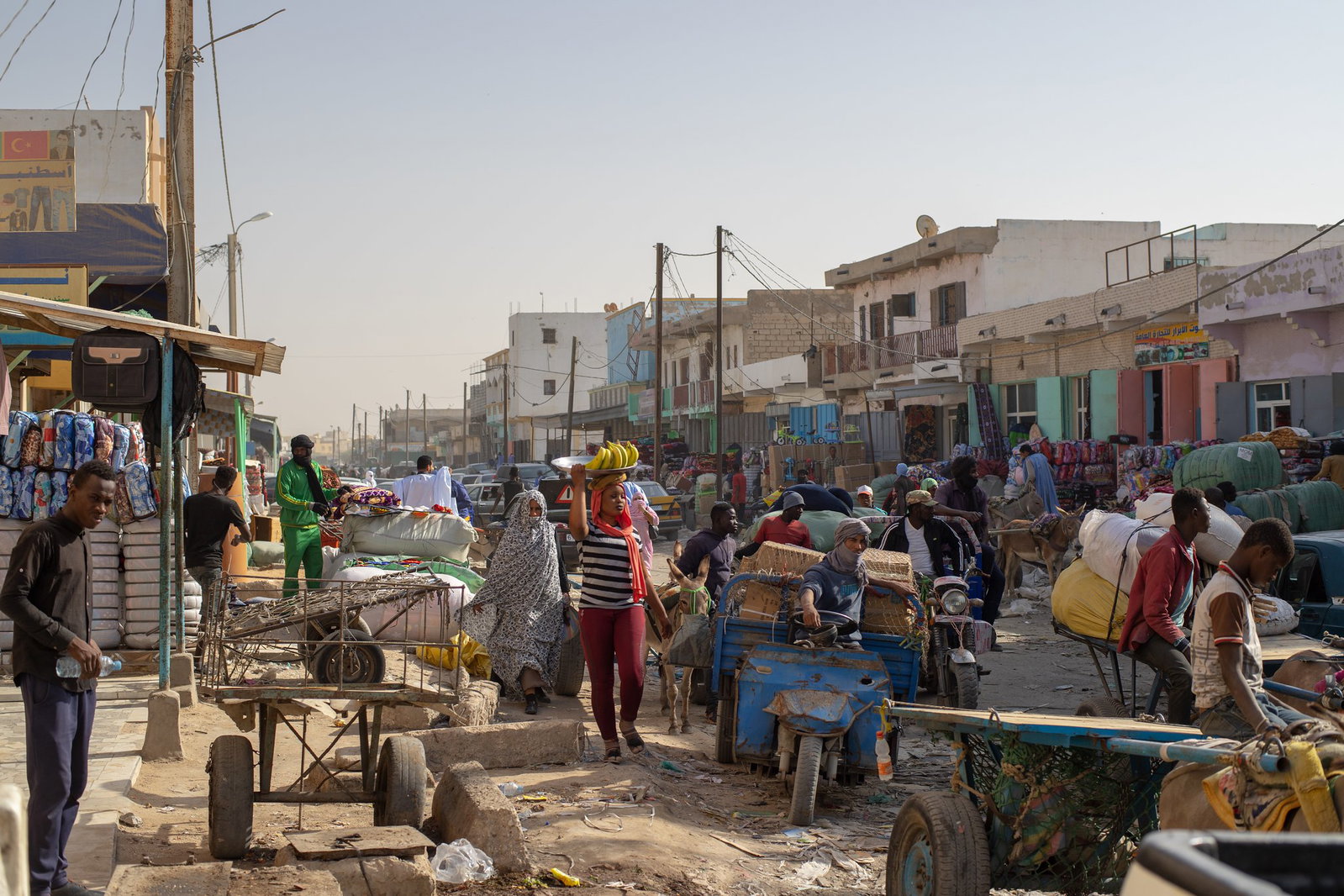
Nouakchott rewards the curious traveller who steps off the beaten path. The city is one of the last African capitals that has not yet been smoothed over for mass tourism, so every interaction feels genuine. The famous Marché Capitale and the artisan Marché Marocain overflow with silver jewellery, indigo textiles, camel-leather goods, and hand-beaten copper — prices that haven't been inflated for tourists.

The Atlantic seafront at Plage des Pêcheurs (the Fishing Beach) is pure spectacle: hundreds of hand-painted pirogues land their catches each morning in a frenzy of colour, gulls, and negotiation that photographers travel continents to witness. Nowhere else can you stand on the Sahara's edge and eat grilled barracuda pulled from the ocean an hour earlier.

Beyond the city, Mauritania holds UNESCO-listed Chinguetti — a medieval caravan city buried in dunes — and the breathtaking Banc d'Arguin National Park, a UNESCO World Heritage Site and globally critical bird sanctuary. Nouakchott is the practical launchpad for all of it.

  • Watch hundreds of hand-painted pirogues land their catch at the dramatic Atlantic Fishing Beach every morning.
  • Browse one of West Africa's most authentic craft markets for silver jewellery, camel leather, and indigo robes — with zero tourist markup.
  • Stand where the Sahara Desert literally touches the Atlantic Ocean — a geographical extreme found almost nowhere else on Earth.
  • Use the city as a launchpad for UNESCO-listed Chinguetti and the ancient caravan cities of the Mauritanian Sahara.
  • Spot millions of migratory birds at Banc d'Arguin National Park, one of the world's most important wetland habitats.
  • Experience Moorish tea culture and rooftop majlis gatherings — Mauritanian hospitality is legendary among travellers.

Best for

Off-the-beaten-path travellers, photographers, desert enthusiasts, birders, overland adventurers

Trip style

Cultural immersion, adventure, wildlife, overlanding

Known for

Sahara-meets-Atlantic setting, Fishing Beach pirogues, artisan markets, desert gateway, Moorish hospitality

Quick facts

Best time to visit

November to February (cool, dry harmattan season; highs around 25–30 °C)

Currency

Mauritanian Ouguiya (MRU) — cards accepted at major hotels only; carry cash

Languages

Arabic (official), Hassaniya Arabic (widely spoken), French (business and signage)

Visa summary

Visa on arrival available for most nationalities at Nouakchott–Oumtounsy International Airport; e-visa also available online before travel

Flight time from Nairobi

Approx. 8–10 hours with one stop (commonly via Addis Ababa, Cairo, or Casablanca; no direct service)

Airport / arrival

Nouakchott–Oumtounsy International Airport (NKC) is 25 km north-east of the city centre; taxis are the standard transfer (~20–40 minutes, negotiate fare in advance)

Safety note

Generally safe in the city centre; exercise normal urban precautions and heed current government travel advisories for areas outside the capital

Visa and entry

Look up entry rules by passport for travel to Mauritania on the Tsavaro visa checker.

Check visa requirements for Mauritania

Things to do

Plage des Pêcheurs — the Fishing BeachCulture & local life

Plage des Pêcheurs — the Fishing Beach

2–3 hours

Nouakchott's most iconic spectacle. Each morning, brightly painted artisanal fishing pirogues crash through the Atlantic surf and are dragged ashore by teams of fishermen. The beach becomes a living market of freshly landed barracuda, rays, and snapper. Arrive before 8 am for the best light and most frantic activity.

Marché Capitale & Marché MarocainShopping & culture

Marché Capitale & Marché Marocain

2–4 hours

The twin heart of Nouakchott commerce. The Marché Capitale is a dense, atmospheric warren of stalls selling everything from livestock to electronics. The adjacent Marché Marocain is the artisan quarter, where Moorish craftsmen sell hand-beaten silver, amber beads, camel-leather bags, and vibrantly dyed boubous. Bargaining is expected and friendly.

Musée National de MauritanieHistory & heritage

Musée National de Mauritanie

1–2 hours

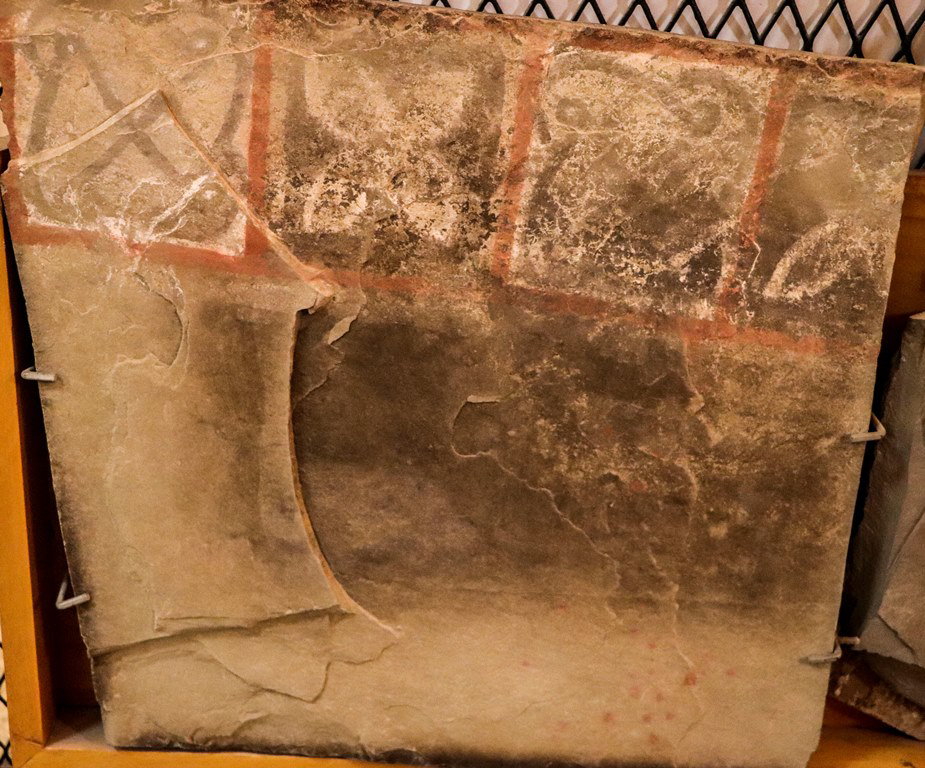
A compact but rewarding museum covering Mauritania's prehistoric rock art, trans-Saharan trade history, and traditional Moorish material culture. Well-labelled exhibits in Arabic and French give crucial context before heading into the desert interior.

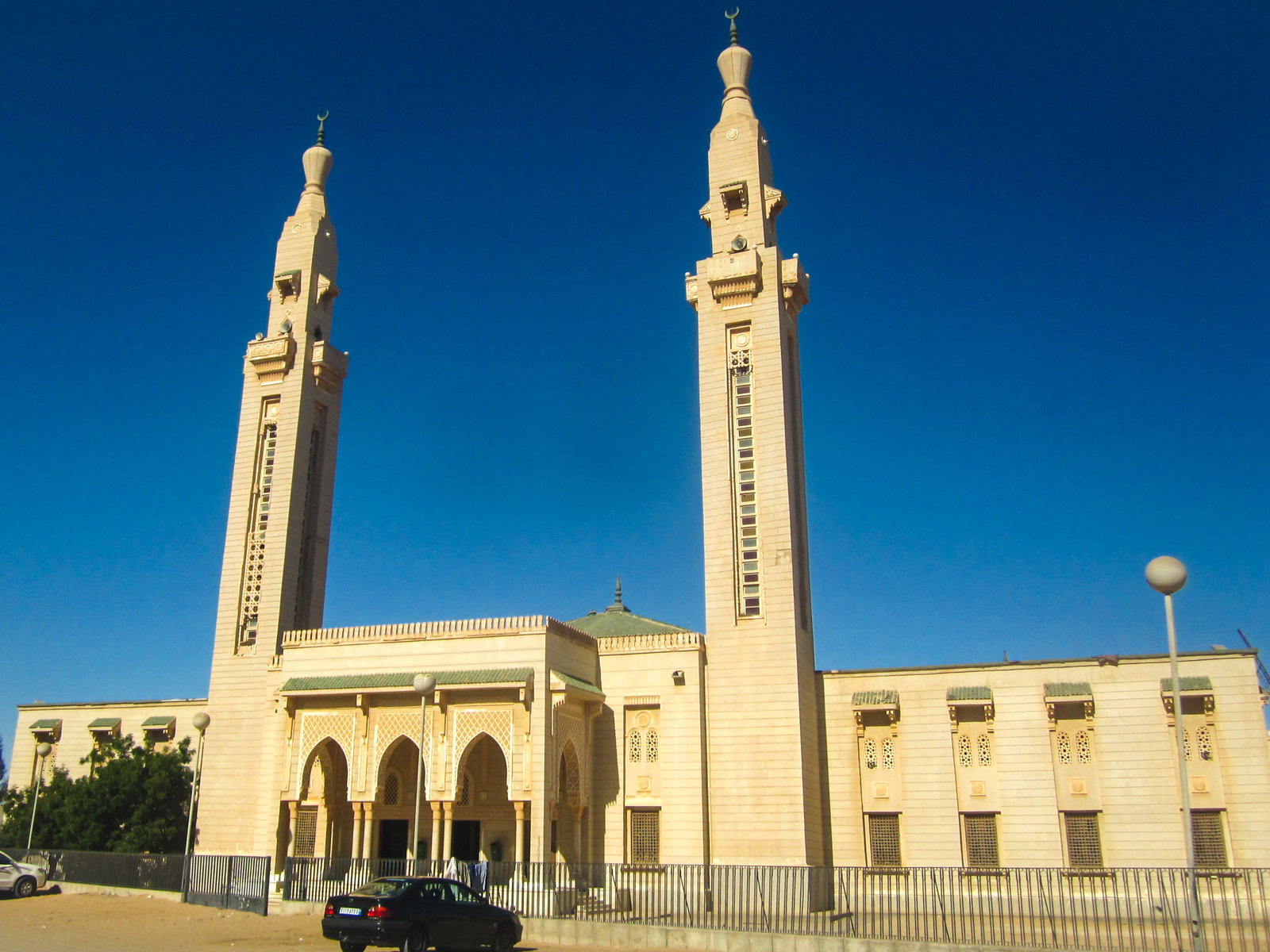
Saudi Mosque (Grande Mosquée de Nouakchott)Architecture & faith

Saudi Mosque (Grande Mosquée de Nouakchott)

30–45 minutes

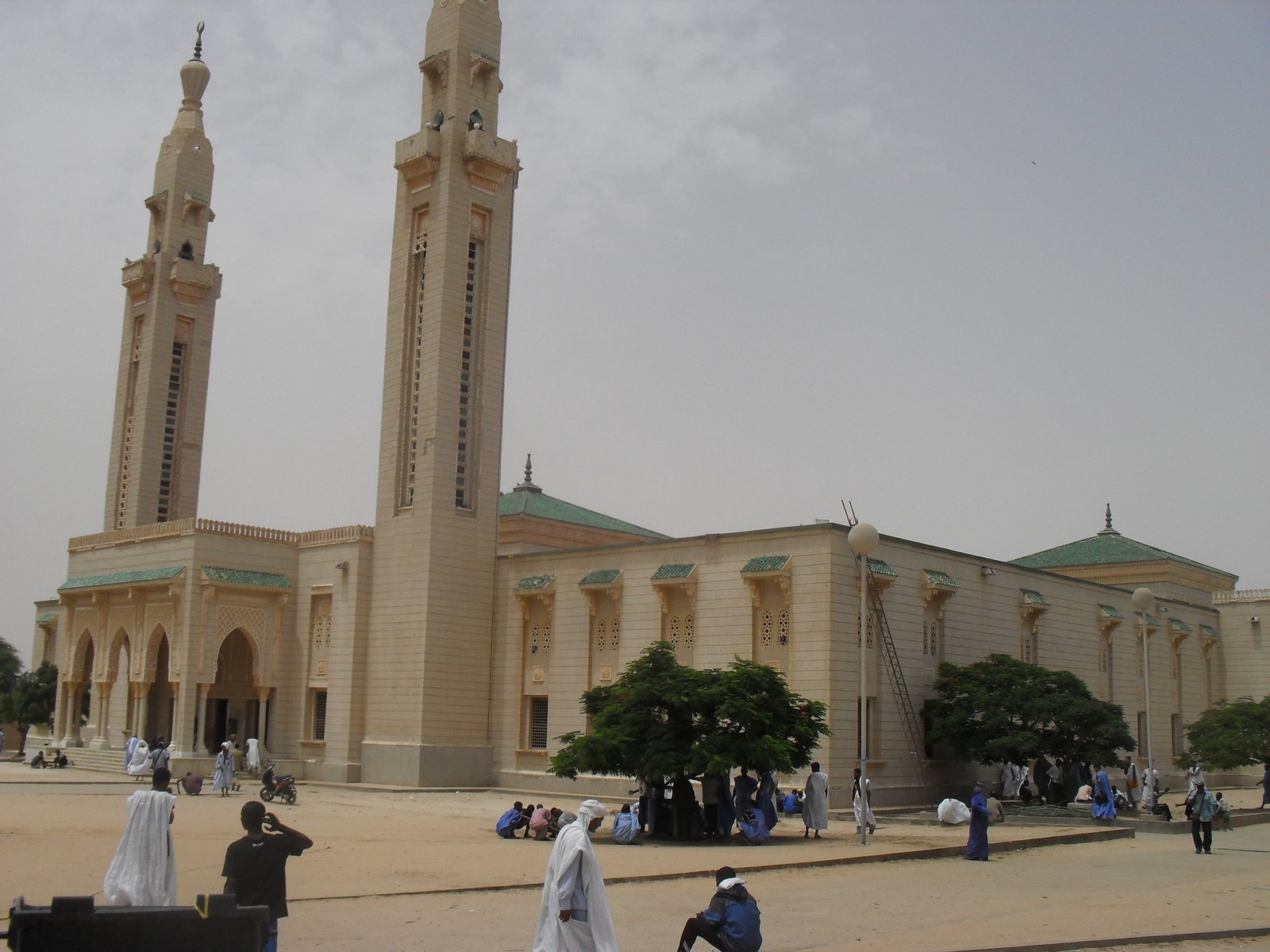
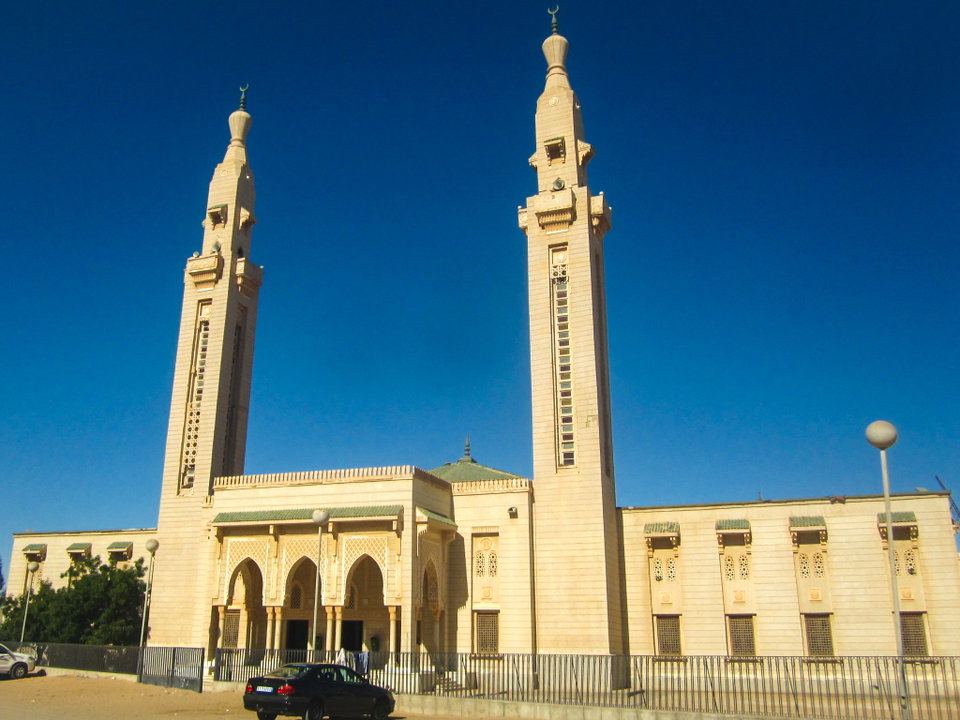
The city's most architecturally striking landmark, built with Saudi funding in the 1980s. Its white minaret dominates the low skyline and glows golden at dusk. Non-Muslim visitors may view the exterior and surrounding gardens; respectful dress is required.

Day trip to Banc d'Arguin National ParkWildlife & nature

Day trip to Banc d'Arguin National Park

Full day or overnight

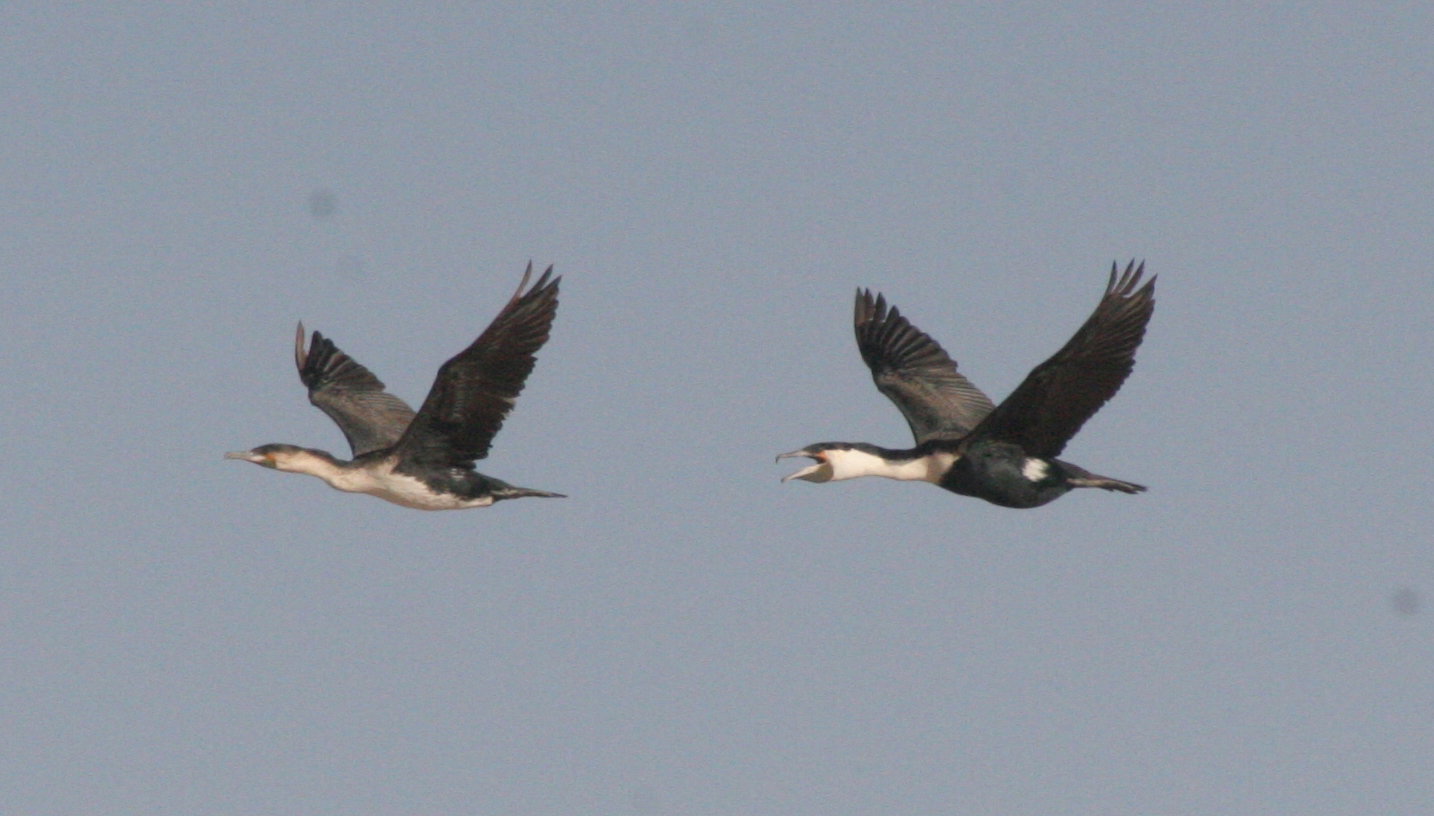
Roughly 120 km north of Nouakchott, this vast coastal wetland is a UNESCO World Heritage Site and one of the most important bird migration staging posts on the planet. Over two million waders, flamingos, pelicans, and terns overwinter here. Access requires a 4WD and ideally a licensed guide arranged in the capital.

Desert excursion to ChinguettiAdventure & heritage

Desert excursion to Chinguetti

2–4 days

A multi-day overland journey from Nouakchott to the UNESCO-listed medieval city of Chinguetti — once the seventh holiest city in Islam and a legendary Saharan caravan hub. Towering dunes, ancient libraries, and crumbling ksour (fortified villages) reward the effort. Best arranged through a reputable Nouakchott tour operator with a desert 4WD.

Best time to visit Nouakchott

The best time to visit Nouakchott is November to February, when daytime temperatures sit between 25 and 32 °C, nights are pleasantly cool, and the harmattan wind has not yet become dangerously hot. This is also when migratory birds peak at Banc d'Arguin, and the fishing beach is at its most active.

March to May sees temperatures climbing rapidly toward 38–42 °C, with occasional dust storms. It is manageable but physically demanding. June to October is the off-season: searing heat (regularly above 40 °C), very high humidity near the coast, and — in August and September — the brief but intense rainy season that can flood unpaved streets. Accommodation prices drop significantly in the hot season, and the city is quieter, but travel is uncomfortable without strong air conditioning.

For desert excursions to Chinguetti or the Adrar Plateau, November to January is absolutely the ideal window: cool enough for camping, clear skies, and manageable driving conditions on piste tracks.
Is Nouakchott safe to visit?

Yes — Nouakchott is generally safe for tourists who take normal urban precautions, and violent crime against foreign visitors in the city is rare. Mauritania has a notably low petty crime rate compared with many West African capitals, and locals are overwhelmingly welcoming toward travellers.

That said, a few practical points apply:

- Avoid displaying expensive cameras or electronics openly in crowded markets. - Use registered taxis or hotel-arranged transfers rather than unmarked vehicles, especially after dark. - The beach areas at night are less safe — visit Plage des Pêcheurs in daylight only. - Check your government's current travel advisory before visiting: while Nouakchott itself is low-risk, some regions of Mauritania (particularly the far east and north near the Malian border) carry elevated security warnings due to Sahel instability. - Desert excursions should always be arranged with a licensed, reputable operator; solo off-piste 4WD travel is genuinely dangerous.

Most travellers leave Mauritania having felt exceptionally well received and safe throughout their visit.

Suggested itinerary

3 Days in Nouakchott: Desert City Essentials

A moderate-paced introduction to Nouakchott for independent or guided travellers. Based in the city centre, this plan suits those on a mid-range budget (guesthouses to three-star hotels) who want to cover the city's highlights and make one excursion toward the desert or coast.

Day 1

Arrive, orient, and hit the markets

Check in and walk to the Marché Capitale for an immediate immersion in Nouakchott life — sounds, smells, and colour in full force. Spend the afternoon in the Marché Marocain browsing silver and leather crafts. In the evening, head to one of the riverside terrace restaurants around the city centre for grilled fish and Mauritanian mint tea.

Nouakchott — Arrive, orient, and hit the markets

Travel essentials

Getting around

Within Nouakchott, shared minibuses (bush taxis) are the local standard but are confusing for first-time visitors. Yellow metered taxis are more practical and affordable — always negotiate the fare before boarding. Rideshare apps are not established here. For out-of-town excursions, a chartered 4WD with driver is essential; the road north to Banc d'Arguin is partially paved but conditions vary. Car rental (self-drive) is not recommended for desert routes.

Typical costs

Nouakchott is inexpensive by international standards. Budget travellers can get by on USD 30–50 per day (basic guesthouse, street food, local taxis). Mid-range travellers spending USD 80–150 per day can stay in three-star hotels, eat well at sit-down restaurants, and hire a guide for day trips. Upmarket options are limited; the city's best hotels seldom exceed USD 120 per night.

Culture and etiquette

Mauritania is a conservative Islamic republic. Dress modestly outside tourist hotels — women should cover shoulders and knees; loose, light clothing in neutral colours is practical in the heat and respectful culturally. Alcohol is officially prohibited and very difficult to obtain outside the handful of hotels that cater to expatriates. Ramadan significantly changes the rhythm of the city — many restaurants close during daylight hours. Always ask before photographing people, especially women. Accepting an offer of tea is a valued social ritual; three glasses is the custom.

Connectivity

Mobile coverage (Mauritel, Mattel, Chinguitel) is good in Nouakchott and along main roads. Local SIM cards are inexpensive and available at the airport and in city phone shops. Hotel Wi-Fi exists in mid-range and up properties but can be slow. VPN use is advisable for accessing some international services.

Payments

The Mauritanian Ouguiya (MRU) replaced the old Ouguiya in 2018 (at 10:1). USD and EUR can be exchanged at banks and bureaux de change; the rate on the street is often marginally better but carry only small amounts. ATMs exist but are unreliable — withdraw cash at the airport on arrival. Credit cards are accepted only at the largest hotels and a handful of travel agencies.

Nouakchott travel FAQs

More destinations to explore

Nouakchott, Mauritania