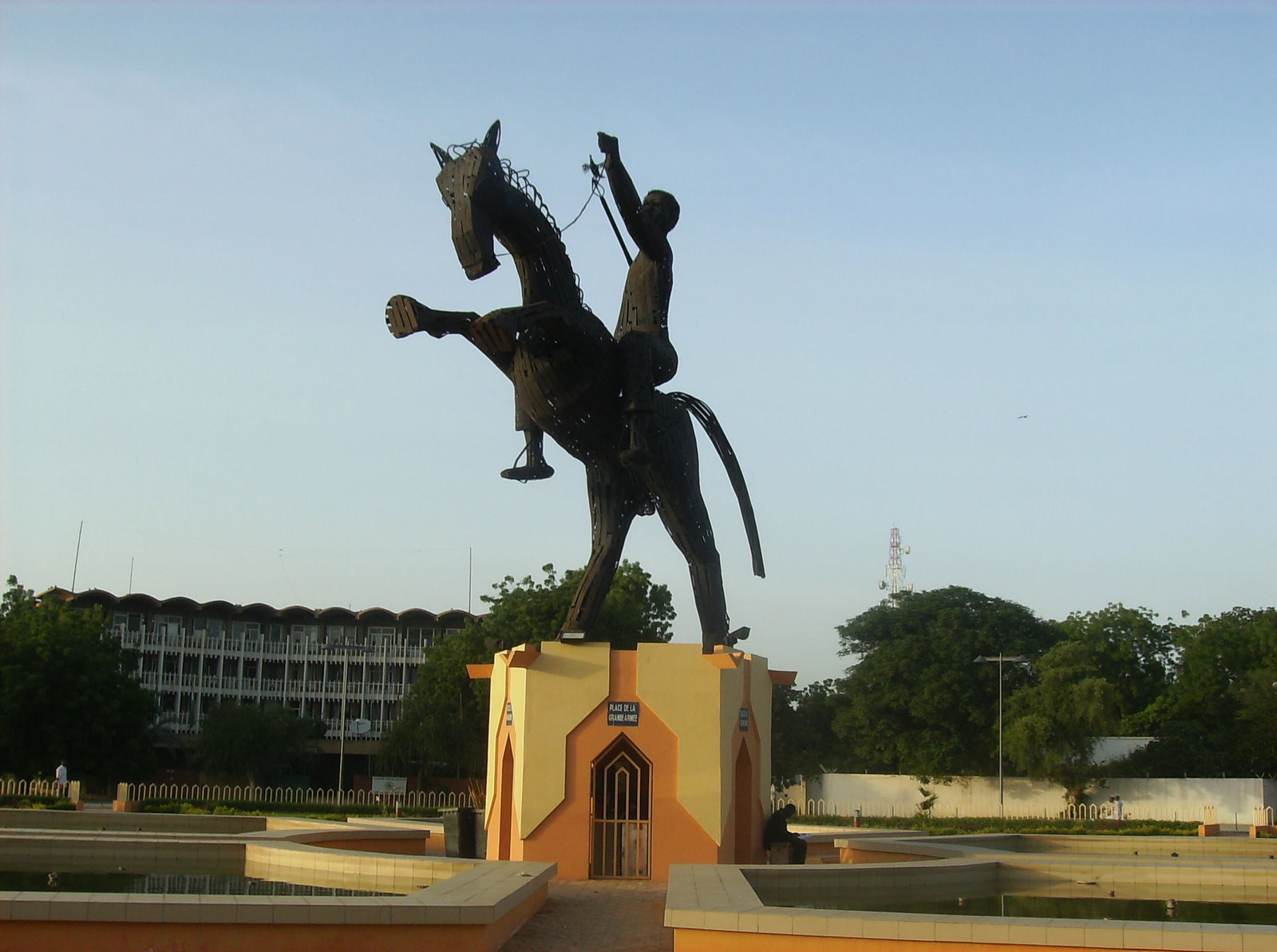
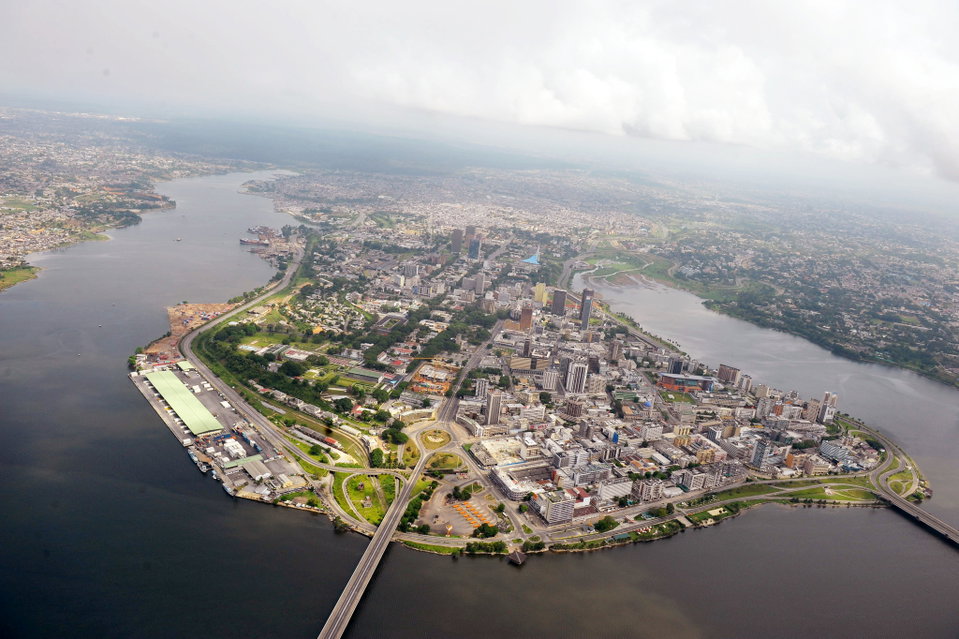
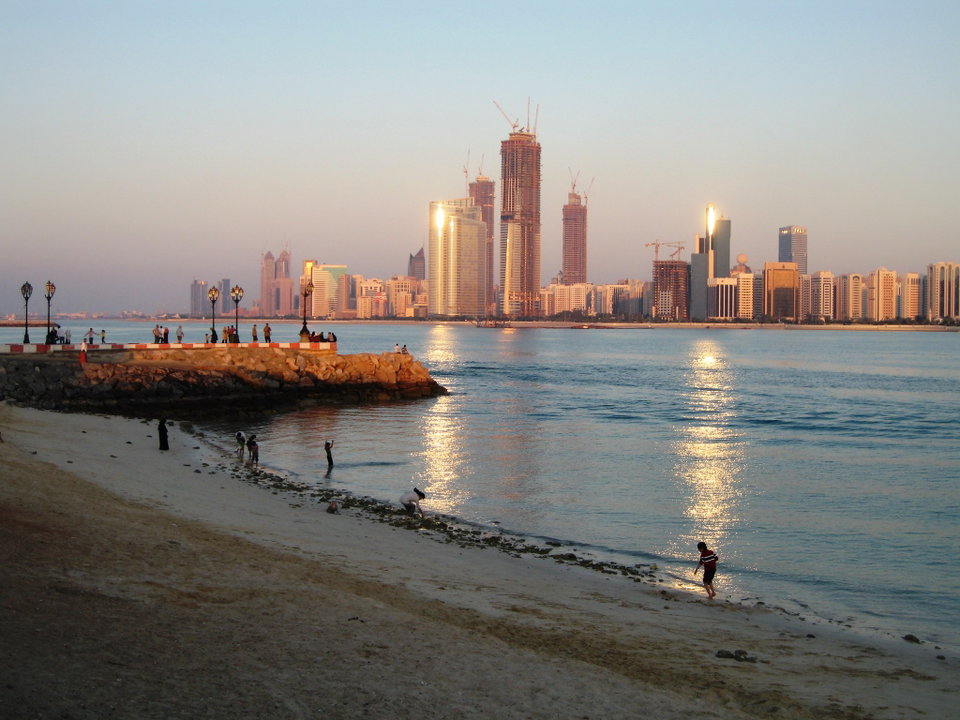
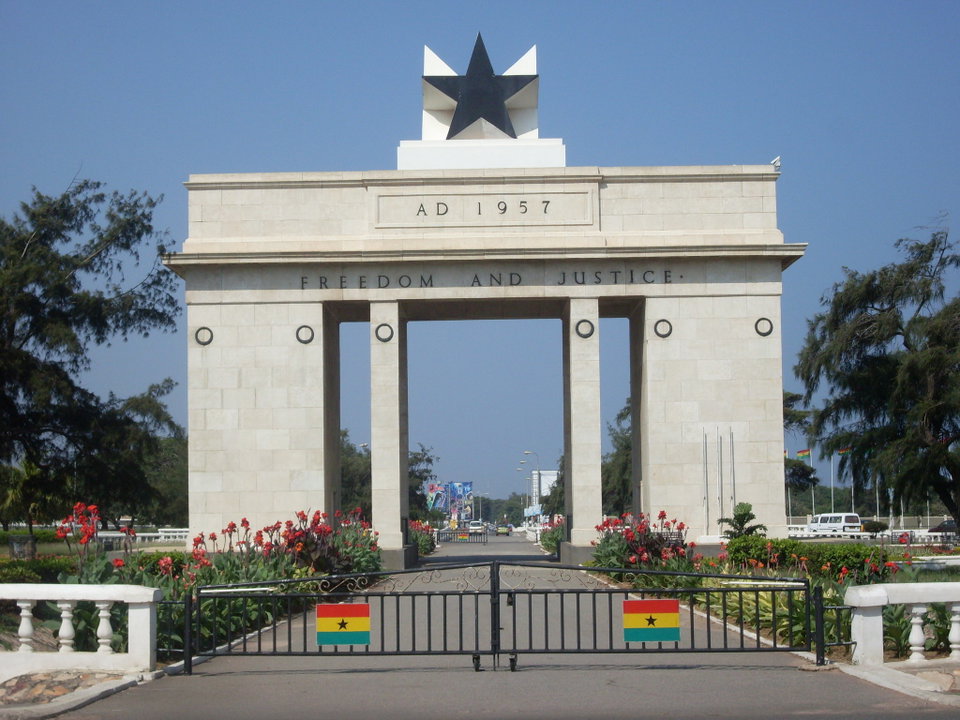
Aerial view of N'Djamena's skyline along the Chari River at dusk, Chad

Destination guide

N'Djamena

Chari-Baguirmi, Central Africa · Chad

Chad's riverside capital where Saharan culture, colonial history, and West African energy converge.

Best season

November to February (cool dry season; temperatures 18–32 °C)

From Nairobi

Approximately 4 h 30 min direct (Nairobi NBO to N'Djamena NDJ)

Why visit N'Djamena?

N'Djamena is not a destination for the faint-hearted, but for travellers who seek depth over comfort it rewards enormously. The city is the gateway to the Sahara's most dramatic landscapes — the Ennedi Plateau, Zakouma National Park, and Lake Chad — making it an essential staging post for serious African adventurers.

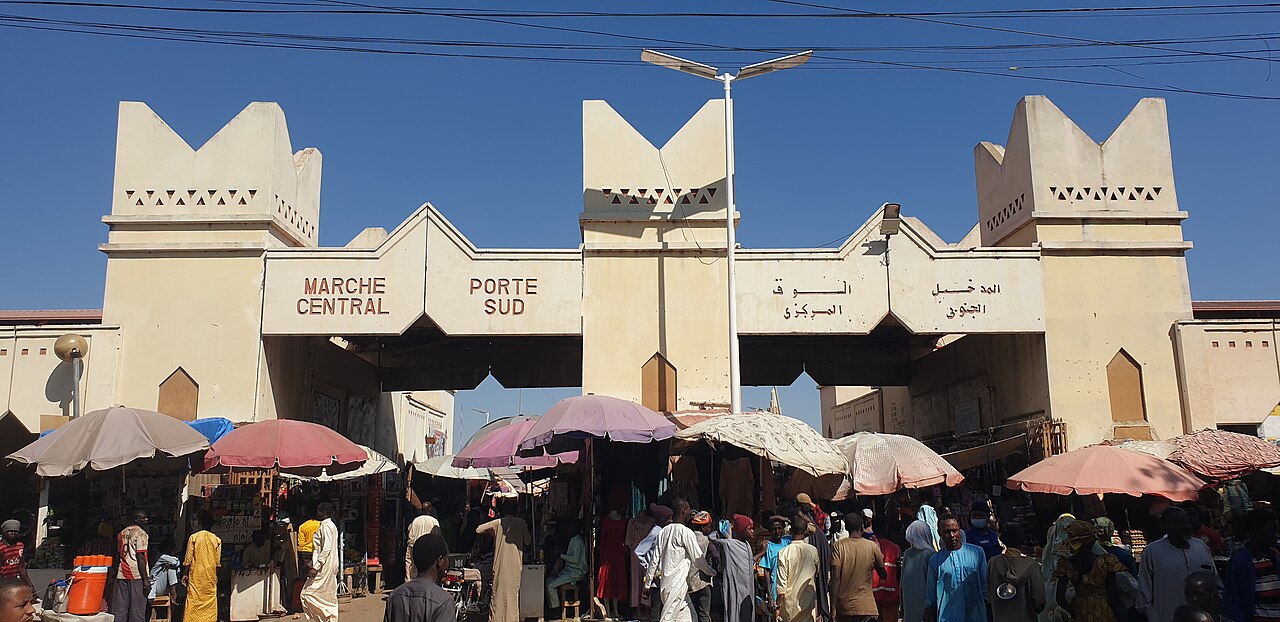
The Grande Marché and the riverside fish markets along the Chari teem with colour and commerce: dried dates from the north, hand-tooled leather goods, colourful boubous, and the aroma of brochettes grilling on street corners. Mosques and churches stand almost side by side, reflecting Chad's delicate religious balance.

For those interested in geopolitics, history, or humanitarian work, N'Djamena sits at the crossroads of the Sahel crisis zone and hosts one of the largest concentrations of international NGOs in sub-Saharan Africa, giving the city an unusual cosmopolitan edge within its otherwise modest infrastructure.

  • Stroll the lively Grande Marché, one of Central Africa's most atmospheric trading hubs.
  • Watch the sun sink over the Chari River from the palm-lined corniche.
  • Taste brochettes, boule, and slow-cooked lamb at street-side grills across the city.
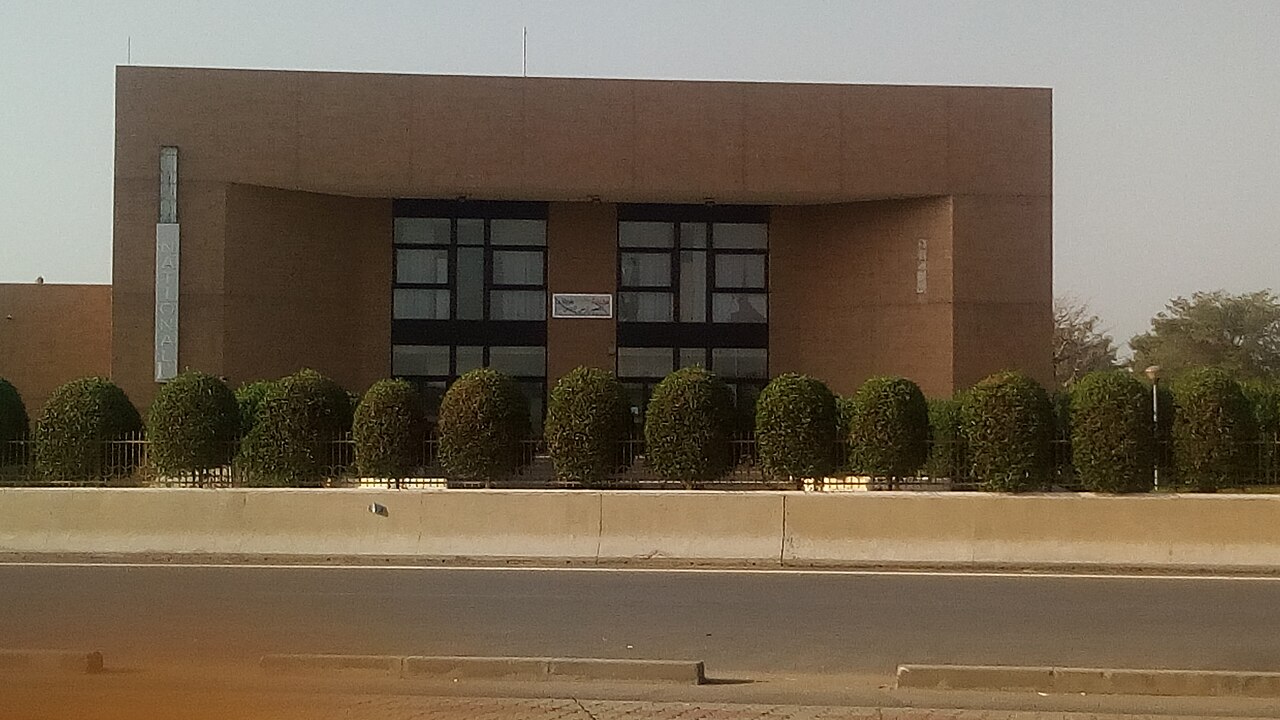
  • Visit the Musée National du Tchad, home to the skull of Toumaï — possibly the oldest known human ancestor.
  • Use N'Djamena as your jump-off point for the Ennedi Plateau's sandstone arches and rock art.
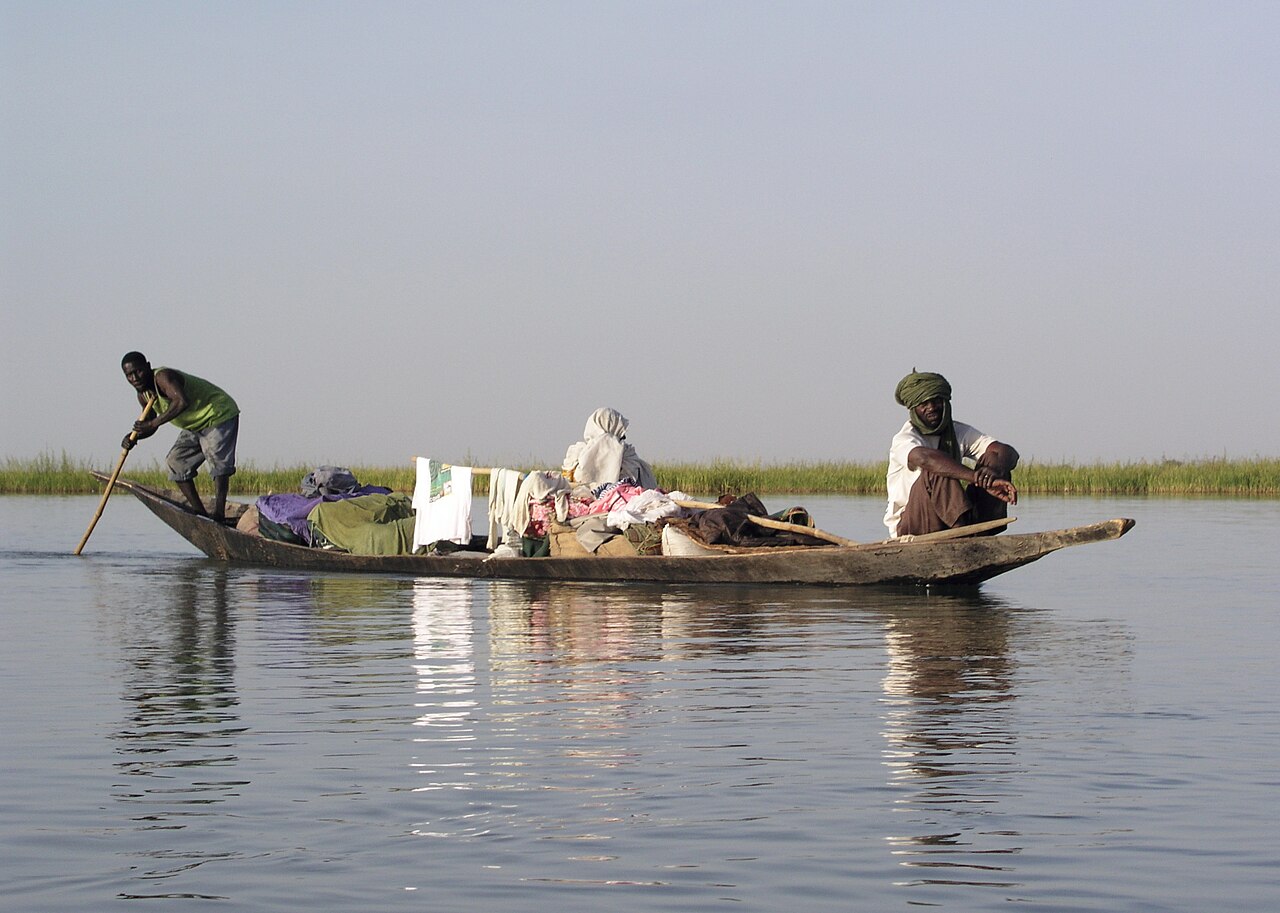
  • Cross the Chari by pirogue into Kousseri, Cameroon, for a taste of cross-border market culture.

Best for

Overland adventurers, cultural explorers, Sahara expedition base camp

Trip style

Adventure, cultural immersion, off-the-beaten-path

Known for

Gateway to the Sahara, Chari River waterfront, vibrant souks, Chadian cuisine

Quick facts

Best time to visit

November to February (cool dry season; temperatures 18–32 °C)

Currency

Central African CFA Franc (XAF); 1 USD ≈ 615 XAF (2024)

Languages

French and Arabic (official); Sara, Chadian Arabic widely spoken

Visa summary

Visa required for most nationalities; obtain in advance from a Chadian embassy. E-visa availability is limited — check with your nearest embassy.

Flight time from Nairobi

Approximately 4 h 30 min direct (Nairobi NBO to N'Djamena NDJ)

Airport / arrival

Hassan Djamous International Airport (NDJ) is 3 km northeast of the city centre; taxis and private transfers available.

Safety note

Exercise a high degree of caution; consult your government's travel advisory before visiting. Some areas near border regions are high-risk.

Visa and entry

Look up entry rules by passport for travel to Chad on the Tsavaro visa checker.

Check visa requirements for Chad

Things to do

Explore the Grande MarchéCulture & Markets

Explore the Grande Marché

2–3 hours

N'Djamena's central market is a sensory overload in the best sense — stalls selling fabrics, spices, electronics, livestock, and traditional medicine fill a labyrinth of alleys. Bargaining is expected and enthusiastically practised.

Visit the Musée National du TchadHistory & Museums

Visit the Musée National du Tchad

1–2 hours

Chad's national museum displays archaeological finds spanning millennia, including the celebrated skull of Toumaï (Sahelanthropus tchadensis), dating back roughly 7 million years and one of the oldest hominin fossils ever discovered.

Walk the Chari River CornicheScenic & Leisure

Walk the Chari River Corniche

1 hour

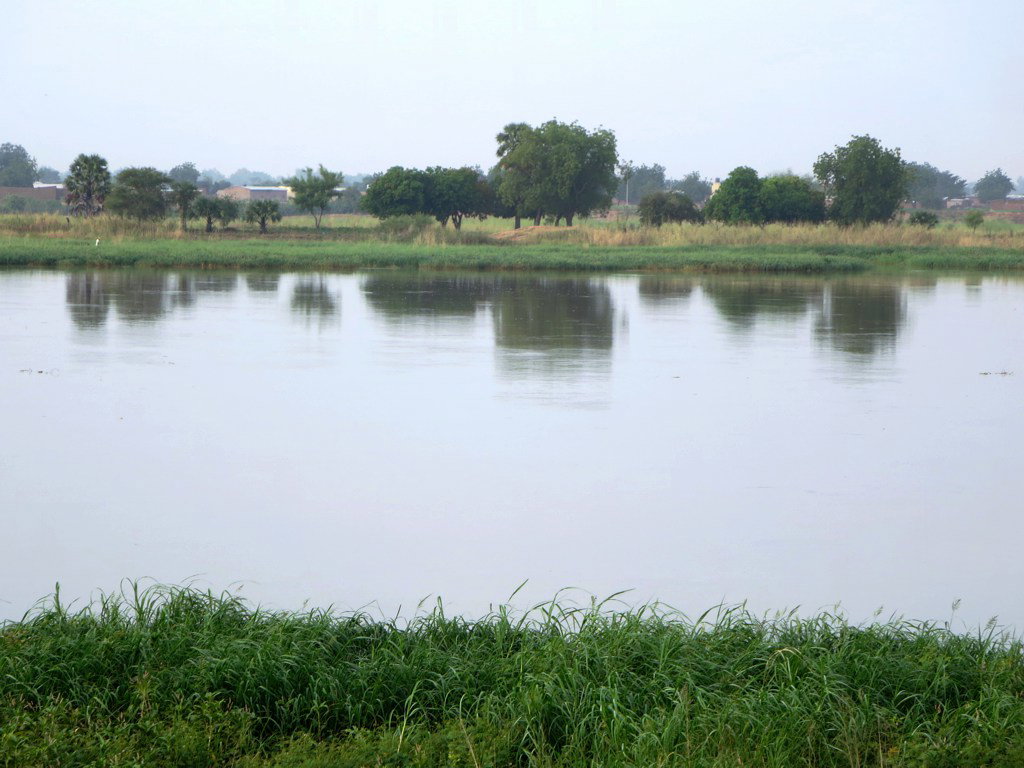
The shaded corniche running along the Chari River is the city's favourite evening promenade. Watch fishermen haul nets, children swim, and dhow-style pirogues carry goods between Chad and Cameroon on the opposite bank.

Cross to Kousseri by PirogueAdventure & Border Crossings

Cross to Kousseri by Pirogue

Half day

A short pirogue ride across the Chari brings you to Kousseri in Cameroon, where a busy cross-border market offers a completely different cultural slice. Ensure your documents are in order before crossing.

Day Trip to Lake ChadNature & Environment

Day Trip to Lake Chad

Full day (guided tour recommended)

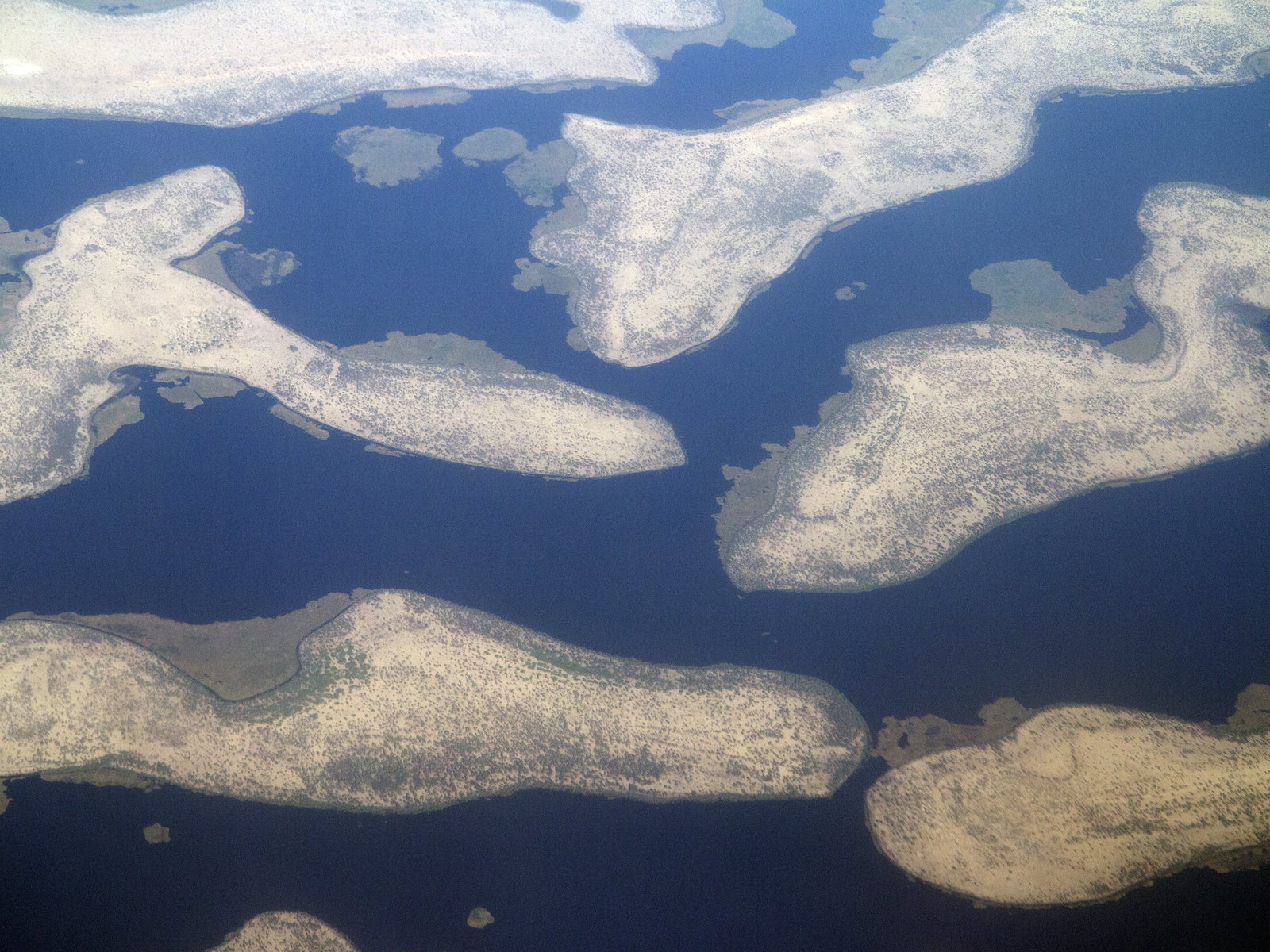
Lake Chad — once among Africa's largest lakes and now dramatically shrunk due to climate change — lies roughly 80 km north of the city. The shrinking lake and its surrounding communities tell a powerful story about environmental change in the Sahel.

Sample Chadian Street FoodFood & Drink

Sample Chadian Street Food

Evening

N'Djamena's street-food scene centres on lamb and beef brochettes, boule (a millet or sorghum dough staple), grilled fish fresh from the Chari, and sweet ataya tea. The Moursal neighbourhood is particularly well known for its evening grills.

Best time to visit N'Djamena

The best time to visit N'Djamena is November to February, during the cool dry season, when temperatures sit between 18 °C and 32 °C and humidity is low. This window offers the most comfortable conditions for exploring the city on foot and for onward trips into the Sahara or to Zakouma National Park.

March to May brings intensifying heat — temperatures regularly exceed 40 °C — making sightseeing uncomfortable and potentially dangerous without careful planning. This is the hottest period of the year and is generally best avoided.

June to September is the rainy season. Rainfall is moderate by West African standards (N'Djamena sits at the Sahel's edge), but roads to rural areas can become impassable, and the city's drainage infrastructure is limited. Humidity rises sharply.

October marks the transition back to the dry season — temperatures begin to ease and the landscape around the city greens up briefly after the rains, offering a photogenic if still warm window for travel.

Is N'Djamena safe to visit?

Yes — N'Djamena's city centre is navigable for informed travellers, but Chad as a whole carries a high-risk advisory from most Western governments, and visitors must exercise a high degree of caution at all times.

The main concerns are political instability (Chad has experienced multiple coups and ongoing Sahel insurgency pressure), petty crime in markets and around the airport, and the risk of civil unrest or demonstrations that can turn violent with little warning. Armed conflict remains active in border regions — particularly near Sudan, the Central African Republic, and Lake Chad — and travel to those areas is strongly discouraged without specialist security support.

In the city itself, practical measures significantly reduce risk: use radio-dispatched or hotel-recommended taxis rather than hailing vehicles on the street; avoid displaying expensive cameras or jewellery; carry a photocopy of your passport and visa; and stay aware of the news cycle, as political situations can shift quickly.

Register with your embassy on arrival, purchase comprehensive travel insurance that covers medical evacuation, and brief yourself on the location of your country's diplomatic mission before you land. Travelling with an established tour operator experienced in the Sahel region adds a substantial safety margin.
Suggested itinerary

3 Days in N'Djamena: Culture, History & the Chari

This plan assumes you are based in the city centre, travelling at a relaxed cultural pace, and using taxis or tuk-tuks for local transport. Budget is mid-range (guesthouses and local restaurants). The itinerary also works as a pre-expedition orientation before heading to Ennedi or Zakouma.

Day 1

Arrival & Riverside Orientation

Settle into your accommodation and shake off any jet lag with a walk along the Chari River corniche. Watch the fishing boats and enjoy the late-afternoon light over Cameroon on the opposite bank. As the sun drops, head to the Moursal neighbourhood for grilled brochettes and a glass of ataya tea at a streetside stall. End the evening with a stroll through the quieter residential streets near Avenue Charles de Gaulle.

N'Djamena — Arrival & Riverside Orientation

Travel essentials

Getting around

Taxis are the primary mode of city transport — agree the fare before getting in as meters are non-existent. Motorcycle taxis (moto-taxis) cover shorter distances cheaply. Car hire with a local driver is the best option for day trips to Lake Chad or rural areas. Roads within the city are partly paved; outside it, 4WD is essential.

Typical costs

Budget travellers can manage on USD 40–60 per day staying in basic guesthouses and eating street food. Mid-range hotels with AC and restaurants serving international food push this to USD 100–150. Top-end options are limited; the Radisson Blu is the city's flagship hotel. Guided Sahara expeditions run USD 200–400 per person per day.

Culture and etiquette

Chad is a majority-Muslim country — dress modestly (covered shoulders and knees for both sexes), especially near mosques and in markets. Remove shoes when entering mosques. Greet people with 'As-salamu alaykum' or the French 'Bonjour'; handshakes are common between men. Public displays of affection are frowned upon. During Ramadan, eating or drinking in public during daylight hours is disrespectful.

Safety and planning

Register with your national embassy before or on arrival. Purchase travel insurance that includes medical evacuation — the city's medical facilities are limited and serious cases are typically evacuated to Yaoundé (Cameroon) or Paris. Carry a copy of your visa and passport separately from the originals. Monitor government travel advisories in the weeks before departure.

Connectivity

Mobile data is available via Airtel Chad and Moov Africa SIM cards, purchasable at the airport or markets. 3G coverage is reasonable in the city centre; 4G is patchy. Hotel Wi-Fi is available in mid-range and upscale properties but can be slow. VPN use is advisable.

Payments

Cash (XAF or USD) is overwhelmingly preferred. ATMs exist at major banks (CBAO, UBA) in the city centre but reliability is inconsistent — carry sufficient cash from your home country or withdraw on arrival at the airport. Credit cards are accepted only at top-end hotels.

N'Djamena travel FAQs

More destinations to explore