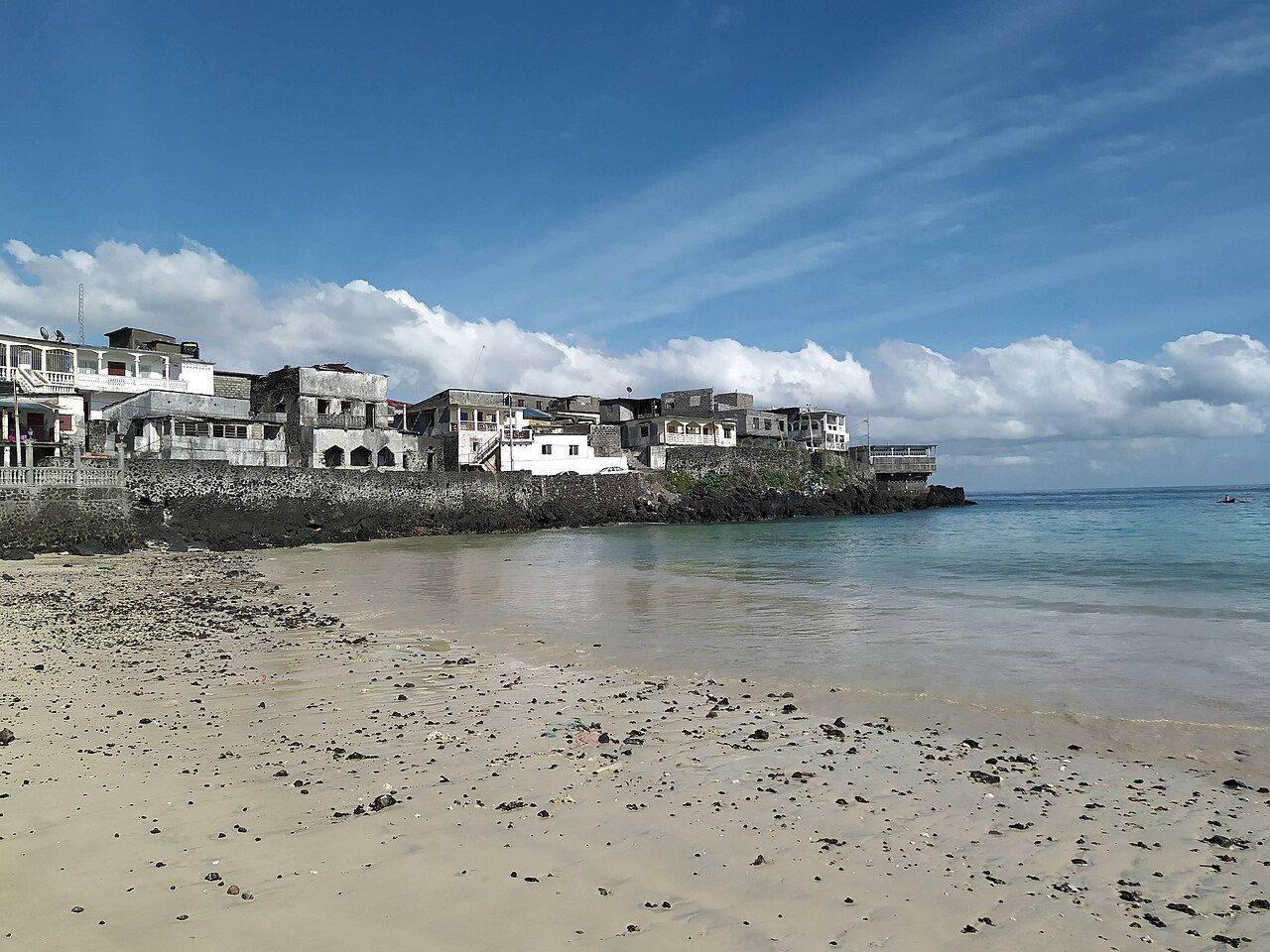
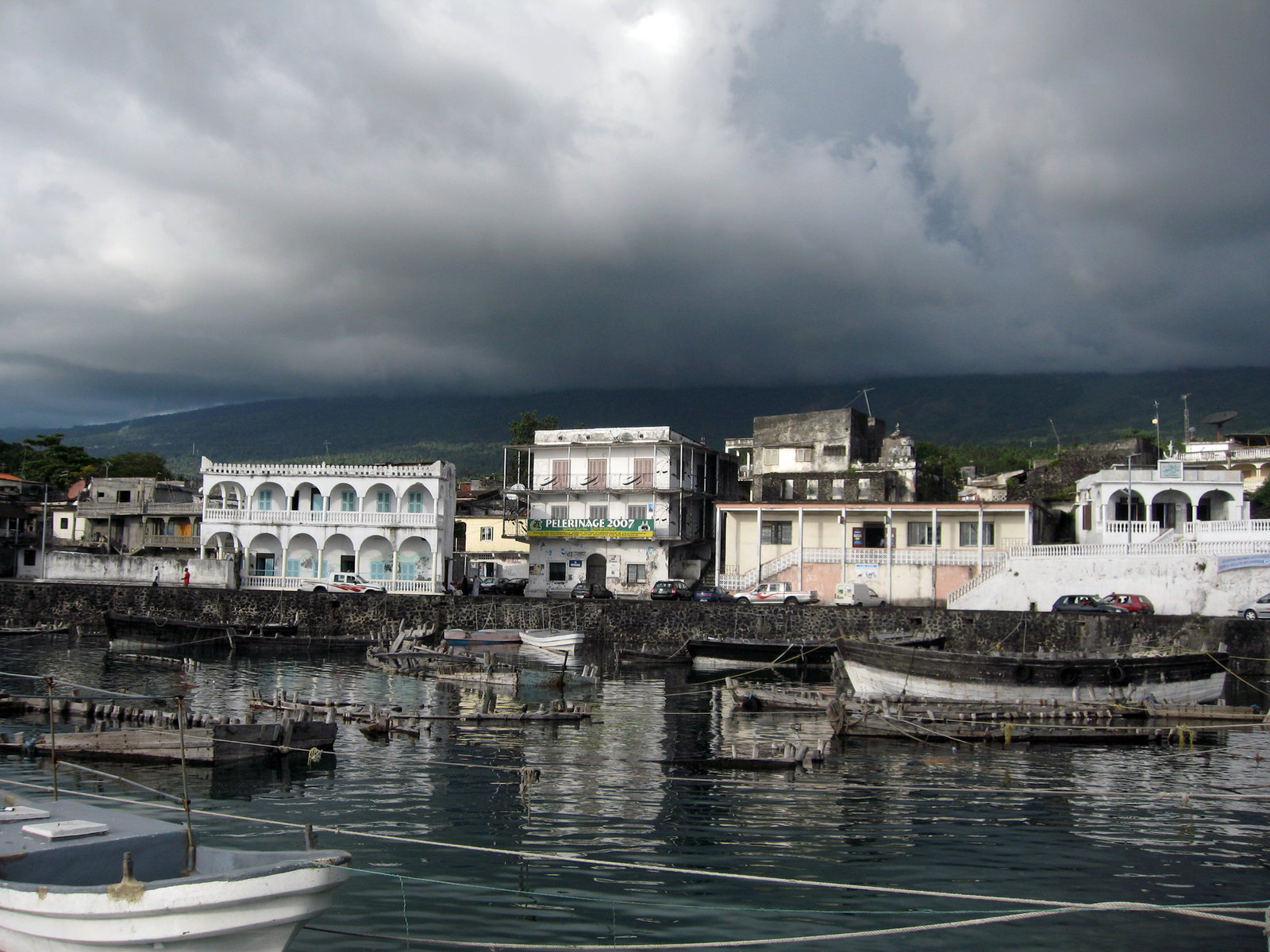
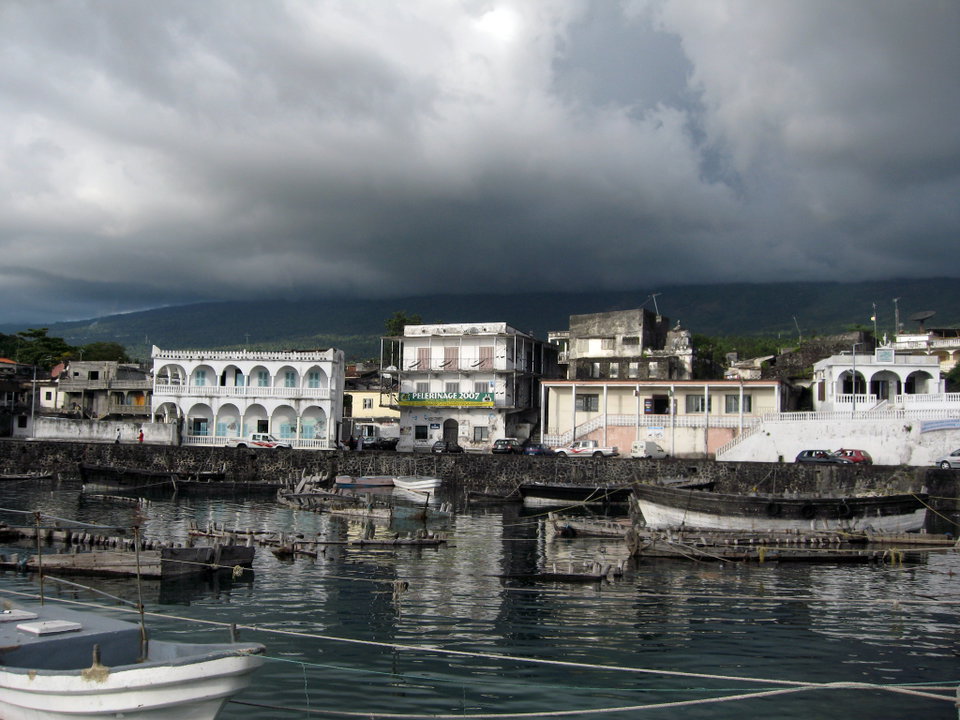
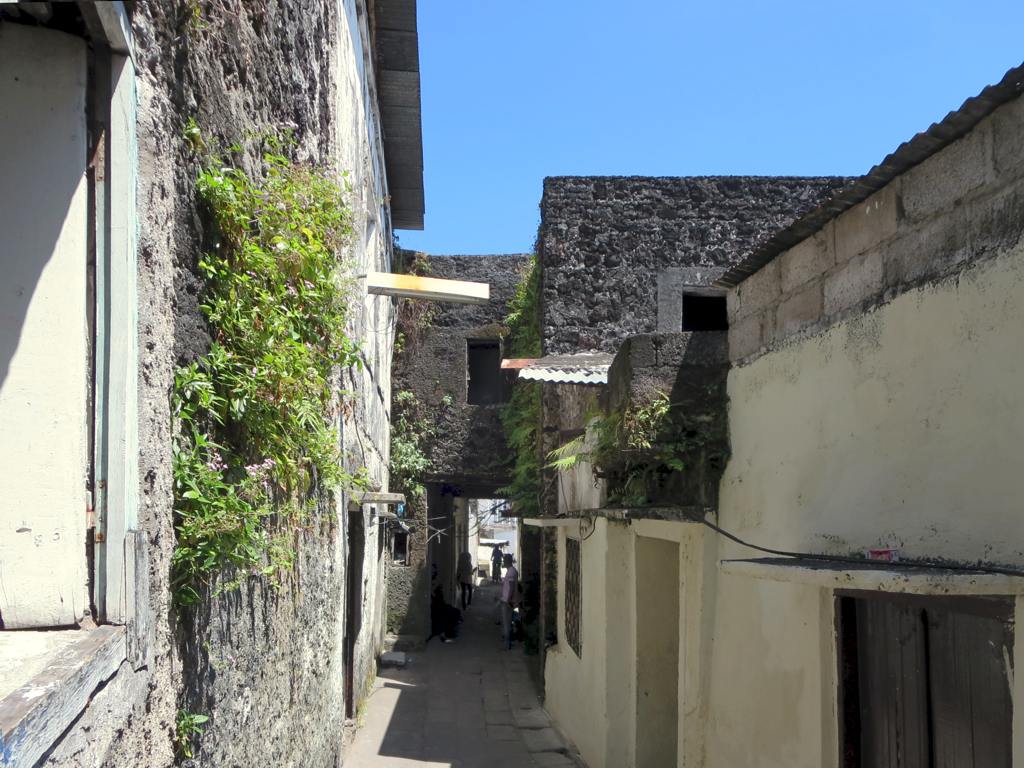
Moroni is one of the few Indian Ocean capitals that has retained its historic soul almost entirely intact. The medina — built from dark lava-stone and white coral — has changed little since the 15th-century Sultanate era: narrow lanes wind past elaborately carved wooden doors, the Friday Mosque (Mosquée du Vendredi) reflects in the harbour at golden hour, and fishermen still launch hand-sewn ngalawa outriggers from the black sand beach at Itsandra.
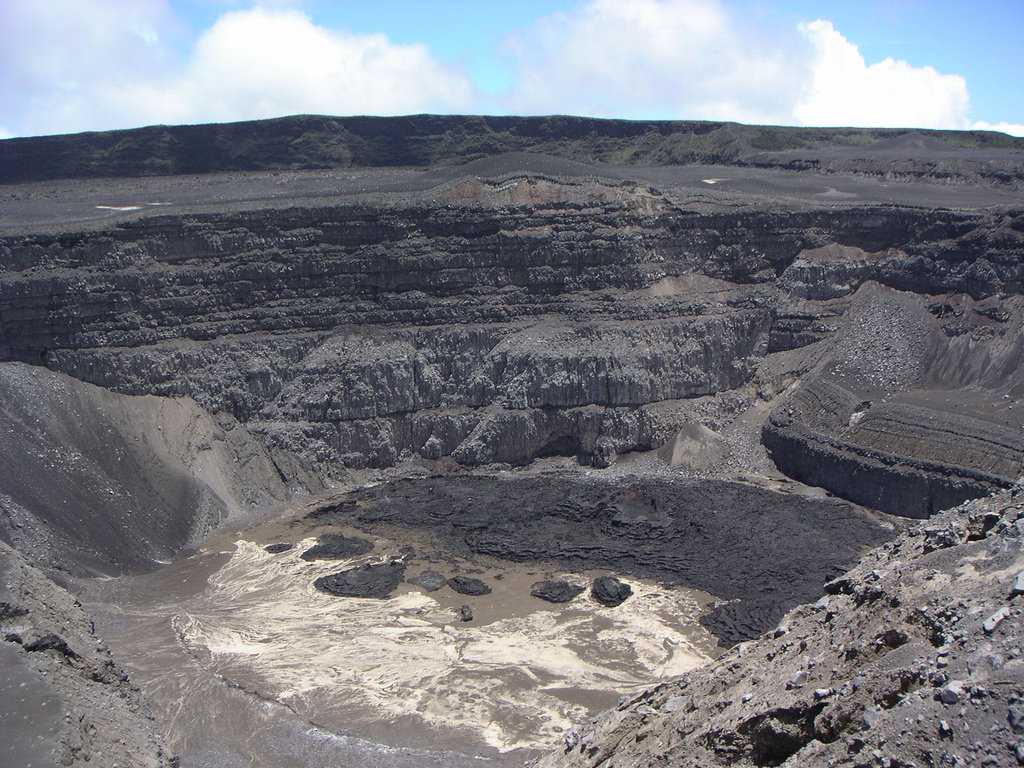
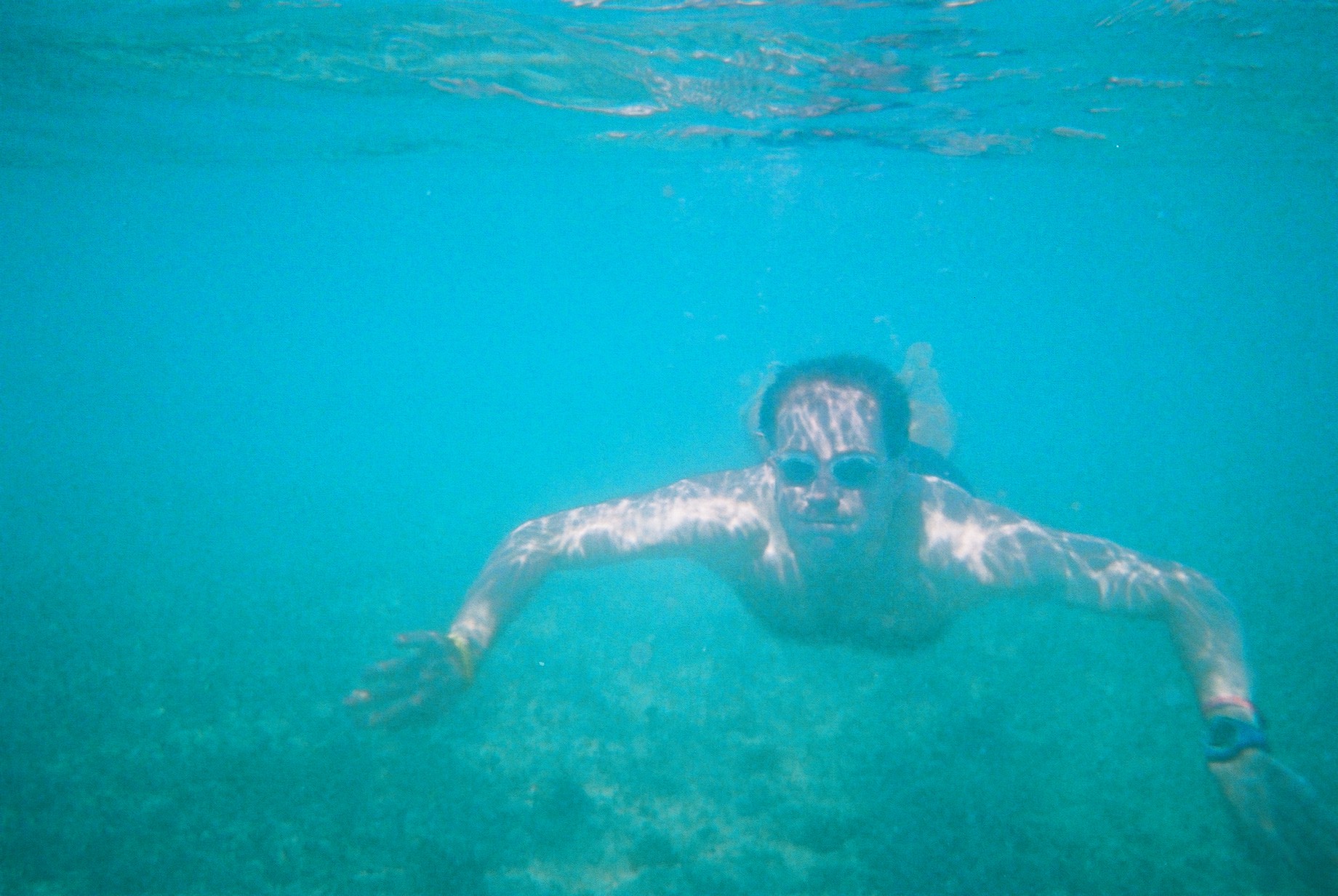
Beyond the old city, Moroni offers adventures that feel genuinely pioneering. The flanks of Mount Karthala, one of the world's largest active calderas, are cloaked in cloud forest harbouring the endemic Comoros blue pigeon and giant Livingstone's fruit bat. Offshore, barely explored reefs drop into cobalt walls teeming with hammerheads, sea turtles, and rare coelacanths (in the deeper waters). The archipelago's isolation means dive sites see almost no traffic.
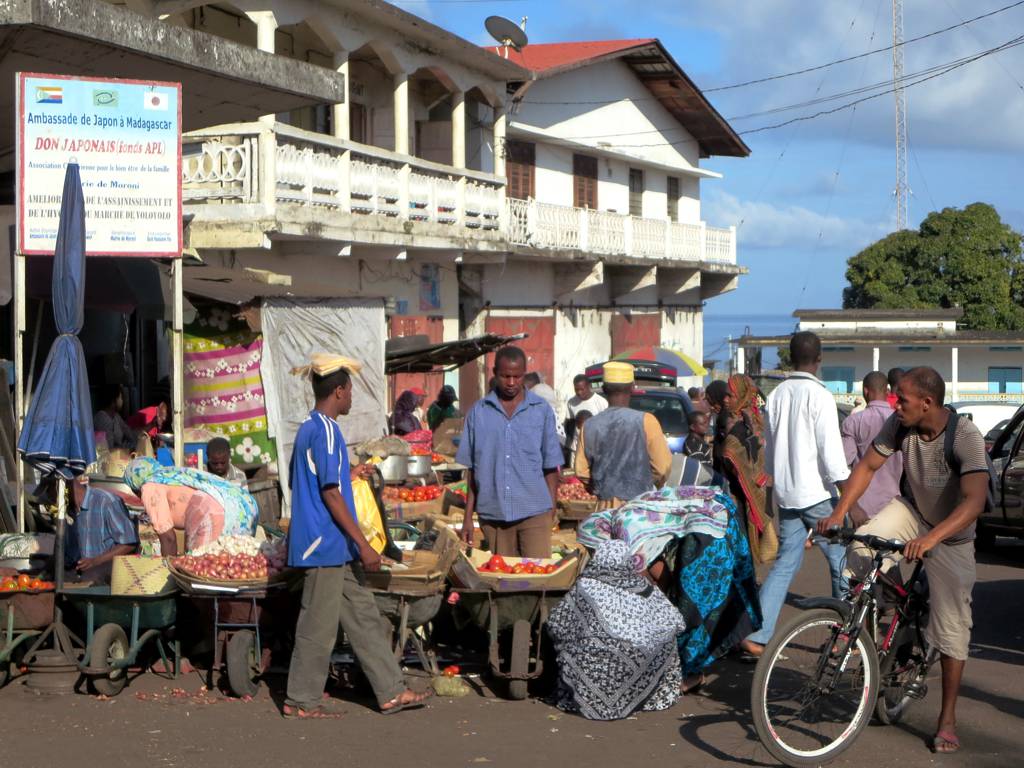
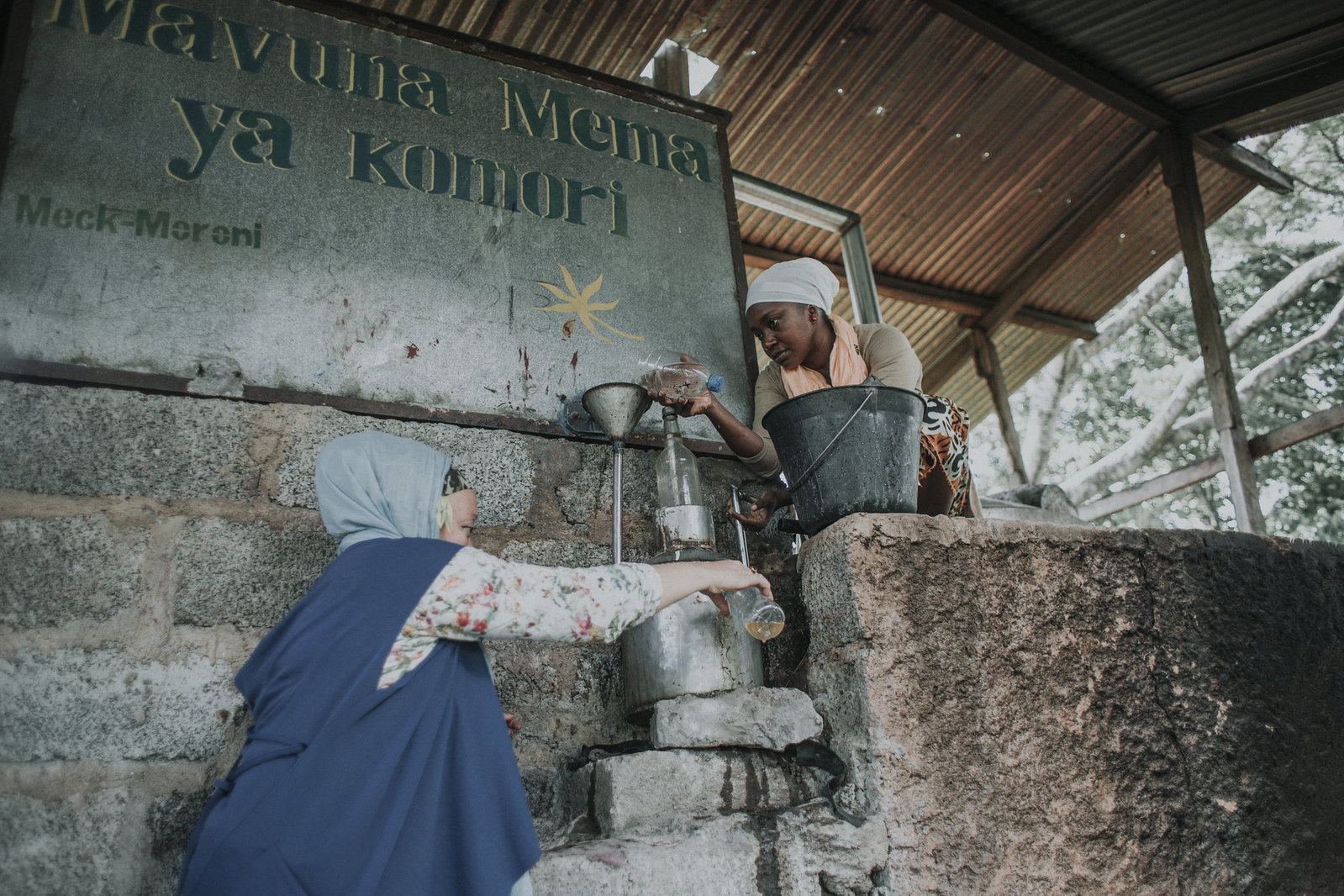
Culturally, the city pulses with a rich mix of Arab, African, French, and Malagasy influences visible in its architecture, cuisine, and the grand'mariage (ada) wedding celebrations that can last weeks and represent the pinnacle of Comorian social life.
 Culture