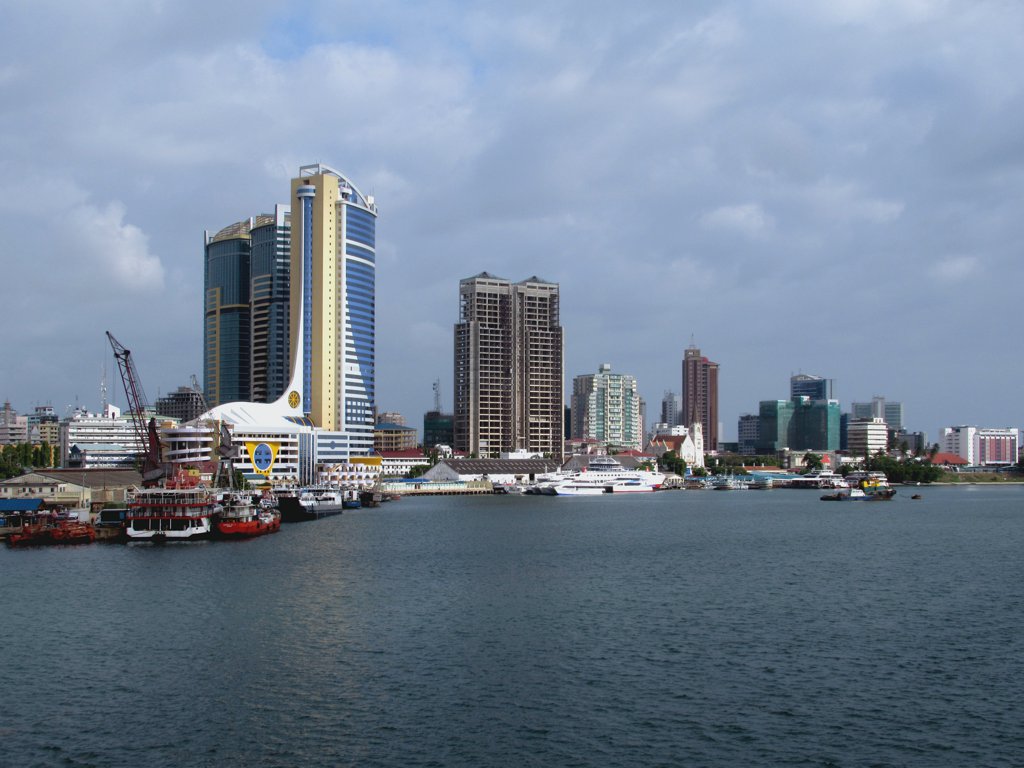
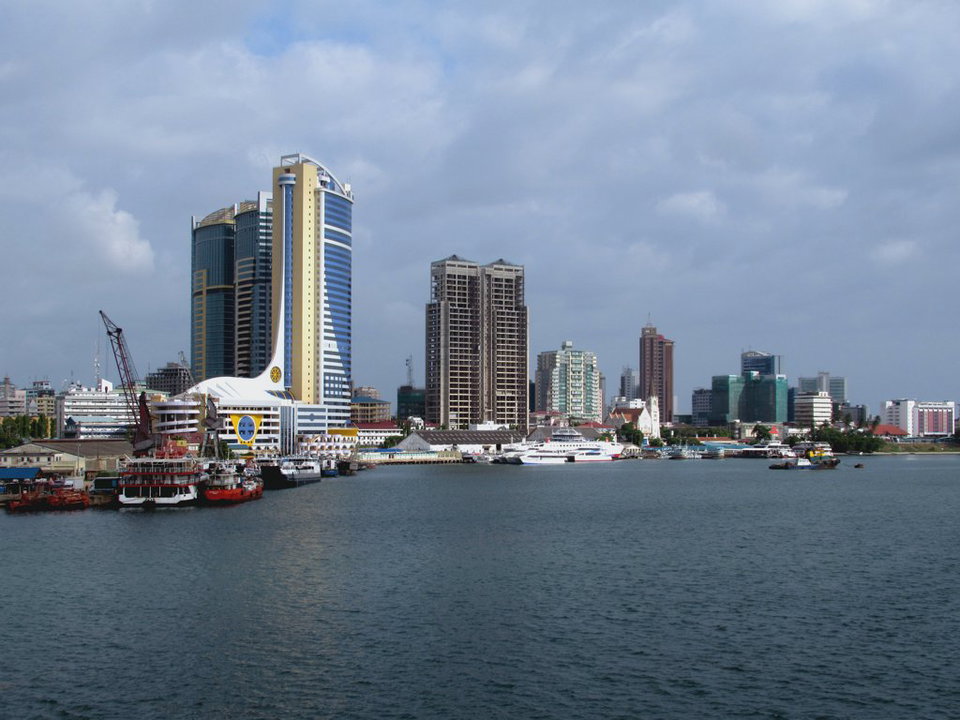
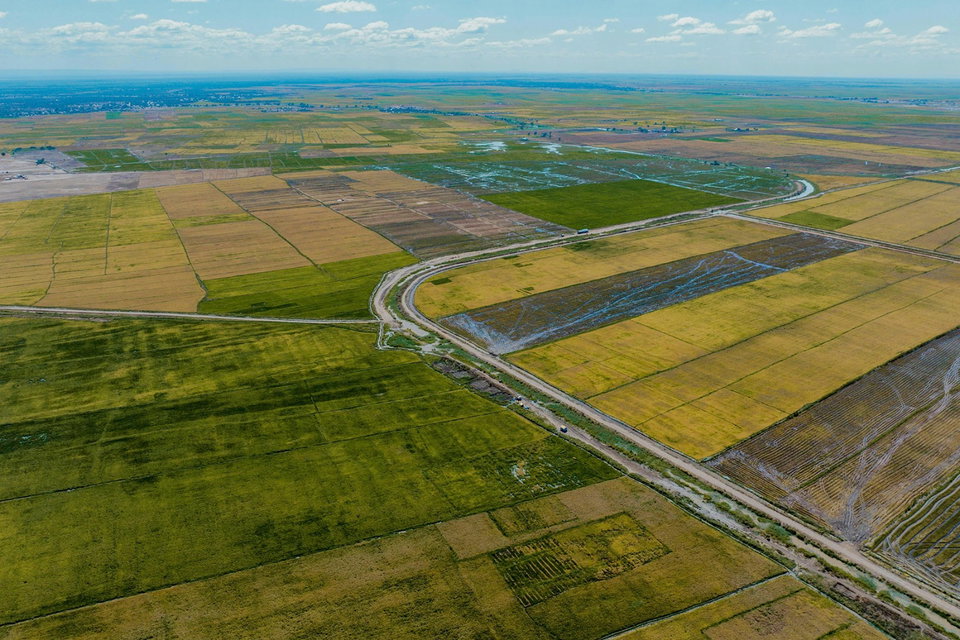
Aerial view of Zanzibar's pristine white sand beaches and turquoise waters

Destination guide

Zanzibar

East Africa · Tanzania

Spice Island Paradise

Best season

June to October (dry season) and December to February

From Nairobi

1 hour 30 minutes direct

Why Visit Zanzibar

Zanzibar is a semi-autonomous Tanzanian archipelago in the Indian Ocean, best known for Stone Town (a UNESCO World Heritage Site since 2000), the postcard beaches of Nungwi, Kendwa, Paje and Jambiani, spice plantations dating to the 1800s Omani sultanate, and world-class snorkelling at Mnemba Atoll and Chumbe Island.

The layered culture is what makes Zanzibar stick — Swahili, Omani-Arab, Portuguese and Indian influences all sit inside one small archipelago. You get Stone Town's carved wooden doors, spice tours through the interior, dhows at sunset off Nungwi, and full-moon parties at Kendwa Rocks — often in the same trip.

Most travellers spend 5–7 days on Zanzibar: 2 nights in Stone Town for the culture, then 3–4 nights on a beach (Nungwi/Kendwa for lively; Paje/Jambiani for quieter). It works as either a standalone island escape or the tail end of a mainland Tanzania safari.
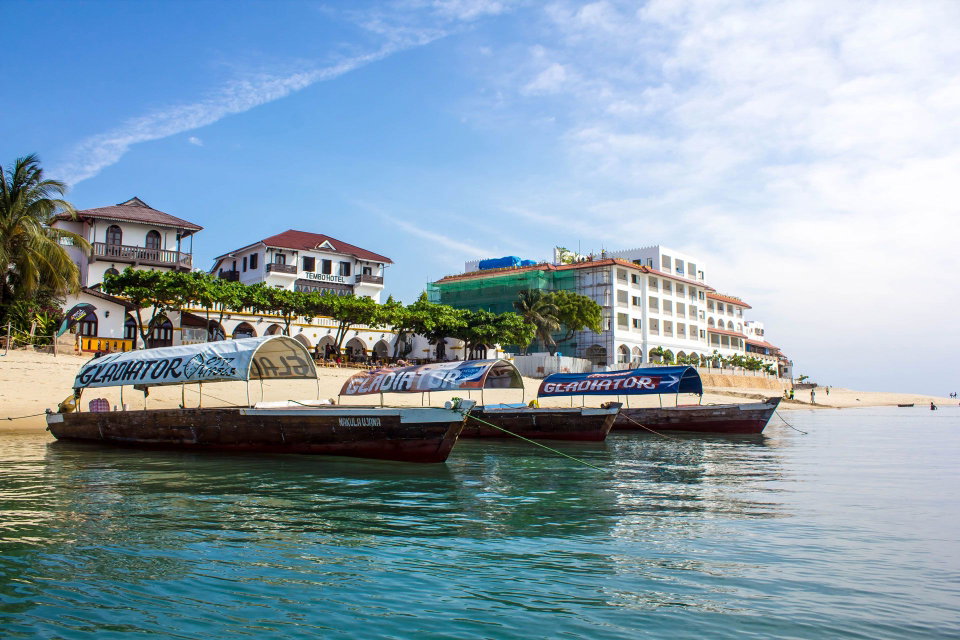
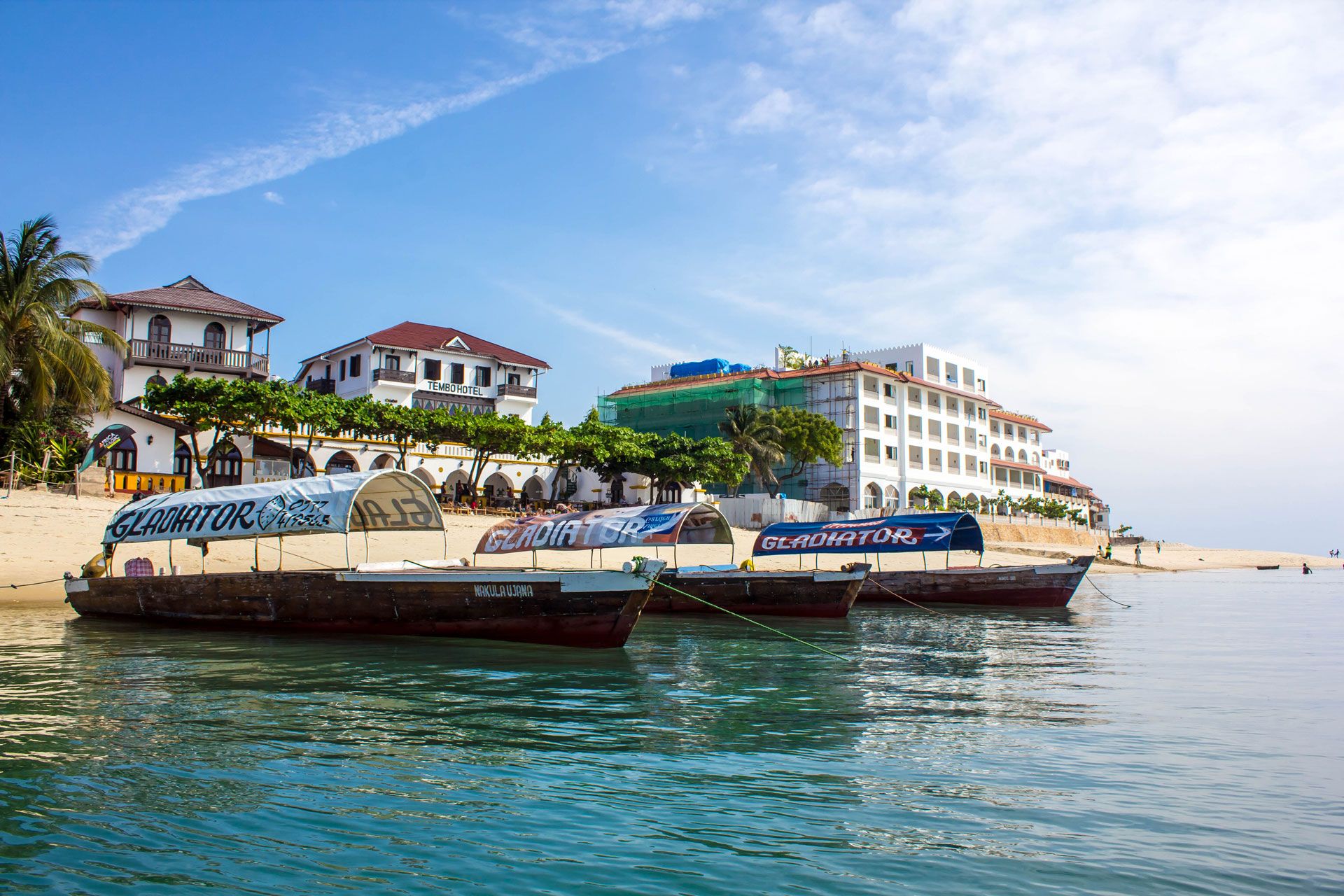
  • Explore UNESCO World Heritage Stone Town's narrow alleys and historic architecture
  • Relax on world-class beaches with powder-white sand and turquoise waters
  • Take a traditional dhow cruise at sunset
  • Discover exotic spices on aromatic plantation tours
  • Dive or snorkel in pristine coral reefs
  • Experience vibrant Forodhani Gardens night market

Best for

Beach lovers, honeymooners, snorkellers and divers, cultural travellers, Tanzania safari extenders

Trip style

Beach holiday, cultural immersion, safari-plus-beach combination, honeymoon

Known for

Stone Town UNESCO site, Nungwi and Kendwa beaches, spice plantations, Mnemba Atoll snorkelling, Swahili-Omani culture

Quick facts

Best time to visit

June to October (dry season) and December to February

Currency

Tanzanian Shilling (TZS), US Dollars widely accepted

Languages

Swahili and English

Visa summary

Tourist visa required for most nationalities, available on arrival or online

Flight time from Nairobi

1 hour 30 minutes direct

Airport / arrival

Abeid Amani Karume International Airport (ZNZ), 10km from Stone Town

Safety note

Generally safe for tourists, standard precautions advised

Visa and entry

Look up entry rules by passport for travel to Tanzania on the Tsavaro visa checker.

Check visa requirements for Tanzania

Things to do

Stone Town Walking Tour

Stone Town has been a UNESCO World Heritage Site since 2000 — a maze of carved-door alleys, spice-scented markets, the Old Fort (1699), the House of Wonders (currently under restoration) and the Sultan's Palace Museum. Go with a local guide; get lost in the alleys after the tour.

Spice Tour

Zanzibar's spice plantations date to the early 1800s Omani sultanate — a half-day tour through the Kizimbani or Kidichi estates lets you smell, taste and pick cardamom, cinnamon, cloves, vanilla, nutmeg and turmeric fresh from the tree. Usually combined with a Swahili lunch.

Dhow Cruise

Sunset dhow cruises leave from Kendwa, Nungwi and Stone Town's harbour — traditional lateen-rigged wooden boats sail past the archipelago's islets while the sun drops behind Prison Island. Book a small-group cruise for the calmest ride.

Jozani Forest Reserve

Jozani-Chwaka Bay National Park is home to Zanzibar's endemic red colobus monkey — around 3,000 remain in the wild, all here. A 1–2 hour guided walk through indigenous forest gets you close (but not too close — the park enforces a 3-metre distance).

Prison Island Tour

Prison Island (Changuu) is a 30-minute boat ride from Stone Town — never actually a prison, it's now home to Aldabra giant tortoises brought from the Seychelles in the 1919, some over 150 years old. Combine with snorkelling in the reef just offshore.

Diving & Snorkeling

Zanzibar's world-class snorkelling is at Mnemba Atoll off the northeast coast (turtles, dolphins, reef sharks) and the Chumbe Island coral park south of Stone Town (400+ fish species, one of Africa's best-preserved reefs). Book through Kendwa or Matemwe hotels.

Best Time to Visit Zanzibar

June to October and December to February are the best months to visit Zanzibar — both are dry seasons, with June–October being cooler and drier (the Kaskazi winds), and December–February hotter and sunnier. Avoid the March–May long rains and the shorter November rains, when downpours interrupt beach days and some kite spots at Paje shut down.

July–September is peak season and lines up with the mainland Tanzania safari calendar — book Mnemba Atoll snorkelling and Nungwi hotels well ahead. December–February is Christmas high season with hot weather and Kaskazi wind kitesurfing at Paje. May–October is best for Mnemba snorkelling visibility. Sauti za Busara music festival (mid-February) and the Zanzibar International Film Festival (July) are worth planning trips around.

Is Zanzibar Safe for Tourists?

Zanzibar is generally safe for tourists in the main visitor areas — Stone Town by day, the resort beaches at Nungwi, Kendwa, Paje and Jambiani, and daytime spice-tour routes. Take normal city precautions in Stone Town at night, keep valuables in hotel safes, and use registered taxis or your hotel's arranged transport rather than street pick-ups.

The main risks are petty theft in Stone Town's narrow streets after dark, strong tidal currents on the east coast beaches (Paje, Jambiani — swim only at high tide and follow local guidance), and occasional dhow trip operators without safety equipment. Book snorkelling, sunset dhow cruises and Mnemba Atoll trips through your hotel or a reputable operator. Nationally, check current travel advice for Tanzania and note that Zanzibar is a majority-Muslim island with its own dress code — modest clothing outside beach resorts.

Suggested itinerary

How Many Days Do You Need in Zanzibar?

Five to seven days is the sweet spot — 2 nights in Stone Town for the UNESCO walking tour and a spice trip, then 3–4 nights on a beach (Nungwi or Kendwa for lively, Paje or Jambiani for quieter). Add 2–3 nights if you're combining with a mainland Serengeti or Selous safari.

Day 1

Arrival & Stone Town Discovery

Arrive at Zanzibar airport and transfer to Stone Town accommodation. Begin with a walking tour of the UNESCO World Heritage site, exploring narrow alleys, historic buildings, and bustling markets. Visit the House of Wonders, Old Fort, and Anglican Cathedral. End the day at Forodhani Gardens for street food and sunset views.

Zanzibar — Arrival & Stone Town Discovery

You may also like

Travel essentials

Getting around

For short hops in Stone Town, walk. Between Stone Town and the beaches, use hotel-arranged transfers ($25–60 depending on beach) or negotiated private taxis. Dalla dallas (local minibuses) are cheap but slow. Bajaj tuk-tuks work for short in-town rides. Rent scooters at your own risk — road quality varies. Zanzibar Ferries connect the mainland Dar es Salaam to Stone Town in about 2 hours (Azam Marine fast ferry).

Typical costs

Budget $30–50 per day, mid-range $80–150 per day, luxury $200+ per day. Meals $5–30, dhow cruises $25–60, Mnemba snorkelling day trip $60–120, spice tour $25–50 per person.

Culture and etiquette

Dress modestly outside beach resorts — Zanzibar is majority Muslim. Cover shoulders and knees in Stone Town, especially near mosques. Remove shoes when entering homes. Friday afternoon prayers (Jumu'ah) are respected — most shops close briefly. Ask before photographing people.

Safety and planning

Central Stone Town is safe by day; be alert in narrow alleys after dark and use hotel-arranged transport. Swim at high tide on Paje and Jambiani (east coast) — tidal ranges are large and currents strong. Book snorkelling, dhow and Mnemba trips through reputable operators with safety gear. Nationally, check current travel advice for Tanzania.

Connectivity

Good 4G in Stone Town and along the resort beaches. Most hotels offer Wi-Fi (mid-range and up). Buy a local SIM from Zantel, Airtel or Vodacom at Abeid Amani Karume International Airport (ZNZ) — bring your passport for registration.

Payments

Cash (Tanzanian Shilling, TZS) for markets, dalla dallas, spice tours and local restaurants. US dollars are widely accepted at hotels and tour operators; change comes back in TZS. Credit cards work at mid-range and upscale hotels and dive shops. ATMs are in Stone Town and at a few main beach hubs — use CRDB or NMB Bank.

Zanzibar travel FAQs

More destinations to explore