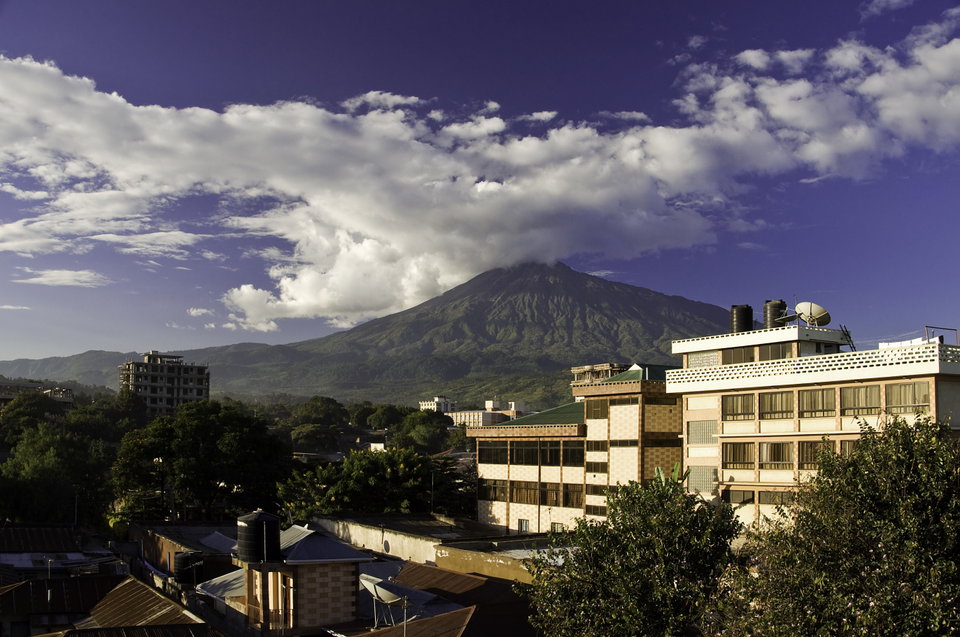
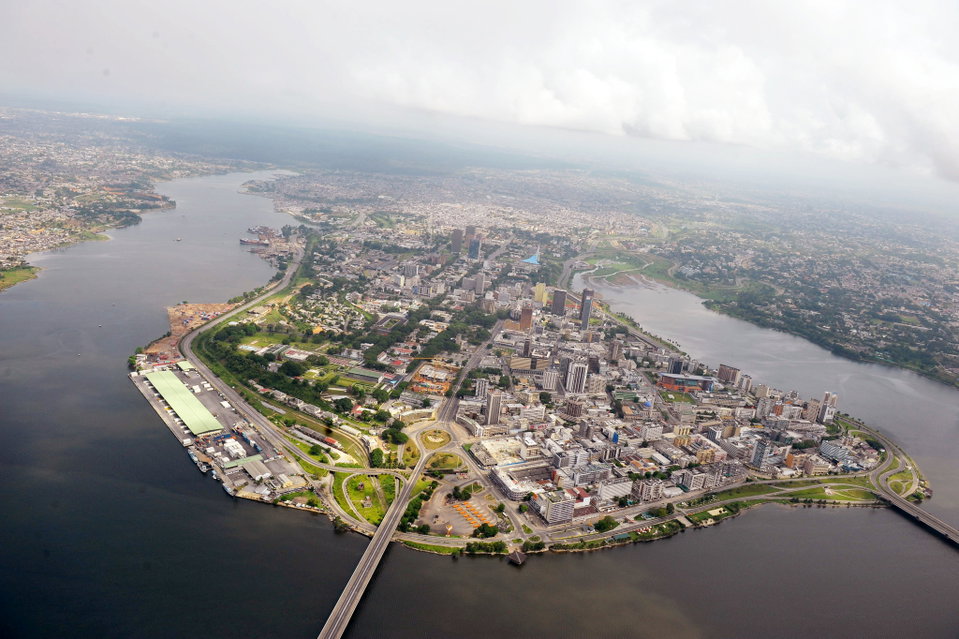
Dar es Salaam city skyline with modern buildings along the harbor

Destination guide

Dar es Salaam

East Africa · Tanzania

Tanzania's vibrant economic heart where Swahili culture meets modern Africa

Best season

June to September (dry season with cooler temperatures)

From Nairobi

1 hour 20 minutes

Why Visit Dar es Salaam

Dar es Salaam is Tanzania's largest city and the country's commercial capital, best known for Kariakoo Market (East Africa's largest open-air market), the National Museum of Tanzania, colonial-era architecture along Sokoine Drive, and its role as the mainland ferry gateway to Zanzibar.

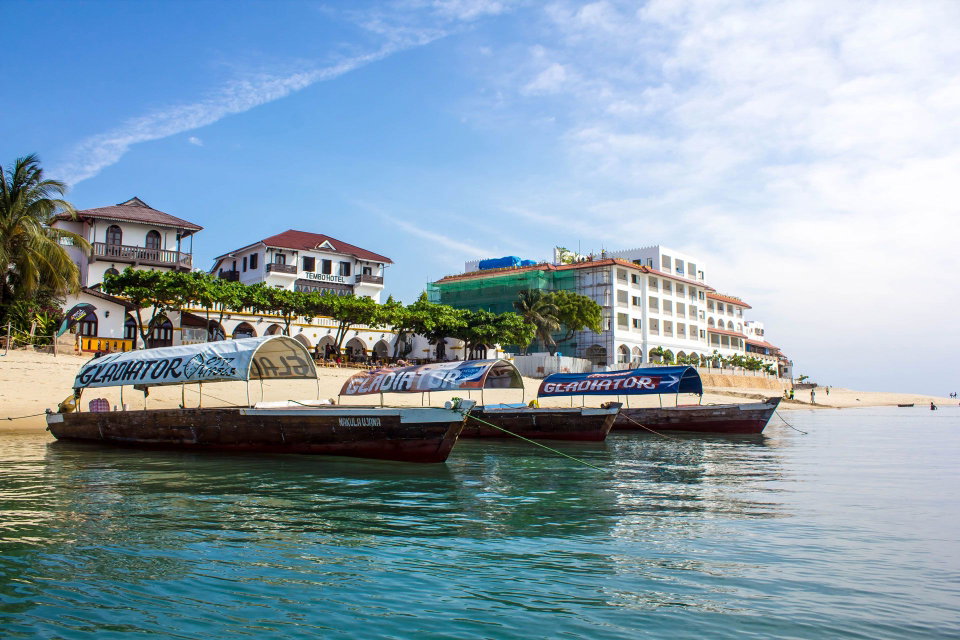
Don't let the office towers fool you — Dar is really a coastal Swahili city that grew up fast. Come for the markets, the seafood at Coco Beach, and the dhow-lined harbour; leave for Zanzibar on the morning fast ferry two hours later.

Most travellers give Dar 2–3 days at the start or end of a Tanzania trip. That's enough to walk the CBD, get lunch at Slipway, and set up your Zanzibar or Selous/Nyerere onward journey.
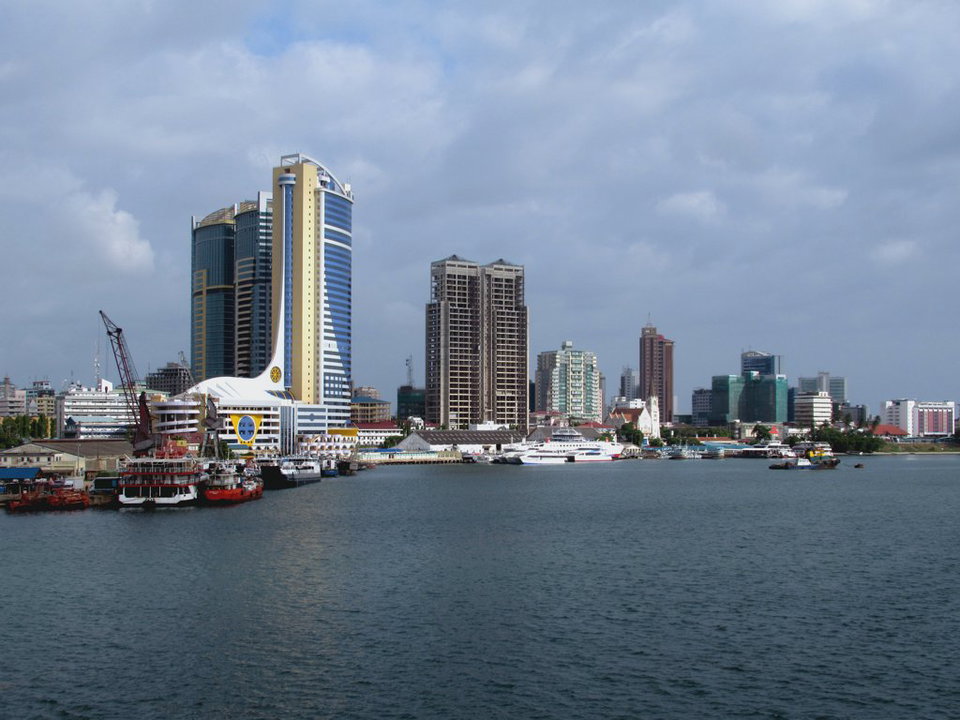
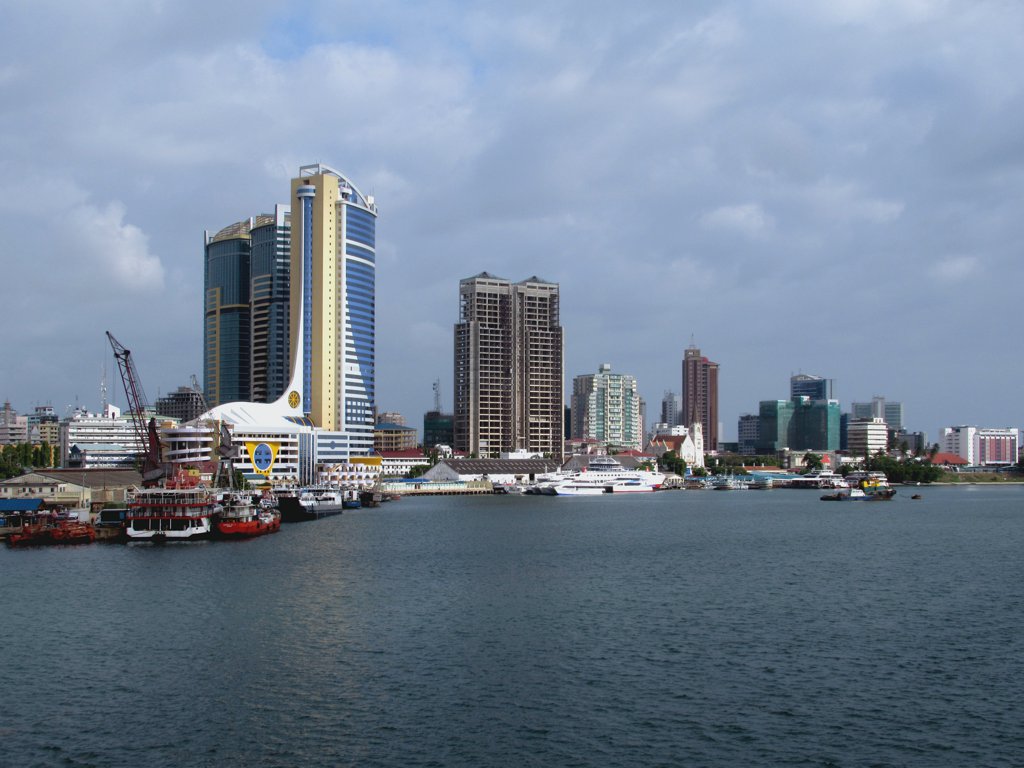
  • Experience authentic Swahili culture in Tanzania's largest city
  • Explore vibrant markets bursting with local crafts and fresh produce
  • Discover beautiful beaches just minutes from the city center
  • Gateway to Zanzibar and Tanzania's iconic safari destinations

Best for

Urban explorers, culture enthusiasts, seafood lovers, Tanzania trip launch and end points

Trip style

City break, cultural immersion, Zanzibar and safari gateway

Known for

Kariakoo Market, National Museum, Coco Beach seafood, Zanzibar ferry gateway, Swahili-Omani-German architecture

Quick facts

Best time to visit

June to September (dry season with cooler temperatures)

Currency

Tanzanian Shilling (TZS)

Languages

Swahili (official), English widely spoken

Visa summary

Visa required for most visitors, available on arrival or online

Flight time from Nairobi

1 hour 20 minutes

Airport / arrival

Julius Nyerere International Airport (DAR), 12km from city center

Safety note

Generally safe for tourists; use registered taxis and avoid displaying valuables

Visa and entry

Look up entry rules by passport for travel to Tanzania on the Tsavaro visa checker.

Check visa requirements for Tanzania

Things to do

Explore Kariakoo Market

Kariakoo is East Africa's largest open-air market — a chaotic, colour-drenched maze of stalls selling textiles, spices, produce and household goods. Go early morning with a local guide, wear closed shoes, and leave valuables at your hotel.

Visit the National Museum

The National Museum of Tanzania on Shaaban Robert Street opened in 1934 — best for the fossilised hominid skulls found by the Leakeys at Olduvai Gorge, Zanzibari copper-clad chests, and mainland ethnography galleries. Plan 90 minutes to two hours.

Relax at Coco Beach

Coco Beach (Oyster Bay) is Dar es Salaam's in-city beach — a strip of Indian Ocean sand where locals gather for sunset grilled seafood, coconut water and pilau. Weekends get busy; weekday sunsets are quieter.

Take a Harbor Cruise

A dhow or catamaran cruise from Slipway or the Dar es Salaam Yacht Club takes in the harbour skyline, the Msasani Peninsula and the city's Indian Ocean approach — best paired with a sunset return.

Discover Village Museum

The Village Museum on Bagamoyo Road is an open-air site with reconstructed traditional huts from ten Tanzanian ethnic groups, plus weekend Sukuma snake-dance and Ngoma performances. A calm counterpoint to Kariakoo's noise.

Shop at Slipway Shopping Center

Slipway on the Msasani Peninsula pairs waterfront restaurants with the Slipway Maasai Market's craft stalls in one leafy compound — the tourist-friendly place to browse Tanzanian carvings, Tinga Tinga art, and get a proper lunch.

Best Time to Visit Dar es Salaam

June to September and December to February are the best months to visit Dar es Salaam — both are dry seasons with cooler mornings and lower humidity, ideal for walking the CBD, dhow trips and ferry crossings to Zanzibar. Avoid the March–May long rains, when downtown floods, ferry schedules to Zanzibar get delayed, and outdoor sightseeing at Kariakoo turns muddy.

July–September lines up with peak safari season and Zanzibar's dry Kaskazi trade winds, so book flights and Azam Marine ferries early. November's short rains are brief afternoon showers — a good shoulder-season window if you don't mind the heat.

Is Dar es Salaam Safe for Tourists?

Dar es Salaam is generally safe for tourists during the day in central areas like Msasani, Oyster Bay and the CBD around Sokoine Drive. Use registered taxis, Uber or Bolt after dark instead of hailing on the street, keep valuables hidden in Kariakoo Market, and avoid empty beach stretches at Coco Beach after sunset.

The main risks are petty theft in crowded markets and traffic — Dar es Salaam's boda-bodas (motorbike taxis) have a poor safety record; skip them entirely for a longer, safer ride-hail car. Nationally, follow your government's current travel advice for Tanzania and avoid the northern border regions with Mozambique and the far south.

Suggested itinerary

How Many Days Do You Need in Dar es Salaam?

Two to three days covers Dar es Salaam's core sights — Kariakoo Market, the National Museum and a sunset seafood dinner at Coco Beach; add a day for a Bagamoyo history trip or hop the morning ferry across to Zanzibar for a full week's Tanzania coast experience.

Day 1

City Center & Cultural Immersion

Begin your Dar es Salaam adventure at the National Museum to understand Tanzania's rich history and cultural heritage. Afterward, explore the bustling city center, visiting the iconic Clock Tower and taking in the colonial architecture along Samora Avenue.

Spend the afternoon at Kariakoo Market, one of East Africa's largest and most vibrant markets. Navigate the maze of stalls selling everything from colorful textiles to aromatic spices, experiencing the authentic energy of local life.

End your day with dinner at a local restaurant, sampling Tanzanian specialties like ugali, nyama choma, and fresh seafood while enjoying traditional music.

Dar es Salaam — City Center & Cultural Immersion

Travel essentials

Getting around

Use Uber, Bolt or registered taxis for cars; local daladalas (minibuses) work for short cheap hops if you're comfortable with the chaos. Negotiate metered-taxi fares before boarding. Ferries to Zanzibar leave from Kivukoni ferry terminal — Azam Marine's fast ferry takes about 2 hours to Stone Town; book ahead for July–September and December.

Typical costs

Budget $30–50 per day, mid-range $50–100 per day, luxury $100+ per day. Local meals $3–8, restaurant meals $10–25, ride-hail across town $3–7.

Culture and etiquette

Greet with 'Jambo' or 'Hujambo'. Dress modestly, especially around mosques and in Kariakoo. Remove shoes when entering homes. Use your right hand for greetings and eating. Sensitive photography — always ask before photographing people.

Safety and planning

Central areas (Msasani, Oyster Bay, CBD) are safe by day. Ride-hail after dark instead of walking. Skip boda-bodas — the safety record is poor; use Uber/Bolt cars. Keep valuables hidden in Kariakoo. Nationally, follow your government's travel advice and avoid the northern and western border regions.

Connectivity

Good 4G coverage across the CBD and Msasani Peninsula. Major hotels, cafes and Slipway offer Wi-Fi. Buy a local SIM at the airport from Vodacom, Airtel or Tigo — bring your passport for registration.

Payments

Cash (Tanzanian Shilling, TZS) for small purchases, markets, daladalas and ferries. Credit cards accepted at mid-range and upscale hotels, restaurants and supermarkets. ATMs at CRDB, NMB, Stanbic and Absa. US dollars accepted at hotels and tour operators, but change is given in TZS.

Dar es Salaam travel FAQs

More destinations to explore

Dar es Salaam, Tanzania