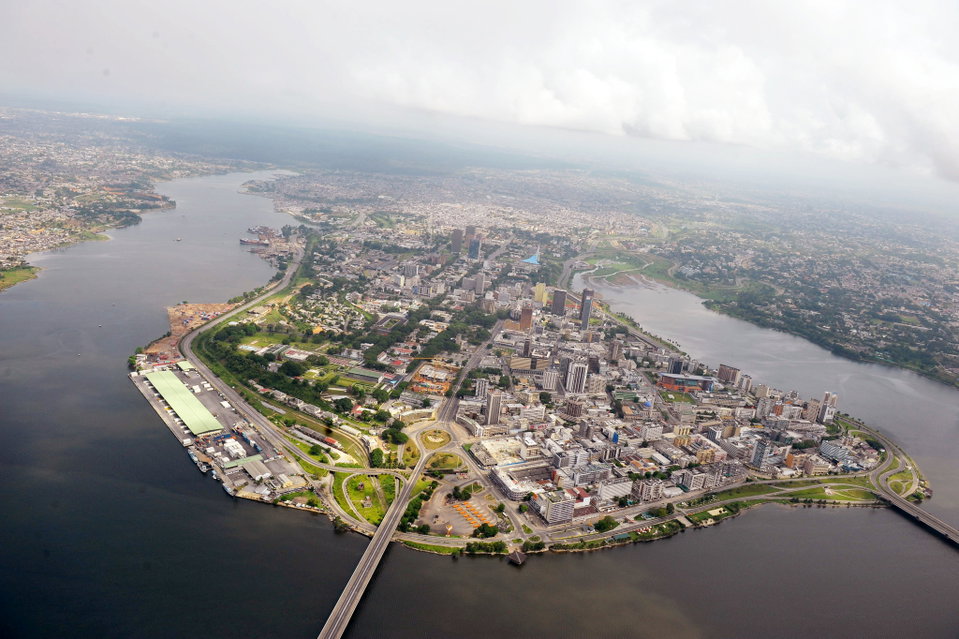
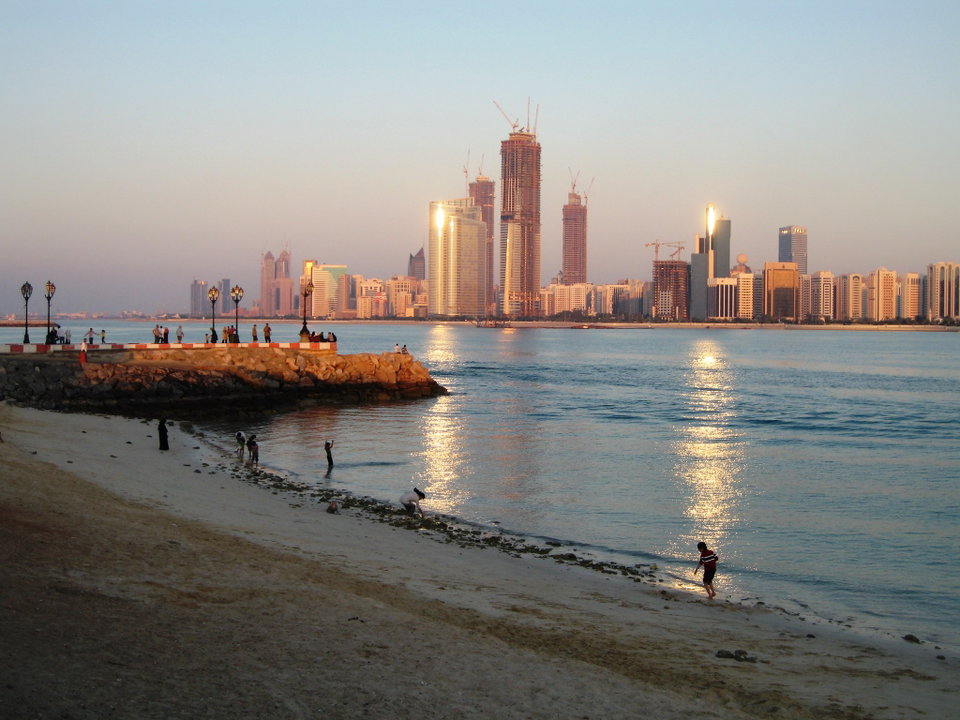
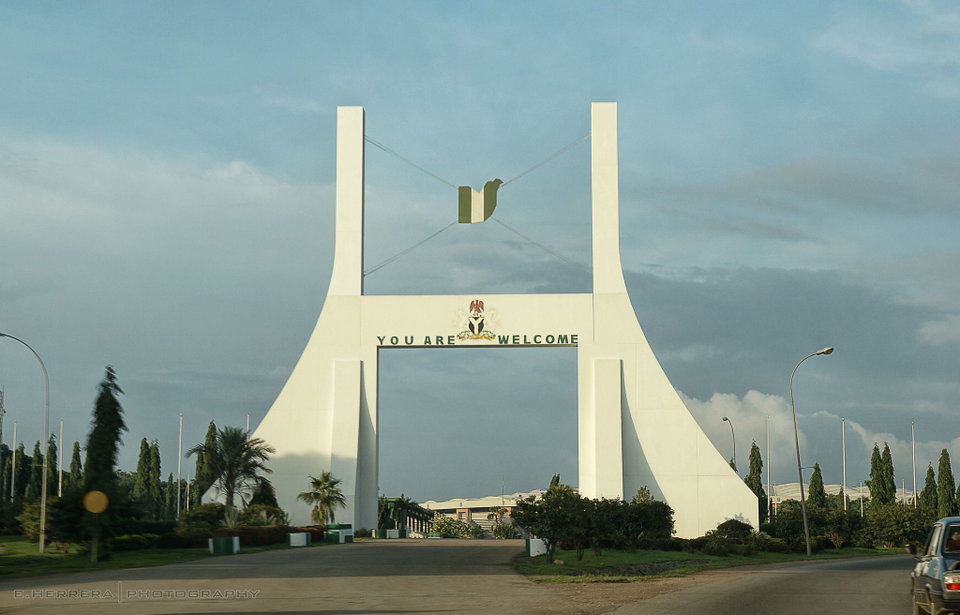
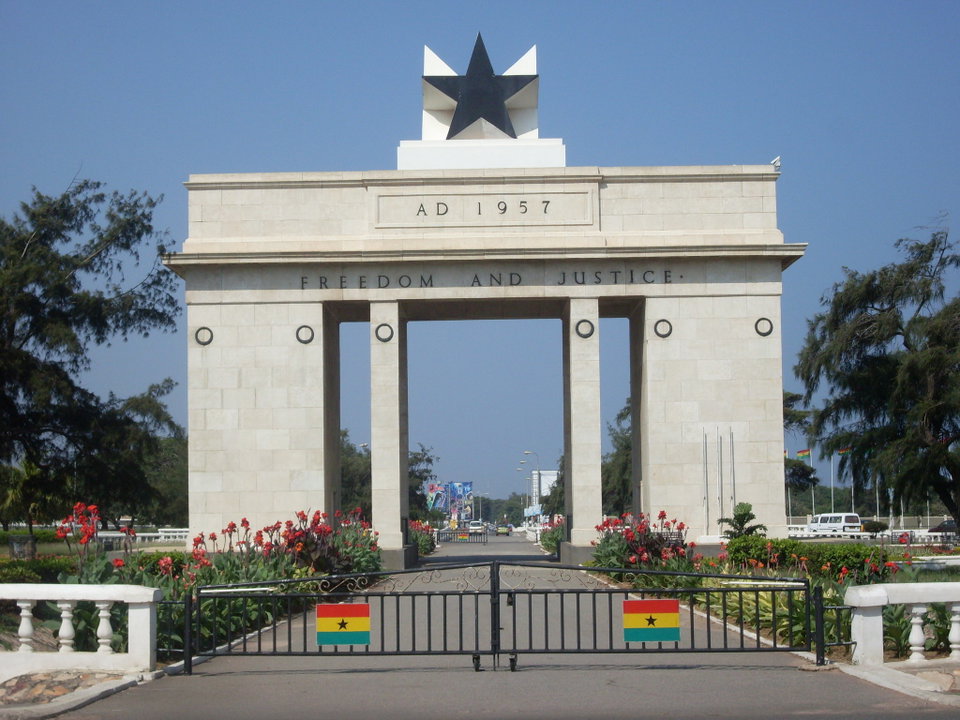
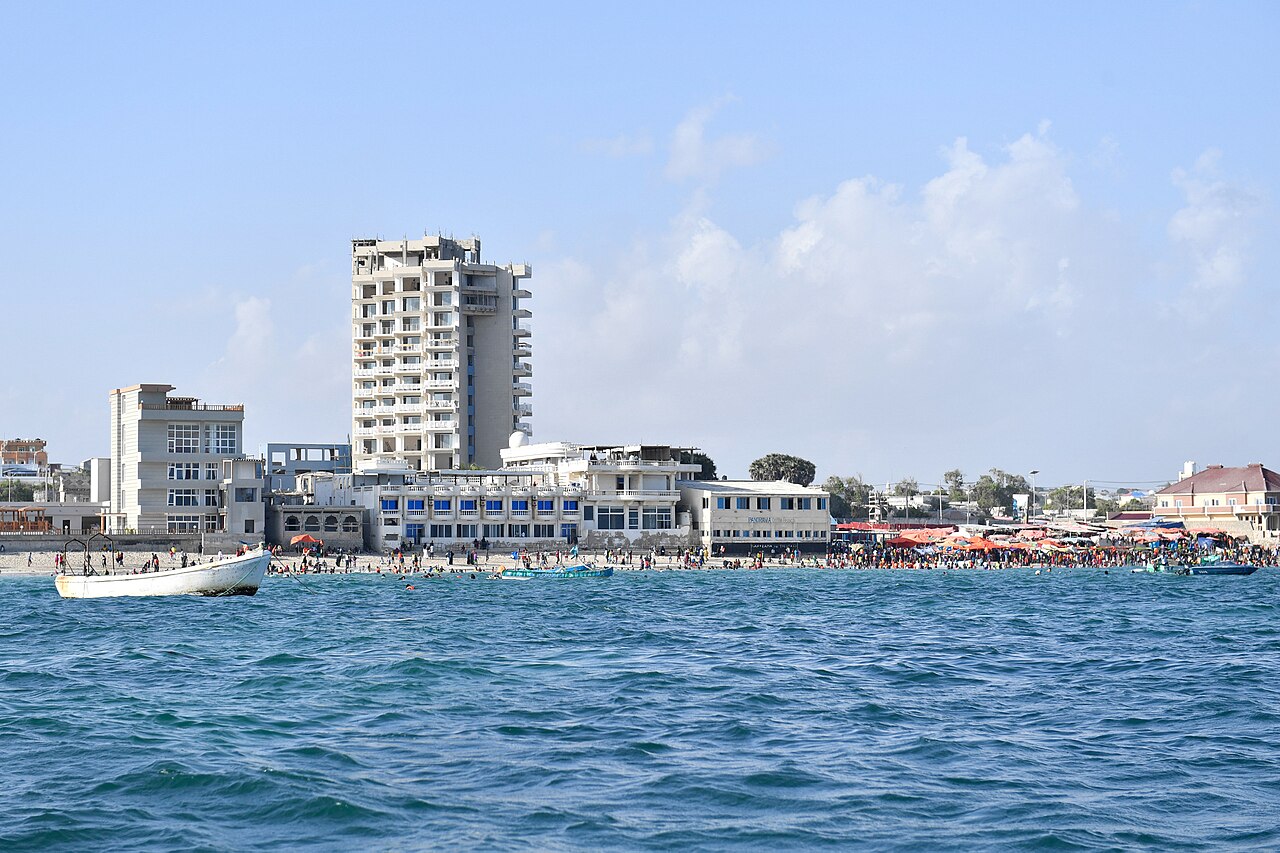
Aerial view of Mogadishu's coastline with the Indian Ocean and white-sand beaches stretching along the Somali capital

Destination guide

Mogadishu

Benadir, Southern Somalia · Somalia

A resilient capital on the Indian Ocean — where ancient history and a vibrant new energy meet the sea

Best season

December to February (jilaal season): dry, cooler, and the calmest seas

From Nairobi

Approximately 1 hour 30 minutes

Why visit Mogadishu?

Mogadishu is not a destination for the faint-hearted, but for those who seek it out, it offers an authenticity almost impossible to find anywhere else. The city's Indian Ocean beaches — particularly Lido Beach — are genuinely beautiful, rivalling anything on the East African coast, and on a calm Friday afternoon they fill with Somali families, football games, and grilled lobster vendors.

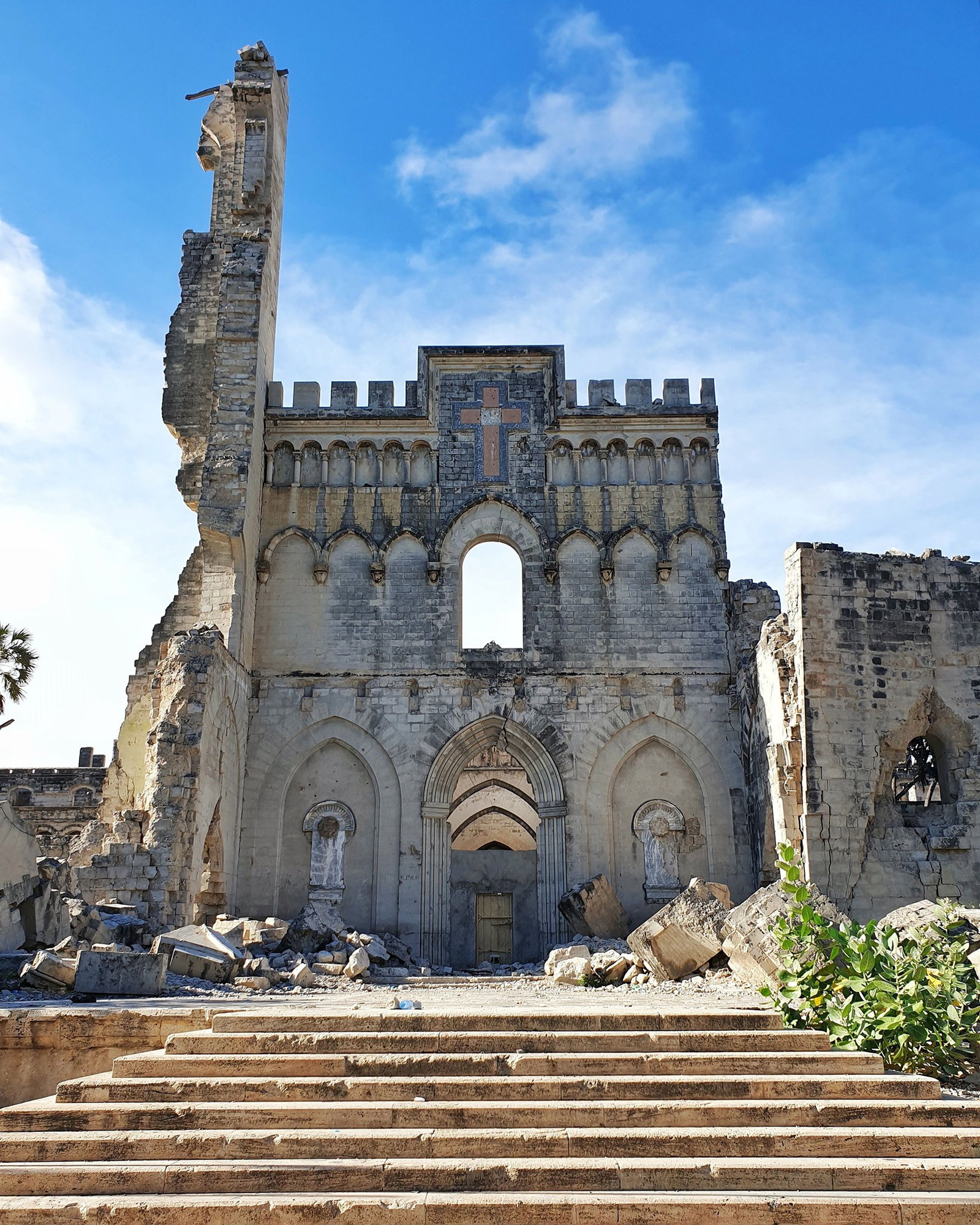
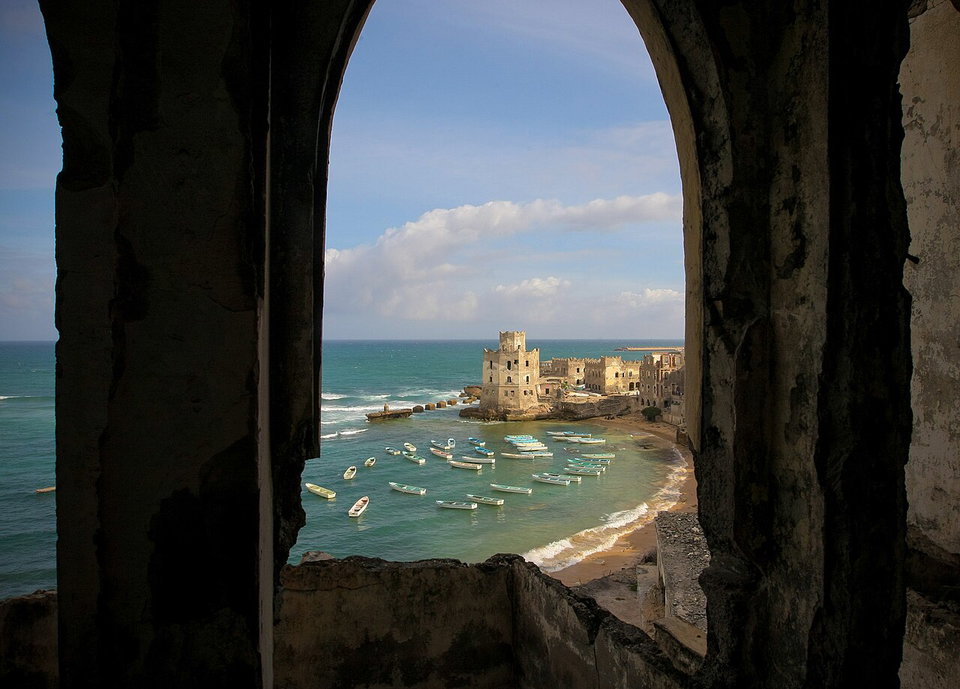
The old Arab Quarter (Hamarweyne) contains centuries-old mosques and merchant houses that speak to Mogadishu's role as a thriving Swahili-Arab trading hub long before European contact. The Cathedral of Mogadishu — now roofless and haunting — stands as a stark monument to the city's turbulent modern history.

Food culture is a revelation: Somali cuisine blends East African, Arab, and South Asian influences into dishes like canjeero (spongy flatbread), hilib ari (spiced goat), lobster grilled over charcoal, and halwa sweetened with cardamom. The city's restaurateurs and hoteliers are quietly professionalising, and a small but growing hospitality scene caters to the diaspora and international community.

  • Lido Beach: one of East Africa's most beautiful urban beaches, right in the capital
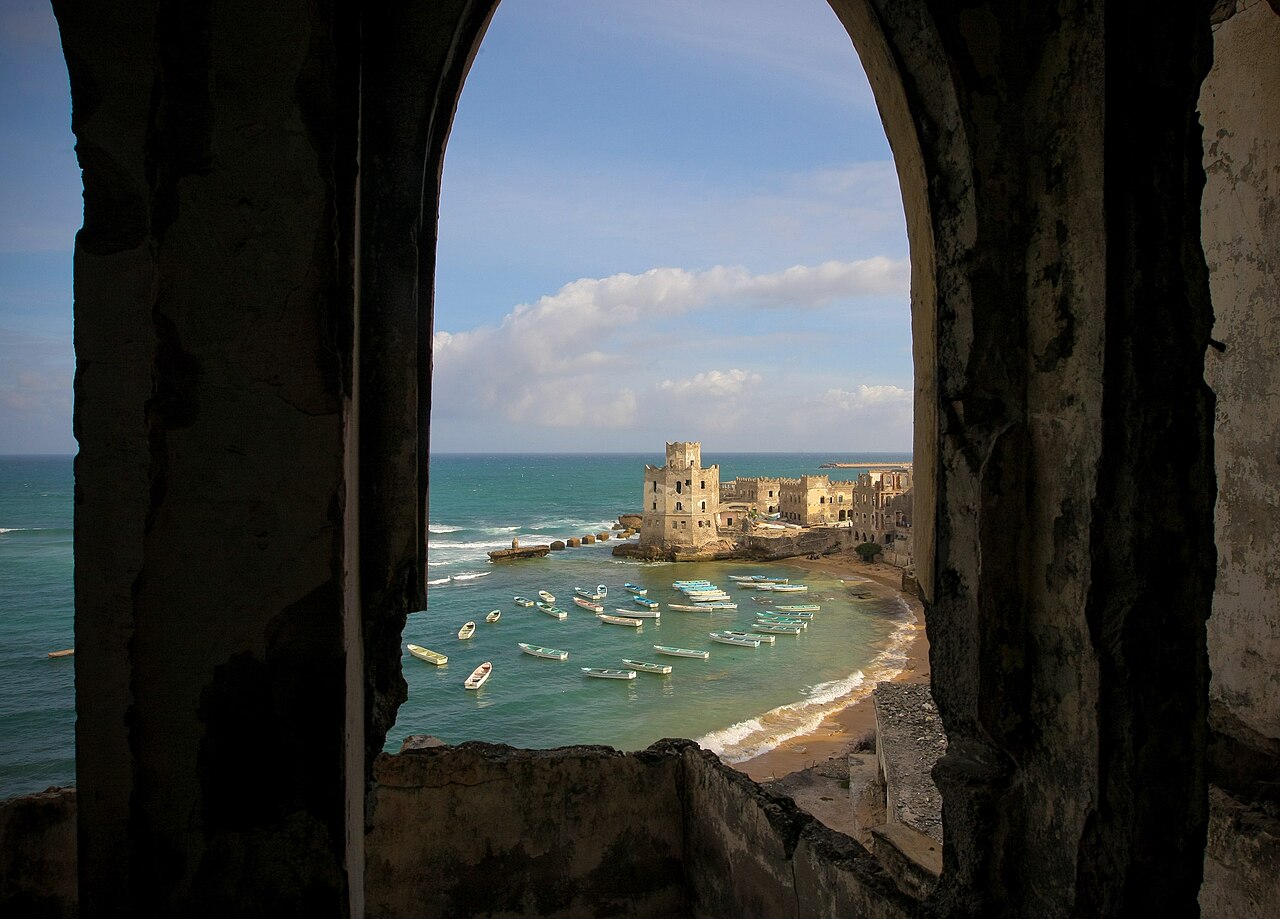
  • Hamarweyne old quarter — medieval Arab merchant architecture still standing on the Indian Ocean
  • Grilled lobster and fresh-caught tuna at open-air beach restaurants for a fraction of global prices
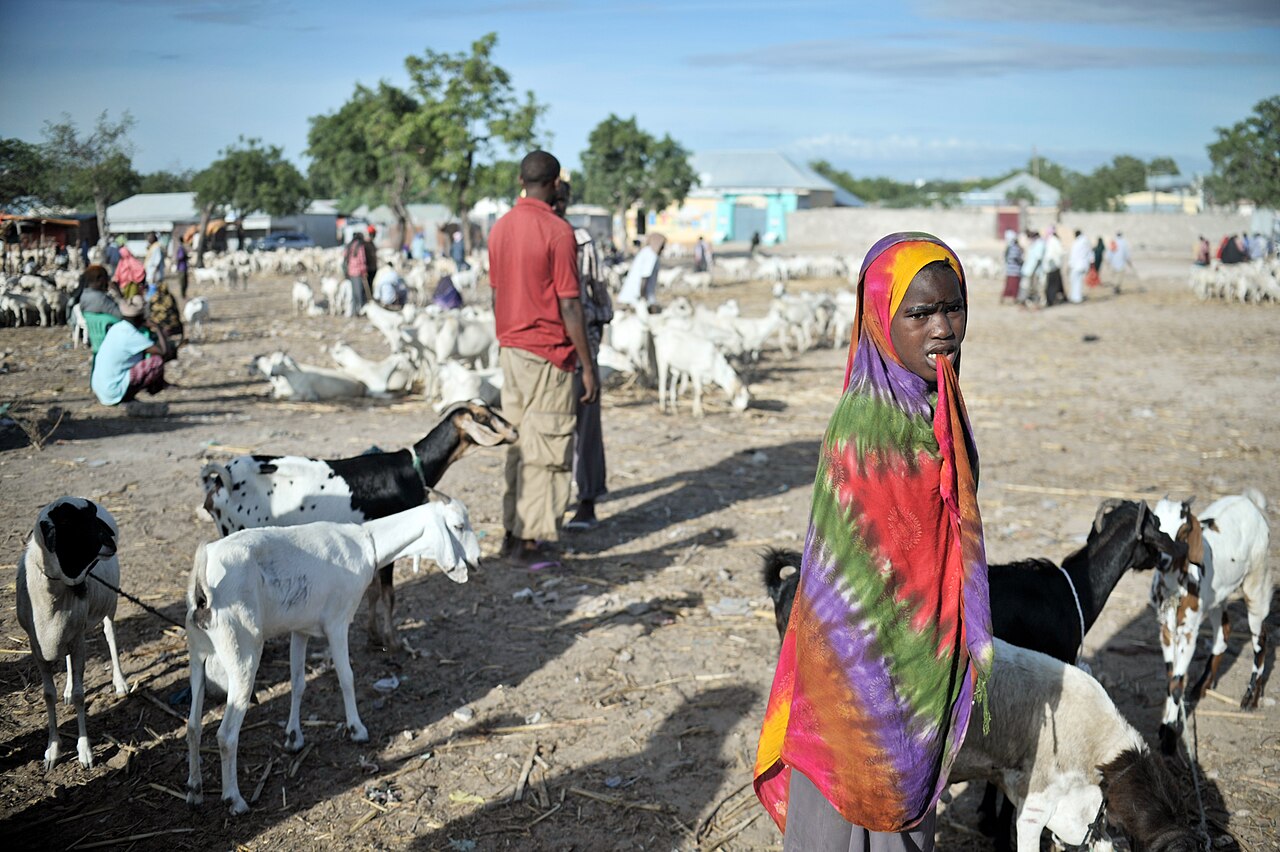
  • Bakara Market: a sensory overload of spices, fabrics, electronics, and livestock
  • The haunting ruins of the Italian-built Mogadishu Cathedral — one of Africa's most striking ruins
  • A city genuinely rebuilding — visible energy, new construction, and defiant optimism at every turn

Best for

Frontier travellers, Somali diaspora, journalists, development and humanitarian workers, historians of the Swahili coast

Trip style

Cultural immersion, culinary exploration, historical discovery

Known for

Lido Beach, Hamarweyne old quarter, Bakara Market, Indian Ocean seafood, Mogadishu Cathedral ruins

Quick facts

Best time to visit

December to February (jilaal season): dry, cooler, and the calmest seas

Currency

Somali Shilling (SOS) — US dollars are widely accepted and often preferred

Languages

Somali (official); Arabic widely used; English in hotels and NGO circles

Visa summary

Visa on arrival available for most nationalities at Aden Adde International Airport (approx. USD 60). Check current requirements before travel.

Flight time from Nairobi

Approximately 1 hour 30 minutes

Airport / arrival

Aden Adde International Airport (MGQ) is 5 km northwest of the city centre. Private transfers or vetted hotel pickups are strongly recommended.

Safety note

High-risk destination — consult your government's travel advisory and work with a reputable local fixer or security consultant before travelling.

Visa and entry

Look up entry rules by passport for travel to Somalia on the Tsavaro visa checker.

Check visa requirements for Somalia

Things to do

Swim and unwind at Lido BeachBeach & Coast

Swim and unwind at Lido Beach

Half day

Mogadishu's most famous beach stretches for several kilometres along the Indian Ocean, with warm turquoise water, white sand, and a lively scene on weekends. Families, fishermen, and food vendors all share the shore. Arrive with a local guide and respect local customs around dress.

Visit the Mogadishu Cathedral RuinsHistory & Culture

Visit the Mogadishu Cathedral Ruins

1 hour

The Italian-built Cathedral of Mogadishu, completed in 1928 and partially destroyed during the civil war, is a hauntingly beautiful ruin. Its shell still dominates the skyline and carries enormous symbolic weight — a reminder of colonialism, conflict, and the city's complex identity.

Browse Bakara MarketMarkets & Local Life

Browse Bakara Market

1–2 hours

One of East Africa's largest and most intense open-air markets, Bakara is where Mogadishans buy everything from fresh frankincense and spices to mobile phones and livestock. Go with a trusted local contact — the sensory experience is unforgettable.

Best time to visit Mogadishu

The best time to visit Mogadishu is December to February, during the jilaal dry season. Temperatures are at their most comfortable (mid-20s°C), the Indian Ocean is calmer and ideal for swimming, and rainfall is minimal.

Mogadishu has two rainy seasons: gu (April to June), the longer and heavier rains, and deyr (October to November), a shorter season. Travel during the rainy seasons is possible but roads can flood, humidity climbs, and sea conditions are rougher.

July to September brings the xagaa dry season — hot, windy, and subject to the strong southwest monsoon (kharif), which makes the sea choppy and beach activities less appealing.

For Ramadan, note that the city's character shifts significantly — restaurants may be closed during the day, and public life follows religious schedules. Many diaspora visitors specifically plan trips around Eid celebrations, which are lively and culturally rich.

In summary: December to February is the sweet spot for weather and coastal enjoyment.

Is Mogadishu safe to visit?

Mogadishu remains a high-risk destination, and most Western governments maintain 'Do Not Travel' or 'Reconsider Travel' advisories for Somalia — you should read your government's current guidance carefully before making any plans.

That said, the security picture has improved significantly since its lowest points, and a steady flow of diaspora visitors, NGO workers, journalists, and a small number of adventurous travellers move through the city each year without incident — provided they follow strict protocols.

Key safety principles for Mogadishu:

Always work with a vetted local fixer or guide who knows current conditions on the ground. Your hotel can usually recommend trusted contacts.

Use only pre-arranged, trusted vehicle transfers — never flag down unknown vehicles or use informal taxis.

Avoid large crowds, government buildings, and major hotels that are not your own, as these have historically been targets. Vary your routes and routines.

Keep a low profile: avoid conspicuous displays of expensive equipment or jewellery, and dress conservatively in line with local Islamic norms.

Register with your embassy on arrival and keep emergency contacts readily accessible.

The beach and old quarter are generally accessible with a guide during daylight. Evenings outdoors carry elevated risk. Stay informed — the situation can change rapidly.
Suggested itinerary

3 Days in Mogadishu: History, Coast, and Culture

This plan assumes you are staying in one of the city's established hotels (e.g. Jazeera Palace or SYL Hotel), travelling with a vetted local guide or fixer at all times, and are comfortable operating in a complex security environment. Pace is moderate — mornings for sightseeing, afternoons for rest or beach time. Not suitable for independent backpacker travel.

Day 1

Arrival & the Old City

Arrive at Aden Adde International Airport and transfer directly to your hotel via a pre-arranged pickup — do not use unmarked vehicles. After settling in, take a guided afternoon walk through Hamarweyne old quarter: the Fakr ad-Din Mosque, the coral-stone merchant houses, and the waterfront fish market. End the day with dinner at your hotel or a recommended beach restaurant, trying canjeero with hilib ari and fresh fish.

Mogadishu — Arrival & the Old City

Travel essentials

Getting around

Mogadishu is best navigated with a pre-arranged guide and trusted driver. There are no formal taxi apps or public transport systems suitable for visitors. Your hotel or local contact should arrange all transfers. The city is compact — Hamarweyne, Lido Beach, and the main sites are all within 5–10 km of the city centre.

Typical costs

Accommodation ranges from USD 80–200/night at established international-standard hotels. Meals at beach restaurants cost USD 5–20. A grilled lobster can cost as little as USD 10–15. Hiring a local guide/fixer costs approximately USD 50–150/day depending on experience. Most transactions are in USD cash.

Culture and etiquette

Somalia is a predominantly Muslim country — dress modestly (shoulders and knees covered in public), avoid alcohol outside hotel premises, and be respectful of prayer times. Ask permission before photographing people, especially women. Greetings are important: the Arabic-influenced 'Salaam Alaykum' is appreciated. Handshakes are common between men; await cues from women.

Safety and planning

Register with your embassy before arrival. Share your itinerary with someone you trust back home. Work only with vetted fixers recommended by established contacts or reputable organisations. Carry a photocopy of your passport, keep your phone charged, and have emergency numbers (hotel, embassy, guide) saved offline.

Connectivity

Mobile data is surprisingly good in Mogadishu — Hormuud Telecom's Somali SIM cards (available at the airport) offer 4G coverage across the city. WhatsApp and Telegram are the primary communication tools. Hotel Wi-Fi is available in established properties but speeds vary.

Payments

US dollars are the de facto currency for hotels, guides, and larger purchases. Somali shillings are used in local markets — street vendors and small traders will quote in SOS. Credit cards are not widely accepted; bring sufficient USD cash. Hawala (informal money transfer) networks are used locally but not practical for short-term visitors.

Mogadishu travel FAQs

More destinations to explore