Yes — Nairobi is generally safe for tourists who take the same sensible precautions they would in any large African or global city. Millions of international visitors pass through each year without incident, and most trips are completely trouble-free.
Areas to feel comfortable in: Westlands, Kilimani, Lavington, Karen, Langata, and the Upper Hill business district are all well-lit, well-patrolled, and tourist-friendly. Your hotel concierge will give you the latest neighbourhood guidance.
Avoid at night: Walking alone in the CBD (Central Business District) after dark is not recommended. Stick to taxis or ride-hailing apps — Uber, Bolt, and Little Cab all operate reliably in Nairobi and are significantly safer than flagging unknown vehicles.
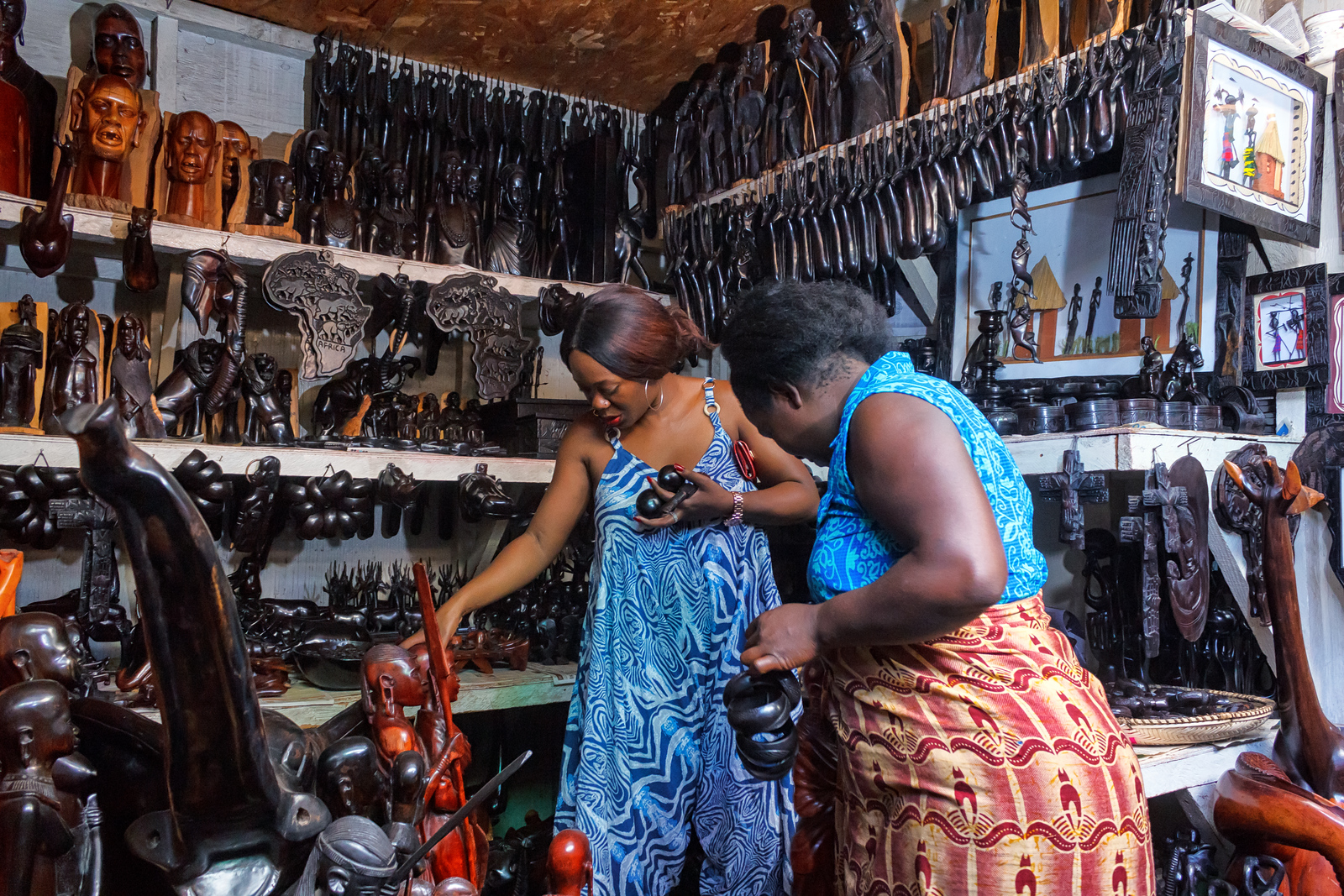
Petty theft: Bag-snatching and phone theft are the most common issues, particularly around busy markets and bus stages. Keep phones out of sight in crowds, use a cross-body bag, and leave expensive jewellery in your hotel safe.
Transport safety: Use only licensed taxis or verified ride-hailing apps. Matatus (minibus taxis) are an authentic Nairobi experience but can be erratic — fine for adventurous travellers in daytime, but not recommended at night.
Health: Nairobi is malaria-low-risk due to its altitude, but consult your GP before travel. Drink bottled or filtered water. JKIA and major hospitals (Aga Khan, Nairobi Hospital, MP Shah) offer good medical facilities.
Emergency numbers: Police 999 / 112 | Ambulance 0722 314 239 (AMREF Flying Doctors). Register with your embassy on arrival for longer stays.
With a little situational awareness, Nairobi is a richly rewarding city to explore — and far more accessible than its reputation sometimes suggests.

 Wildlife & Nature