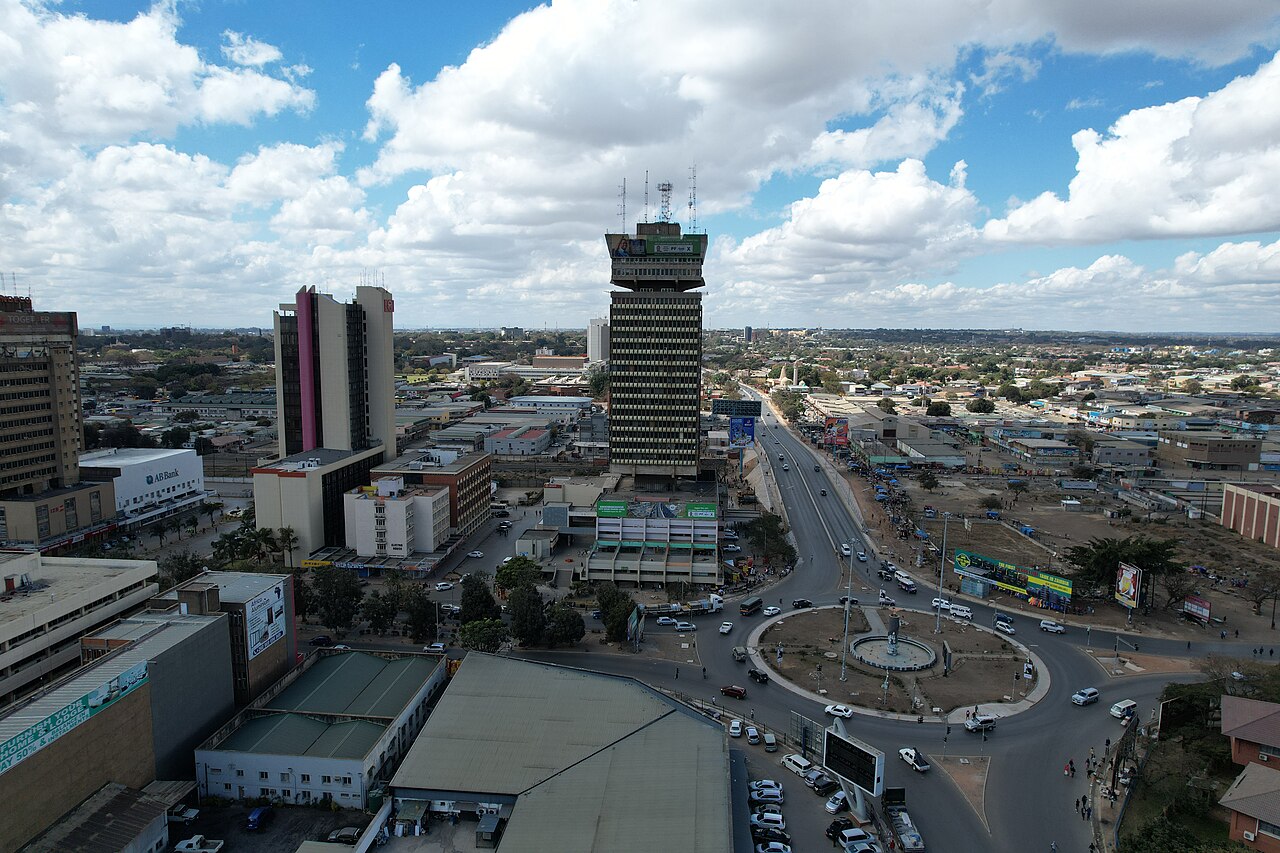
Lusaka city skyline at dusk with the Cairo Road business district lit up against a purple sky

Destination guide

Lusaka

Southern Africa · Zambia

Zambia's energetic capital — a gateway city with markets, culture, and wildlife on the doorstep

Best season

May to October (dry season) — cooler, wildlife is concentrated around water sources, and roads are passable. April and November are shoulder months with fewer crowds and lower prices.

From Nairobi

Approximately 2 hours 30 minutes non-stop (Nairobi NBO to Lusaka LUN).

Why visit Lusaka?

Lusaka rarely tops a bucket list, but travellers who make time for it are consistently surprised. The city has reinvented itself over the past decade with a crop of creative restaurants, rooftop bars, and art galleries housed in converted colonial buildings. Neighbourhoods like Kabulonga and Woodlands overflow with jacaranda trees that turn the suburbs violet-purple each October and November.

Beyond aesthetics, Lusaka is the most practical base in Zambia. Flights arrive from Nairobi, Johannesburg, Addis Ababa, Dubai, and London, making it an easy entry point. Day trips reach Lower Zambezi National Park in under two hours, Kafue National Park in three, and the Livingstone road offers an iconic overnight drive to Victoria Falls. For anyone building a multi-stop Southern Africa itinerary, Lusaka is the logical hub.

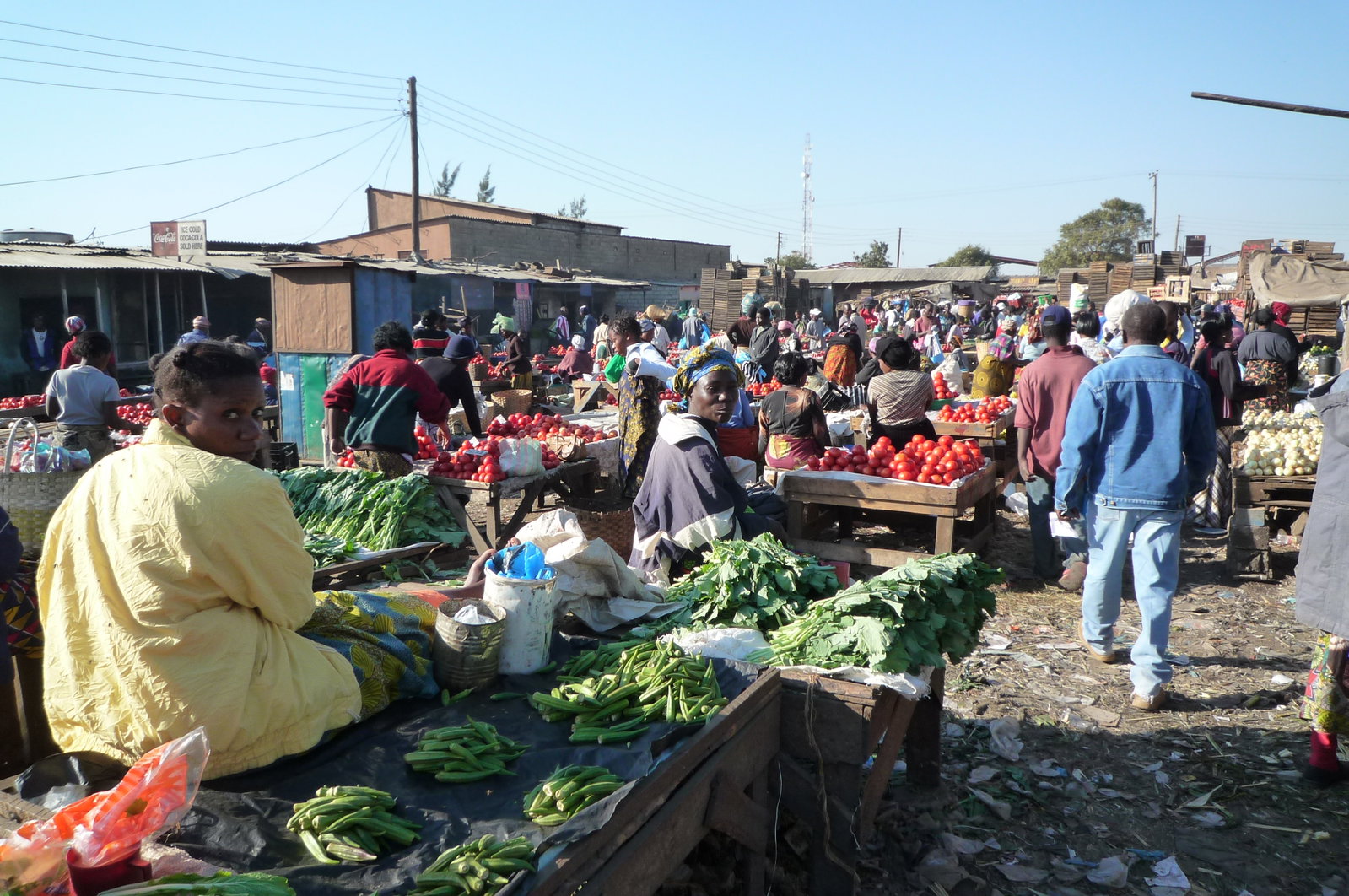
The city's food and craft scene is genuinely worth a morning or two. Soweto Market — the largest open-air market in Zambia — sells everything from dried caterpillars and kapenta fish to tailored chitenge fabric. The Kabwata Cultural Village hosts resident artisans weaving baskets, carving wood, and hammering copper. A growing café culture around Levy Junction and Arcades Shopping Mall means good coffee and fast Wi-Fi are never far away.

  • Fly into one of Southern Africa's best-connected hubs and reach two national parks in under three hours.
  • Wander Soweto Market — a vast, atmospheric bazaar where chitenge cloth, carvings, and street food compete for your attention.
  • Watch Lusaka turn purple each October as thousands of jacaranda trees bloom across the suburbs.
  • Eat your way through a rapidly evolving restaurant scene spanning Zambian nshima to wood-fired pizza and Ethiopian injera.
  • Base yourself here for day trips to Lower Zambezi, Kafue, or an overnight to Victoria Falls.
  • Discover contemporary Zambian art at Lusaka National Museum and emerging pop-up galleries in Kabulonga.

Best for

Safari gateway travellers, business visitors, culture seekers, and overland adventurers.

Trip style

City break, transit extension, safari base

Known for

Soweto Market, jacaranda season, Lower Zambezi access, Kabwata Cultural Village, Zambian cuisine

Quick facts

Best time to visit

May to October (dry season) — cooler, wildlife is concentrated around water sources, and roads are passable. April and November are shoulder months with fewer crowds and lower prices.

Currency

Zambian Kwacha (ZMW). USD and EUR widely accepted at hotels and lodges; always carry Kwacha for markets and local restaurants.

Languages

English (official and widely spoken). Nyanja (Chichewa) is the most common street language in Lusaka; Bemba, Tonga, and Lozi are also heard.

Visa summary

Most nationalities require a visa. The KAZA Uni-Visa (USD 50) covers Zambia and Zimbabwe and is available on arrival at Kenneth Kaunda International Airport. East African Community passport holders enter visa-free.

Flight time from Nairobi

Approximately 2 hours 30 minutes non-stop (Nairobi NBO to Lusaka LUN).

Airport / arrival

Kenneth Kaunda International Airport (LUN) is 26 km north-east of the city centre. Taxis take 30–45 minutes and cost around ZMW 200–350 (USD 8–14). Bolt and inDrive ride-hailing apps operate and are cheaper.

Safety note

Lusaka is generally manageable for informed travellers. Petty theft and pick-pocketing in markets and bus stations is the main risk; avoid walking after dark in unfamiliar areas and keep valuables concealed.

Visa and entry

Look up entry rules by passport for travel to Zambia on the Tsavaro visa checker.

Check visa requirements for Zambia

Things to do

Explore Soweto MarketCulture

Explore Soweto Market

2–3 hours

Zambia's largest open-air market is a full sensory experience. Stalls spill across several city blocks selling produce, hardware, traditional medicine, dried fish, tailored clothing, and handcraft. Arrive in the morning, hire a local guide for safety and context, and budget at least two hours.

Visit the Kabwata Cultural VillageCulture

Visit the Kabwata Cultural Village

1–2 hours

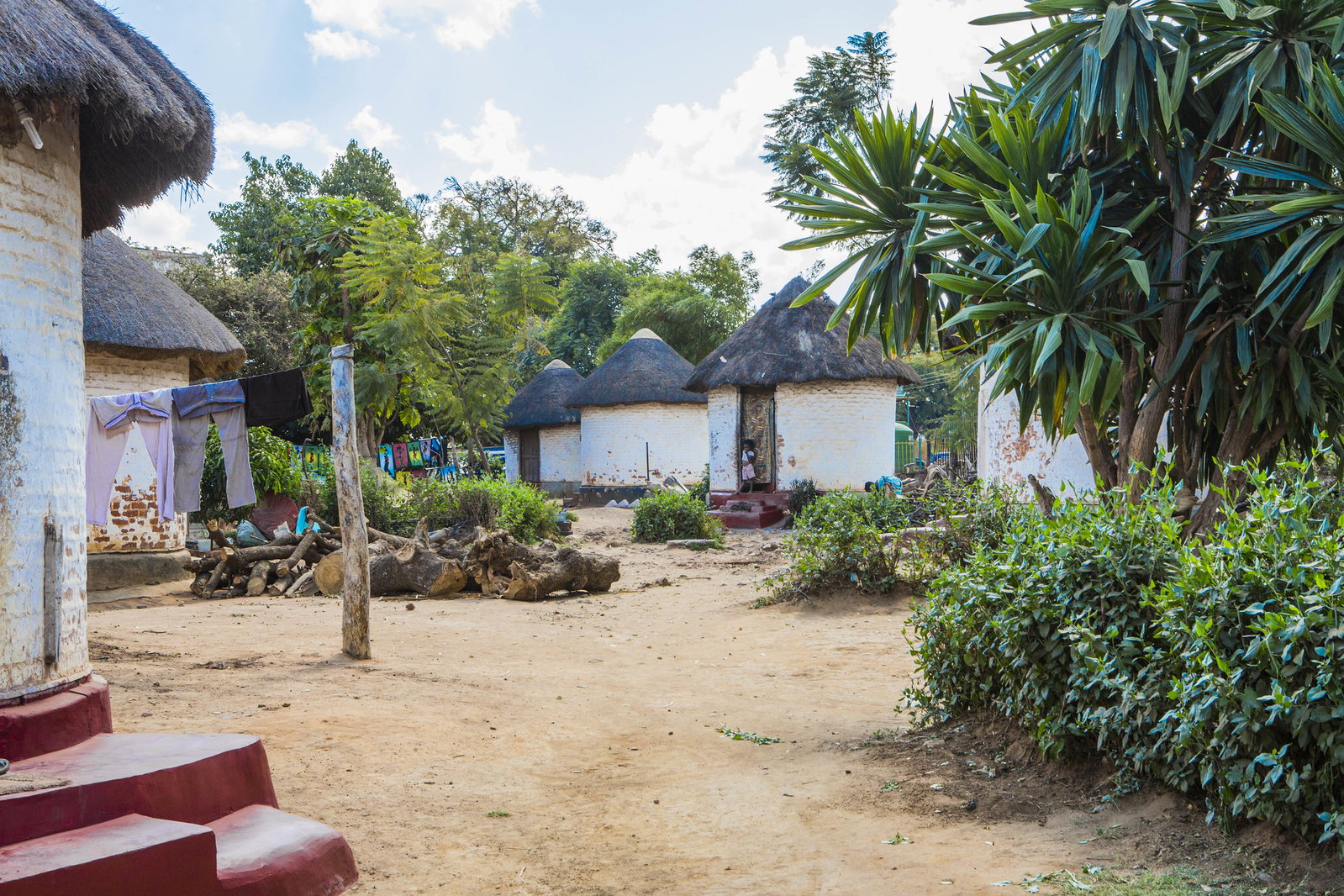
A cluster of traditional thatched huts in the heart of the city, permanently occupied by artisans from Zambia's 73 ethnic groups. Watch basket weavers, wood carvers, and copper smiths at work, then buy directly from the maker. One of the most authentic craft-shopping experiences in the country.

Tour Lusaka National MuseumCulture

Tour Lusaka National Museum

1.5–2 hours

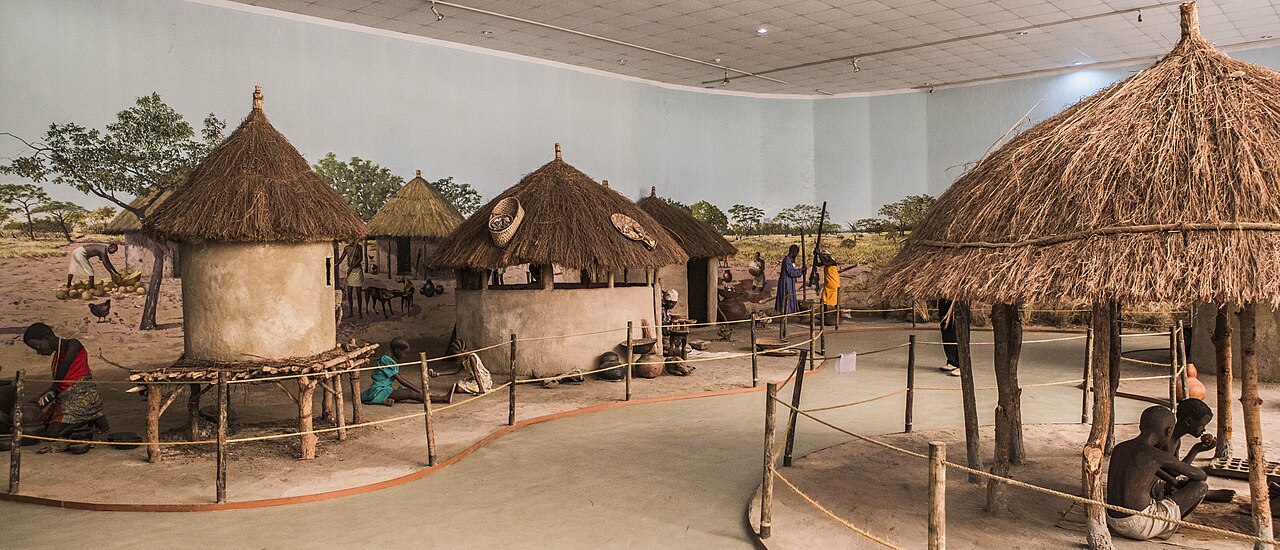
A compact but well-curated museum covering Zambian pre-history, independence-era political history, and contemporary fine art. The ethnographic galleries explain the country's extraordinary linguistic and cultural diversity. Free on the first Sunday of each month.

Day trip to Lower Zambezi National ParkWildlife & Nature

Day trip to Lower Zambezi National Park

Full day

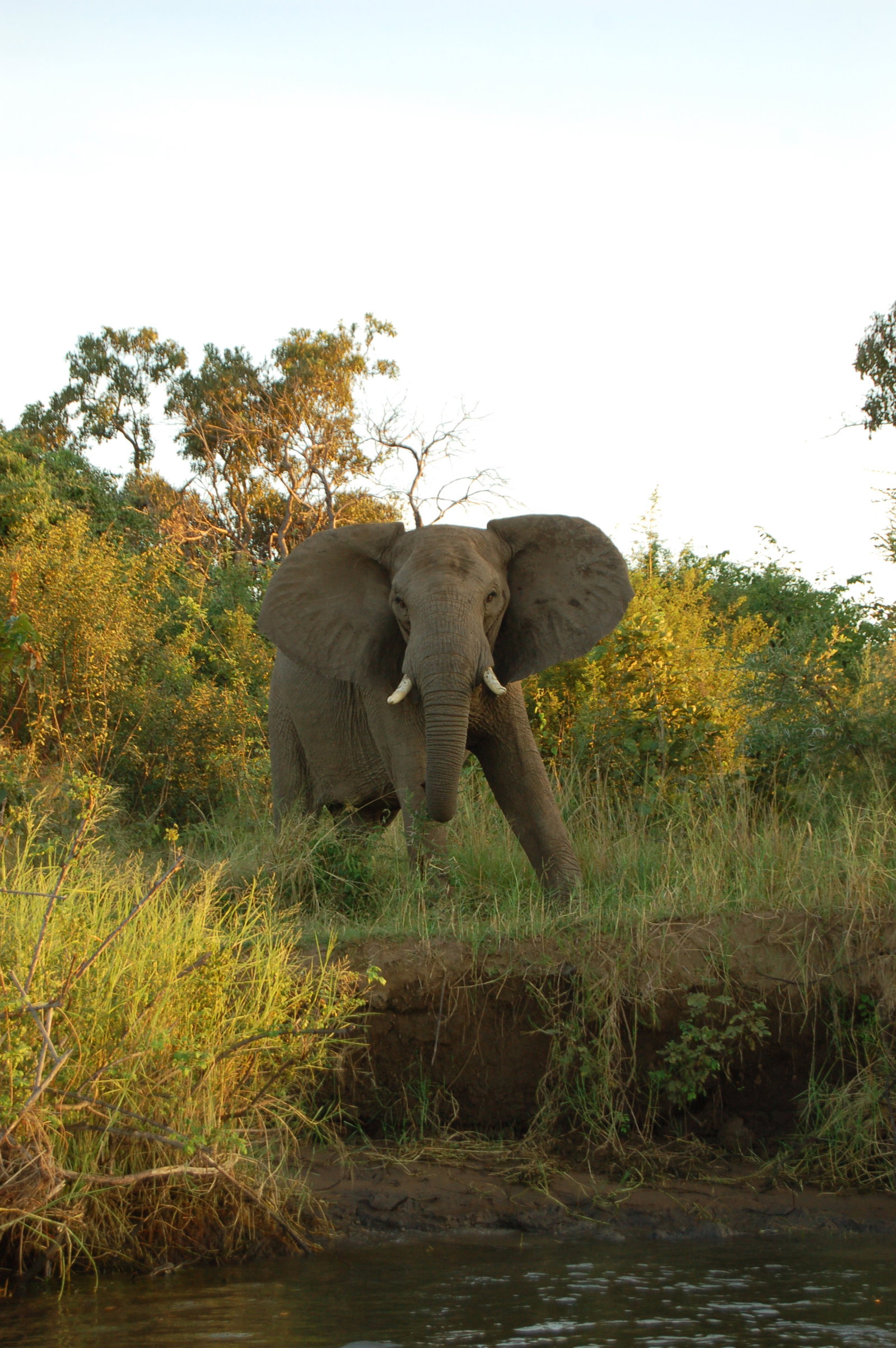
Less than two hours' drive (plus a short ferry crossing) from Lusaka, Lower Zambezi offers elephant, hippo, lion, and leopard along one of Africa's great rivers. Book a full-day game drive and canoe safari for a thrilling contrast to city life. Best from May to October.

Try nshima at a local restaurantFood & Drink

Try nshima at a local restaurant

1 hour

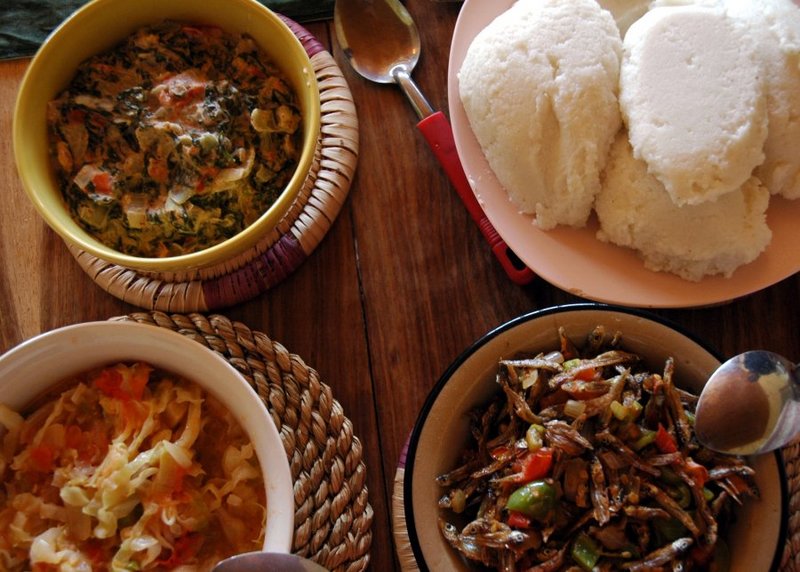
Zambia's national staple is a stiff maize porridge served alongside relishes of dried kapenta fish, braised beef, beans, or pumpkin leaves. Shungu Namutitima and Mama Rula's (outside the city) are popular spots. Eating nshima with your hands, Zambian style, is part of the experience.

Drive or fly to Livingstone and Victoria FallsAdventure

Drive or fly to Livingstone and Victoria Falls

Overnight or 2-day trip

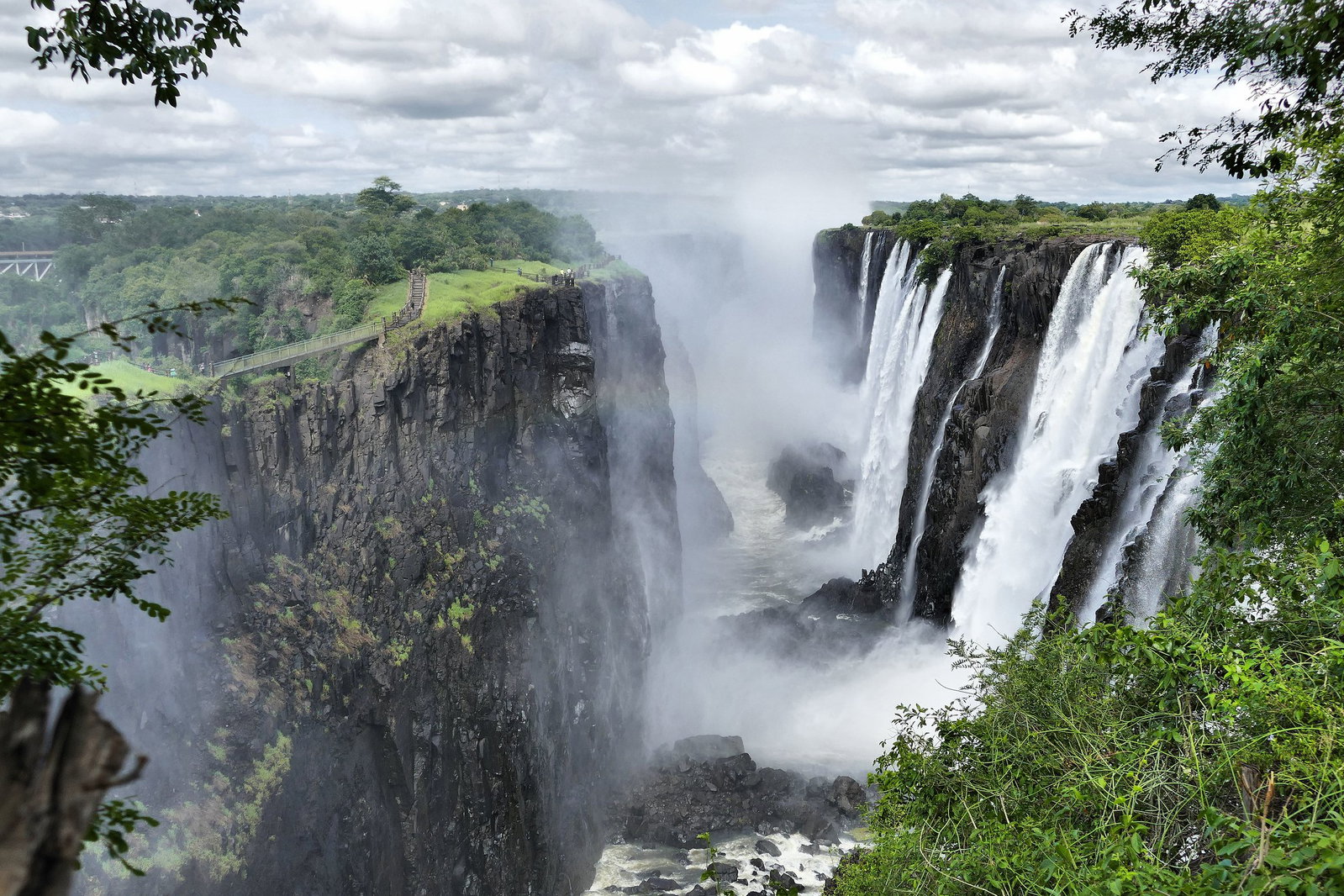
The 470 km drive south to Livingstone takes about 5–6 hours on a good tar road — or a short domestic flight. Victoria Falls is one of the Seven Natural Wonders of the World; combine it with a rafting session on the Zambezi for an unforgettable detour.

Best time to visit Lusaka

The best time to visit Lusaka is May to October, during Zambia's dry season. Daytime temperatures are warm and sunny (20–26°C), nights are cool and comfortable, and the risk of malaria drops significantly as mosquito populations fall with the drier conditions. This period also coincides with the best game-viewing in nearby national parks, as wildlife concentrates around shrinking water sources.

May and June are ideal: temperatures are mild, vegetation is still relatively green from the rains, and lodges are not yet fully booked. July and August are peak safari months — busier and slightly pricier but excellent for wildlife. September and October are hotter (up to 32°C) and drier, but October brings the spectacular jacaranda bloom that transforms Lusaka's suburbs into seas of violet-purple.

November to April is the rainy (or 'emerald') season. Afternoon thunderstorms are frequent, some roads (especially to remote parks) become impassable, and humidity rises. However, this season brings lush green landscapes, newborn wildlife, exceptional birdwatching as migratory species arrive, and lower hotel rates. Experienced travellers and birders often prefer the 'green season' for its drama and value.

Avoid the coldest nights of June and July if you dislike early-morning chill — temperatures in Lusaka can dip to 8–10°C at night in mid-winter.
Is Lusaka safe to visit?

Yes — Lusaka is generally safe for tourists who take standard urban precautions. The city sees far less violent crime directed at visitors than comparable African capitals, and most travellers complete their stay without incident.

The main risk is opportunistic petty theft, particularly pick-pocketing in crowded spaces like Soweto Market, City Market, and Lusaka Intercity Bus Terminus. Keep your phone in a front pocket or bag, avoid displaying expensive cameras and jewellery on the street, and use ATMs inside shopping malls rather than on the pavement.

Avoid walking after dark in the central business district and unfamiliar residential areas. Stick to registered taxis or app-based ride-hailing (Bolt and inDrive are reliable and price-transparent). The neighbourhoods of Kabulonga, Rhodespark, Longacres, and Woodlands are considered the safest for visitors and contain most of the better hotels and restaurants.

Lusaka's hospitals are limited — carry comprehensive travel insurance that covers evacuation. The Levy Mwanawasa University Teaching Hospital and Chilanga Medical Centre handle emergencies, but serious cases are often evacuated to Johannesburg. Keep a copy of your passport and travel insurance details in a separate location from the originals.

Suggested itinerary

3 Days in Lusaka: City, Culture & Safari

A compact plan for a traveller with three full days — likely arriving from an international flight and heading onward to a safari or Livingstone. Mid-range budget, city-centre base, mix of guided and self-guided activities. Hire a car or use Bolt/inDrive for transport.

Day 1

Arrive & explore the city centre

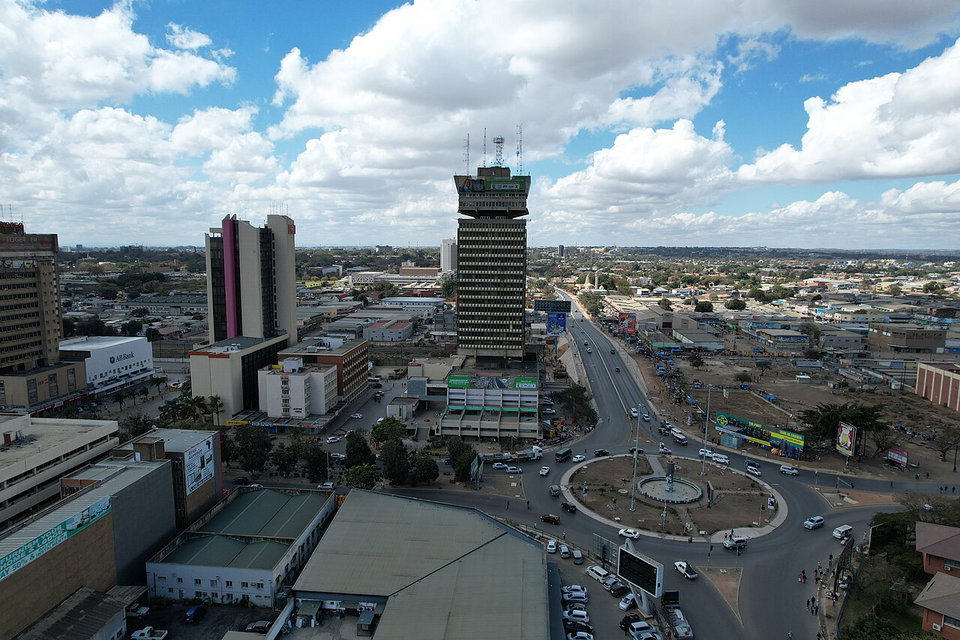
Check into your hotel and rest after the flight. In the afternoon, walk or taxi to Cairo Road — the commercial spine of central Lusaka — to get your bearings. Stop at the Freedom Statue near City Market as a landmark photo opportunity. In the evening head to Kabulonga or Woodlands for dinner; try Mint Grill or Latitude 15's bar for a convivial introduction to the Lusaka restaurant scene.

Lusaka — Arrive & explore the city centre

Travel essentials

Getting around

Bolt and inDrive ride-hailing apps work well in Lusaka and are significantly cheaper than street taxis. Agree a fare before getting into any unmarked taxi. Minibus (minibuses known locally as 'combis') cover most routes cheaply but can be crowded and confusing for first-time visitors. For day trips to national parks, renting a 4x4 or booking a tour with a local operator is strongly recommended.

Typical costs

Budget travellers can get by on USD 50–70 per day staying in guesthouses and eating at local restaurants. Mid-range visitors spending on comfortable hotels, restaurant meals, and a day-trip safari should budget USD 150–250 per day. Upscale lodges and full-day guided excursions push daily costs to USD 400+ per person.

Culture and etiquette

Zambians are famously polite and patient — greetings matter enormously. Always say 'hello' (or 'muli bwanji' in Nyanja) before asking for directions or assistance. Dress modestly outside of tourist areas; covering shoulders and knees is appreciated in markets and residential neighbourhoods. Ask permission before photographing people. Tipping is customary in restaurants (10%) and for safari guides (USD 10–20 per day).

Safety and planning

Register your trip with your embassy if staying more than a few days. Keep a photocopy of your passport separate from the original. Malaria prophylaxis is strongly recommended. Travel insurance with medical evacuation cover is essential. Emergency: Police 999, Ambulance 991.

Connectivity

4G LTE coverage from Airtel Zambia and MTN Zambia is good throughout Lusaka. A local SIM costs around ZMW 10 (under USD 1) and data is inexpensive. Most hotels, cafes, and malls offer free Wi-Fi. Power sockets are British-style three-pin (Type G); voltage is 230V.

Payments

USD cash is widely accepted at hotels, lodges, and tour operators. Kwacha is needed for markets, local restaurants, combis, and small shops. Visa and Mastercard are accepted at malls and better restaurants. Notify your bank before travelling. ATMs at Arcades, Levy Junction, and the airport are the most reliable.

Lusaka travel FAQs

More destinations to explore