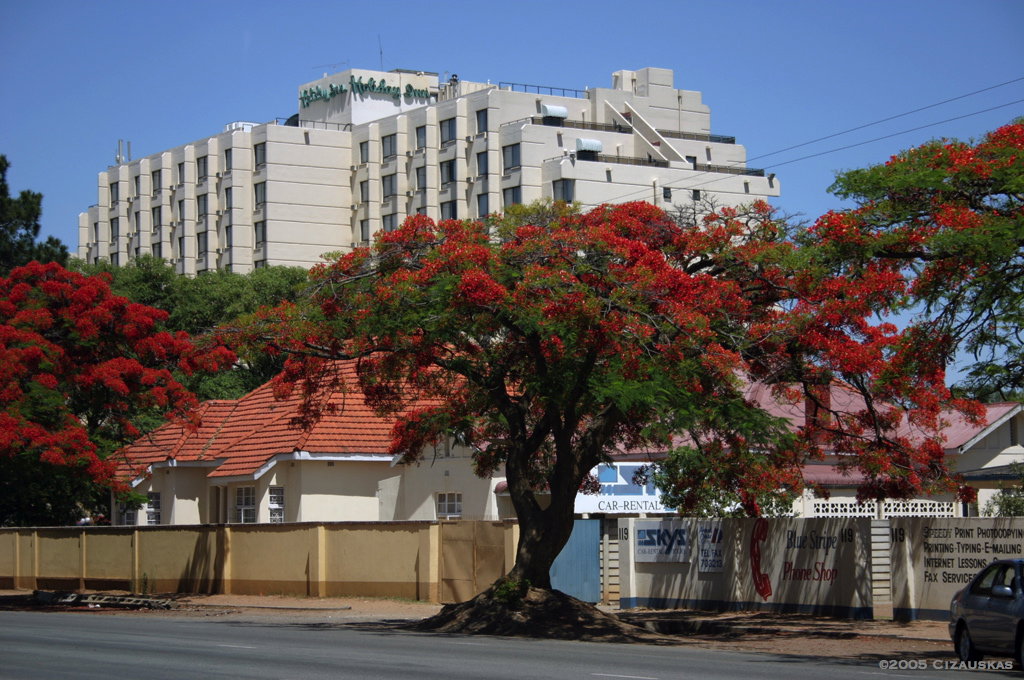
Harare city skyline seen from Kopje Hill at dusk, with jacaranda trees lining the streets below

Destination guide

Harare

Mashonaland, Northern Zimbabwe · Zimbabwe

Zimbabwe's garden capital — colonial boulevards, vibrant arts, and a gateway to the country's greatest wonders

Best season

April to August (dry season, cooler temperatures, clear skies)

From Nairobi

Approx. 2 h 30 min (Nairobi NBO to Harare HRE, direct)

Why visit Harare?

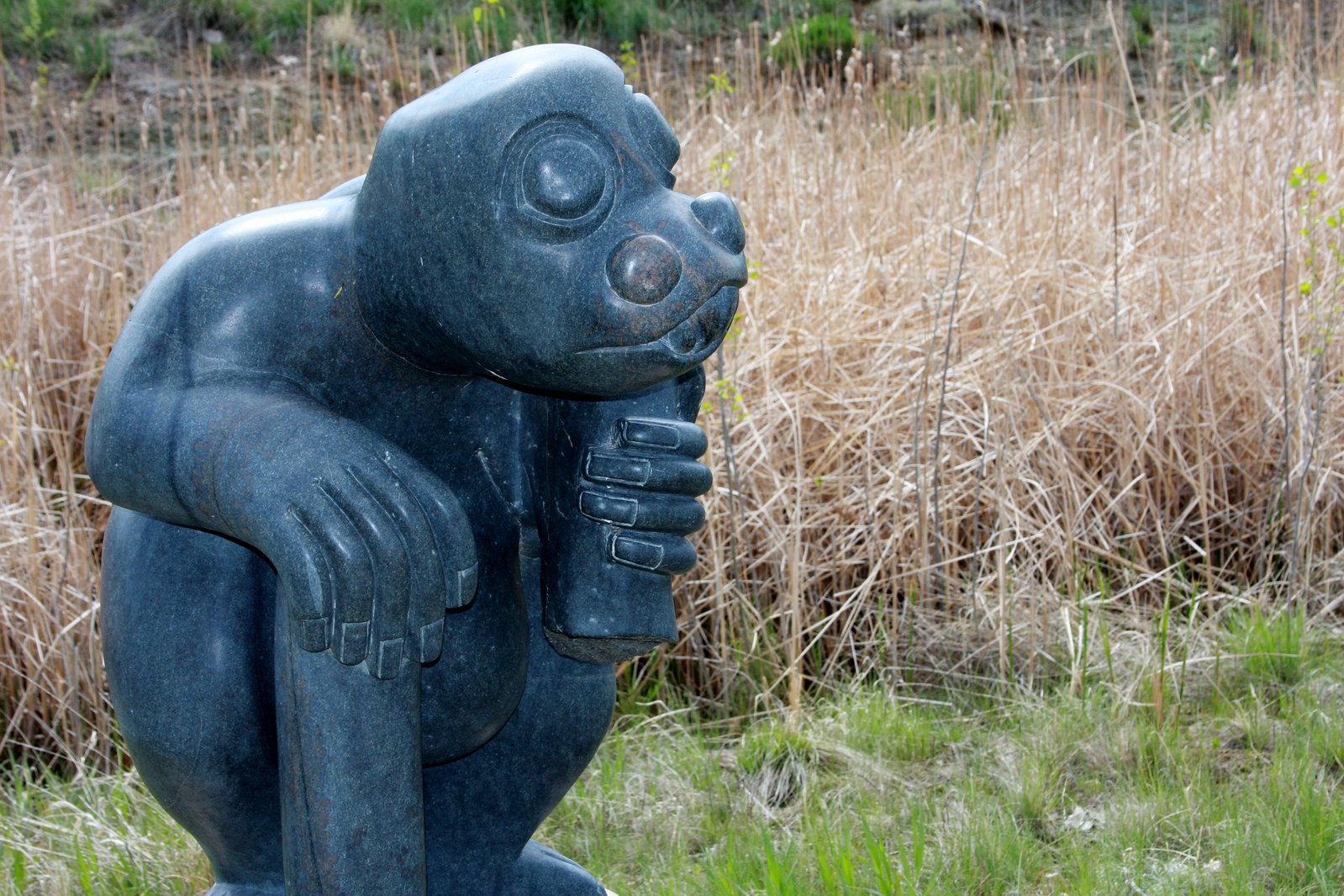
Few African capitals combine genuine warmth, a temperate highland climate, and a world-class arts scene the way Harare does. The city is home to the National Gallery of Zimbabwe — one of the continent's finest collections of Shona sculpture — and a constellation of independent galleries in the Avondale and Mbare neighbourhoods that showcase artists who have exhibited globally.

Beyond the galleries, Harare moves at a surprisingly human pace. Markets like Mbare Musika overflow with colour and local life, the Avondale Flea Market draws designers and food vendors every weekend, and the Borrowdale suburb hosts a clutch of excellent restaurants serving everything from traditional sadza ne nyama to imaginative pan-African fusion.

The city also punches above its weight as a gateway destination. Victoria Falls is a 1-hour flight away, the misty Nyanga highlands are a 3-hour drive east, and Lake Kariba is reachable in a day. Savvy travellers treat Harare as both a destination in its own right and the natural hub for a wider Zimbabwe itinerary.

  • World-renowned Shona stone sculpture — browse living masters at the National Gallery and Chapungu Sculpture Park
  • A highveld climate at 1,483 m means warm days and cool evenings year-round — no humidity, no malaria risk in the city itself
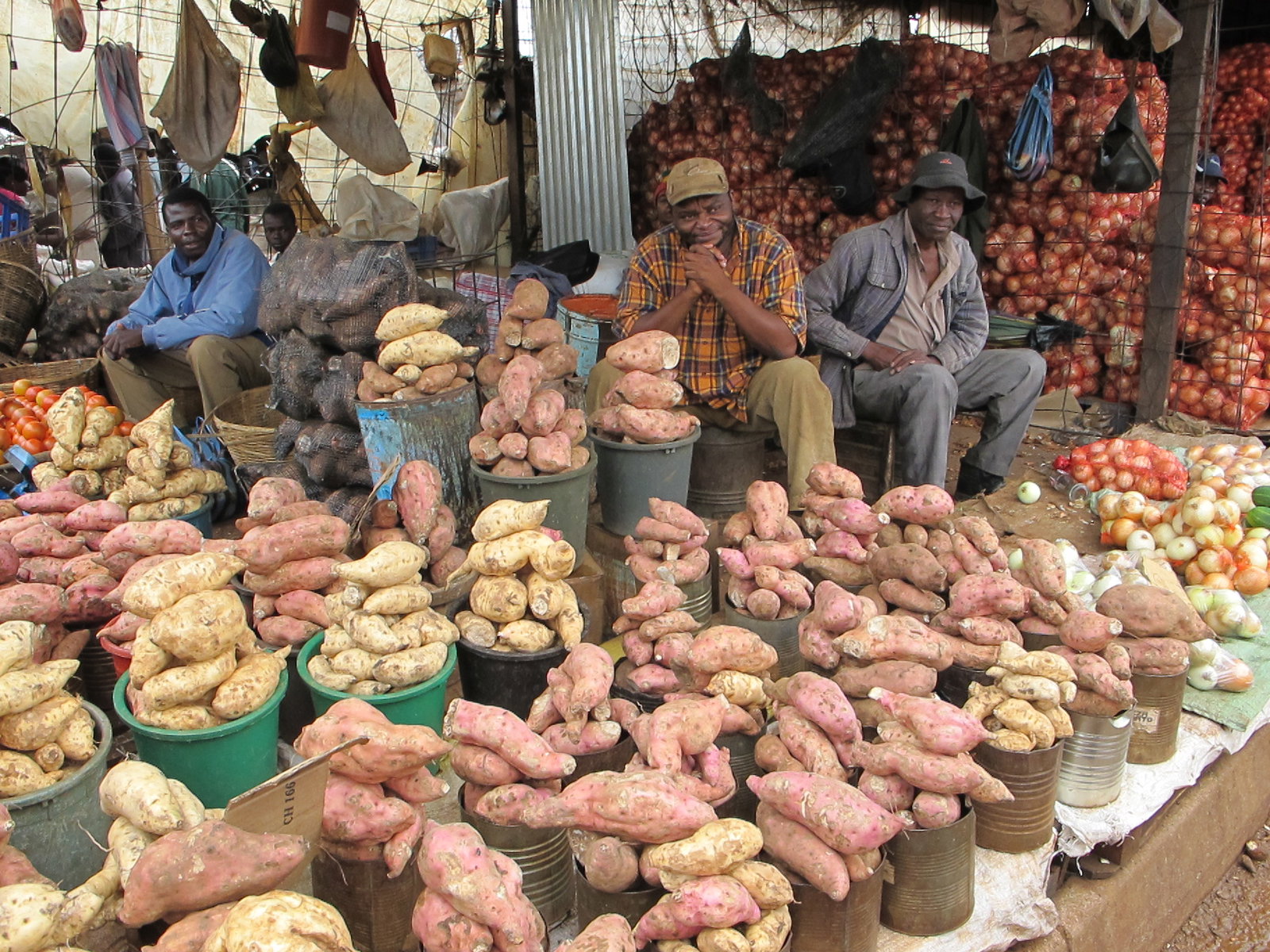
  • Mbare Musika, one of southern Africa's largest urban markets, is an assault on the senses in the best possible way
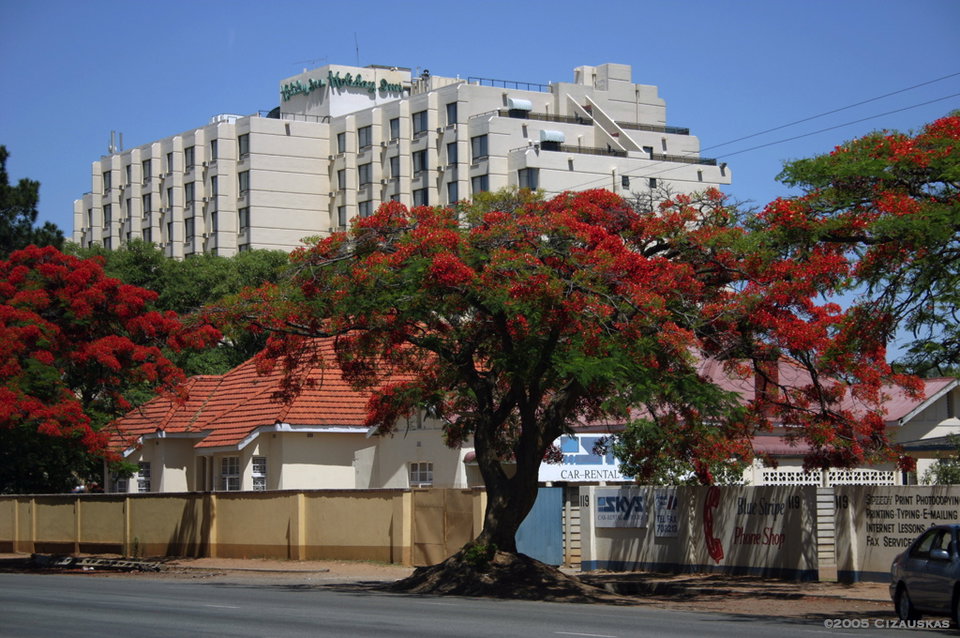
  • Jacaranda season (October–November) turns every boulevard brilliant violet — one of Africa's great urban spectacles
  • Direct flights and road links make Harare the perfect launchpad for Victoria Falls, Great Zimbabwe, and the Eastern Highlands
  • A growing restaurant and craft-beer scene, with Borrowdale and Avondale leading the charge

Best for

Culture lovers, art collectors, foodies, urban explorers, and travellers building a wider Zimbabwe itinerary

Trip style

City break, cultural immersion, gateway hub

Known for

Shona sculpture, jacaranda-lined streets, the National Gallery, Mbare Musika market, highveld climate

Quick facts

Best time to visit

April to August (dry season, cooler temperatures, clear skies)

Currency

USD (US Dollar) is the dominant currency for tourists; Zimbabwe Gold (ZiG) also in circulation

Languages

English (official and widely spoken), Shona, Ndebele

Visa summary

Most nationalities (including UK, US, EU, Australian) can obtain a visa on arrival or apply online via eVisa. Cost is typically USD 50–75 for single entry. KAZA Univisa covers Zimbabwe and Zambia.

Flight time from Nairobi

Approx. 2 h 30 min (Nairobi NBO to Harare HRE, direct)

Airport / arrival

Robert Gabriel Mugabe International Airport (HRE) is 15 km south-east of the city centre. Taxis and ride-hail apps (InDriver, Vaya) available; journey roughly 30–45 min.

Safety note

Harare is generally safe for tourists who stay alert in crowds and use recommended transport. Avoid the CBD after dark and keep valuables discreet.

Visa and entry

Look up entry rules by passport for travel to Zimbabwe on the Tsavaro visa checker.

Check visa requirements for Zimbabwe

Things to do

National Gallery of ZimbabweCulture & Art

National Gallery of Zimbabwe

2–3 hours

The country's premier fine-art institution holds a permanent collection spanning Shona sculpture, colonial-era art, and cutting-edge contemporary work. Rotating exhibitions frequently feature internationally recognised Zimbabwean artists. The sculpture garden alone is worth the visit.

Chapungu Sculpture ParkCulture & Art

Chapungu Sculpture Park

2–3 hours

Set in a leafy 5-hectare garden in Msasa, Chapungu displays over 100 monumental Shona sculptures amid indigenous trees. It doubles as a working studio where you can watch artists carving serpentine stone. The on-site gallery sells authenticated works at fair prices.

Mbare Musika MarketMarkets & Local Life

Mbare Musika Market

2–4 hours

Zimbabwe's largest and most atmospheric market buzzes with fresh produce, second-hand goods, traditional medicine stalls, and street food. Go with a local guide for the most rewarding experience and to navigate the sprawling layout confidently.

Harare Gardens & National Botanical GardenNature & Parks

Harare Gardens & National Botanical Garden

1–3 hours

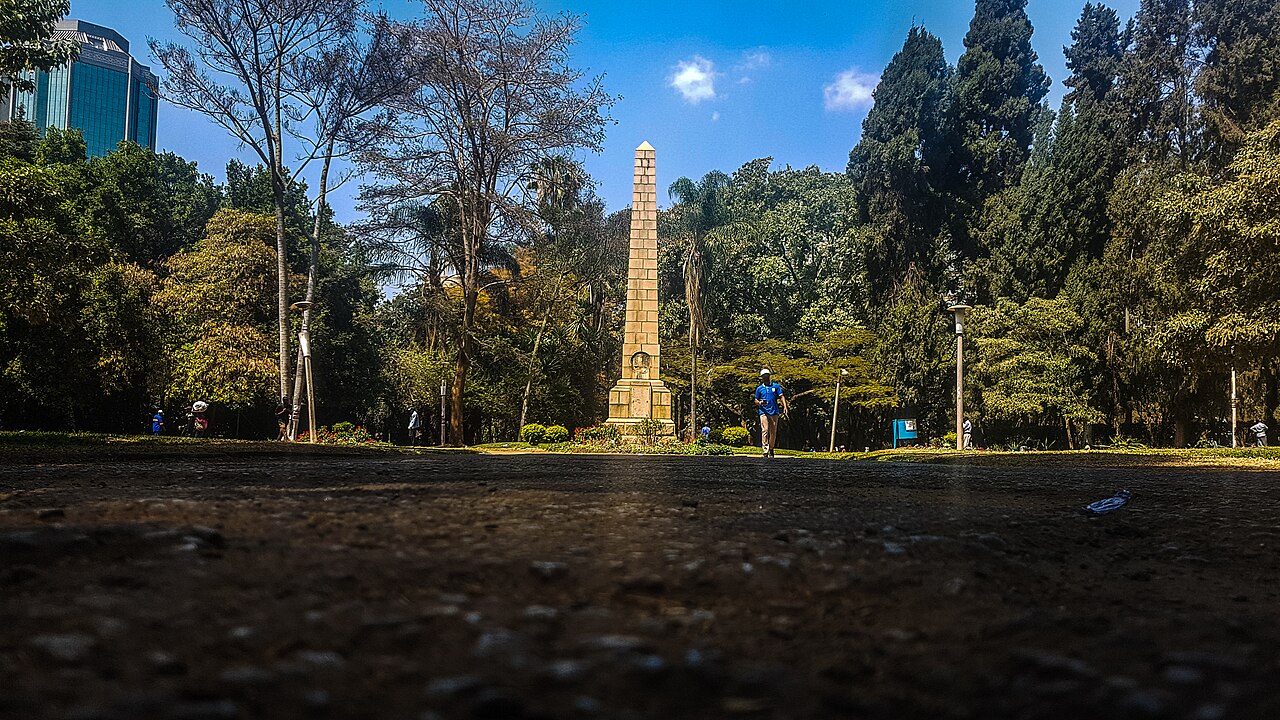
The manicured Harare Gardens in the city centre offer a green escape with an open-air theatre and weekend family events. The nearby National Botanical Garden preserves over 900 indigenous plant species across 68 hectares — brilliant for a quiet afternoon stroll.

Mukuvisi WoodlandsNature & Wildlife

Mukuvisi Woodlands

2–4 hours

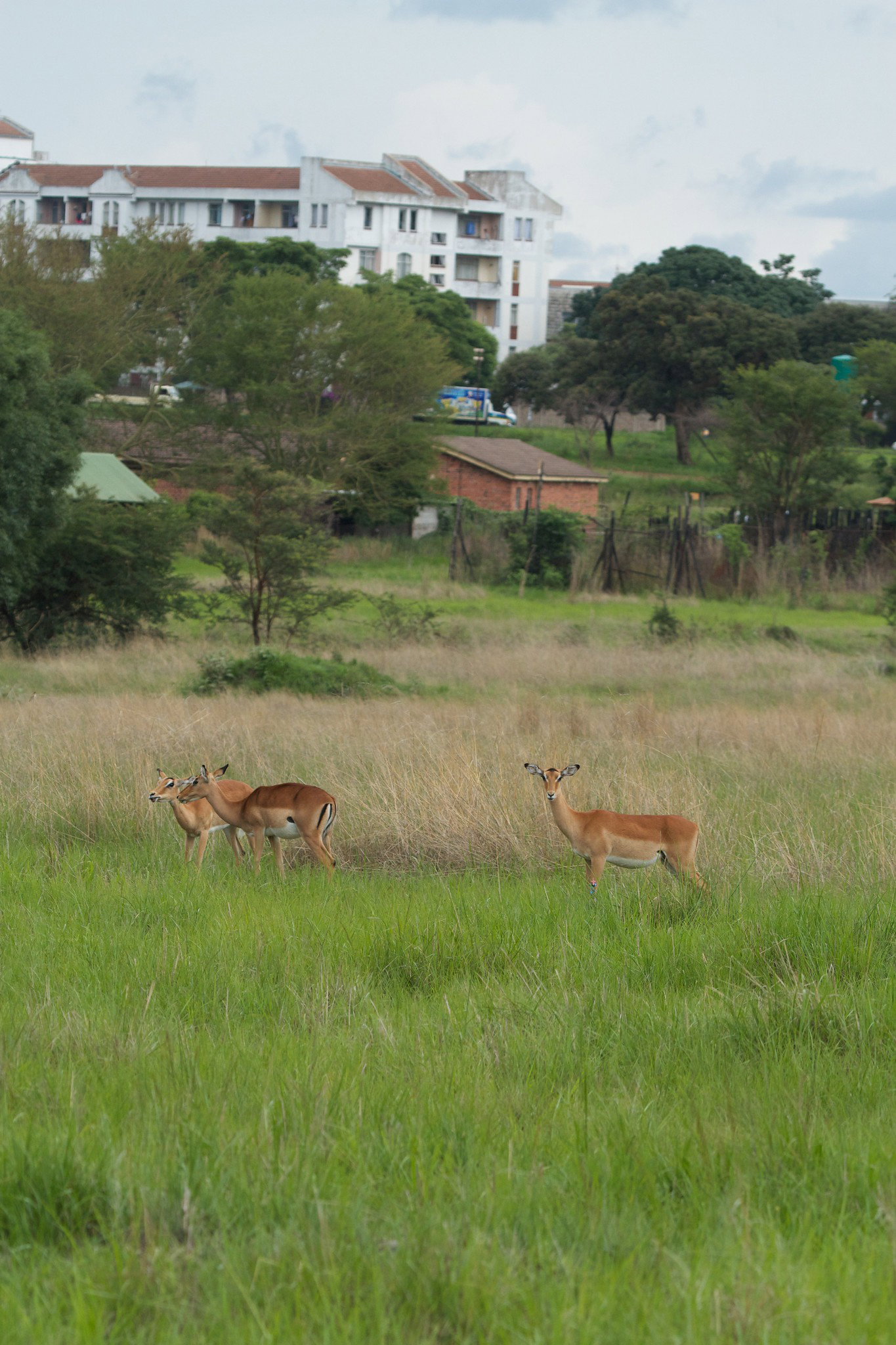
A 265-hectare urban wildlife sanctuary where giraffe, zebra, and a variety of antelope roam freely within city limits. Guided walks, horse rides, and a children's environmental centre make it ideal for families or travellers who want a wildlife fix without leaving town.

Day Trip to Lake ChiveroDay Trip & Nature

Day Trip to Lake Chivero

Half to full day

Just 37 km south-west of the city, Lake Chivero's recreational park offers boat trips, game drives (rhino, zebra, wildebeest), and birdwatching on the reservoir. A rewarding half-day or full-day excursion easily combined with a lakeside picnic.

Best time to visit Harare

The best time to visit Harare is April to August, during Zimbabwe's dry season, when skies are clear, temperatures are comfortable (18–25 °C by day), and the nights are pleasantly cool. This is the ideal window for sightseeing, outdoor markets, and excursions to nearby parks.

April–May (Early Dry Season): The rains have just ended, so the city is lush and green while dust is minimal. Temperatures are warm but not extreme. Excellent all-round timing.

June–August (Peak Dry Season): The coolest months, with overnight temperatures occasionally dropping below 10 °C in July. Days remain sunny and dry — the best time for outdoor activity. Some mornings can be hazy from winter fires on the plateau.

September–October (Hot Dry Season): Temperatures climb to 30 °C+ and dust increases as the land dries out. October is also the start of jacaranda season, when the city's streets turn a spectacular violet — worth planning around. Can feel hot and dry.

November–March (Rainy Season): Afternoon thunderstorms are common, often dramatic but short-lived. The city turns vivid green, jacarandas give way to flowering flamboyants, and birdlife peaks. Humidity is higher but still manageable at altitude. Accommodation rates are lower. A perfectly viable time to visit if you don't mind occasional rain.

Is Harare safe to visit?

Yes — Harare is generally safe for tourists who take the same common-sense precautions you would in any large African city. The majority of visitors complete their trip without incident, and Zimbabweans are widely regarded as among the most hospitable people on the continent.

Areas & times to be aware of: The CBD (central business district) is busy and safe during daylight hours but quieter — and best avoided on foot — after dark. Mbare market is rewarding with a local guide but can be disorienting alone. Stick to well-lit areas at night and use trusted transport rather than walking between venues after sunset.

Transport safety: Use recommended taxis called through your hotel, or InDriver / Vaya ride-hail apps rather than flagging random vehicles. Kombis (shared minibuses) are used by locals but can be chaotic for first-time visitors.

Health: Harare sits above the malaria belt, so the city itself carries minimal malaria risk — but take precautions if you are travelling on to Victoria Falls, the Zambezi Valley, or Lake Kariba. Tap water quality can be variable; stick to bottled or filtered water. Standard travel vaccinations (hepatitis A, typhoid) are recommended.

Valuables & scams: Keep phones and cameras discreet in busy public spaces. Opportunistic theft — bag-snatching or phone grabs — is the most common risk, largely avoidable with basic awareness. Currency touts near the CBD may offer illegal parallel exchange rates; decline politely.

Overall: With reasonable precautions and a local contact or reputable guide for market visits, Harare is a welcoming and rewarding city to explore.
Suggested itinerary

3 Days in Harare: Art, Markets & Garden City Life

This plan is designed for a first-time visitor with a moderate pace, staying centrally in the Avondale or Borrowdale area. It covers the city's cultural highlights, local markets, and a half-day excursion, with evenings free for dining and live music. Budget mid-range (USD 80–150/day including accommodation).

Day 1

Art, Sculpture & the City Centre

Start the morning at the National Gallery of Zimbabwe on Julius Nyerere Way — allow at least two hours for the permanent Shona sculpture collection and any temporary exhibitions. Walk south to African Unity Square, a pleasant colonial-era garden perfect for a coffee stop, and take in the Parliament of Zimbabwe building opposite.

After lunch at a nearby cafe, make your way to Kopje Hill for panoramic views over the city — the rocky outcrop was the original settlement site and still offers the best urban vantage point. In the late afternoon, head to the Mbare Musika Market for a guided walk through the chaotic, colourful produce and craft stalls before the vendors pack up at dusk.

End the day with dinner in Avondale — Gava's Restaurant or a similar local favourite for traditional Zimbabwean dishes.

Harare — Art, Sculpture & the City Centre

Travel essentials

Getting around

The most practical way to get around Harare is by app-based ride-hail (InDriver and Vaya are the leading platforms) or by booking taxis through your hotel. Distances between attractions in the northern suburbs (Avondale, Borrowdale, Msasa) are moderate — expect 15–30 min between major sights. Car hire is available at the airport and through hotels for those wanting to self-drive. Public kombis (minibuses) are cheap but crowded and confusing for first-time visitors.

Typical costs

Harare is affordable by regional standards. Budget travellers can get by on USD 40–60/day (guesthouse, local meals, kombis). Mid-range visitors typically spend USD 80–150/day (comfortable hotel or Airbnb, restaurant meals, taxis). A sit-down restaurant meal for two with drinks costs USD 20–50 at a decent Borrowdale eatery. Entry to the National Gallery is under USD 5; Chapungu Sculpture Park around USD 5–10.

Culture and etiquette

Zimbabweans place great value on respectful greetings — always say hello before asking a question or making a request. Shona greetings (Mhoro for hello, Maita basa for thank you) are warmly received. Dress modestly when visiting markets and religious sites. Photography of people always requires permission; many locals are happy to oblige when asked. Tipping (10% in restaurants, USD 1–2 for guides) is appreciated but not always expected.

Safety and planning

Register your visit with your home country's embassy if you plan an extended stay. Keep photocopies of your passport and visa separate from the originals. Use ATMs inside banks or shopping centres (Sam Levy's Village, Avondale) rather than street machines. Travel insurance covering medical evacuation is strongly recommended; South Africa's Netcare or Johannesburg hospitals are the regional medical referral points.

Connectivity

4G LTE coverage is good across the city and suburbs. The main mobile networks are Econet Wireless and NetOne — buy a local SIM at the airport or any network shop (bring your passport). A 5 GB data bundle costs around USD 5–10. Most hotels, guesthouses, and cafes offer Wi-Fi, though speeds can be inconsistent at budget properties.

Payments

USD cash is king for tourists — carry small denominations (USD 1, 5, 10) as change can be scarce. Zimbabwe Gold (ZiG) is accepted at local markets but the USD rate is often more favourable for visitors. Credit and debit cards (Visa/Mastercard) are accepted at larger hotels, supermarkets, and restaurants in Borrowdale and Avondale. Avoid carrying large amounts of cash in the CBD.

Harare travel FAQs

More destinations to explore