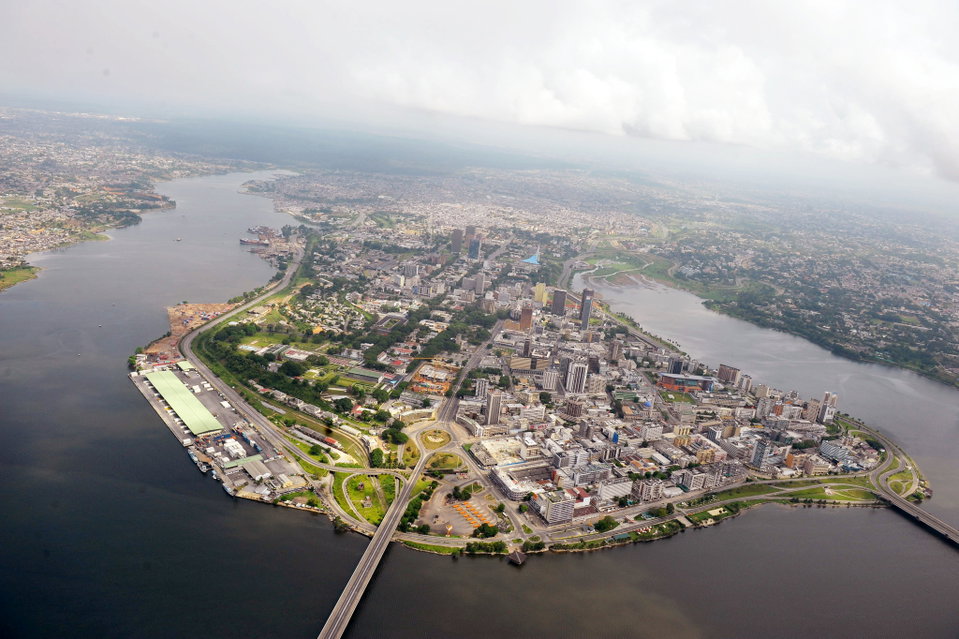
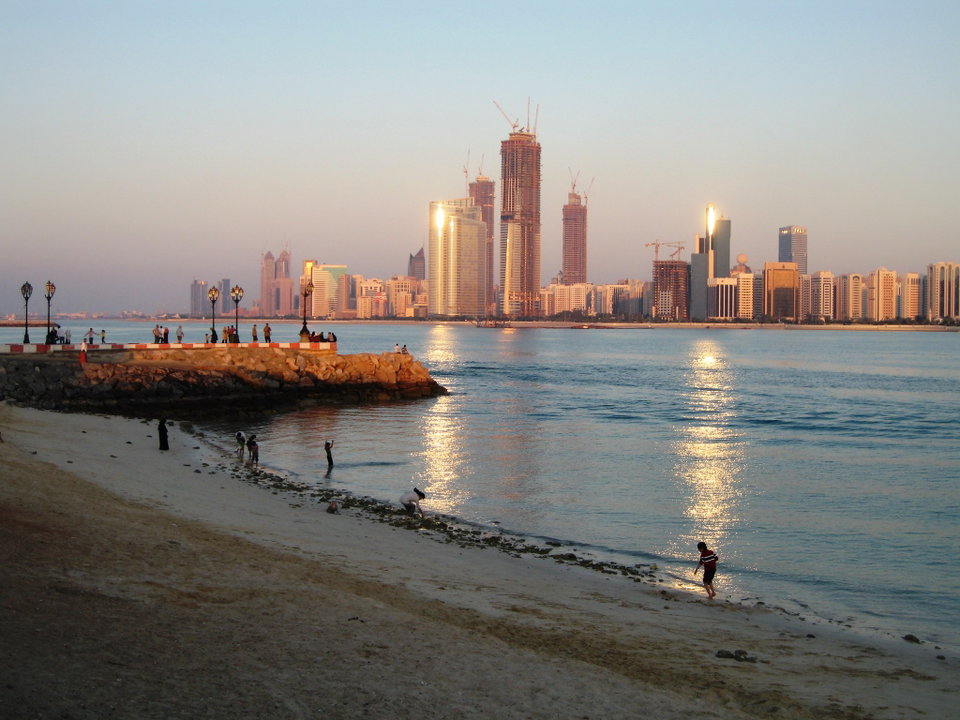
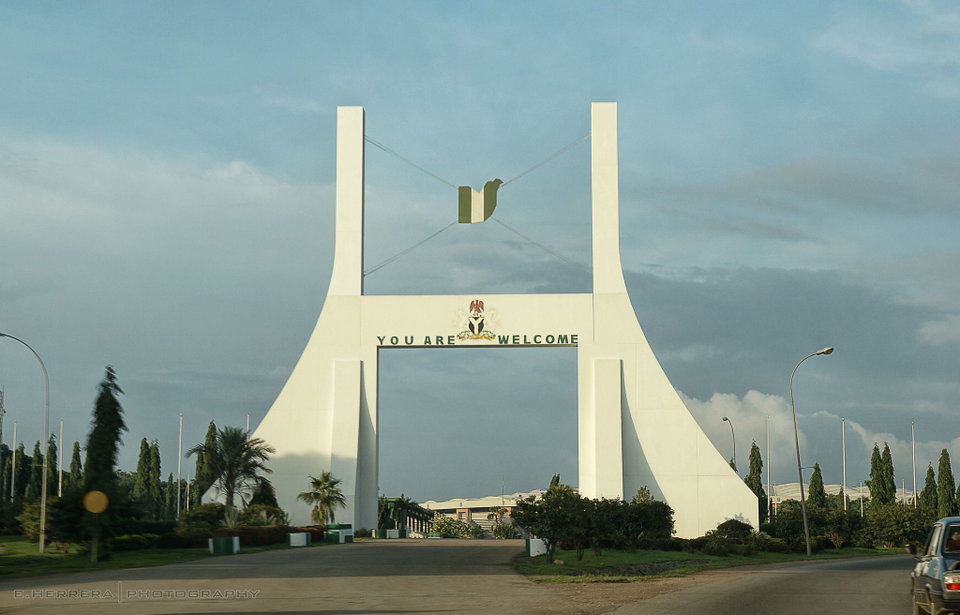
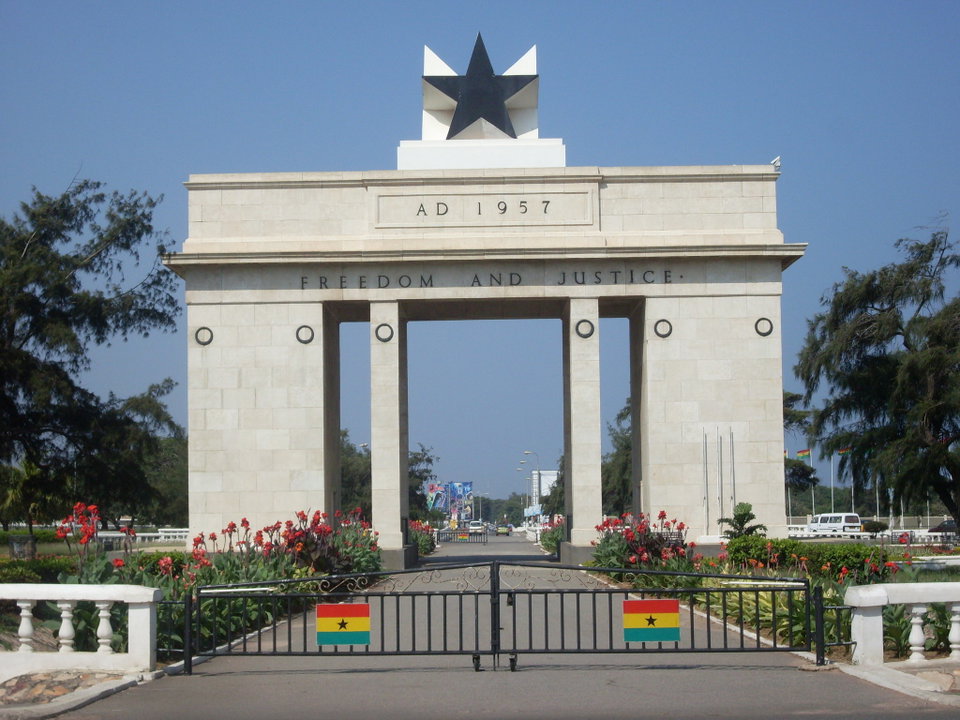
Kinshasa skyline at dusk with the Congo River glimmering in the background

Destination guide

Kinshasa

Congo River Basin, Central Africa · Democratic Republic of the Congo

Africa's pulsating megacity on the banks of the mighty Congo River

Best season

June to August (dry season, cooler and less humid)

From Nairobi

Approximately 3 hours 15 minutes non-stop

Why visit Kinshasa?

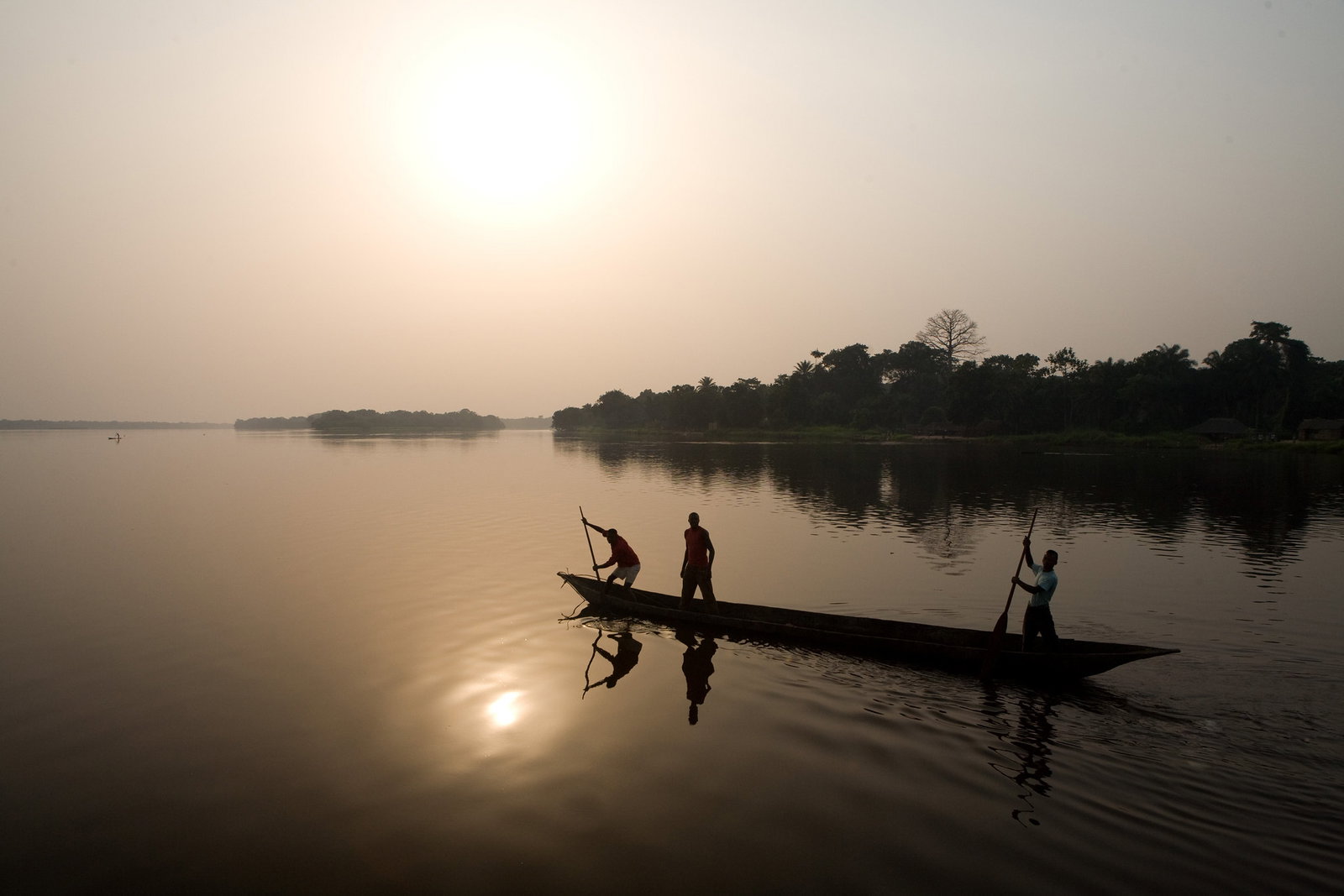
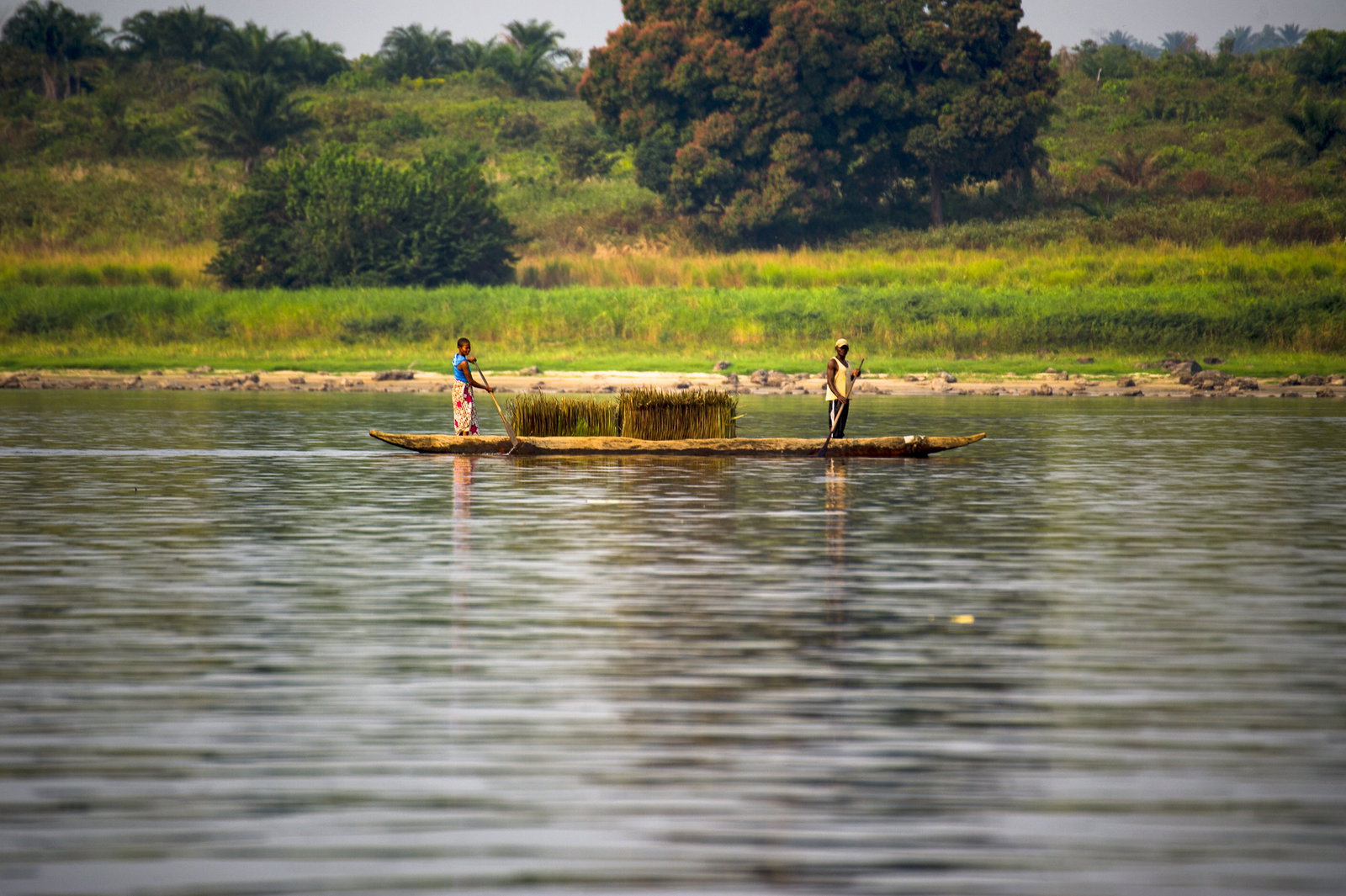
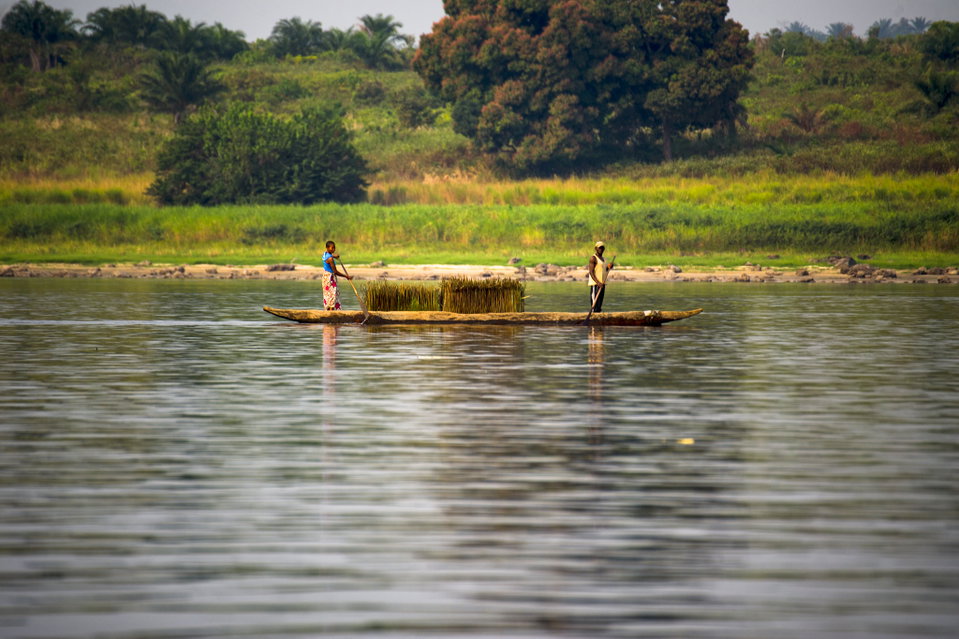
Kinshasa is not a destination for the timid — it is a destination for the curious. Few cities on earth compress so much creative energy, historical weight, and raw urban vitality into one place. The city gave the world soukous, produced painters whose canvases sell at Christie's, and houses the Académie des Beaux-Arts, one of Africa's oldest art schools. The Congo River — the world's second-deepest river — rolls past the city in a vast, dark sweep, and watching a pirogue ferry cross toward Brazzaville at golden hour is one of Central Africa's great spectacles.

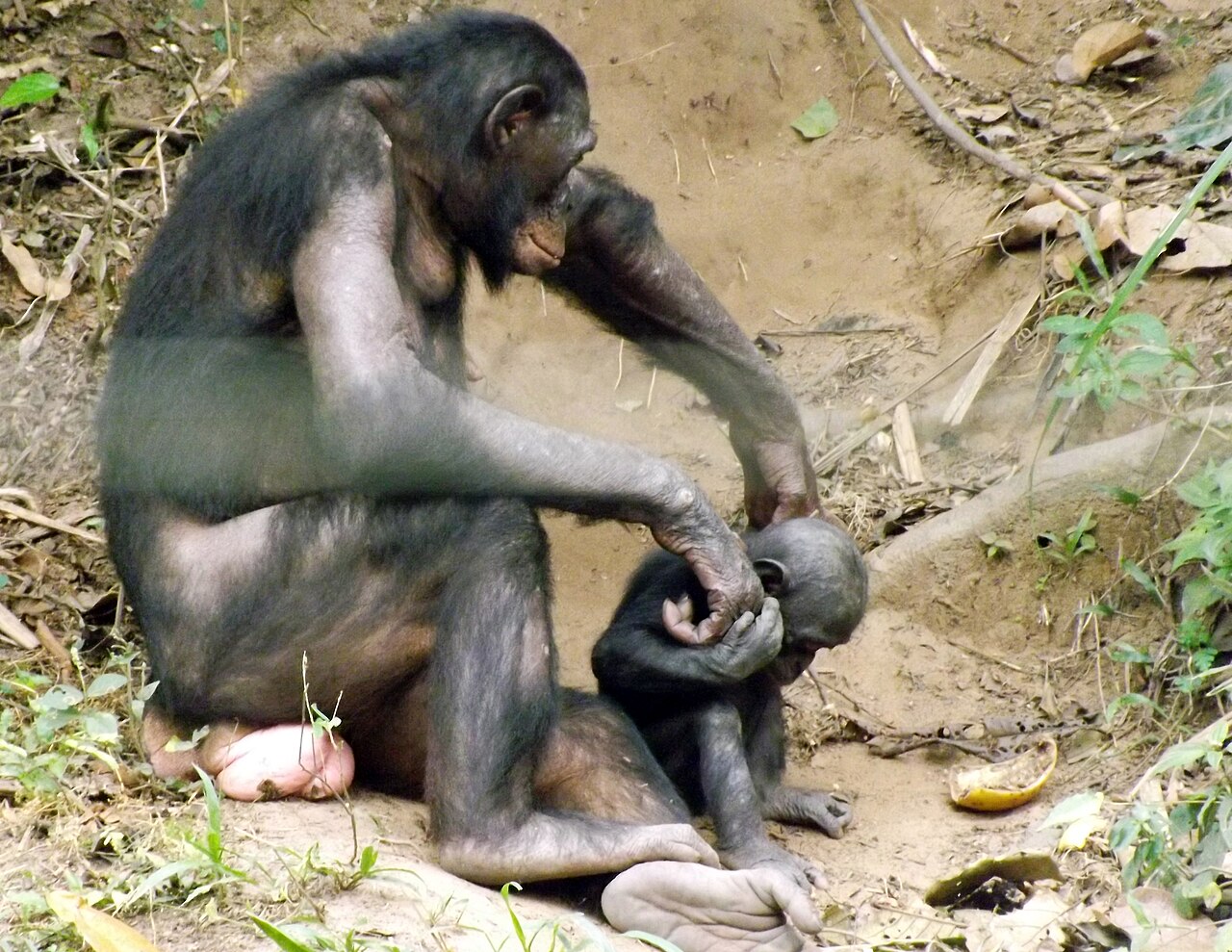
Beyond the culture, Kinshasa is a launchpad. Boat journeys up the Congo River into the interior are still one of the planet's great slow-travel adventures. Day trips to the Lola ya Bonobo sanctuary let you observe bonobos — humanity's closest relative — in a forested reserve just 30 minutes from the city. The street food scene is tremendous: grilled tilapia with pondu (cassava leaves), liboke (fish steamed in banana leaves), and fresh sugarcane juice served on every corner. For travelers who thrive on complexity, Kinshasa is unforgettable.

  • Stand on the banks of the Congo River — the world's second-largest by discharge — and watch life move at pirogue pace
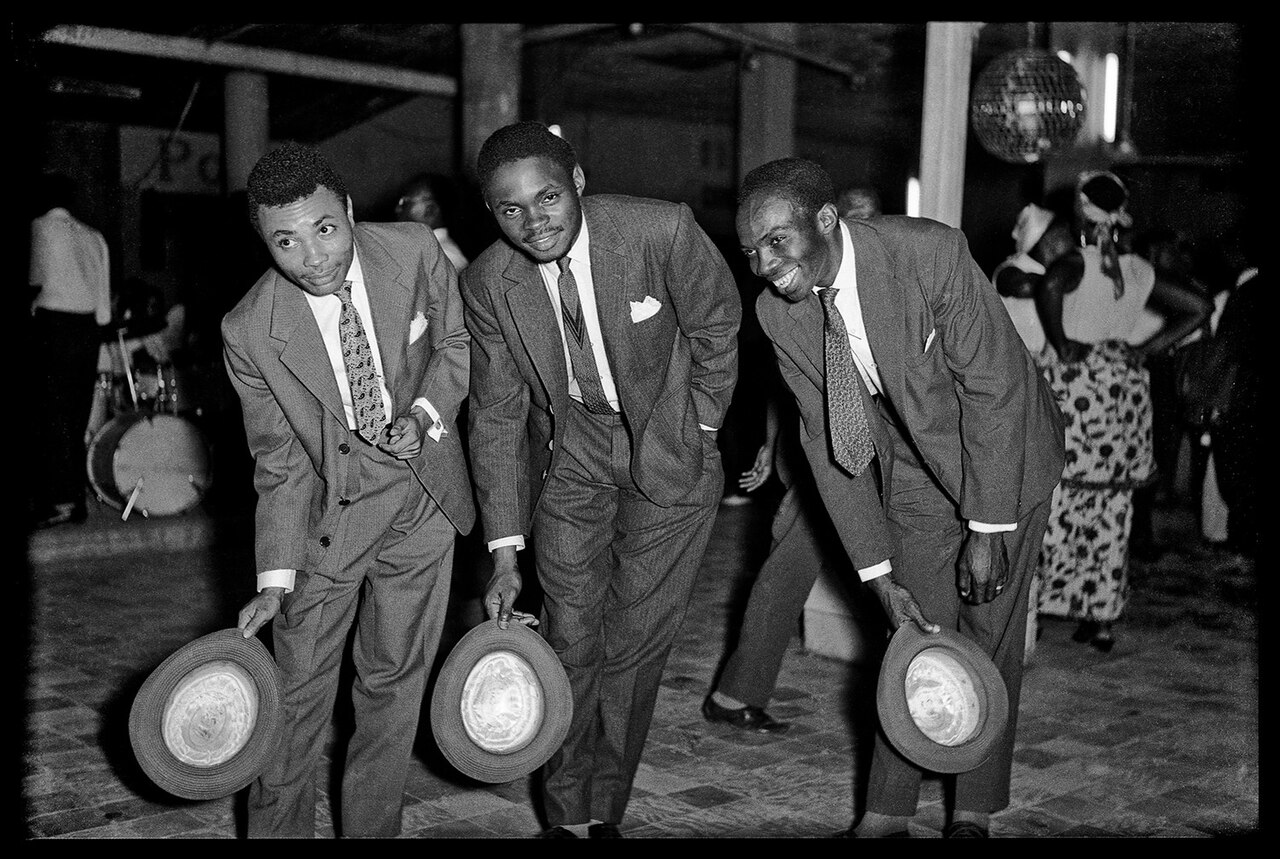
  • Lose yourself in a live rumba or ndombolo session at one of Matonge's legendary nganda clubs
  • Meet bonobos face-to-face at Lola ya Bonobo, the world's only bonobo sanctuary, a 30-minute drive from downtown
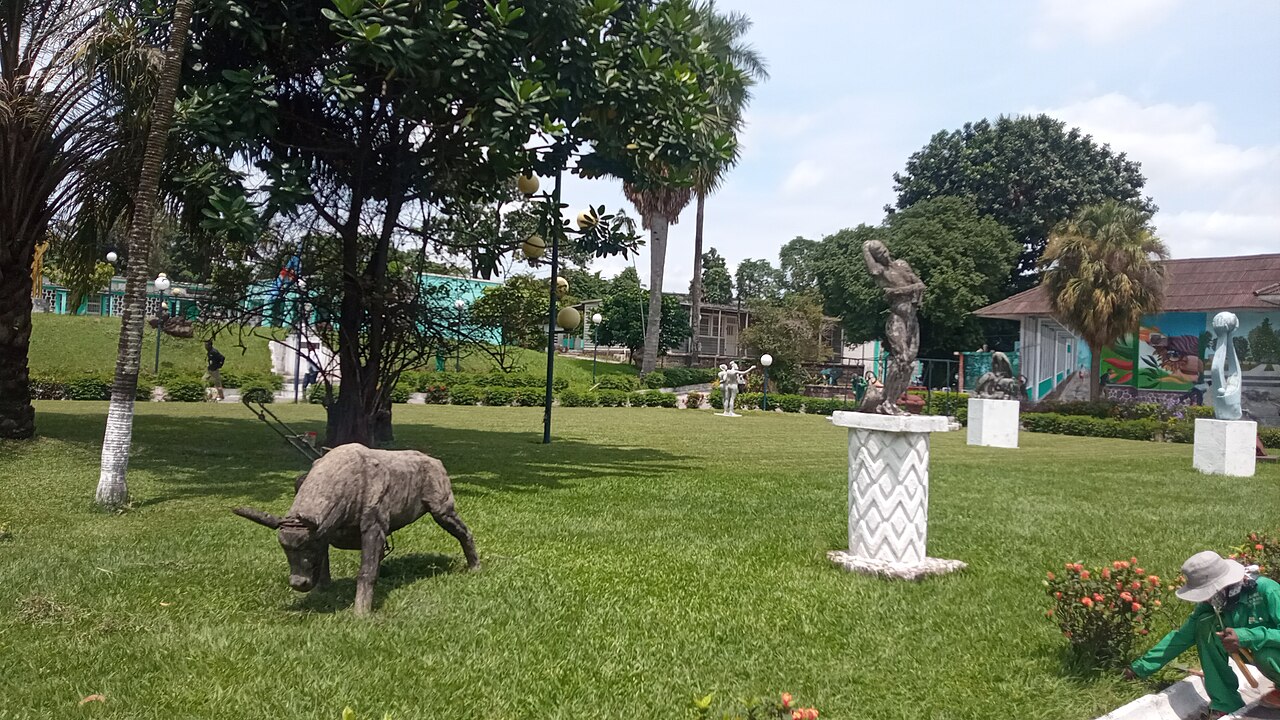
  • Discover a thriving contemporary art scene anchored by the Académie des Beaux-Arts and independent galleries in Gombe
  • Board a slow river barge heading into the heart of the Congo Basin — one of Africa's last great travel frontiers
  • Feast on grilled tilapia, liboke, and saka-saka at a riverside restaurant as the city's soundtrack pulses around you

Best for

Adventurous city explorers, music lovers, contemporary art enthusiasts, and travelers beginning a Congo River journey

Trip style

Urban adventure, cultural immersion, off-the-beaten-path

Known for

Soukous and ndombolo music, the Congo River, contemporary Congolese art, Lola ya Bonobo sanctuary, vibrant street food

Quick facts

Best time to visit

June to August (dry season, cooler and less humid)

Currency

Congolese Franc (CDF); US dollars widely accepted for larger transactions

Languages

French (official); Lingala is the dominant street language

Visa summary

Visa required for most nationalities; apply in advance at a DRC embassy or consulate — e-visa available for some nationalities

Flight time from Nairobi

Approximately 3 hours 15 minutes non-stop

Airport / arrival

N'Djili International Airport (FIH) is 30 km east of the city centre; taxis and ride-hail apps (Yango) available

Safety note

Exercise heightened vigilance; petty crime is common and some districts are best avoided after dark — travel with a trusted local contact or guide where possible

Visa and entry

Look up entry rules by passport for travel to Democratic Republic of the Congo on the Tsavaro visa checker.

Check visa requirements for Democratic Republic of the Congo

Things to do

Explore the Académie des Beaux-Arts and local galleriesCulture & Art

Explore the Académie des Beaux-Arts and local galleries

Half day

Founded in 1943, the Académie des Beaux-Arts has produced generations of world-renowned Congolese painters. Walk the campus, visit the on-site gallery, then explore independent commercial galleries in the Gombe district to find affordable original works by emerging artists.

Congo River waterfront and Malebo PoolSightseeing

Congo River waterfront and Malebo Pool

2–3 hours

Stroll the Boulevard du 30 Juin riverfront promenade and watch the spectacle of the Congo River at Malebo Pool — the vast, lake-like widening opposite Brazzaville. Sunsets here are stunning; local vendors sell roasted corn and cold Primus beer along the bank.

Live music at Matonge's nganda barsNightlife & Music

Live music at Matonge's nganda bars

Evening (4–5 hours)

Matonge is Kinshasa's legendary entertainment district. Spend an evening hopping between nganda bars where live bands play soukous and ndombolo into the early hours — the epicentre of a musical tradition that influenced African music from Abidjan to Johannesburg.

Lola ya Bonobo SanctuaryWildlife & Nature

Lola ya Bonobo Sanctuary

Half day

The world's only bonobo sanctuary rescues and rehabilitates orphaned bonobos in 30 hectares of forest 25 km south of the city. Guided walks bring you within metres of these highly intelligent, peace-loving great apes. Advance booking recommended; entry fees fund conservation.

Marché de la Liberté (Zando Market)Markets & Shopping

Marché de la Liberté (Zando Market)

2–3 hours

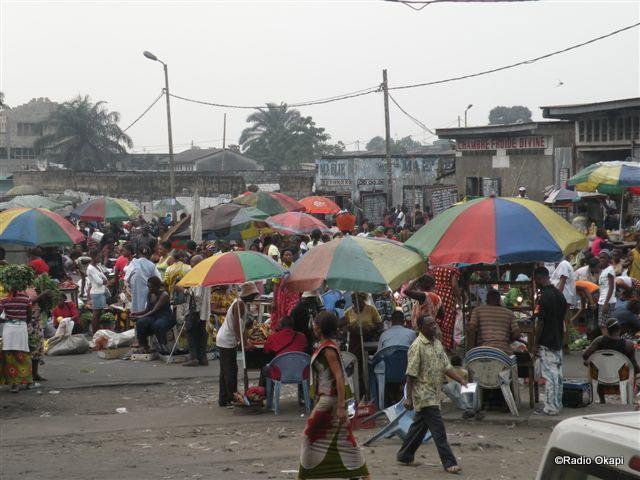
Kinshasa's largest open-air market is an assault on the senses — bolts of printed wax fabric, mountains of dried fish, herbal medicine stalls, and mobile-phone vendors packed into a labyrinthine grid of alleys. Arrive early and keep valuables secure; a local guide makes the experience far richer.

Musée National de la République Démocratique du CongoCulture & History

Musée National de la République Démocratique du Congo

2 hours

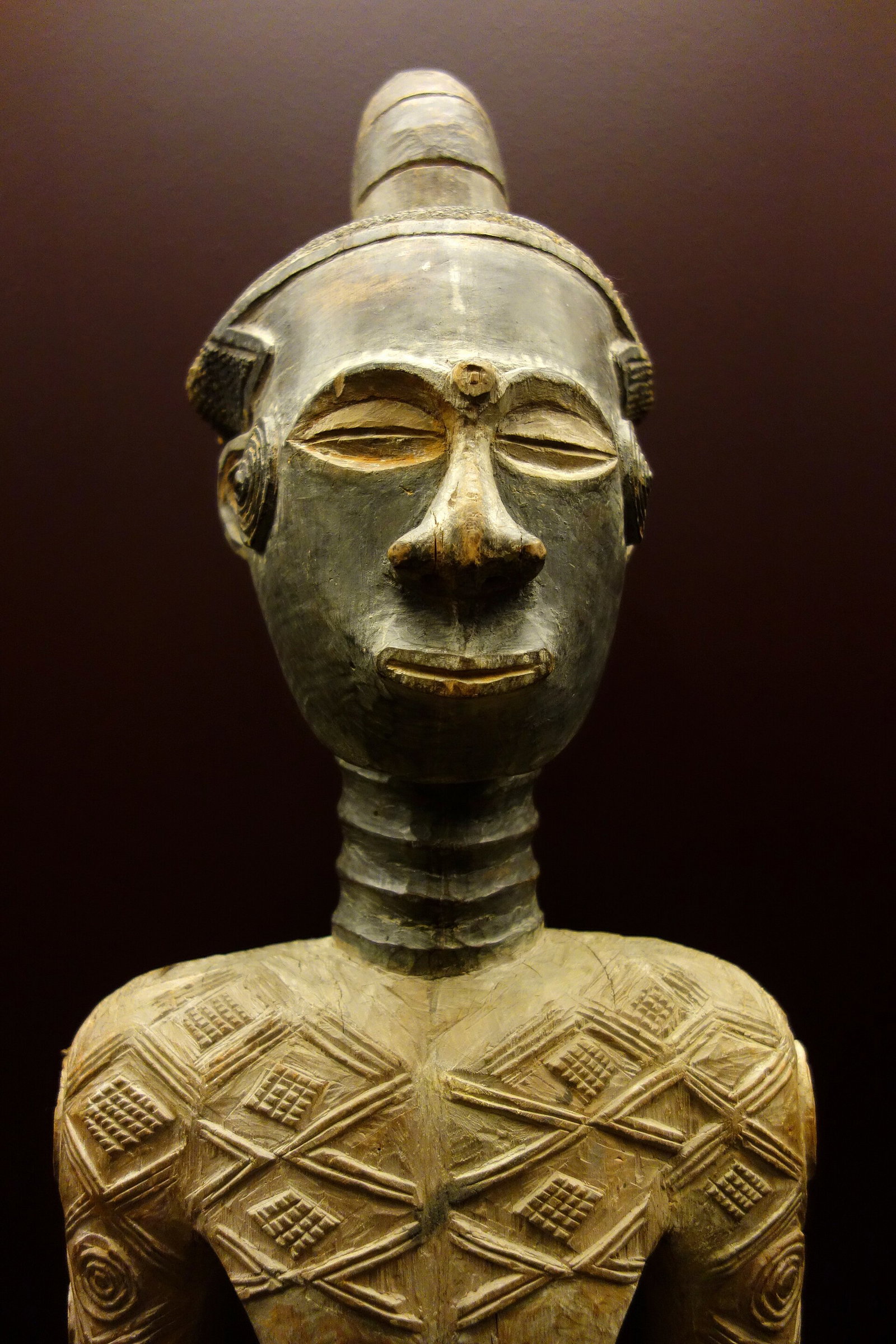
The national museum houses one of Central Africa's most important collections of traditional masks, ceremonial objects, and ethnographic artifacts from across the DRC's 450-plus ethnic groups. Though resources are limited, the collection is extraordinary and undervisited.

Congo River ferry to BrazzavilleDay Trips & Excursions

Congo River ferry to Brazzaville

Half to full day

Cross the Congo River on the short but iconic ferry linking two national capitals — Kinshasa and Brazzaville — separated by less than 4 km of water (the closest pair of capital cities in the world). A half-day excursion with the right visa paperwork gives you a taste of both cities.

Chutes de la Lukaya (Lukaya Falls) day tripNature & Day Trips

Chutes de la Lukaya (Lukaya Falls) day trip

Full day

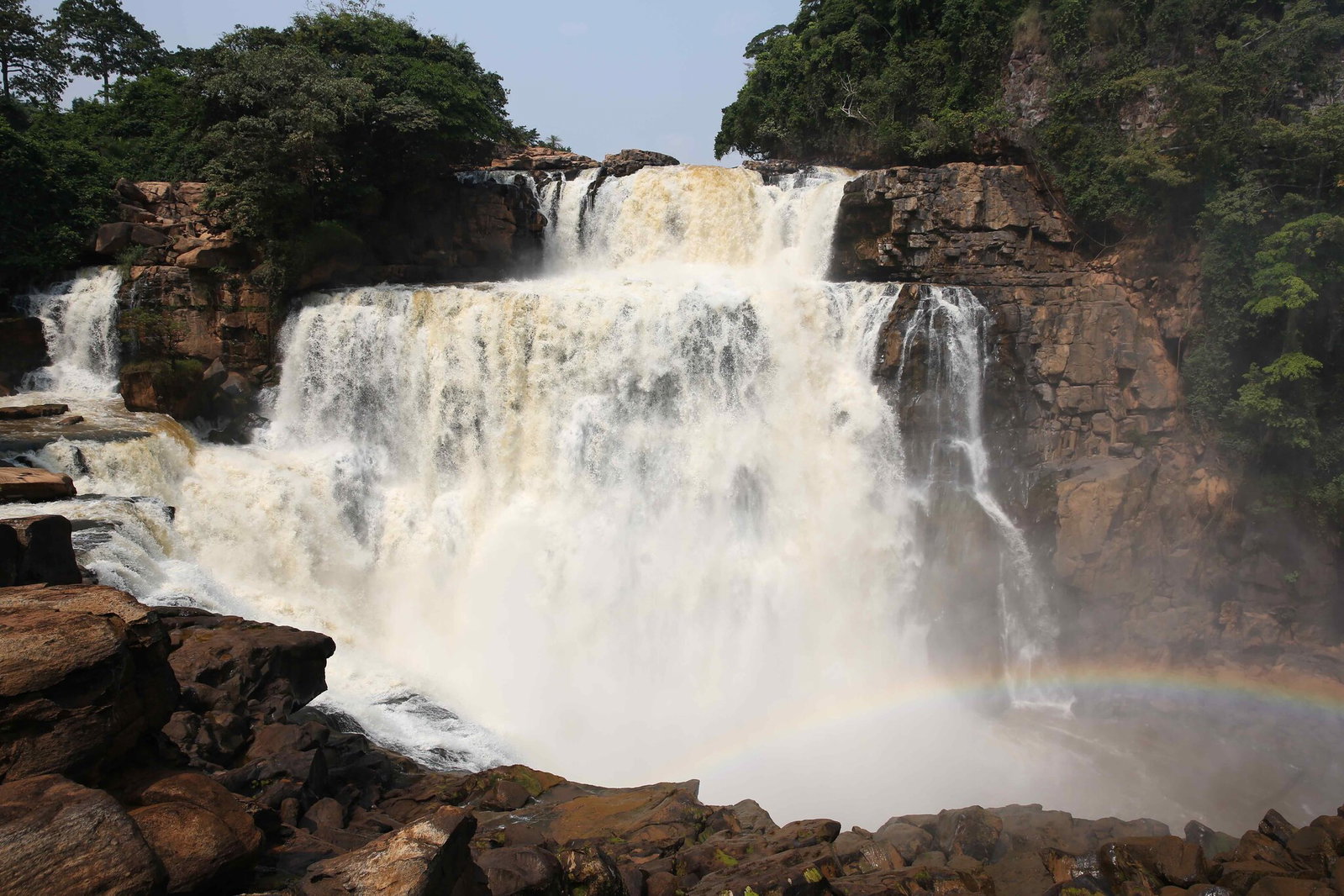
A 2–3 hour drive south of Kinshasa brings you to the scenic Lukaya Falls on the Inkisi River — a favourite weekend escape for Kinshasa residents. Bring a picnic and swimming gear; the river pools are refreshing and the forest canopy provides welcome shade.

Best time to visit Kinshasa

The best time to visit Kinshasa is June through August, during the city's main dry season. Temperatures are cooler (averaging 22–26°C), humidity drops noticeably, and rain is rare — making this the most comfortable window for sightseeing, river excursions, and outdoor markets.

December to February brings a shorter secondary dry period that is also a reasonable time to visit, though it is hotter (up to 32°C) and more humid than the June–August window.

March to May and September to November are the main rainy seasons. Afternoon downpours can be intense and short-lived, roads flood quickly, and the heat and humidity are at their most oppressive. That said, Kinshasa is a year-round city — music, markets, and galleries don't pause for rain — so budget travelers who don't mind occasional showers can save significantly on accommodation during the wet seasons.

Note that school holiday peaks (July–August and Christmas–New Year) push up hotel rates in Gombe, so book accommodation well in advance if visiting in the heart of dry season.

Is Kinshasa safe to visit?

Kinshasa is manageable for experienced, prepared travelers — but it requires more caution than most African capitals. Petty crime, including phone snatching, bag theft, and opportunistic pick-pocketing, is common, particularly around markets, the Port de Kinshasa, and busy roadsides. Avoid displaying expensive cameras, phones, or jewellery in public, and keep copies of your passport and visa separate from the originals.

Road safety is a genuine concern: traffic is chaotic, road conditions vary widely, and driving at night outside the Gombe district is not advisable. Yango (a local ride-hail app) is safer and more accountable than flagging random taxis.

Some outlying communes (Masina, Ndjili, and parts of Lemba) have higher crime rates and are best avoided by first-time visitors without a trusted local contact. The Gombe district, where most hotels and embassies are concentrated, is considerably safer.

Working with a reputable local guide or tour operator is strongly recommended — not just for safety but because Kinshasa's bureaucratic and logistical landscape is genuinely complex. Check your government's travel advisory before departure and register with your embassy on arrival for extended stays.

Medical facilities are limited; ensure you have comprehensive travel insurance with medical evacuation cover, and carry a basic first-aid kit. Yellow fever vaccination is mandatory for entry.
Suggested itinerary

Kinshasa in 4 Days: City, Culture & River

This plan is paced for a first-time visitor using Kinshasa as a base — no overnight river trips required. It assumes mid-range accommodation in the Gombe district, private taxi or Yango app for transport, and a tolerance for spontaneous detours. Budget roughly USD 80–150/day covering stays, food, guides, and entry fees.

Day 1

Arrive, orientate, and hit the riverfront

Check in to your hotel in Gombe and spend the afternoon walking the Boulevard du 30 Juin riverfront promenade. Watch the Congo River at Malebo Pool as the city winds down, then find a table at a riverside restaurant for grilled tilapia and cold Primus beer. In the evening, ask your hotel to recommend a safe nearby nganda bar for a first taste of live soukous.

Kinshasa — Arrive, orientate, and hit the riverfront

Travel essentials

Getting around

Yango (ride-hail app) is the safest and most convenient way to get around Kinshasa — always use it over flagging taxis on the street. Shared minibuses (fula-fula) are cheap but crowded and not recommended for visitors unfamiliar with the city. Renting a car with a driver through your hotel is the best option for full-day excursions. Traffic congestion is severe during morning and evening peak hours, especially on major arteries like Boulevard du 30 Juin and Avenue de la Libération.

Typical costs

Budget travelers can get by on USD 60–80/day staying in guesthouses and eating at local restaurants. Mid-range visitors spending on hotel accommodation in Gombe, private taxis, guided visits, and restaurant dinners should expect USD 120–200/day. Upmarket hotels (Pullman, Fleuve Congo) charge USD 180–280/night. Beer at a local bar costs USD 1–2; a grilled fish meal at a riverside restaurant runs USD 8–15.

Culture and etiquette

Greetings are important in Congolese culture — always acknowledge people you meet with a handshake and a few words in French or Lingala before getting to business. Dress modestly outside tourist areas; revealing clothing draws unwanted attention. Photography is a sensitive subject: never photograph government buildings, military personnel, police, or the port without explicit permission, as this can lead to confiscation of equipment or detention. Ask permission before photographing individuals. Lingala phrases ("Mbote" for hello, "Matondi" for thank you) are warmly appreciated.

Safety and planning

Ensure yellow fever vaccination documentation is up to date — it is checked at the airport. Malaria prophylaxis is strongly recommended; the DRC has one of the world's highest malaria burdens. Carry a full travel insurance policy that includes medical evacuation. Register with your country's embassy upon arrival for extended visits. Avoid travel after dark in unfamiliar districts, and always share your itinerary with someone you trust.

Connectivity

SIM cards from Airtel Congo and Vodacom Congo are available at the airport and across the city; data packages are affordable. 4G coverage is good across central Kinshasa and Gombe. Hotel Wi-Fi is widely available but can be slow. Mobile money (M-Pesa via Vodacom) is widely used for everyday transactions.

Payments

US dollars are accepted — and often preferred — for hotels, larger restaurants, and any substantial purchase. Congolese Francs (CDF) are essential for markets, street food, local transport, and small purchases. ATMs exist in Gombe (Rawbank, Equity Bank) but can be unreliable; bring sufficient USD cash. Credit cards are accepted at upmarket hotels and a handful of restaurants but are not reliable elsewhere.

Kinshasa travel FAQs

More destinations to explore

Kinshasa, Democratic Republic of the Congo