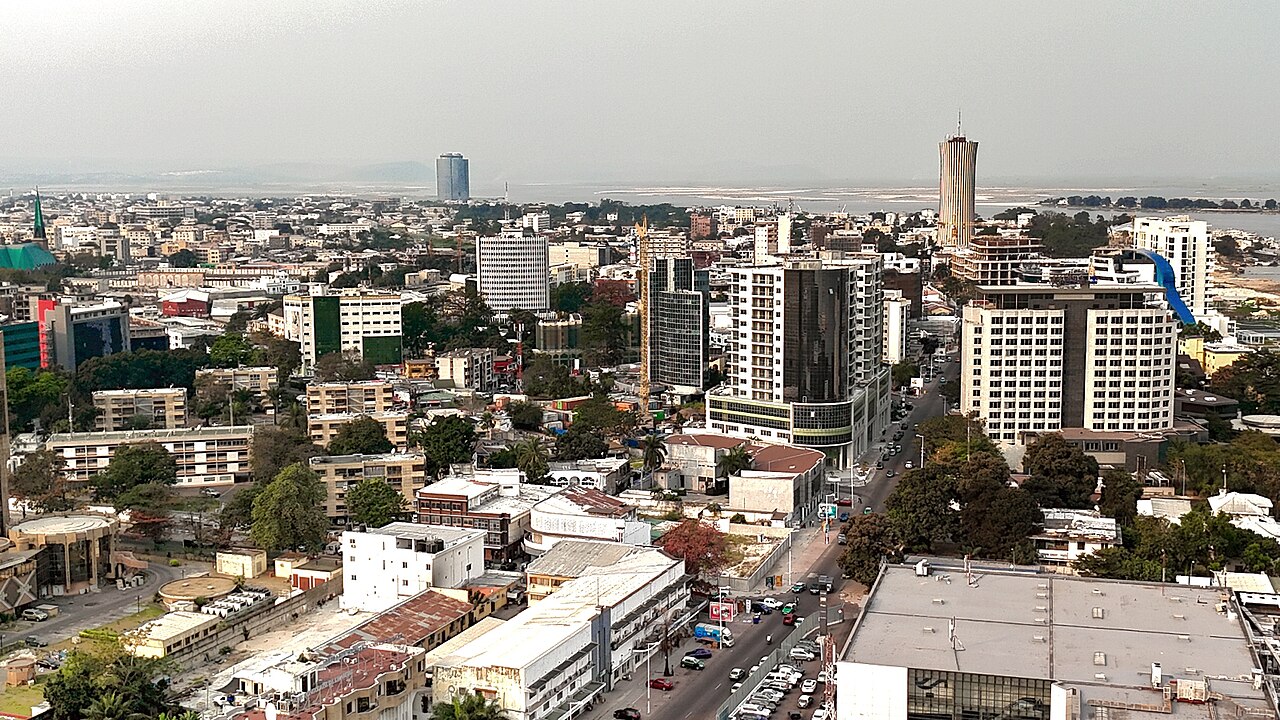
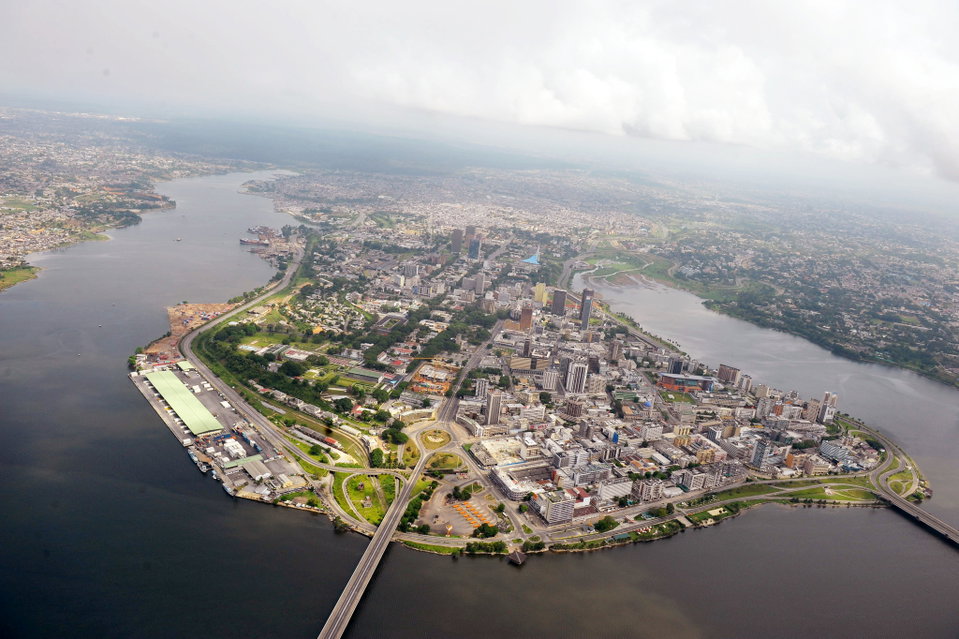
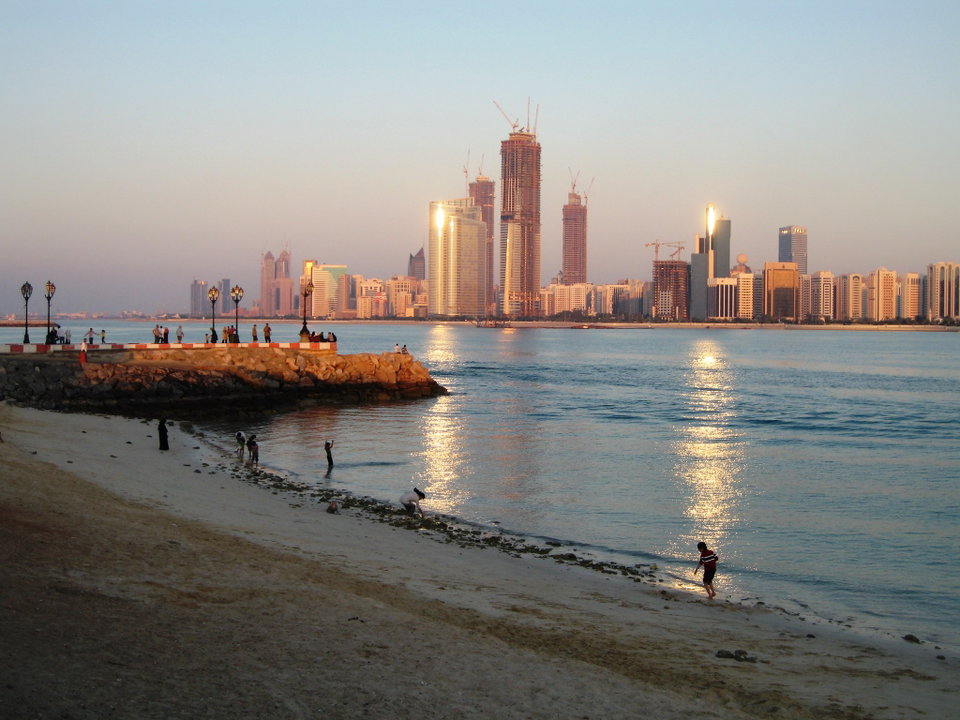
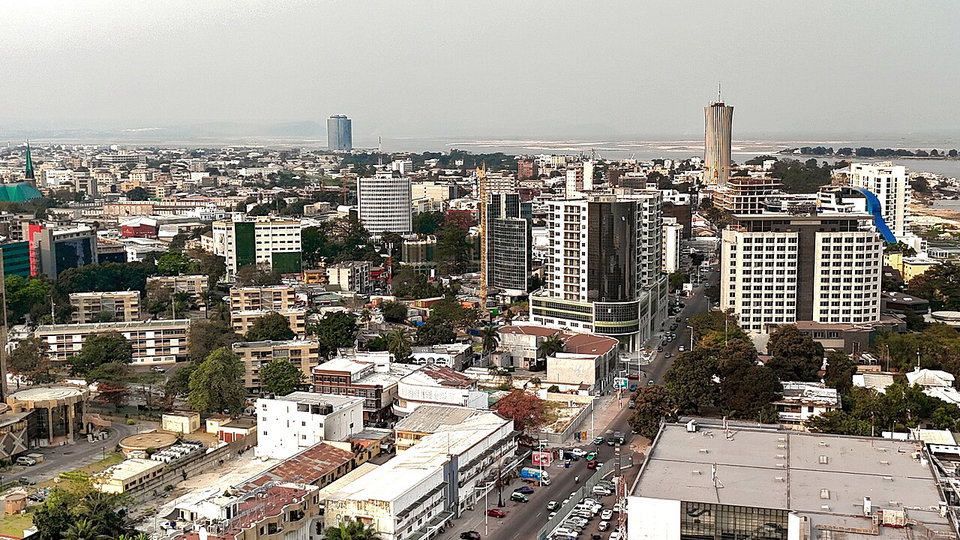
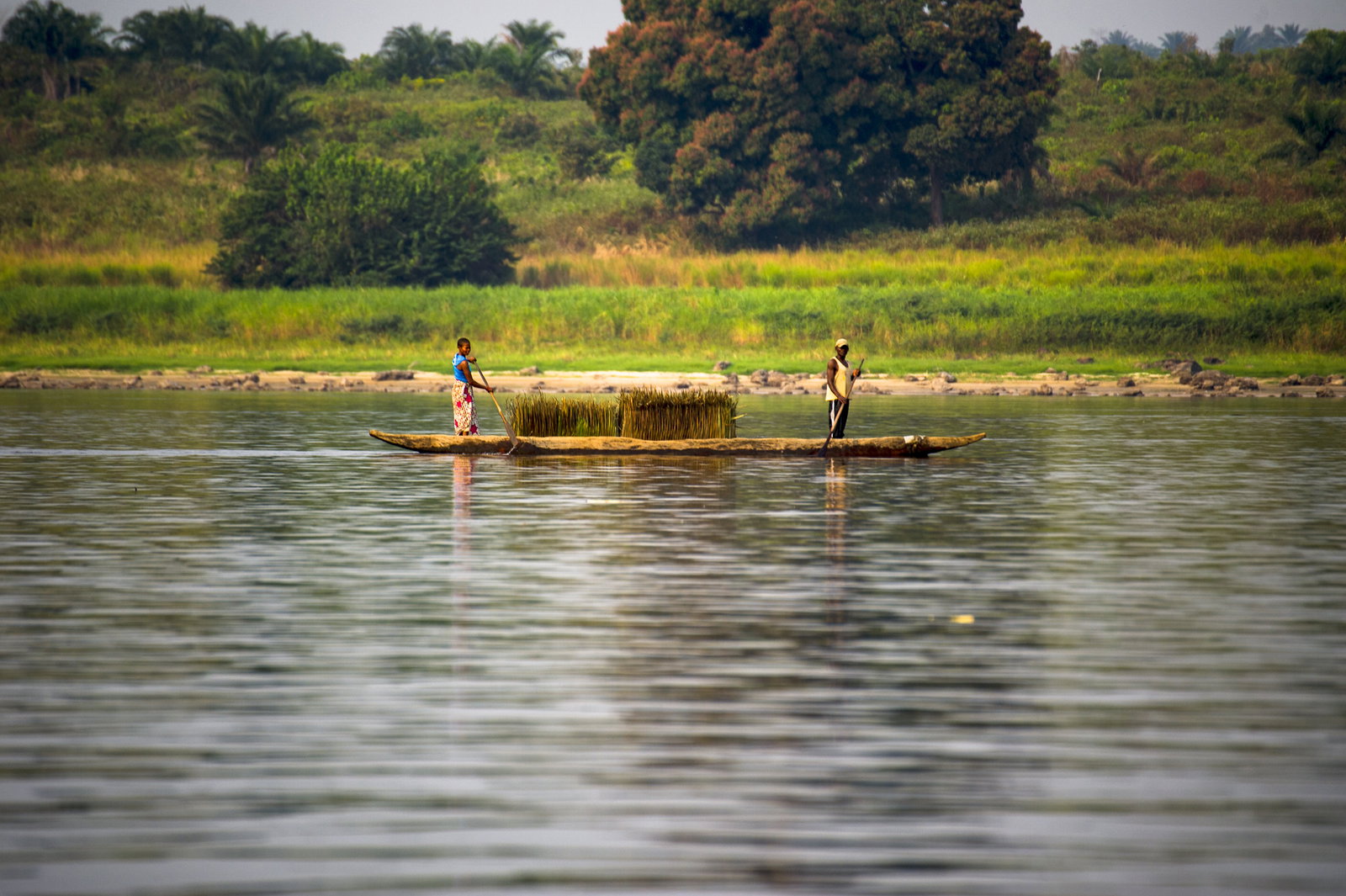
View of Brazzaville skyline along the Congo River at sunset with traditional pirogues in the foreground

Destination guide

Brazzaville

Congo River Basin, Central Africa · Republic of the Congo

Africa's twin capitals — where the Congo River meets vibrant Congolese culture

Best season

June to September (dry season) — cooler, drier, and easier travel conditions.

From Nairobi

Approximately 4–5 hours (via connection — no regular direct service).

Why visit Brazzaville?

Few African capitals feel as genuinely unhurried or as rich in living culture as Brazzaville. The city's identity is deeply tied to the Congo River — locals fish from dugout pirogues at dawn, ferries chug across to Kinshasa, and the waterfront promenade buzzes at weekends with families and street food vendors.

Brazzaville is the birthplace of Congolese rumba, and music is everywhere: outdoor concert bars called nganda throb with live bands most evenings. The Poto-Poto neighbourhood is home to one of Africa's oldest painting schools — the École de Peinture de Poto-Poto — where artists have blended African motifs with modernist abstraction since 1951.

Beyond the city, the wildlife is extraordinary. The Lesio-Louna Reserve, three hours north, shelters orphaned western lowland gorillas being rehabilitated for release. Odzala-Kokoua National Park, one of Africa's oldest protected areas, offers forest elephant, bongo antelope, and habituated gorilla family encounters in near-total seclusion.

  • Stand on the Congo River bank and look across to Kinshasa — two capitals, one river, zero bridges
  • Catch live rumba and soukous at a Poto-Poto nganda bar any night of the week
  • Visit the École de Peinture de Poto-Poto, one of Africa's most celebrated art schools since 1951
  • Track western lowland gorillas at the Lesio-Louna Reserve just three hours from the capital
  • Explore the Marché Total for carved masks, woven baskets, and Congolese textiles
  • Walk the Corniche waterfront promenade as pirogue fishermen glide past at sunrise

Best for

Intrepid city explorers, music lovers, wildlife enthusiasts, art seekers

Trip style

Cultural immersion, wildlife safaris, river journeys, off-the-beaten-path adventure

Known for

Congo River waterfront, Congolese rumba music, Poto-Poto painting school, gorilla sanctuaries, colonial-era architecture

Quick facts

Best time to visit

June to September (dry season) — cooler, drier, and easier travel conditions.

Currency

Central African CFA franc (XAF). 1 USD ≈ 610 XAF (2024).

Languages

French (official); Lingala and Kituba widely spoken.

Visa summary

Visa required for most nationalities — apply in advance at the Congolese embassy or via invitation letter. No visa on arrival for most travellers.

Flight time from Nairobi

Approximately 4–5 hours (via connection — no regular direct service).

Airport / arrival

Maya-Maya International Airport (BZV) is 5 km from the city centre. Taxis and minibuses available outside the terminal.

Safety note

Exercise normal urban caution. Avoid the Bacongo and Makelekele neighbourhoods at night. Register with your embassy on arrival.

Visa and entry

Look up entry rules by passport for travel to Republic of the Congo on the Tsavaro visa checker.

Check visa requirements for Republic of the Congo

Things to do

Congo River Pirogue RideNature & Outdoors

Congo River Pirogue Ride

1–2 hours

Hire a dugout pirogue from the Corniche waterfront for a guided paddle along the river's edge. Watch traditional fishermen at work and get a water-level perspective of both Brazzaville and Kinshasa's skylines.

École de Peinture de Poto-PotoCulture & Art

École de Peinture de Poto-Poto

1–2 hours

Founded in 1951, this living art school in the Poto-Poto district has launched internationally recognised painters. Browse original works, watch artists at their easels, and pick up an affordable piece of Central African contemporary art.

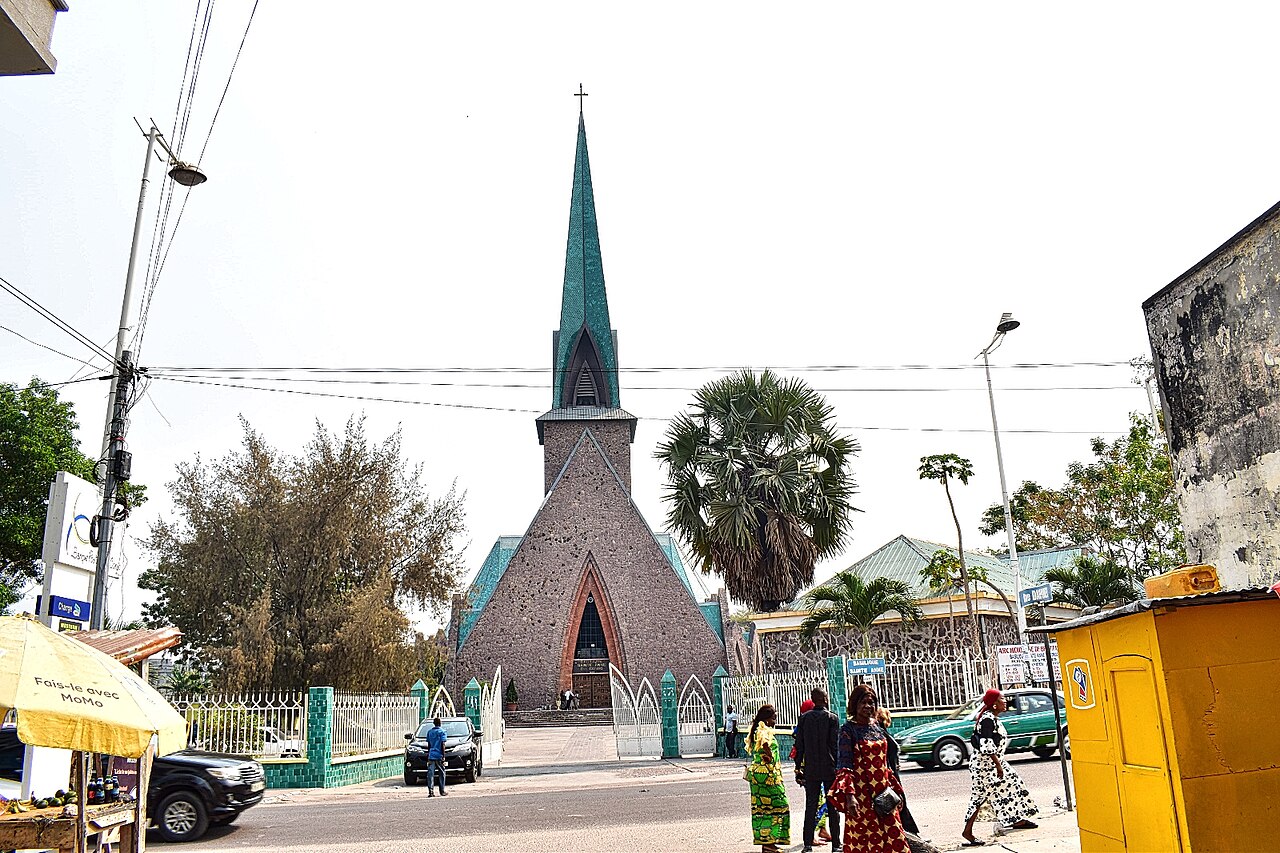
Basilique Sainte-Anne du CongoHeritage & Architecture

Basilique Sainte-Anne du Congo

30–45 minutes

This striking red-brick Catholic basilica, completed in 1949, is one of Central Africa's finest examples of colonial ecclesiastical architecture. Its twin towers and vivid interior mosaics are a photographer's delight.

Best time to visit Brazzaville

The best time to visit Brazzaville is June to September, during the main dry season. Temperatures are cooler (22–28°C), humidity is lower, and roads — including the route north to Lesio-Louna — are at their most passable. This is also the optimal window for wildlife excursions as vegetation is less dense.

Season-by-season breakdown:

June–September (Main Dry Season): The most comfortable period. Clear skies, minimal rain, and good wildlife viewing. This is peak season by Brazzaville standards, though the city never feels crowded.

October–November (Short Rains): Brief afternoon downpours return. The city stays navigable and hotel rates ease slightly. A reasonable shoulder option.

December–February (Short Dry Season): A second, shorter dry window. Temperatures rise and humidity returns, but rain is less frequent than the main wet season. Good for visiting if the June–September window is not possible.

March–May (Long Rains): Heavy, prolonged rainfall makes dirt tracks to reserves difficult. Humidity is high and the city can feel oppressive. Avoid this window if possible, especially for wildlife excursions.
Is Brazzaville safe to visit?

Yes — Brazzaville is generally safe for tourists who exercise the same urban awareness they would in any large African city. The Republic of the Congo has been politically stable since the early 2000s, and the capital sees a modest but steady flow of business travellers and adventurous tourists.

Practical tips: Stick to established neighbourhoods like the Plateau, Poto-Poto, and the Corniche waterfront during the day. Avoid the southern districts of Bacongo and Makelekele after dark, particularly around the Pool area near the border crossing. Petty theft (bag-snatching, phone theft in busy markets) is the most common risk — use a money belt and keep phones out of sight in crowds.

Transport: Use metered taxis or hotel-arranged vehicles rather than stopping random cars. Keep a photocopy of your passport and visa stamp separate from the originals. Register with your home country's embassy online before departure. Medical facilities in Brazzaville are limited — ensure you have comprehensive travel insurance with evacuation cover, and bring a malaria prophylaxis as the city is in a malaria-endemic zone.

Suggested itinerary

3 Days in Brazzaville: River, Art & Wildlife

This plan is designed for a first-time visitor arriving by air, based in a mid-range hotel in the Plateau district, travelling at a relaxed cultural pace. Day 3 requires an early start for the Lesio-Louna excursion — book a guide in advance.

Day 1

Arrive, Explore the Waterfront & Poto-Poto

Check in and head straight to La Corniche for a sunset walk along the Congo River. Watch pirogue fishermen return with the day's catch and take in the extraordinary sight of Kinshasa glittering across the water.

In the evening, walk into Poto-Poto and find a nganda bar for your first taste of live Congolese rumba, cold Primus beer, and grilled brochettes. The neighbourhood comes alive after dark — simply follow the music.

Brazzaville — Arrive, Explore the Waterfront & Poto-Poto

Travel essentials

Getting around

The city is best navigated by taxi — agree a price before getting in, as meters are often non-functional. Hotel-arranged vehicles are reliable for day trips. Shared minibuses (called 'fula-fula') serve main routes cheaply but are crowded. Walking is fine in the Plateau and Poto-Poto during daylight. For the Lesio-Louna excursion, hire a private 4WD with driver through your hotel.

Typical costs

Brazzaville is relatively expensive by Central African standards. Mid-range hotel: 60,000–100,000 XAF/night (roughly USD 95–165). Restaurant meal: 5,000–15,000 XAF. Street food (brochettes, beignets): 500–1,500 XAF. City taxi: 1,000–3,000 XAF per trip. Day trip to Lesio-Louna with driver: approximately 50,000–80,000 XAF.

Culture and etiquette

French is essential for most interactions — learn a few phrases in Lingala (including 'mbote' for hello) and locals will warm to you immediately. Dress modestly when visiting churches or government areas. Ask permission before photographing people, especially at markets. The Congolese are generally warm and hospitable to curious, respectful travellers.

Safety and planning

Take malaria prophylaxis — prescription required, consult your GP at least 4 weeks before travel. Yellow fever vaccination certificate is mandatory for entry. Carry hand sanitiser and bottled water at all times. Hospital Sino-Congolais is the best-equipped facility in the city for emergencies. Purchase comprehensive travel insurance including medical evacuation cover before departure.

Connectivity

Mobile data is available via MTN Congo and Airtel Congo SIM cards, buyable at the airport or city centre shops with your passport. Coverage is good in central Brazzaville, patchier outside the city. Hotel Wi-Fi is standard in mid-range and upscale properties but can be slow. VPN is recommended for reliable access to some services.

Payments

Cash (XAF) is king in Brazzaville. ATMs exist at BGFI Bank and LCB Bank branches in the Plateau district but can be unreliable — bring sufficient cash in USD or Euros to exchange at banks or licensed bureaux de change. Credit cards accepted only at upscale hotels and a handful of restaurants. Avoid street money changers.

Brazzaville travel FAQs

More destinations to explore

Brazzaville, Republic of the Congo