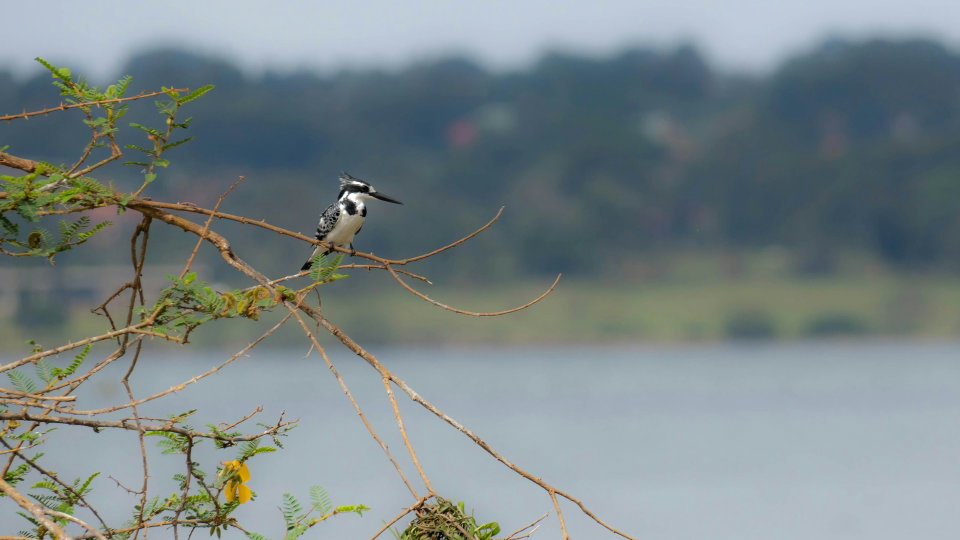
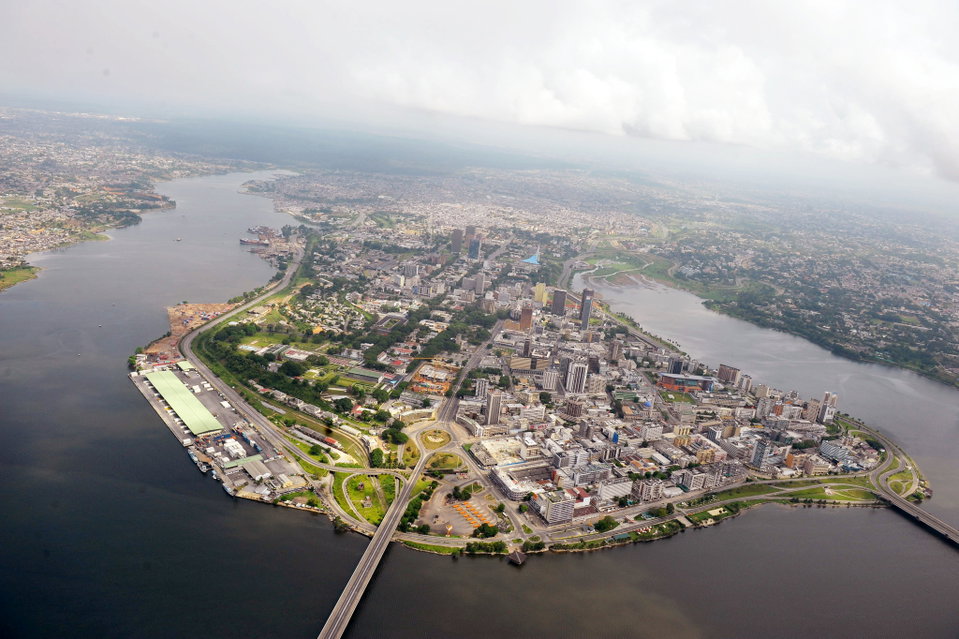
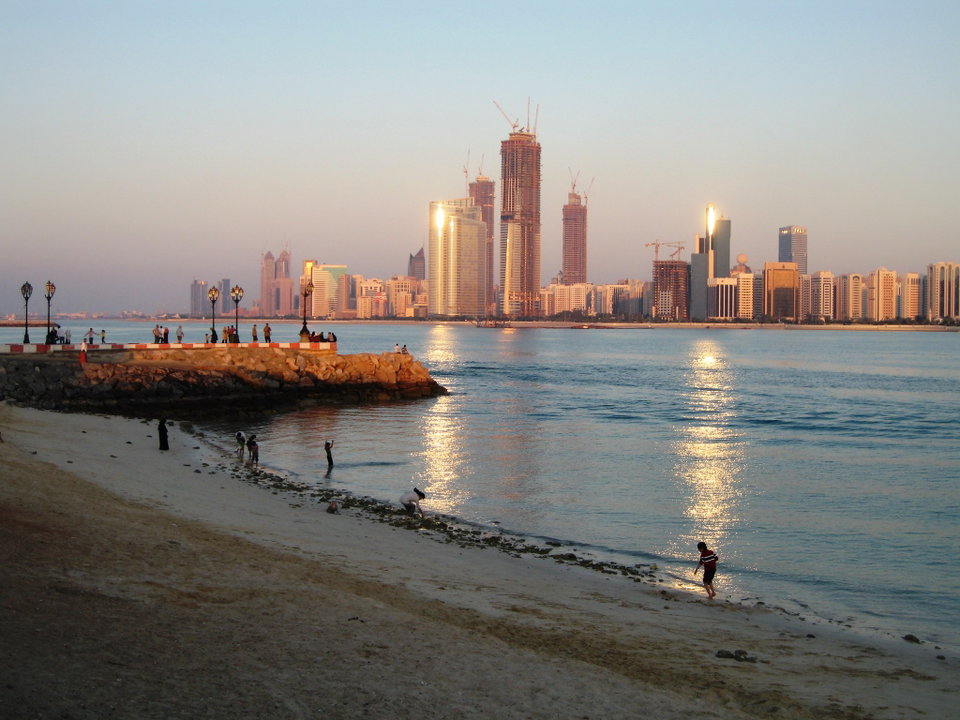
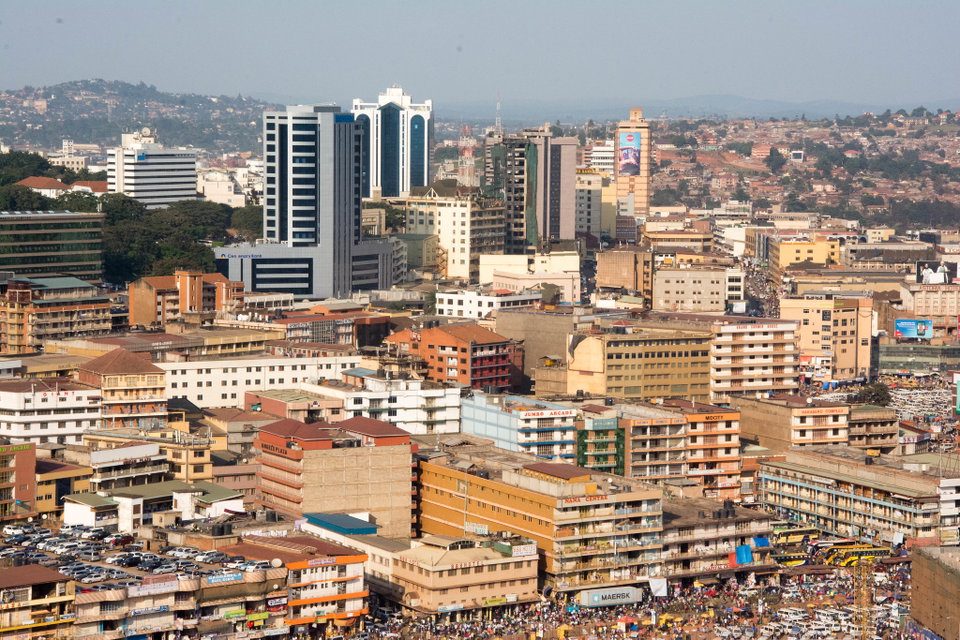
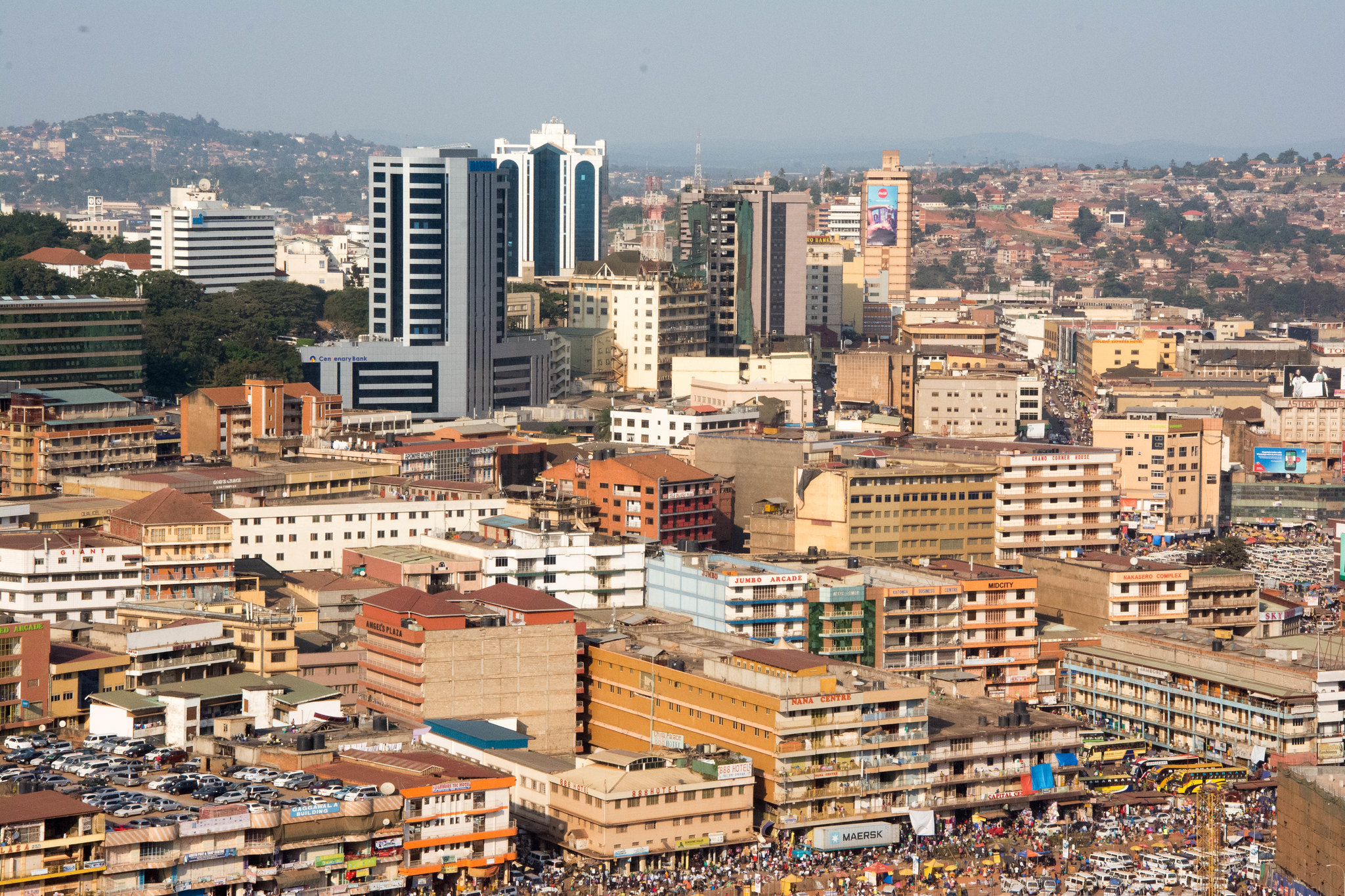
Panoramic view of Kampala city skyline with modern buildings and green hills

Destination guide

Kampala

East Africa · Uganda

Uganda's Vibrant Capital on Seven Hills

Best season

December-February and June-August (dry seasons)

From Nairobi

1 hour 30 minutes

Why Visit Kampala

Kampala is Uganda's capital, a hilly, lakeside city on Lake Victoria's northern shore best known for the Kasubi Tombs (a UNESCO World Heritage Site), a raucous street-food scene at Owino and Nakasero markets, Ndere Cultural Centre's evening performances, and easy access to Uganda's mountain-gorilla parks at Bwindi and Mgahinga.

Kampala moves fast. Spread across seven hills, it's louder, greener and friendlier than most first-time visitors expect. Come for the culture, stay for the food, and use it as your launch pad for gorilla trekking, a Nile source day trip, or a Lake Victoria escape.

Most travellers give Kampala 2–3 days at the start or end of a Uganda trip — enough to see Kasubi Tombs, a Ndere evening, and eat your way through the markets before flying to Bwindi or Entebbe.
  • Built on seven hills like ancient Rome
  • Home to UNESCO World Heritage Kasubi Tombs
  • Gateway to Uganda's gorilla tracking adventures
  • Vibrant music scene and nightlife
  • Rich cultural heritage and royal palaces

Best for

Culture, food, urban energy, and gorilla-trek launch pad

Trip style

City break, cultural immersion, safari pre/post-trip

Known for

Kasubi Tombs UNESCO site, Ndere cultural nights, seven hills, gorilla-trek gateway

Quick facts

Best time to visit

December-February and June-August (dry seasons)

Currency

Ugandan Shilling (UGX)

Languages

English and Luganda (widely spoken), Swahili

Visa summary

Visa required for most nationalities, available on arrival or online

Flight time from Nairobi

1 hour 30 minutes

Airport / arrival

Entebbe International Airport (40km from city center)

Safety note

Generally safe during daytime; use caution at night and avoid displaying valuables

Visa and entry

Look up entry rules by passport for travel to Uganda on the Tsavaro visa checker.

Check visa requirements for Uganda

Things to do

Visit Kasubi Tombs

The Kasubi Tombs are the burial ground of four Buganda kings and a UNESCO World Heritage Site since 2001 — Kampala's single most important cultural landmark. Traditional grass-thatched architecture surrounds the muzibu-azaala-mpanga royal tomb; a knowledgeable guide is included with entry.

Explore Owino Market

Owino (St. Balikuddembe Market) is Kampala's largest open-air market — a chaotic, colour-drenched place where the city buys food, second-hand clothes and household goods. Go early morning with a local guide, wear closed shoes, leave valuables at your hotel.

Tour Uganda Museum

The Uganda Museum on Kira Road is East Africa's oldest museum, opened in 1908 — best for its ethnographic gallery of Ugandan instruments, weapons and royal regalia. Plan 90 minutes to two hours.

Visit Rubaga Cathedral

Rubaga (Lubaga) Cathedral, seat of the Archdiocese of Kampala, sits atop Lubaga Hill and dates to 1925 — a quiet, panoramic counterpoint to downtown's noise, and the burial place of Uganda's first Catholic archbishop.

Experience Ndere Cultural Centre

Ndere Cultural Centre stages nightly Ugandan folk-dance and music performances by the Ndere Troupe — the single best introduction to Uganda's cultural diversity in one evening. Book ahead for the Wednesday, Friday or Sunday shows.

Stroll Through Nakasero Market

Nakasero Market is Kampala's fresh-produce heart, tucked into the CBD — a sensory shortcut to seeing what Ugandans actually eat: matoke, jackfruit, groundnuts, fresh tilapia from Lake Victoria.

Explore Mengo Palace

Mengo Palace (Lubiri) is the official residence of the Kabaka of Buganda — most visitors come for the Idi Amin torture chambers on the grounds, an unflinching window into 1970s Uganda. Bring a guide who can explain the context.

Relax at Lake Victoria Shores

Kampala sits on Lake Victoria's northern shore — the best short escape is a lakeside lunch or sunset boat trip from Ggaba or Munyonyo, half an hour from downtown. Fresh tilapia and pilau are the go-to orders.

Best Time to Visit Kampala

December to February and June to August are the best months to visit Kampala — both are dry seasons with cooler mornings and lower humidity, ideal for walking Kasubi Tombs, Ndere evenings and gorilla trekking add-ons at Bwindi. Avoid the March–May long rains, when downtown floods and Bwindi's forest trails turn slick.

June–August lines up with Uganda's peak gorilla-trekking season, so book Bwindi permits and Entebbe hotels months ahead. December–February is drier and hotter, and pairs well with a Lake Victoria beach stop at Entebbe on the way out.

Is Kampala Safe for Tourists?

Kampala is generally safe for tourists during the day in central neighbourhoods like Nakasero, Kololo and Bugolobi. Use ride-hail apps (Uber, Bolt, SafeBoda) at night instead of hailing on the street, keep valuables hidden in Owino Market, and skip unbranded boda-bodas — Kampala's motorbike taxis have a real safety record.

The main risks are petty theft in crowded markets and traffic. SafeBoda-branded riders come with helmets and vetted drivers; anything else is a coin toss. Nationally, check your government's current travel advice for Uganda before booking and avoid the northern and eastern border regions.

Suggested itinerary

How Many Days Do You Need in Kampala?

Three days covers Kampala's core sights — Kasubi Tombs, Ndere culture, markets and nightlife; add one to two days if you're combining with an Entebbe base or a gorilla-trekking add-on to Bwindi Impenetrable National Park.

Day 1

Historical Kampala

Begin your Kampala adventure with a visit to the iconic Kasubi Tombs, a UNESCO World Heritage site and the burial ground of Buganda kings. Marvel at the traditional architecture and learn about the rich royal history. Continue to Mengo Palace, the official residence of the Kabaka, where you'll gain insights into Uganda's traditional monarchy.

In the afternoon, visit Rubaga Cathedral, perched on one of Kampala's seven hills, offering beautiful architecture and panoramic city views. End your day exploring the Uganda Museum to understand the country's diverse cultural heritage and see fascinating artifacts from various Ugandan tribes.

Kampala — Historical Kampala

You may also like

Travel essentials

Getting around

Kampala's traffic is notorious — plan under 10 km of travel per 30 minutes downtown. Ride-hail is your best bet: Uber and Bolt for cars, SafeBoda for boda-bodas with helmets and vetted riders. Skip unbranded boda-bodas — the safety record is poor. The city's airport is Entebbe International (EBB), 40 km away, 45–90 minutes depending on traffic.

Typical costs

Budget $20–30 per day, mid-range $40–70 per day, luxury $100+ per day. Local meals $2–5, restaurant meals $8–15, SafeBoda across town $1–3, Uber $3–7.

Culture and etiquette

Greet warmly with 'Ki kati' (Luganda) or 'Hello' — handshakes are common. Dress modestly, especially at Kasubi Tombs, Rubaga Cathedral and Mengo Palace. Remove shoes when entering homes and mosques. Tipping (10%) is appreciated but not expected.

Safety and planning

Kampala is safe in central Nakasero, Kololo and Bugolobi by day. At night, use Uber, Bolt or SafeBoda instead of street taxis. Avoid unbranded boda-bodas. Keep valuables hidden in Owino Market. Nationally, check current travel advice and avoid the northern and eastern border regions.

Connectivity

Good 4G coverage across the city. Major hotels, cafes and Java House offer Wi-Fi. Buy a local SIM at Entebbe airport from MTN or Airtel — bring your passport for registration.

Payments

Cash (Ugandan Shilling, UGX) for markets, boda-bodas and small eateries. Credit cards accepted at mid-range and upscale hotels, restaurants and supermarkets. ATMs at Stanbic, Absa and Centenary Bank. Mobile money (MTN, Airtel Money) is universal for locals; useful for a longer stay.

Kampala travel FAQs

More destinations to explore