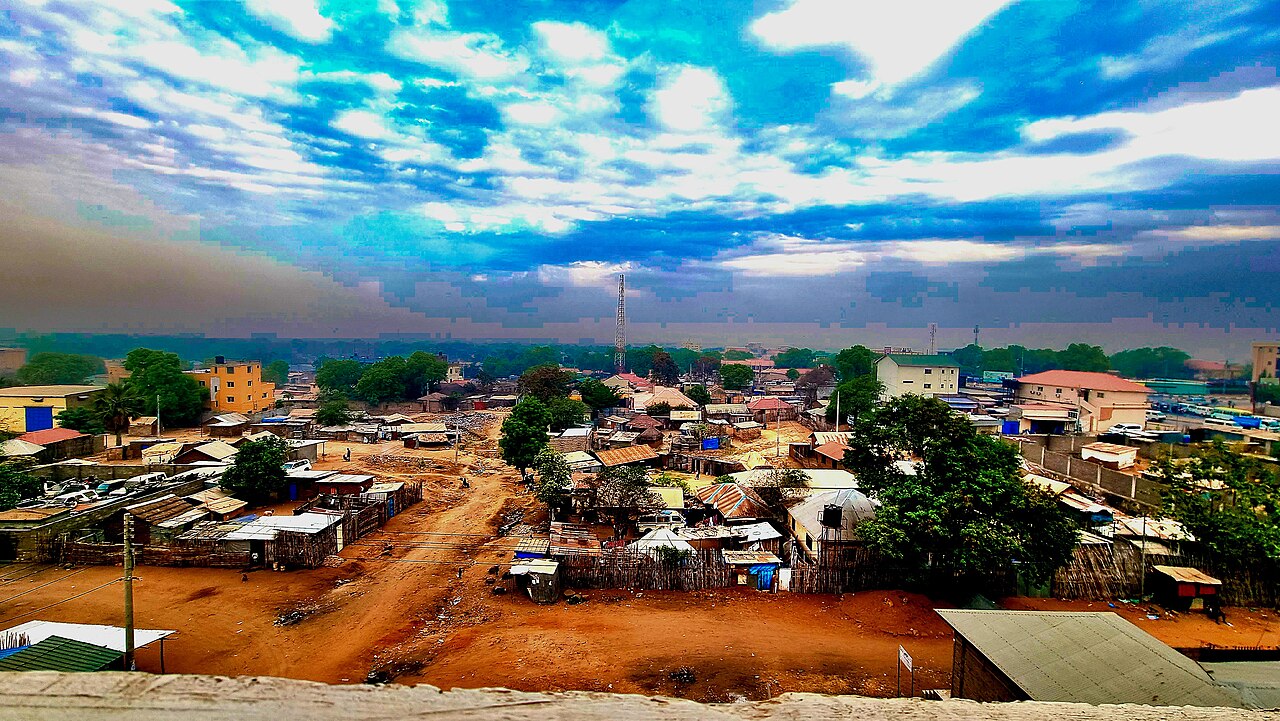
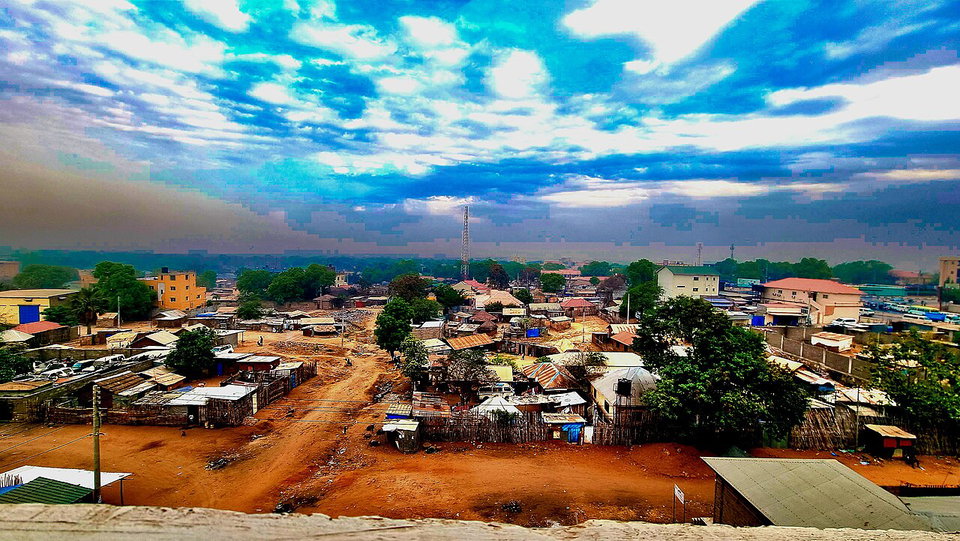
Yes — Juba is generally navigable for experienced, well-briefed travellers, but it requires a significantly higher level of preparation and situational awareness than most African capitals.
South Sudan has experienced recurring internal conflict since independence in 2011, and while Juba itself has been calmer since the 2018 peace agreement, the security environment remains volatile and can deteriorate rapidly. Most Western governments maintain a 'high degree of caution' or 'reconsider your need to travel' advisory for Juba.
Practical safety tips: - Register with your embassy or consulate before arrival. - Use hotel- or NGO-recommended drivers; avoid unmarked taxis and walking after dark. - Keep a low profile, avoid photographing military installations, government buildings, or security personnel. - Carry a certified copy of your passport and visa at all times. - Stay in touch with the wider expat community (UN guesthouses, NGO compounds) for real-time security updates. - Avoid street demonstrations and large gatherings. - Petty theft, carjacking, and opportunistic crime are risks in crowded areas such as markets and fuel queues.
With proper planning, good local contacts, and ongoing monitoring of the situation, many travellers — including journalists, researchers, and independent explorers — visit Juba safely each year.
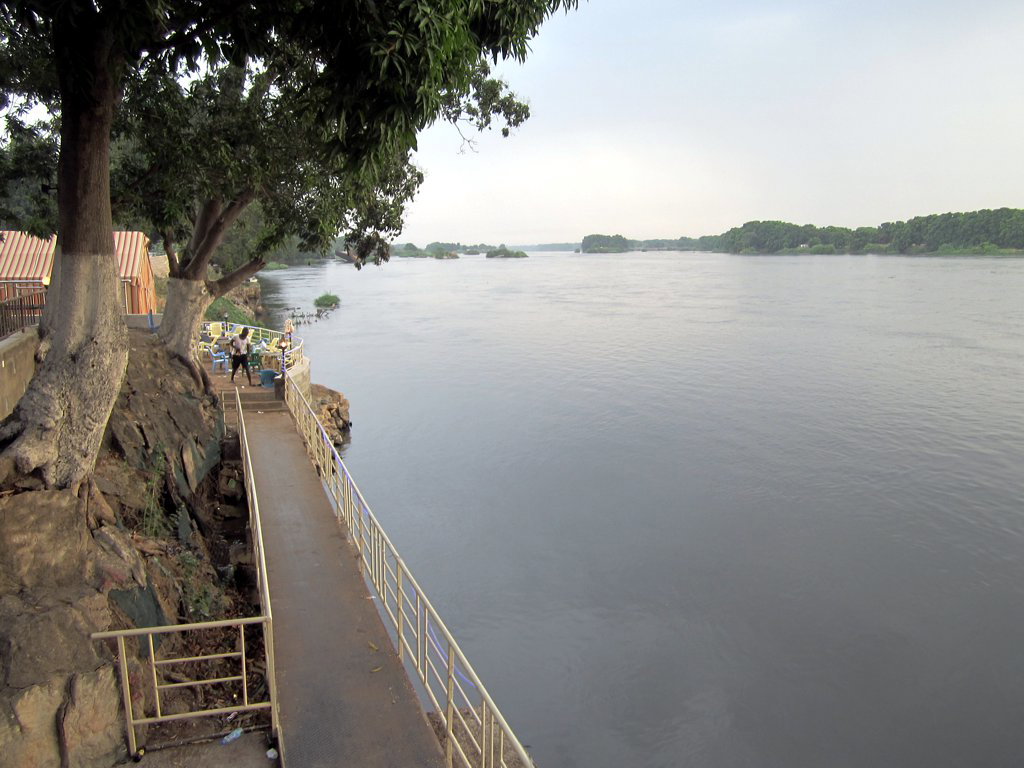 Nature & Scenic