Yes — Djibouti City is generally safe for tourists who take standard urban precautions. The country has one of the most stable governments in the Horn of Africa and hosts multiple international military bases (French, US, Chinese, Japanese), which contribute to a high-security environment in the capital.
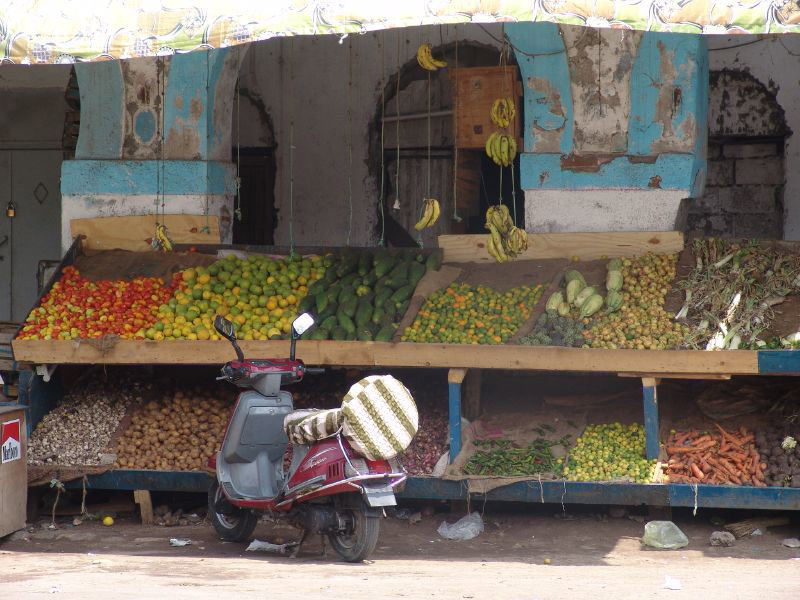
Petty theft (bag-snatching, pickpocketing) occurs in the Central Market and bus station areas — keep valuables in a money belt and avoid displaying expensive jewellery or cameras in crowded souks.
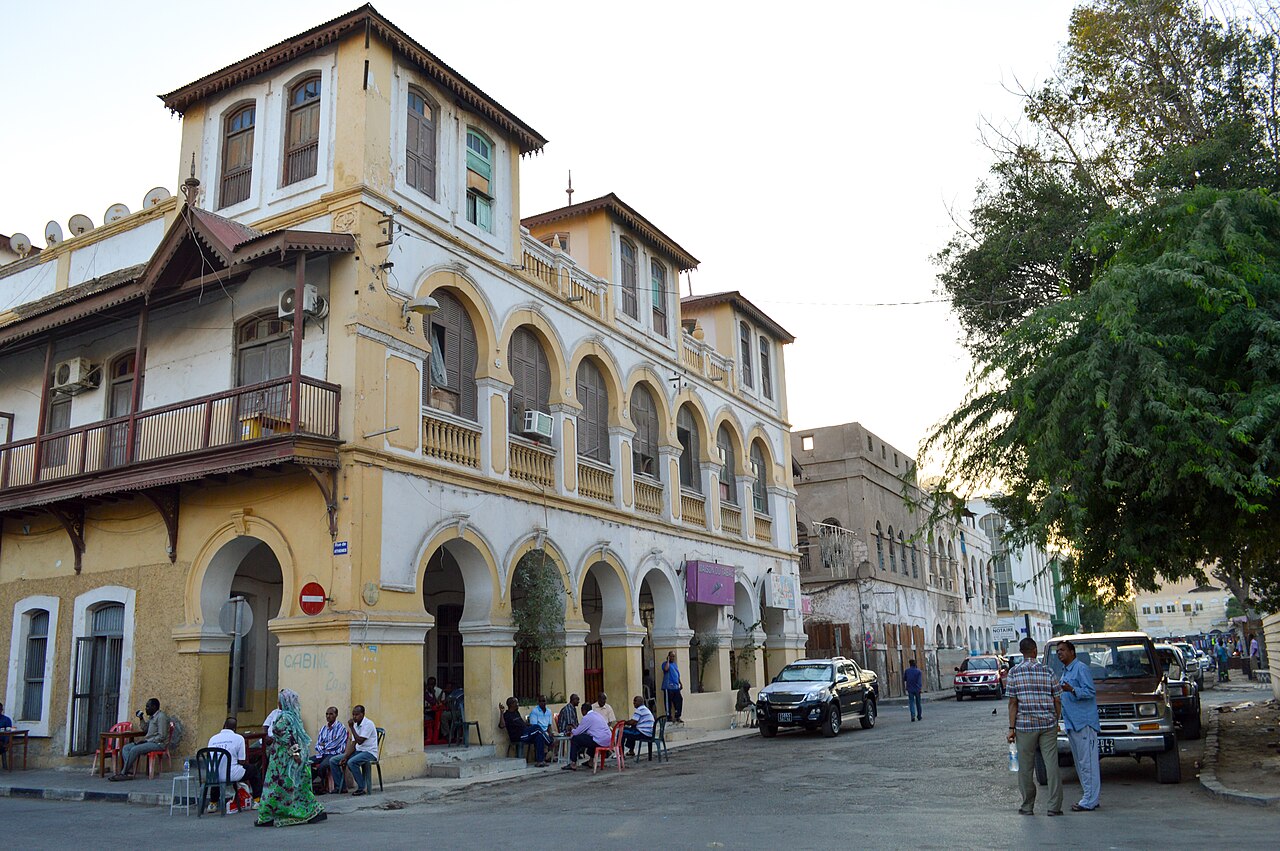
The Balbala district on the western outskirts is best avoided after dark. The city centre, Plateau du Serpent, and Corniche areas are safe to walk in the evenings.
The greatest safety risk in Djibouti is the heat. Temperatures above 40 °C are common June through September and dehydration can escalate quickly. Carry at least 2 litres of water, avoid midday sun, and wear a hat and sunscreen year-round.
The regional situation in neighbouring Somalia and Ethiopia bears watching. The Djiboutian-Ethiopian border area and remote Afar regions require a local guide and reliable vehicle — never venture into the desert independently. Check your government's travel advisory before departure.
 Wildlife & Marine