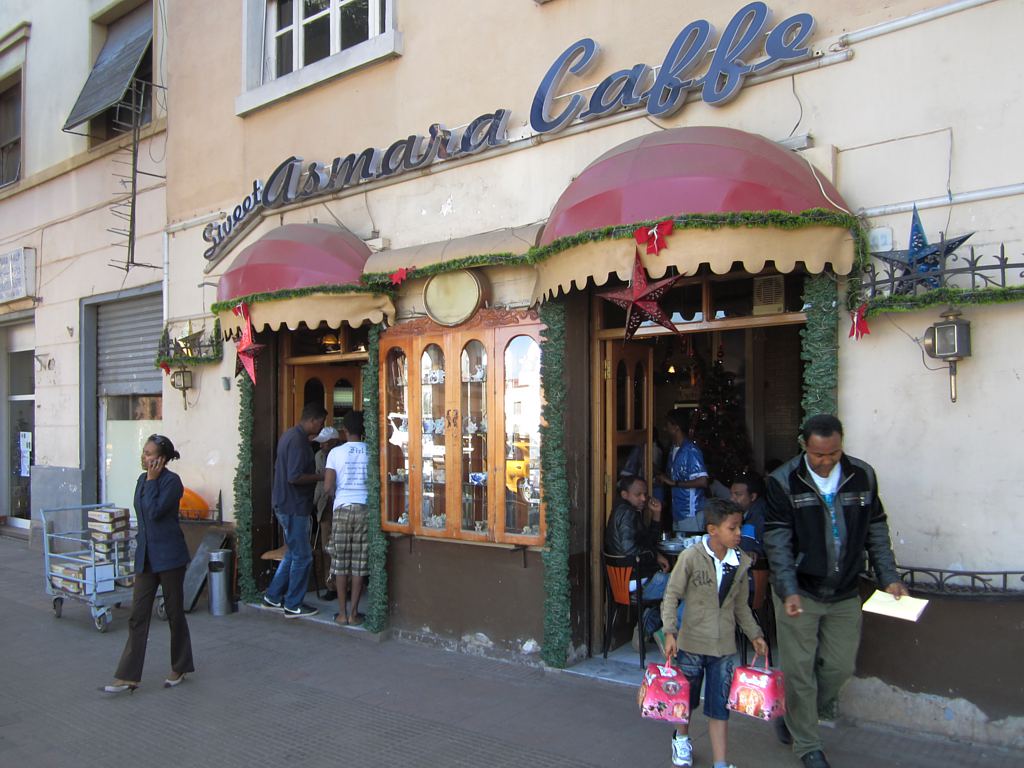
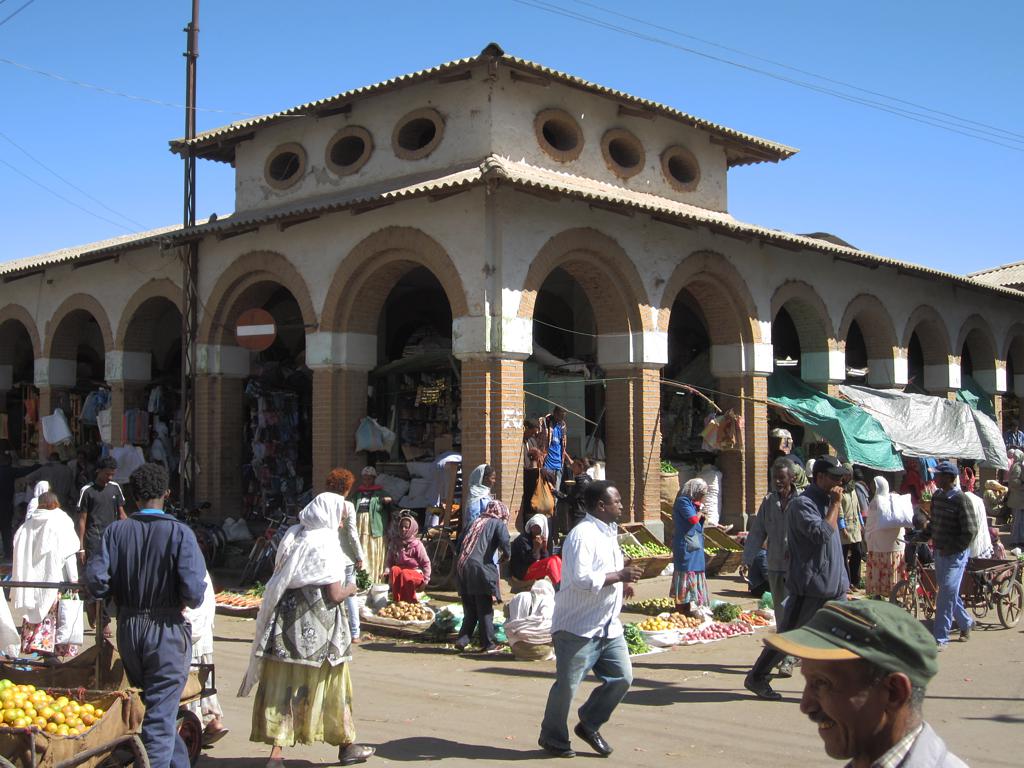
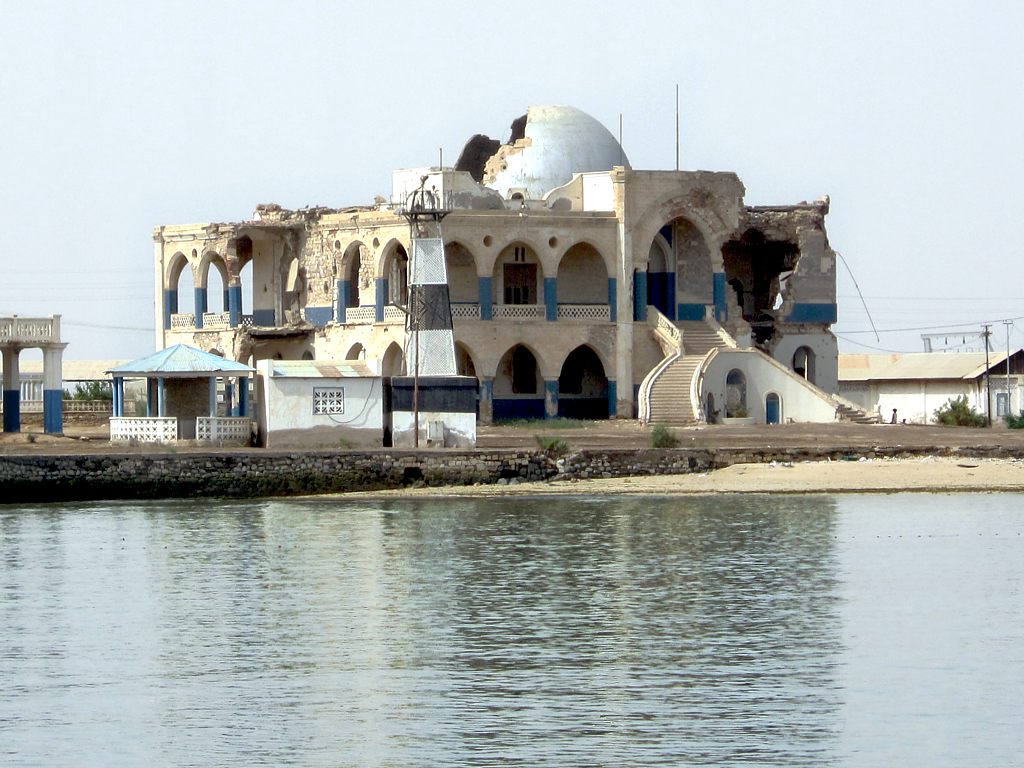
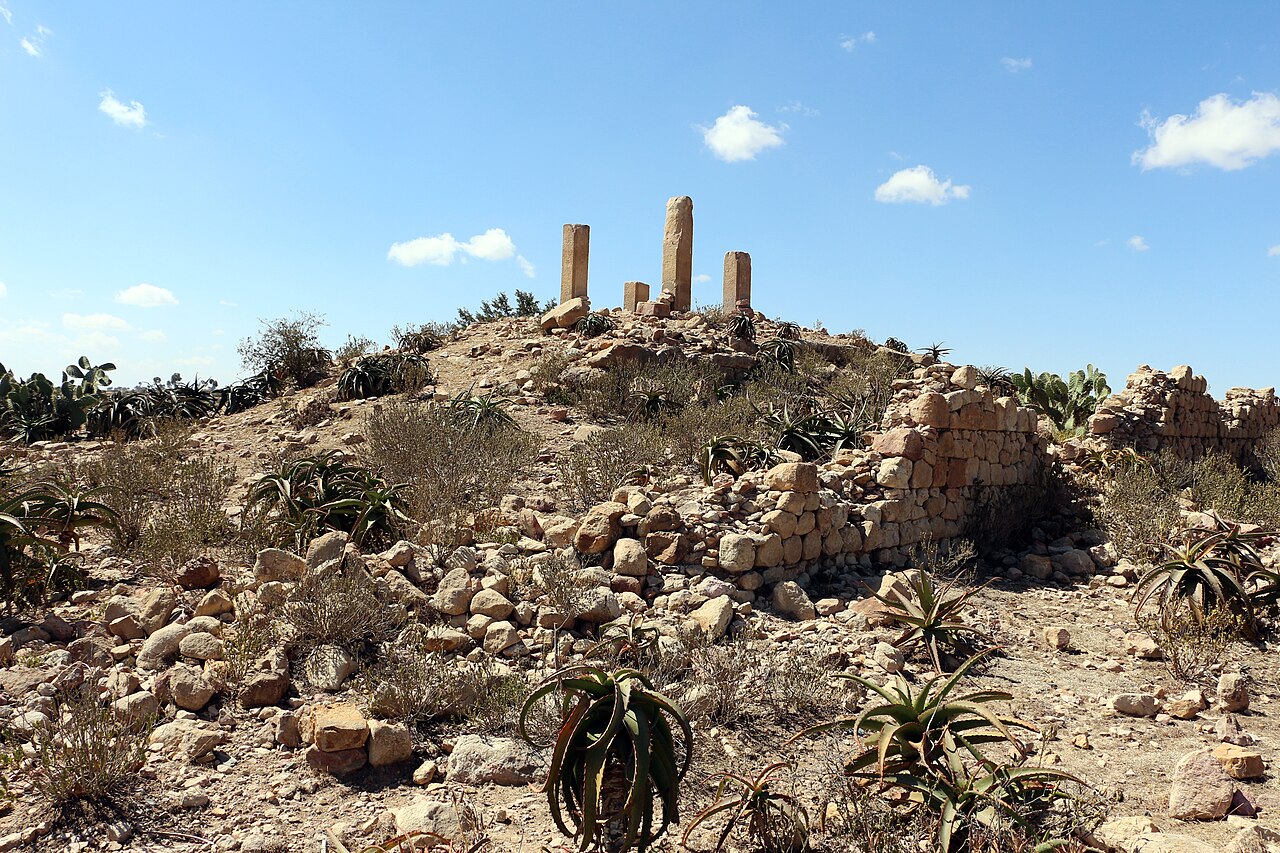
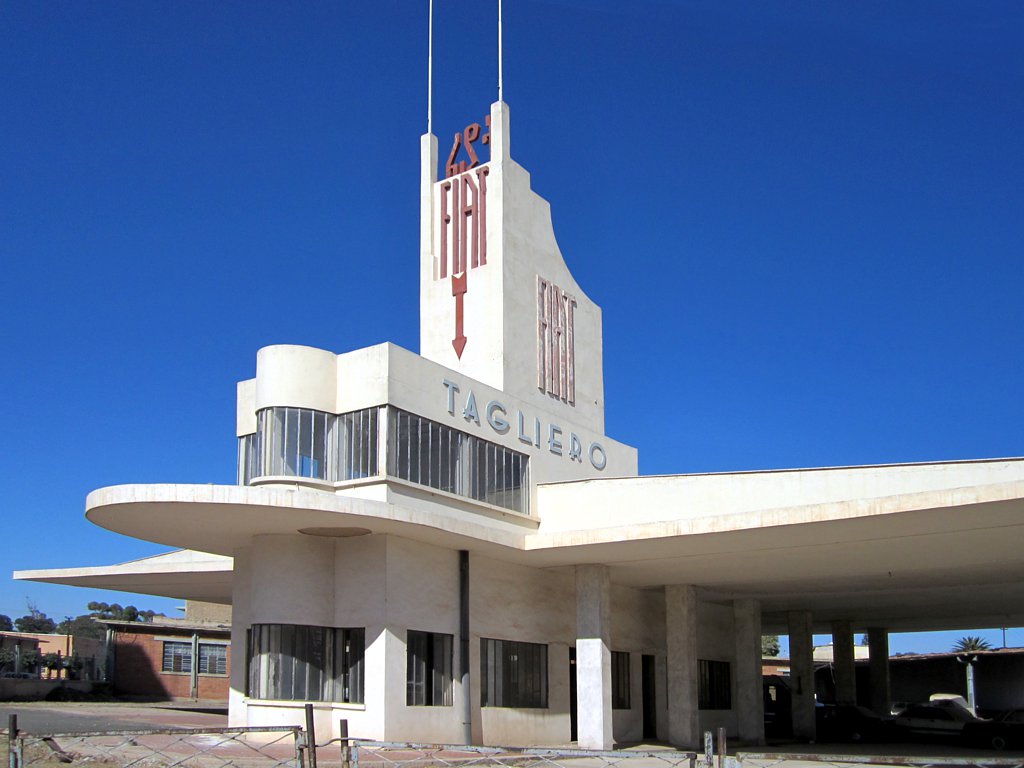
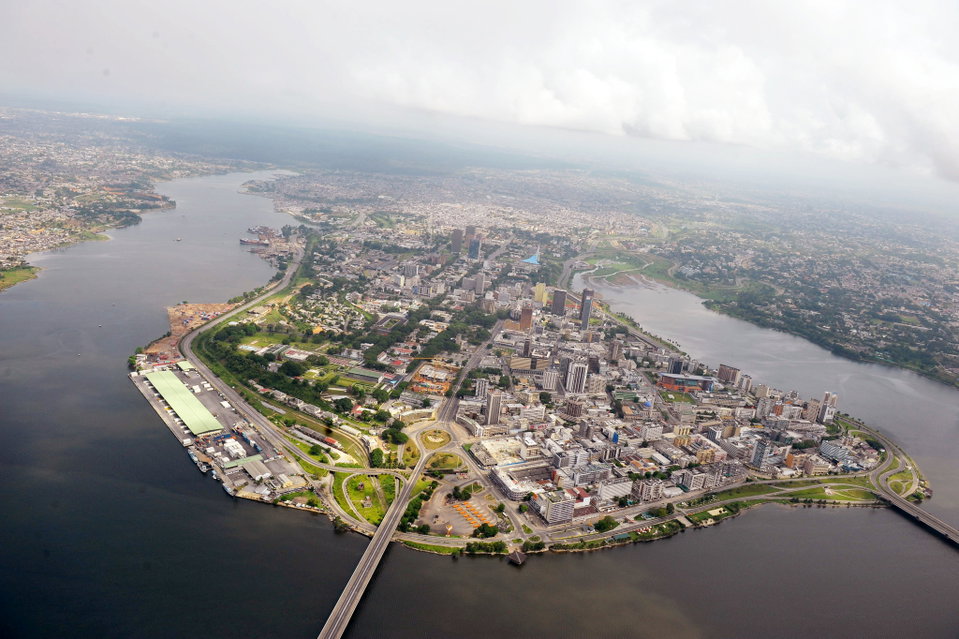
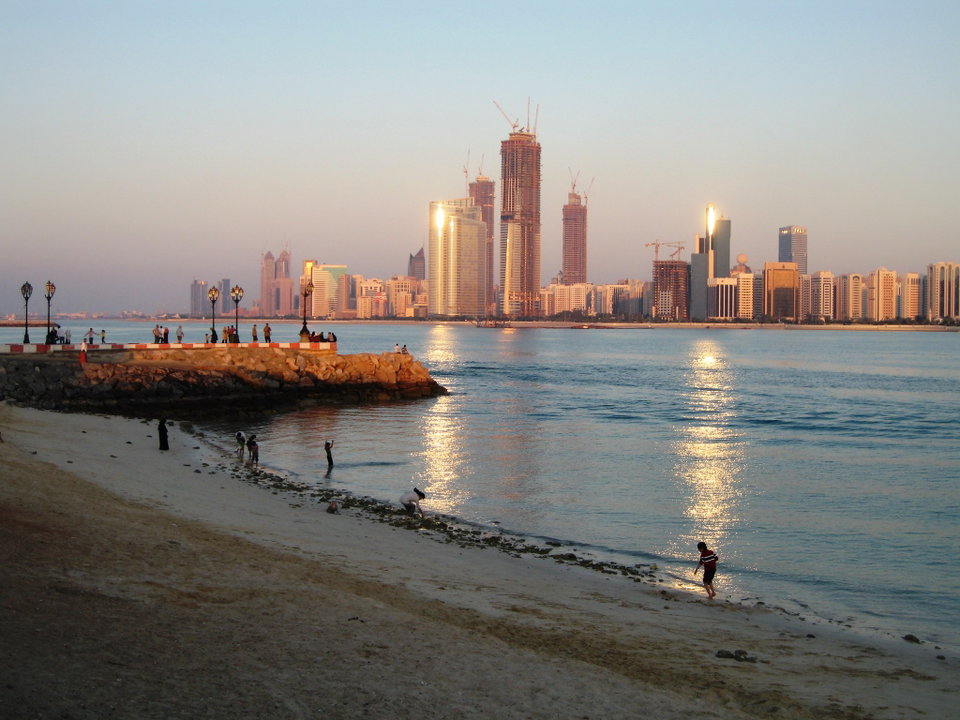
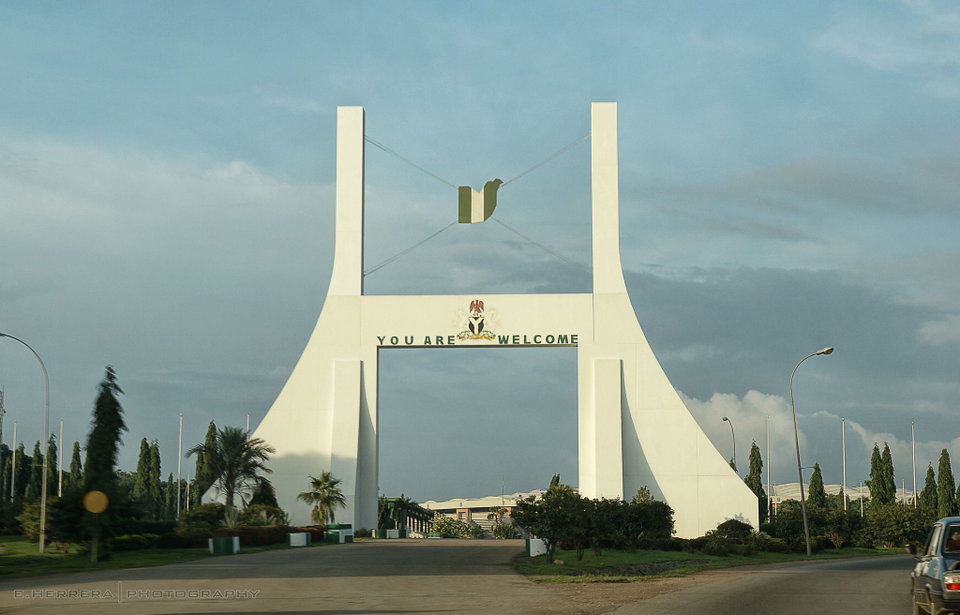
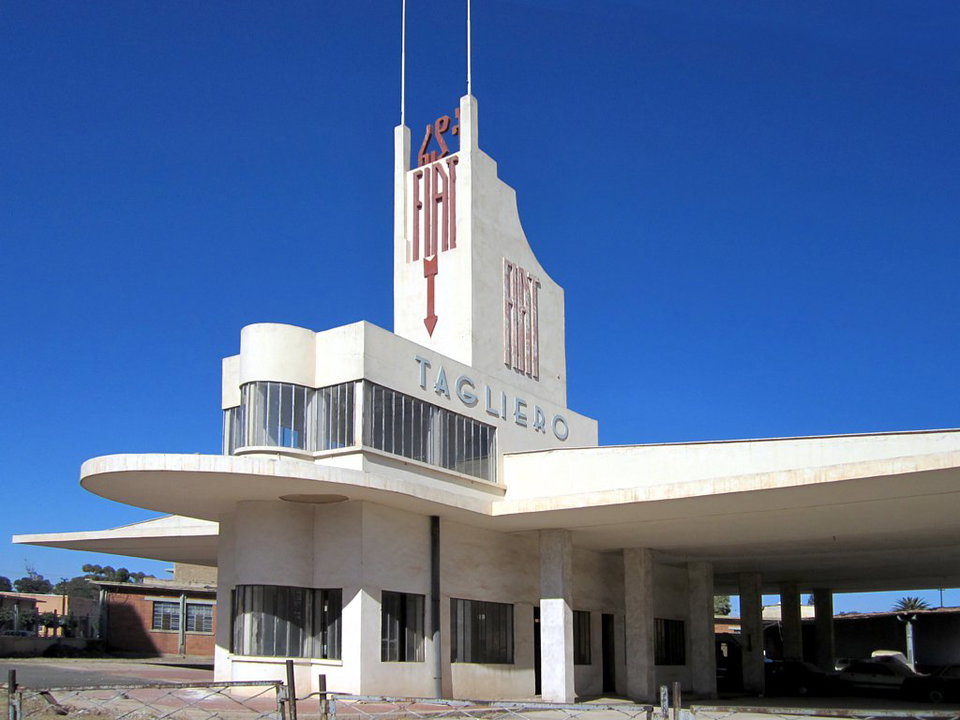
Asmara's Fiat Tagliero Building and tree-lined avenue at golden hour, Eritrea

Destination guide

Asmara

Central Highlands, East Africa · Eritrea

Africa's Art Deco capital, frozen in time at 2,300 metres

Best season

October to March (dry season, cooler days around 15–25 °C)

From Nairobi

Approx. 2 hrs 30 min (Nairobi NBO to Asmara ASM)

Why visit Asmara?

Few cities anywhere in the world offer what Asmara does: an almost completely preserved urban streetscape from the 1930s — Futurist petrol stations, Cubist cinemas, Rationalist ministry buildings, and grand piazzas — all intact because the country was effectively sealed from mass tourism for decades. Walking its avenues feels like stepping onto a film set that nobody has yet discovered.

Beyond the architecture, Asmara is a city of unhurried cafes and extraordinary coffee ceremonies. Eritreans are among the most hospitable people on the continent, and the compact city centre rewards hours of aimless wandering. Day trips reach the dramatic descent to Massawa on the Red Sea coast or the ruined ancient city of Qohaito.

For travellers who value authenticity over comfort and are prepared to navigate limited infrastructure, Asmara delivers memories that no better-trodden destination can match.

  • UNESCO-listed 'Africa's Rome' — 400+ Modernist and Art Deco buildings from the 1930s in near-original condition
  • Cool highland climate at 2,300 m makes it one of the most comfortable capitals in East Africa year-round
  • Extraordinary espresso culture rooted in Italian colonial heritage — macchiatos served in original Art Deco cafes
  • One of Africa's safest and most walkable city centres, with almost no tourist hustle
  • Gateway to the dramatic Massawa Red Sea coast and ancient Aksumite ruins at Qohaito and Adulis
  • The spectacular Asmara–Massawa railway — a rack-and-pinion line descending 2,000 m in 120 km — is an engineering marvel

Best for

Architecture enthusiasts, off-the-beaten-path explorers, history buffs, slow travellers

Trip style

Cultural city break, heritage, adventure

Known for

Italian Modernist and Art Deco architecture, espresso culture, UNESCO World Heritage status, highland cool climate

Quick facts

Best time to visit

October to March (dry season, cooler days around 15–25 °C)

Currency

Eritrean Nakfa (ERN). USD cash useful; cards rarely accepted.

Languages

Tigrinya (official), Arabic, Italian widely understood in Asmara

Visa summary

Visa required for most nationalities; single-entry tourist visa obtained through Eritrean embassies before travel. A travel permit is needed to visit areas outside Asmara.

Flight time from Nairobi

Approx. 2 hrs 30 min (Nairobi NBO to Asmara ASM)

Airport / arrival

Asmara International Airport (ASM) is 5 km from the city centre — a short taxi ride. Eritrean Airlines and Ethiopian Airlines serve the route from Nairobi.

Safety note

Asmara is one of Africa's safest capitals for petty crime; street crime is rare. The broader political context means travel advisories should be checked before departure.

Visa and entry

Look up entry rules by passport for travel to Eritrea on the Tsavaro visa checker.

Check visa requirements for Eritrea

Things to do

Walk the Art Deco QuarterCulture & Architecture

Walk the Art Deco Quarter

2–3 hours

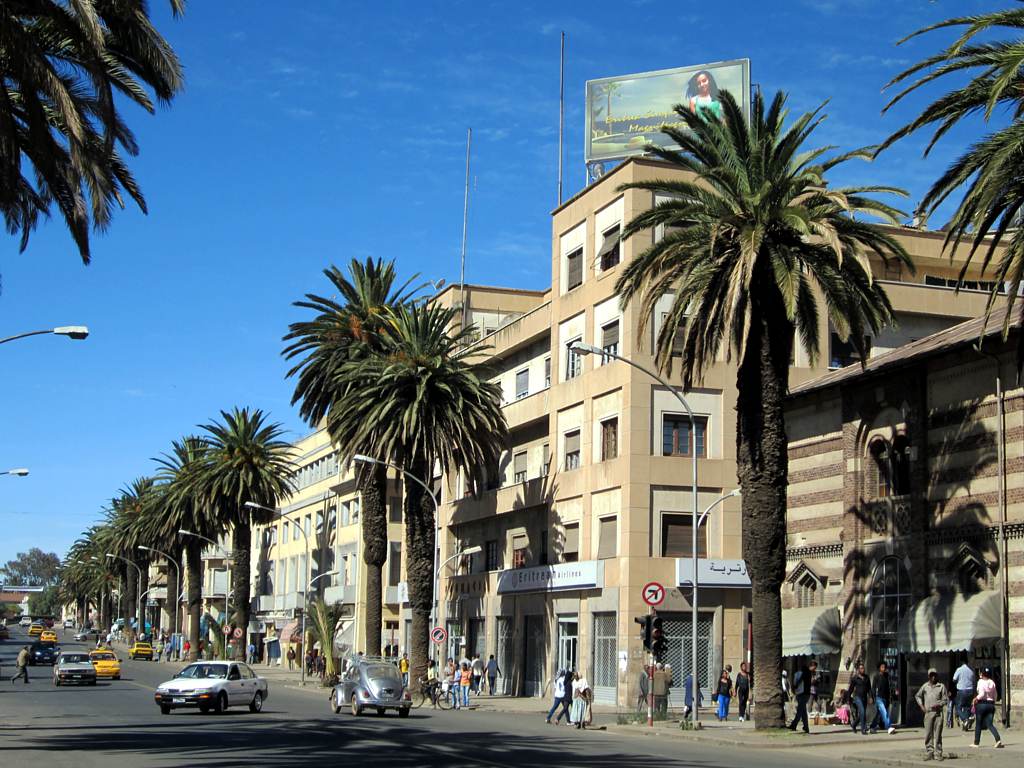
Stroll Liberation Avenue (Harnet Avenue) and the surrounding streets to see the Fiat Tagliero Building — a cantilevered Futurist masterpiece — the Cinema Impero, the Asmara Cathedral, the Great Mosque, and dozens of pastel-coloured period shopfronts. A self-guided walk takes 2–3 hours; the city museum provides context.

Espresso at a Historic CafeFood & Drink

Espresso at a Historic Cafe

1 hour

Eritreans take their coffee seriously. Join locals at Bar Impero or one of the original 1930s bars for a strong macchiato and a brioche. The ritual is social — expect to linger, chat, and order a second.

Asmara Market (Medeber & Central Market)Markets & Local Life

Asmara Market (Medeber & Central Market)

1–2 hours

The vast Medeber Market recycles everything imaginable — sandals made from tyres, pots from oil drums — making it one of Africa's most inventive recycling bazaars. The adjacent central market sells spices, injera, and everyday goods. Best visited in the morning.

Day Trip to MassawaExcursion

Day Trip to Massawa

Full day

Descend 2,000 m in 90 minutes by road (or take the historic railway when operational) to the coral-coloured Ottoman and Italian port of Massawa on the Red Sea. The old town, bombed in the 1990 war and partially rebuilt, is a UNESCO-candidate site in itself. Combine with swimming at nearby Gurgusum Beach.

Qohaito Archaeological SiteHeritage & History

Qohaito Archaeological Site

Full day

Drive south through dramatic highland scenery to Qohaito, an ancient Aksumite city with temples, a dam, and carved stelae dating to the 1st millennium AD. The site sits at 2,600 m and sees almost no tourists — local guides from the village are compulsory and highly knowledgeable.

Best time to visit Asmara

The best time to visit Asmara is October to March, when the dry season brings clear skies, pleasantly warm days (18–25 °C), and cool nights. The highland location means temperatures are comfortable year-round compared to the sweltering Red Sea coast, but this window offers the most reliable weather for day trips.

April to May is transitional — warm and increasingly humid before the rains arrive. June to September is the main rainy season (locally called kremti): afternoon downpours are common, though mornings are often clear and the landscape turns vivid green. The rains rarely last all day and travelling is still feasible, just muddier for excursions outside the city.

December and January are peak months for the Eritrean diaspora returning home for the holidays — the city is lively but accommodation books up. Avoid the extreme heat of June–August on any planned coastal excursion to Massawa, where temperatures regularly exceed 40 °C.

Is Asmara safe to visit?

Yes — Asmara is widely regarded as one of the safest capital cities in Africa for tourists. Petty crime such as pickpocketing and bag-snatching is extremely rare, the city is well lit, and solo travellers (including women) generally report feeling comfortable walking at any hour. Locals are notably respectful and curious rather than pushy.

The main considerations are political and logistical rather than street-level safety. Eritrea maintains a high military presence and photography of government buildings, military installations, and uniformed personnel is strictly prohibited and can result in detention. Travellers should carry their passport and visa at all times.

Outside Asmara, a travel permit (issued by the Ministry of Tourism) is required for virtually all destinations and must be arranged in advance. Some border regions — particularly near Ethiopia and Sudan — carry elevated risk due to historical conflict and ongoing tensions; check your government's current travel advisory before departure.

Medical facilities in Asmara are limited; comprehensive travel insurance including emergency evacuation cover is strongly advised.
Suggested itinerary

4 Days in Asmara & Beyond

This itinerary assumes you are based in Asmara, travelling at a relaxed cultural pace, and have obtained the necessary permits for day trips outside the capital. Budget-to-mid-range. Distances are short but roads can be slow.

Day 1

Arrive & Explore Liberation Avenue

Arrive at Asmara International Airport and transfer to your hotel in the city centre. After settling in, take an introductory walk along Harnet Avenue — the main boulevard flanked by Art Deco facades, pavement cafes, and jacaranda trees. Have your first macchiato at Bar Impero. In the evening, dine on a spread of injera with zigni (spiced beef stew) and shiro at a local restaurant near the central piazza.

Asmara — Arrive & Explore Liberation Avenue

Travel essentials

Getting around

Asmara's city centre is compact and best explored on foot — most sights are within a 30-minute walk of each other. Blue-and-white shared taxis (contract taxis) cover the city cheaply; agree the fare before you get in. For day trips to Massawa or Keren, shared minibuses depart from the main bus station, or hire a private car with driver through your hotel. Self-drive hire is effectively unavailable for tourists.

Typical costs

Asmara is inexpensive by international standards but the parallel currency market and limited card acceptance mean you must arrive with USD cash to exchange. A good local meal costs USD 3–8; a macchiato under USD 1. Mid-range hotels run USD 50–90 per night. Budget USD 80–120 per person per day including accommodation, meals, local transport, and entrance fees.

Culture and etiquette

Eritrea is a conservative society blending Orthodox Christian and Muslim communities. Dress modestly, especially when visiting churches and mosques — cover shoulders and knees. Greetings are important; take time to say hello and accept offers of coffee or tea graciously. Ask permission before photographing people. The Tigrinya greeting 'Selam' goes a long way. Tipping is not obligatory but appreciated — round up bills or leave 10%.

Safety and planning

Register your trip with your country's embassy. Carry photocopies of your passport, visa, and travel permits separately from the originals. Photograph of government/military buildings is prohibited. Purchase comprehensive travel insurance with medical evacuation cover before departure. Check your government's travel advisory for Eritrea — most rate it as 'exercise high degree of caution' at minimum.

Connectivity

Mobile data and internet connectivity are among the slowest and most restricted in the world. Local SIM cards can be purchased but speeds are very limited. Most mid-range hotels offer Wi-Fi, though reliability varies. Download offline maps and key information before you arrive. VPNs are technically restricted. Factor in communication delays when planning.

Payments

Eritrea is almost entirely cash-based. ATMs are extremely limited and do not accept international cards reliably. Bring sufficient USD (or EUR) in small denominations to exchange at the official rate at the Commercial Bank of Eritrea. Keep receipts for currency exchange. Do not use the black market — penalties are severe.

Asmara travel FAQs

More destinations to explore