The best time to visit Bangui is November to February, during the dry season, when temperatures are cooler (around 24–30°C), skies are clearer, and unpaved roads are passable. This window also coincides with the Harmattan, a dry northerly wind that can bring dust haze but makes the heat far more bearable.
March to May marks the onset of the long rains — humidity climbs sharply, afternoon thunderstorms are intense, and some roads in and around the city become difficult. This period is manageable for urban visits but complicates any excursion toward Dzanga-Sangha or the interior.
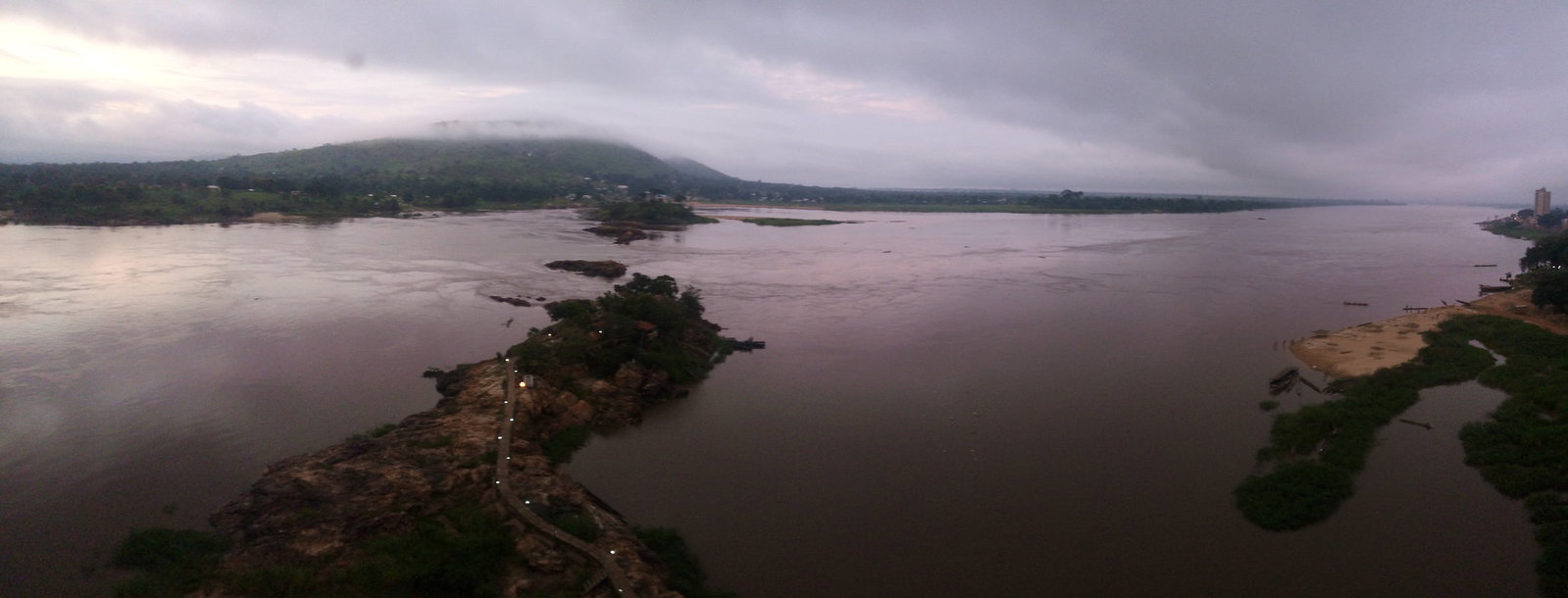
June to October is the peak wet season. Rainfall is heaviest from August to October; flooding can disrupt the lower riverbank areas, and overland travel outside the capital becomes very challenging. Air connections remain the same year-round — there are no meaningful seasonal flight schedule changes.
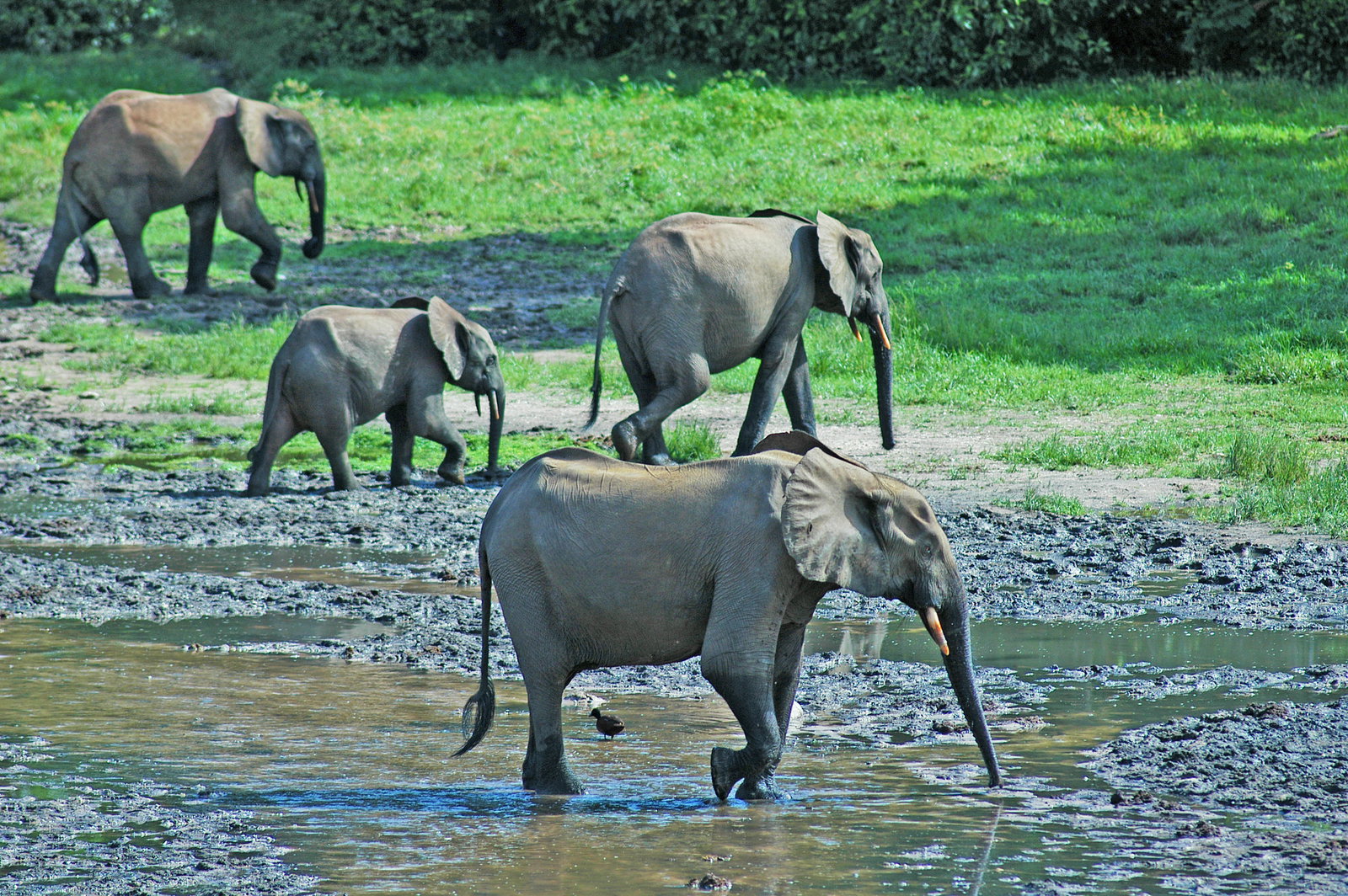
For wildlife-oriented visitors using Bangui as a gateway to Dzanga-Sangha, December to March offers the best forest-elephant sightings at the Dzanga Bai clearing and the most comfortable trekking conditions.
 Nature & River