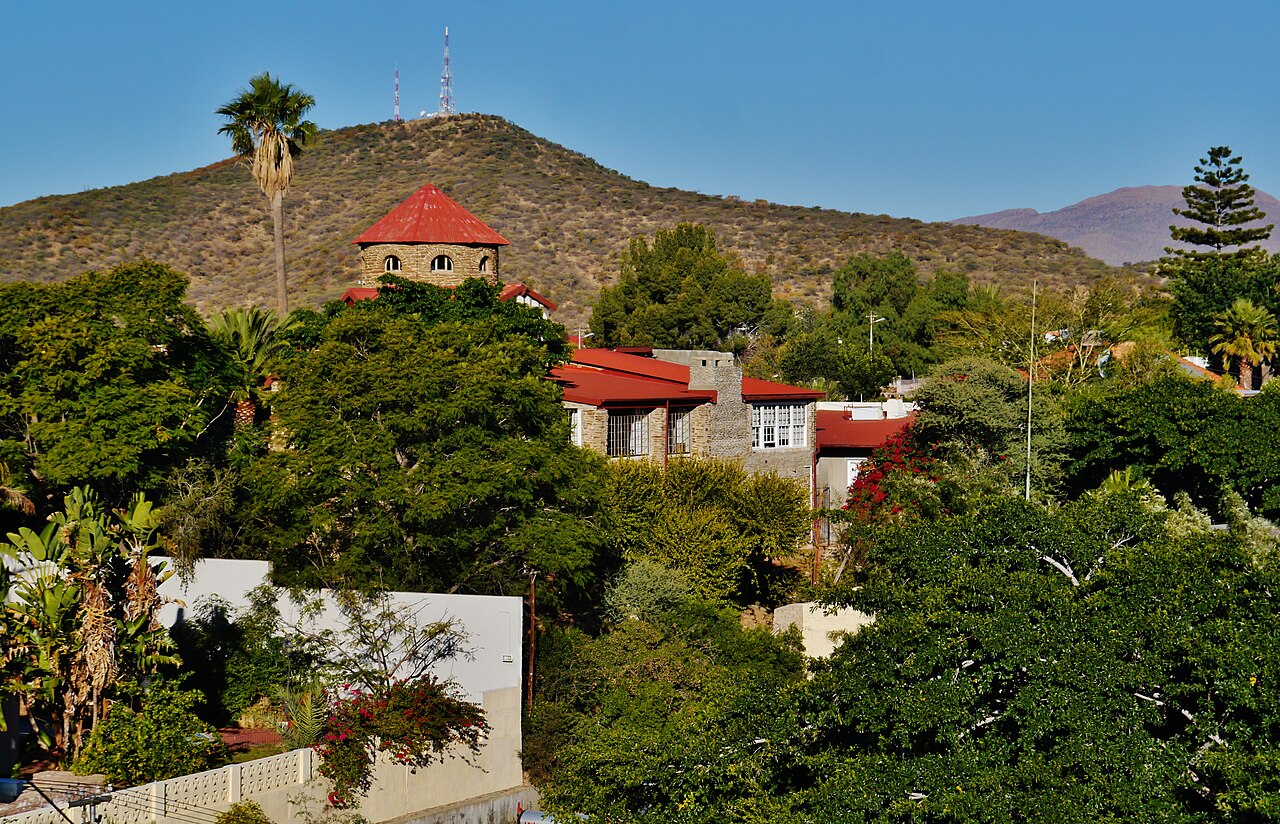
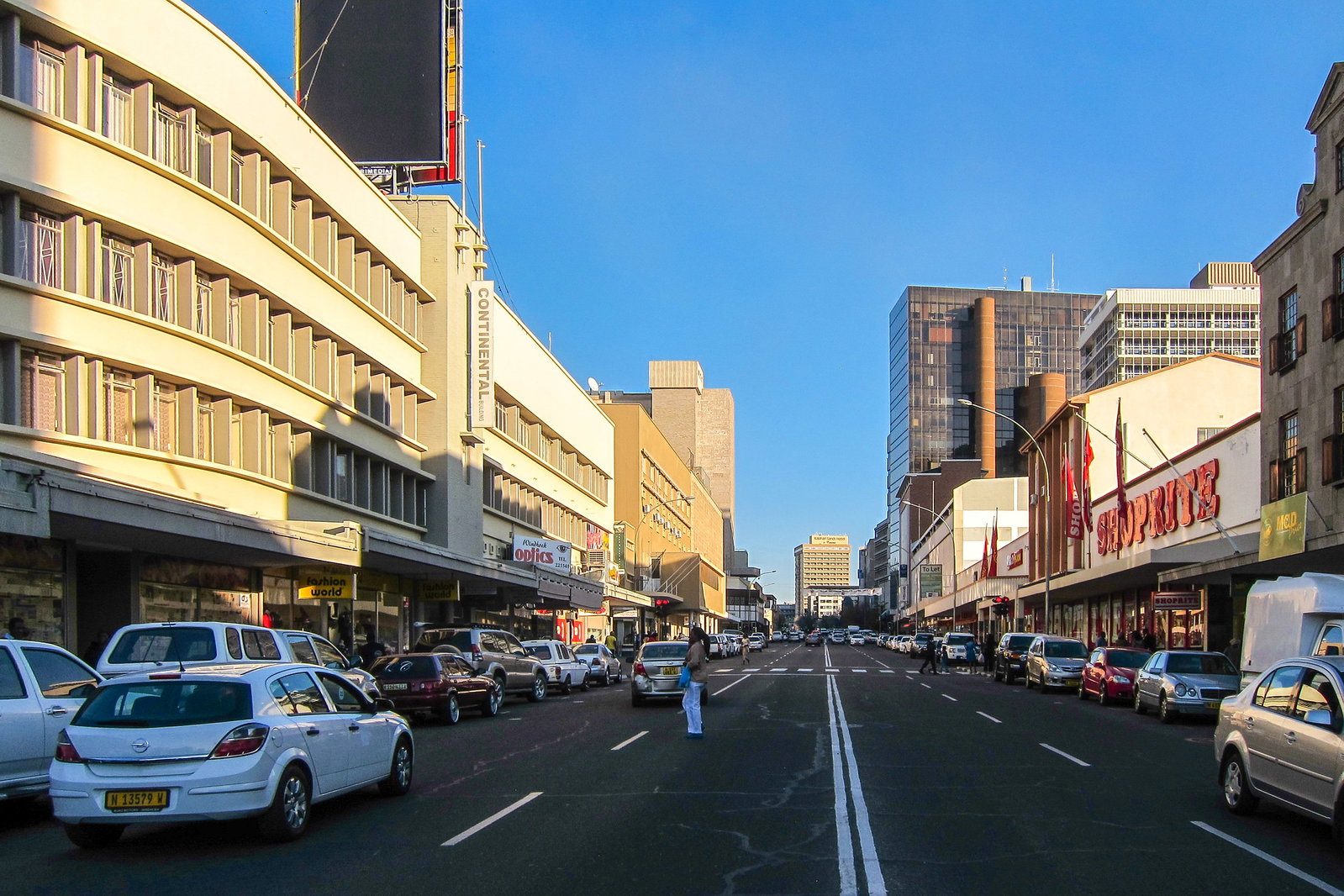
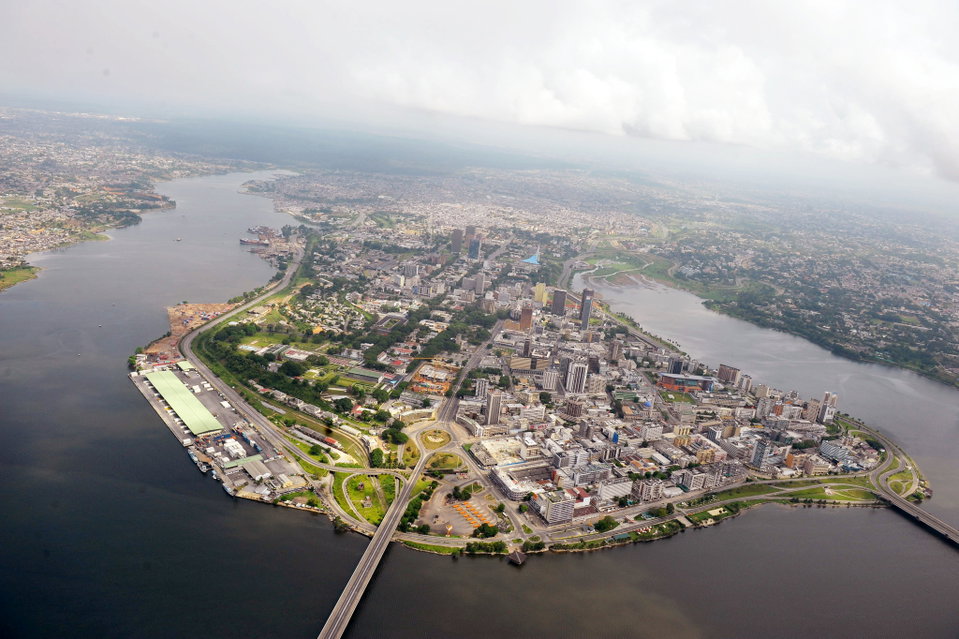
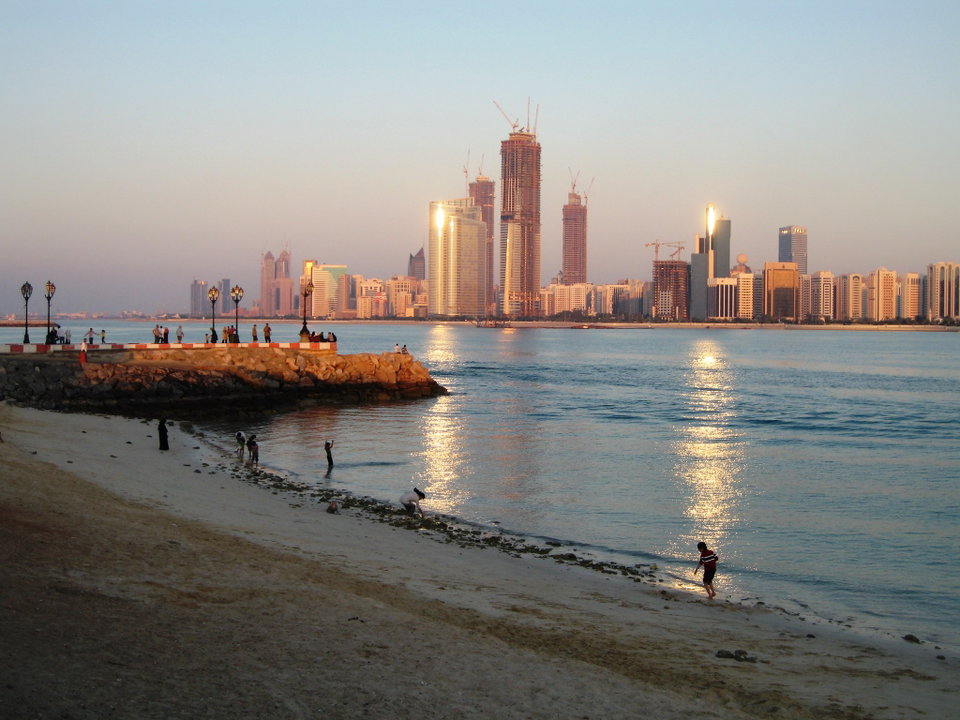
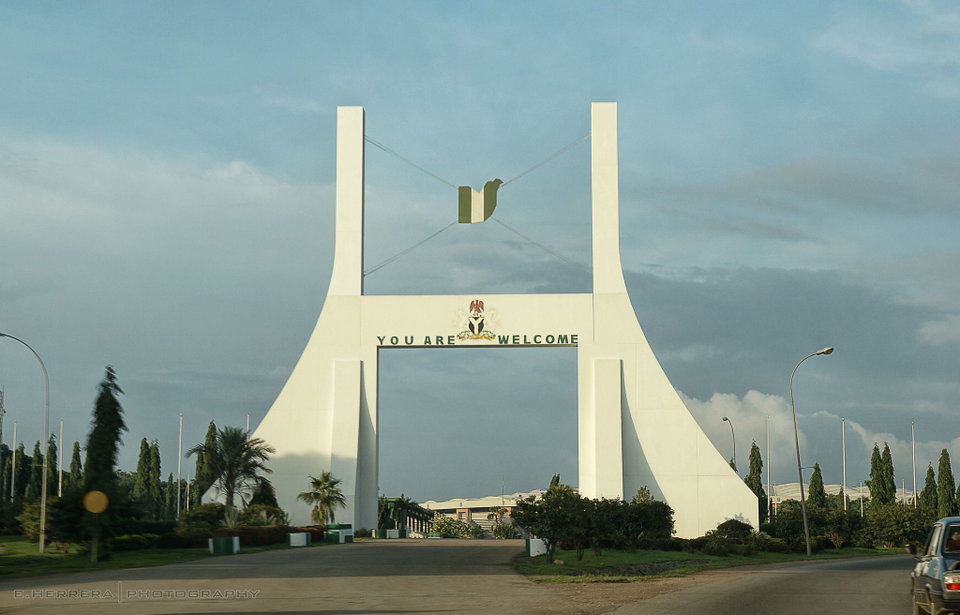
Windhoek city skyline framed by the Khomas Highland hills at golden hour

Destination guide

Windhoek

Central Namibia · Namibia

Namibia's understated capital — colonial architecture, excellent food, and the perfect launchpad for an epic safari

Best season

May to October (dry season) for pleasantly cool days and clear skies; November to April brings summer rains but lush green landscapes

From Nairobi

Approximately 4 hours 30 minutes (direct on Kenya Airways / Air Namibia codeshares; some routings via Johannesburg add 2–3 hours)

Why visit Windhoek?

Windhoek earns its place on the itinerary as much more than a transit hub. The city's German colonial past left behind an extraordinary architectural legacy — the Christuskirche (Christ Church), the Alte Feste fortress, and the three historic castles on Robert Mugabe Avenue are all within easy walking distance of each other. Pair those landmarks with the Post Street Mall's Gibeon Meteorite display, the outstanding National Museum of Namibia, and the vibrant Namibia Craft Centre and you have a genuine half-day of sightseeing.

Beyond the sights, Windhoek consistently surprises first-time visitors with its restaurant scene. The city's German heritage means hearty baked goods, Oktoberfest celebrations (held every year since 1920), and cold Windhoek Lager poured perfectly at every corner. Add to that a growing wave of contemporary African cuisine, rooftop bars with Khomas Highland views, and a handful of world-class game lodges within an hour's drive, and Windhoek rewards an extra day or two before you head into the desert.

  • Walk the compact city centre in under two hours — colonial churches, fortress walls, and meteorite displays all in one loop
  • Sip Windhoek Lager at the source: the brewery has been running Oktoberfest here since 1920
  • Shop Herero headdresses, San beadwork, and Namibian gemstones at the Namibia Craft Centre
  • Drive to Daan Viljoen Game Reserve in 30 minutes for kudu, zebra, and a bush sundowner
  • Base yourself here for self-drive access to Etosha (5 hrs north) and the Namib-Naukluft (5 hrs south-west)
  • One of the cleanest, safest, and most walkable capitals on the African continent

Best for

First-time Namibia visitors, self-drive overlanders, city-break travellers, architecture enthusiasts, food lovers

Trip style

City break, safari gateway, cultural immersion, self-drive stopover

Known for

German colonial architecture, Christuskirche, Windhoek Lager, Namibia Craft Centre, Gibeon meteorites, safe streets, proximity to Etosha and the Namib

Quick facts

Best time to visit

May to October (dry season) for pleasantly cool days and clear skies; November to April brings summer rains but lush green landscapes

Currency

Namibian Dollar (NAD); South African Rand accepted at par everywhere

Languages

English (official), Afrikaans, Oshiwambo, Otjiherero, German widely spoken in the city centre

Visa summary

Visa-free for most Western, Commonwealth, and SADC passport holders for up to 90 days; check the Namibian Ministry of Home Affairs list before travel

Flight time from Nairobi

Approximately 4 hours 30 minutes (direct on Kenya Airways / Air Namibia codeshares; some routings via Johannesburg add 2–3 hours)

Airport / arrival

Hosea Kutako International Airport (WDH) is 45 km east of the city; taxis, shuttle buses, and car-hire desks are available at arrivals

Safety note

One of Africa's safest capitals; normal urban precautions apply — avoid poorly lit areas at night and leave valuables out of sight in vehicles

Visa and entry

Look up entry rules by passport for travel to Namibia on the Tsavaro visa checker.

Check visa requirements for Namibia

Things to do

Christuskirche (Christ Church)Culture & Heritage

Christuskirche (Christ Church)

30–45 minutes

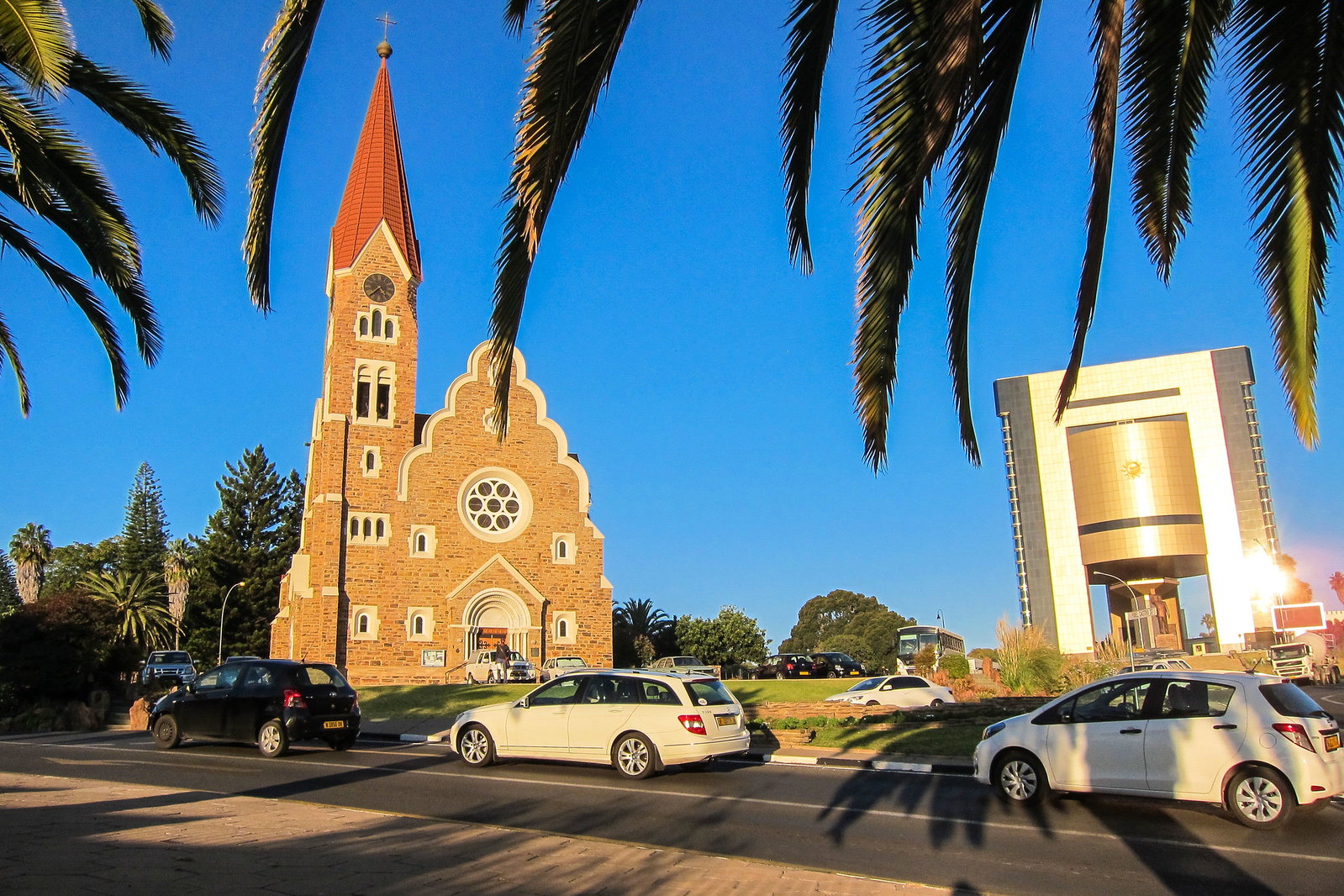
Namibia's most photographed landmark, this 1910 Lutheran church blends neo-Gothic and Art Nouveau styles and sits on a small hill overlooking the parliament gardens. Climb up at dusk for the best light.

Post Street Mall & Gibeon MeteoritesQuirky Sights

Post Street Mall & Gibeon Meteorites

30 minutes

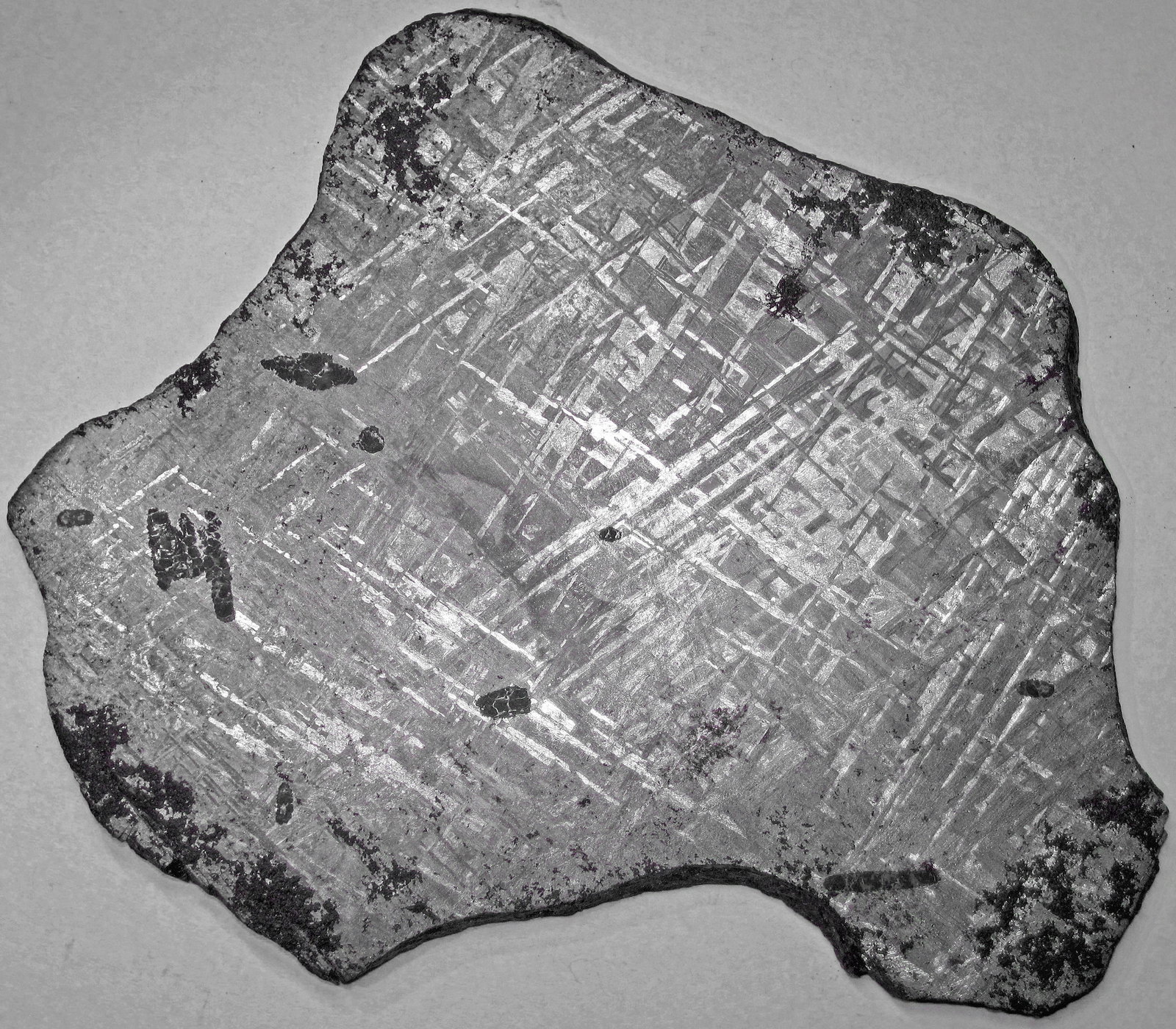
The city's pedestrian shopping street displays 33 meteorites that fell in southern Namibia thousands of years ago — an unlikely open-air exhibit right in the middle of the high street. Browse local vendors between the space rocks.

Daan Viljoen Game ReserveWildlife & Nature

Daan Viljoen Game Reserve

Half day

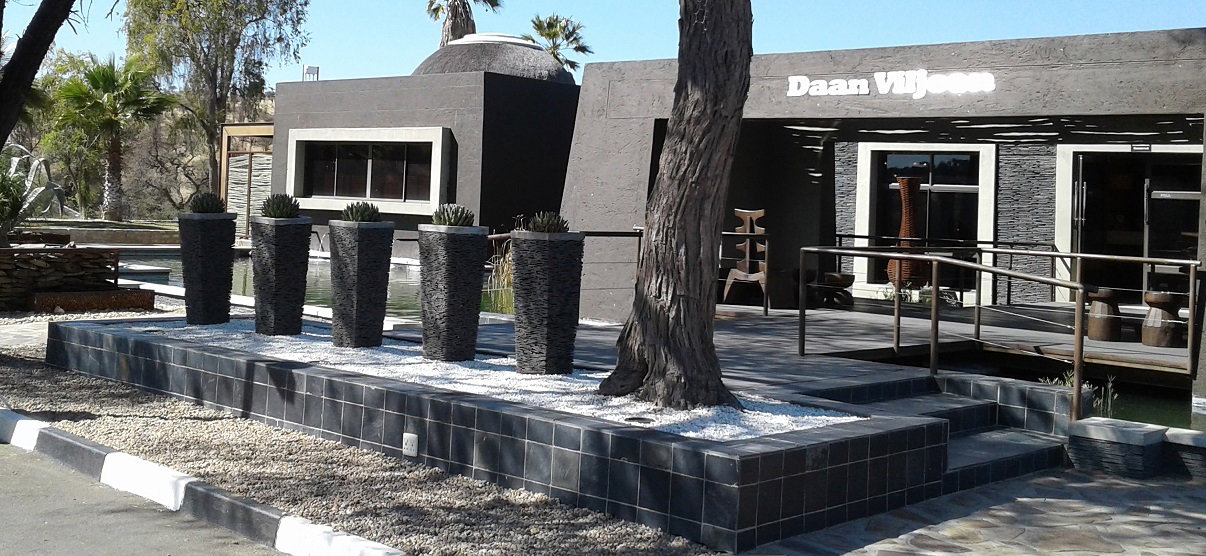
A 5,000-hectare reserve just 24 km west of the city centre, home to oryx, kudu, zebra, blue wildebeest, giraffe, and over 200 bird species. Ideal for a half-day escape from the city — there's a short hiking trail and a poolside restaurant.

Three Castles Walk (Heinitzburg, Sanderburg, Schwerinsburg)Architecture & History

Three Castles Walk (Heinitzburg, Sanderburg, Schwerinsburg)

45 minutes

Three fairytale-like fortified houses built around 1914 by a German count for his three sons, now visible from the street and one (Heinitzburg) converted into a boutique hotel and restaurant open to non-guests. A short uphill walk from the city centre.

Katutura Township Food TourFood & Culture

Katutura Township Food Tour

2–3 hours

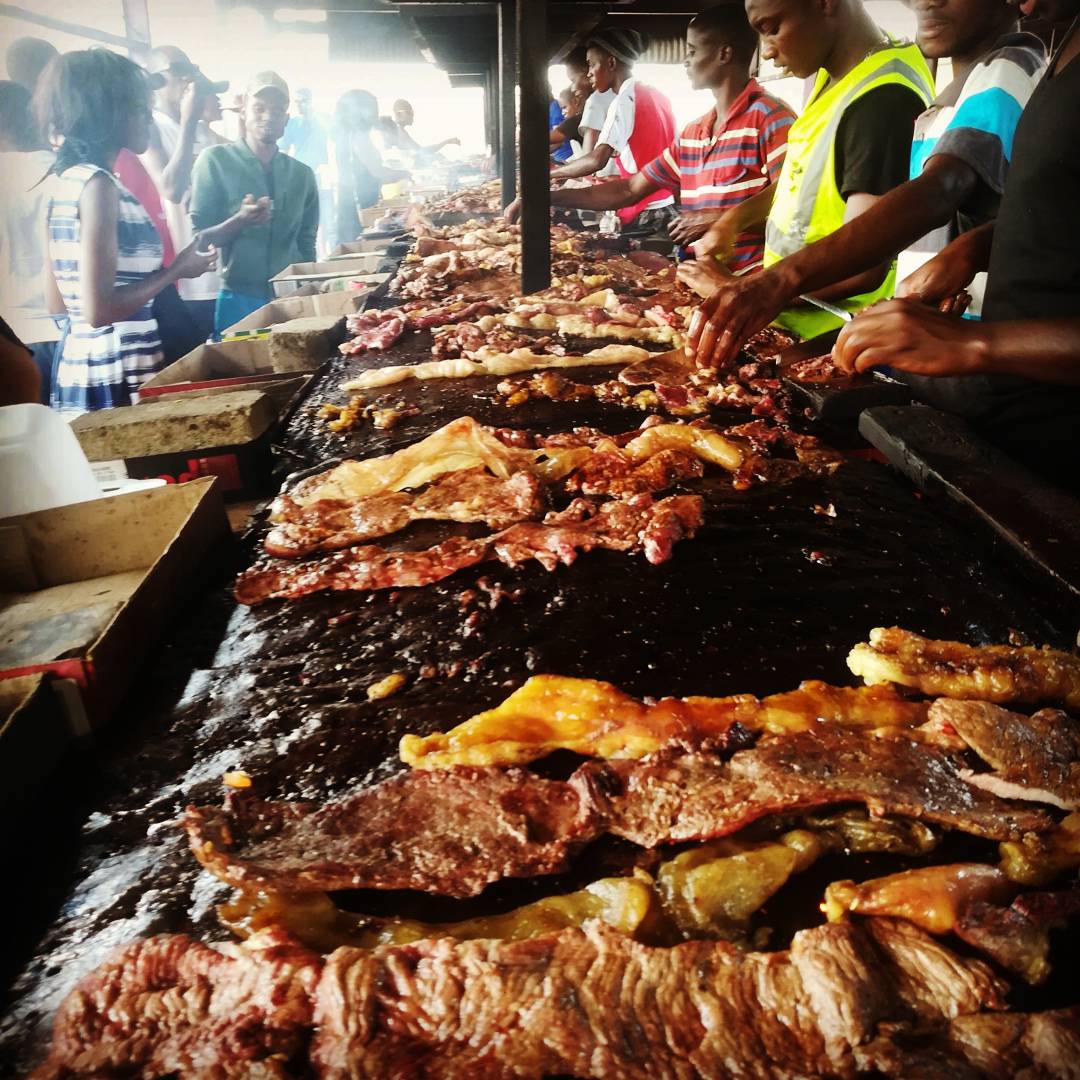
Join a guided walking tour of Katutura, the former apartheid-era township north of the city, stopping at the open-air market for kapana (grilled offal and meat), fat cakes, and fresh juice. A raw, authentic window into everyday Windhoek life.

Best time to visit Windhoek

The best time to visit Windhoek is May to October, during the dry season, when days are warm (18–26°C), nights are cool and clear, and dust has not yet settled. This coincides with peak safari season across Namibia, making it easy to combine a city stay with Etosha or the Namib.

June and July are the coolest months — overnight temperatures can drop to 4–6°C, so bring a light jacket for evenings. August and September heat back up to ideal sightseeing temperatures and the game reserves are at their most rewarding as wildlife concentrates around waterholes.

November to April is the green season (also called the 'emerald season'). Afternoon thunderstorms are common, usually short and dramatic, and the Khomas Highland hills turn brilliantly green. Birding peaks during these months as migrants arrive. Daytime temperatures rise to 32–36°C. Tourist numbers and prices drop significantly, making it good value for travellers who don't mind an afternoon shower.

December and January are the hottest and wettest months; outside the city, some gravel roads to remote areas become impassable — check conditions before a self-drive trip during this period.
Is Windhoek safe to visit?

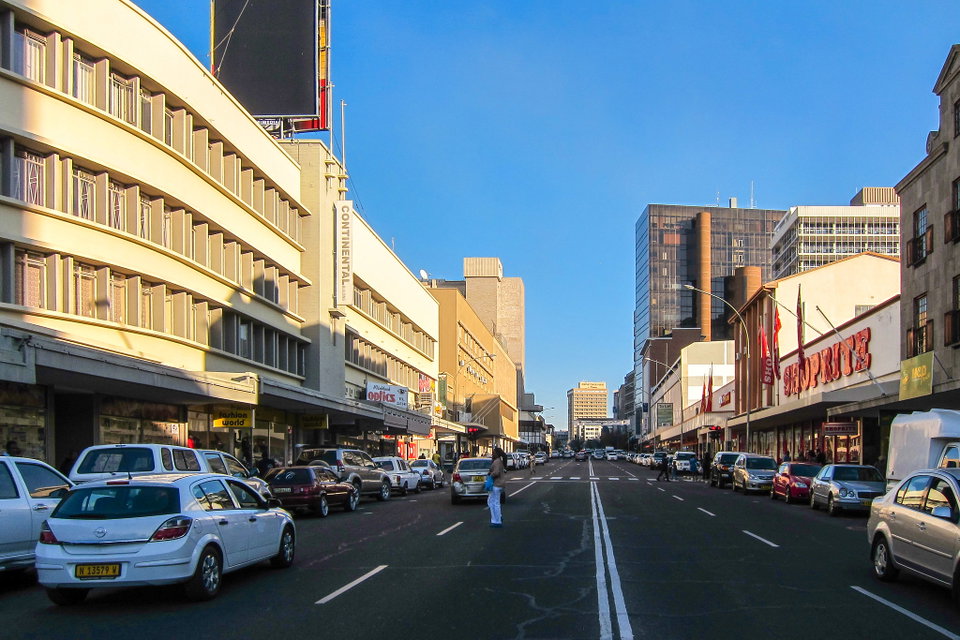
Yes — Windhoek is widely regarded as one of the safest capital cities in sub-Saharan Africa, and most visitors complete their stay without incident. The city centre and tourist areas around Independence Avenue, the Christuskirche, and the Namibia Craft Centre are well-policed and generally safe to walk during daylight hours.

At night, avoid walking alone in poorly lit side streets and use a taxi or ride-share app (such as Windhoek's local Dial-a-Cab services) rather than walking between restaurants or hotels. Petty theft — bag snatching and opportunistic theft from parked vehicles — is the most common issue; leave valuables locked in your boot or hotel safe.

Katutura, the former township, is safe to visit on a guided tour during the day but is not recommended for unaccompanied wandering at night. Car-jackings are rare but do occur, particularly after dark on outskirts roads — keep doors locked and windows up in slow-moving traffic at night.

Namibia's roads are generally good and Windhoek itself has functional traffic signage, but remain cautious on mountain passes leading out of the city, especially during summer rains when gravel sections can become slippery.

Suggested itinerary

2 Days in Windhoek: Colonial Heritage, Bush Escapes & Good Food

A relaxed two-day plan based in the city centre, mixing self-guided walking with a half-day game reserve excursion. Suits first-time Namibia visitors arriving by air before a self-drive safari. Budget: mid-range (NAD 1,500–2,500/person/day including accommodation).

Day 1

Colonial Windhoek on foot

Start the morning with a filter coffee and Namibian vetkoek at a bakery on Independence Avenue, then walk up to Christuskirche for the opening hour — the interior is cool, quiet, and worth exploring. Head downhill to the Alte Feste and spend an unhurried hour in the National Museum before the midday heat arrives.

After lunch at the restaurant in the Warehouse Theatre, walk south to the Namibia Craft Centre in the Old Breweries complex. Spend an hour browsing the stalls — prices are fixed, quality is high, and haggling is not expected.

In the late afternoon, take a taxi up to Heinitzburg Castle for a sundowner on the terrace with views across the bowl of the city. Round off the day with dinner at Joes Beerhouse — book ahead for a table under the thorn tree.

Windhoek — Colonial Windhoek on foot

Travel essentials

Getting around

Windhoek's compact city centre is walkable in fine weather. For outlying areas and evening travel, use Dial-a-Cab (the main local taxi company) or pre-arrange transfers through your hotel. Ride-hailing apps are available but less ubiquitous than in larger African cities. Self-drive car hire is the best way to explore beyond the city — all major international brands (Avis, Budget, Hertz, Europcar) have desks at Hosea Kutako Airport and offices in town. Drive on the left; roads are tarred and well-signed within the city.

Typical costs

Budget: NAD 400–700/night (guesthouses, hostels); Mid-range: NAD 900–1,800/night (boutique hotels, city lodges); Top-end: NAD 2,500+/night (Heinitzburg, The Olive Exclusive). Meals range from NAD 60–120 at local eateries to NAD 300–600 at smarter restaurants. A local craft beer costs about NAD 40–60. Entrance to most city museums is under NAD 50.

Culture and etiquette

Windhoek is a polite, relatively formal city — dress neatly when visiting government buildings, churches, and upmarket restaurants. Greetings matter: a handshake and 'Good morning / afternoon' before any transaction is expected. Photography of people, especially in Katutura, should be done with explicit permission. German is widely spoken in shops and restaurants — a few words of greeting ('Guten Morgen') are appreciated but not expected.

Safety and planning

Travel insurance with emergency medical evacuation cover is strongly recommended for any Namibia trip. Windhoek has several private hospitals (Medi-Clinic and Roman Catholic Hospital) with good facilities. Carry a photocopy of your passport; keep the original in your hotel safe. The emergency number in Namibia is 10111 (police) and 211 1111 (ambulance).

Connectivity

Mobile data (4G/LTE) is reliable throughout the city centre and most suburbs. MTC and TN Mobile are the main networks; SIM cards with generous data bundles are available from MTC shops on Independence Avenue for around NAD 50. Hotel Wi-Fi is standard at mid-range and above properties. International roaming is available but expensive.

Payments

Credit and debit cards (Visa and Mastercard) are accepted at hotels, restaurants, supermarkets, and most shops. American Express has limited acceptance. ATMs (FNB, Standard Bank, Bank Windhoek) are plentiful in the city centre and at major shopping malls. South African Rand is accepted at par with the Namibian Dollar everywhere — no need to exchange if you are coming from South Africa.

Windhoek travel FAQs

More destinations to explore