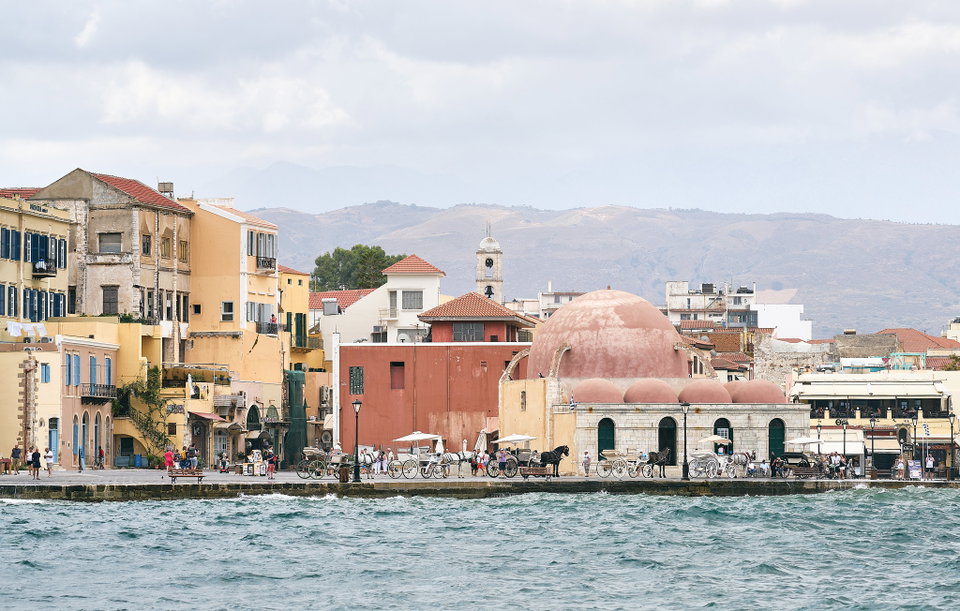
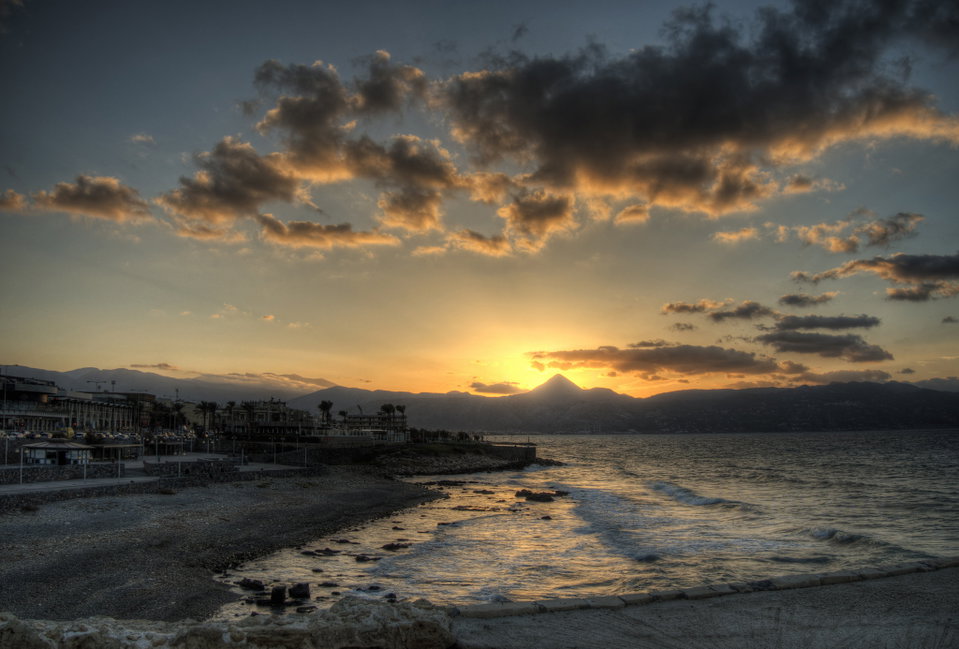
Panoramic view of Thessaloniki waterfront with the White Tower at sunset, Thermaic Gulf in the background

Destination guide

Thessaloniki

Macedonia, Northern Greece · Greece

Greece's second city — Byzantine layers, world-class food, and a waterfront made for wandering.

Best season

April–June and September–October for mild weather and fewer crowds; July–August for beach access but high heat.

From Nairobi

Approximately 8–10 hours with one stop (typically via Athens, Istanbul, or Dubai); no direct service.

Why visit Thessaloniki?

Thessaloniki punches well above its weight. It holds more Byzantine churches per square kilometre than almost any city in Europe — 15 of them are UNESCO-listed — and yet it never feels like a museum piece. The city is youthful (home to Greece's largest university population), opinionated about food (the bougatsa debate alone could fill a book), and genuinely welcoming to outsiders.

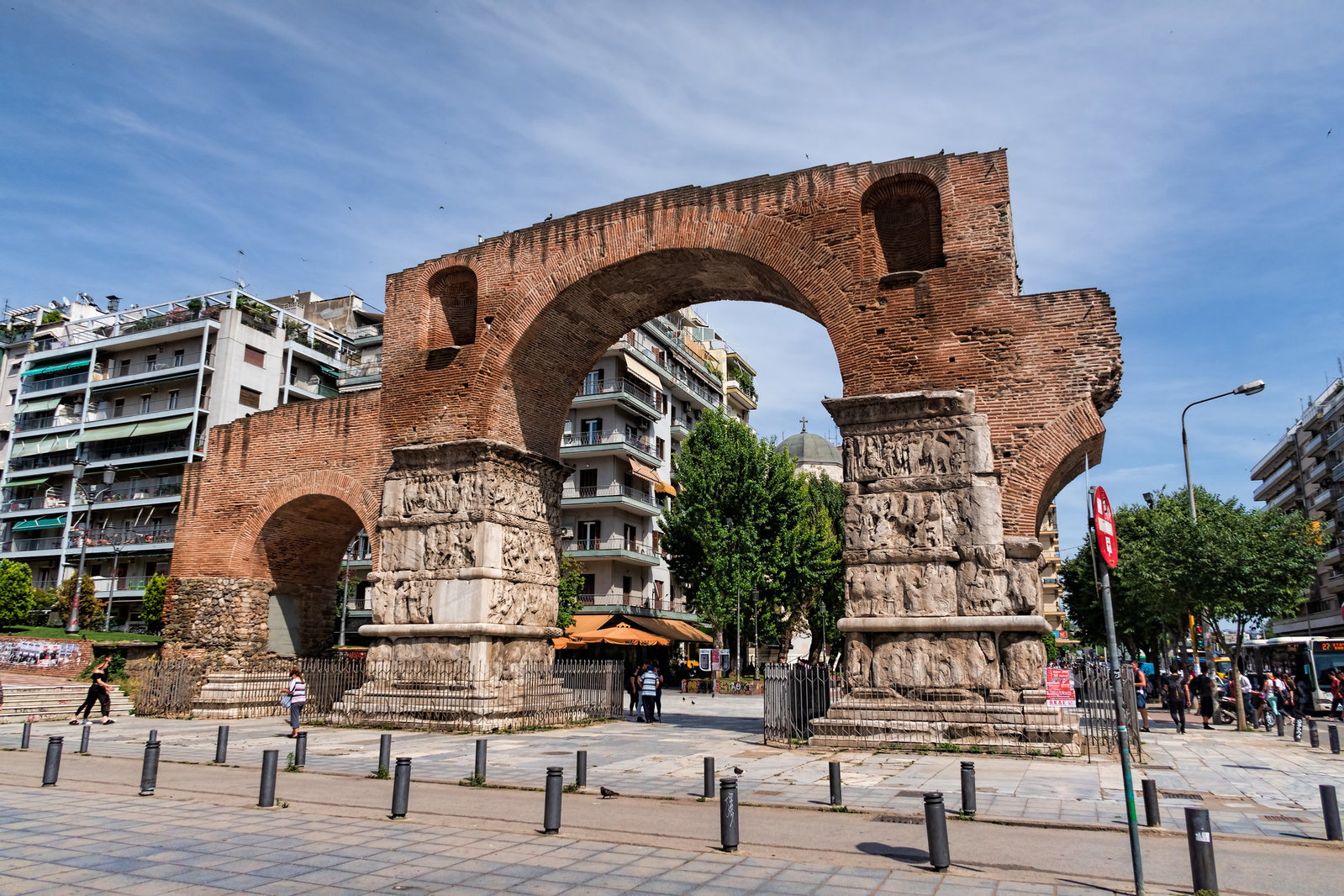
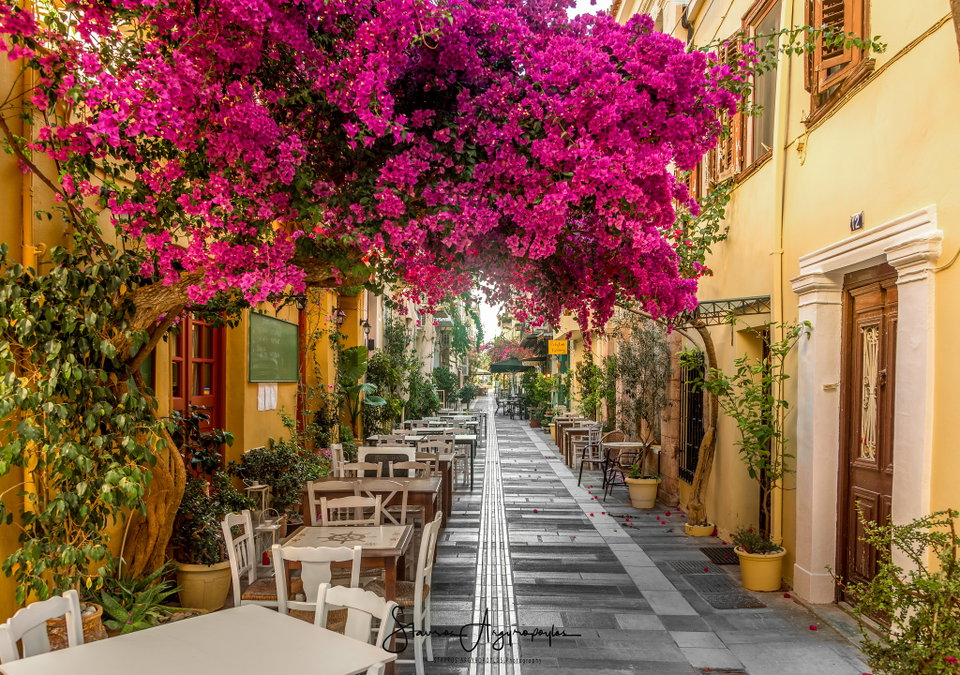
The waterfront promenade stretches 7 km along the Thermaic Gulf, anchored by the iconic 15th-century White Tower. Behind it, the Ladadika neighbourhood fizzes with tavernas and bars; uphill in Ano Poli, cobbled Ottoman-era streets open onto views across the whole gulf. For history lovers, the Palace of Galerius, the Arch of Galerius, and the Rotunda — one of the oldest intact domed structures in the world — are all within a ten-minute walk of each other.

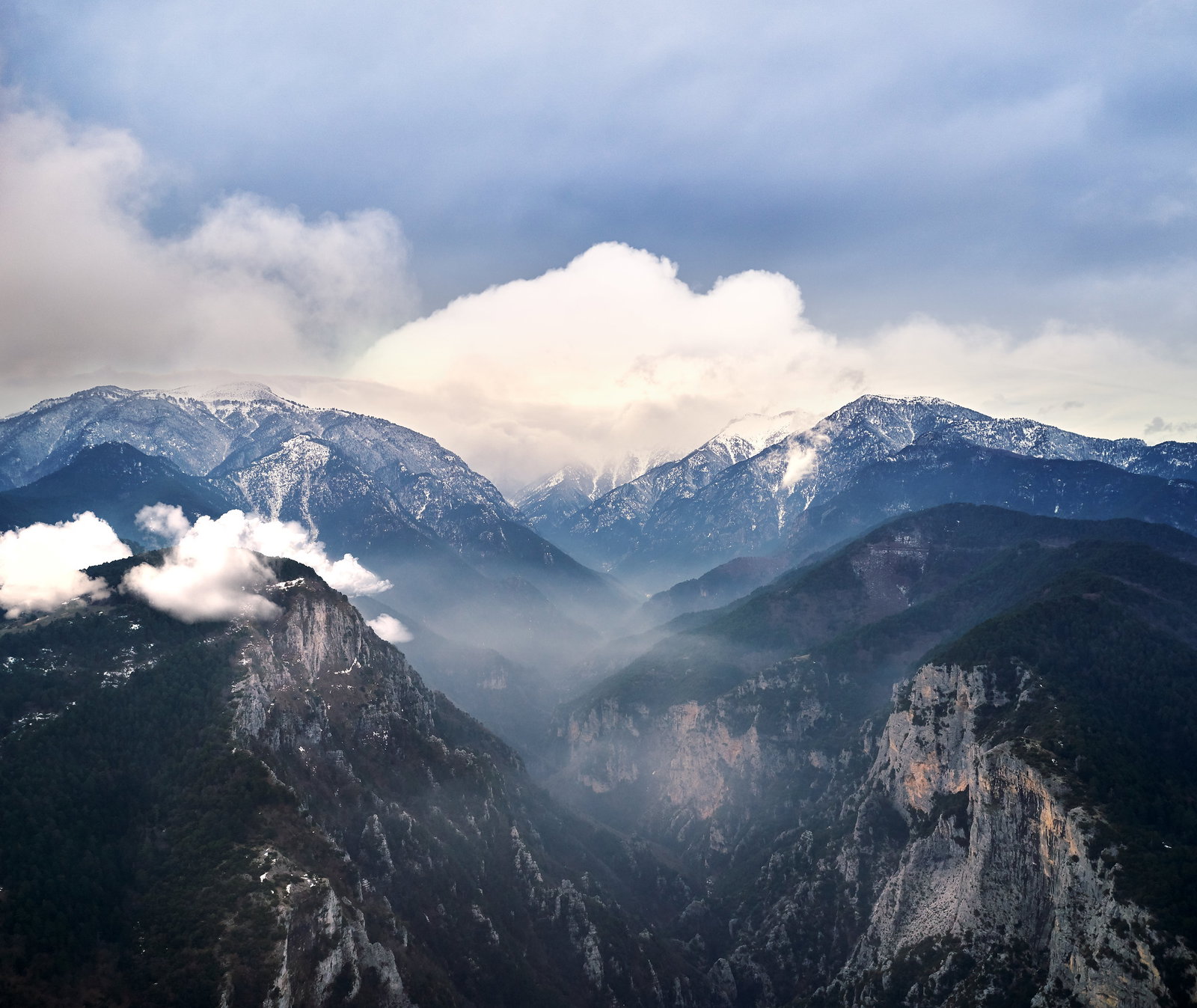
Thessaloniki is also the gateway to three wildly different day trips: the snow-capped peak of Mount Olympus (Greece's highest mountain), the three-pronged Halkidiki peninsula with its turquoise beaches, and the monastic republic of Mount Athos (male visitors with a permit).

  • 15 UNESCO-listed Byzantine churches — more than any other city in Europe.
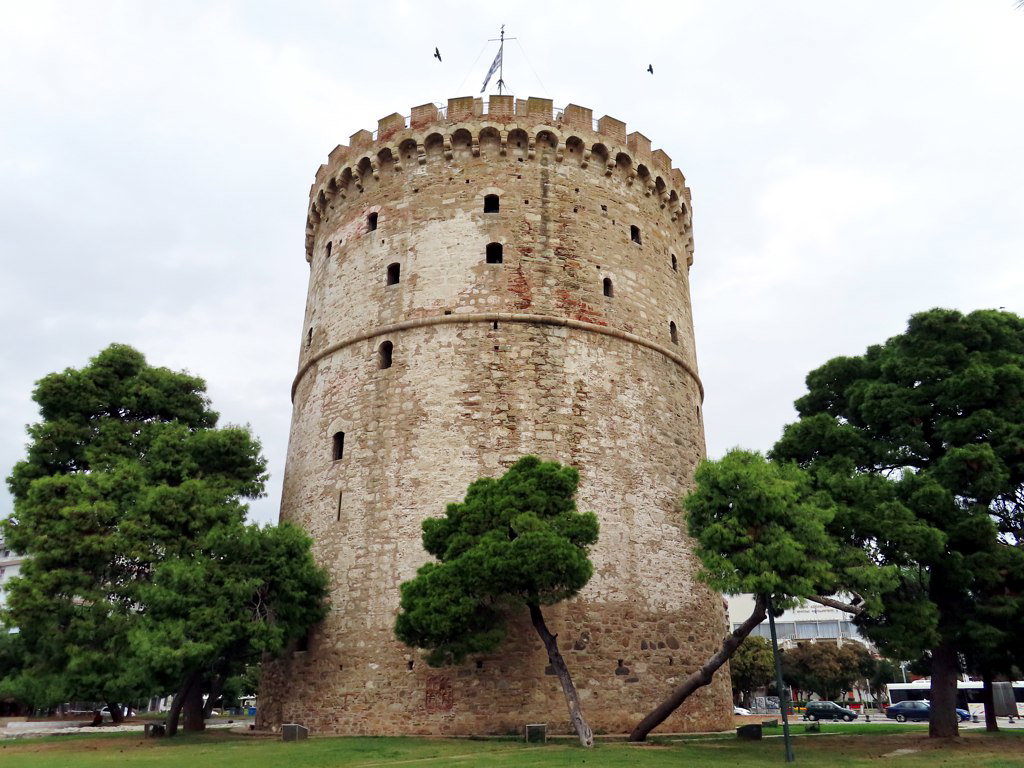
  • The White Tower: Thessaloniki's iconic 15th-century landmark on a 7 km waterfront promenade.
  • Greece's undisputed food capital — bougatsa, seafood meze, and the best street koulouri you'll eat.
  • Ano Poli's labyrinthine Ottoman quarter with panoramic gulf views and almost no tourist crowds.
  • Day trips to Mount Olympus, Halkidiki's beaches, and the Byzantine ghost city of Veria in under 90 minutes.
  • A university city with a nightlife scene that outpaces Athens on energy and outpaces Europe on value.

Best for

History buffs, food lovers, city-break travellers, students of Byzantine and Ottoman culture, beach-and-city combiners.

Trip style

Cultural city break, food and wine, weekend escape, Greece off the beaten path.

Known for

Byzantine churches and UNESCO mosaics, bougatsa and koulouri street food, vibrant nightlife, the White Tower, Modiano Market, proximity to Halkidiki and Olympus.

Quick facts

Best time to visit

April–June and September–October for mild weather and fewer crowds; July–August for beach access but high heat.

Currency

Euro (€). ATMs widely available; cards accepted at most restaurants and hotels.

Languages

Greek. English is widely spoken in hotels, restaurants, and tourist areas.

Visa summary

EU/EEA citizens: no visa required. UK, US, Canadian, and Australian citizens: visa-free for up to 90 days under the Schengen agreement.

Flight time from Nairobi

Approximately 8–10 hours with one stop (typically via Athens, Istanbul, or Dubai); no direct service.

Airport / arrival

Thessaloniki International Airport 'Makedonia' (SKG) is 16 km south of the city centre. Taxis take around 20 minutes; bus route 78 connects the airport to the city every 30 minutes.

Safety note

Very safe for tourists. Standard urban precautions apply around busy markets and the train station area.

Visa and entry

Look up entry rules by passport for travel to Greece on the Tsavaro visa checker.

Check visa requirements for Greece

Things to do

Climb the White TowerCulture & History

Climb the White Tower

1–1.5 hours

Thessaloniki's defining landmark is a 34-metre Ottoman tower on the waterfront, now a museum tracing the city's history from Byzantine times through to the 20th century. The rooftop terrace offers the best 360° views in the city.

Explore the Rotunda and Arch of GaleriusCulture & History

Explore the Rotunda and Arch of Galerius

1–2 hours

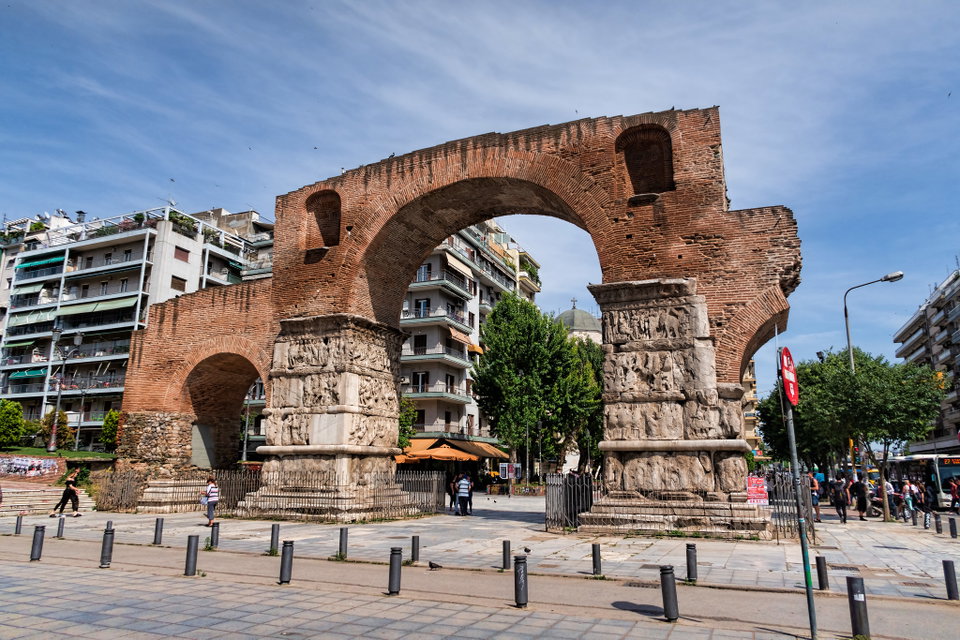
Built around 306 AD as a mausoleum for the Roman Emperor Galerius, the Rotunda is one of the oldest surviving domed buildings on earth. The adjacent Arch of Galerius is carved with vivid battle reliefs — both are free to walk around.

Wander Ano Poli (Upper Town)Neighbourhoods & Walking

Wander Ano Poli (Upper Town)

2–3 hours

The Ottoman-era upper neighbourhood survived the catastrophic 1917 fire that destroyed much of the lower city. Colourful timber-framed houses, Byzantine city walls, and the Eptapyrgion fortress crown the hill — the views across the Thermaic Gulf at dusk are extraordinary.

Follow the Byzantine Monuments trailCulture & History

Follow the Byzantine Monuments trail

Half day

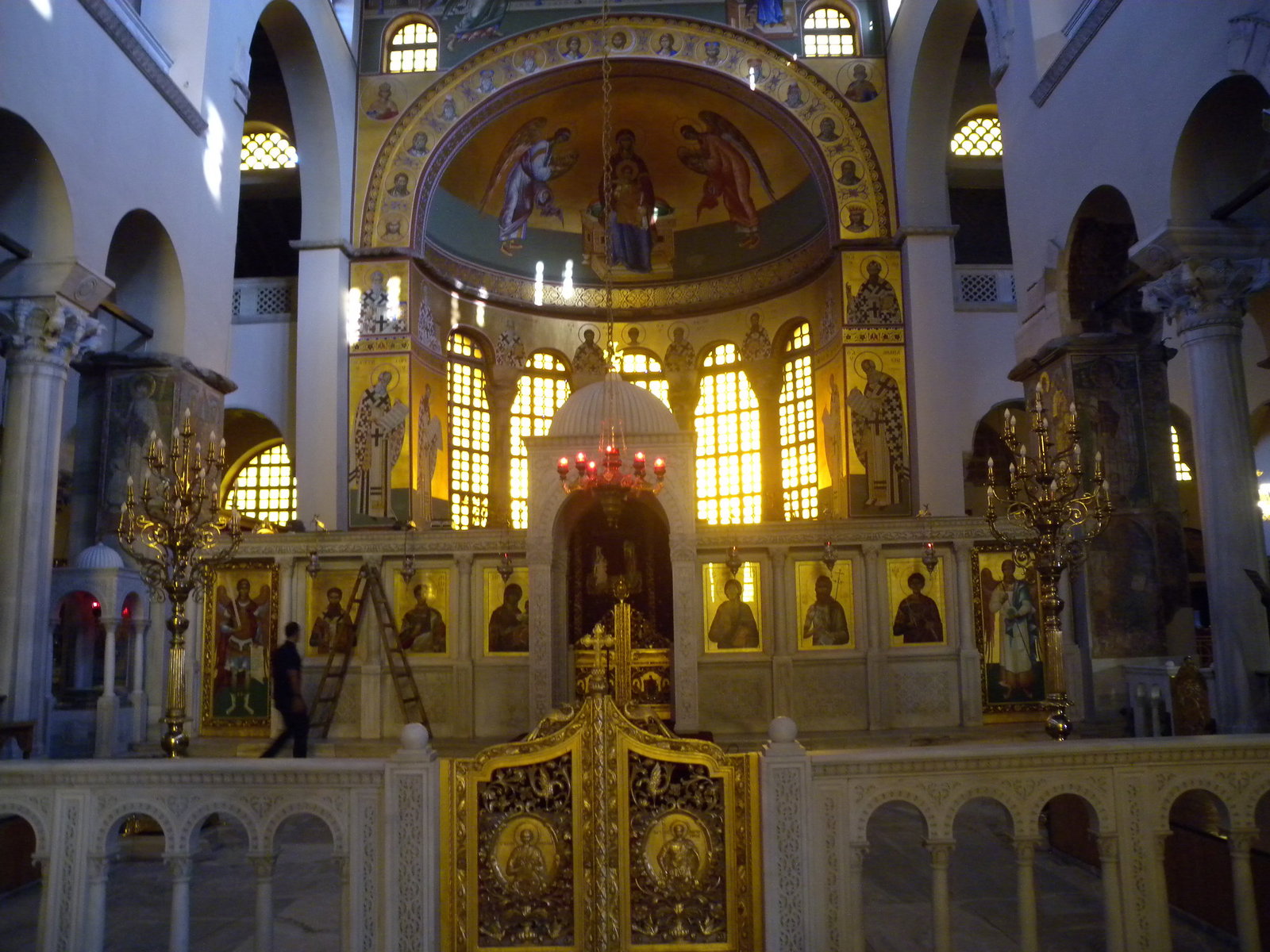
Fifteen of Thessaloniki's Byzantine churches are jointly UNESCO-listed. Highlights include the Hagia Sophia (a miniature of Istanbul's), the Osios David with its remarkable 5th-century mosaic of Christ, and the Agios Demetrios basilica — the city's patron saint's shrine.

Eat bougatsa for breakfastFood & Drink

Eat bougatsa for breakfast

30 minutes

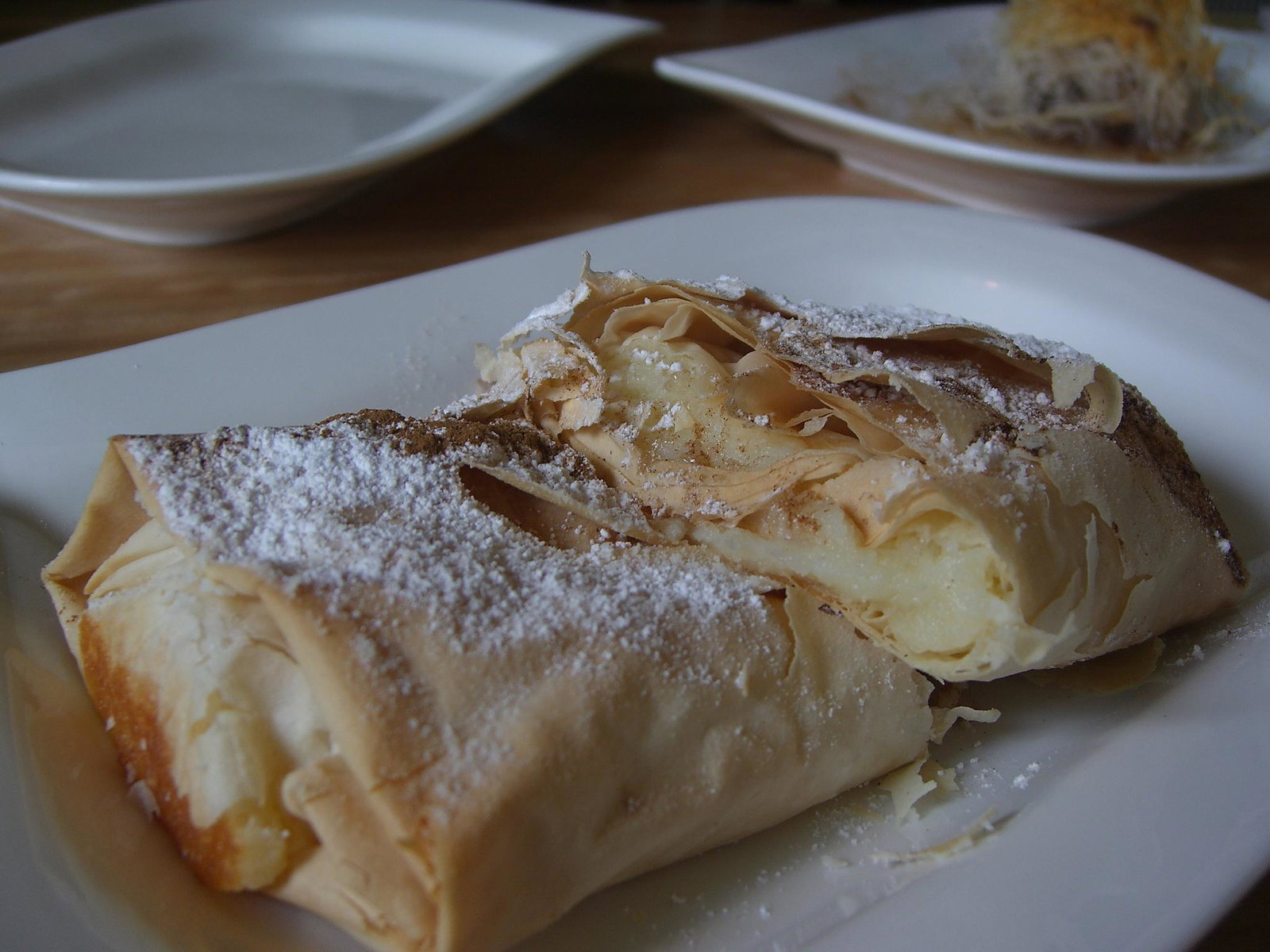
Thessaloniki claims ownership of bougatsa — a warm pastry of crisp phyllo filled with semolina custard, cheese, or minced meat. The legendary Bantis and Serres are open from dawn. Order it with a sprinkle of icing sugar and cinnamon and a thick Greek coffee.

Day trip to Mount OlympusNature & Adventure

Day trip to Mount Olympus

Full day or overnight

Greece's highest peak (2,917 m) is only 90 minutes from Thessaloniki. The trailhead town of Litochoro is the base for anything from a gentle gorge walk to a two-day summit attempt via the Refuge A hut. Zeus's mythological home delivers very real alpine drama.

Best time to visit Thessaloniki

The best time to visit Thessaloniki is April to June or September to October, when temperatures are comfortable (18–27°C), the city is lively but not overwhelmed, and the countryside around it is at its most photogenic.

Spring (April–May): The ideal window. Wildflowers cover the slopes of Olympus, Halkidiki beaches are uncrowded, and the city's outdoor café terraces fill up with locals enjoying post-winter air. Rainfall is possible but rarely persistent.

Summer (June–August): July and August are hot (frequently 35°C+), but the city stays active. This is the best time for Halkidiki beaches, though the peninsula gets very busy. The Thessaloniki International Film Festival takes place in November — but summer brings outdoor concerts and the Sani Festival on Halkidiki.

Autumn (September–October): September is arguably the sweetest spot — the Aegean is still warm enough to swim, the heat has eased, grapes are being harvested in the nearby Naoussa wine region, and hotel prices drop significantly.

Winter (November–March): Cold and occasionally snowy, but Thessaloniki handles it with grace. The Christmas market on Aristotelous Square is charming, museums are crowd-free, and hotel rates are at their lowest. Skiing at Seli or Vermio resorts is possible from December.
Is Thessaloniki safe to visit?

Yes — Thessaloniki is generally very safe for tourists, and violent crime against visitors is rare. It consistently ranks among the safer cities in southern Europe and feels relaxed even at night.

Petty theft: The main risk is pickpocketing in crowded areas — the Modiano and Kapani Markets, the waterfront promenade in summer, and the main bus and train station. Use a crossbody bag and keep valuables out of back pockets.

Night safety: The Ladadika and Valaoritou bar districts are busy and safe until very late. Women travelling solo report feeling comfortable; the large student population keeps the atmosphere sociable rather than threatening.

Areas to be aware of: The immediate surroundings of the Thessaloniki railway station can feel rough at night — not dangerous, but worth staying alert. The refugee camp areas on the city outskirts are separate from the tourist centre.

Road safety: If you hire a car, be aware that Greek driving can be assertive. Parking rules in the centre are inconsistently enforced. Using public taxis or the KTEL intercity buses is often easier.

Health: Greece has reciprocal healthcare arrangements with EU countries (bring your EHIC/GHIC card). Travel insurance covering medical evacuation is recommended for non-EU visitors.

Suggested itinerary

3 Days in Thessaloniki: History, Food & the Waterfront

This plan assumes a mid-pace city break based in central Thessaloniki (walkable to most sights). It balances heavyweight historical sites with the leisurely food culture the city is famous for. Budget travellers can do it comfortably on €80–100/day all-in; mid-range €150–200/day.

Day 1

Waterfront, the White Tower & Ladadika

Start the morning at the White Tower — arrive when it opens at 8 am to beat the heat and the school groups. Spend an hour in the museum, then walk the full promenade westward to the port, stopping for a koulouri (sesame ring) from one of the waterfront vendors.

Circle back through the Aristotelous Square, the grandest public square in Greece, and duck into the Modiano Market for a slow browse and a plate of olives and feta at one of the counter bars.

In the afternoon, visit the Arch of Galerius and the Rotunda — they're two minutes apart on Egnatia Street, Thessaloniki's main ancient Roman road. Then head uphill slightly to the Hagia Sophia for the Byzantine mosaic interior.

End the day with dinner and drinks in Ladadika. Order tsipouro with mezedes — the local way to eat — and pick a taverna with an outdoor terrace.

Thessaloniki — Waterfront, the White Tower & Ladadika

Travel essentials

Getting around

Central Thessaloniki is very walkable — most historic sites are within a 25-minute walk of the waterfront. City buses cover the wider urban area; taxis are cheap and widely available via the Beat app. For day trips, hire a car from the airport or take KTEL intercity buses (reliable, cheap, and well-connected to Halkidiki, Olympus, and Vergina).

Typical costs

Budget: €50–80/day (hostel dorm, street food, public transport). Mid-range: €120–180/day (3-star hotel, sit-down meals, one day trip). High-end: €250+/day (design hotel, fine dining, private car hire). A bougatsa costs €2–3; a full mezedes meal with tsipouro for two runs €30–50.

Culture and etiquette

Greeks greet warmly — a handshake or cheek-kiss among friends is normal. Dress modestly when entering churches and monasteries (shoulders and knees covered; scarves available at most entrances). Tipping is appreciated but not obligatory — rounding up the bill or leaving 10% is the norm. Don't rush meals; eating is a social ritual.

Safety and planning

Carry a copy of your passport. Greece uses the EU emergency number 112. The nearest major hospital is AHEPA University Hospital, well-equipped and centrally located. Pharmacies (marked by a green cross) are excellent first ports of call for minor ailments and widely available.

Connectivity

4G/5G coverage is excellent throughout the city and along main highways. Free Wi-Fi is available in most hotels, cafés, and restaurants. Greek SIM cards (Cosmote, Vodafone, Wind) are available at the airport and in city centre shops from around €10 for a tourist data bundle. EU roaming rules apply for European visitors.

Payments

Cards are accepted in most restaurants, hotels, and shops in the centre. Smaller tavernas, market stalls, and taxis may be cash-only. ATMs are abundant; avoid dynamic currency conversion. The currency is the Euro (€).

Thessaloniki travel FAQs

More destinations to explore

Thessaloniki, Greece