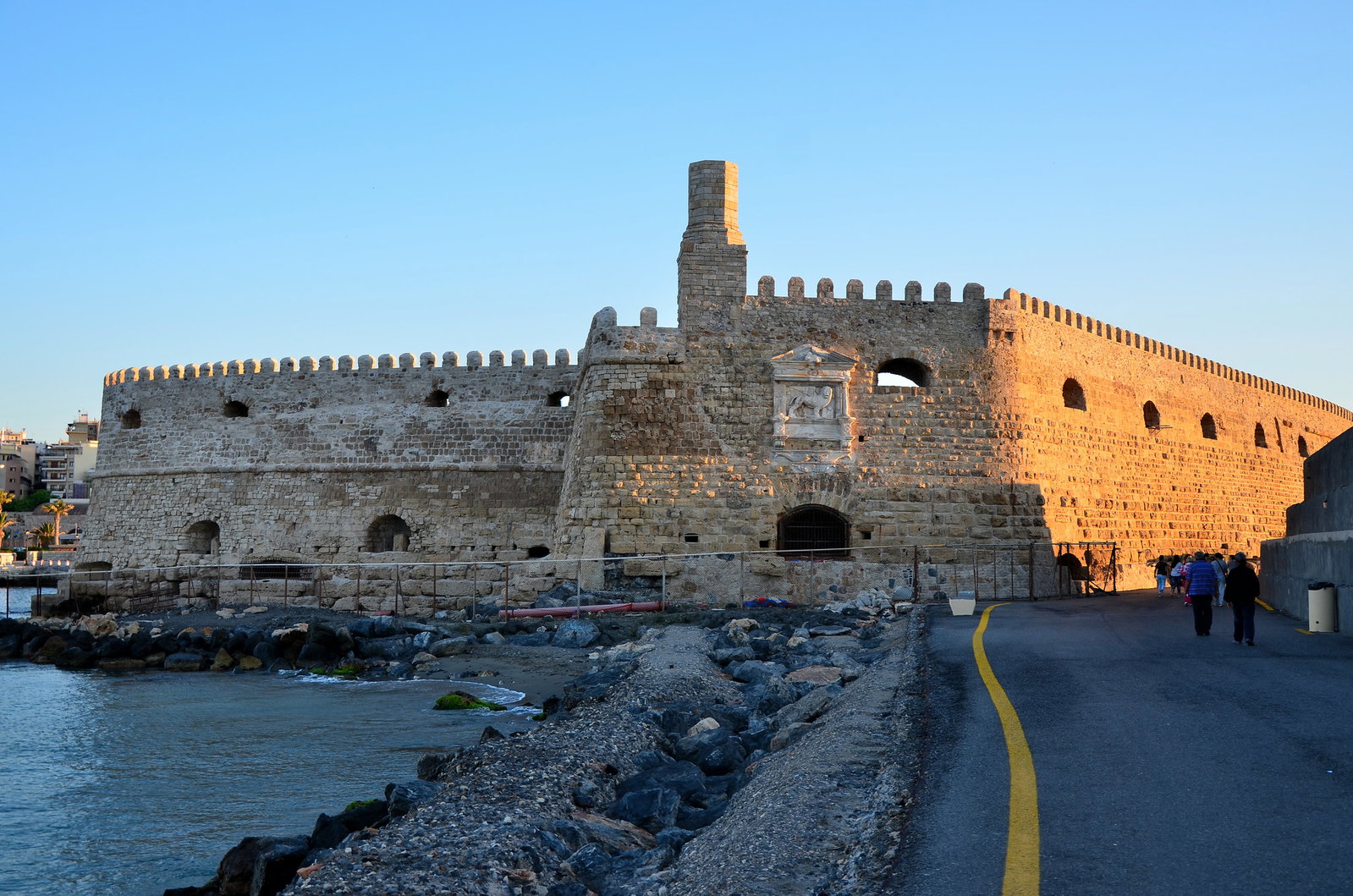
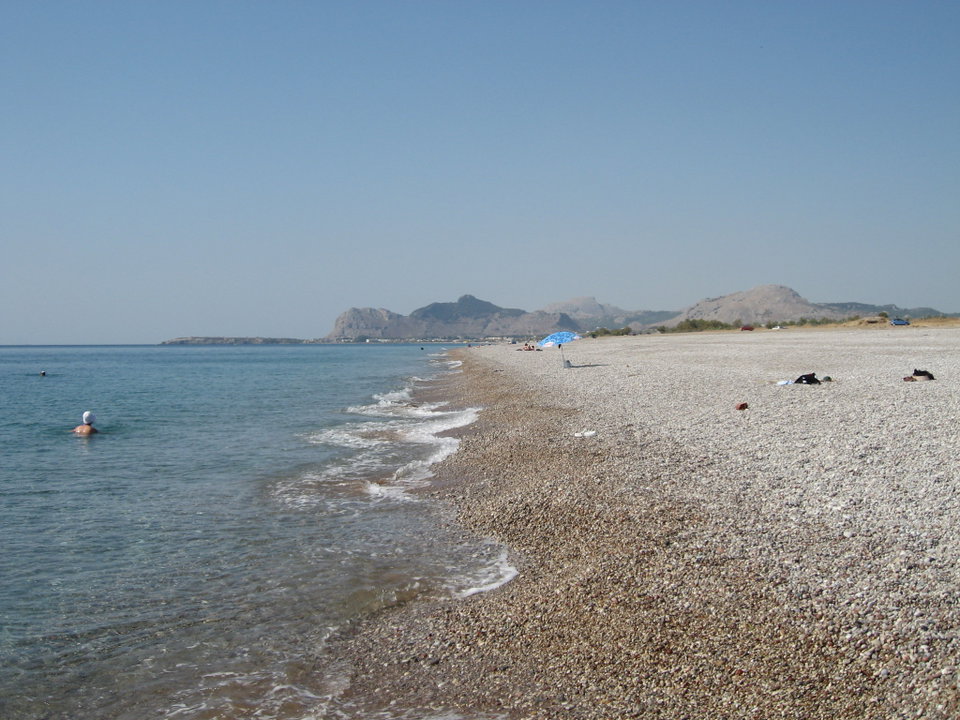
Venetian harbour fortress of Koules at sunset with fishing boats moored in Heraklion, Crete

Destination guide

Heraklion

Crete · Greece

Minoan palaces, Venetian harbours, and Crete's most vibrant city — all in one place.

Best season

April to June and September to October for mild weather and smaller crowds; July and August are hot (30–35 °C) but lively.

From Nairobi

Approximately 7–9 hrs with one stop (via Athens, Cairo, or Dubai); no direct service.

Why visit Heraklion?

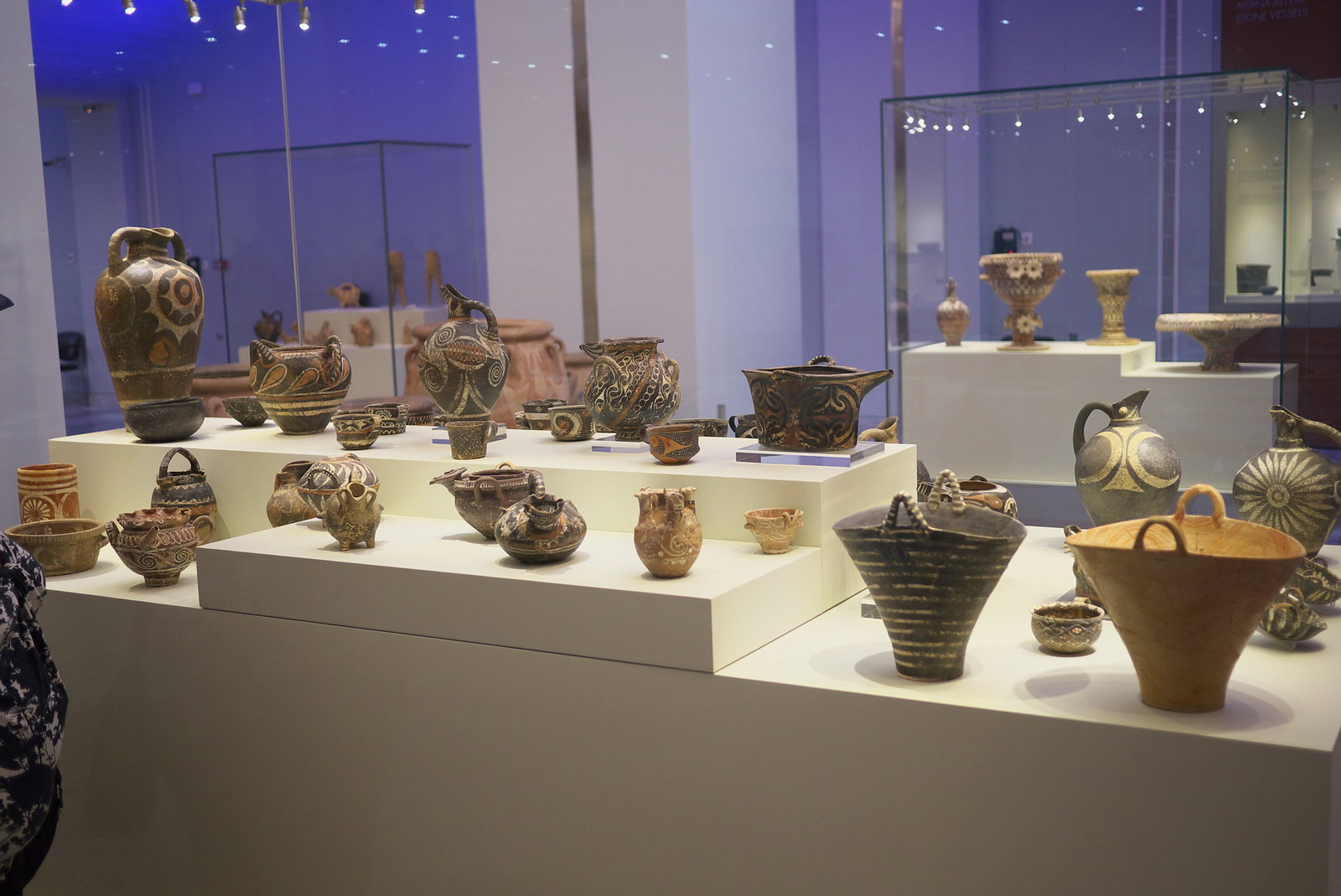
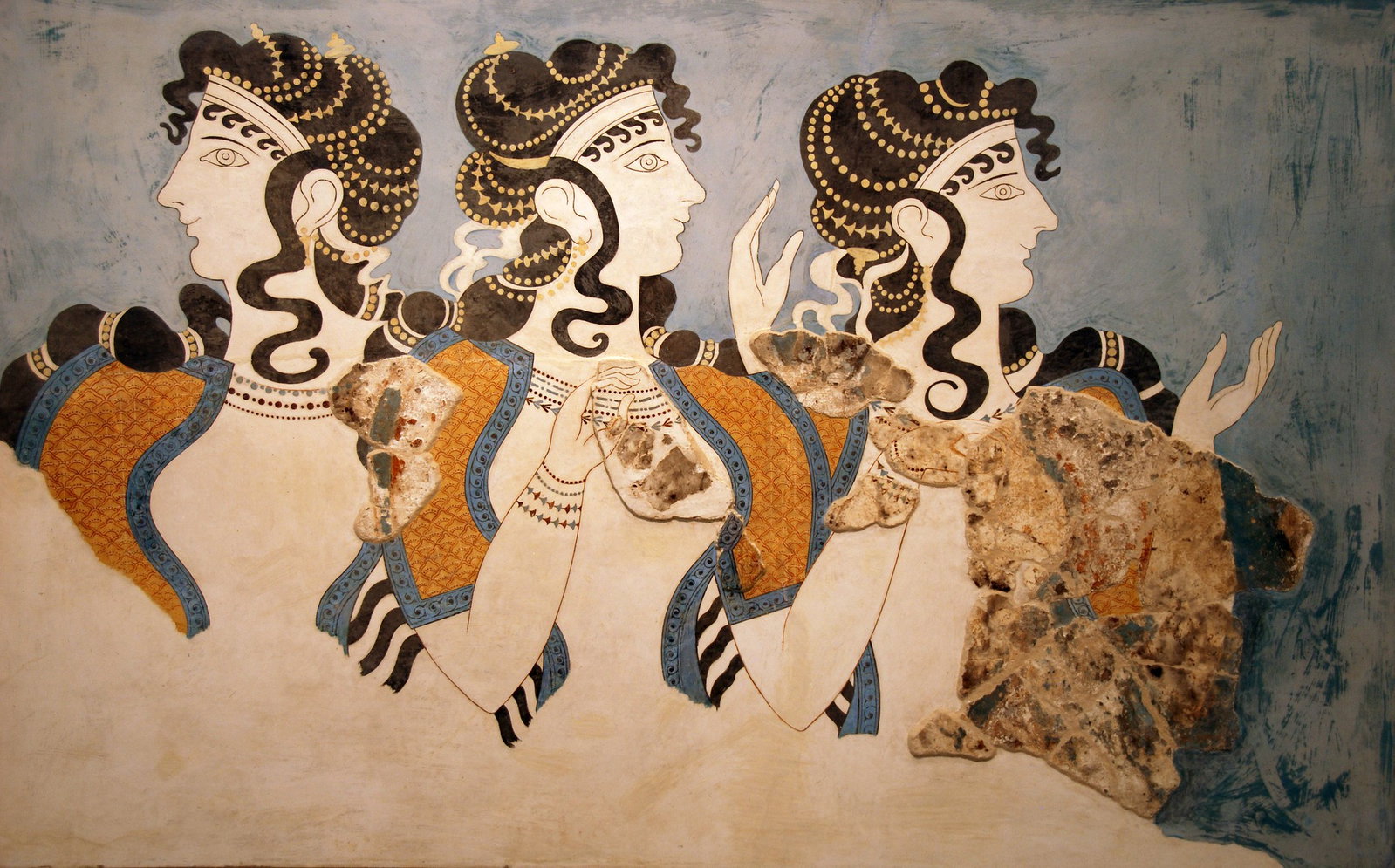
Heraklion punches well above its weight for a Mediterranean city of 175,000 people. The Palace of Knossos — reconstructed in vivid terracotta and cobalt by Arthur Evans — is the most visited site in Greece after the Acropolis, and the Heraklion Archaeological Museum houses the world's finest collection of Minoan art, including the iconic Bull-Leaping Fresco and the Phaistos Disc.

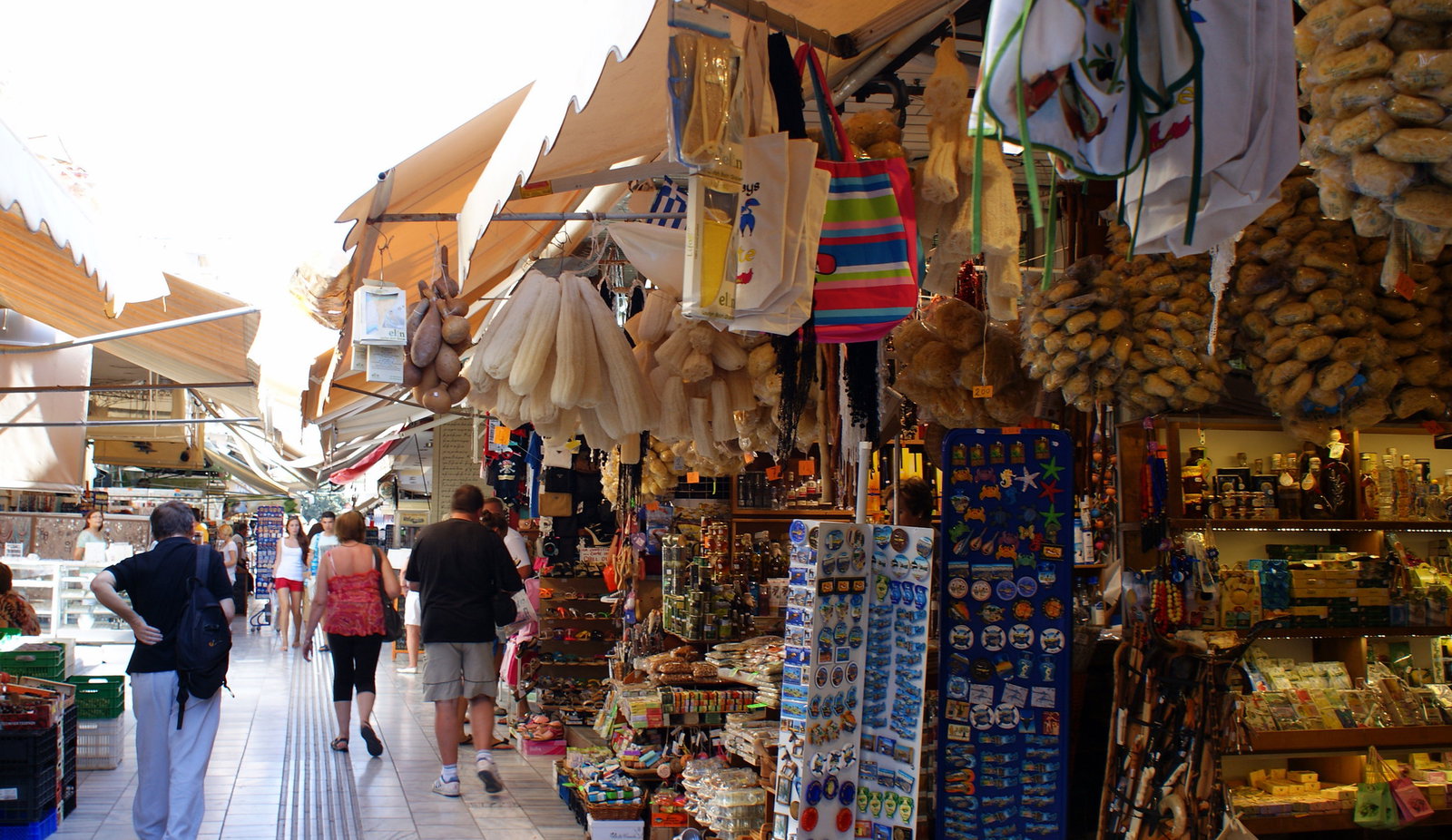
Beyond antiquity, the Venetian old town rewards slow exploration: the 16th-century Koules Fortress guards a working fishing harbour, the Morosini Lion Fountain anchors a pedestrian square ringed with kafeneions, and the covered market on 1866 Street is one of the most authentic in the Aegean. Cretan cuisine — dakos, lamb with stamnagathi greens, aged graviera — is arguably the best in Greece, and Heraklion's restaurants and wine bars take it seriously.

The city also makes a practical hub. The motorway links Knossos (15 min), the Minoan site of Malia (45 min), the wine villages of Archanes (20 min), and the south-coast resort of Matala (1.5 hrs) — giving culturally minded travellers more day-trip range than any other Cretan base.

  • Walk through 3,500 years of history at the Palace of Knossos, Europe's oldest urban centre.
  • The Heraklion Archaeological Museum holds the world's finest Minoan collection — allow at least two hours.
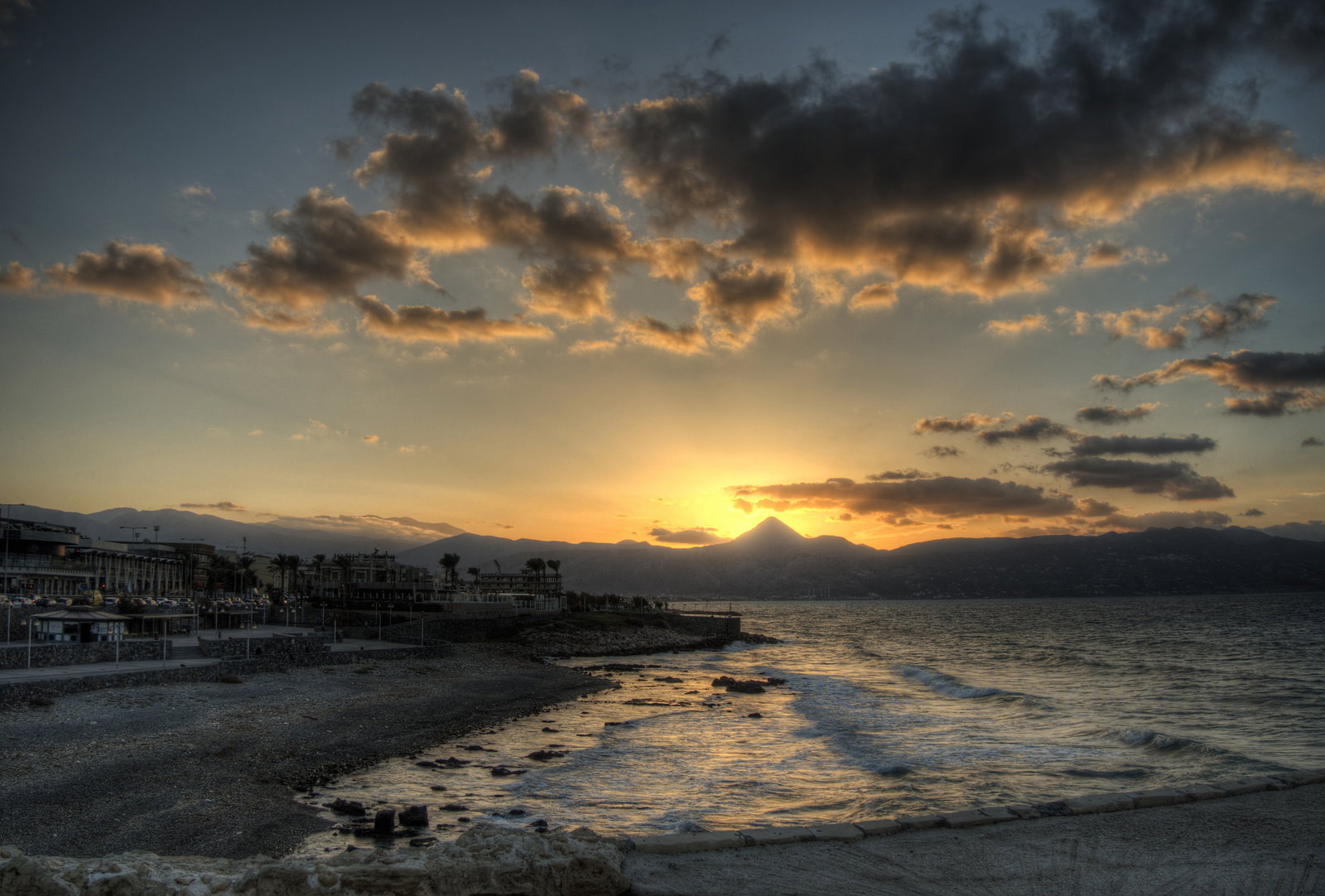
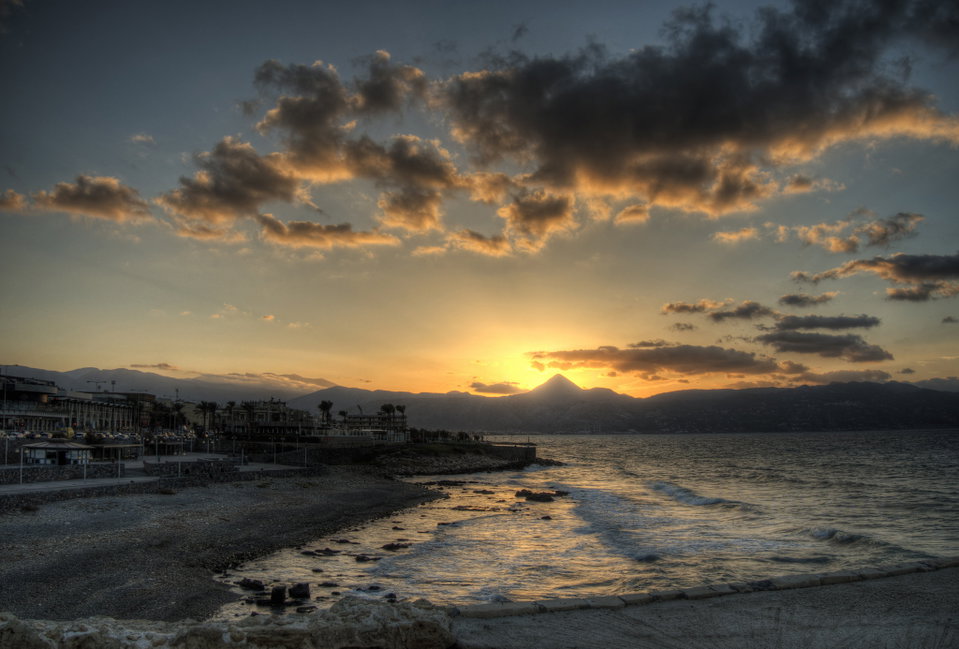
  • Koules Fortress and the Venetian harbour are best at dusk, when the stone glows amber.
  • The 1866 Street market sells local cheese, raki, and Cretan herbs — ideal for self-catering.
  • Central location means Phaistos, Malia, Spinalonga, and the Lassithi Plateau are all day-trip distance.
  • Cretan wine from Archanes and Peza is seriously good — book a winery tour from the city.

Best for

History and archaeology, Cretan food and wine, city exploration, day-trip base for central Crete

Trip style

Cultural, foodie, urban, family

Known for

Palace of Knossos, Heraklion Archaeological Museum, Koules Fortress, Cretan cuisine, Venetian old town

Quick facts

Best time to visit

April to June and September to October for mild weather and smaller crowds; July and August are hot (30–35 °C) but lively.

Currency

Euro (€)

Languages

Greek; English widely spoken in tourist areas.

Visa summary

EU/EEA citizens enter freely. UK and US passport holders can stay up to 90 days within any 180-day period without a visa (Schengen rules).

Flight time from Nairobi

Approximately 7–9 hrs with one stop (via Athens, Cairo, or Dubai); no direct service.

Airport / arrival

Heraklion International Airport Nikos Kazantzakis (HER) is 5 km east of the city centre — roughly 15 minutes by taxi or Bus 1 (Astiko).

Safety note

Very safe. Petty theft around the port and bus station warrants standard vigilance; violent crime against tourists is rare.

Visa and entry

Look up entry rules by passport for travel to Greece on the Tsavaro visa checker.

Check visa requirements for Greece

Things to do

Palace of KnossosHistory & Culture

Palace of Knossos

2–3 hours

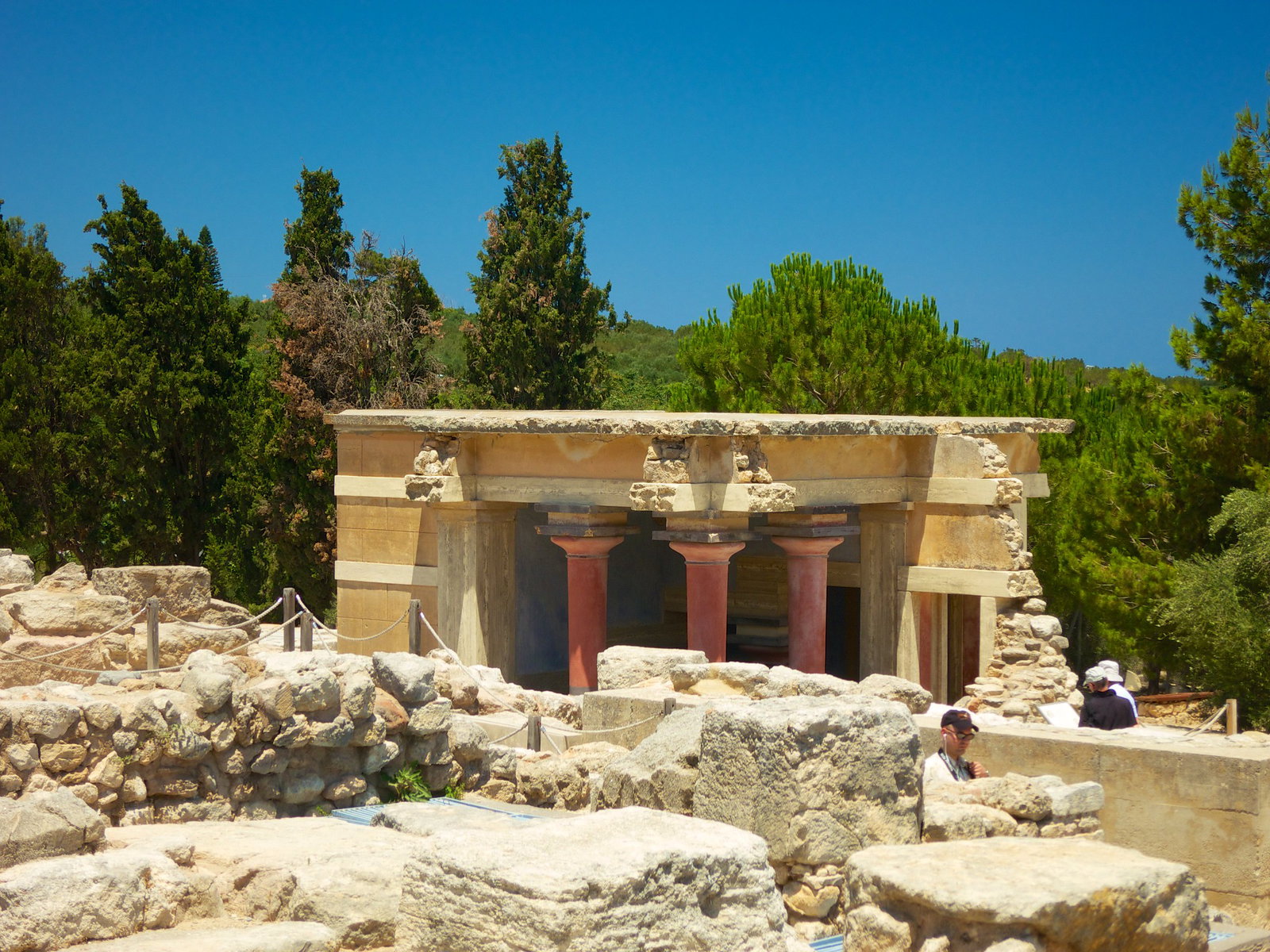
Europe's largest Bronze Age palace and the mythological home of the Minotaur. The Minoan ruins date to 1700 BCE; Sir Arthur Evans' vivid early-20th-century reconstructions make it uniquely colourful and accessible. A licensed guide adds enormous depth.

Heraklion Archaeological MuseumMuseum

Heraklion Archaeological Museum

2–3 hours

One of the great museums of the ancient world, housing the Bull-Leaping Fresco, the Phaistos Disc, Minoan jewellery, and 5,500 years of Cretan artefacts across 27 galleries. Budget a full morning here before visiting Knossos.

Koules Fortress (Rocca al Mare)History & Culture

Koules Fortress (Rocca al Mare)

1 hour

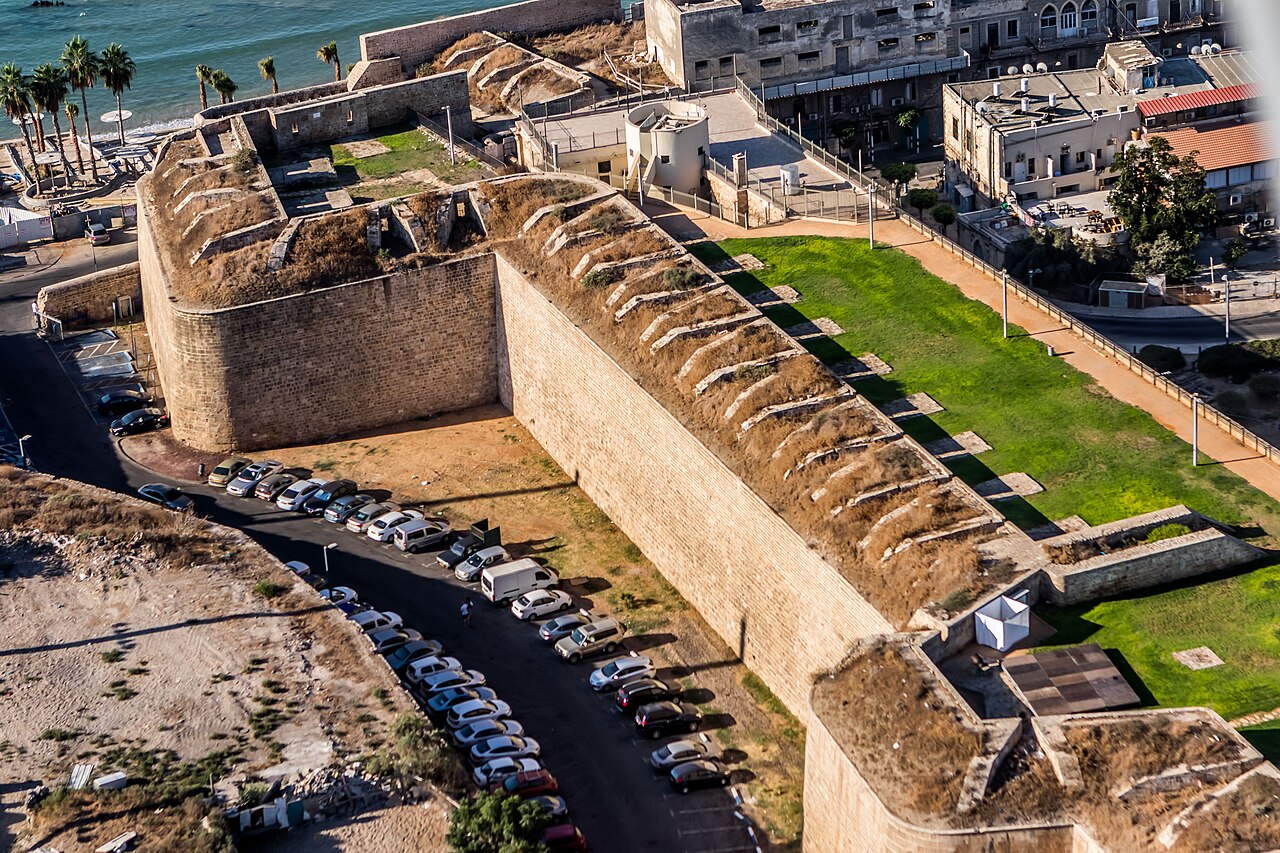
The 16th-century Venetian sea fortress at the harbour entrance is remarkably well-preserved. Climb to the roof terrace for panoramic views over the port and city, then stroll the waterfront for coffee and fresh fish.

1866 Street MarketFood & Markets

1866 Street Market

1 hour

Heraklion's covered market street is a sensory overload of local honey, aged graviera cheese, dried herbs, olives, and Cretan raki. Best visited on weekday mornings when stalls are fully stocked and locals outnumber tourists.

Natural History Museum of CreteMuseum & Family

Natural History Museum of Crete

1.5 hours

A well-curated natural history museum on the western waterfront, excellent for families. Geological exhibits, a life-size Deinotherium skeleton, and an earthquake simulator make it a hit with children.

Venetian Walls & Martinengo BastionWalking & History

Venetian Walls & Martinengo Bastion

1–2 hours

Heraklion's 4-km Venetian walls are among the best-preserved in the Mediterranean. The Martinengo Bastion holds the tomb of the writer Nikos Kazantzakis — walk the full circuit of the ramparts for city and mountain views.

Best time to visit Heraklion

The best time to visit Heraklion is April to June or September to October, when temperatures are warm (20–28 °C), the sea is swimmable from May onwards, and crowds at Knossos are manageable.

Spring (April–May): Wildflowers cover the hillsides, olive groves are lush, and museums are uncrowded. Ideal for walkers, wine tourists, and anyone doing day trips across Crete. Sea temperature reaches 20 °C by late May.

Summer (June–August): Peak season with maximum flight connections and a full calendar of festivals and outdoor events. Heraklion is livelier than most Cretan resorts but queues at Knossos peak in July–August and temperatures can be gruelling midday. Book accommodation well in advance.

Early autumn (September–October): The best all-round window. Temperatures ease to 24–28 °C, the sea remains warm (24–25 °C), and hotel prices fall noticeably after mid-September. Cretan grape and olive harvests add a seasonal dimension.

Winter (November–March): Heraklion stays open and functions as a real city — locals reclaim the tavernas and coffee houses. Rain is possible but rarely persistent, and most museums are open with reduced hours. Flights are fewer and some coastal tavernas close, but it is a genuinely affordable and authentic time to visit.
Is Heraklion safe to visit?

Yes — Heraklion is generally very safe for tourists, and violent crime against visitors is extremely rare. The city ranks among the safer urban destinations in Southern Europe.

The main risks are opportunistic: keep an eye on bags and valuables around the port, the bus station (KTEL), and the night-time bar areas of Korai Street. Motorbike bag-snatching, while uncommon, has been reported. Park-and-walk rather than leaving valuables visible in hire cars.

Road safety requires more attention than personal security: Cretan driving is assertive, mountain roads can be narrow, and some hire car policies exclude certain mountain tracks. Drive cautiously, especially on routes to the Lassithi Plateau and south-coast gorges.

In summer, heat is the primary health risk — temperatures regularly reach 35 °C in July and August. Carry water, start outdoor sightseeing early, and wear sun protection. The Knossos site has limited shade.

Emergency numbers: Police 100, Ambulance 166, Tourist Police 171.

Suggested itinerary

3 Days in Heraklion: History, Harbour & Hill Villages

This plan assumes a moderate pace, based in the Venetian old town, with a hire car or mix of taxis and buses for day two. Budget mid-range (€80–150/night accommodation, €25–40/head for dinner). Knossos is tackled early on day one to beat coach crowds; the museum follows in the afternoon when the site is most crowded.

Day 1

Knossos, the Archaeological Museum & the Venetian Harbour

Take a taxi or Bus 2 to the Palace of Knossos at opening time (8 am) — crowds swell dramatically after 10 am. Spend 2–3 hours exploring the throne room, grand staircase, and royal apartments; a licensed guide is worthwhile.

Return to the city and have lunch on Lion Square (Plateia Eleftherias) or at one of the tavernas on the adjacent pedestrian streets. Spend the afternoon in the Heraklion Archaeological Museum — allow at least two hours for the Minoan galleries.

At dusk, walk down to the Venetian harbour. Climb Koules Fortress for sunset views, then choose a harbourside restaurant for fresh grilled fish and Cretan wine.

Heraklion — Knossos, the Archaeological Museum & the Venetian Harbour

Travel essentials

Getting around

The city centre is walkable; Knossos is 15 minutes by Bus 2 from the KTEL A bus station or 10 minutes by taxi (€10–12). For day trips to Archanes, Peza, Lassithi, or the south coast, a hire car is strongly recommended — available at the airport and several city locations from €30/day. Intercity KTEL buses connect Heraklion with Rethymno, Chania, Agios Nikolaos, and Ierapetra.

Typical costs

Budget: €60–90/day (hostel or simple guesthouse, self-catering, taverna lunches). Mid-range: €130–200/day (boutique hotel in the old town, two restaurant meals, museum entry). The Heraklion combo ticket (Knossos + Archaeological Museum) costs around €20 and saves money over individual entry.

Culture and etiquette

Crete has a strong local identity — Cretans are proud of their distinct culture, cuisine, and history. Greet with 'Yia sas' and attempt a few words of Greek; it is warmly appreciated. Dress modestly when entering churches and the Martinengo Bastion area. Haggling is not customary in shops or restaurants. Tipping 10% in restaurants is polite but not mandatory.

Safety and planning

Travel insurance covering medical evacuation is strongly advised. The nearest large hospital is University Hospital of Heraklion (PAGNI), well-equipped by European standards. European Health Insurance Card (EHIC/GHIC) is valid for EU/UK visitors. Pharmacies (marked by a green cross) are numerous and pharmacists can advise on minor ailments.

Connectivity

Free Wi-Fi is available at most cafes, hotels, and the archaeological museum. A Greek SIM (Cosmote, Vodafone GR, or Wind) with a tourist data package costs €10–15 and is available at the airport or in the city. EU roaming rules mean EU residents pay no extra for data.

Payments

Cards are accepted at hotels, large restaurants, and shops, but smaller tavernas, market stalls, and some museum cafes are cash-only. ATMs (Alpha Bank, Piraeus, Eurobank) are plentiful in the city centre. Notify your bank before travel to avoid fraud blocks.

Heraklion travel FAQs

More destinations to explore