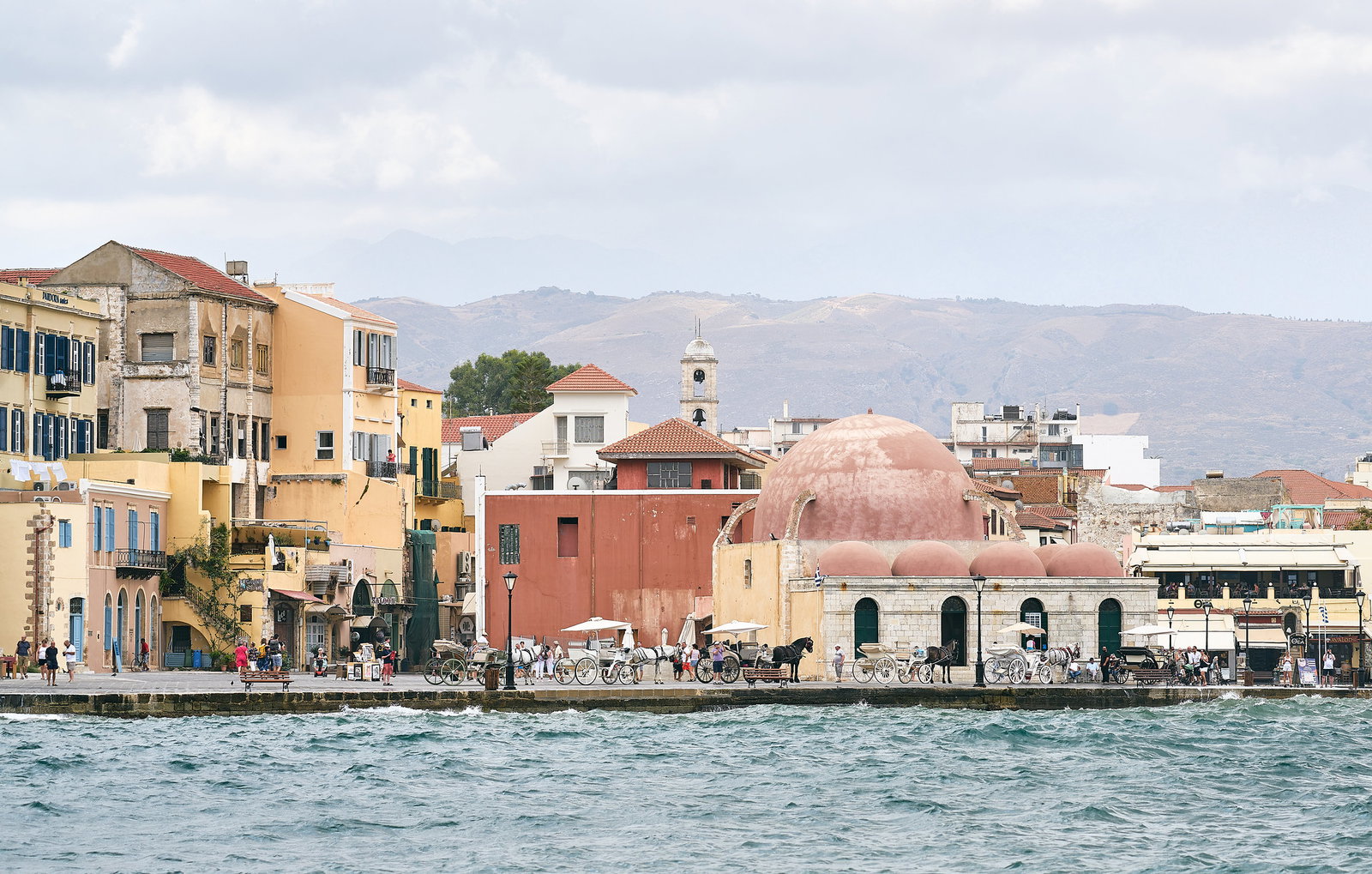
Venetian harbour of Chania at dusk, with the lighthouse and colourful waterfront buildings reflected in the calm sea

Destination guide

Chania

Crete · Greece

Crete's most beautiful city — Venetian harbours, mountain gorges, and some of the island's finest food

Best season

May–June and September–October for warm weather, smaller crowds, and lower prices

From Nairobi

Approx. 7–8 hrs (usually via Athens or another European hub)

Why visit Chania?

Chania rewards travellers who want more than a sun-lounger holiday. The Venetian harbour is one of the Mediterranean's most photogenic waterfronts, and the labyrinthine streets of the old town — Splantzia, Kastelli, the covered market — could fill days of slow wandering. Beyond the city, western Crete opens into dramatic landscapes: the Samaria Gorge (Europe's longest), the pink-sand beach of Elafonisi, the cedar forest at Vai, and the White Mountains rising to over 2,400 m.

Cretan food culture is arguably Greece's most distinctive, and Chania is its capital. Kalitsounia cheese pies, lamb slow-cooked with stamnagathi greens, local olive oil, and the grape spirit tsikoudia are all best sampled here. The city also has a lively café scene, independent art galleries, and a year-round residential buzz that keeps it from feeling like a tourist theme park even at the height of summer.

  • Stroll the Venetian harbour at golden hour — one of the Mediterranean's most beautiful waterfronts
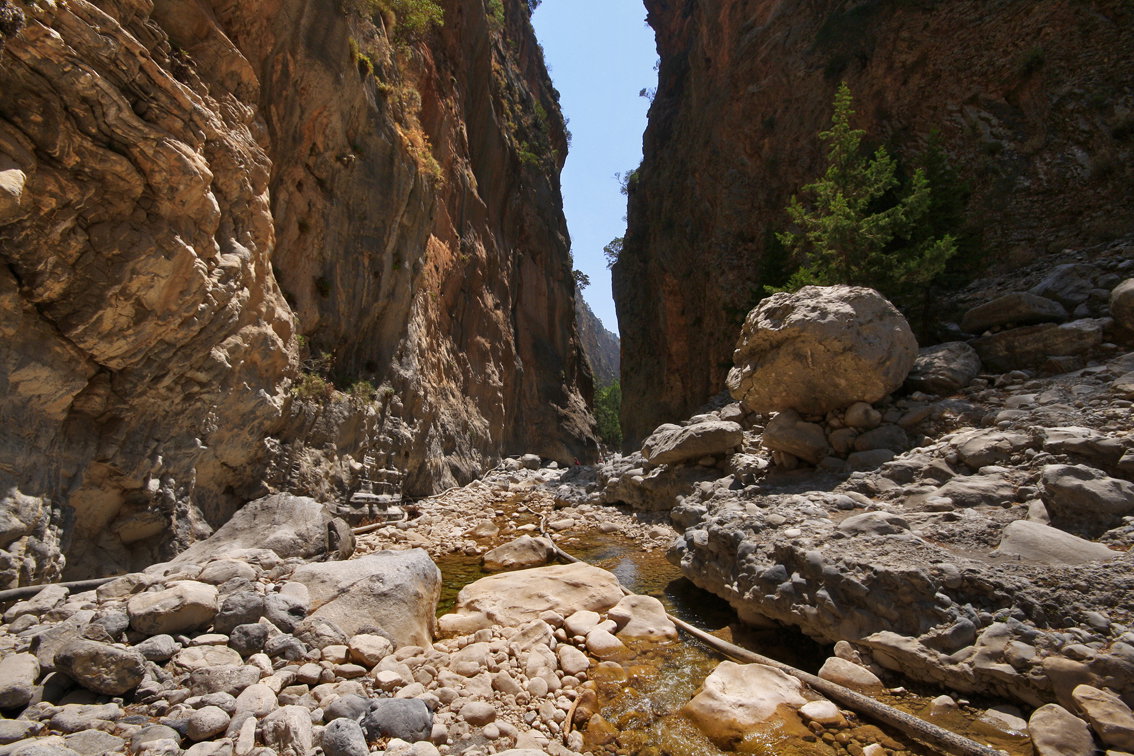
  • Hike the 16 km Samaria Gorge, the longest gorge in Europe, through the White Mountains
  • Swim at Elafonisi, famous for its shallow lagoon and rose-tinged sand
  • Eat your way through the covered market and Splantzia neighbourhood's tavernas
  • Explore Minoan and Venetian history at the Archaeological Museum housed in a former Venetian church
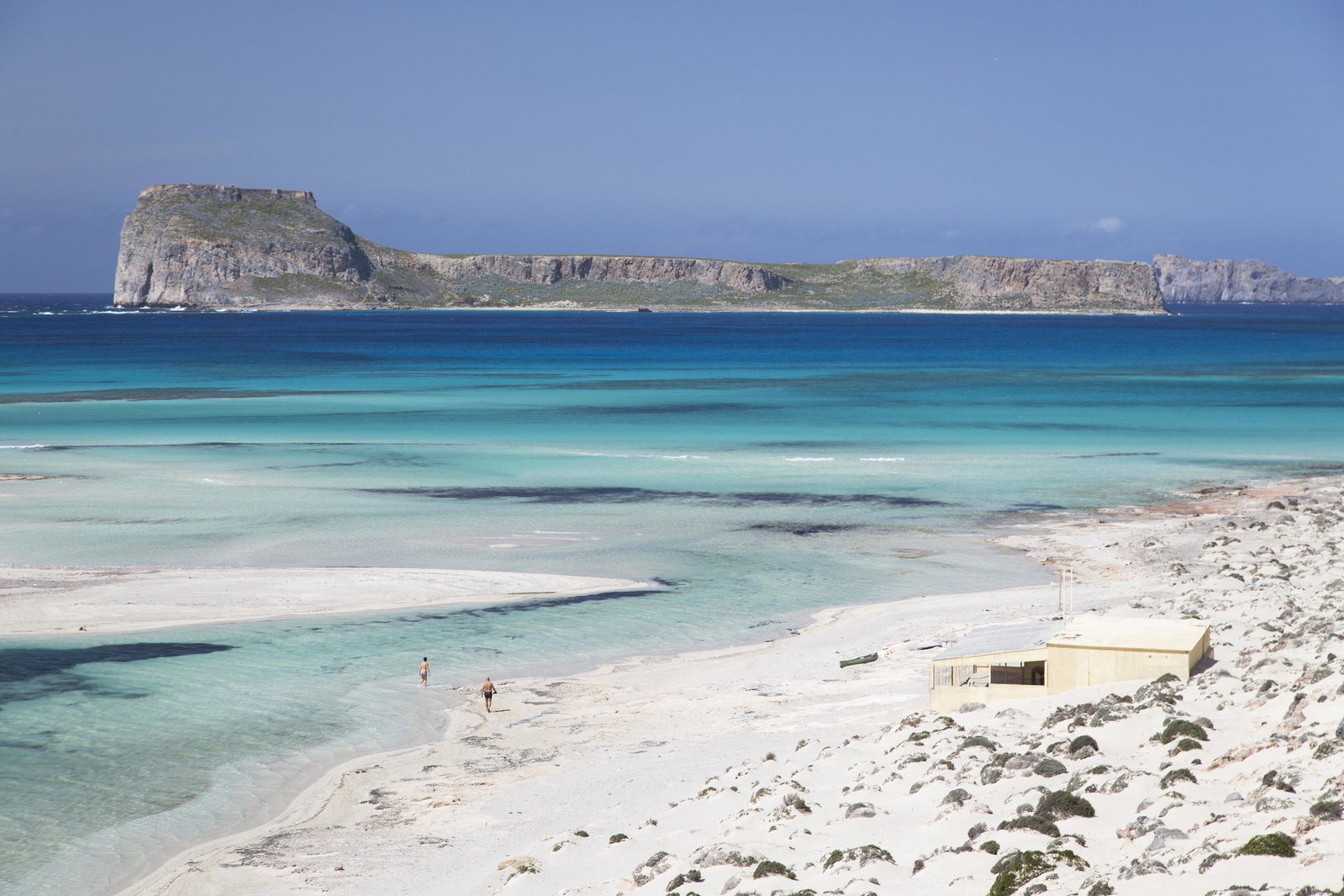
  • Day-trip to Balos lagoon for crystalline turquoise waters at the island's north-western tip

Best for

Couples, foodies, hikers, history lovers, beach-goers

Trip style

Cultural city break, beach holiday, active adventure, culinary travel

Known for

Venetian harbour and lighthouse, Samaria Gorge, Cretan cuisine, old town architecture, Elafonisi beach

Quick facts

Best time to visit

May–June and September–October for warm weather, smaller crowds, and lower prices

Currency

Euro (EUR)

Languages

Greek; English widely spoken in tourist areas

Visa summary

EU/EEA nationals: no visa required. Non-EU travellers check Schengen visa rules. UK visitors do not need a visa for stays up to 90 days.

Flight time from Nairobi

Approx. 7–8 hrs (usually via Athens or another European hub)

Airport / arrival

Chania International Airport 'Ioannis Daskalogiannis' (CHQ) is 15 km east of the city centre; taxis take 20–25 min, buses run hourly to the bus station.

Safety note

Chania is one of Greece's safest cities. Petty theft around busy harbour restaurants is the main concern — keep an eye on bags.

Visa and entry

Look up entry rules by passport for travel to Greece on the Tsavaro visa checker.

Check visa requirements for Greece

Things to do

Walk the Venetian Harbour and LighthouseSightseeing

Walk the Venetian Harbour and Lighthouse

1–2 hours

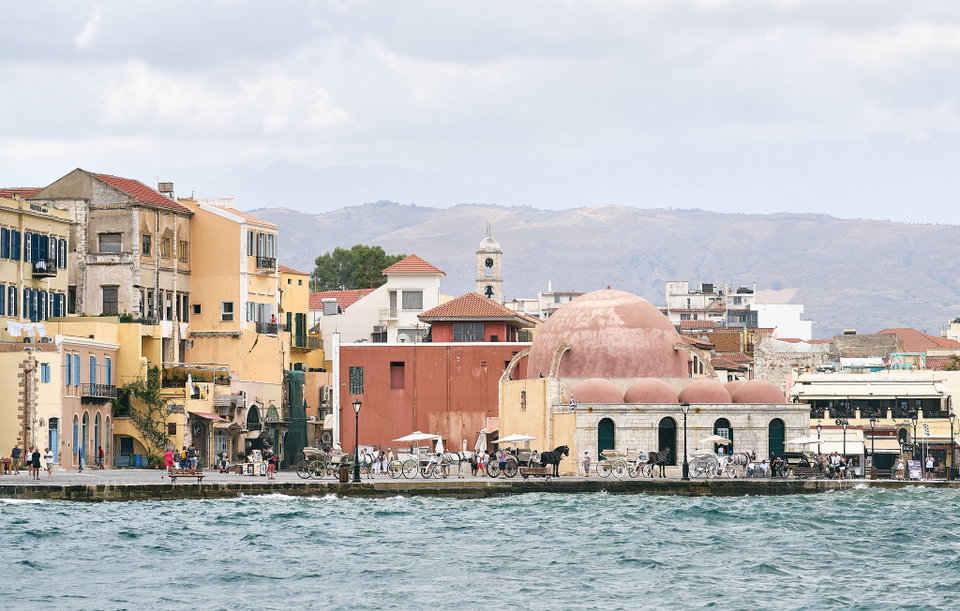
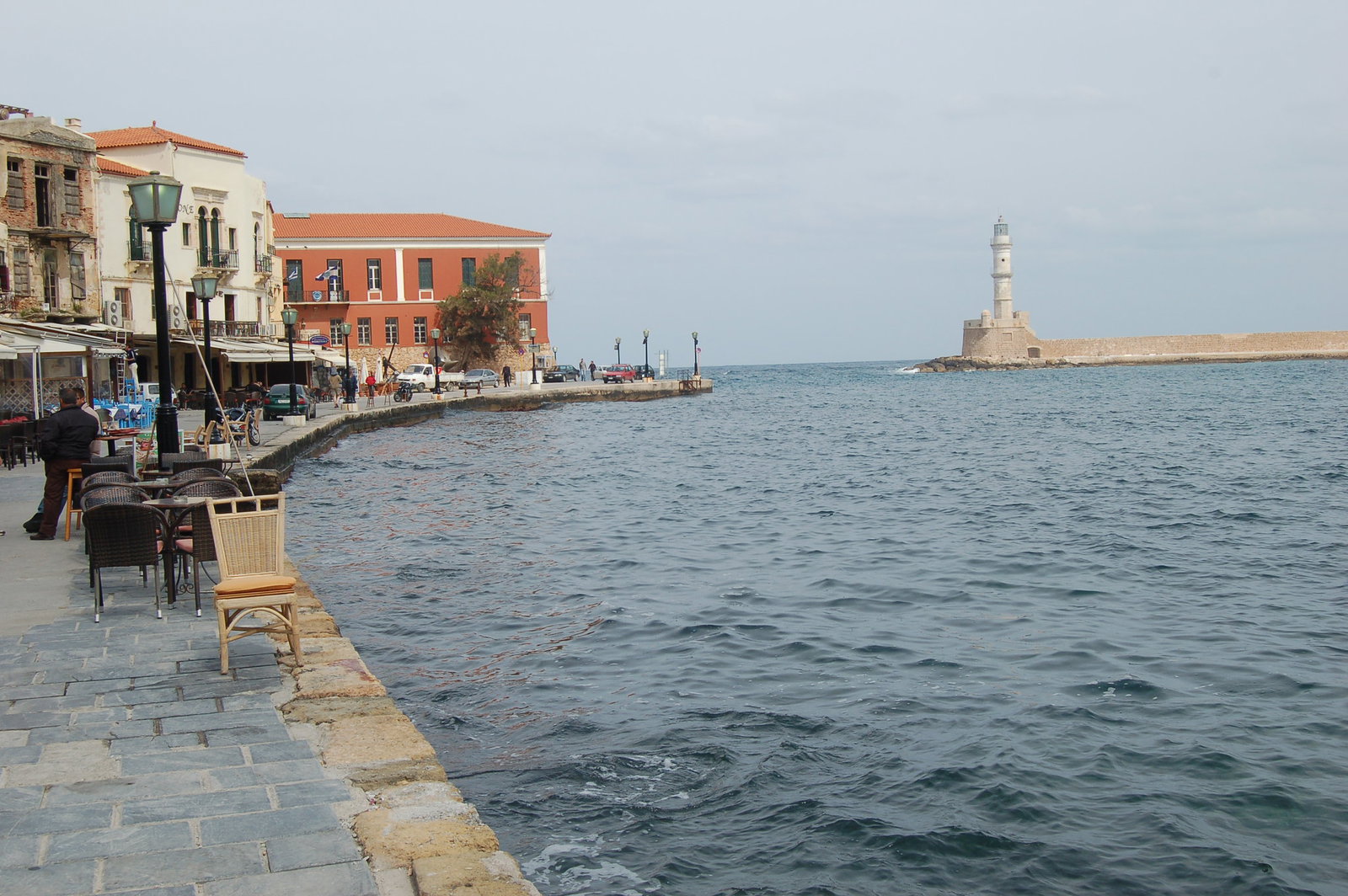
Chania's defining image — a curved harbour wall built by the Venetians in the 14th–16th centuries, topped by an Egyptian-era lighthouse. The promenade is best at dawn (empty and golden) or dusk (buzzing). Walk the full seawall to reach the lighthouse for panoramic views.

Hike the Samaria GorgeAdventure / Hiking

Hike the Samaria Gorge

Full day (6–8 hrs hiking)

A full-day trek through a 16 km gorge in the White Mountains National Park, descending from the Omalos plateau to the coastal village of Agia Roumeli. Sheer 300 m cliffs, endemic wildflowers, and a refreshing swim at the end await. Buses return from Hora Sfakion by ferry and coach.

Explore the Old Town (Splantzia & Kastelli)Culture / History

Explore the Old Town (Splantzia & Kastelli)

2–3 hours

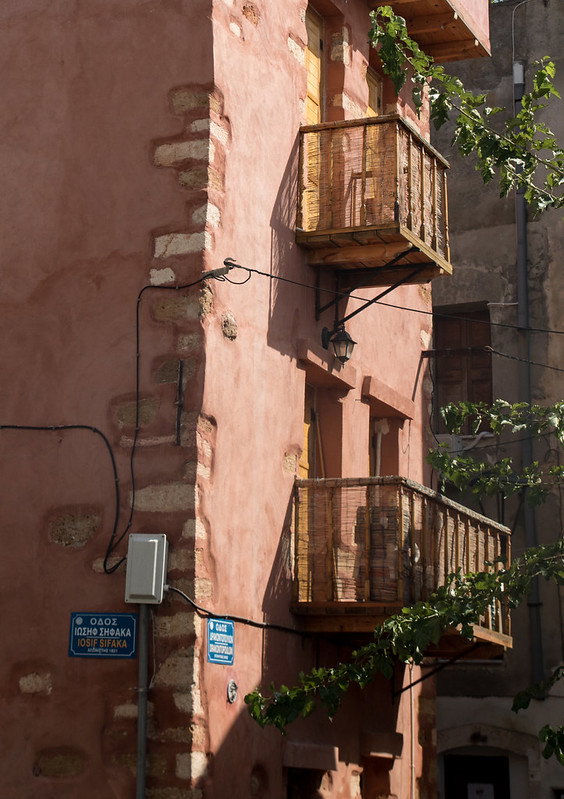
Wander the Venetian and Ottoman-era streets of Splantzia quarter — mosques, churches, and plane-shaded squares — and up to Kastelli hill, the oldest continuously inhabited part of the city, where Minoan remains have been found beneath later buildings.

Chania Archaeological MuseumMuseum

Chania Archaeological Museum

1–2 hours

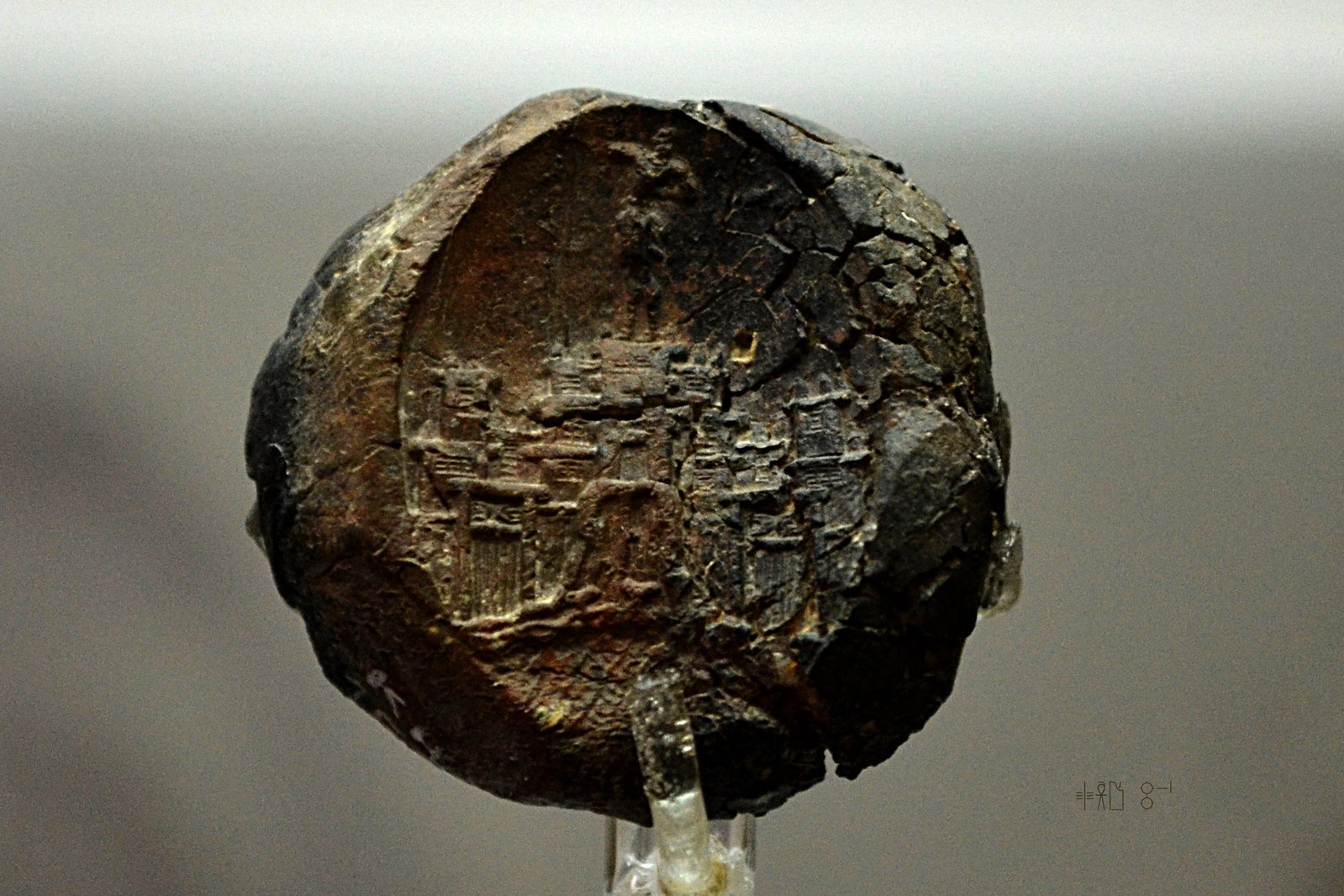
Housed in the Venetian Church of San Francesco (later an Ottoman mosque), the museum holds an outstanding Minoan collection from western Crete — Linear A tablets, Kamares ware pottery, and Minoan jewellery among the highlights.

Boat trip to Balos LagoonBeach / Boat

Boat trip to Balos Lagoon

Full day

A seasonal ferry from Kissamos port (40 km west of Chania) sails to the remote Balos lagoon — a sandbar between Cape Tigani and the Gramvousa peninsula, with water in every shade of turquoise. Book ahead in peak season.

Maritime Museum of CreteMuseum / History

Maritime Museum of Crete

1 hour

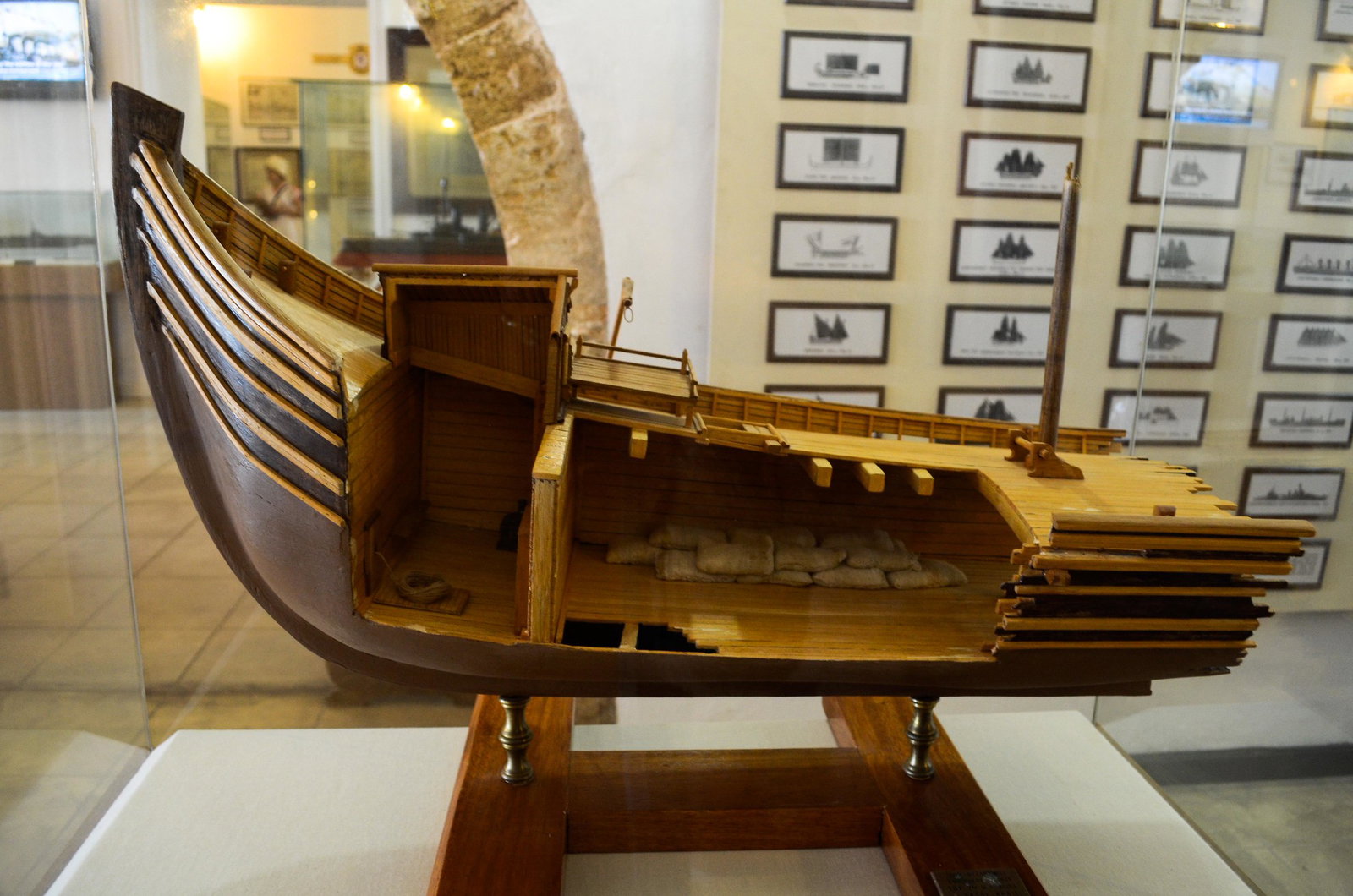
Set in the Venetian Firkas Fortress at the harbour mouth, this compact museum covers Cretan naval history from antiquity to WWII, including the 1941 Battle of Crete. The fortress walls offer fine harbour views.

Best time to visit Chania

The best time to visit Chania is May to June or September to October, when temperatures are warm (24–28 °C), the sea is swimmable, and the old town and beaches are far less crowded than in peak summer.

Spring (April–June): April can still be cool and the Samaria Gorge may not yet be open (it typically opens in May). May and June are ideal — wild flowers are blooming, the gorge is open, Elafonisi is gorgeous, and you can book a harbour-view room without months of advance notice.

Summer (July–August): Peak season. Temperatures regularly hit 32–35 °C, Elafonisi and Balos are very busy, and accommodation prices peak. Still a fine time to visit if you book early and plan beach trips for early morning.

Autumn (September–October): The sea is at its warmest (still around 24 °C in September), crowds thin dramatically after mid-September, and tavernas are less frantic. October brings occasional rain but remains largely warm and pleasant.

Winter (November–March): Chania quietens significantly. Many harbour restaurants close, but the city carries on — the Agora, the old town, and the museums are open. Prices drop sharply. A good choice for budget travellers happy with cooler, occasionally rainy days and no beach swimming.
Is Chania safe to visit?

Yes — Chania is one of the safest cities in Greece and the wider Mediterranean, and serious crime against tourists is rare. Most visitors complete their trip without incident.

Petty theft is the main concern: the crowded harbour restaurant strip and the Agora market are the most common settings for bag snatching and pickpocketing. Keep bags zipped and on your lap at busy outdoor tables.

Road safety: if you hire a car or scooter, drive carefully. Cretan mountain roads are narrow and winding, and scooter accidents are among the most common reasons tourists visit a hospital.

Samaria Gorge safety: wear proper hiking shoes (not sandals), carry at least 2 litres of water per person, and start early to avoid the midday heat. The gorge has rangers and first-aid posts, but ankle injuries are common on the rocky descent.

Heatstroke: in July and August temperatures can exceed 35 °C. Stay hydrated, wear sunscreen, and avoid long beach days without shade.

Emergency numbers: Police 100, Ambulance 166, Coast Guard 108, European emergency number 112.

Suggested itinerary

4 Days in Chania: Harbour, Gorge, and Beach

This plan uses central Chania old town as a base, suits a mid-range budget, and mixes city sightseeing with one big outdoor day and two beach days. Car hire is optional — most highlights can be reached by public bus.

Day 1

Arrive & Settle into the Old Town

Check in to a hotel in or near the Venetian harbour area. Spend the afternoon wandering Splantzia quarter and Kastelli hill — no agenda, just get lost. Head to the harbour at golden hour for the classic lighthouse view, then have dinner at a taverna in the backstreets of the old town (avoid the overpriced waterfront strip for food). End the night with a drink at one of the Splantzia square bars.

Chania — Arrive & Settle into the Old Town

Travel essentials

Getting around

Chania's old town is compact and best explored on foot — many streets are pedestrianised or too narrow for cars. For beaches and day trips, KTEL buses connect Chania bus station to Elafonisi, Falasarna, Kissamos, Rethymno, and Heraklion. Car hire (available at CHQ airport and in the city) opens up remote beaches and mountain villages. Taxis are metered and plentiful. A local bus (blue city buses) runs between the old harbour, the new town, and Souda port.

Typical costs

Mid-range: budget €80–120/night for a boutique hotel in the old town, €15–25/head for a full taverna dinner, €3–4 for a Greek coffee. Budget travellers can find rooms from €40–60 and eat well at market stalls and bakeries for under €10. Car hire runs €35–60/day in shoulder season, more in August. Samaria Gorge entrance fee is €5 (2024).

Culture and etiquette

Greeks eat late — dinner rarely starts before 21:00 and kitchens stay open past midnight. Tipping is appreciated but not obligatory; rounding up the bill or leaving 10% is customary at restaurants. Dress modestly when visiting churches or monasteries (shoulders and knees covered). The afternoon siesta (roughly 14:00–17:00) is still observed in smaller shops — plan accordingly.

Safety and planning

Carry your European Health Insurance Card (EHIC) or equivalent and travel insurance covering medical evacuation. The Chania General Hospital is on E. Venizelou street. Pharmacies (farmakeia) display a green cross and rotate 24-hour duty; a list is posted on doors. EHIC covers EU nationals at public hospitals; non-EU travellers should ensure private insurance covers the Schengen area.

Connectivity

4G/5G coverage is excellent throughout Chania city and the major beaches. Mountain areas and the Samaria Gorge have patchy or no signal. EU roaming rules mean most European SIMs work at no extra charge. Greek SIMs (Cosmote, Vodafone GR, Wind) are available at the airport and supermarkets for around €15 including data.

Payments

Cards (Visa/Mastercard) are accepted at hotels, supermarkets, and most restaurants. Smaller tavernas, market stalls, and parking machines often prefer cash. ATMs (Alpha Bank, Eurobank, Piraeus) are plentiful around the harbour and Eleftheriou Venizelou street. Inform your bank before travelling to avoid fraud blocks.

Chania travel FAQs

More destinations to explore