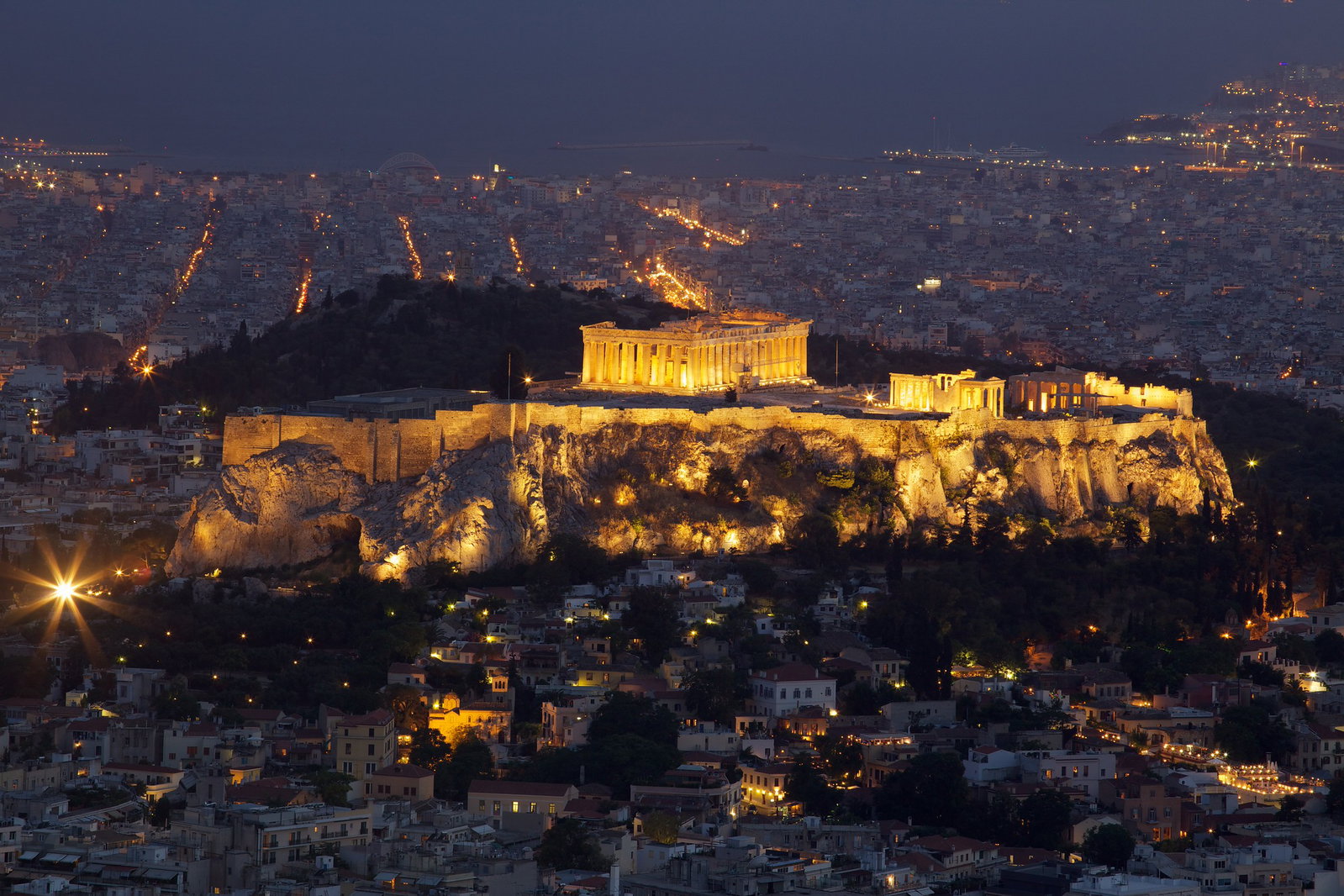
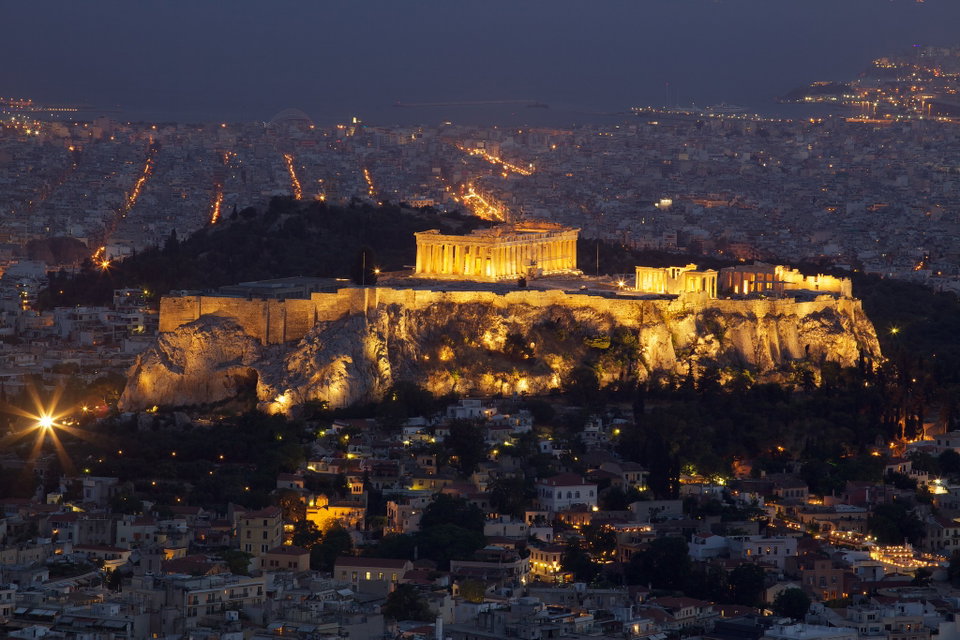
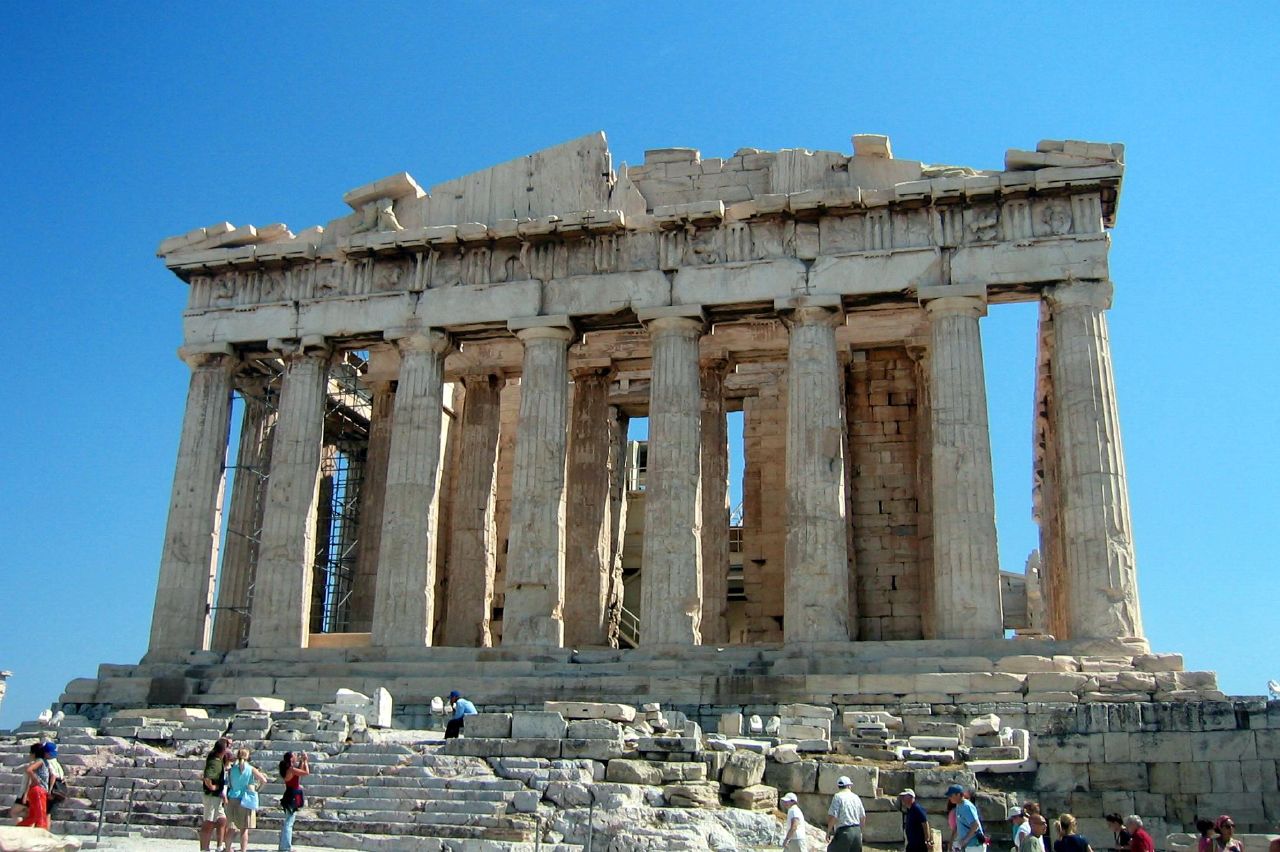
The Parthenon atop the Acropolis hill at golden hour, Athens, Greece

Destination guide

Athens

Attica, Central Greece · Greece

3,000 years of history walked in a single weekend

Best season

April–June and September–October for mild weather and thinner crowds

From Nairobi

Approximately 6–7 hours direct (Nairobi NBO to Athens ATH)

Why visit Athens?

Athens carries more history per square kilometre than almost any city on earth, yet it never feels like a museum. The Acropolis — the city's unmistakable crown — can be seen from almost every rooftop, anchoring you in time while the city below gets on with the lively business of being Greek.

Beyond the ancient sites, Athens rewards slow exploration. The neighbourhood of Exarcheia hums with independent bookshops and cheap tavernas; Kolonaki climbs toward upmarket boutiques and espresso bars; Psyrri and Kerameikos draw a creative, nocturnal crowd. The food scene has transformed in the past decade, with a new wave of modern Greek restaurants earning international recognition alongside century-old souvlaki joints.

For travellers connecting to the Greek islands, Athens makes an ideal base — ferry ports at Piraeus link to virtually every island in the Aegean and Ionian.

  • Climb the Acropolis at sunrise before the crowds — the Parthenon at dawn is unforgettable
  • Eat your way through Monastiraki: souvlaki, loukoumades, and rooftop views of the ancient Agora
  • The National Archaeological Museum holds the world's finest collection of ancient Greek art
  • Athens is Greece's ferry hub — Santorini, Mykonos, Crete, and Rhodes are one overnight boat away
  • Neighbourhood-hop from marble-paved Plaka to edgy Kerameikos in under 20 minutes on foot
  • Dinner rarely starts before 9 pm — and the city's bar and club scene runs until well after sunrise

Best for

History lovers, foodies, city-break travellers, island-hoppers using Athens as a gateway

Trip style

Cultural city break, history, food & drink, island-hopping gateway

Known for

The Acropolis and Parthenon, ancient Agora, National Archaeological Museum, souvlaki and mezze, vibrant nightlife, Monastiraki flea market

Quick facts

Best time to visit

April–June and September–October for mild weather and thinner crowds

Currency

Euro (EUR)

Languages

Greek; English widely spoken in tourist areas

Visa summary

Schengen Zone — visa-free for EU/EEA citizens and many nationalities for stays up to 90 days; check your passport requirements

Flight time from Nairobi

Approximately 6–7 hours direct (Nairobi NBO to Athens ATH)

Airport / arrival

Athens International Airport Eleftherios Venizelos (ATH) — Metro Line 3 runs to Syntagma in about 40 minutes; taxis take 30–45 minutes

Safety note

Generally very safe for tourists; petty theft in crowded sites and metro stations — keep bags secure

Visa and entry

Look up entry rules by passport for travel to Greece on the Tsavaro visa checker.

Check visa requirements for Greece

Things to do

Visit the Acropolis and ParthenonHistory & Culture

Visit the Acropolis and Parthenon

2–3 hours

The hilltop citadel is the non-negotiable starting point. Beyond the Parthenon, explore the Erechtheion with its Caryatid porch, the Temple of Athena Nike, and sweeping panoramas over the city. Buy a multi-site ticket to include the Ancient Agora, Kerameikos, and four other sites.

Explore the Acropolis MuseumHistory & Culture

Explore the Acropolis Museum

2 hours

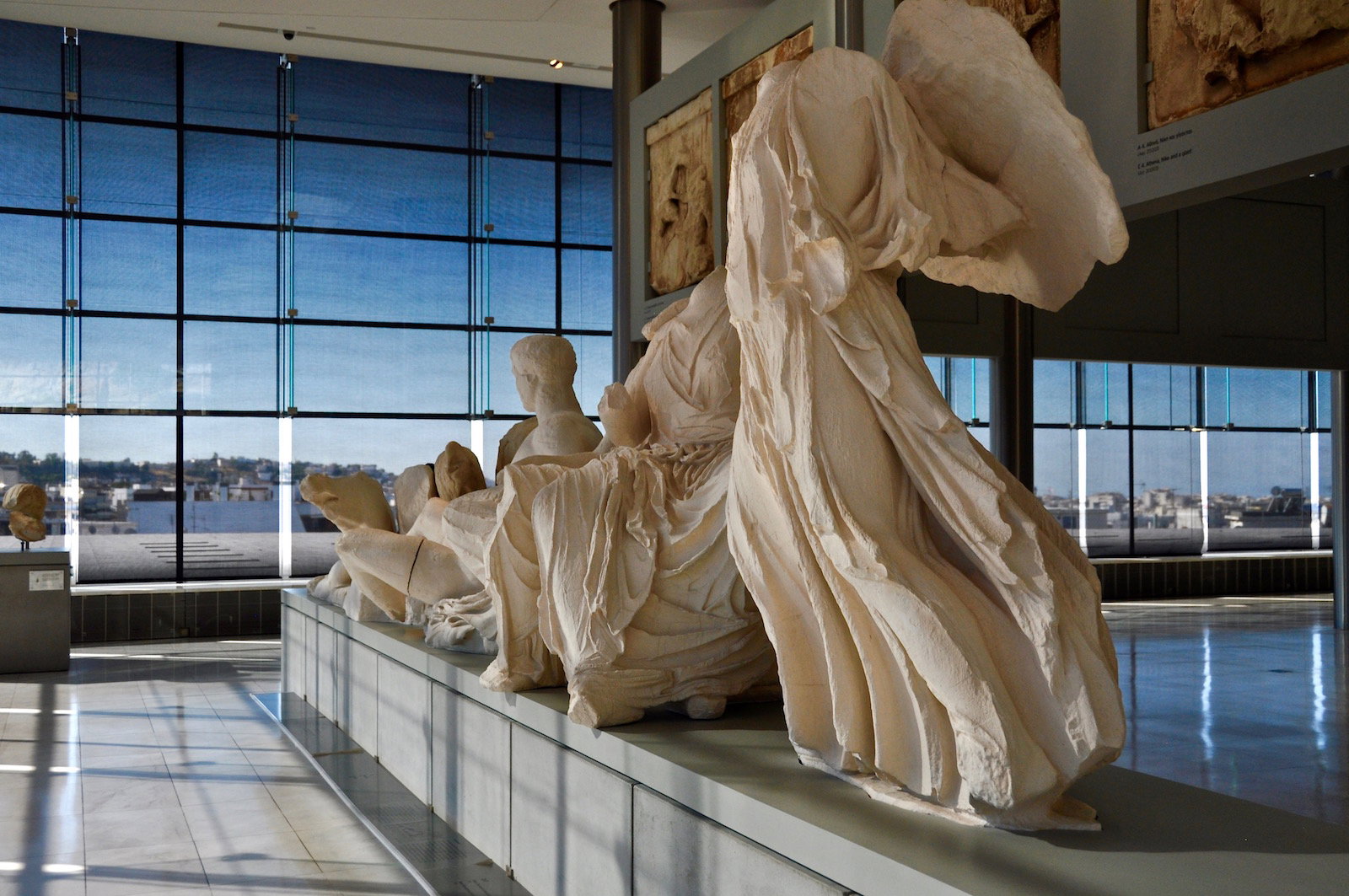
A world-class modern museum at the foot of the hill, purpose-built to display Parthenon sculptures, Archaic kore statues, and thousands of objects from the citadel. The glass floor over live excavations and the top-floor Parthenon Gallery — lit to match the real hill outside — are architectural highlights in their own right.

Wander the Ancient AgoraHistory & Culture

Wander the Ancient Agora

1.5–2 hours

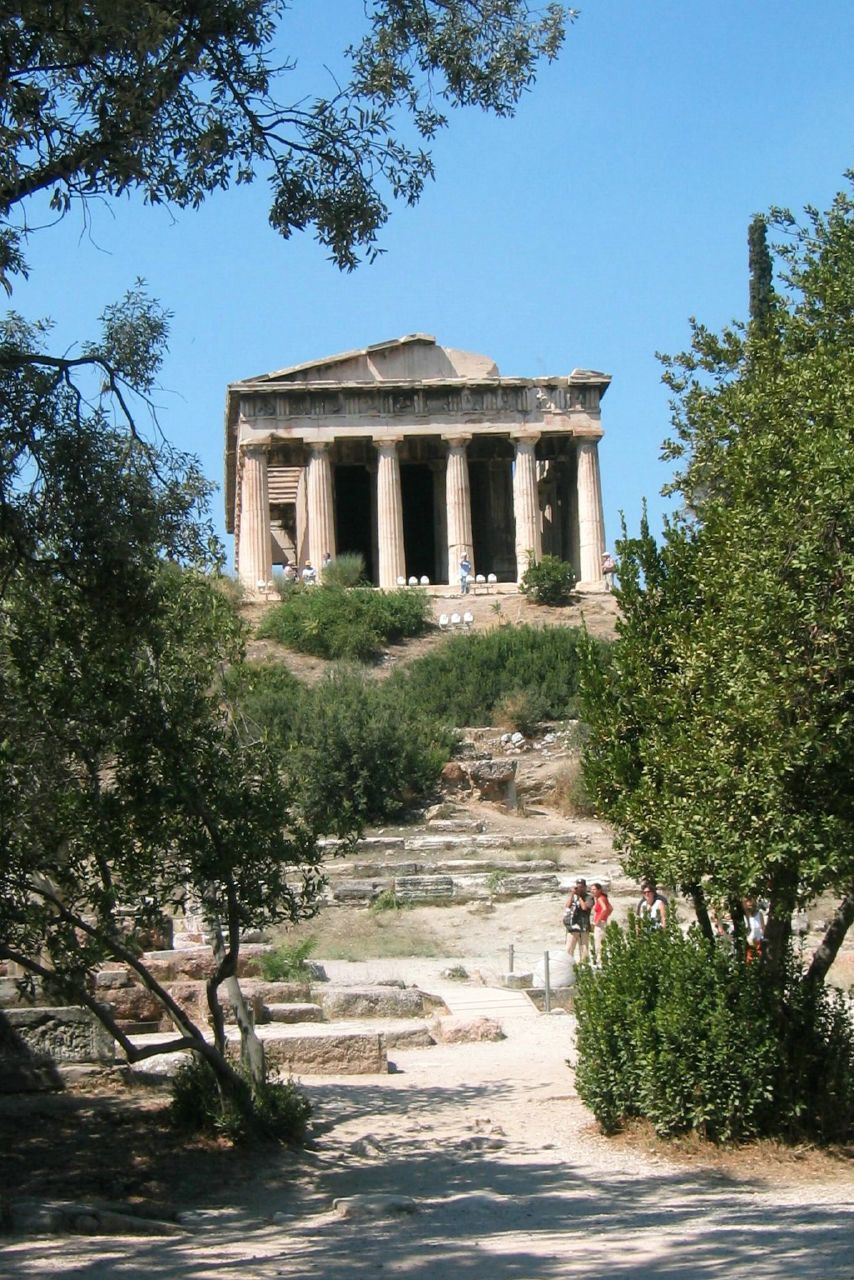
The civic heart of ancient Athens where Socrates debated and democracy was born. The remarkably intact Temple of Hephaestus overlooks the site, and the reconstructed Stoa of Attalos houses a compact but excellent museum.

Spend a morning at the National Archaeological MuseumHistory & Culture

Spend a morning at the National Archaeological Museum

3–4 hours

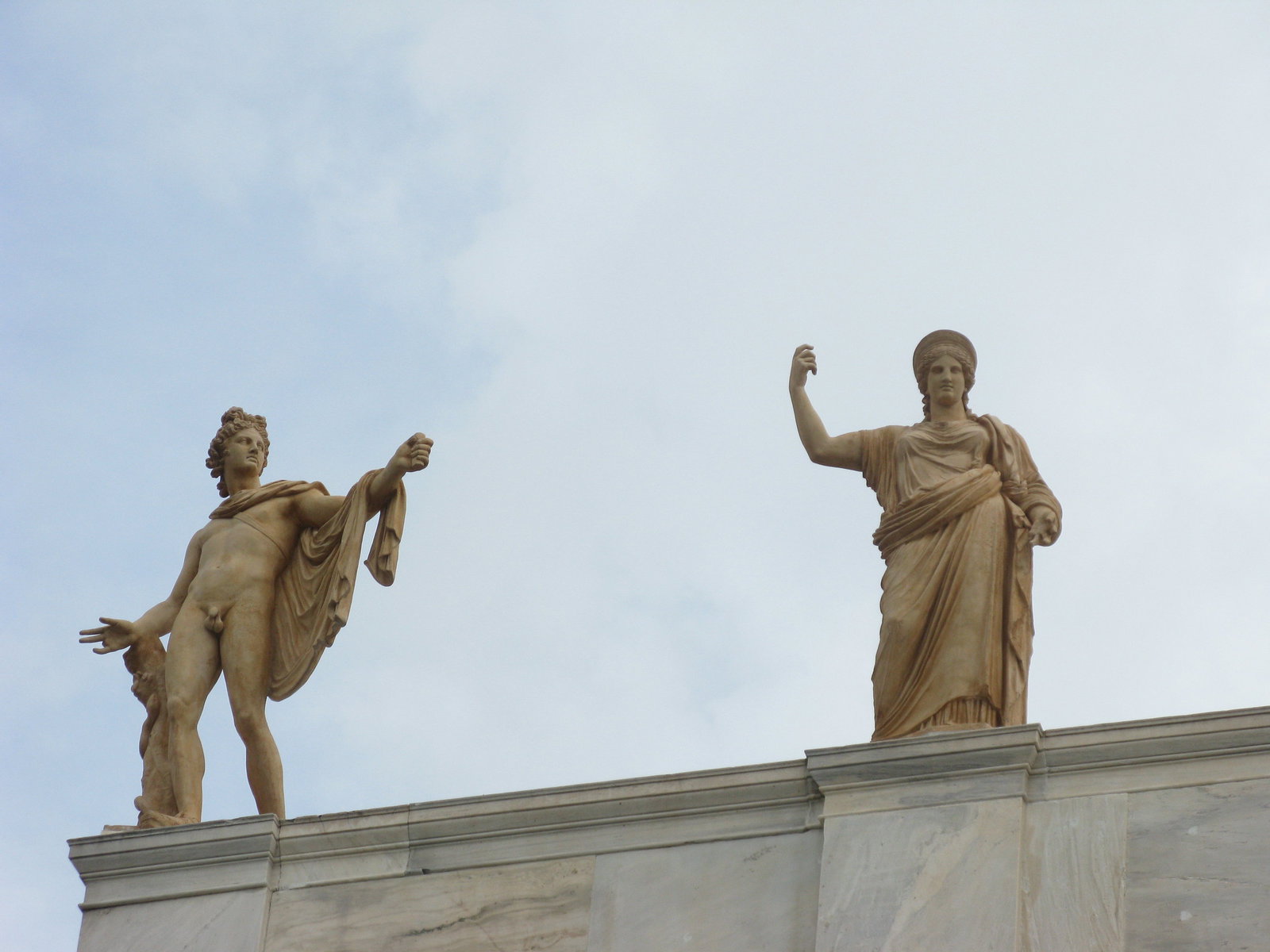
Greece's largest museum and one of the most important in the world. Don't miss the Antikythera Mechanism, the Mask of Agamemnon, the Thira (Akrotiri) frescoes, and the bronze Poseidon of Artemision. Allow at least half a day.

Graze through Monastiraki and the Central MarketFood & Markets

Graze through Monastiraki and the Central Market

2–3 hours

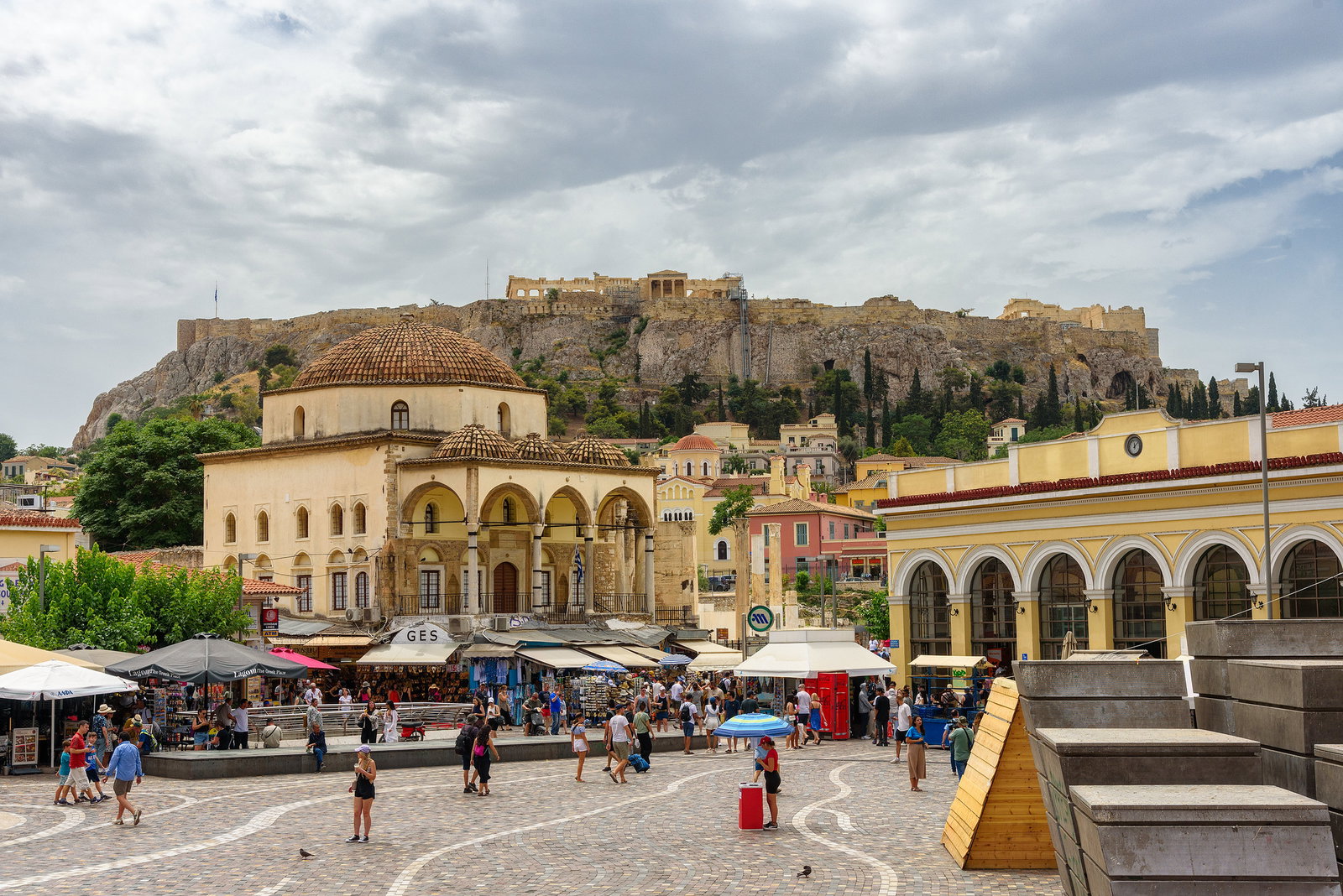
Monastiraki Square and its surrounding streets are Athens' most atmospheric bazaar — antiques, street food, and rooftop bars with Acropolis views. A 15-minute walk north, the Athens Central Market (Varvakios Agora) is a sensory overload of fresh fish, meat, spices, and olives beloved by local chefs.

Day trip to Cape Sounion and the Temple of PoseidonDay Trips

Day trip to Cape Sounion and the Temple of Poseidon

Full day

An hour's drive south of Athens along the Attic coast, the clifftop Temple of Poseidon at Cape Sounion offers one of Greece's most dramatic sunset viewpoints. Lord Byron carved his name into a column — look for it. Combine with a swim at one of the beaches en route.

Best time to visit Athens

The best time to visit Athens is April to June and September to October, when temperatures are warm but not brutal, crowds are manageable, and outdoor sightseeing is genuinely comfortable.

Spring (April–May): Daytime highs of 18–24°C, wildflowers on the hillsides, low hotel rates, and the Easter celebrations — one of the most atmospheric times in the Greek calendar. Ideal for walkers and history lovers.

Early summer (June): Still comfortable in the first half (mid-20s°C) before the full July–August heat arrives. Longer days mean more sightseeing time and the Athens Epidaurus Festival (outdoor theatre and concerts) begins.

High summer (July–August): Peak season with temperatures regularly reaching 35–40°C. The Acropolis becomes punishing by mid-morning. Crowds and prices peak. Worth it only if you plan to combine with islands and can sightsee early and late.

Autumn (September–October): Arguably the best time overall — sea temperatures still warm enough for a coastal day trip or island extension, air temperatures drop to 22–28°C, crowds thin considerably, and prices fall. The light in October is extraordinary.

Winter (November–March): Athens in winter is cool (8–15°C), quiet, and very affordable. Most major sites stay open. Rain is possible but rarely prolonged. A good option for museum-heavy trips and food-focused city breaks without the summer pressure.
Is Athens safe to visit?

Yes — Athens is generally very safe for tourists, and millions of visitors explore the city each year without incident. Violent crime targeting tourists is rare, and the main sites, central neighbourhoods, and metro system are well-policed and busy.

The most common issues are petty theft and scams. Keep wallets and phones in front pockets or a zipped bag on the metro (Line 1 and Monastiraki station are the most reported spots) and in crowded markets like Monastiraki flea market. Be alert to the classic 'friendly local' bar scam near Syntagma — if a stranger insists on taking you to a specific bar, decline politely.

Neighbourhoods: Exarcheia has a reputation for occasional political demonstrations and graffiti — it's generally fine during the day and interesting to explore, but exercise more awareness at night. Omonia Square, while improving, is best passed through rather than lingered in after dark.

Health: Athens has good hospitals and private clinics. EU travellers should carry a European Health Insurance Card (EHIC). Travel insurance covering medical evacuation is strongly recommended for all visitors.

Transport safety: Licensed yellow taxis are safe; use the official app (Beat or FreeNow) or ask your hotel to call one to avoid overcharging. The metro is safe and air-conditioned — your best friend in summer.

Suggested itinerary

Athens in 4 Days: Ancients, Neighbourhoods & Island Ferry

This plan assumes a mid-pace city break based entirely in Athens, walking most sites with occasional metro or taxi hops. Budget band: mid-range (€80–150/day including accommodation, food, and entry fees). Day 4 ends at Piraeus port for an overnight ferry to the islands — extend as needed.

Day 1

The Acropolis & Plaka

Start at the Acropolis gates by 8 am to beat the heat and crowds. Take your time on the hill — Parthenon, Erechtheion, Nike Temple — then descend to the Acropolis Museum for two hours (book online). Lunch in Plaka at a shaded taverna: horiatiki salad, grilled fish, cold Mythos beer. Afternoon: walk the marble lanes of Plaka and Anafiotika, the tiny Cycladic-style enclave clinging to the hill. Sundowners at a rooftop bar with Parthenon views — there are several on Mnisikleous Street.

Athens — The Acropolis & Plaka

Travel essentials

Getting around

Athens is walkable between major sites in the historic centre — the Acropolis, Plaka, Monastiraki, and Ancient Agora form a compact cluster. The Metro (3 lines) is clean, cheap (€1.20–1.80 per journey), and air-conditioned — essential in summer. Taxis are metered and inexpensive by European standards; use the Beat app to book and avoid disputes. Buses cover areas the metro misses. Avoid driving in central Athens — traffic is chaotic and parking is scarce.

Typical costs

Budget traveller: €50–70/day (hostel dorm, souvlaki meals, free/discounted sites). Mid-range: €100–180/day (3-star hotel, taverna dinners, paid sites). Upmarket: €250+/day (boutique hotel, rooftop restaurant, private tours). A souvlaki wrap costs €3–4; a taverna dinner with wine runs €20–35 per person; the combined Acropolis multi-site ticket is €30 (€15 Nov–Mar).

Culture and etiquette

Greeks are warm and hospitable — a simple 'yassas' (hello) or 'efharisto' (thank you) in Greek is appreciated. Dress modestly when visiting churches (shoulders and knees covered). Tipping is customary but not obligatory — rounding up the bill or leaving 10% is standard in restaurants. Shops and many restaurants may close for a long afternoon break (2–5 pm) in summer. Mealtime runs late: lunch from 2 pm, dinner from 9 pm.

Safety and planning

Purchase comprehensive travel insurance before departure. Store digital copies of your passport and insurance documents. The European emergency number is 112; tourist police (GADA) have an English-language line at 171. Pharmacies (marked with a green cross) are excellent for minor ailments and many medications are available over the counter.

Connectivity

Free Wi-Fi is ubiquitous in hotels, cafes, and restaurants. Athens Airport and the metro system have Wi-Fi. A local SIM card (Cosmote, Vodafone, or Wind) with data is inexpensive — available at the airport arrivals hall. EU roaming rules apply for European travellers.

Payments

Cards are widely accepted in hotels, restaurants, and most shops. Carry some cash for smaller tavernas, markets, street food stalls, and taxis. ATMs are plentiful across central Athens. Avoid airport and hotel ATMs operated by independent networks — use bank-branded machines for better rates.

Athens travel FAQs

More destinations to explore