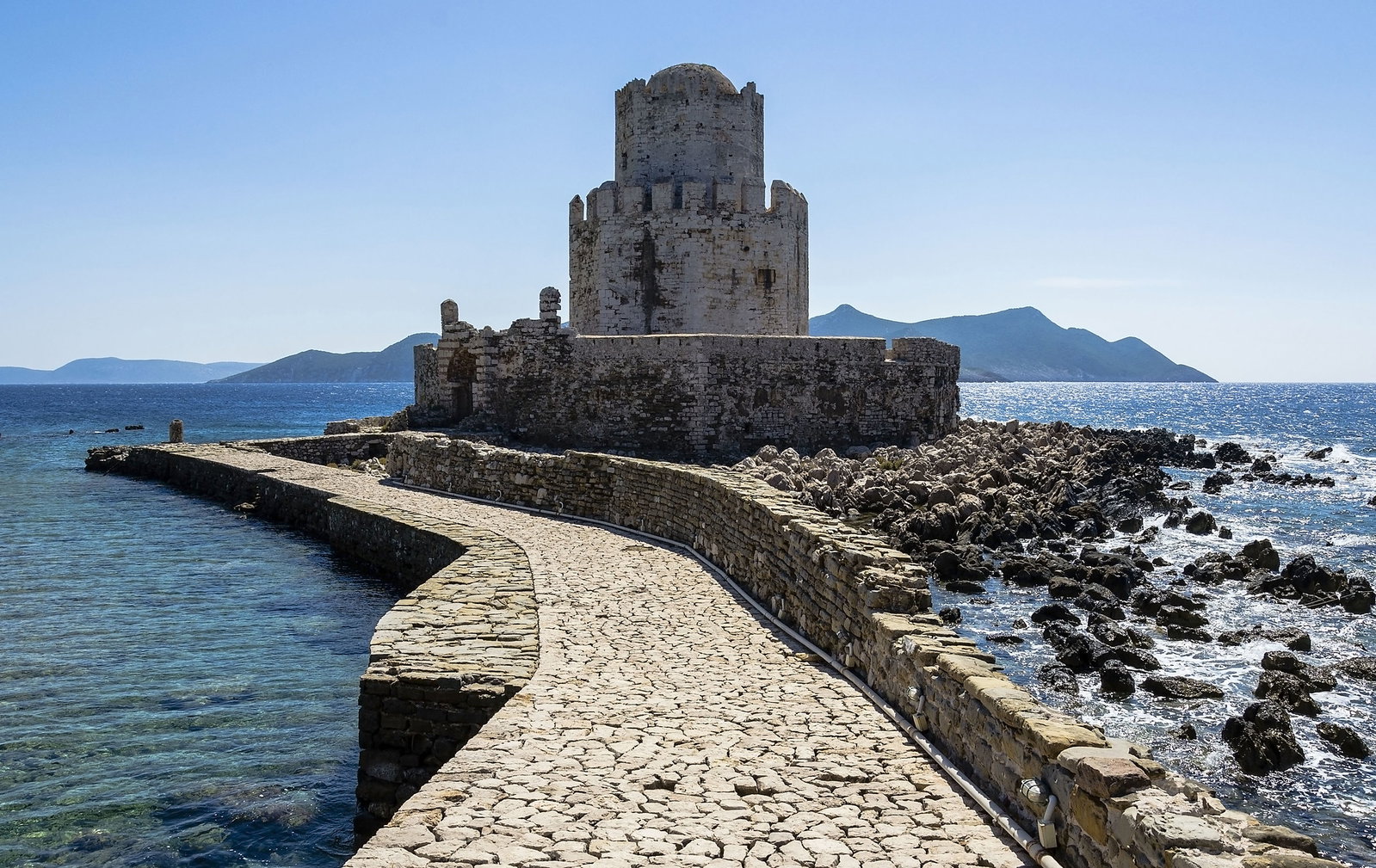
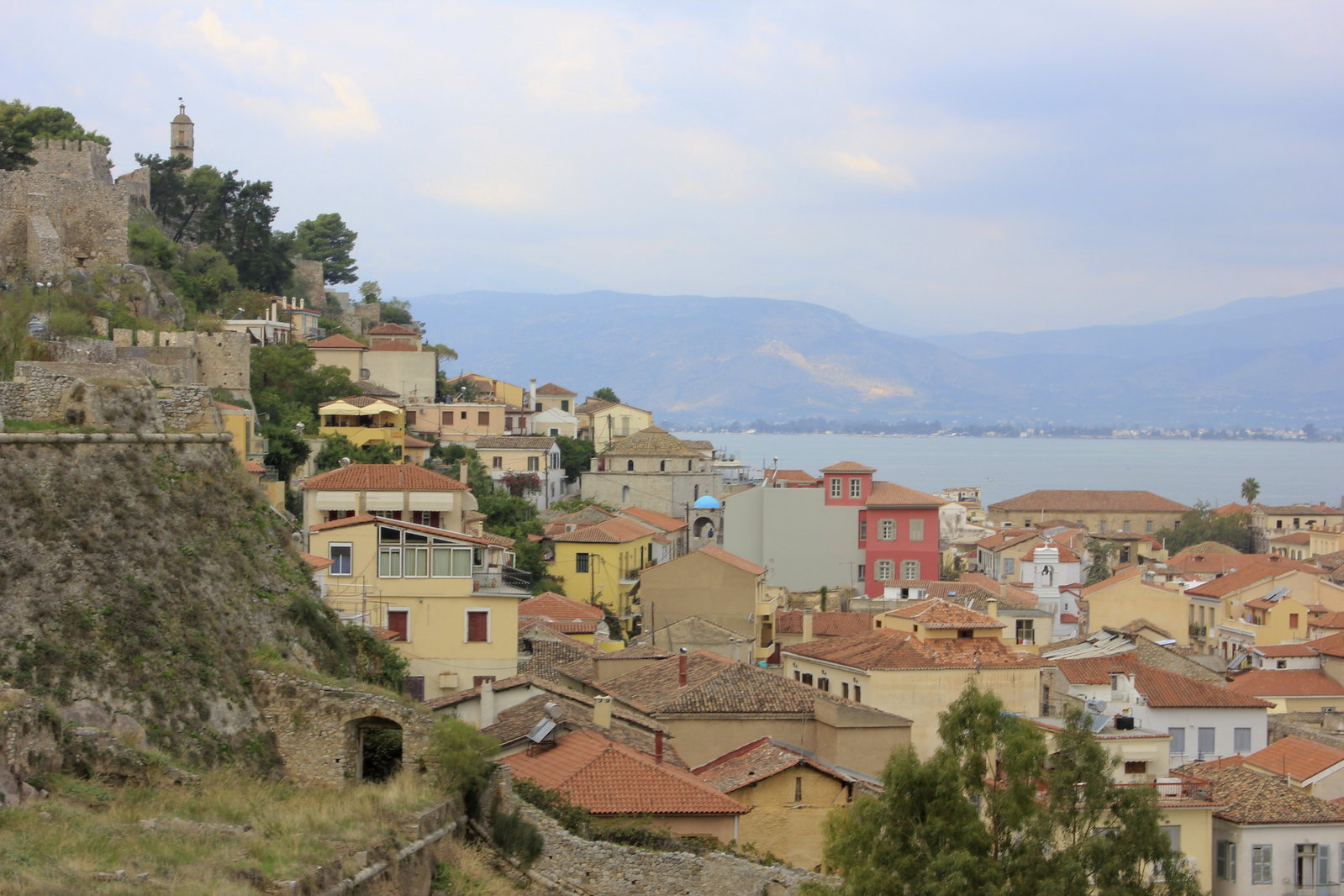
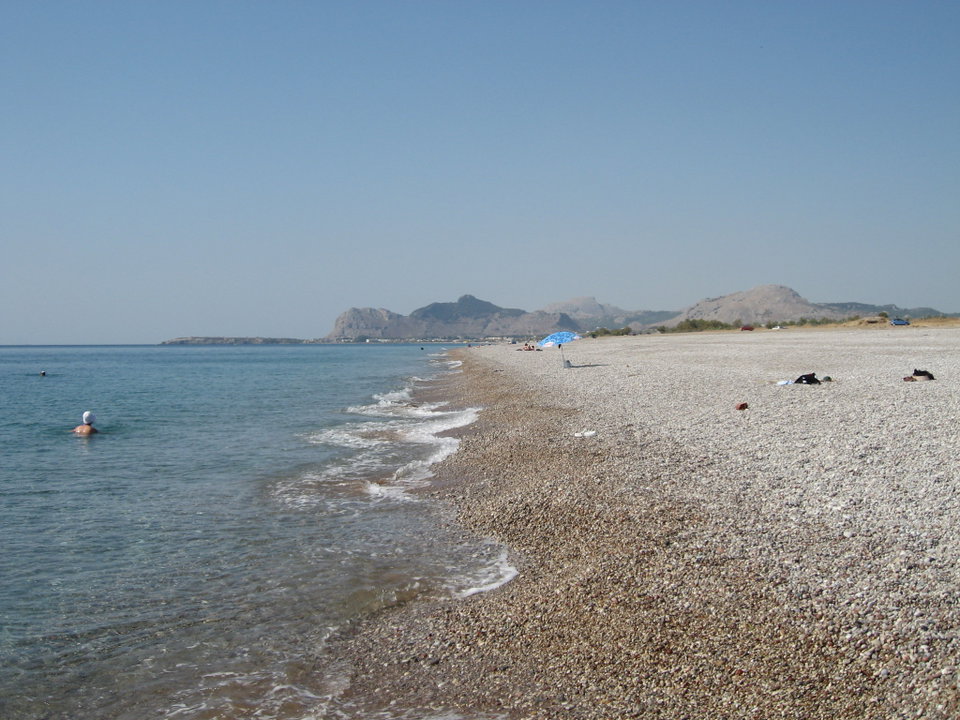
Nafplio old town waterfront with Bourtzi fortress on the water and Palamidi castle rising above the terracotta rooftops

Destination guide

Nafplio

Argolis, Peloponnese · Greece

Greece's most romantic small town — neoclassical lanes, a sea fortress, and the Peloponnese on your doorstep

Best season

April–June and September–October for warm, dry weather and fewer crowds

From Nairobi

Approx. 9–11 hrs via Athens (no direct service)

Why visit Nafplio?

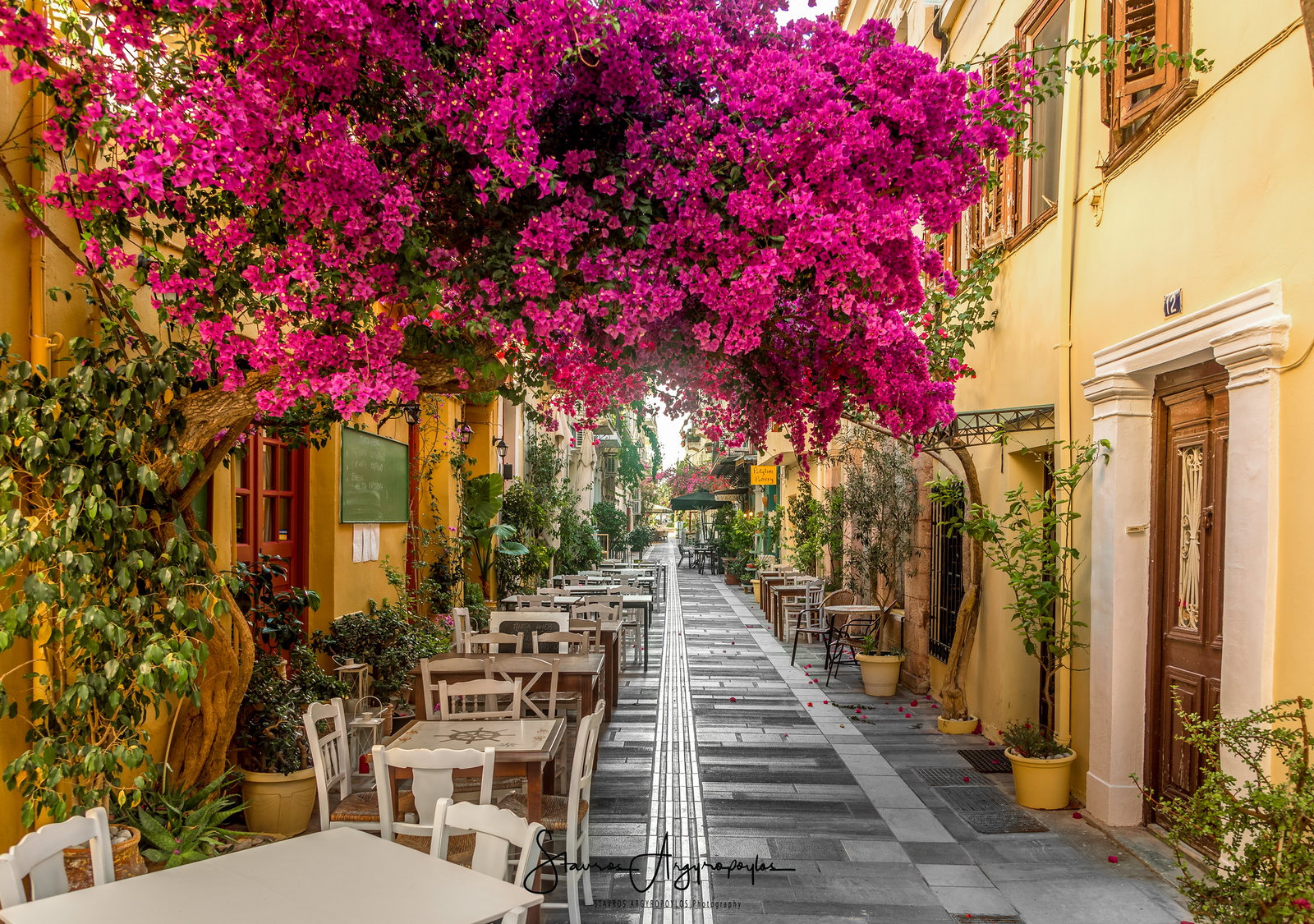
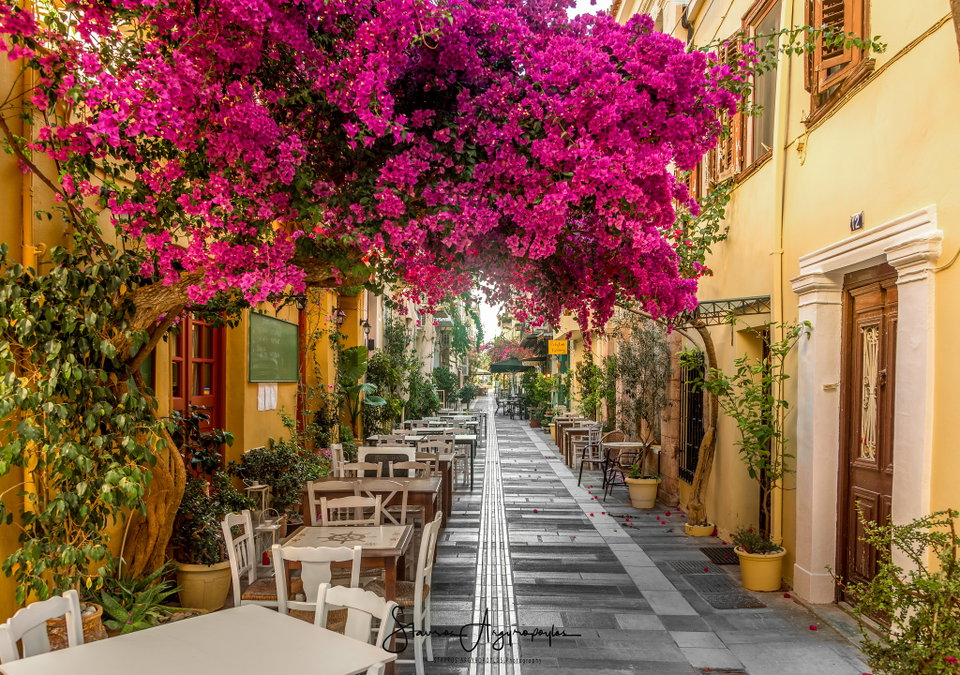
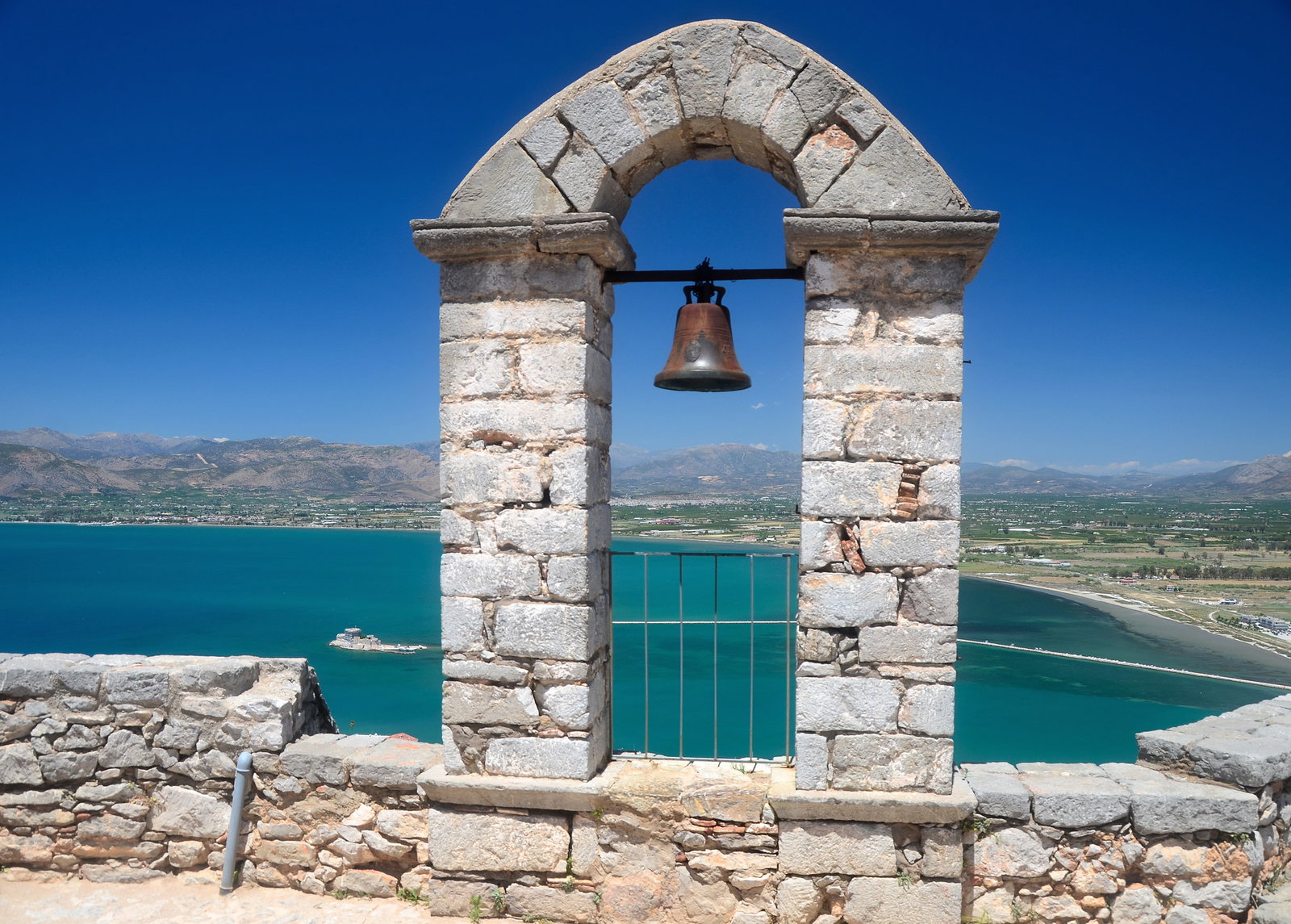
Few Greek towns pack as much personality into so few square kilometres. The old town's Syntagma Square is ringed by grand Venetian warehouses turned into restaurants and museums; the backstreets are lined with bougainvillea and neoclassical facades in terracotta, ochre, and pale blue. Climbing the 999 steps to Palamidi fortress earns you a panorama stretching across the gulf to the mountains of Arcadia. Down at sea level, the islet fortress of Bourtzi is reachable by a short boat ride and rewards visitors with atmospheric stone chambers and dreamy views back to the town.

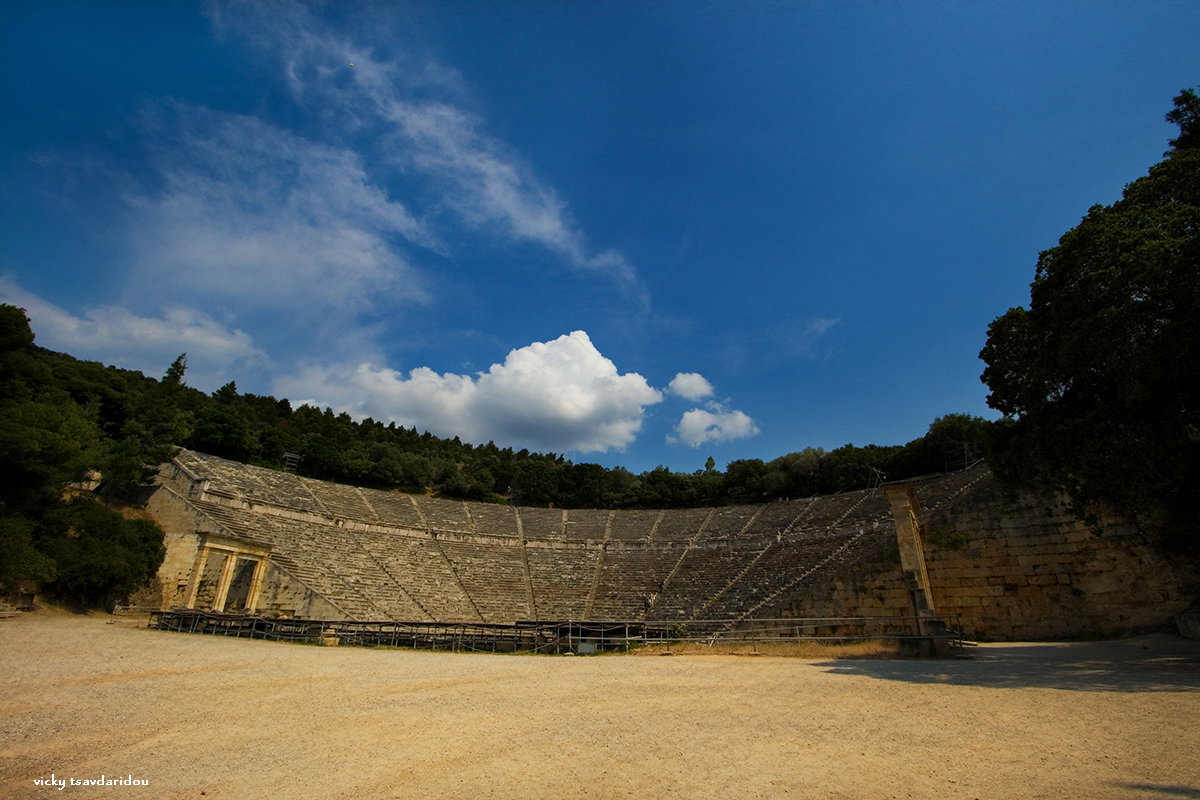
Beyond the town itself, Nafplio is one of Greece's best bases for antiquity-hunting. Mycenae, the Bronze Age citadel of Agamemnon, is 20 km away; the ancient theatre of Epidaurus — still used for summer performances — is 30 km; and Tiryns, a UNESCO-listed Mycenaean fortress, is just 5 km. The Argolic Gulf's swimming beaches, including Arvanitia and Karathona, are walkable from the old town gate, which means you can do a world-class archaeological site in the morning and a swim in the afternoon without moving your bag.

  • Climb 999 steps to Palamidi for a 360° panorama of the Argolic Gulf and the Peloponnese mountains
  • Boat to the sea-girt Bourtzi fortress — one of Greece's most photogenic castles
  • Day-trip to Mycenae, Epidaurus, and Tiryns — three UNESCO or major sites within 30 km
  • Swim at Arvanitia beach, a 10-minute walk from Syntagma Square through the old town walls
  • Stroll Europe's first modern Greek capital: Venetian mansions, Ottoman fountains, mosques-turned-museums
  • Eat exceptionally well — fresh seafood, local wine, and kourambiedes pastries on every corner

Best for

Couples, history enthusiasts, slow travellers, Peloponnese road-trippers

Trip style

Cultural, romantic, historical, beach-and-ruins combo

Known for

Palamidi fortress, Bourtzi sea castle, neoclassical old town, gateway to Mycenae and Epidaurus

Quick facts

Best time to visit

April–June and September–October for warm, dry weather and fewer crowds

Currency

Euro (€)

Languages

Greek; English widely spoken in the old town and hotels

Visa summary

Schengen visa rules apply; EU/EEA passport holders enter freely; most Western passports visa-free for up to 90 days

Flight time from Nairobi

Approx. 9–11 hrs via Athens (no direct service)

Airport / arrival

Nearest airport: Athens International (ATH), ~135 km away; direct KTEL buses or taxis take about 2.5 hrs

Safety note

Very safe for tourists; petty crime is rare; standard bag-watch advice applies at busy squares

Visa and entry

Look up entry rules by passport for travel to Greece on the Tsavaro visa checker.

Check visa requirements for Greece

Things to do

Climb Palamidi FortressHistory & Culture

Climb Palamidi Fortress

2–3 hours

The Venetian fortress looming 216 m above the town is Nafplio's defining landmark. Climb the 999 stone steps (or drive via the back road) to explore eight self-contained bastions, a prison where Greek war hero Kolokotronis was held, and sweeping views across sea and mountains.

Boat to Bourtzi CastleHistory & Culture

Boat to Bourtzi Castle

1–2 hours

Short boats depart from the harbour throughout the day, crossing to this photogenic 15th-century Venetian island fortress. Wander the battlements, photograph the town skyline from the water, and read about its colourful history as a prison, hotel, and military post.

Explore the Old Town on FootSightseeing

Explore the Old Town on Foot

Half day

Nafplio's Venetian-era old town is a pleasure to wander without a map. Highlights include Syntagma Square, the Venetian loggia, the Byzantine church of Agios Spyridonas, an Ottoman mosque converted into a cinema, and multiple neoclassical mansions housing small private museums.

Visit the Archaeological Museum of NafplioHistory & Culture

Visit the Archaeological Museum of Nafplio

1–2 hours

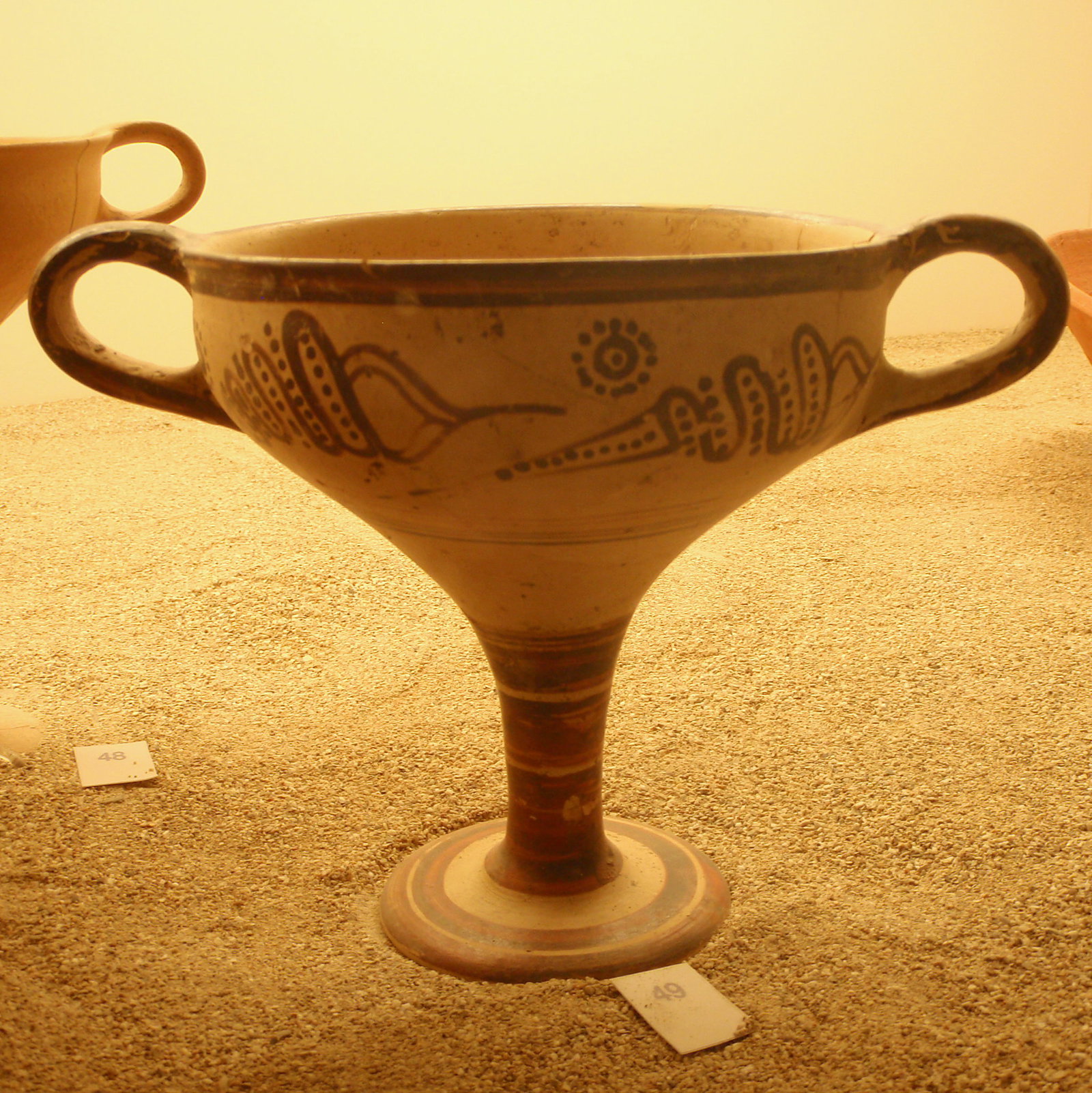
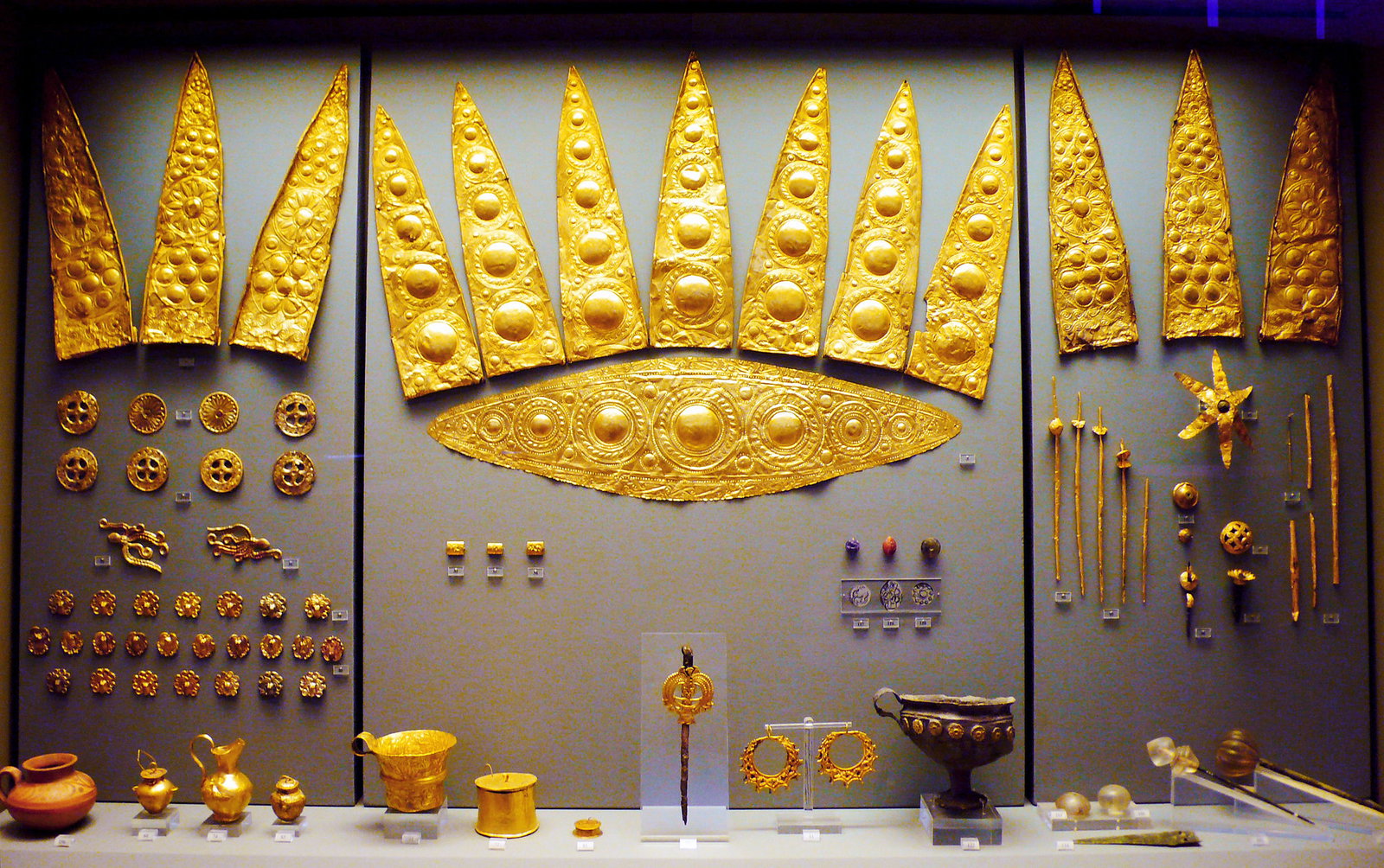
Housed in an 18th-century Venetian warehouse on Syntagma Square, this excellent museum holds Bronze Age armour from Mycenae (including the unique Dendra panoply), Neolithic ceramics, and exhibits tracing the region's history from prehistory to the Byzantine period.

Day Trip to MycenaeExcursion

Day Trip to Mycenae

Full day

The Lion Gate, Treasury of Atreus, and the ancient citadel associated with Agamemnon are just 20 km from Nafplio. The on-site museum is outstanding. Best combined with a stop at Tiryns (5 km from Nafplio), another Mycenaean fortress so massive the Greeks thought giants built it.

Attend a Performance at EpidaurusCulture & Events

Attend a Performance at Epidaurus

Evening (performance) or 2–3 hrs (daytime visit)

Ancient Epidaurus's 4th-century BC theatre — famed for acoustic perfection — seats 14,000 and still hosts summer performances of ancient drama each July and August. Book tickets well in advance; the drive from Nafplio takes about 45 minutes.

Best time to visit Nafplio

The best time to visit Nafplio is April to June or September to October, when temperatures are warm and pleasant (18–28 °C), skies are reliably clear, and the old town is lively without the peak-summer crush.

Spring (April–May) is arguably the finest season: the Peloponnese hills are green, wildflowers line the paths to the beach, and you can walk the archaeological sites in full comfort. Early June is still excellent before the heat intensifies.

Summer (July–August) is hot (often 33–37 °C) and popular with Greek and European visitors. Book accommodation well in advance, especially for July and August weekends, when Athenians fill the hotels. The Epidaurus Festival runs through these months — performances under the stars compensate for the daytime heat.

Autumn (September–October) is the second sweet spot: the sea is warmest for swimming, crowds thin noticeably after mid-September, and day-trip sites like Mycenae are far more atmospheric. October brings occasional rain but remains largely sunny and warm.

Winter (November–March) is quiet and mild by northern European standards (10–15 °C), with most restaurants and some hotels still open. Nafplio has a local year-round population, so it never fully shuts down, and a winter visit can feel genuinely intimate.
Is Nafplio safe to visit?

Yes — Nafplio is one of the safest tourist destinations in Greece and genuinely low-risk for visitors of all backgrounds. Violent crime is extremely rare, and the old town feels safe to walk at any hour of the night.

Petty theft is the main precaution worth taking: keep an eye on bags at busy outdoor cafés on Syntagma Square and on the harbour front during peak season. Use a money belt if carrying larger amounts of cash.

The Palamidi steps are steep and uneven — wear proper footwear and carry water, especially in summer when midday heat can be intense. The coastal path to Arvanitia is well-lit and safe at night.

Driving in the Peloponnese is generally straightforward, though mountain roads to sites like Mycenae can be narrow. Standard travel insurance covering medical expenses is advisable, as it is anywhere in Greece.

Nafplio has a small but efficient local hospital, and English-speaking doctors are available at several private clinics. The European Health Insurance Card (EHIC) is valid for EU citizens.

Suggested itinerary

3 Days in Nafplio: Fortresses, Ruins & the Argolic Riviera

This itinerary assumes a relaxed pace based in the Nafplio old town, using the town as a hub for day trips. It suits independent travellers with a hire car or comfortable using taxis and KTEL buses. Budget band: mid-range (€80–€160/night for accommodation).

Day 1

Arrive & explore the old town

Check into your hotel in the old town and head immediately to Syntagma Square for orientation. Spend the afternoon wandering the backstreets — find the Venetian loggia, the old mosque on the square (now an archaeological exhibit), and the neoclassical facades of Staikopoulou Street. In the late afternoon, walk the coastal path to Arvanitia beach for a swim before the sun dips behind Palamidi. Return for dinner at one of the harbour-front seafood tavernas.

Nafplio — Arrive & explore the old town

Travel essentials

Getting around

The old town is entirely walkable — most visitors need no transport within Nafplio itself. For day trips to Mycenae, Epidaurus, and Tiryns, a hire car gives the most flexibility (available from Athens airport or locally). KTEL buses connect Nafplio to Athens (bus station at Plateia Kapodistria), Mycenae, and Argos. Taxis are affordable for shorter hops; agree fares in advance for archaeological sites.

Typical costs

Mid-range hotel in the old town: €80–€160/night. Budget guesthouse: €45–€70. Taverna dinner with wine: €20–€35/person. Palamidi entry: €8. Mycenae combined ticket (site + museum): €12. Bourtzi boat: €3–€5 return. Coffee: €2–€3.50.

Culture and etiquette

Dress modestly when entering churches — shoulders and knees covered. Tipping is appreciated but not mandatory; rounding up the bill or leaving 5–10% is the norm. Greeks eat late — dinner rarely starts before 9 pm. Some shops and sights close for a siesta from roughly 2–5 pm.

Safety and planning

Carry water on the Palamidi climb, especially June–September. Book Epidaurus Festival tickets (July–August) months in advance — they sell out fast. Travel insurance covering medical repatriation is recommended. EU citizens should carry their EHIC card.

Connectivity

4G coverage is reliable throughout Nafplio and at major archaeological sites. Free Wi-Fi is available in virtually all hotels, cafés, and most restaurants. A Greek SIM (Cosmote, Vodafone GR, or Wind) is cheaply available at the Athens airport or Nafplio phone shops.

Payments

Cards (Visa/Mastercard) are accepted in most hotels and restaurants. Smaller tavernas, market stalls, and beach kiosks often prefer cash. ATMs are plentiful on and around Syntagma Square.

Nafplio travel FAQs

More destinations to explore