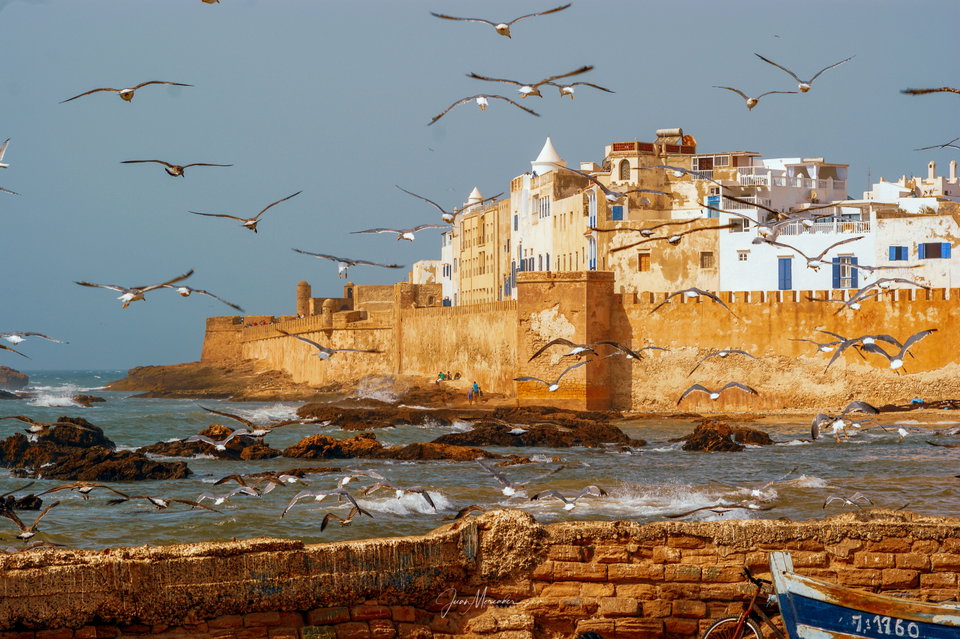
The Kasbah of the Udayas overlooking the blue Atlantic at Rabat, Morocco, at golden hour

Destination guide

Rabat

Atlantic Coast, Northwest Morocco · Morocco

Morocco's quietly magnificent capital — medinas, mausoleums, and ocean breezes without the crowds

Best season

March–May and September–November for mild Atlantic weather and fewer tourists

From Nairobi

Approximately 8–10 hours with one stop (Addis Ababa, Cairo, or Casablanca); no direct Nairobi–Rabat service currently

Why visit Rabat?

Rabat is Morocco without the tourist fatigue. As the country's political and diplomatic capital it has invested in its heritage without packaging it purely for export — the medina still functions as a living neighbourhood, the souks sell things residents actually buy, and the café terraces overlook rivers rather than tour-group queues.

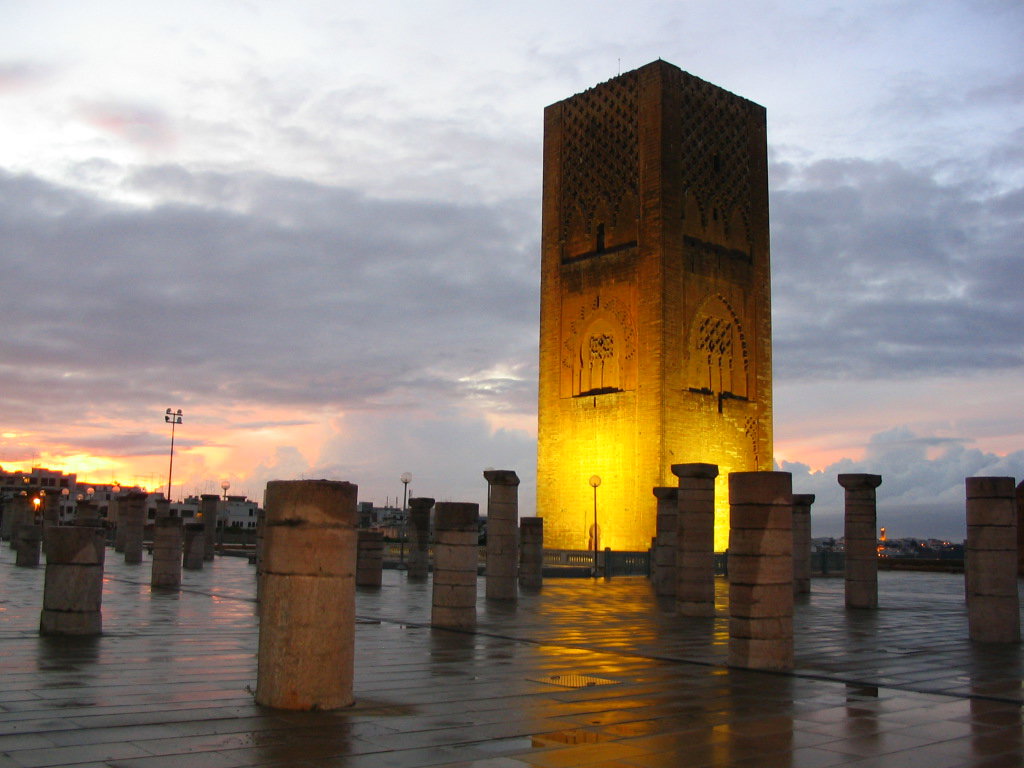
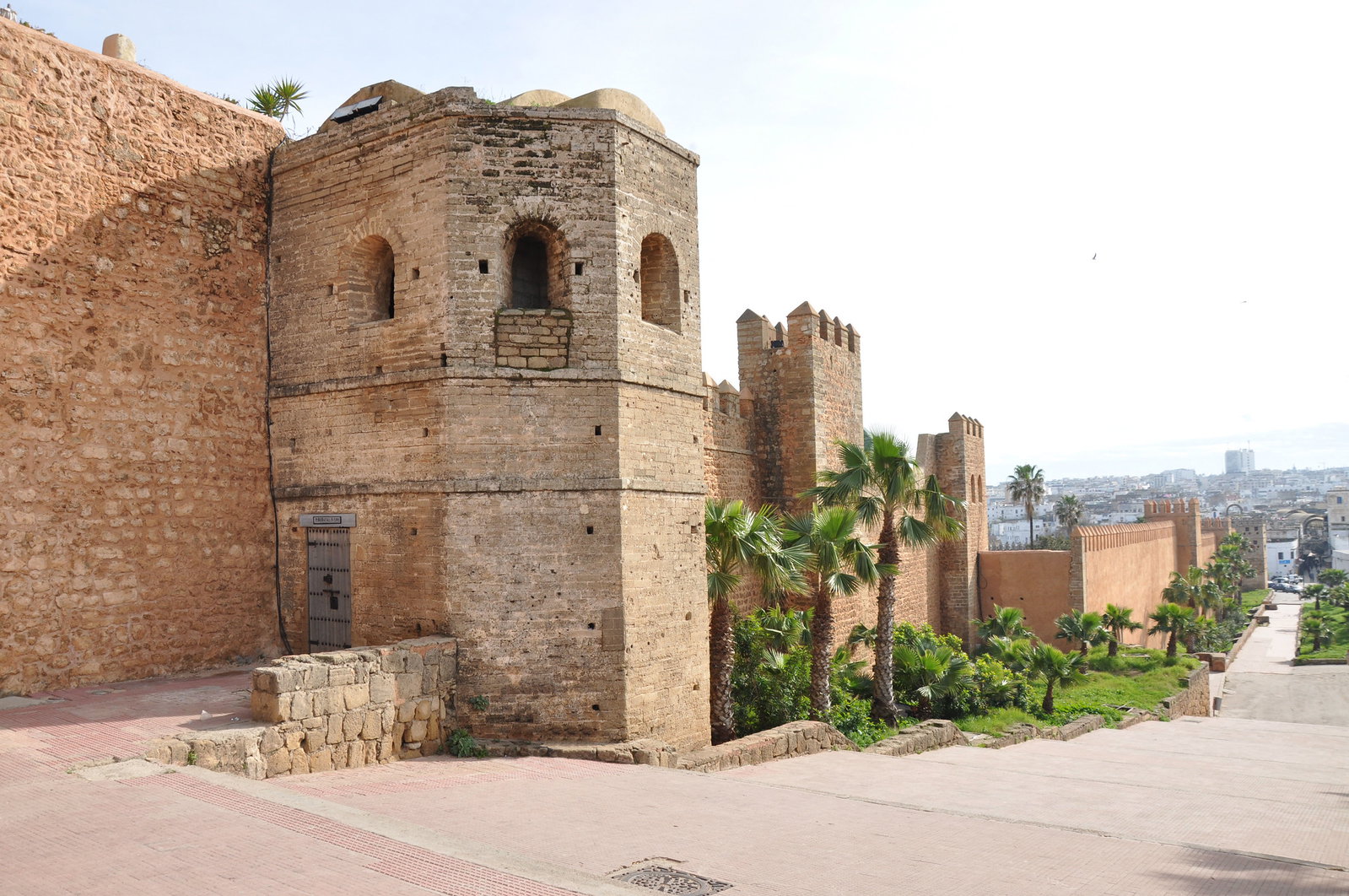
The UNESCO World Heritage site here is genuinely spectacular: the incomplete Hassan Tower (begun 1195, never finished after the sultan's death) and its forest of 200 columns sit beside the Mausoleum of Mohammed V, one of the finest examples of 20th-century Moroccan craftsmanship anywhere. The Kasbah of the Udayas, a 12th-century fortress perched above the Atlantic with blue-and-white painted lanes, could stand as a destination in its own right.

For travellers connecting from East Africa, Rabat also works beautifully as a gateway: Casablanca is 90 minutes by fast train, Fes is under two hours, and the Spanish coast is a short ferry ride from Tangier. Rabat earns its place as a base, not just a stopover.

  • UNESCO World Heritage medina that locals actually live in — no theme-park feel
  • The Hassan Tower and Mohammed V Mausoleum: Morocco's most elegantly paired monuments
  • The Kasbah of the Udayas — blue-and-white lanes above crashing Atlantic surf
  • Chellah: a Roman city turned medieval necropolis, now home to nesting storks
  • Fast rail connections to Casablanca, Fes, and Tangier make Rabat the ideal Morocco base
  • Laid-back Atlantic beach culture at Plage de Rabat, a 15-minute walk from the medina

Best for

History lovers, architecture fans, independent travellers, families, and those seeking an authentic Moroccan city experience without the crowds

Trip style

Cultural city break, heritage exploration, Atlantic coastal escape

Known for

Hassan Tower, Kasbah of the Udayas, Mausoleum of Mohammed V, UNESCO medina, Chellah necropolis, Atlantic beaches

Quick facts

Best time to visit

March–May and September–November for mild Atlantic weather and fewer tourists

Currency

Moroccan Dirham (MAD). 1 USD ≈ 10 MAD (2025 rates)

Languages

Arabic (official), Darija (Moroccan Arabic) widely spoken; French used in business and hospitality; some Spanish in northern areas

Visa summary

Visa-free for 90 days for EU, US, UK, and many African passport holders. East African passport holders (Kenya, Tanzania, Uganda, Rwanda, Ethiopia) should check current Moroccan visa rules — requirements vary.

Flight time from Nairobi

Approximately 8–10 hours with one stop (Addis Ababa, Cairo, or Casablanca); no direct Nairobi–Rabat service currently

Airport / arrival

Fly into Rabat–Salé Airport (RBA), 10 km from the city centre; taxis take 20 minutes. Alternatively, fly to Mohammed V International Airport (CMN) in Casablanca and take the Al Boraq high-speed train (35 min) or the ONCF train (1 hr 30 min) to Rabat-Agdal station.

Safety note

Rabat is among Morocco's safest cities. Normal urban precautions apply in the medina at night.

Visa and entry

Look up entry rules by passport for travel to Morocco on the Tsavaro visa checker.

Check visa requirements for Morocco

Things to do

Hassan Tower & Mausoleum of Mohammed VHeritage & Architecture

Hassan Tower & Mausoleum of Mohammed V

1–2 hours

The unfinished minaret of Hassan Tower, surrounded by 200 sandstone columns, is Rabat's defining image. Directly opposite, the white marble Mausoleum of Mohammed V houses the tombs of the late king and his sons, with intricate zellij tilework and carved cedarwood that represents the peak of 20th-century Moroccan royal craftsmanship. Free to visit; Royal Guard on duty.

Kasbah of the UdayasHeritage & Architecture

Kasbah of the Udayas

2–3 hours

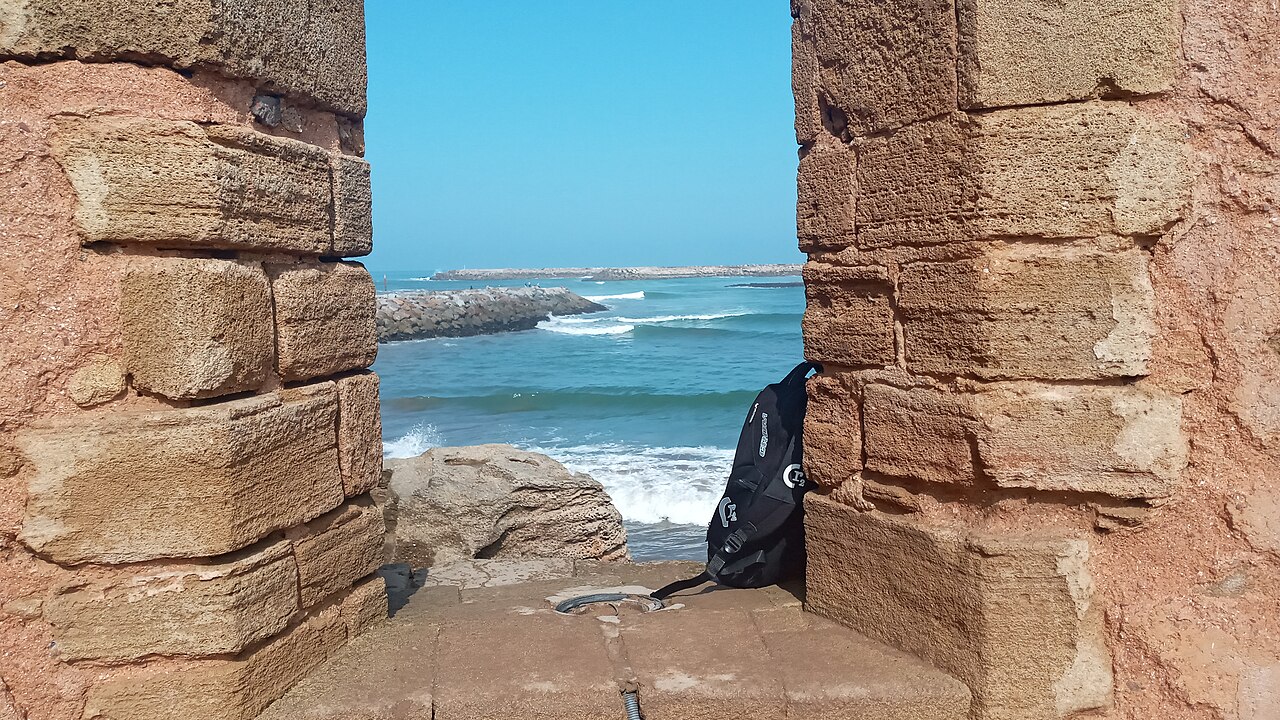
This 12th-century Almohad fortress at the mouth of the Bou Regreg river is a UNESCO-listed gem of blue-and-white painted lanes, bougainvillea, and sweeping Atlantic views. The Andalusian Garden inside is one of the most peaceful spots in any Moroccan city. Budget time to sit at the clifftop café and watch the surf.

Walk the Medina & SouksCulture & Markets

Walk the Medina & Souks

2–3 hours

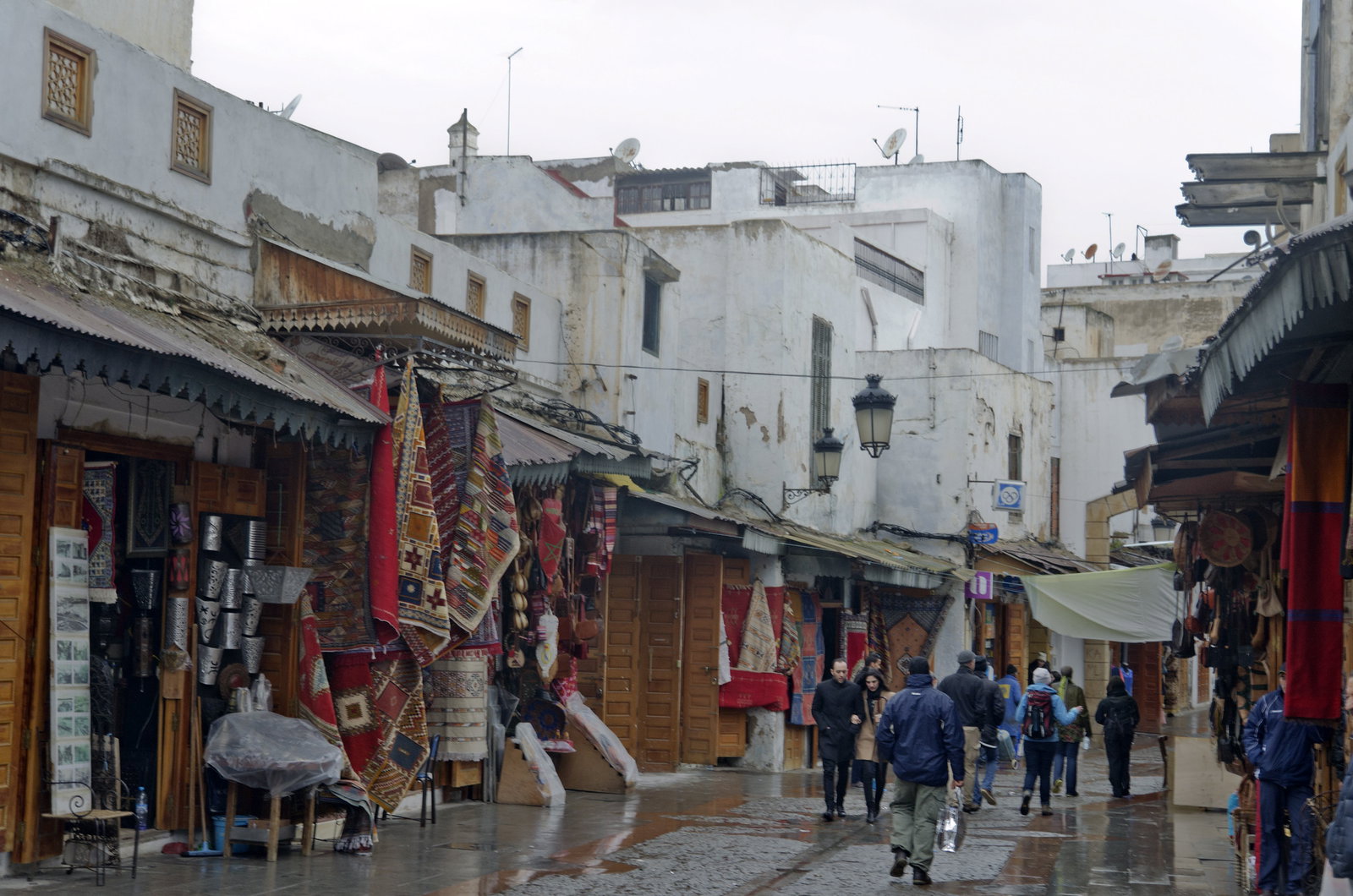
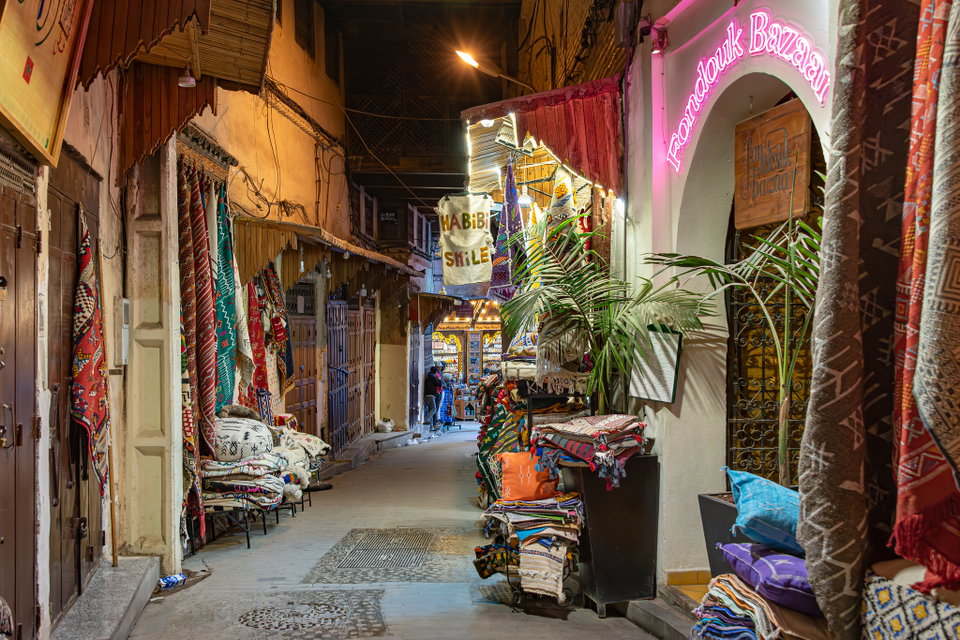
Rabat's medina is compact enough to navigate without a guide and calm enough to linger. The main artery, Rue Souika and Rue des Consuls, leads through spice stalls, carpet sellers, and ironwork workshops. Unlike Marrakech, vendors here are rarely aggressive — it's a genuinely pleasant browse.

Chellah NecropolisHeritage & Nature

Chellah Necropolis

1.5–2 hours

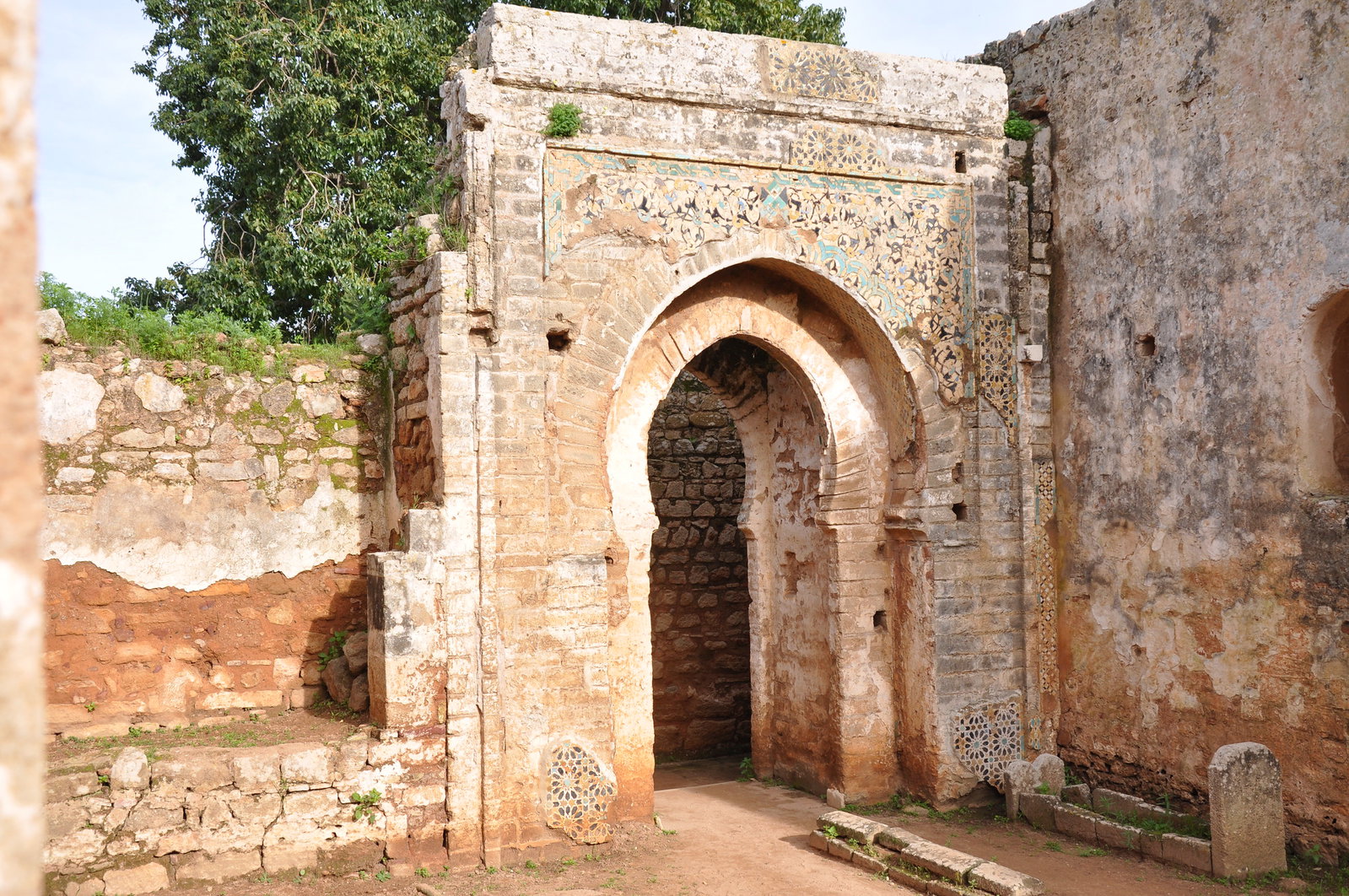
A 14th-century Merenid necropolis built over the ruins of the Roman city of Sala Colonia. Storks nest on the minarets from January to June, wild cats roam the gardens, and the layered history — Roman, Islamic, natural — makes this one of the most atmospheric sites in Morocco.

Mohammed VI Museum of Modern & Contemporary ArtArt & Culture

Mohammed VI Museum of Modern & Contemporary Art

1.5–2 hours

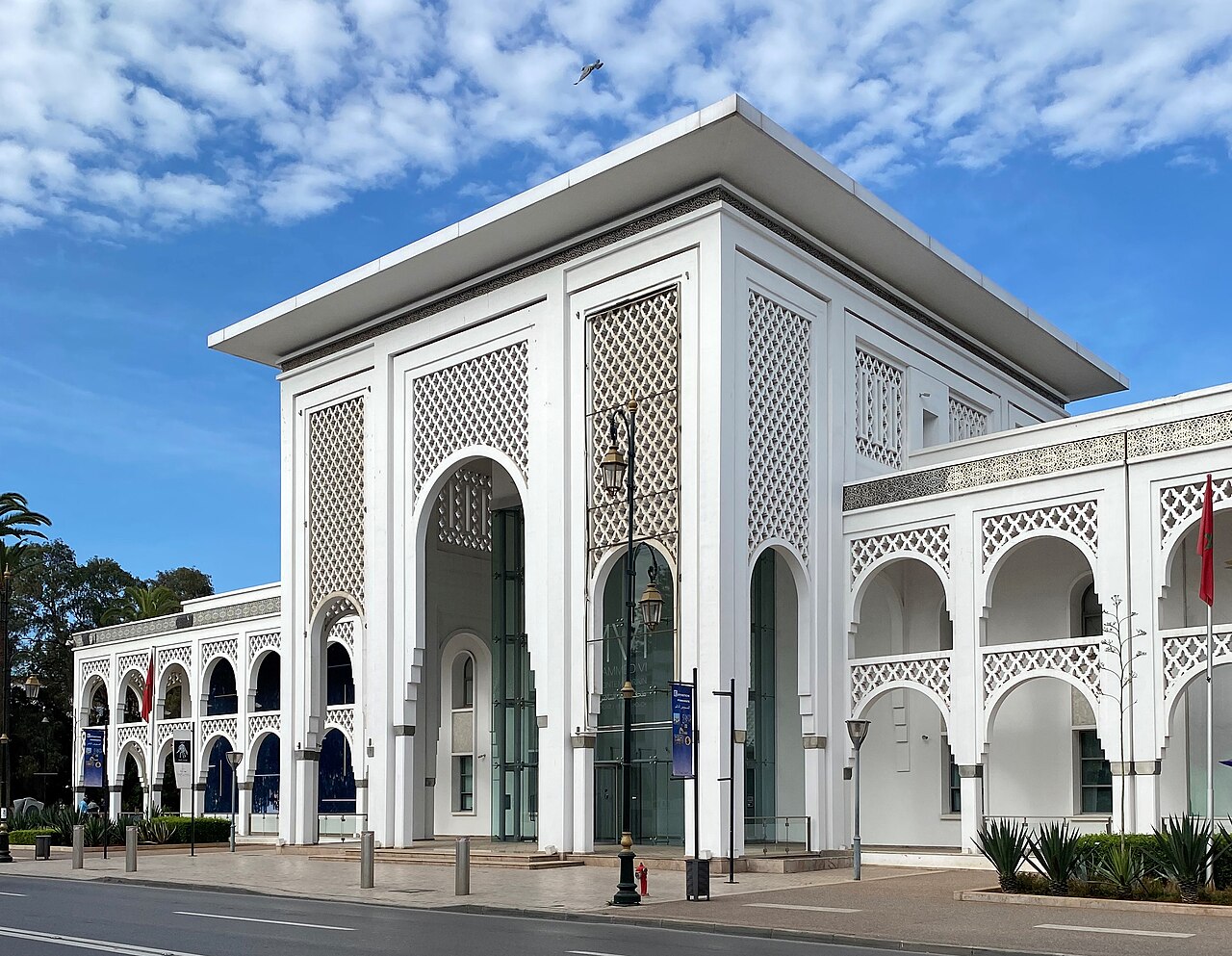
Opened in 2014 and the largest modern art museum in Africa, MMVI showcases Moroccan and international contemporary work across two buildings. An essential stop for design and art lovers, and a welcome contrast to the ancient-city narrative.

Day trip to SaléDay Trip

Day trip to Salé

Half day

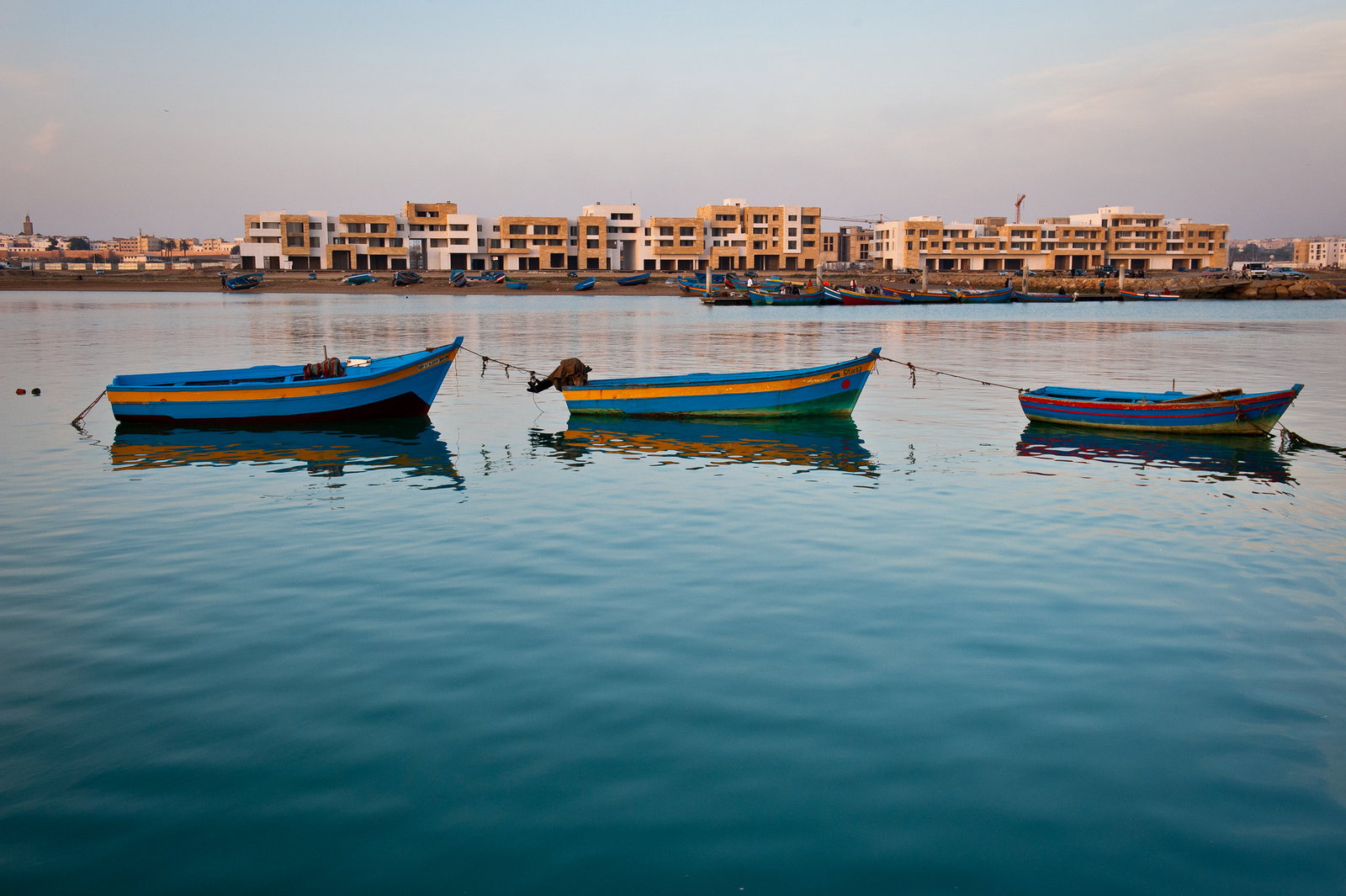
Rabat's twin city across the Bou Regreg river is reached by a short rowing-boat ferry or the new tram. Salé's medina is older and less visited, with the Medersa Bou Inania (14th century) a highlight — carved stucco and cedar screens in near-pristine condition.

Plage de Rabat (Atlantic Beach)Beach & Nature

Plage de Rabat (Atlantic Beach)

Half day

A wide, clean Atlantic beach begins at the base of the Kasbah and stretches south past the Oudayas surf club. Surf schools operate year-round; water temperatures are mild from June to October. The beach is well-used by locals, giving it an authentic Moroccan seaside feel.

Best time to visit Rabat

The best time to visit Rabat is spring (March to May) or early autumn (September to October), when Atlantic breezes keep temperatures in the comfortable 18–24°C range, rainfall is low, and the city's gardens are at their most photogenic.

Spring (March–May): Ideal conditions. The Chellah stork colony is active, wildflowers bloom in the gardens, and hotel rates sit below peak. Ramadan (dates shift annually) can fall here — plan accordingly, as some restaurants close by day, but the evening atmosphere during iftar is memorable.

Summer (June–August): Atlantic winds moderate what could be fierce heat — Rabat typically sits 8–10°C cooler than Marrakech in July. The beach is at its best and evenings are warm. This is domestic high season; book accommodation ahead.

Autumn (September–October): A strong second choice. Sea temperatures remain warm for swimming, crowds thin, and the light is golden. The Mawazine music festival (usually June) and Rabat Art City events tend to cluster in late spring and early autumn.

Winter (November–February): Mild by Moroccan inland standards (12–17°C), with periodic Atlantic rain. Heritage sites are quieter and rates are lowest. The medina feels most 'local' in winter. Not ideal for beach plans, but fine for a cultural trip.

Is Rabat safe to visit?

Yes — Rabat is consistently ranked among Morocco's safest cities for tourists and residents alike. As the seat of government, the city has a visible police and security presence, well-maintained public spaces, and a generally relaxed atmosphere compared to the larger tourist hubs.

Practical tips for a safe visit:

In the medina, keep bags closed and worn across the body; petty pickpocketing is the main concern in busy souk lanes, not violent crime.

The Kasbah of the Udayas and Chellah are very safe during daylight hours; as with any city, avoid unlit areas alone late at night.

Female travellers generally find Rabat more comfortable than Marrakech or Fes — street harassment exists but is significantly less frequent in the capital.

The Bou Regreg waterfront and Ville Nouvelle are safe to walk at all hours.

Morocco is a Muslim-majority country; respectful dress (shoulders and knees covered) in mosques, souks, and religious sites is appreciated and reduces unwanted attention.

Emergency numbers: Police 19, Gendarmerie 177, Ambulance 15. Most hotels can assist with translation in an emergency.

Suggested itinerary

3 Days in Rabat: Capital Culture & Atlantic Coast

This plan assumes a moderate pace using one central base (Ville Nouvelle or medina fringe hotel), covers all major heritage sites without rushing, and leaves time for café culture and the river. Budget band: mid-range (30–80 USD/person/day excluding flights).

Day 1

Hassan Tower, Mausoleum & Kasbah

Start the morning at the Hassan Tower esplanade before tour groups arrive — the column-forest is extraordinary in early light. Cross the plaza to the Mausoleum of Mohammed V; allow an hour to appreciate the tile and woodwork detail. Walk north along the river to the Kasbah of the Udayas: enter through the monumental Almohad gate, wander the blue lanes, and settle into the Andalusian Garden. Lunch at Dar Naji inside the Kasbah or at a terrace café overlooking the Atlantic. Afternoon: take the traditional rowing ferry across to Salé for a quick look at the old medina before returning for sunset from the Kasbah cliff.

Rabat — Hassan Tower, Mausoleum & Kasbah

Travel essentials

Getting around

Rabat is compact and walkable: the medina, Kasbah, and Hassan Tower are all within 25 minutes on foot of each other. Trams (Line 1 and Line 2) link the Ville Nouvelle, train stations, and Salé. Petit taxis (small red cabs) are metered, cheap, and the easiest way to reach Chellah or the airport. Ride-hailing via Careem or inDrive also works well. The Al Boraq high-speed train connects Rabat-Agdal and Rabat-Ville stations to Casablanca (35–50 min) and Tangier (1 hr 45 min).

Typical costs

Budget: 30–50 USD/day (hostel or riad room, street food, public transport). Mid-range: 60–100 USD/day (3-star riad, sit-down meals, private taxis). Entrance fees are modest — Hassan Tower/Mausoleum is free; Chellah ~10 MAD (under 1 USD); MMVI ~20 MAD. A restaurant meal in the medina costs 60–120 MAD; Ville Nouvelle restaurants 80–200 MAD.

Culture and etiquette

Greet with 'Salam alaykoum' — it goes a long way. Remove shoes before entering mosques (note: most mosques in Morocco are closed to non-Muslims, though the mausoleum is an exception). Dress modestly in the medina and religious sites. During Ramadan, avoid eating, drinking, or smoking in public in the daytime out of respect. Tipping is appreciated but not obligatory — 10% in restaurants and a few dirhams for guides or porters is standard.

Safety and planning

Register your trip with your country's embassy in Rabat if staying more than a week. Keep photocopies of your passport separate from the original. Travel insurance covering medical evacuation is strongly recommended for all Morocco trips. The nearest major hospital with international-standard care is Clinique Agdal (Rabat).

Connectivity

Morocco has good 4G coverage in Rabat. A Moroccan SIM card (Maroc Telecom, Inwi, or Orange Maroc) costs 30–60 MAD at the airport or in phone shops, with data packages from 10 MAD/day. Most riads, hotels, and cafés offer free Wi-Fi.

Payments

Cash is king in the medina and for petit taxis. ATMs (Guichets automatiques) are plentiful in the Ville Nouvelle and at the train stations; Visa and Mastercard are accepted in most hotels, upscale restaurants, and the MMVI. Avoid exchanging money at unofficial changers — licensed exchange bureaux and bank ATMs give the best rates.

Rabat travel FAQs

More destinations to explore