 Sightseeing
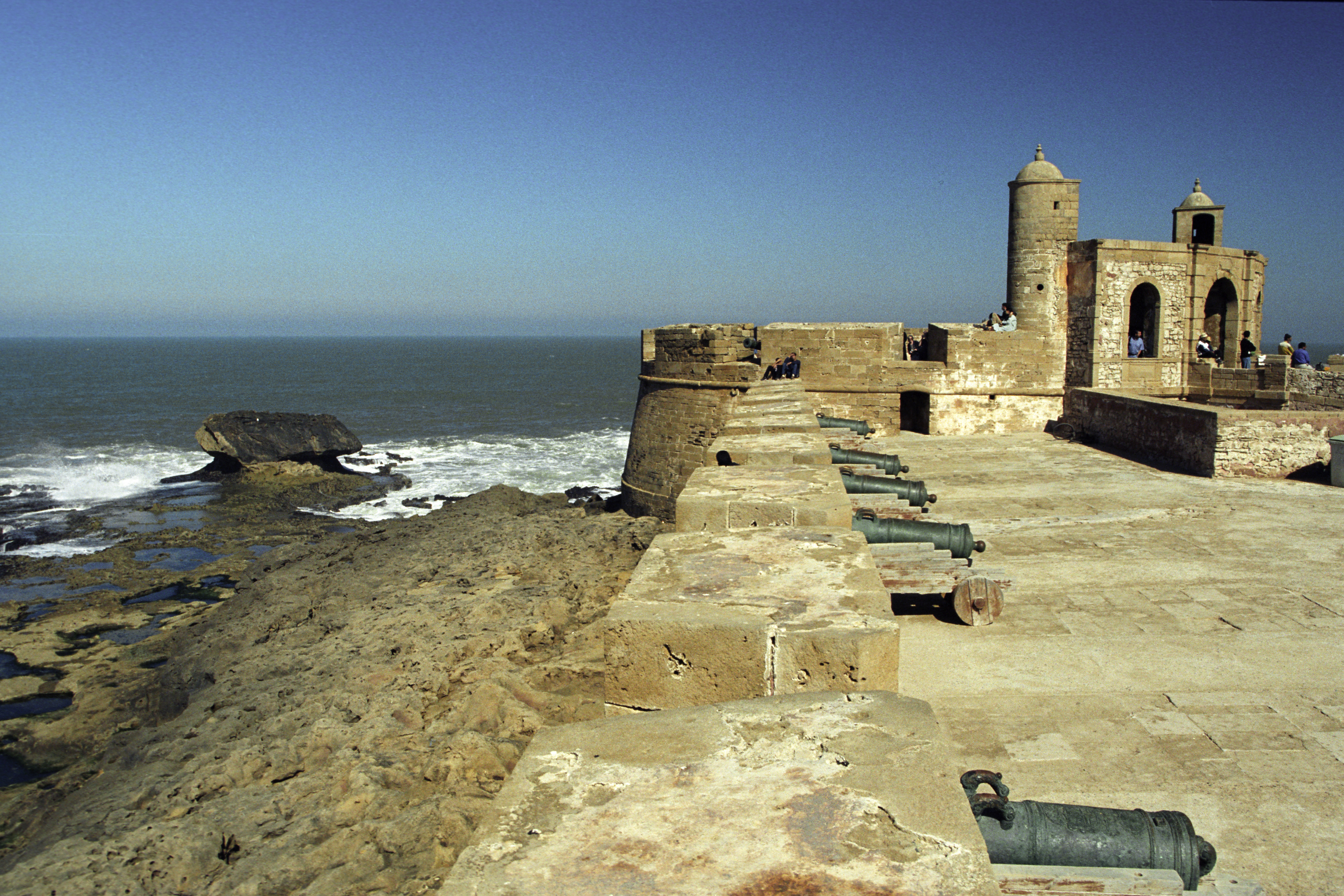
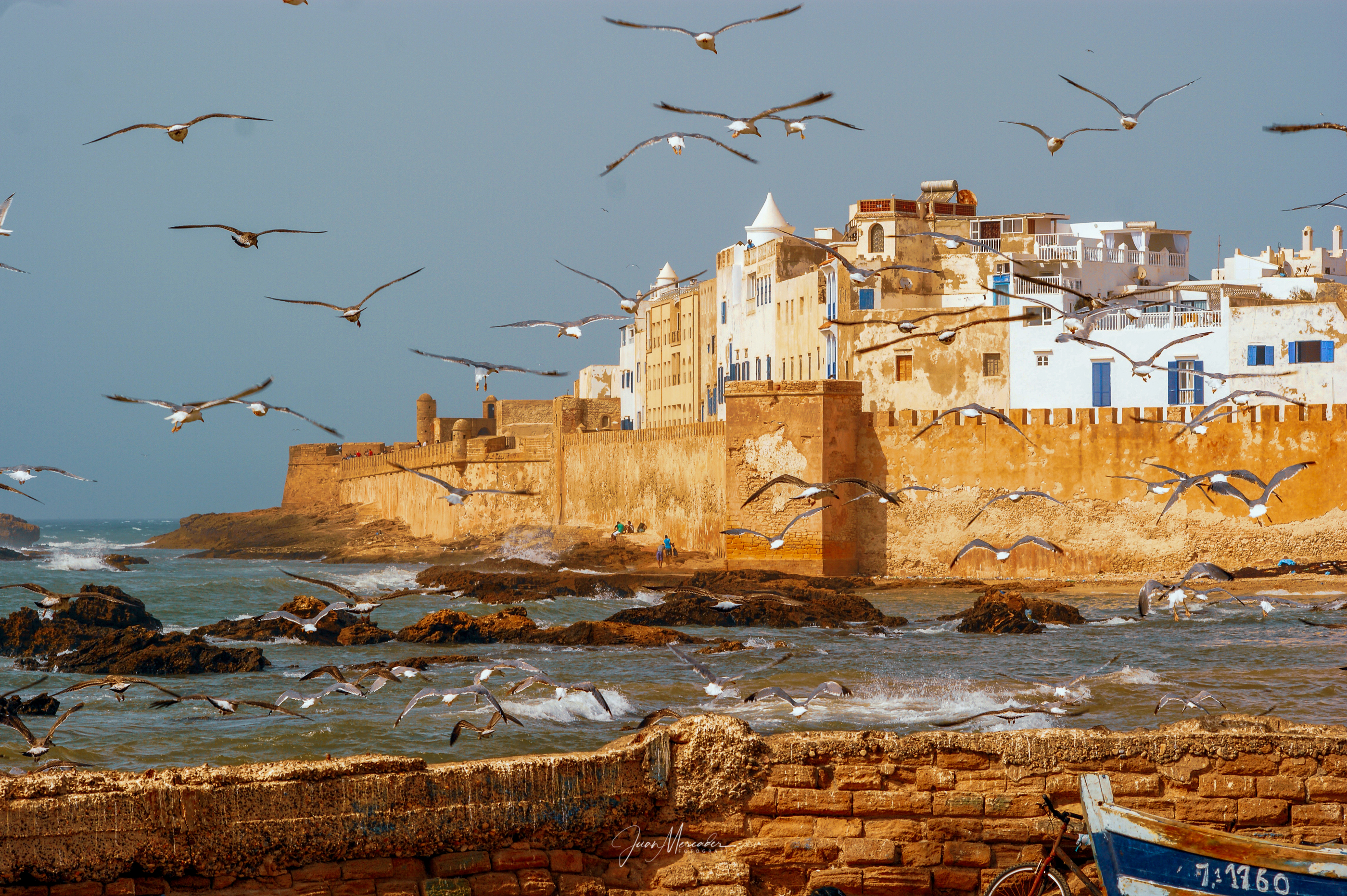
Walk the Skala de la Ville Ramparts
1–2 hours
Stroll the iconic sea-facing bastions lined with antique bronze cannons. The ramparts offer sweeping views of the Atlantic and the medina rooftops — unmissable at golden hour.
Destination guide
Marrakech-Safi · Morocco
Where the Atlantic Wind Writes the Story
Best season
March to May and September to November — warm, manageable winds, and fewer crowds. July and August bring the famous Gnaoua music festival but also peak wind and tourist traffic.
From Nairobi
Approximately 8–10 hours with one stop (typically via Casablanca, Cairo, or Addis Ababa). No direct flights.
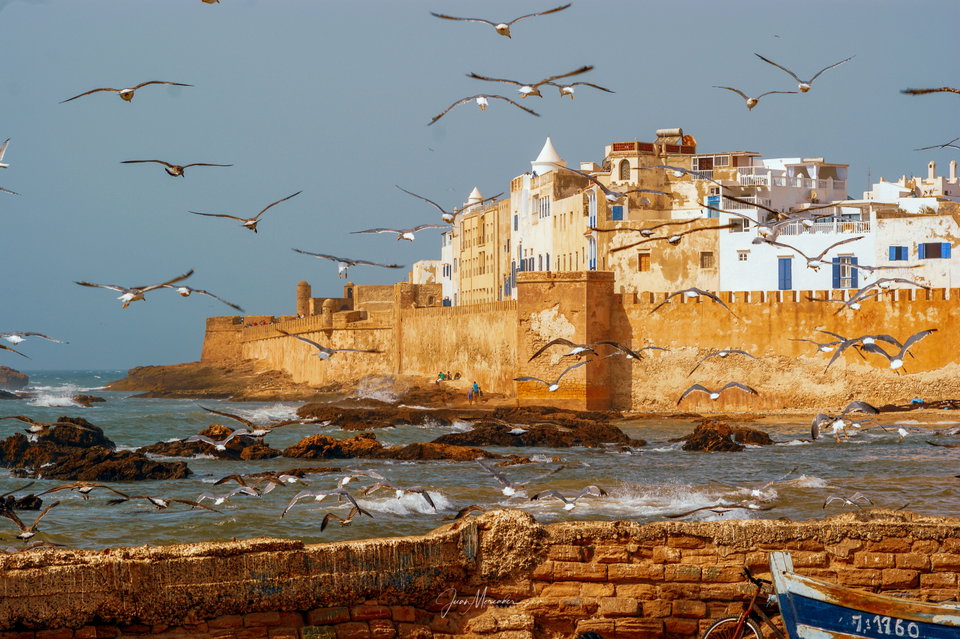
Essaouira occupies a rare space in the Moroccan imagination: authentically Moroccan yet refreshingly unhurried. The medina — a UNESCO World Heritage Site since 2001 — was designed by a French architect in the 18th century, giving it unusually straight streets and an airy, navigable grid compared to the labyrinthine old cities of Fez or Marrakech.
The town's creative soul runs deep. Jimi Hendrix famously visited in the late 1960s, and today galleries, music studios, and craft workshops are woven into the fabric of the medina. The Gnaoua & World Music Festival, held each summer, transforms the ramparts and squares into open-air stages drawing artists from across Africa and beyond.
Beyond culture, the coast is world-class. The consistent Atlantic winds have made Essaouira one of Africa's top kitesurfing and windsurfing destinations. Further afield, the argan forests of the Haha region offer hiking and insight into a UNESCO-recognised biosphere. Essaouira is also a genuine foodie town: fresh Atlantic seafood, slow-cooked tagines, and some of Morocco's best argan-based cooking converge here.
Best for
Beach lovers, culture seekers, windsurfers, foodies, artists, and travellers wanting a calmer alternative to Marrakech.
Trip style
Laid-back cultural escape, adventure watersports, culinary travel
Known for
UNESCO medina, Gnaoua music, Atlantic kitesurfing, argan oil, blue fishing port
Best time to visit
March to May and September to November — warm, manageable winds, and fewer crowds. July and August bring the famous Gnaoua music festival but also peak wind and tourist traffic.
Currency
Moroccan Dirham (MAD). ATMs are available in the medina and on Avenue Mohammed V.
Languages
Darija (Moroccan Arabic) and French are widely spoken; Tamazight is heard locally. Basic English understood in tourist areas.
Visa summary
Many nationalities (including EU, US, UK, and Kenyan passport holders) receive a free 90-day stamp on arrival. Check your specific passport requirements before travel.
Flight time from Nairobi
Approximately 8–10 hours with one stop (typically via Casablanca, Cairo, or Addis Ababa). No direct flights.
Airport / arrival
Essaouira–Mogador Airport (ESU) handles limited domestic flights from Casablanca. Most visitors fly into Marrakech Menara Airport (RAK) and transfer by CTM bus (~2.5 hrs) or shared taxi.
Safety note
Essaouira is considered one of Morocco's safest cities for tourists. Standard precautions apply in the medina souks. Rip currents can be strong on the beach — swim in designated zones.
Visa and entry
Look up entry rules by passport for travel to Morocco on the Tsavaro visa checker.
Check visa requirements for MoroccoSightseeing1–2 hours
Stroll the iconic sea-facing bastions lined with antique bronze cannons. The ramparts offer sweeping views of the Atlantic and the medina rooftops — unmissable at golden hour.
 Food & Culture
2–3 hours
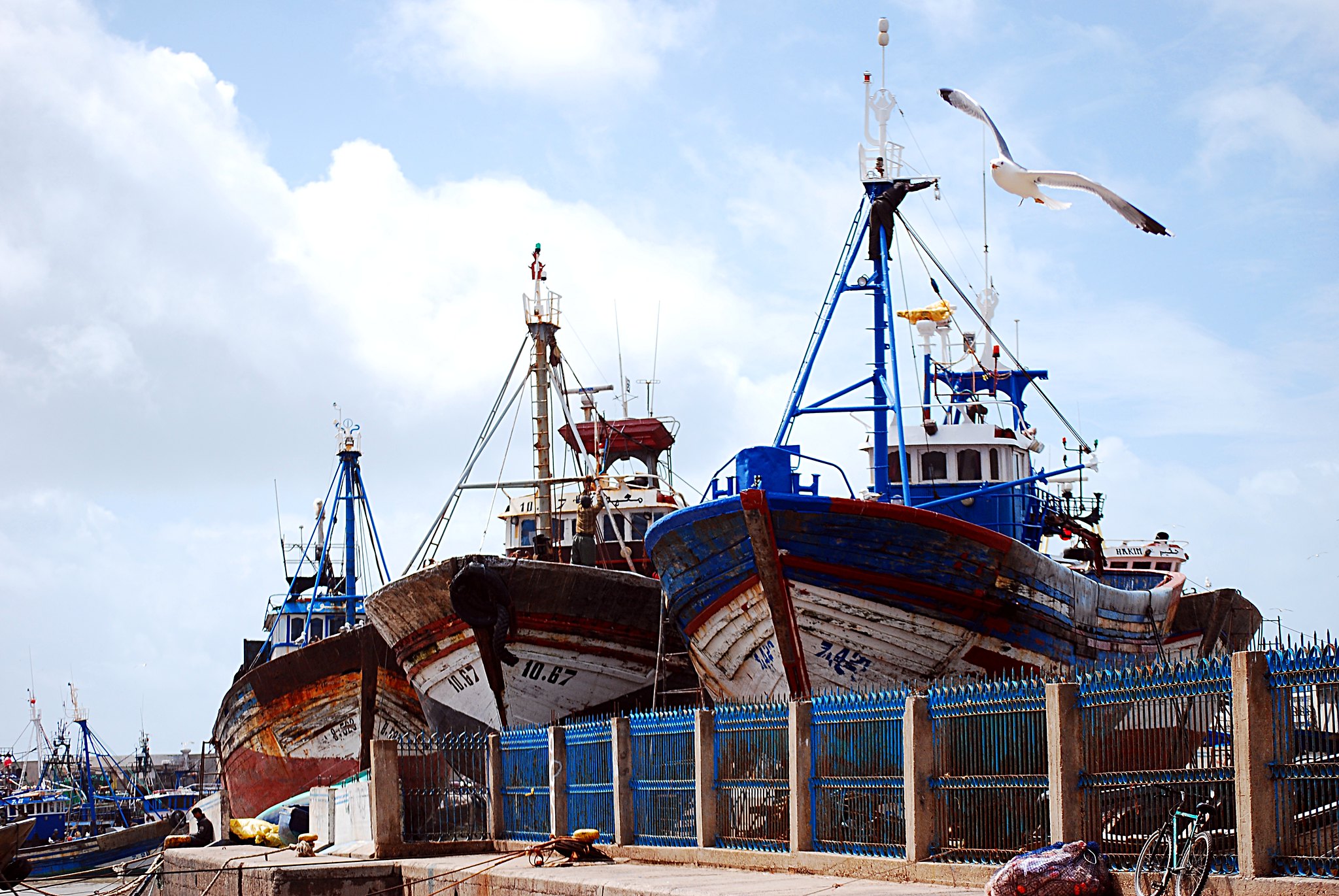
Join locals watching the blue-painted fishing fleet come and go, then head to the port-side grill stalls for the freshest catch in Morocco — pick your fish and have it grilled on the spot.
 Shopping & Culture
Half day
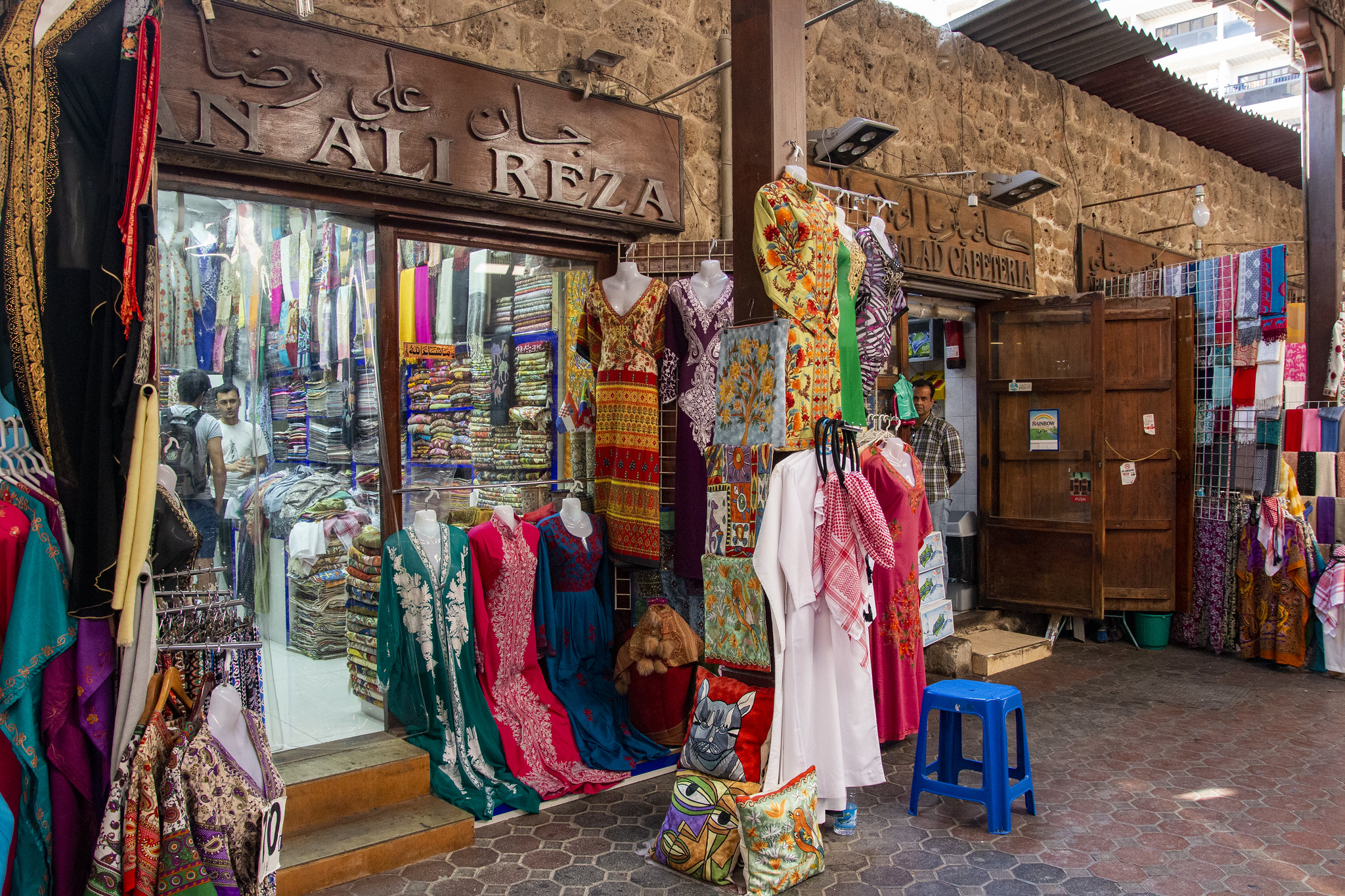
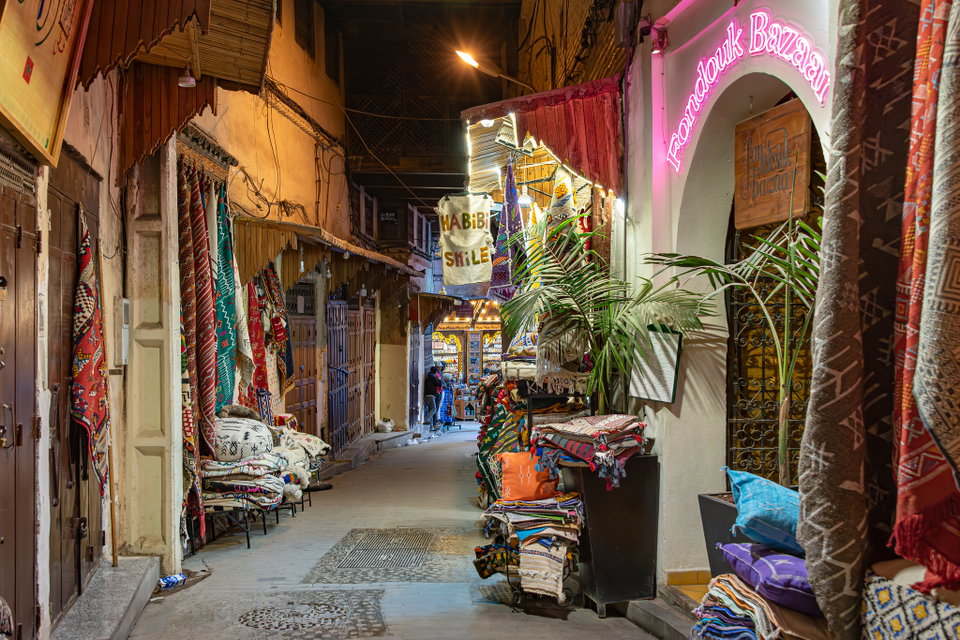
Wander the relatively navigable medina lanes lined with marquetry woodwork, argan-oil cooperatives, spice merchants, and independent galleries. The woodworking tradition here using thuya root is unique to Essaouira.
 Adventure & Watersports
Half to full day
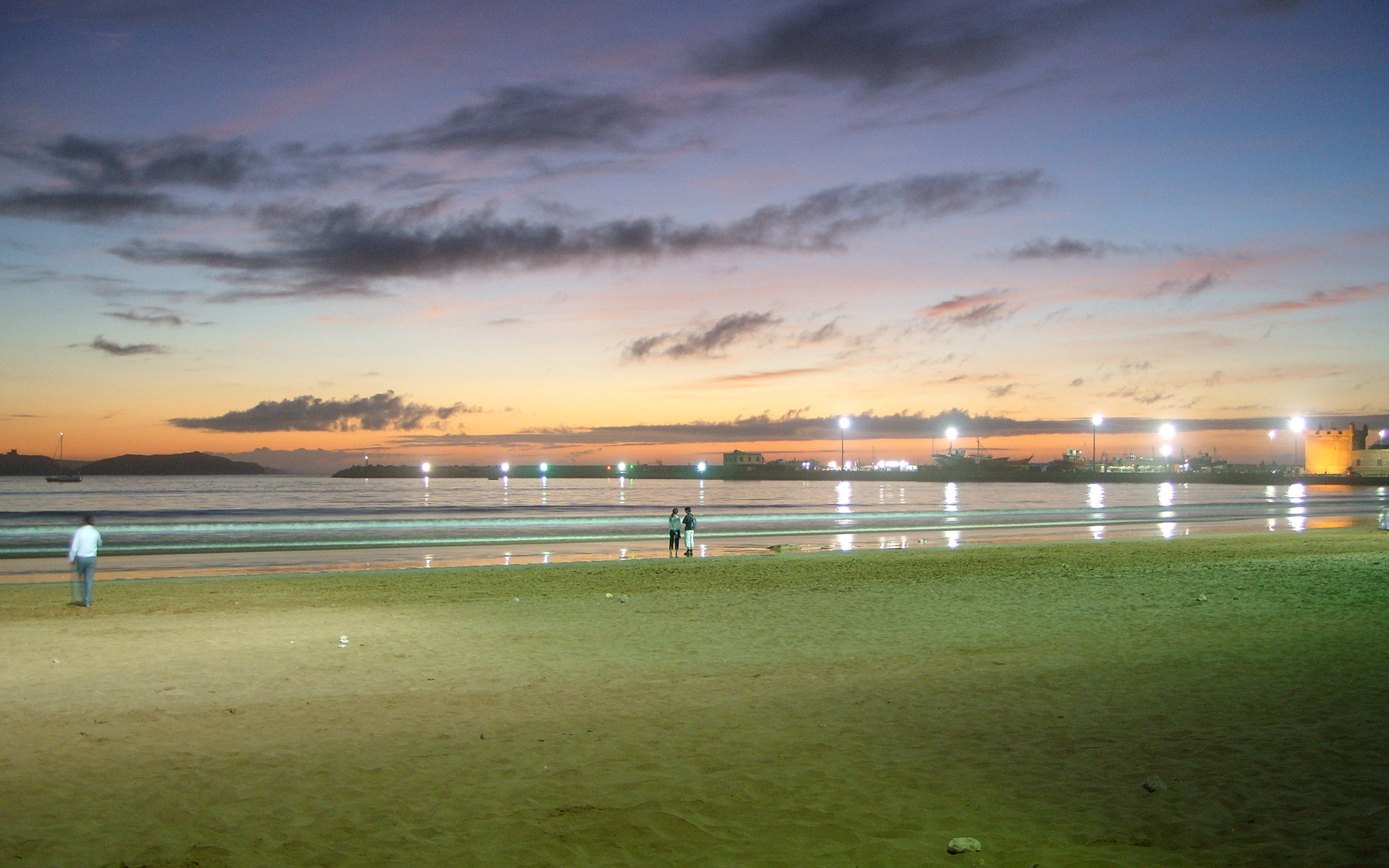
The consistent alizé trade winds make Essaouira Beach (Plage de Sidi Kaouki nearby too) world-renowned for watersports. Several licensed schools on the beach offer lessons and equipment hire for all levels.
 Nature & Beach
Full day
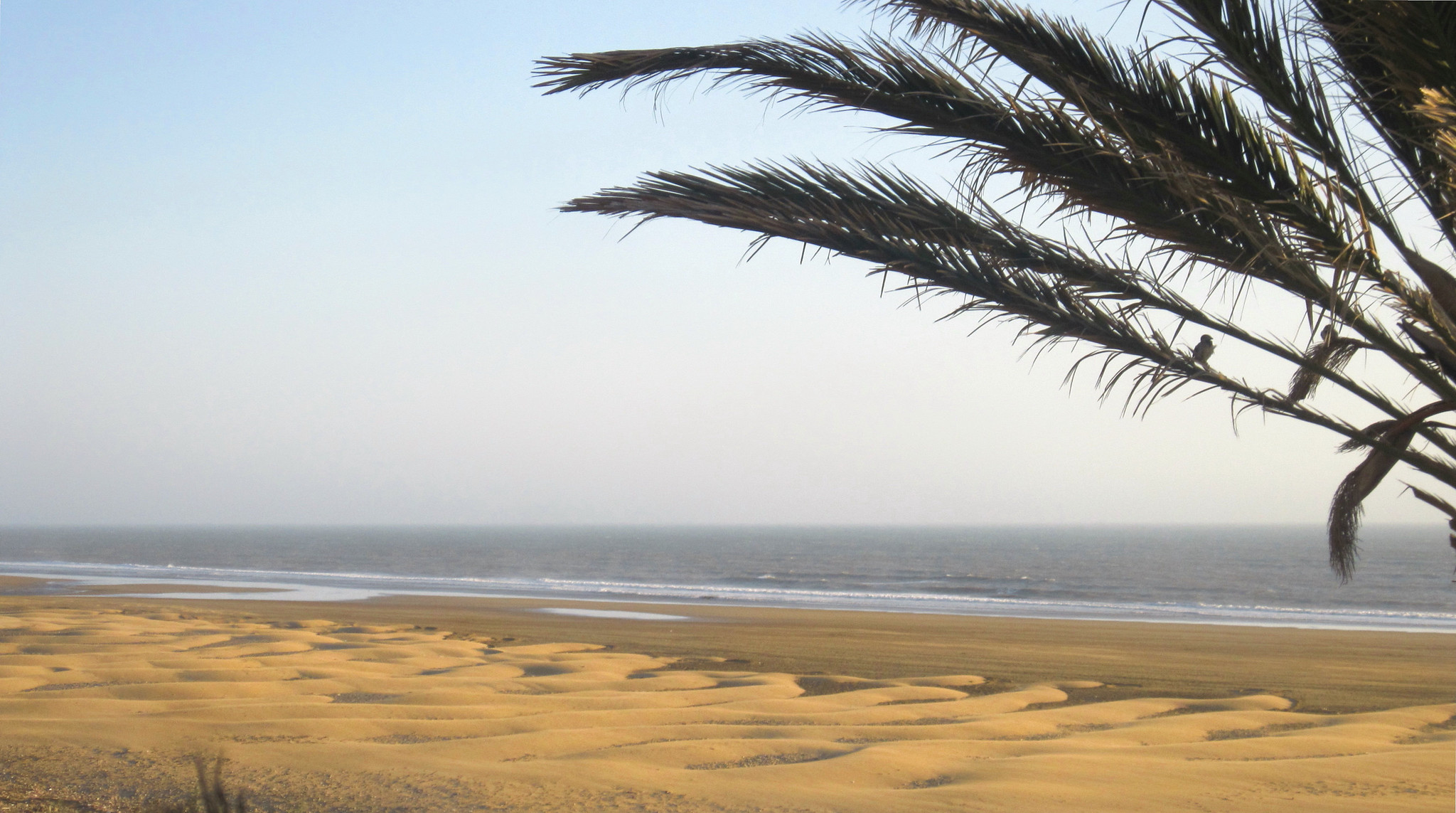
A 25-km drive south leads to the wild, largely deserted beach of Sidi Kaouki, beloved by surfers and those seeking total solitude. A small marabout shrine overlooks the dunes.
 Cultural Experience
1–2 hours
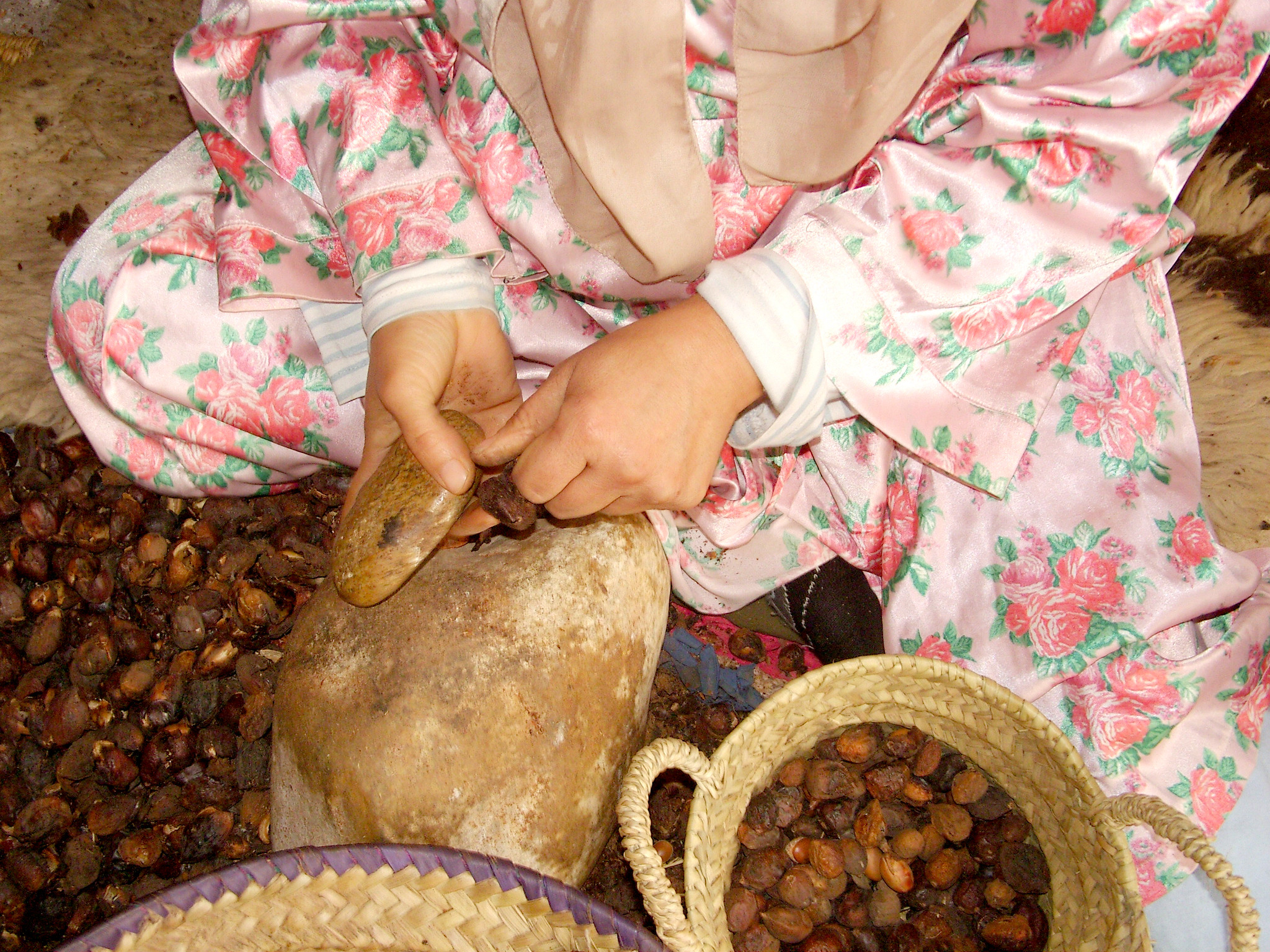
Essaouira sits at the edge of the UNESCO-listed argan forest biosphere. Visit a women-run cooperative to watch the traditional cold-press process and buy pure culinary and cosmetic argan oil direct from the source.
 Events & Nightlife
3–4 days (festival)
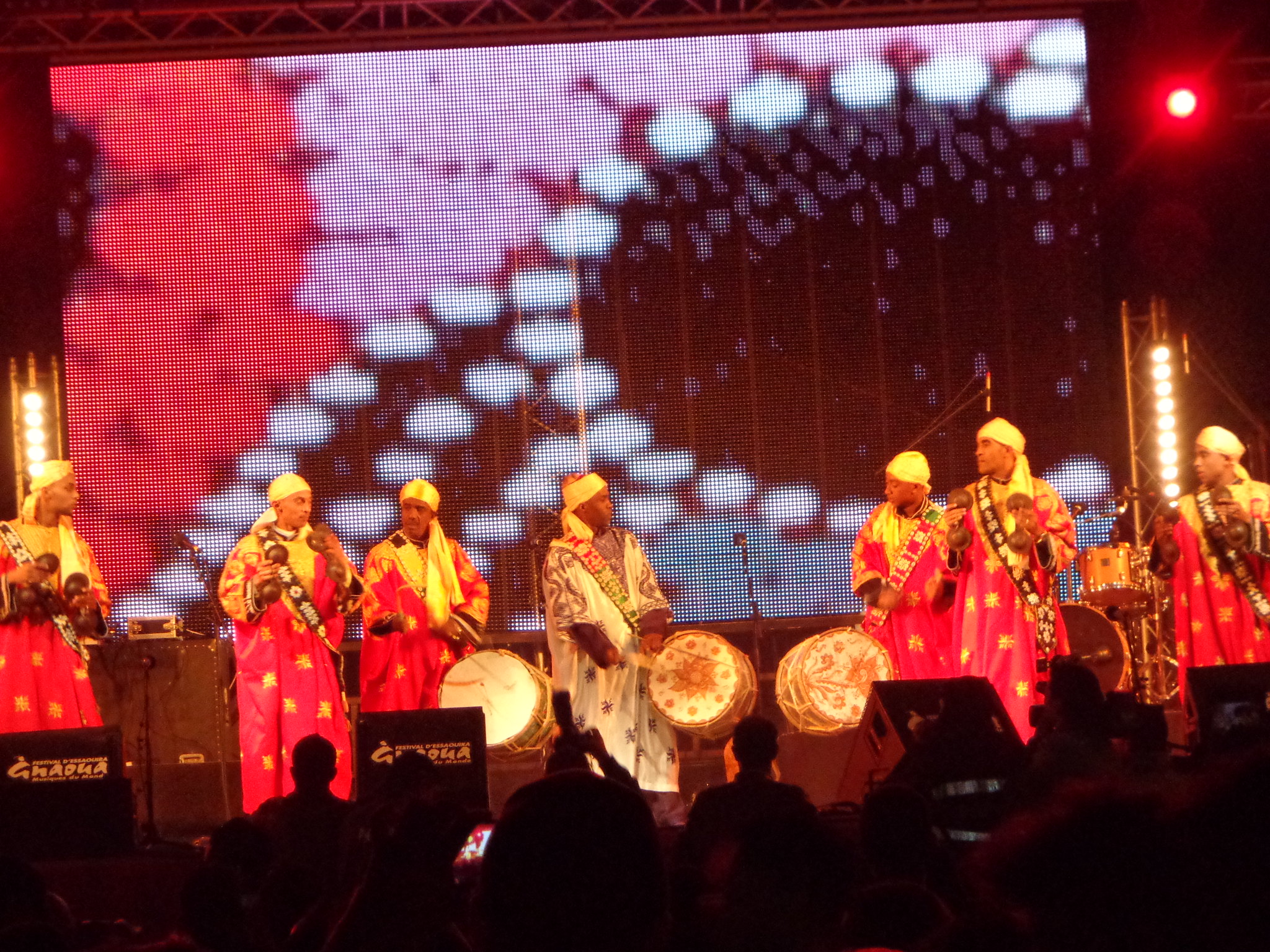
Held each June/July, this internationally acclaimed festival fills the ramparts, squares, and concert halls with Gnaoua trance masters and global musicians. Book accommodation months ahead.
1–2 hours
Unwind in one of Essaouira's traditional hammams or riad spas. Many use local argan oil and black soap in their treatments — a deeply restorative experience after a day of exploring.
Suggested itinerary
A perfectly paced five-day itinerary balancing medina exploration, coastal adventure, day trips, and the deep Gnaoua cultural heritage that makes Essaouira unlike anywhere else in Morocco.
Day 1
Arrive from Marrakech by bus or taxi (approximately 2.5 hours). Check into your riad in the medina and take a slow orientation walk through the main thoroughfares. Head to the Skala de la Ville for sunset over the ramparts. Dinner at a medina restaurant specialising in seafood tagine.
Essaouira's medina is entirely walkable — no cars enter the old town. The beach is a 5-minute walk from the main square. For day trips, shared taxis (grand taxis) depart from the main taxi stand near Bab Doukkala, or hire a private driver for the day. CTM buses connect to Marrakech (2.5 hrs) and Agadir.
Budget: $40–60/day (hostel, street food, shared taxis). Mid-range: $80–150/day (riad, restaurant meals, activities). Luxury: $200+/day (boutique riad with spa, private tours). Kitesurfing lessons run approximately $50–80 for a 2-hour session.
Essaouira is relatively relaxed by Moroccan standards, but modesty in dress is appreciated, especially away from the beach. Ask permission before photographing locals. Bargaining is expected in the souks. The town has a strong Jewish historical heritage — the mellah and several synagogues are worth visiting respectfully.
Essaouira is considered very safe. Hassle from touts is much lower than in Marrakech or Fez. Be aware of strong Atlantic rip currents — only swim in designated swimming zones. Wind can be intense, especially in summer; pack layers even in warm months.
Free Wi-Fi is widely available in riads, cafés, and restaurants. Local SIM cards (Maroc Telecom, Orange, Inwi) are cheap and available at the port area and main street. 4G coverage is good in the medina and beach area.
The Moroccan economy is largely cash-based. Carry sufficient dirhams for the medina, port stalls, and taxis. Some riads and restaurants accept cards. ATMs are available on Avenue Mohammed V and near Moulay Hassan square.
Essaouira, Morocco
%20in%20Rabat.%20Photo%20by%20Overwater%20Photography.jpg?width=960)