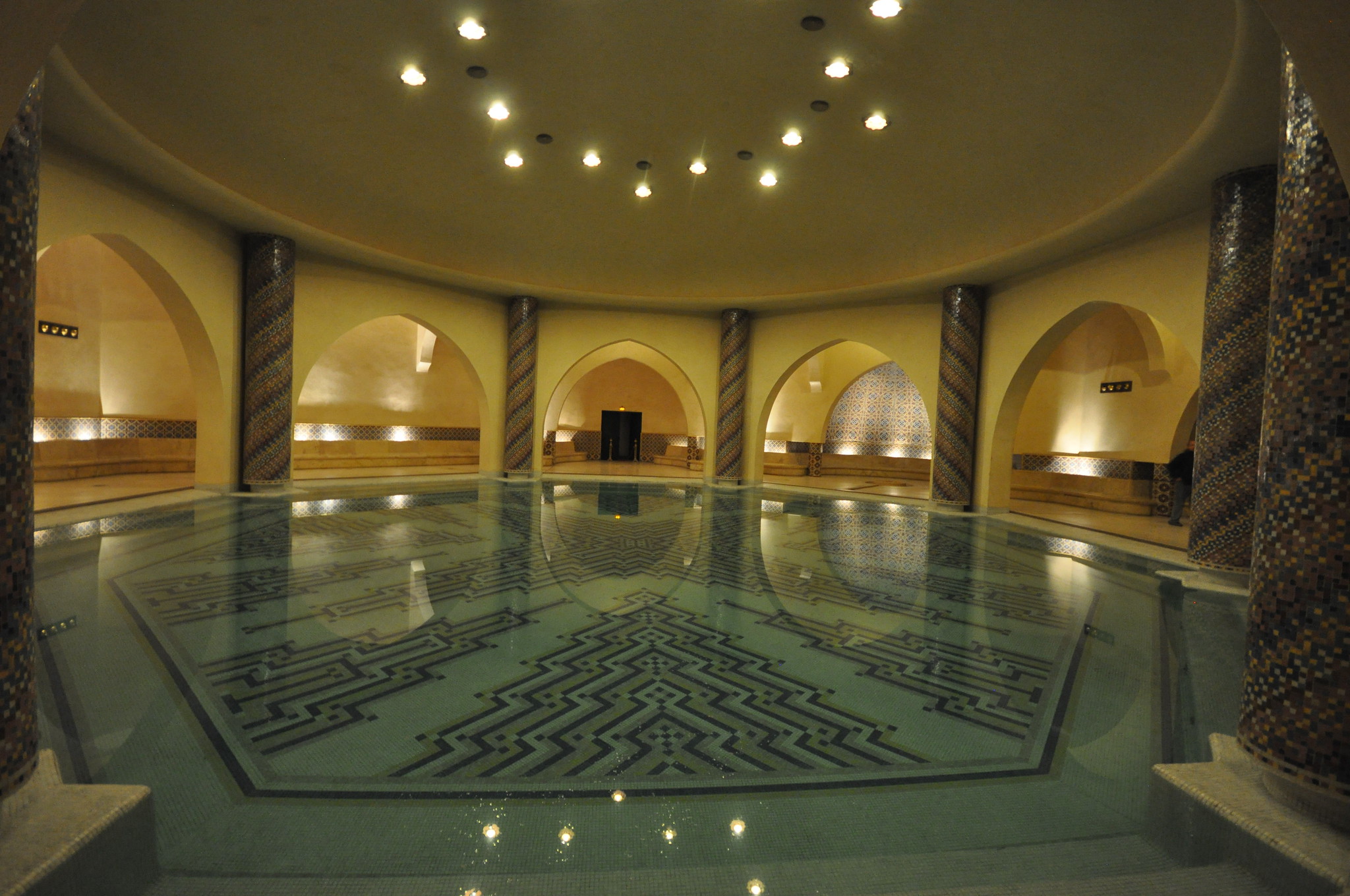
 Culture & Heritage
Tour the Hassan II Mosque
1.5–2 hours
Guided tours of this UNESCO-recognised masterpiece take you through the vast prayer hall, the hammam, and the ornate ablutions hall — a rare privilege at an active Moroccan mosque.
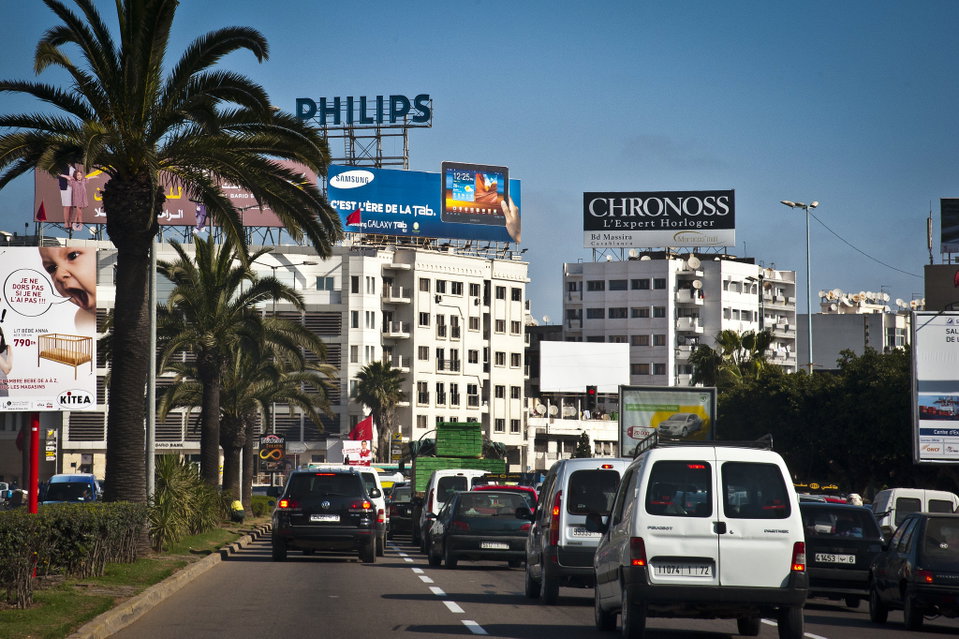
Destination guide
North Africa · Morocco
Where the Atlantic meets the ancient and the modern
Best season
March to May and September to November — mild temperatures and fewer crowds than the summer peak
From Nairobi
Approximately 7–8 hours (with a connection); no direct scheduled service at time of writing
Casablanca defies the classic Morocco postcard — and that is precisely its appeal. Skip the tourist trail for a day and you will find authentic neighbourhood cafés serving mint tea, fish straight from the Atlantic grilled on the corniche, and a thriving arts and music scene that few travellers bother to explore.
The Hassan II Mosque alone is worth the journey: a masterpiece of Moroccan craftsmanship with a retractable roof, laser-lit minaret, and a prayer hall that can hold 25,000 worshippers. Beyond that icon, the city's Quartier Habous blends French urban planning with traditional Moroccan architecture in a way found nowhere else in the country.
For design lovers, the Art Deco district is one of the finest collections of the style outside Europe. For foodies, the seafood is outstanding. And for those who want to understand modern Morocco — its ambition, its contradictions, its extraordinary energy — Casablanca is the only place to start.
Best for
Architecture lovers, foodies, city explorers, and travellers seeking authentic Moroccan urban culture beyond the imperial cities
Trip style
City break, cultural immersion, stopover extension
Known for
Hassan II Mosque, Art Deco architecture, Atlantic seafood, Quartier Habous, vibrant café culture
Best time to visit
March to May and September to November — mild temperatures and fewer crowds than the summer peak
Currency
Moroccan Dirham (MAD)
Languages
Arabic (official), Darija (Moroccan Arabic), French widely spoken
Visa summary
Many nationalities receive a 90-day visa-free stay; East African passport holders should check current requirements and may need a visa in advance
Flight time from Nairobi
Approximately 7–8 hours (with a connection); no direct scheduled service at time of writing
Airport / arrival
Mohammed V International Airport (CMN) is located about 30 km south of the city centre; taxis and the Casablanca Voyageurs train link are the most reliable options
Safety note
Casablanca is generally safe for tourists. Exercise standard urban precautions, particularly in crowded souks and at night around the port area
Visa and entry
Look up entry rules by passport for travel to Morocco on the Tsavaro visa checker.
Check visa requirements for MoroccoCulture & Heritage1.5–2 hours
Guided tours of this UNESCO-recognised masterpiece take you through the vast prayer hall, the hammam, and the ornate ablutions hall — a rare privilege at an active Moroccan mosque.
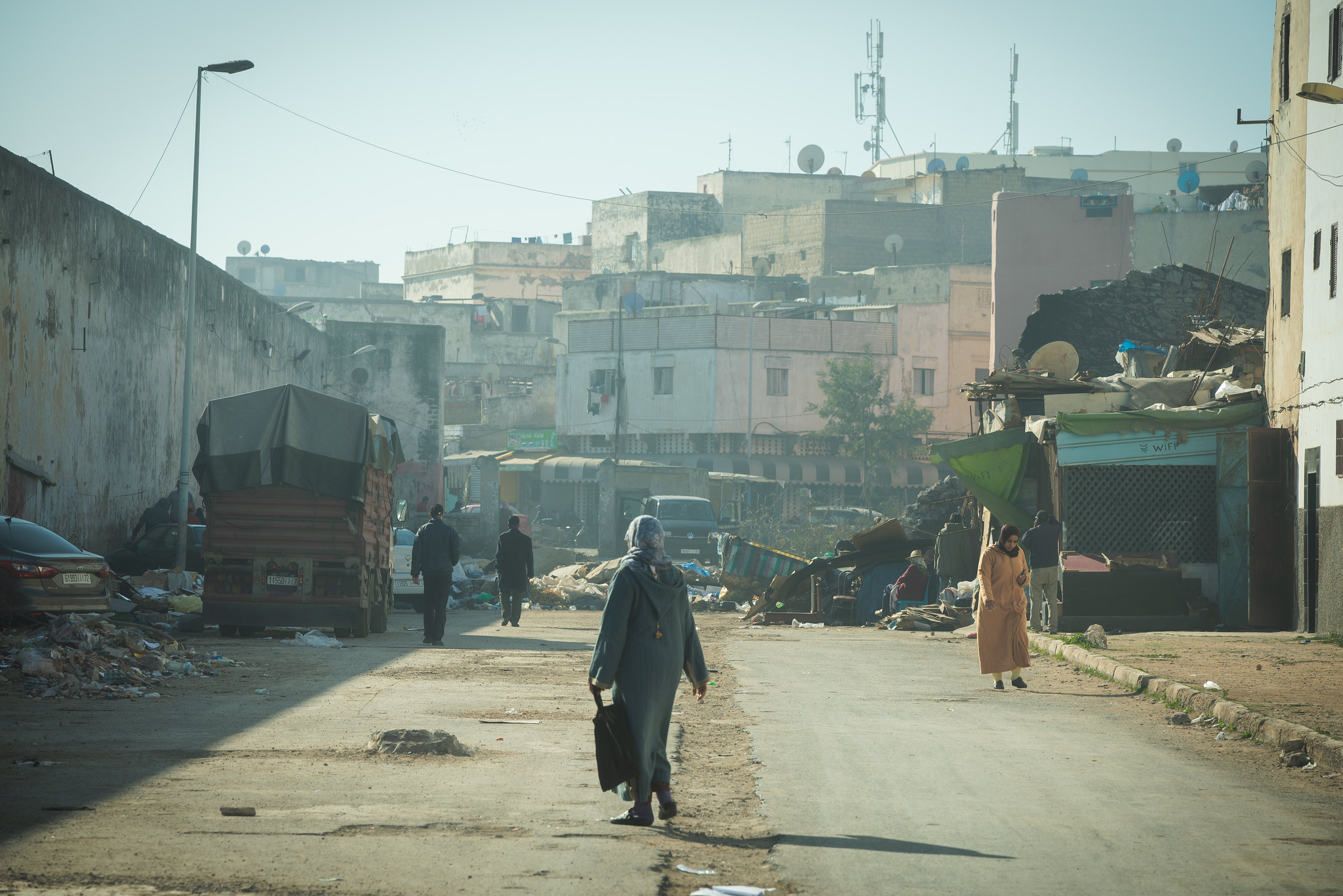 Shopping & Culture
2 hours
Built in the 1930s by French planners alongside Moroccan craftsmen, this calm, orderly neighbourhood is perfect for shopping for Moroccan crafts, pastries, and spices away from tourist pressure.
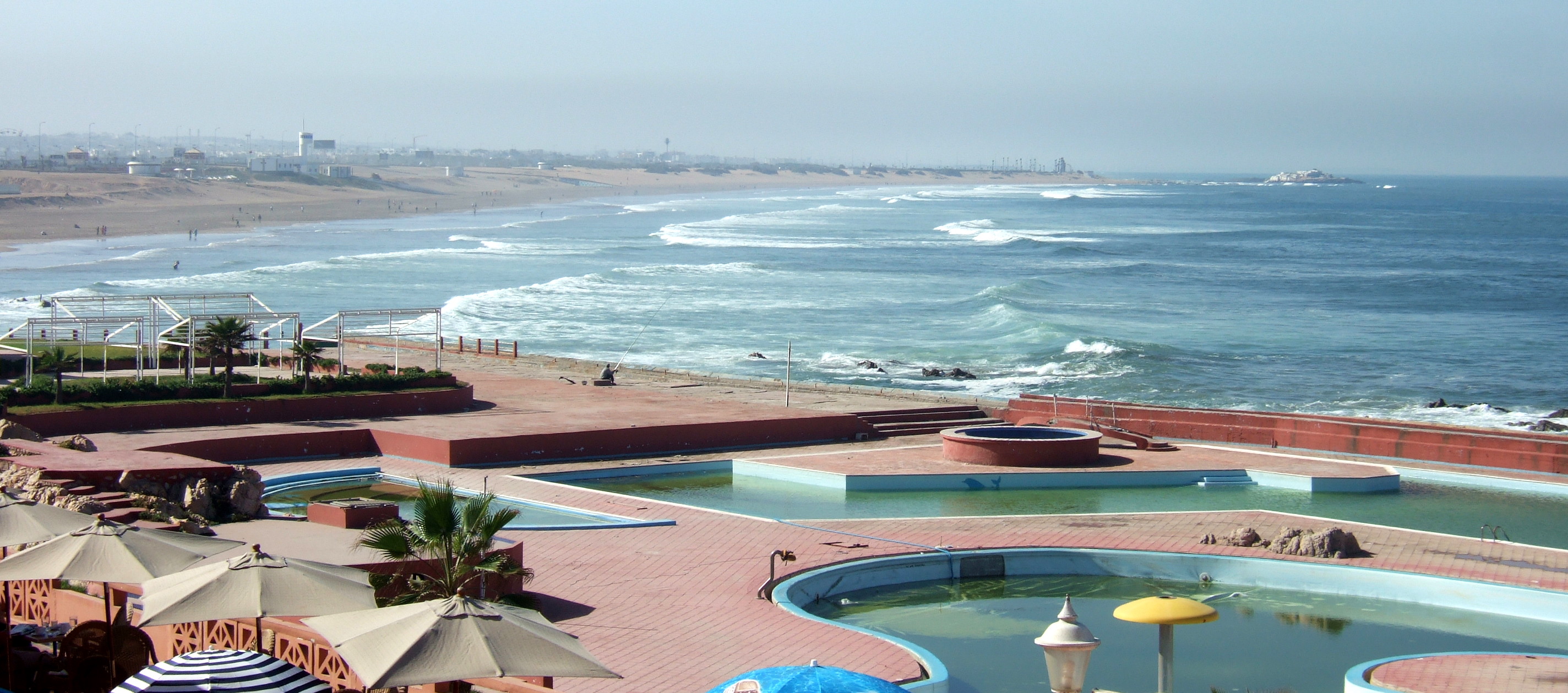 Leisure & Outdoors
1–2 hours
The Atlantic-facing promenade is lined with seafood restaurants, beach clubs, and cafés. Come at sunset for one of the city's finest free experiences.
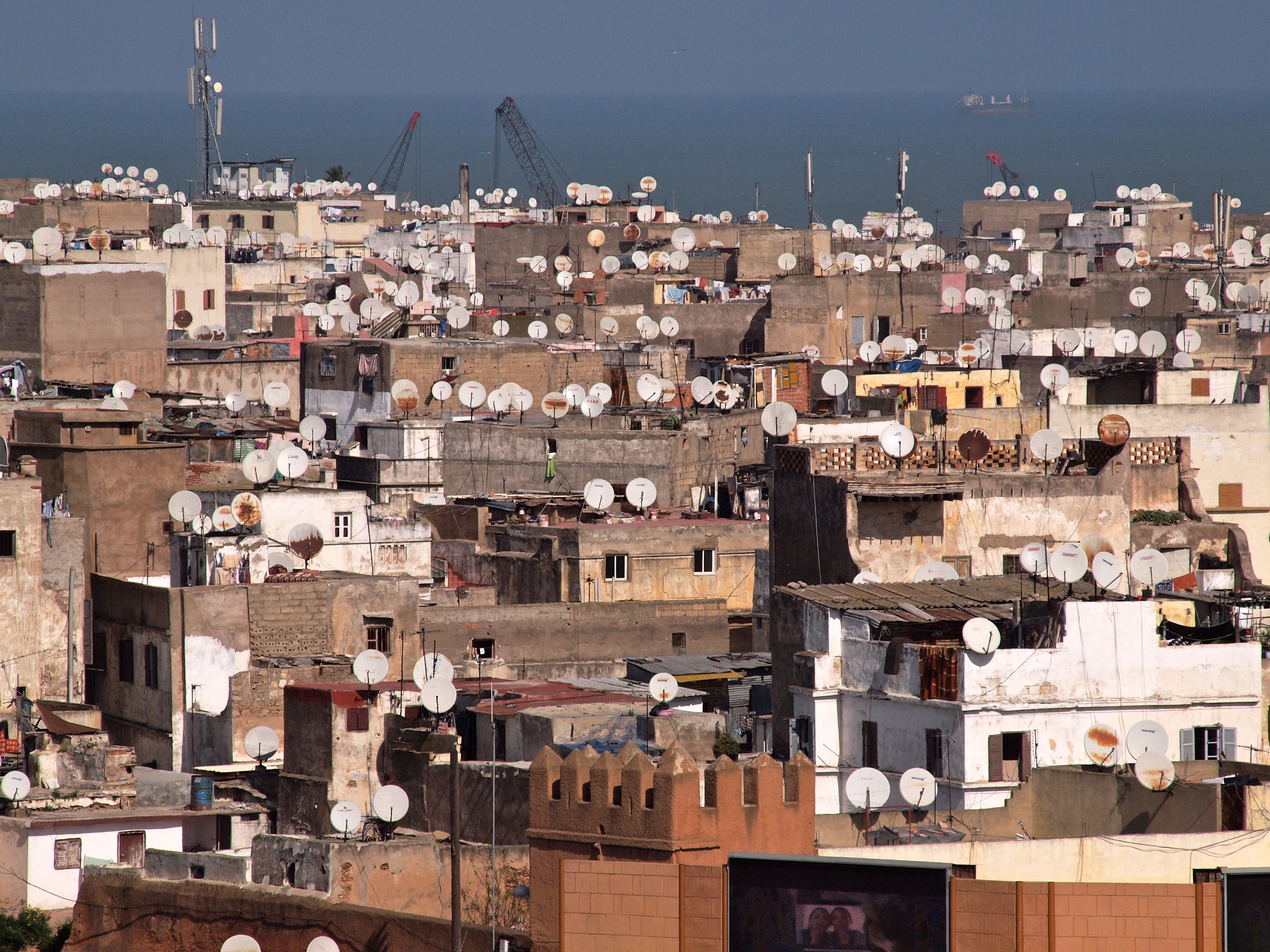 Culture & Markets
1.5 hours
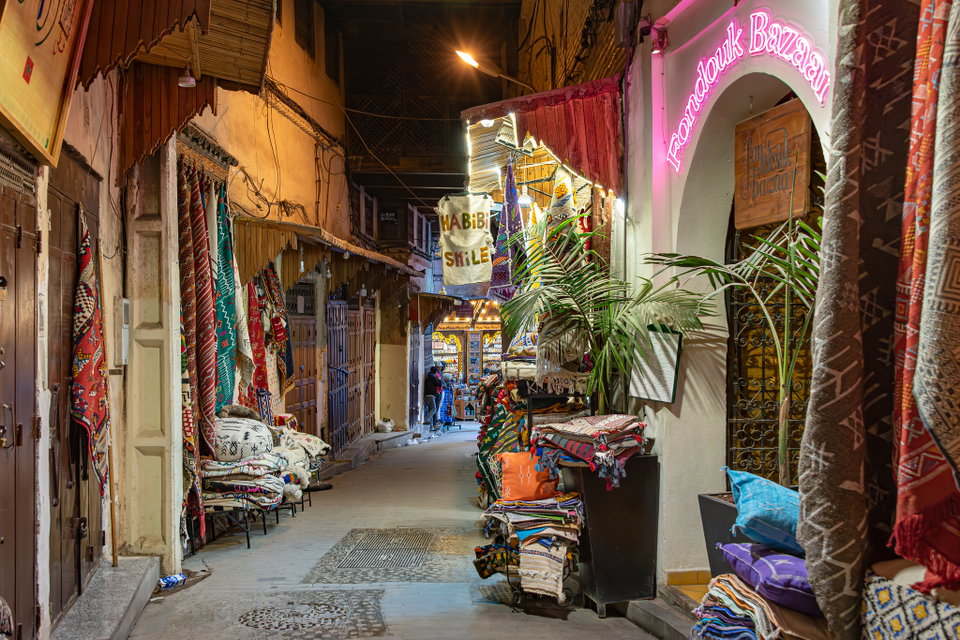
Smaller and more accessible than those in Fez or Marrakech, Casablanca's medina offers a relaxed introduction to traditional Moroccan market life without the hard sell.
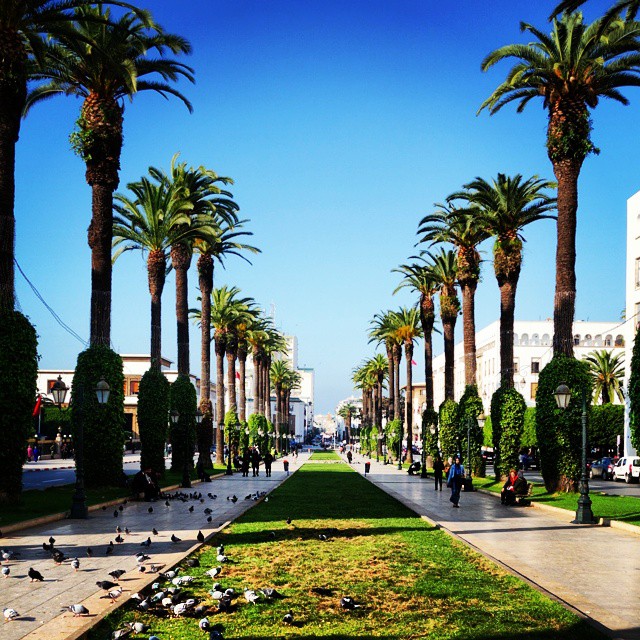 Day Trip
Full day
Morocco's elegant capital is just 45 minutes away by train, offering the Kasbah of the Udayas, the Royal Palace, and the vast Hassan Tower — a great complement to a Casablanca stay.
Suggested itinerary
Three days is enough to move beyond Casablanca's gateway reputation and discover its architecture, cuisine, seaside energy, and cultural depth — with time for a quick dash to the capital.
Day 1
Begin with a morning guided tour of the Hassan II Mosque before the midday heat sets in. Afterwards, walk north into the Old Medina for a simple lunch of harira soup and fresh-baked bread at a local stall.
Spend the afternoon exploring the medina's souks at your own pace before heading to the Corniche for a seaside walk. End the day with grilled fish and a glass of Moroccan juice watching the Atlantic sunset from one of the Ain Diab restaurants.
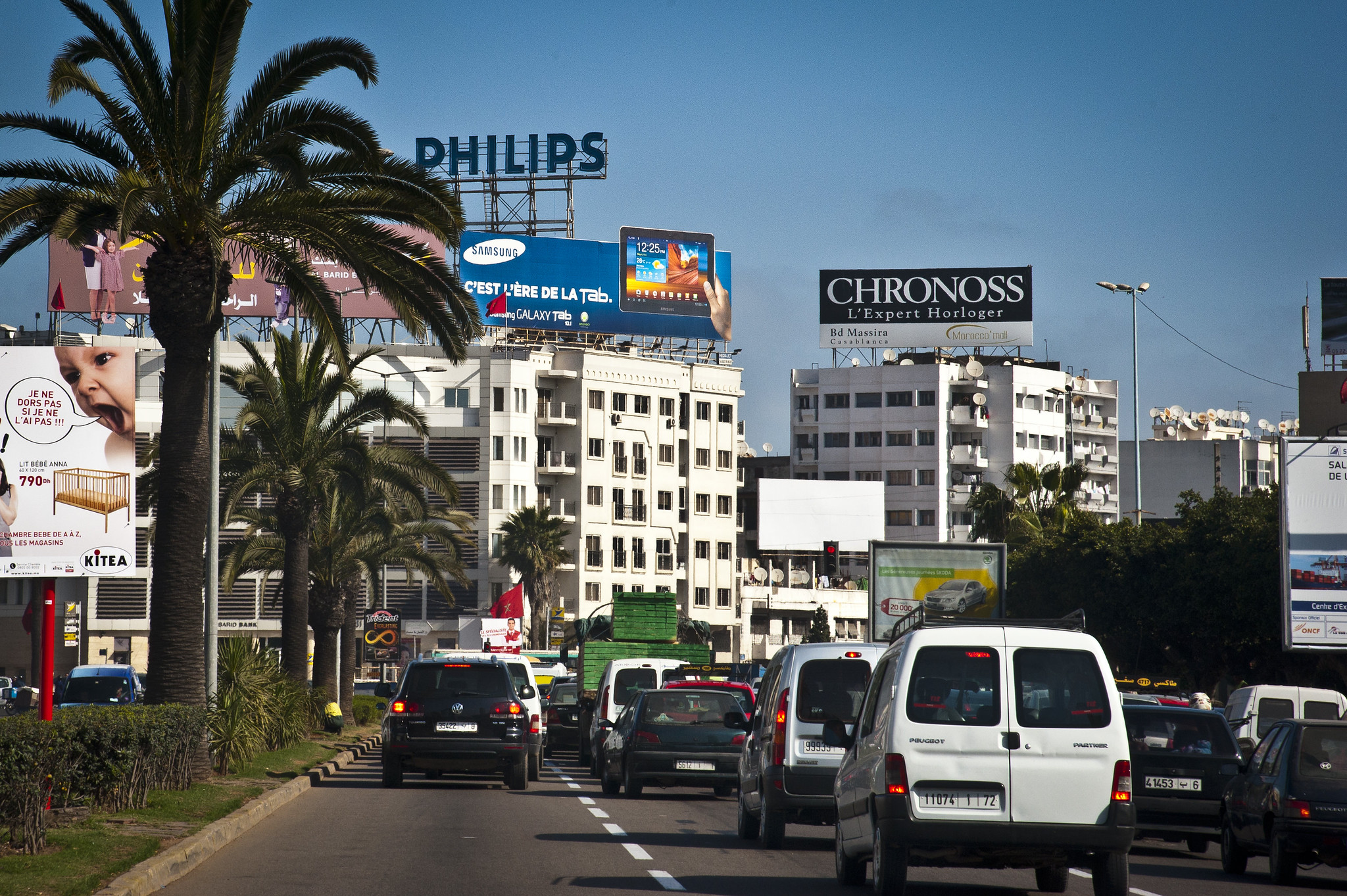
Petit taxis (small red cabs) are the easiest way to get around the city and are metered and affordable. Uber also operates in Casablanca. The city tram (tramway) links the city centre to outlying districts. Mohammed V Airport is connected to the city by the Al Bidaoui train service (Casablanca Voyageurs station).
Casablanca sits at the pricier end of Morocco. Budget travellers can manage on MAD 400–600/day; mid-range comfort costs MAD 900–1,500/day. Seafood restaurants on the corniche are a splurge but worth it. Street food and local café meals are very affordable.
Morocco is a Muslim-majority country. Dress modestly when visiting the mosque (shoulders and knees covered; women will be given a robe at the Hassan II entrance). Ramadan alters opening hours and restaurant availability significantly. Greetings are important — a simple 'As-salamu alaykum' is always appreciated.
Casablanca is one of Morocco's safer cities for tourists. Be alert to your surroundings in the old medina and around the port at night. Solo female travellers should be prepared for occasional street attention — staying in well-lit, busy areas is recommended after dark.
4G coverage is excellent across the city. Local SIM cards from Maroc Telecom, Orange, or Inwi are cheap and easy to purchase at the airport or city centre shops. Most hotels and cafés offer free Wi-Fi.
Credit cards are widely accepted in hotels, larger restaurants, and shops. Carry cash (MAD) for taxis, street food, medina shopping, and smaller establishments. ATMs are plentiful throughout the city centre.
Casablanca, Morocco
%20in%20Rabat.%20Photo%20by%20Overwater%20Photography.jpg?width=960)