Destination guide

Marrakesh

Morocco · North Africa

Where ancient medinas meet vibrant souks and rose-tinted desert skies

Overview

Marrakesh is Morocco's most intoxicating city — a sensory explosion of colour, scent and sound that has captivated travellers for centuries. Wander labyrinthine medina alleys lined with spice merchants and artisan workshops, sip mint tea on a rooftop overlooking terracotta rooftops, or lose yourself in the electric theatre of Djemaa el-Fna. Beyond the ancient walls, lush palace gardens, snow-capped Atlas Mountains, and world-class riads await. Marrakesh is not just a destination; it is a full-bodied experience.

Quick facts

Best time to visit

March to May and September to November — pleasant temperatures and fewer crowds than peak summer.

Currency

Moroccan Dirham (MAD). 1 USD ≈ 10 MAD.

Languages

Darija (Moroccan Arabic) and Tamazight (Berber); French is widely understood; basic English in tourist areas.

Visa summary

Many nationalities (including EU, US, UK, Canada) receive a free 90-day stamp on arrival. East African passport holders should check requirements in advance.

Flight time from Nairobi

Approximately 7–9 hours with one stop (commonly via Addis Ababa, Cairo, or Casablanca). No direct service currently.

Airport / arrival

Marrakesh Menara Airport (RAK) is 6 km from the city centre. Taxis and app-based transfers are readily available.

Why Visit Marrakesh?

Marrakesh sits at the crossroads of Berber, Arab, and Andalusian civilisations, and you feel every layer the moment you step through the medina gates. The city rewards curiosity — duck into a doorway and find a 600-year-old madrasa, turn a corner and stumble upon a courtyard full of hand-dyed leather.

Beyond the medina, the city offers contemporary galleries, Michelin-starred restaurants fusing Moroccan and French cuisine, and luxurious hammams that have been practised for generations. Day trips to the Ourika Valley, Ouzoud Waterfalls, or the Sahara edge make Marrakesh an ideal hub for wider Moroccan exploration.

For East African travellers, Marrakesh offers a fascinating mirror — a Muslim-majority African city with deep traditions, incredible food culture, and a pace of life that is both frenetic and deeply meditative.
Best for

Culture seekers, food lovers, history enthusiasts, luxury travellers, and adventure day-trippers.

Trip style

Cultural city break, luxury retreat, heritage discovery, culinary travel.

Known for

Djemaa el-Fna square, historic riads, hand-crafted souks, hammam spas, Majorelle Garden, and Atlas Mountain day trips.

Things to do

Explore Djemaa el-Fna Square

Explore Djemaa el-Fna Square

Culture & Sightseeing · 2–4 hours, best at sunset

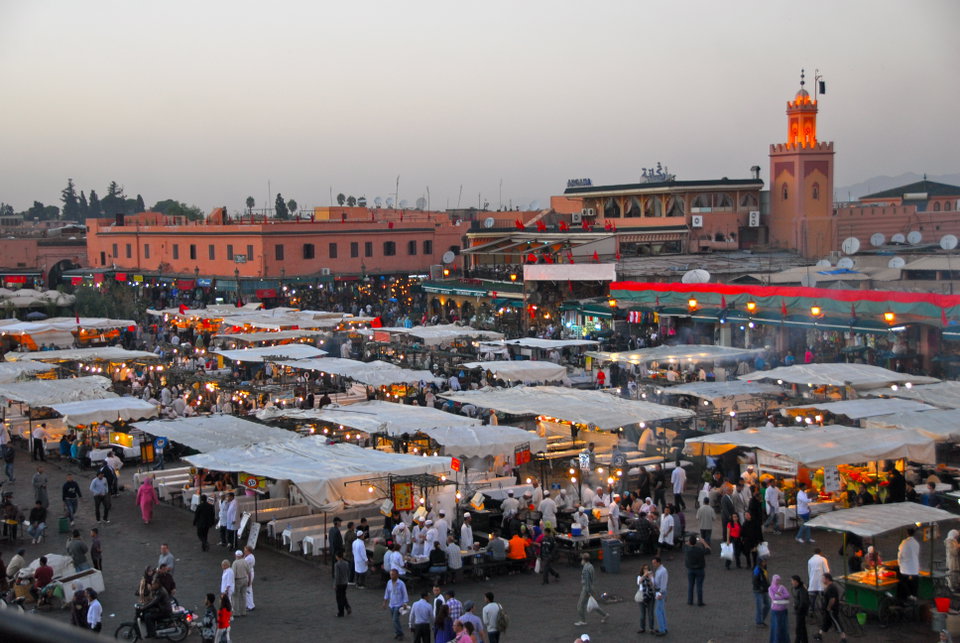
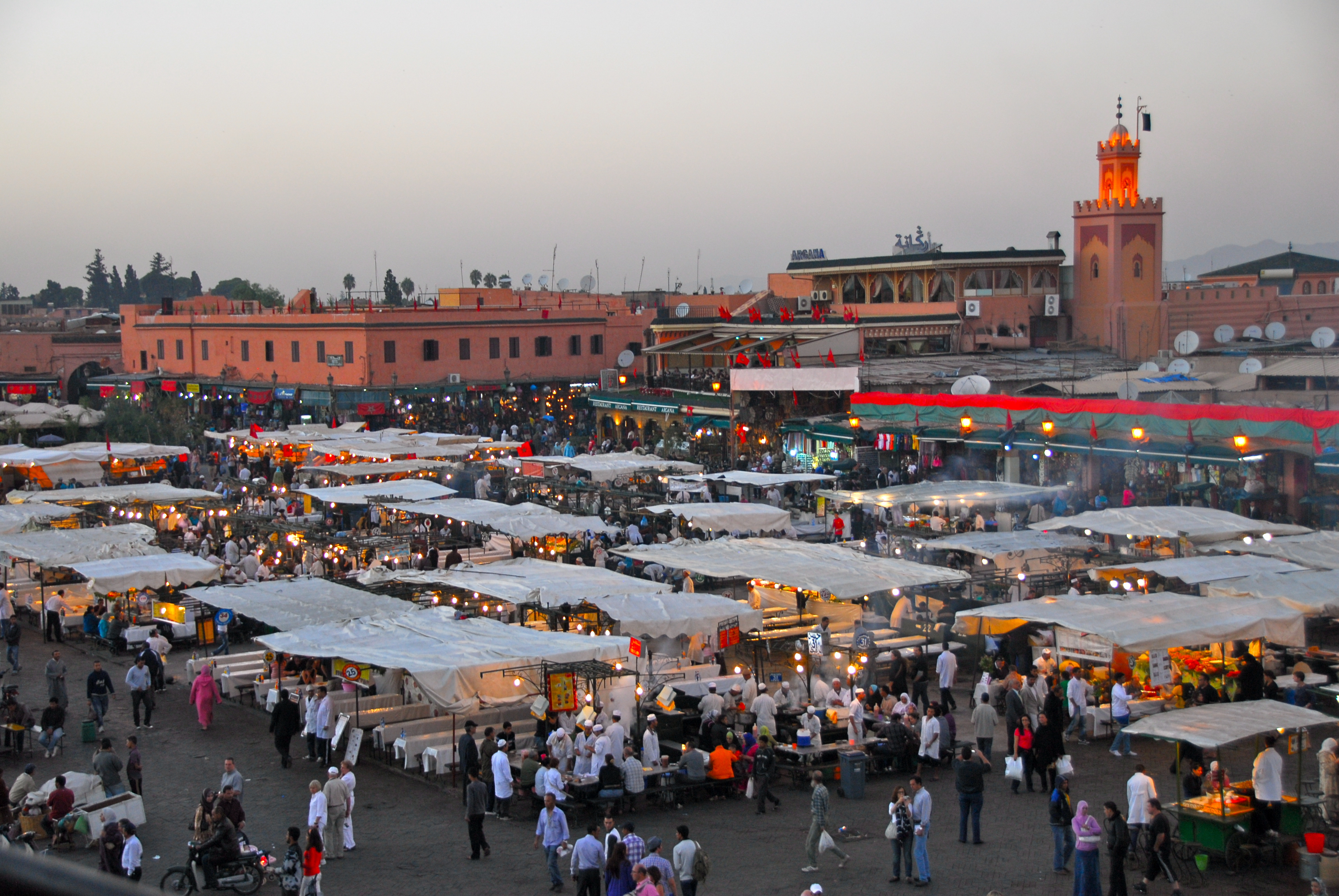
The pulsing heart of Marrakesh, this UNESCO-listed square is at once a market, theatre, and communal dining room. Arrive at dusk when smoke from hundreds of food stalls fills the air and snake charmers, acrobats, and storytellers compete for your attention.

Get Lost in the Souks

Get Lost in the Souks

Shopping & Culture · Half day

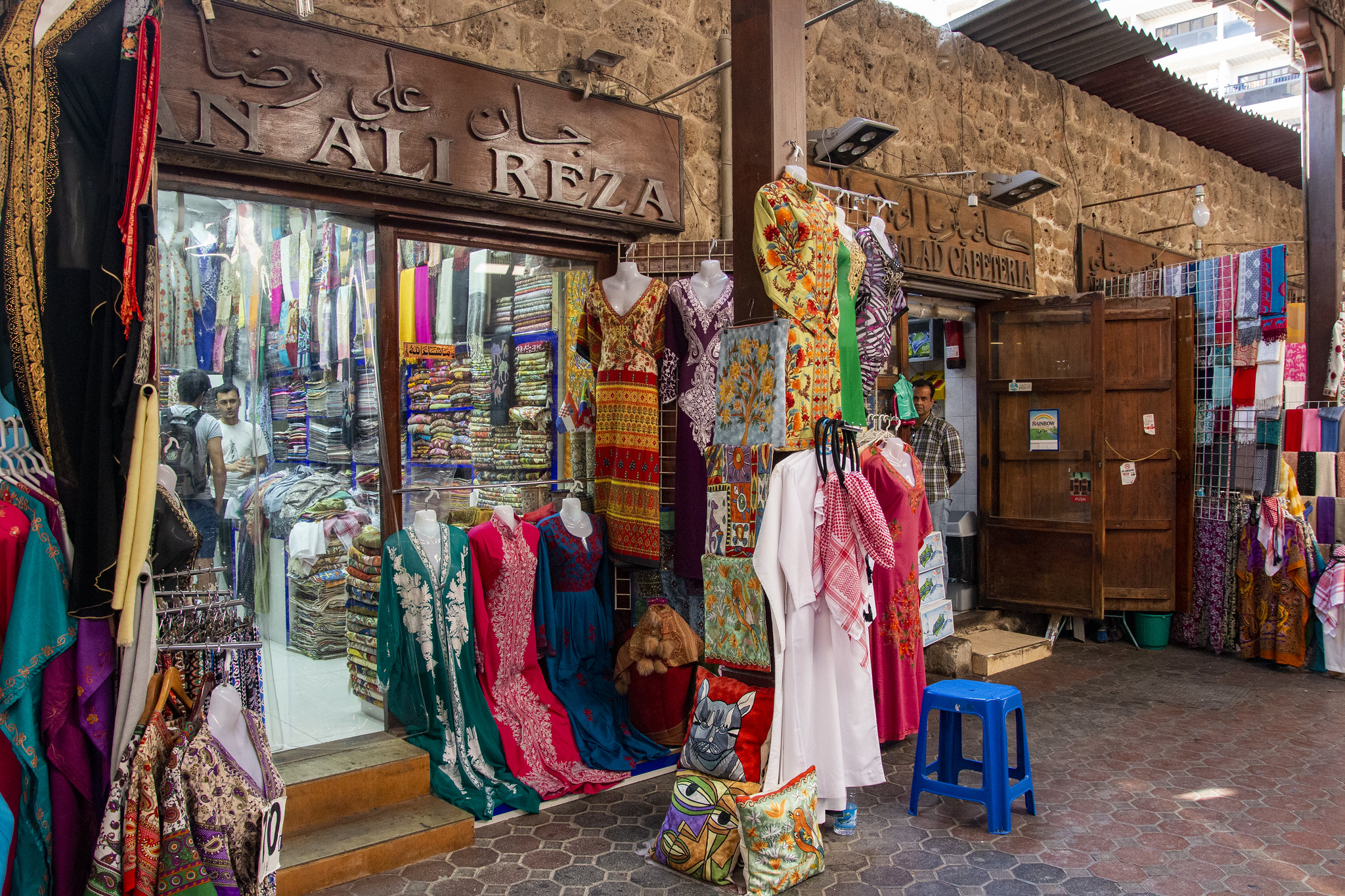
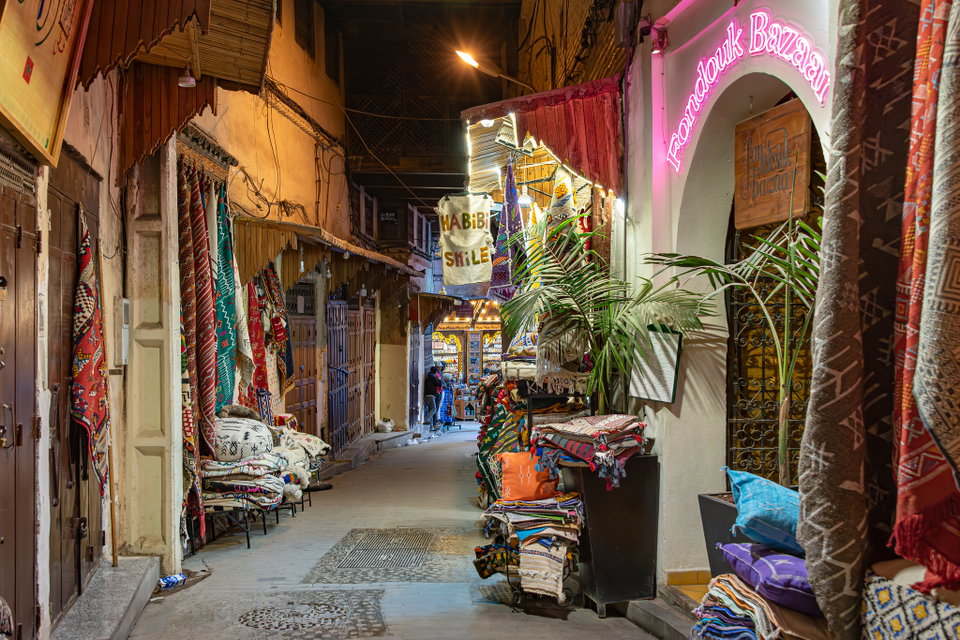
The medina souks are organised by craft — leather tanners in the tanneries quarter, spice merchants near the Mouassine fountain, carpet weavers deeper inside. Budget time to bargain, sip tea, and simply wander.

Visit the Bahia Palace

Visit the Bahia Palace

Heritage & History · 1–2 hours

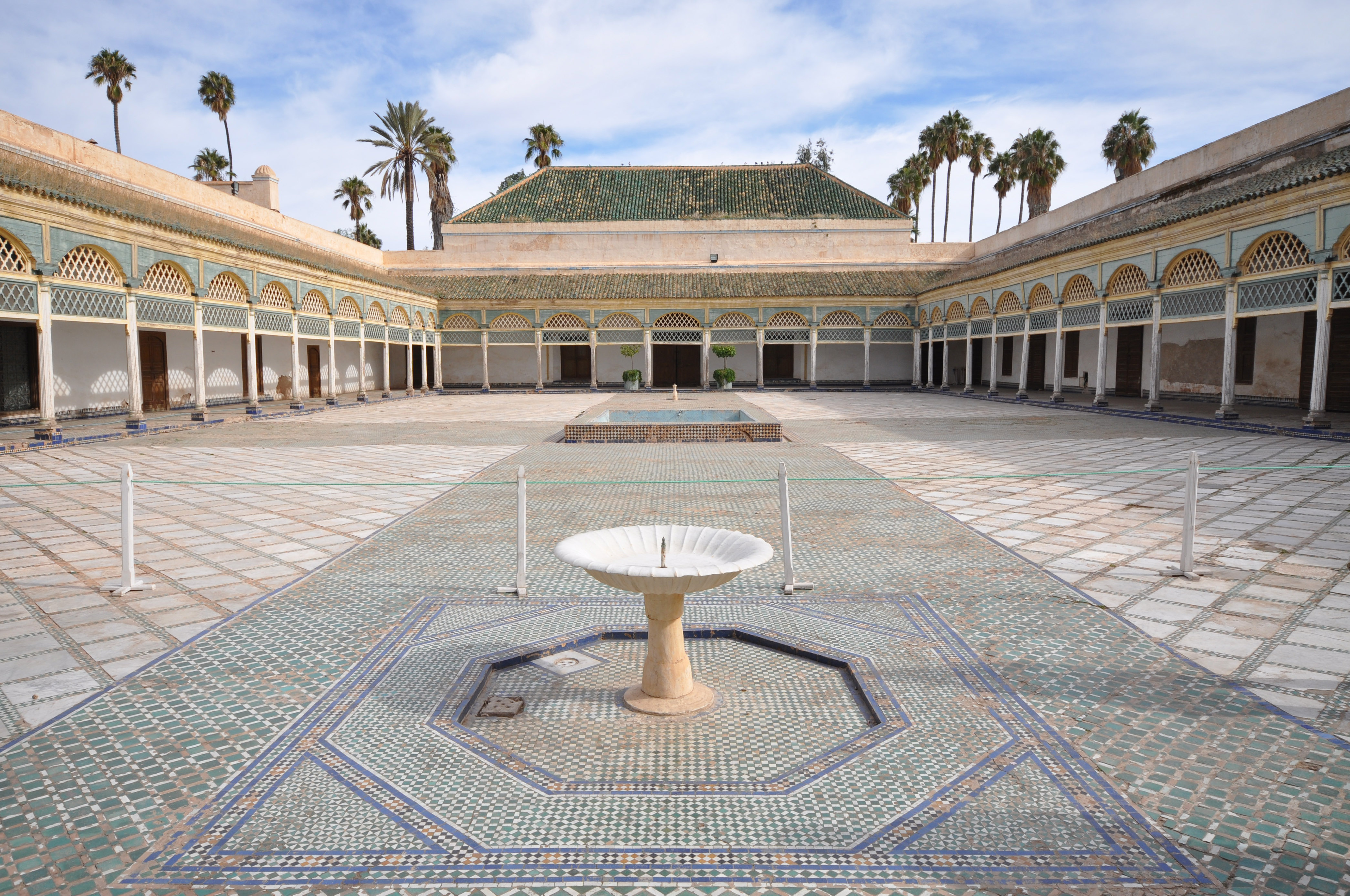
A 19th-century masterpiece of Moorish architecture, Bahia Palace dazzles with intricate zellige tilework, carved cedarwood ceilings, and tranquil garden courtyards. A must for architecture and history lovers.

Discover Majorelle Garden & Yves Saint Laurent Museum

Discover Majorelle Garden & Yves Saint Laurent Museum

Gardens & Arts · 2–3 hours

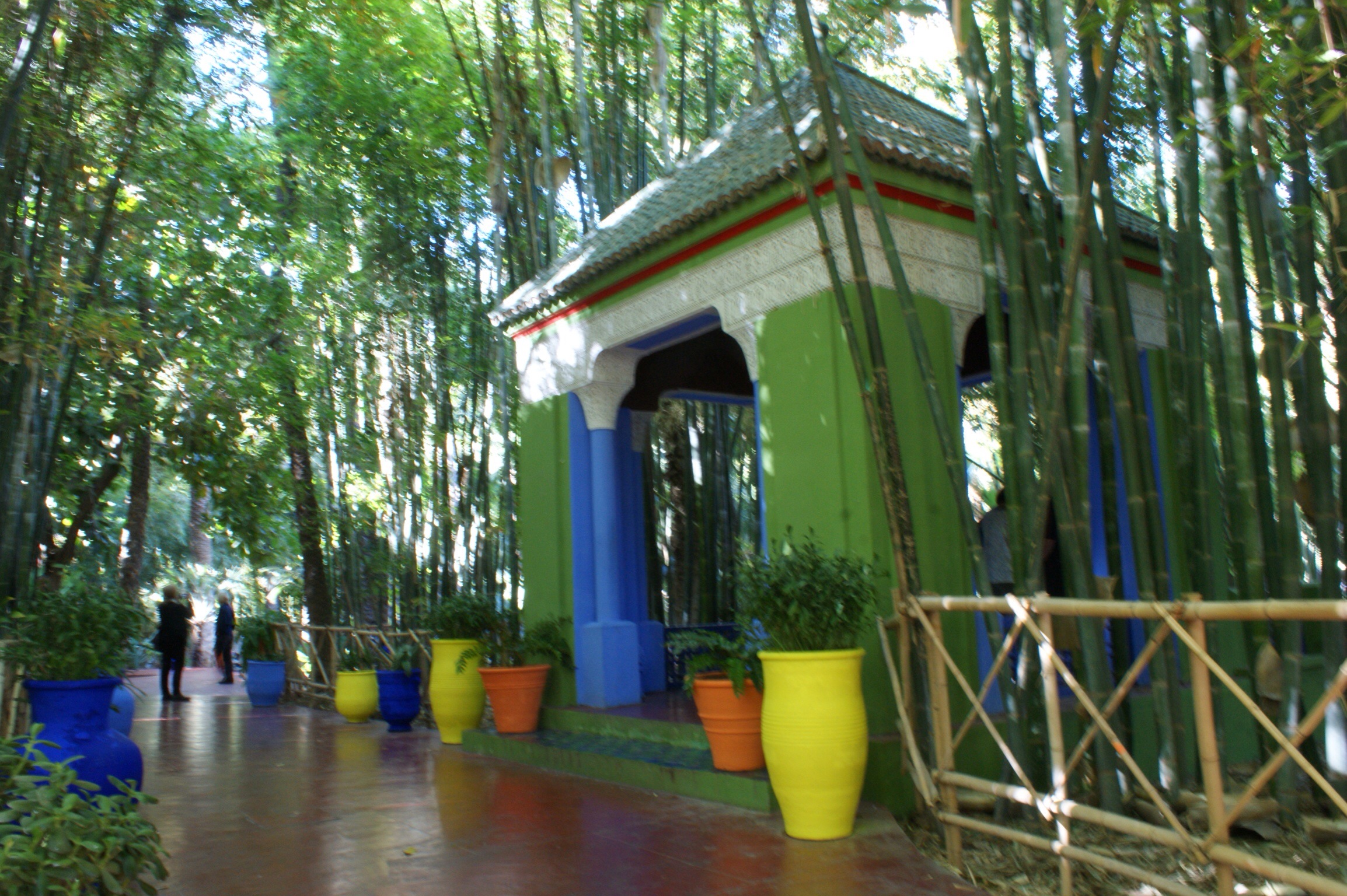
Jacques Majorelle's cobalt-blue garden is one of Africa's most photographed spaces. The adjacent YSL Museum celebrates the designer's deep love for Morocco through fashion and fine art.

Indulge in a Traditional Hammam

Wellness & Relaxation · 1–2 hours

A hammam session is a rite of passage in Marrakesh. Choose from a centuries-old neighbourhood hammam for authenticity or a luxury spa hammam at a riad for a pampering experience with argan oil and black soap.

Day Trip to the Atlas Mountains

Day Trip to the Atlas Mountains

Adventure & Nature · Full day

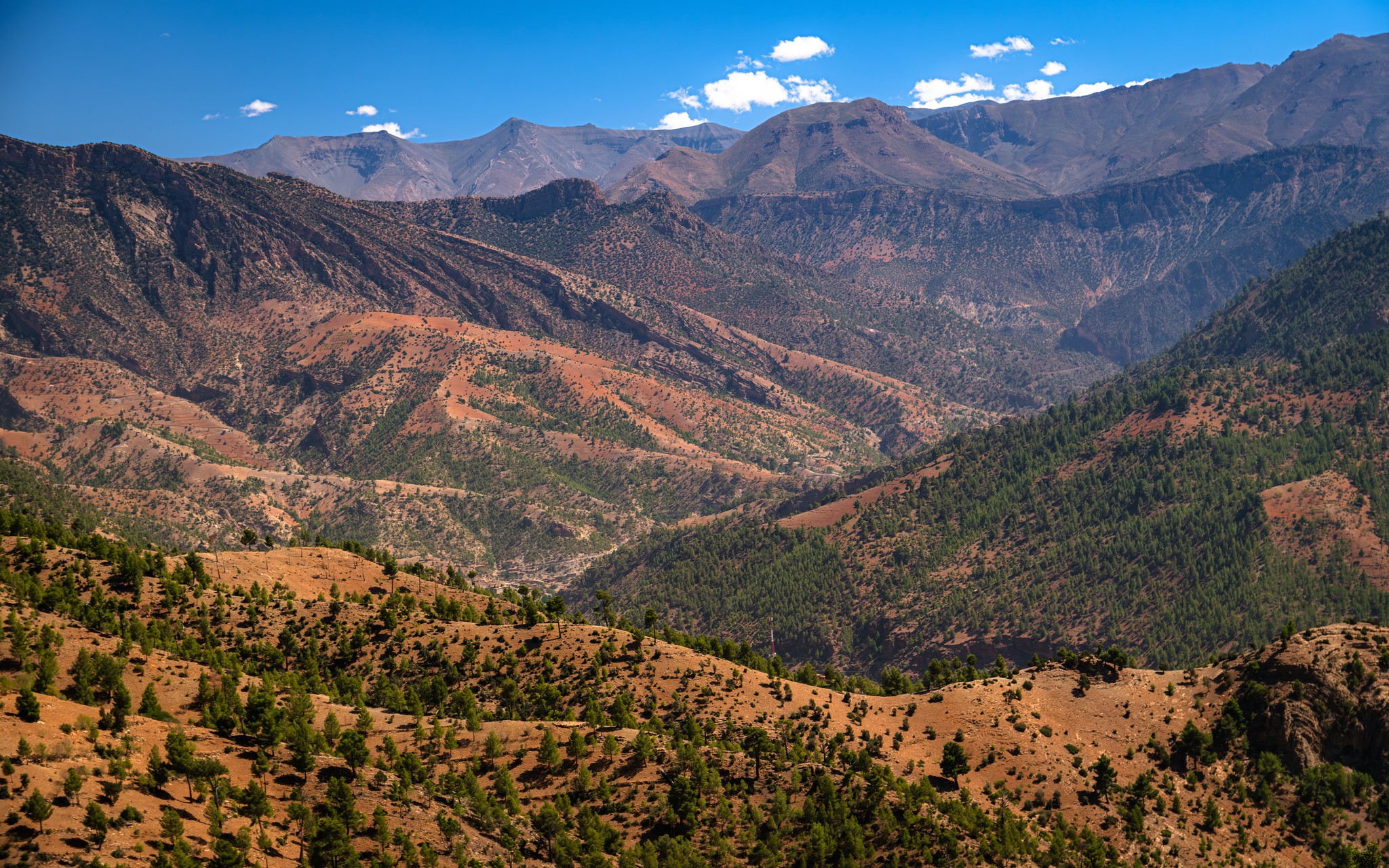
Just 60 km from the city, the High Atlas offers Berber villages, mule-track hikes, and dramatic gorges. The Ourika Valley is the most accessible, while Imlil is the gateway to Mount Toubkal — Africa's second-highest peak.

Dine on Moroccan Street Food

Dine on Moroccan Street Food

Food & Drink · Any time

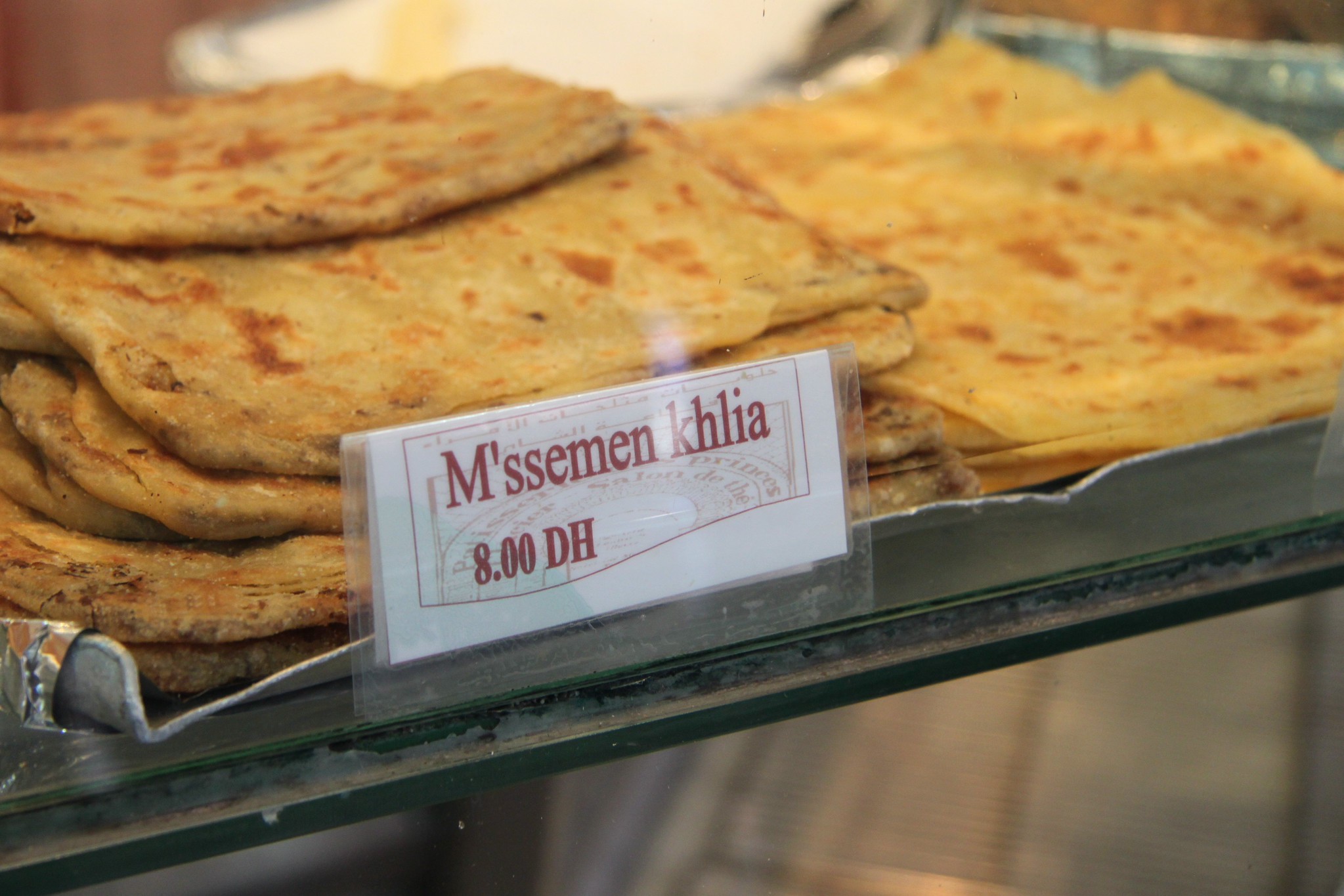
From steaming harira soup and slow-cooked tanjia to stuffed msemen flatbreads and almond bastilla, Marrakesh is a paradise for food lovers. Djemaa el-Fna's night stalls are unmissable; for a sit-down experience, Nomad and Café des Épices are local favourites.

You may also like

Flights from Marrakesh

Djemaa el-Fna square at dusk with smoke rising from food stalls and the Koutoubia Mosque minaret in the background

Marrakesh

Sat, Jun 27 – Tue, Jun 30 · 3 nights

8–10 hrs (1 stop) · Several weekly connections via Addis Ababa or Casablanca

Djemaa el-Fna square at dusk with smoke rising from food stalls and the Koutoubia Mosque minaret in the background

Marrakesh

Sat, Jun 27 – Tue, Jun 30 · 3 nights

10–12 hrs (1 stop) · Several weekly connections

Travel essentials

Getting around

Within the medina, walking is the best and often only option — streets are too narrow for cars. Petits taxis (small orange cabs) are cheap and metered for trips within Marrakesh. Careem and inDrive operate in the city. For day trips, hire a private driver through your riad or a reputable agency.

Typical costs

Budget travellers can manage on USD 40–60/day staying in a simple riad and eating local. Mid-range travellers should budget USD 100–150/day. Luxury riads and fine dining can push costs to USD 300+/day. Haggling is expected in souks — always counter-offer.

Culture and etiquette

Morocco is a Muslim country. Dress modestly, especially in the medina and mosques (shoulders and knees covered). Remove shoes before entering riads and homes. Ask permission before photographing people. Ramadan significantly changes city rhythms — embrace it as a unique cultural experience.

Safety and planning

Marrakesh is broadly safe. Be aware of 'fake guides' who attach themselves uninvited and demand payment. Book licensed guides through your accommodation. Keep valuables secure in crowded souks. Carry a copy of your passport details.

Connectivity

SIM cards from Maroc Telecom or Orange Morocco are widely available at the airport and medina shops. Expect 4G coverage across the city. Most riads and cafés offer free Wi-Fi.

Payments

Moroccan Dirhams are required for most transactions — exchange money at the airport or a bureau de change in Gueliz. ATMs are plentiful. Cards are accepted in upscale restaurants and shops, but always carry cash for souks and street food.

Frequently asked questions