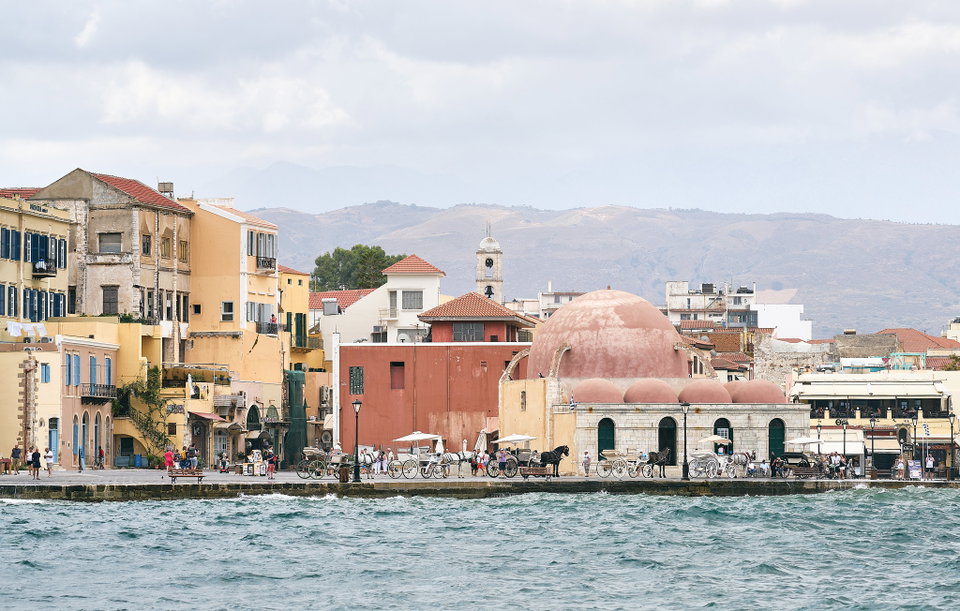
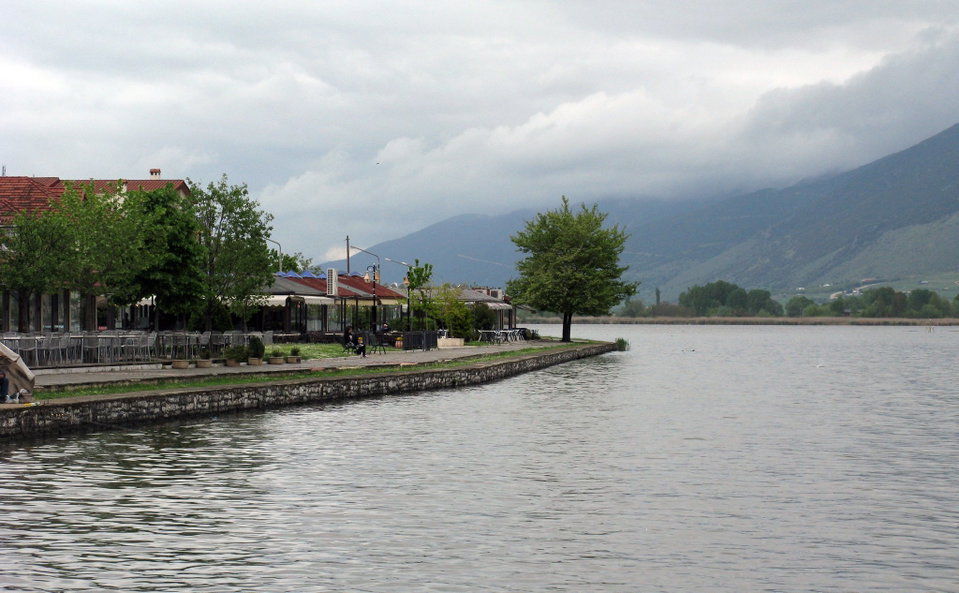
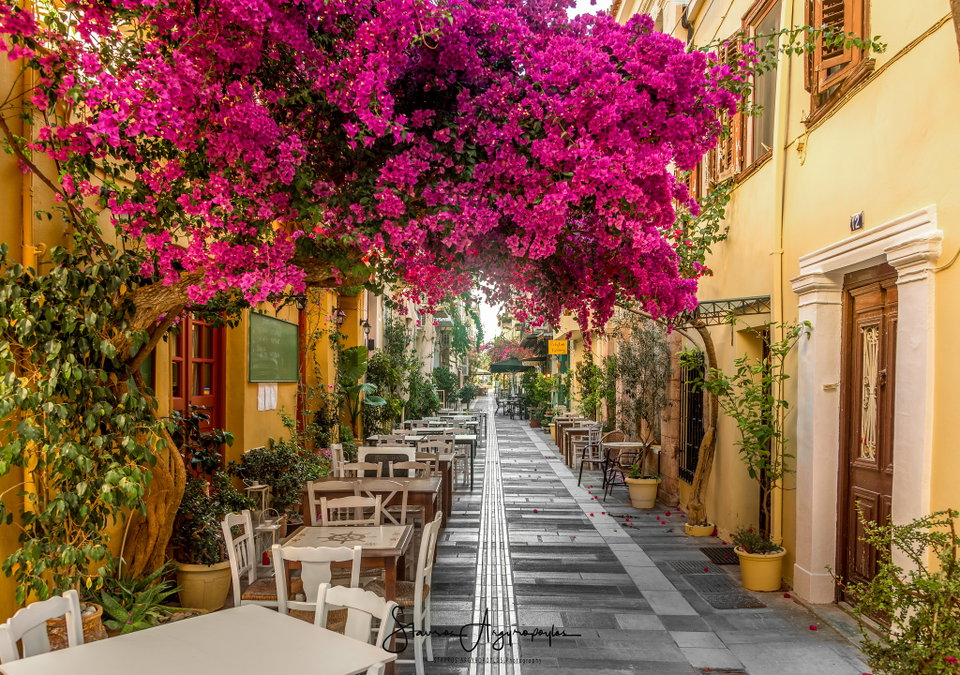
Patras waterfront at dusk with the illuminated Castle of Patras on the hill above the city

Destination guide

Patras

Achaea, Peloponnese · Greece

Greece's gateway to the west — carnival spirit, Byzantine history, and Ionian sea views

Best season

February (Carnival) or May–June and September for warm weather without summer heat

From Nairobi

Approximately 7–8 hrs via Athens (ATH) or other hubs; no direct service

Why visit Patras?

Patras earns its place on the itinerary with a combination of things few Greek cities can match. Its carnival — held over three weeks before Lent — is the largest in Greece and ranks among Europe's top ten, drawing hundreds of thousands of revellers to elaborate parades, masked balls, and street parties that fill the seafront and the grand Georgiou I Square.

Beyond the festivities, the city rewards slower exploration. The Venetian and Byzantine Castle of Patras commands sweeping views over the gulf toward the mountains of central Greece. The Roman Odeon, still used for summer concerts, dates to the 2nd century AD. The Cathedral of Saint Andrew — Greece's largest church — houses what is said to be the saint's skull, attracting pilgrims year-round.

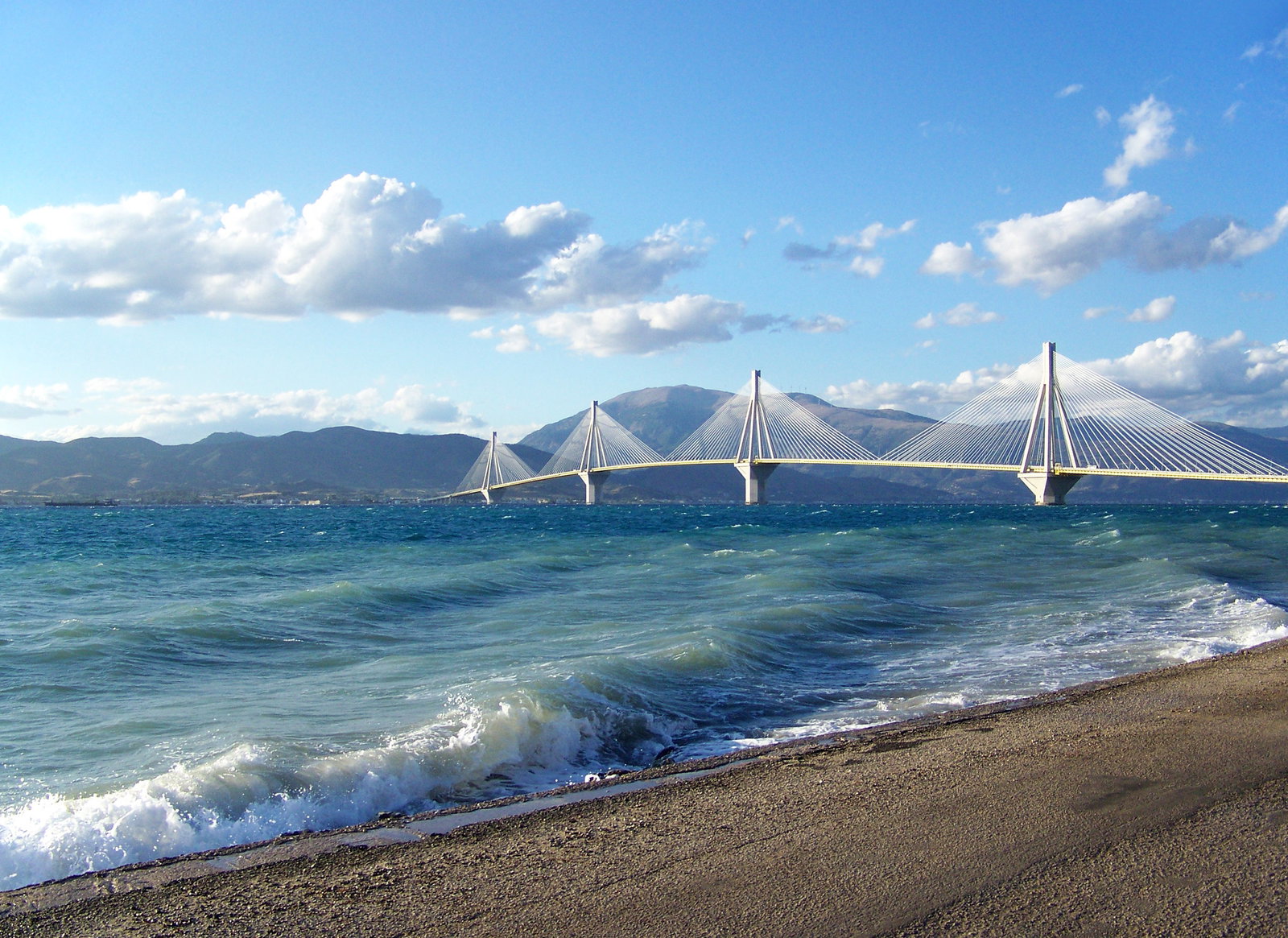
Patras is also a natural base for day trips: the extraordinary Rio–Antirrio suspension bridge leads to Nafpaktos in 10 minutes, the ancient site of Olympia is 90 minutes south, and the achingly beautiful Diakofto–Kalavryta rack railway starts an easy drive away.

  • Host of Greece's largest carnival — three weeks of parades, masked balls, and street revelry each February
  • The hilltop Byzantine Castle of Patras offers panoramic views over the Gulf of Patras and beyond
  • Saint Andrew's Cathedral, Greece's biggest church, shelters one of Christendom's most venerated relics
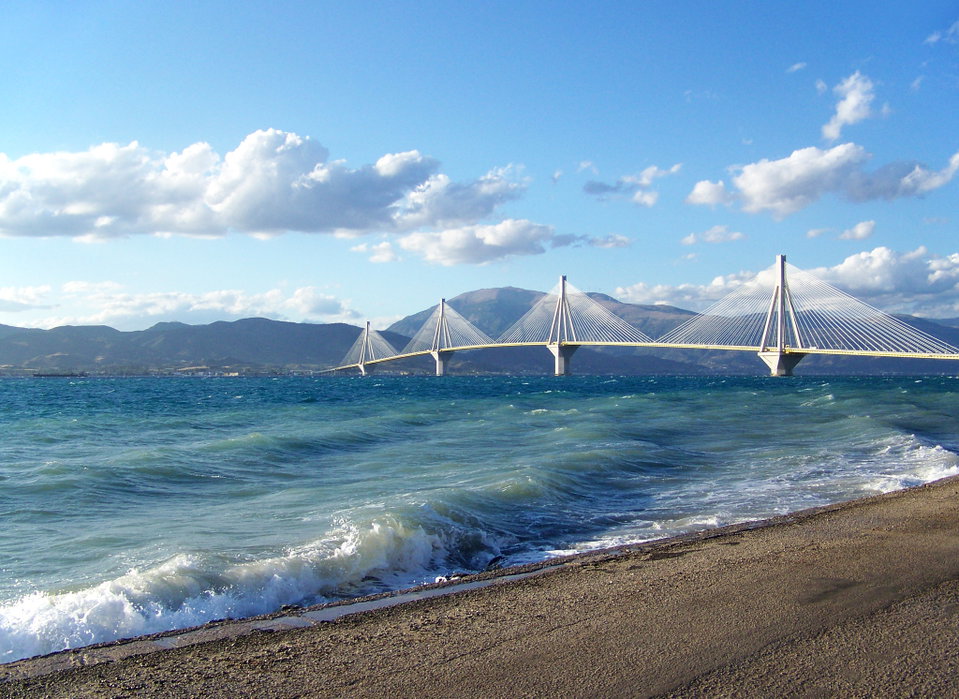
  • The Rio–Antirrio Bridge — one of the world's longest cable-stayed bridges — starts at the city's edge
  • A vibrant student city with some of the best coffee shops, mezze bars, and nightlife in the Peloponnese
  • Perfect gateway for Olympia, Kalavryta, Nafpaktos, and the Ionian islands by ferry

Best for

City breaks, carnival travel, history lovers, road-trip stopovers, ferry travellers connecting to Italy

Trip style

Cultural, festival, heritage, road trip

Known for

Patras Carnival, Castle of Patras, Saint Andrew's Cathedral, Rio–Antirrio Bridge, lively café culture

Quick facts

Best time to visit

February (Carnival) or May–June and September for warm weather without summer heat

Currency

Euro (€)

Languages

Greek; English widely spoken in the centre and port area

Visa summary

Schengen Area — EU/EEA passport holders enter freely; most others need a Schengen visa

Flight time from Nairobi

Approximately 7–8 hrs via Athens (ATH) or other hubs; no direct service

Airport / arrival

Araxos Airport (GPA) is 45 km west of the city; Athens International (ATH) is 2 hrs by bus or train and offers far more connections

Safety note

Generally safe; standard city precautions apply around the port and busy carnival period

Visa and entry

Look up entry rules by passport for travel to Greece on the Tsavaro visa checker.

Check visa requirements for Greece

Things to do

Experience the Patras Carnival

3 weeks (January–February, culminating on Clean Monday)

The centrepiece of the city's calendar, the three-week carnival before Lent fills the streets with elaborate floats, satirical effigies, masquerade balls (including the famous Children's Carnival and the Sunday Grand Parade), and nonstop street parties along the waterfront promenade.

Explore the Castle of Patras

1.5–2 hrs

Built by the Byzantines in the 6th century and expanded by the Franks and Venetians, this hilltop fortress rewards the uphill walk with sweeping 360-degree views. The interior archaeological museum displays finds from the region spanning the Bronze Age through the Ottoman period.

Visit Saint Andrew's Cathedral

30–45 mins

Greece's largest Orthodox cathedral was completed in 1974 and built on the site where Saint Andrew is traditionally believed to have been martyred. Inside, a golden reliquary holds the saint's skull, and the soaring interior is covered with mosaics and frescoes of striking quality.

Walk across the Rio–Antirrio Bridge

1–2 hrs return

One of the longest multi-span cable-stayed bridges in the world, the 2.88 km Charilaos Trikoupis Bridge connects the Peloponnese to mainland Greece above the Gulf of Corinth. Walking or cycling the pedestrian lane delivers extraordinary views of the mountains and turquoise water.

Watch a show at the Roman Odeon

2–3 hrs

Built in the 2nd century AD and restored in the 20th century, this intimate open-air theatre hosts drama, music concerts, and dance performances throughout summer. Seeing a show under the stars here is one of Patras's most memorable evenings.

Take the Diakofto–Kalavryta Rack Railway

Half-day from Patras

From Diakofto, about 40 km east of Patras, a narrow-gauge cog railway climbs spectacularly through the Vouraikos Gorge to the mountain town of Kalavryta. The 75-minute journey is one of Greece's great scenic rides, passing waterfalls and sheer cliff faces.

Day trip to Ancient Olympia

Full day

The birthplace of the Olympic Games is 90 minutes south of Patras by car or bus. The sprawling sanctuary of Zeus, the Temple of Hera, and the outstanding Archaeological Museum — home to Praxiteles' Hermes — easily fill a day.

Explore Nafpaktos

Half-day

Cross the Rio–Antirrio Bridge to reach this beautifully preserved Venetian harbour town, whose intact castle walls enclose a tiny fishing port. The town centre's café-lined square is one of the most picturesque in western Greece.

Stroll and eat on Georgiou I Square and the waterfront

2–4 hrs

The grand neoclassical square at the heart of the city is Patras's social hub, ringed by cafés and bars. The seafront promenade — especially lively at sunset — is lined with ouzeris serving fresh seafood and tsipouradika offering the local tsipouro spirit with free mezze plates.

Best time to visit Patras

The best time to visit Patras is February for the carnival, or May–June and September for the most comfortable all-round weather.

February (Carnival season): If the Patras Carnival is your goal, this is the unmissable window. The three-week festival peaks in the final weekend before Clean Monday (Shrove Monday), with the Grand Parade on the last Sunday drawing the biggest crowds. Book accommodation months in advance.

May–June: Warm and sunny (22–27 °C) with the sea warming up by late May. Crowds are manageable, prices are reasonable, and day trips to Olympia and the surrounding region are ideal.

July–August: Peak summer brings heat (30–35 °C), busy ferry terminals, and higher prices. The city's lively nightlife is at its height, but it can be uncomfortable for sightseeing in the middle of the day.

September–October: Often considered the sweet spot — the sea is warm, temperatures drop to the mid-20s, and the summer crowds thin out. The Patras International Festival continues through September with outdoor concerts and theatre.

November–April (outside carnival): Mild but occasionally rainy. The city is quiet, prices are low, and you'll experience Patras as the Greeks do. Worth considering for visitors primarily interested in Olympia or archaeological sites.
Is Patras safe to visit?

Yes — Patras is generally safe for tourists, and serious crime against visitors is rare. As Greece's third-largest city and its main international ferry port, it is well-policed and accustomed to international travellers.

Practical tips to stay safe:

Port area: The area immediately around the ferry terminal can feel gritty, particularly late at night when ferries depart. Keep bags close and be aware of your surroundings if waiting for a late sailing.

Carnival period: The carnival brings hundreds of thousands of people into a relatively compact city centre. Pickpocketing increases significantly during the Grand Parade. Use a money belt, leave valuables at the hotel, and be cautious in dense crowds.

Transport: Road surfaces on mountain routes toward Kalavryta require care; hire a car only if you are a confident driver on winding roads. The city's central streets are safe to walk at any hour.

Emergencies: European emergency number 112. Tourist police can be reached on 1571 within Greece.

Overall, Patras is a welcoming and sociable city where solo travellers, couples, and families all feel comfortable.

Suggested itinerary

3 Days in Patras and the Northern Peloponnese

A mid-pace itinerary based in Patras, assuming arrival by ferry or road and access to a hire car for day trips. Budget to mid-range accommodation suits most travellers. Works best in May–June or September when temperatures are comfortable and crowds are manageable.

Day 1

Arrival and the heart of the city

Settle in and head directly uphill to the Castle of Patras in the late afternoon when the light is golden and the heat has eased. Spend an hour exploring the fortifications and the small archaeological collection inside, then linger for the panoramic views over the gulf.

Descend through the old Psila Alonia park to the Roman Odeon, then continue to Saint Andrew's Cathedral before it closes. In the evening, join locals on Georgiou I Square for coffee, then choose a tsipouradiko on or near the waterfront for dinner — order the house tsipouro and let the complimentary mezze plates keep coming.

Patras — Arrival and the heart of the city

Travel essentials

Getting around

The city centre is walkable; the castle requires an uphill walk of about 20 minutes from Georgiou I Square. Local buses cover the wider city and the port. Taxis and ride-hailing apps (Beat) are readily available. Hiring a car is recommended for day trips to Olympia, Kalavryta, and Nafpaktos. The port has regular ferry services to Ancona, Bari, Brindisi, and Venice (Italy), and to Igoumenitsa and Corfu.

Typical costs

Budget: €40–60/day (hostel or cheap guesthouse, street food and tsipouradika mezze, public transport). Mid-range: €80–130/day (3-star hotel, sit-down meals, day-trip hire car). Tsipouro with mezze at a local tsipouradiko costs €4–8 per person; a full taverna dinner around €15–25 per person. Museum entry is typically €4–8; Olympia archaeological site €12.

Culture and etiquette

Patras is a relaxed, student-heavy city with a more informal atmosphere than Athens. Dress modestly when visiting Saint Andrew's Cathedral (shoulders and knees covered). Carnival season is exuberantly inclusive — fancy dress is welcomed and expected. Tipping 10% in restaurants is appreciated but not mandatory. Greeting staff in Greek (yia sas) is always warmly received.

Safety and planning

Travel insurance covering medical evacuation is strongly recommended. The nearest large public hospital is the University General Hospital of Patras (Rio). Pharmacies are plentiful and pharmacists can advise on minor ailments. EU citizens should carry their EHIC/GHIC card for reciprocal healthcare.

Connectivity

4G/5G coverage is good throughout the city and port. Free Wi-Fi is available in most cafés, hotels, and the port terminal. Greek SIM cards (Cosmote, Vodafone GR, Wind) are available from kiosks at the port and in the city centre; a tourist data SIM costs €10–15.

Payments

Cards (Visa, Mastercard) are accepted at hotels, larger restaurants, and shops. Many traditional kafeneions, small tavernas, and street vendors are cash-only. ATMs are plentiful in the city centre and at the port. Inform your bank before travelling.

Patras travel FAQs

More destinations to explore