 Sightseeing
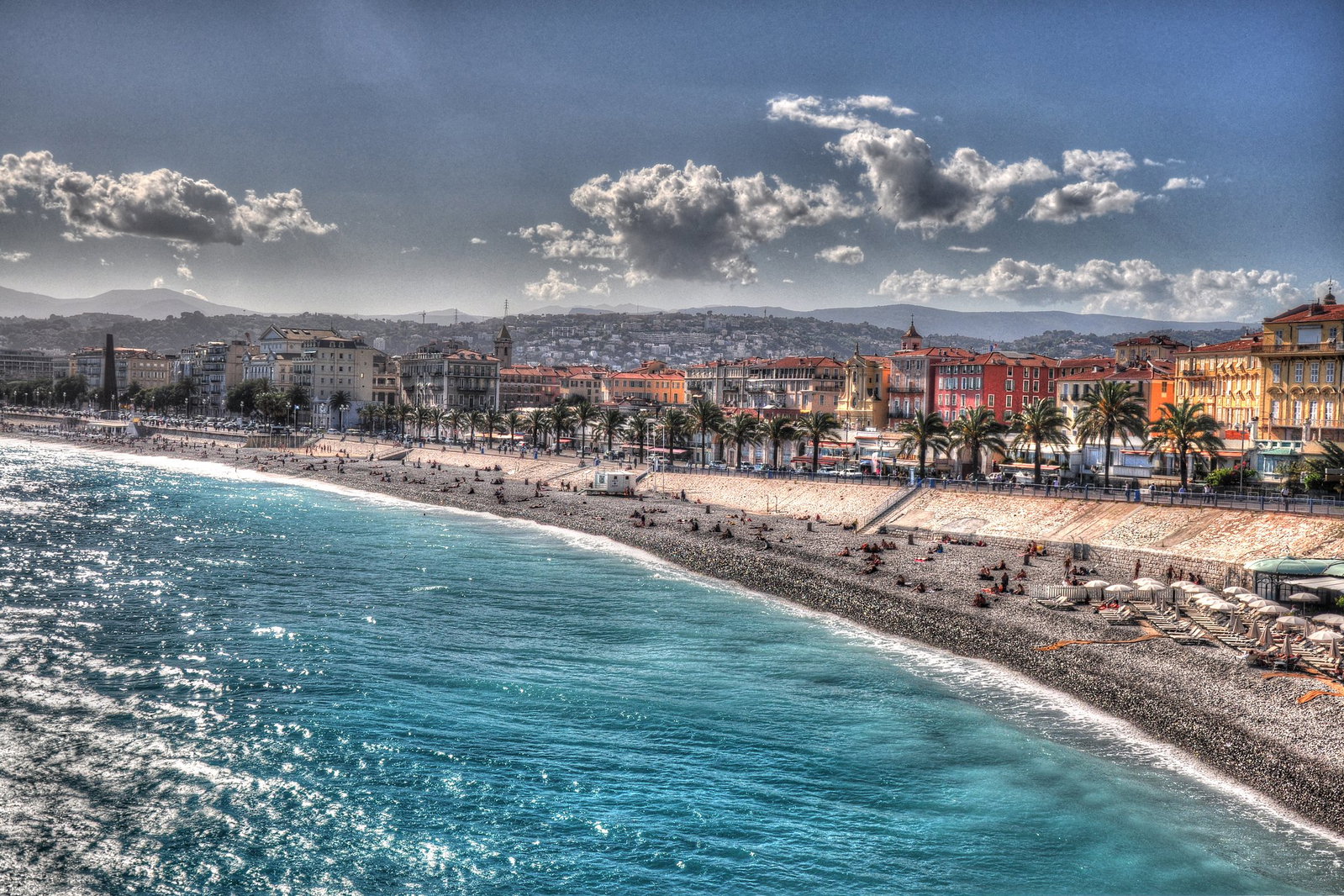
Walk the Promenade des Anglais
1–3 hours
The iconic 7 km seafront boulevard — rent a blue chair, watch the pebble beach scene, and stroll from Castle Hill to the airport perimeter. Best at sunrise or golden hour.
Destination guide
French Riviera (Côte d'Azur), Provence-Alpes-Côte d'Azur · France
Belle Époque glamour, sun-drenched markets, and a seafront that never gets old
Best season
May–June and September–October for warm sun without peak-summer crowds; July–August is hot and busy but buzzing with festivals
From Nairobi
Approximately 8–10 hours (usually one stop via Paris CDG, Istanbul, or Addis Ababa)
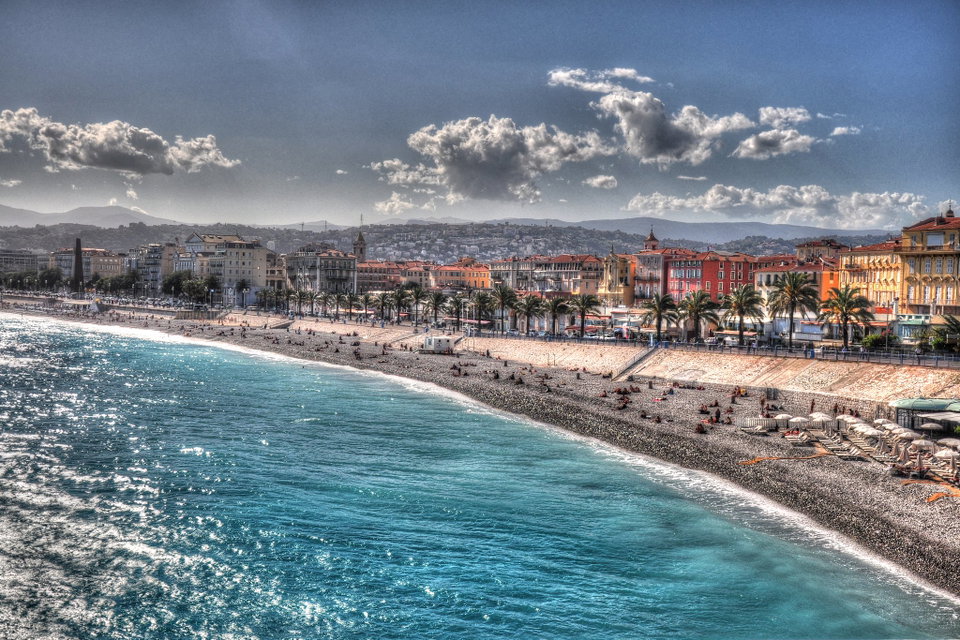
Nice earns its place as the queen of the French Riviera not through one headline attraction but through an extraordinary density of pleasures. The Promenade des Anglais is one of the world's great urban seafronts — 7 kilometres of blue chairs, salt air, and people-watching stretching from the airport to Castle Hill. A five-minute walk inland reveals Vieux-Nice: a labyrinth of Baroque churches, ochre and rose façades, and the raucous Cours Saleya market where flower vendors and socca stalls have traded for centuries.
Beyond the postcard scenes, Nice rewards curiosity. The Musée Matisse holds the world's largest Matisse collection in a 17th-century Genoese villa; the Musée National Marc Chagall displays his monumental Biblical Message canvases in a garden setting designed with the artist. Castle Hill (Colline du Château) is free to climb and offers the best panorama on the Riviera — the perfect end to any afternoon.
The food scene is proudly local. Niçois cuisine is its own culinary tradition — socca (chickpea pancake), pissaladière (onion and anchovy tart), pan bagnat, and salade niçoise as it was always meant to be eaten. Pair all of this with easy day-trip access to Monaco (20 min), Èze (30 min), Antibes (25 min), and the Loup River gorge, and Nice becomes one of Europe's most rewarding city-break bases.
Best for
Culture lovers, food travellers, beach seekers, art enthusiasts, couples, and families
Trip style
City break, cultural tour, beach holiday, Riviera road trip base
Known for
Promenade des Anglais, Vieux-Nice old town, Musée Matisse, Cours Saleya market, socca, Carnival
Best time to visit
May–June and September–October for warm sun without peak-summer crowds; July–August is hot and busy but buzzing with festivals
Currency
Euro (€)
Languages
French; Italian and English widely spoken in tourist areas
Visa summary
No visa required for EU/EEA and most Western passport holders for stays under 90 days; Schengen rules apply
Flight time from Nairobi
Approximately 8–10 hours (usually one stop via Paris CDG, Istanbul, or Addis Ababa)
Airport / arrival
Nice Côte d'Azur Airport (NCE) is 7 km west of the city centre; tram line 2 connects directly to the city in about 30 minutes for €1.70
Safety note
Generally safe; normal city precautions apply on the Promenade des Anglais and in the old town at night — watch for pickpockets in crowded markets
Visa and entry
Look up entry rules by passport for travel to France on the Tsavaro visa checker.
Check visa requirements for FranceSightseeing1–3 hours
The iconic 7 km seafront boulevard — rent a blue chair, watch the pebble beach scene, and stroll from Castle Hill to the airport perimeter. Best at sunrise or golden hour.
 Culture & Heritage
Half day
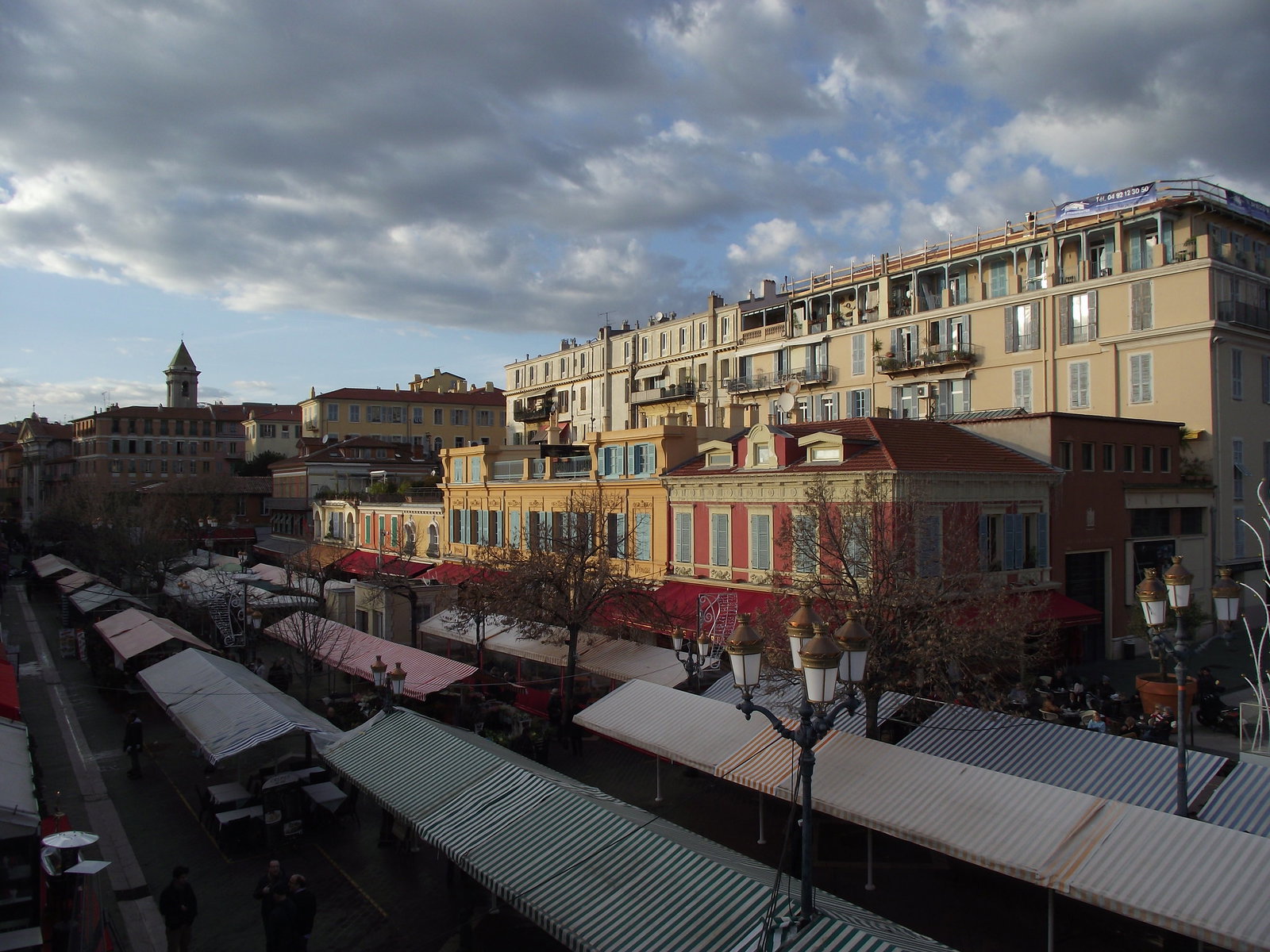
Lose yourself in the tangerine-and-rose lanes of the old quarter. Don't miss the Baroque Cathédrale Sainte-Réparate, the lively Cours Saleya, and the hidden Place du Jésus.
 Food & Markets
1–2 hours
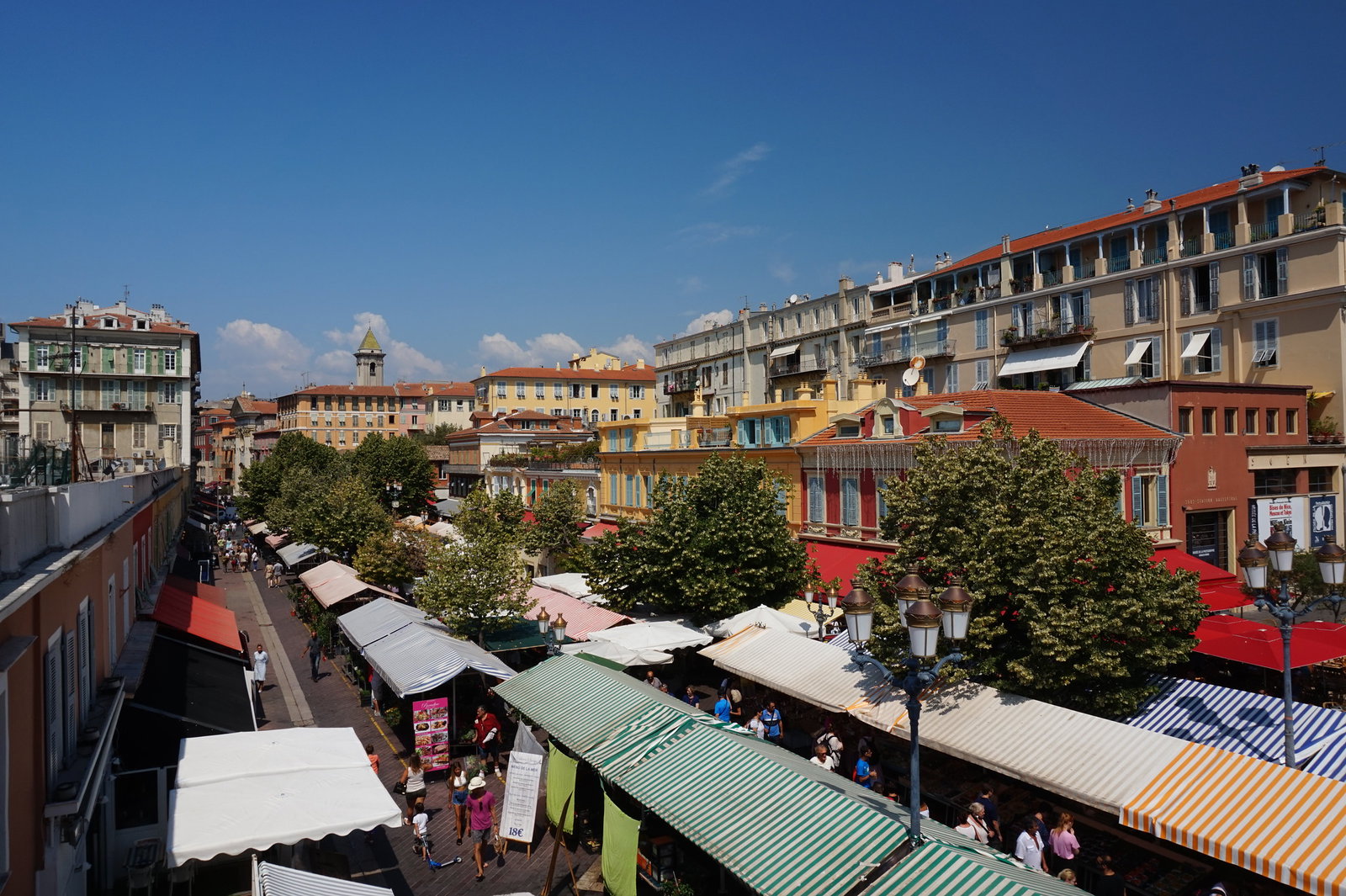
Nice's most beloved market runs Tuesday to Sunday mornings — stalls piled with Provençal flowers, olives, socca, and seasonal produce. Come hungry; the street food alone is worth the trip.
 Art & Museums
2 hours
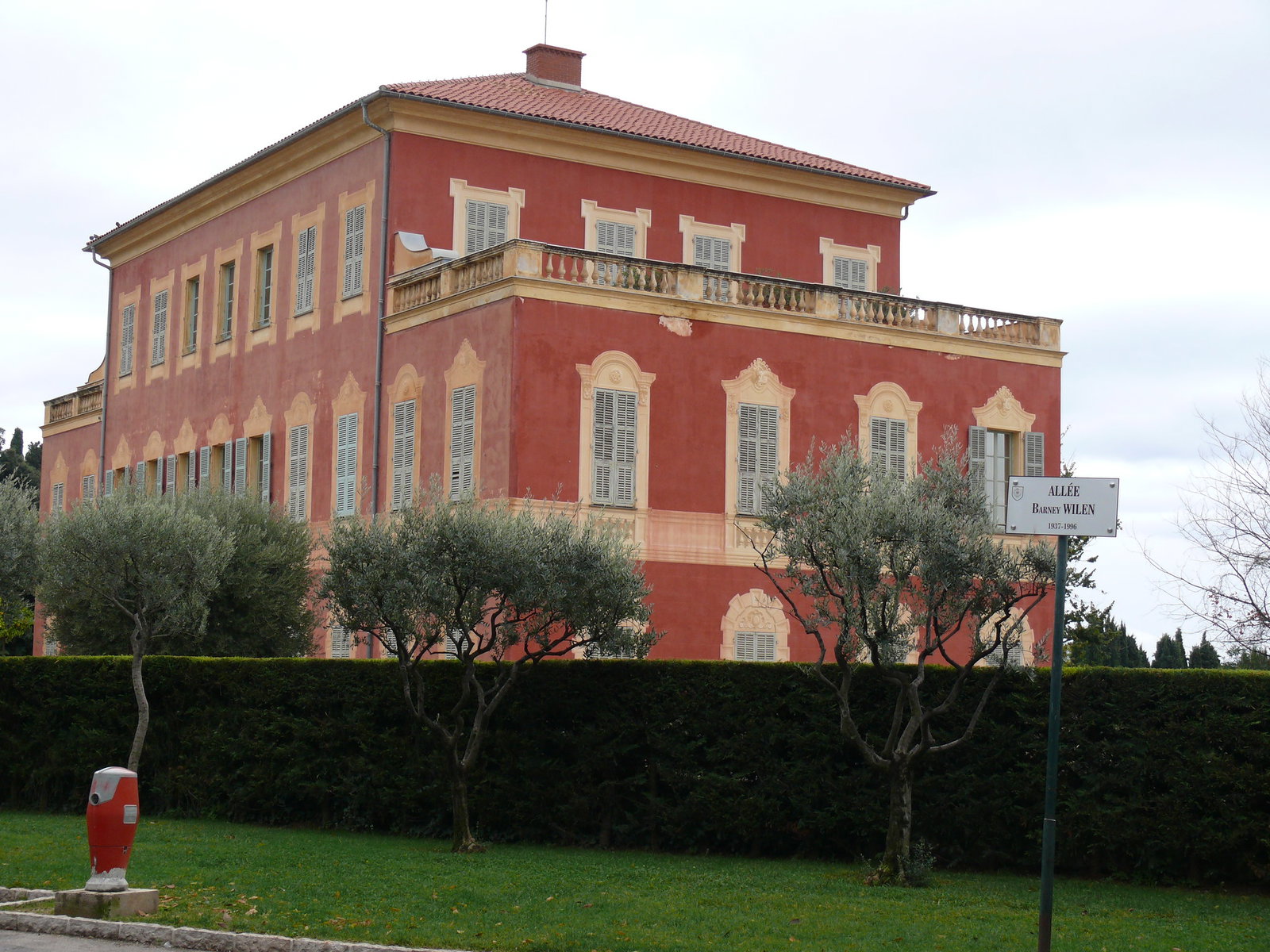
Set in a 17th-century Genoese villa in Cimiez, this museum holds the world's largest and most comprehensive collection of Matisse's work — paintings, cut-outs, sculpture, and personal objects.
 Art & Museums
1.5 hours
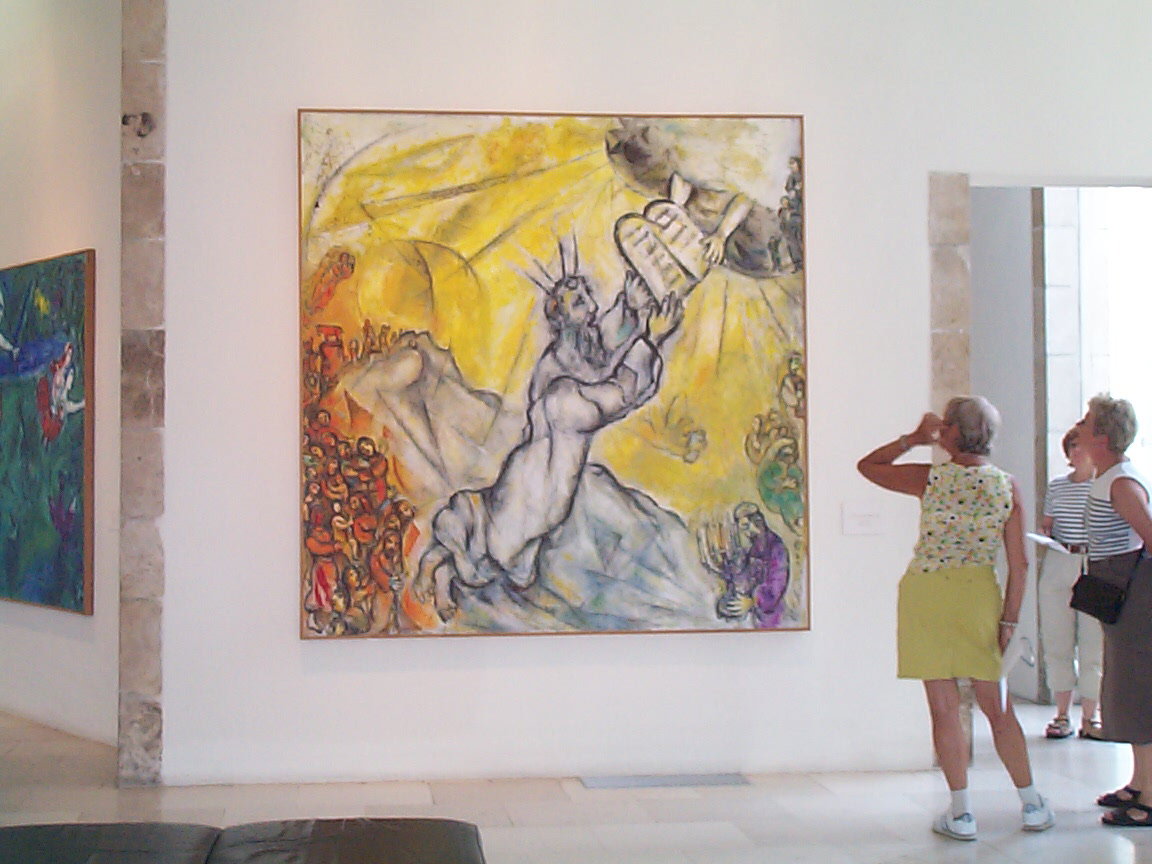
Chagall himself helped design this sun-filled museum to house his 17 monumental canvases of the Biblical Message series. The garden café and stained-glass concert hall are highlights.
 Views & Outdoors
1–2 hours
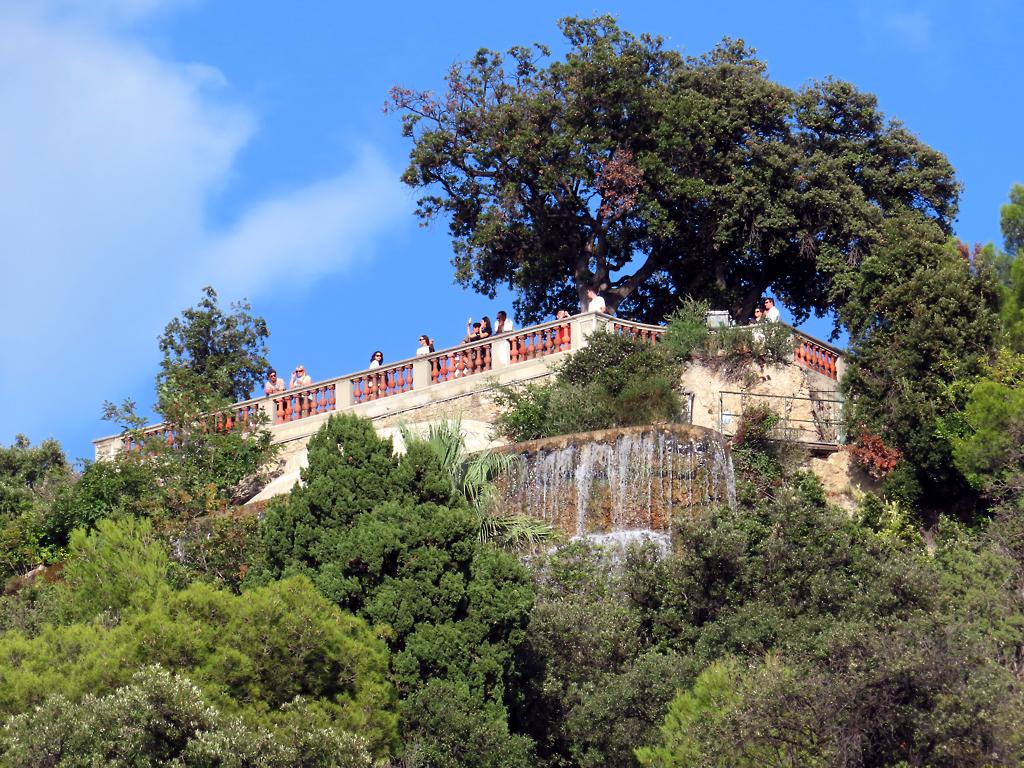
Free and totally underrated: the 92 m promontory above the old town rewards the short hike (or free elevator) with panoramic views over the Bay of Angels and the red rooftops of Vieux-Nice.
 Day Trips
Half day
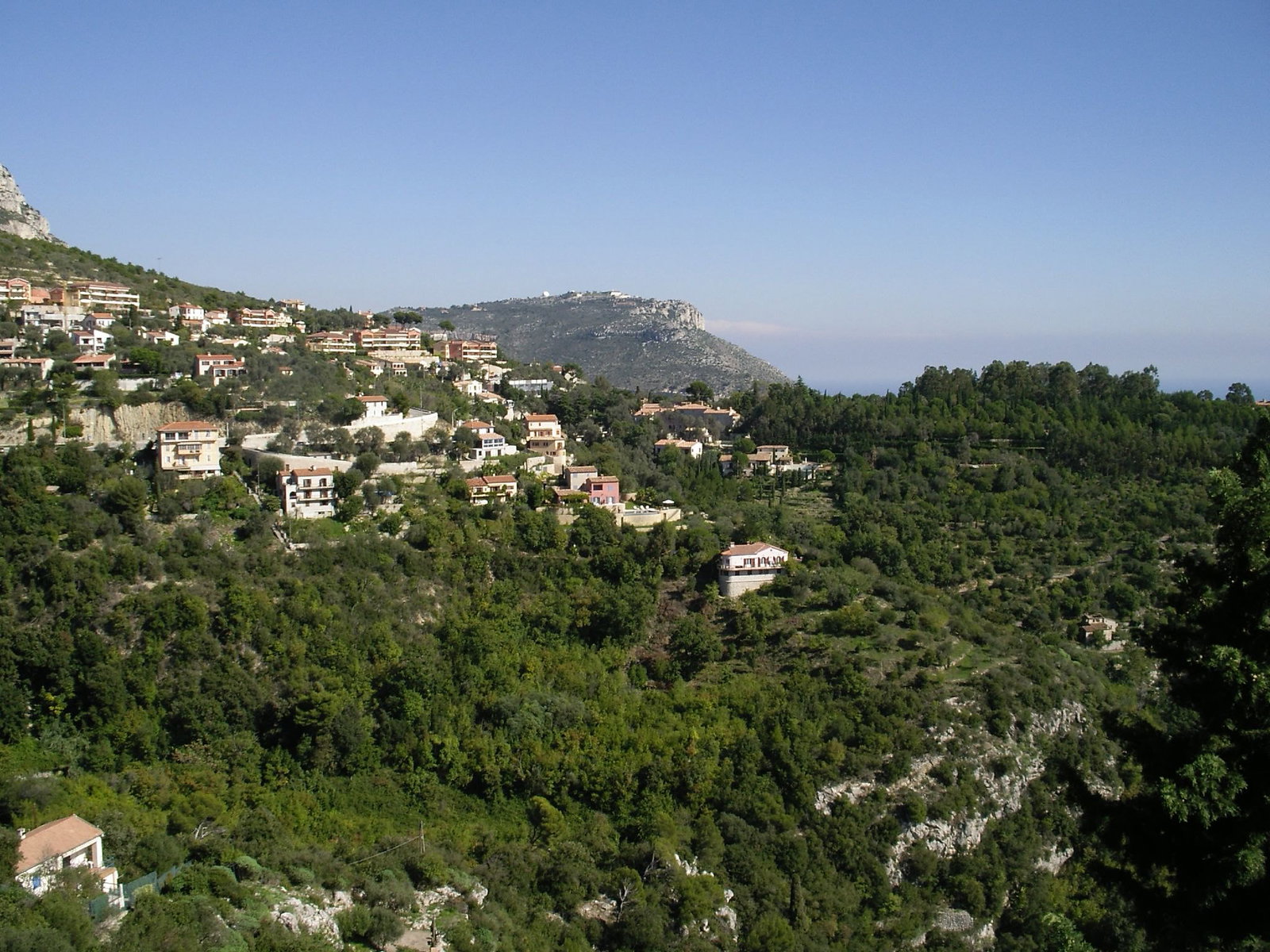
Perched 429 m above the sea, the medieval village of Èze is 30 minutes by bus or car. The exotic garden at the summit, the Fragonard perfumery, and the cliff-edge views are unmissable.
The best time to visit Nice is May to June or September to October, when the weather is warm and sunny, the crowds are manageable, and hotel prices are significantly lower than the peak summer period. Temperatures sit between 20°C and 27°C in these shoulder months — perfect for sightseeing and beach days alike.
July and August are the hottest and busiest months: the Promenade de Anglais is packed, restaurants fill up weeks in advance, and prices spike. If you visit then, book everything early and plan sightseeing for mornings before the heat peaks.
Winter (December–February) is mild by northern European standards — Nice averages 13°C in January — and the city is wonderfully uncrowded. The Carnival (usually mid-February) is one of Europe's largest and most spectacular street festivals, worth planning a trip around. Spring (March–April) brings blossoms to the Cimiez gardens and increasingly warm weather, making it a fine time to explore the hinterland and hillside villages.
Nice's microclimate — sheltered by the Alps to the north — means it averages around 300 sunny days a year, making almost any month viable for a visit.
Yes — Nice is generally safe for tourists, and millions of visitors enjoy the city without incident each year. It consistently ranks among France's more visited and well-policed cities, with a visible police presence on the Promenade des Anglais and in tourist areas.
The most common issue is petty theft: pickpockets operate in the Cours Saleya market, on crowded tram carriages, and along the Promenade, particularly in summer. Keep bags zipped and in front of you, use hotel safes for passports and extra cash, and be alert near ATMs.
Vieux-Nice is lively at night and generally safe, though a handful of side streets become rowdier late on weekends — stick to busier lanes after midnight. The area around the main train station (Gare de Nice-Ville) has a slightly grittier feel; exercise normal urban awareness.
For transport, use licensed taxis or the official Uber app rather than unofficial drivers outside the airport. Tram lines 1 and 2 are safe and well-lit. Emergency services in France are excellent: call 15 for medical emergencies, 17 for police, or the pan-European 112.
Suggested itinerary
This plan is based in Nice throughout — no hotel-hopping required. It assumes a mid-range budget, comfortable walking pace, and public transport for day trips. Day 1–2 focus on the city; Day 3–5 radiate outward to the best of the Riviera.
Day 1
Arrive at Nice Côte d'Azur Airport and take tram line 2 to your hotel. Once settled, head straight to the Promenade des Anglais for a first taste of the seafront — rent a blue chair and watch the afternoon light change on the Bay of Angels. As the sun drops, walk east to Castle Hill for the panorama, then descend into Vieux-Nice for dinner. Try pissaladière and a glass of Bellet wine at one of the old town's neighbourhood bistros.
Nice has an excellent public transport network. Two tram lines (T1 east–west through the city; T2 airport to port) cover most tourist areas; single tickets cost €1.70 and a 10-trip carnet €13.50. Buses serve the wider Riviera coast (Lignes d'Azur network). Taxis are metered; Uber operates here. Cycling is pleasant along the Promenade — Vélobleu bike-share stations are everywhere. For day trips, the coastal train from Nice Ville station is fast, cheap, and scenic — one of Europe's most beautiful rail journeys.
Nice sits in the mid-to-upper tier of French cities. Budget travellers can manage on €80–100/day (hostel or budget hotel, market lunches, picnic dinners). Mid-range travellers should plan €180–260/day for a comfortable hotel, sit-down meals, and museum entry. Most major museums charge €10–15; the Cours Saleya market and Castle Hill are free. A two-course lunch menu (formule) at a bistro costs €18–28; dinner mains average €25–40.
A polite 'Bonjour' when entering shops or restaurants is not optional — it's a social essential in France, and skipping it is considered rude. Niçois are proud of their distinct identity: the city was part of the Kingdom of Sardinia until 1860, and local cuisine, dialect (Niçard), and festivals reflect that Italian-inflected heritage. Dress modestly when entering churches; beachwear belongs on the beach. Tipping is not compulsory — a euro or two for a coffee, 5–10% for good restaurant service is appreciated but never expected.
Register with your embassy or consulate before travel. France's emergency number is 112 (pan-European); 15 for SAMU (medical), 17 for police. Travel insurance with medical cover is strongly recommended. The Nice tourist office on Promenade des Anglais is a reliable first stop for official maps and advice.
Free Wi-Fi is available throughout the city — in cafés, at the airport, on trams, and at many hotels. French SIM cards (Orange, SFR, Free Mobile) are available at the airport and phone shops; EU travellers can use their home data plans without roaming charges. 4G coverage is strong across the Riviera; 5G is available in central Nice.
Card payments (Visa and Mastercard) are accepted almost universally. Amex less reliably at smaller restaurants and markets. Cash is useful for the Cours Saleya market stalls, socca vendors, and smaller tabacs. ATMs (distributeurs) are widely available; airport exchange desks charge poor rates — use a fee-free card or an in-city ATM instead.
Nice, France