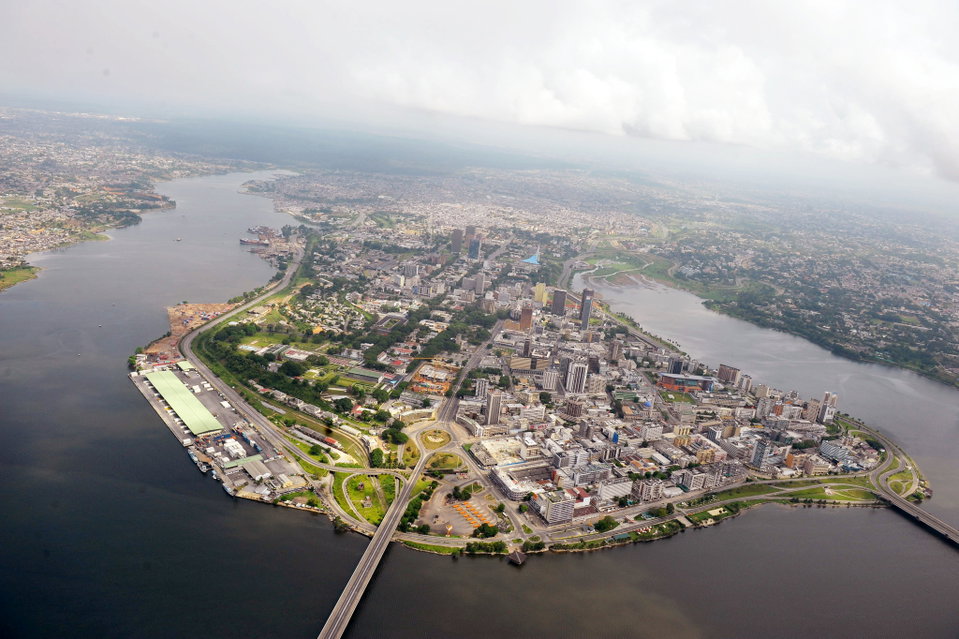
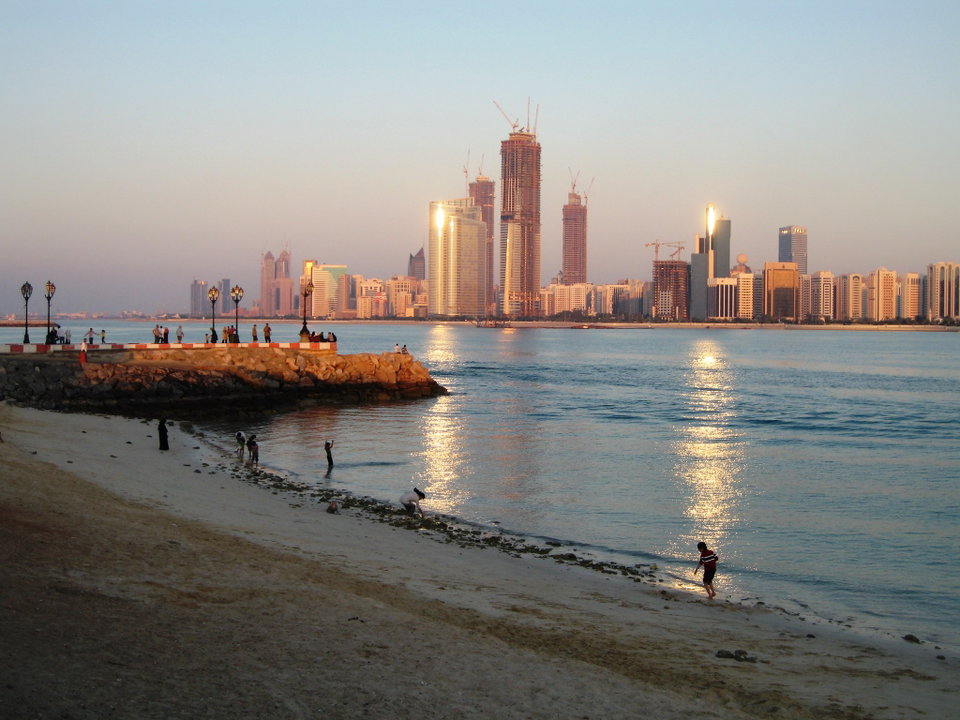
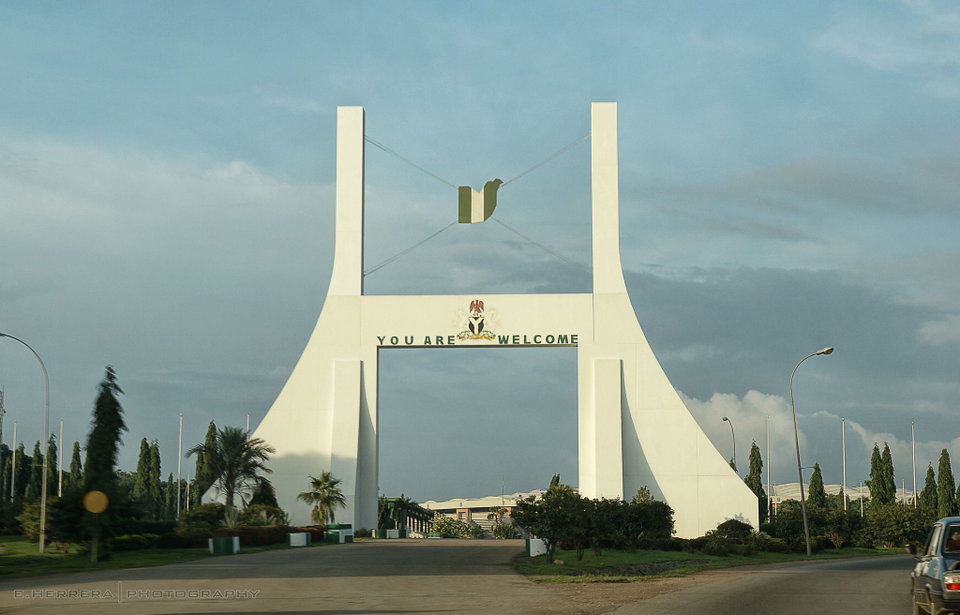
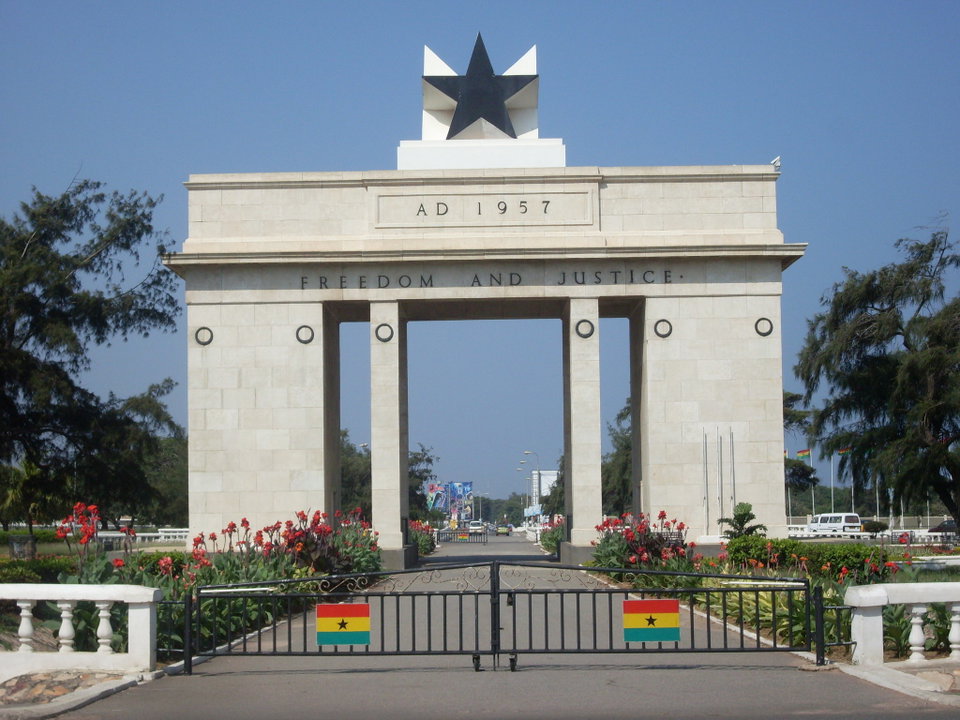
Aerial view of Niamey's skyline along the Niger River at golden hour

Destination guide

Niamey

West Africa · Niger

Niger's riverside capital — where Sahel culture, open-air markets, and the great river meet

Best season

November to February (cool, dry harmattan season; temperatures 20–32 °C)

From Nairobi

Approx. 6–7 hrs (no direct service; typically via Addis Ababa or Lagos)

Why visit Niamey?

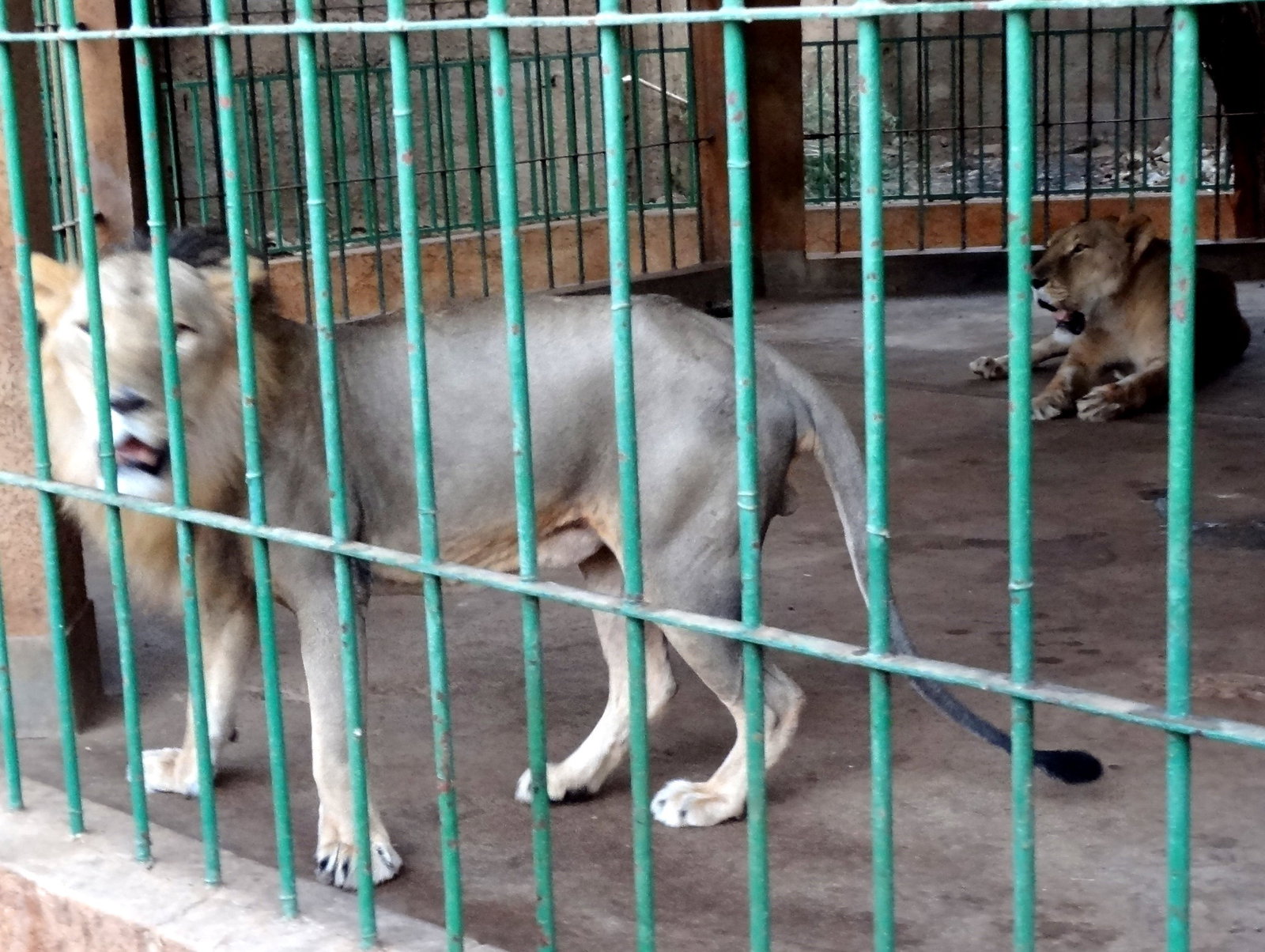
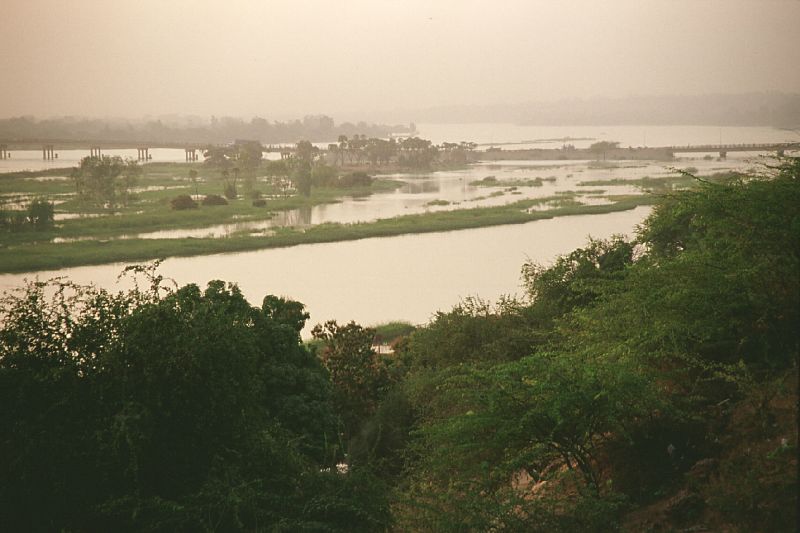
Niamey rarely appears on bucket lists, and that is exactly its appeal. The city moves at an unhurried Sahelian pace — mornings filled with the smell of grilling brochettes, afternoons under neem-tree shade, and evenings watching the Niger River turn copper in the sunset. The Grand Marché is one of West Africa's most animated trading hubs, stacked with indigo textiles, leatherwork, silver Tuareg jewellery, and hand-painted calabashes. The Musée National du Niger, set in spacious grounds, holds exceptional ethnographic and natural-history collections alongside a live zoo, artisan workshops, and a craft village — arguably the finest national museum in the Sahel. Day trips reveal the dramatic 'W' du Niger National Park (a UNESCO World Heritage Site shared with Benin and Burkina Faso) and the ancient caravan town of Dosso. For travellers who want genuine, uncommercialized West African culture and can navigate a complex security environment with care, Niamey rewards like few other capitals.

  • Wander the Grand Marché — one of West Africa's largest and most vivid open-air trading hubs
  • Explore the Musée National du Niger, the Sahel's standout ethnographic and natural-history museum
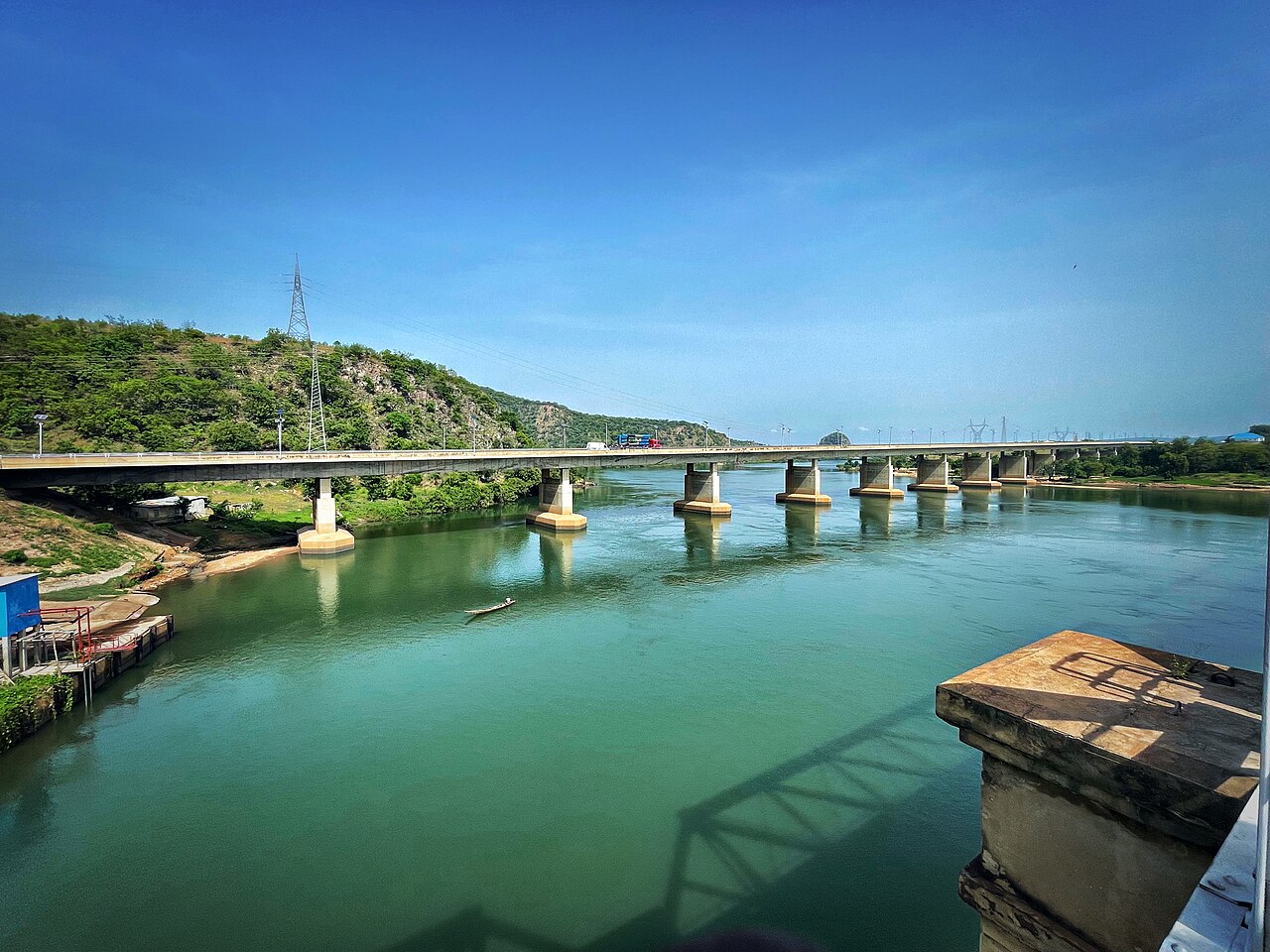
  • Watch the sun set over the Niger River from the Gaweye Hotel terrace or Kennedy Bridge
  • Browse Tuareg silverwork and indigo textiles at the artisan village inside the museum grounds
  • Day-trip to 'W' du Niger National Park — a UNESCO World Heritage wilderness shared across three countries
  • Taste grilled brochettes, dégué (millet yoghurt) and thiéboudienne at neighbourhood maquis restaurants

Best for

Off-the-beaten-path adventurers, culture and ethnography enthusiasts, West Africa completists, overlanders

Trip style

Cultural immersion, city exploration, day trips to nature and heritage sites

Known for

Grand Marché, Musée National du Niger, Niger River sunsets, Tuareg silver jewellery, Sahelian cuisine

Quick facts

Best time to visit

November to February (cool, dry harmattan season; temperatures 20–32 °C)

Currency

West African CFA franc (XOF); ATMs available at major banks in central Niamey

Languages

French (official); Hausa and Zarma-Songhai widely spoken

Visa summary

Visa required for most nationalities; e-visa available; yellow fever vaccination certificate mandatory at entry

Flight time from Nairobi

Approx. 6–7 hrs (no direct service; typically via Addis Ababa or Lagos)

Airport / arrival

Diori Hamani International Airport (NIM) is 12 km southeast of the city centre; taxis and private transfers available

Safety note

Exercise high caution; check your government's travel advisory before travelling — border regions carry elevated risk

Visa and entry

Look up entry rules by passport for travel to Niger on the Tsavaro visa checker.

Check visa requirements for Niger

Things to do

Grand Marché de NiameyMarkets & Shopping

Grand Marché de Niamey

2–3 hours

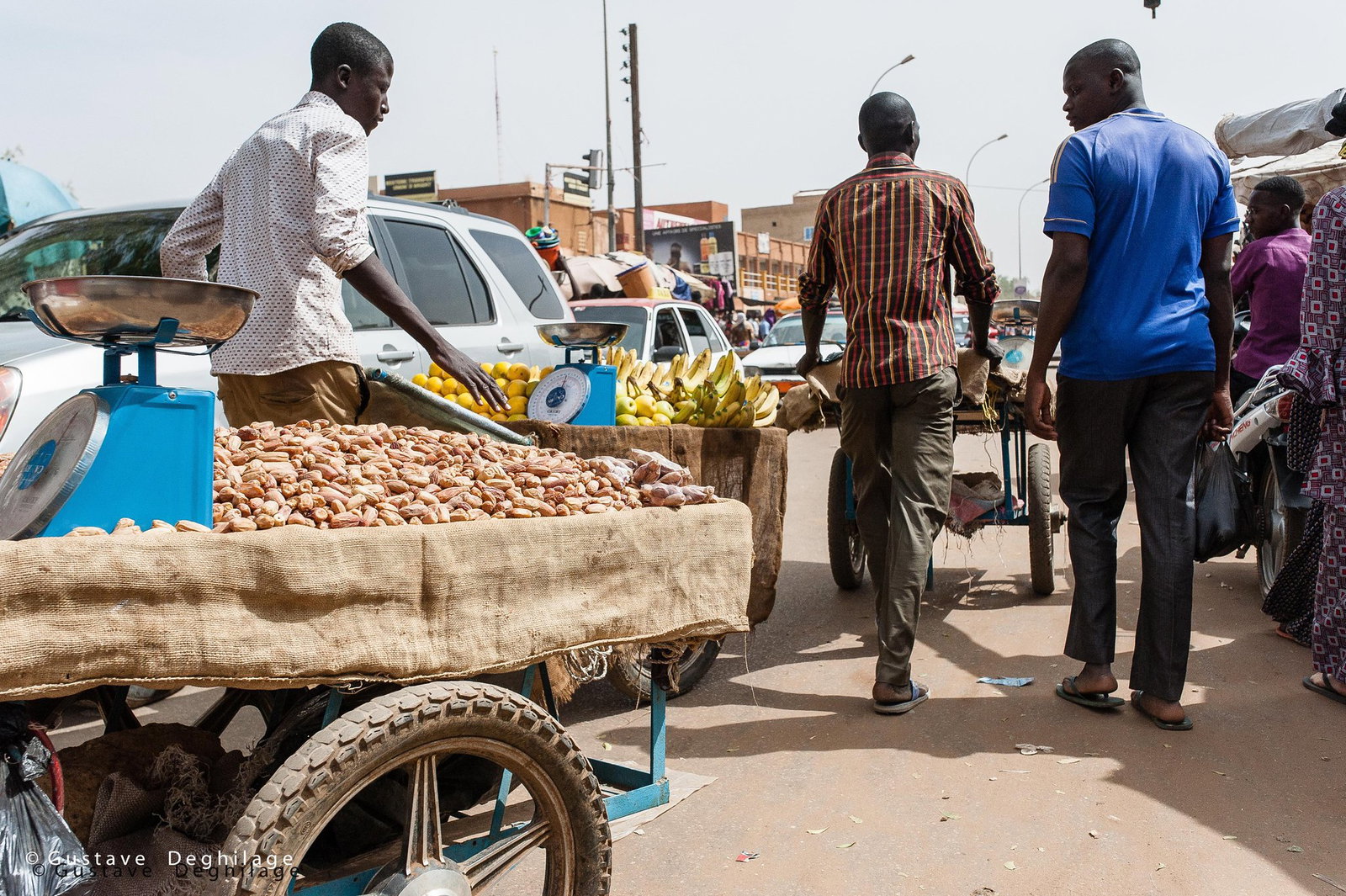
Niamey's main market is a labyrinth of stalls selling Tuareg silver jewellery, hand-dyed indigo cloth, leather sandals, spices, and imported electronics. Go early in the morning for the best light and the most activity.

Musée National du NigerCulture & History

Musée National du Niger

Half day

Set in parklike grounds near the city centre, Niger's national museum combines superb ethnographic galleries (masks, instruments, traditional dress), natural-history exhibits, a live zoo, and a craft village where artisans work in front of visitors. One of the finest museums in the entire Sahel.

Niger River Sunset CruiseNature & Scenic

Niger River Sunset Cruise

1.5–2 hours

Charter a pirogue (traditional wooden canoe) at the riverbank near Kennedy Bridge for a slow drift along the Niger at golden hour. Fishermen casting nets and hippos spotted in quieter stretches make this an unmissable Niamey ritual.

Day Trip to 'W' du Niger National ParkWildlife & Nature

Day Trip to 'W' du Niger National Park

Full day (or overnight)

About 150 km southeast of Niamey, the 'W' National Park is a UNESCO World Heritage Site sheltering elephants, lions, hippos, buffalo, and over 350 bird species in Sahelian savannah and riverine forest. Arrange a guide and vehicle in Niamey.

Best time to visit Niamey

The best time to visit Niamey is November to February, during the cool dry season, when daytime temperatures sit between 20 and 32 °C and the harmattan wind keeps the air dry and relatively dust-free by Sahelian standards.

October to February (Cool Dry Season): The most comfortable window for sightseeing. Evenings can be surprisingly cool (15–18 °C). The Niger River is at a good level for pirogue trips, and wildlife in 'W' National Park is easier to spot as animals congregate around water. This is the peak travel window — book accommodation early.

March to May (Hot Dry Season): Temperatures climb sharply, regularly exceeding 40 °C by April and May. Dusty harmattan winds can reduce visibility. The heat is punishing mid-day; early-morning and late-afternoon activities are essential. Only recommended for experienced Sahel travellers.

June to September (Rainy Season): The single annual rainy season brings brief but intense downpours, lush greenery along the river, and a dramatic transformation of the landscape. Temperatures drop slightly to the low 30s °C, but humidity rises. Some rural roads become impassable; the 'W' Park is typically closed. River levels are highest. A good budget season with lower hotel rates.

Overall, November to January is the sweet spot — comfortable temperatures, manageable dust, and the full range of activities and day trips on offer.

Is Niamey safe to visit?

Niamey itself is relatively safe for attentive travellers compared to Niger's border regions, but the country's broader security environment requires serious preparation and ongoing vigilance.

Yes — Niamey city centre is generally navigable for tourists who plan carefully, stay aware of their surroundings, and follow current official travel advisories. The capital has a lower threat level than Niger's northern and eastern border areas, but it is not risk-free.

Key points to know:

Government advisories: Many Western governments (UK, US, Australia, EU) advise 'high degree of caution' or stronger for Niamey, and 'do not travel' for most of Niger's regions outside the capital. Check your government's current advice before booking and again before departing.

Terrorism risk: Niger faces an elevated threat from jihadist groups operating in border zones with Mali, Burkina Faso, and Nigeria. Attacks have occurred in outlying areas. The capital has seen occasional incidents but is comparatively more stable.

Petty crime: Pickpocketing and opportunistic theft occur at markets and around the Grand Marché. Keep bags secure, avoid displaying expensive electronics, and use reputable taxis rather than flagging down strangers.

Night safety: Avoid walking alone after dark in poorly lit areas. Use pre-arranged taxis or hotel transport for evening outings.

Day trips: The 'W' National Park and Dosso route are generally accessible with a local guide and coordinated logistics, but verify road conditions and security status locally before departing.

Practical steps: Register with your embassy on arrival, carry copies of all documents, use a reputable local fixer or tour operator for logistics, and maintain contact details for your country's consulate in Niamey.
Suggested itinerary

3 Days in Niamey: Culture, River & the Sahel

This plan is designed for a mid-pace independent traveller based in central Niamey, using taxis and a hired vehicle for the day trip. Budget band: mid-range (US $80–150/day including accommodation, meals, and local transport). Security situation should be verified with your government's travel advisory before travel.

Day 1

Markets, Museums & the River

Start the morning at the Grand Marché de Niamey — arrive before 9 am when stalls are freshest. Spend two hours browsing Tuareg silver, leather sandals, and indigo cloth before heading to the Musée National du Niger for the afternoon. Allocate at least three hours for the ethnographic galleries, craft village, and zoo. As the light softens, make your way to the Kennedy Bridge for sunset views, then descend to the riverbank to charter a pirogue for a short sunset cruise. Dinner at a neighbourhood maquis: try brochettes d'agneau and dégué.

Niamey — Markets, Museums & the River

Travel essentials

Getting around

Niamey is best navigated by yellow taxi (negotiate the fare before getting in — no meters), motorcycle taxi (kabu kabu, acceptable for short hops), or hired driver for full-day excursions. Ride-hailing apps are not reliably available. For 'W' National Park and other day trips, a 4WD with a local guide is essential. Walking is fine in the Plateau and riverfront areas during daylight.

Typical costs

Budget travellers can manage on US $40–60/day (guesthouse, street food, local taxis). Mid-range travellers spending at hotels like the Gaweye or Bravia should budget US $100–150/day. A day trip to 'W' Park with a vehicle and guide costs approximately US $80–120. Restaurant meals at mid-range spots run XOF 3,000–8,000 (US $5–13). Cold beer and soft drinks are widely available.

Culture and etiquette

Niger is a predominantly Muslim country — dress modestly, especially for women (shoulders and knees covered outside tourist areas). Remove shoes before entering mosques and private homes. Ask permission before photographing people, particularly women and at markets. During Ramadan, eating and drinking in public during daylight hours is inappropriate. Greetings are important — take time to exchange pleasantries before getting to business.

Safety and planning

Register with your embassy on arrival. Keep digital and physical copies of your passport, visa, and yellow fever certificate. Carry the number of your country's consulate at all times. Use a reputable local guide or fixer for day trips. Check government travel advisories the week before departure and again on arrival. Avoid travelling after dark outside the city centre.

Connectivity

SIM cards from Airtel Niger and Orange Niger are available at the airport and in the city — 4G data is generally reliable in Niamey's central districts. Wi-Fi is available in most mid-range and upmarket hotels but can be slow. International calls via WhatsApp or Signal over data are the easiest option.

Payments

Cash (XOF — West African CFA franc) is king in Niamey. A handful of ATMs at major banks (Ecobank, BIA Niger, Orabank) accept international Visa/Mastercard, but reliability is inconsistent — carry sufficient cash. Credit cards are accepted at the largest hotels only. USD and EUR can be exchanged at banks and licensed bureaux de change.

Niamey travel FAQs

More destinations to explore