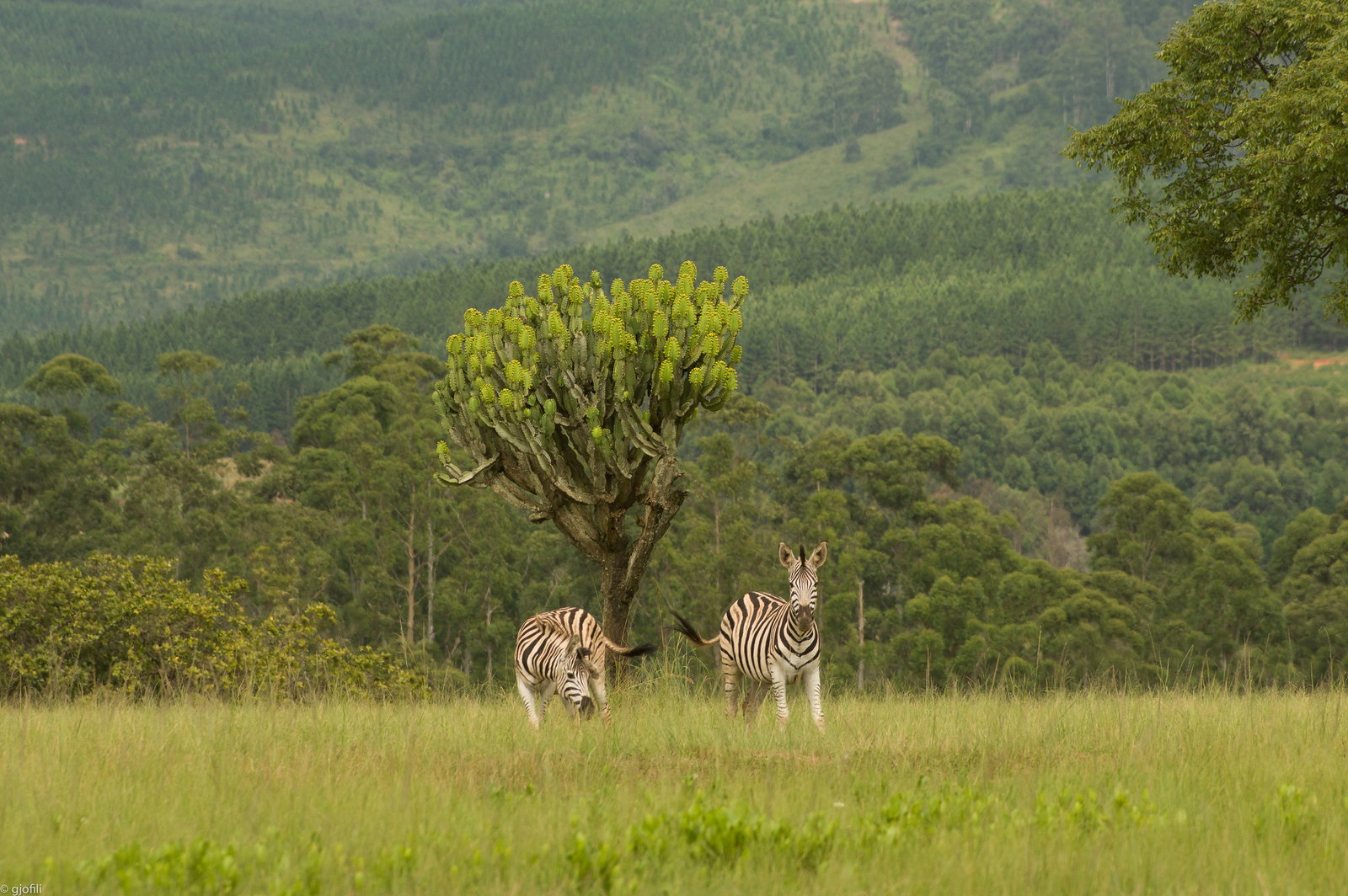
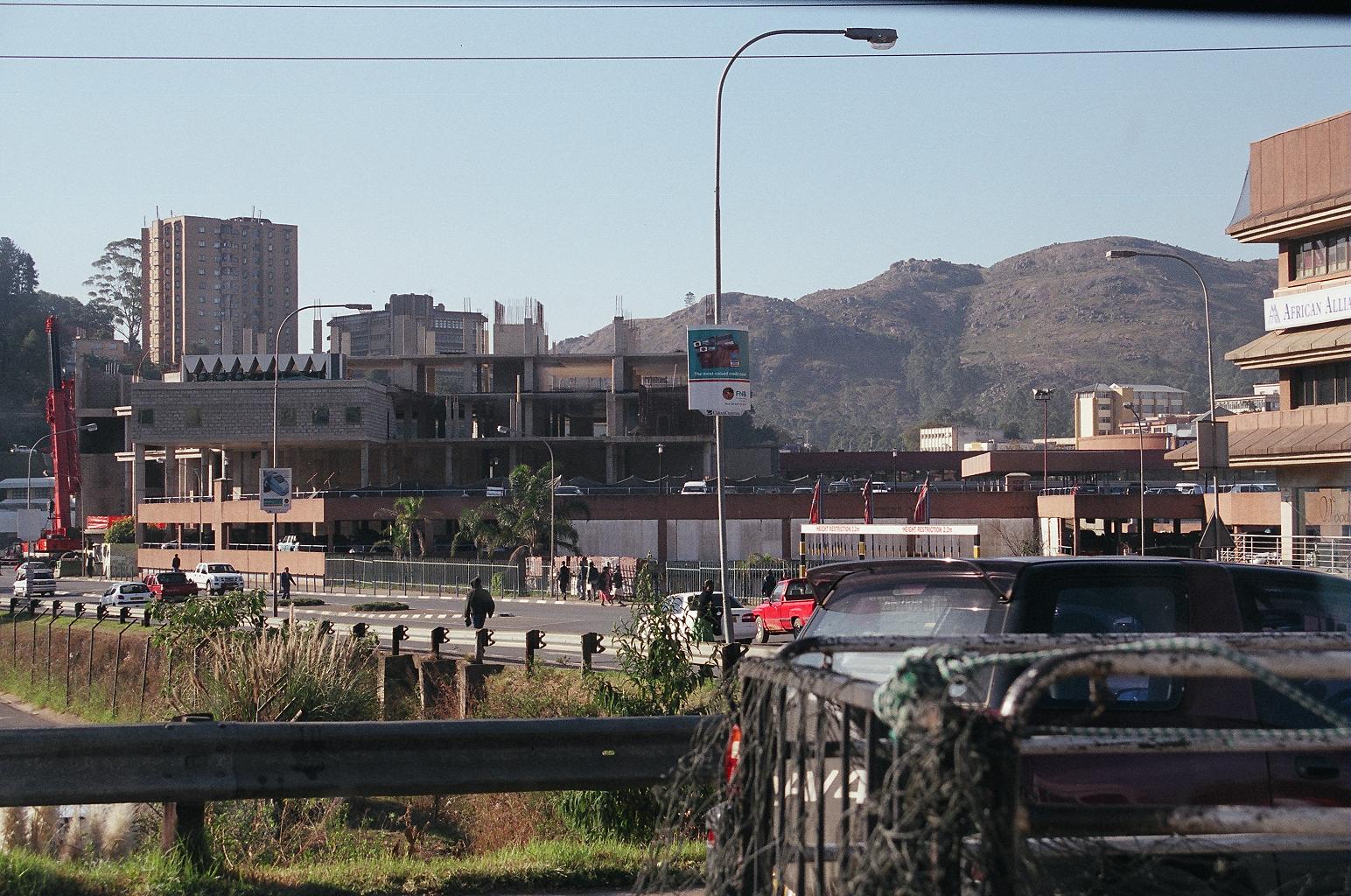
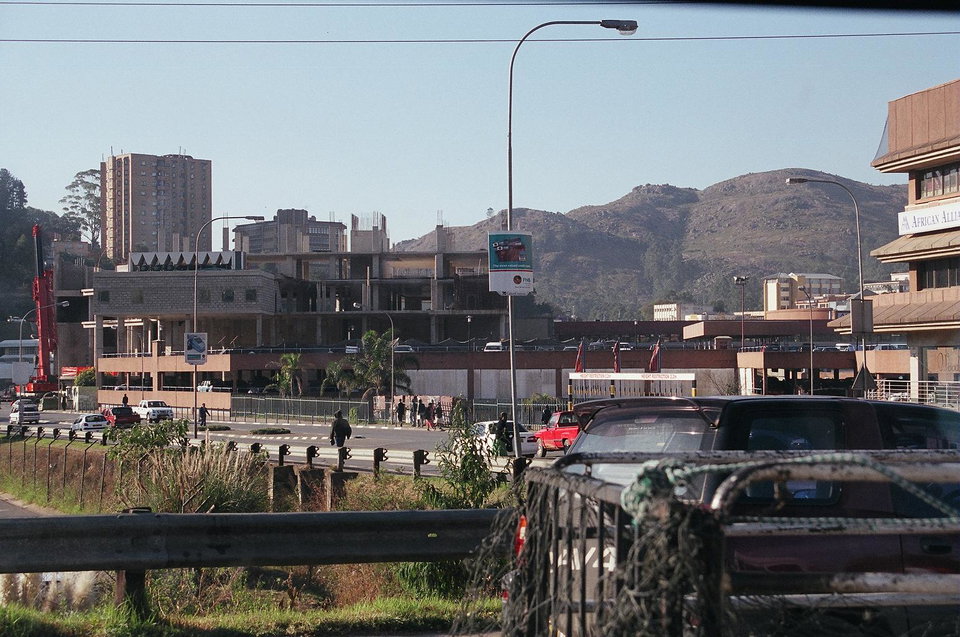
Mbabane city skyline nestled in the Dlangeni Hills, Eswatini

Destination guide

Mbabane

Hhohho Region, Northwestern Eswatini · Eswatini

A compact highland capital where Swazi culture, cool mountain air, and border-town buzz meet.

Best season

May to September (dry season) for clear skies and comfortable hiking temperatures; avoid November–January peak rains.

From Nairobi

Approximately 3.5–4.5 hours (via Johannesburg OR Tambo); no direct flights from Nairobi.

Why visit Mbabane?

Few African capitals feel as approachable as Mbabane. The city sits in a natural bowl of green hills, keeping temperatures cool and scenic views constant. Unlike larger regional hubs, it has no gridlock and no sprawling suburbs to navigate — you can walk from your hotel to the Swazi Market, grab a meal of sishwala (stiff maize porridge with meat stew), and be hiking in the hills before lunch.

Mbabane is also the cultural heartbeat of Eswatini. The city is close to the royal palace at Lobamba and the Mantenga Cultural Village, making it the best base for experiencing the annual Incwala (First Fruits Ceremony) and Umhlanga (Reed Dance) — two of Africa's most spectacular royal ceremonies. The surrounding Ezulwini Valley, nicknamed the 'Valley of Heaven', is just 20 minutes away and adds wildlife, spas, and craft galleries to the mix.

For travellers already visiting South Africa or Mozambique, a detour through Mbabane adds a genuinely distinct kingdom — different language, currency, royal traditions, and highland ecology — in a compact, hassle-free format.

  • Cool highland air at 1,240 m — a welcome escape from Southern Africa's lowveld heat.
  • Gateway to the Ezulwini Valley, Mlilwane Wildlife Sanctuary, and royal Lobamba.
  • Watch the Umhlanga Reed Dance or Incwala ceremony — two of Africa's most vivid royal traditions.
  • Browse the Swazi Market for handwoven textiles, candles, and mohair blankets made in-country.
  • Compact, walkable capital — no traffic chaos, genuine local restaurants, and friendly street life.
  • Easy road-trip add-on from Johannesburg (4–5 hrs) or Kruger's Mozambique corridor.

Best for

Cultural travellers, hiking enthusiasts, Southern Africa road-trippers, and anyone curious about Swazi royal traditions.

Trip style

Cultural immersion, short hikes, scenic drives, and craft shopping — best suited to a 2–4 night stay.

Known for

Swazi royal ceremonies (Incwala & Umhlanga), Dlangeni Hills hiking, craft markets, and proximity to the Ezulwini Valley.

Quick facts

Best time to visit

May to September (dry season) for clear skies and comfortable hiking temperatures; avoid November–January peak rains.

Currency

Swazi Lilangeni (SZL), at par with South African Rand (ZAR); both circulate freely.

Languages

siSwati and English (both official); English is widely spoken in shops, hotels, and government offices.

Visa summary

Visa-free for most nationalities including EU, UK, and US for up to 30–90 days. South African residents can enter on their ID. Confirm current rules before travel.

Flight time from Nairobi

Approximately 3.5–4.5 hours (via Johannesburg OR Tambo); no direct flights from Nairobi.

Airport / arrival

Closest airport is King Mswati III International Airport (SHO) in Manzini, about 50 km southeast of Mbabane. Metered taxis and shared combis serve the route. OR Tambo in Johannesburg is 4–5 hours by road.

Safety note

Generally safe for tourists in central areas and during daylight. Petty theft occurs; use hotel safes, avoid displaying valuables, and take registered taxis after dark.

Visa and entry

Look up entry rules by passport for travel to Eswatini on the Tsavaro visa checker.

Check visa requirements for Eswatini

Things to do

Swazi Market (Msunduza Market)Shopping & Culture

Swazi Market (Msunduza Market)

1–2 hours

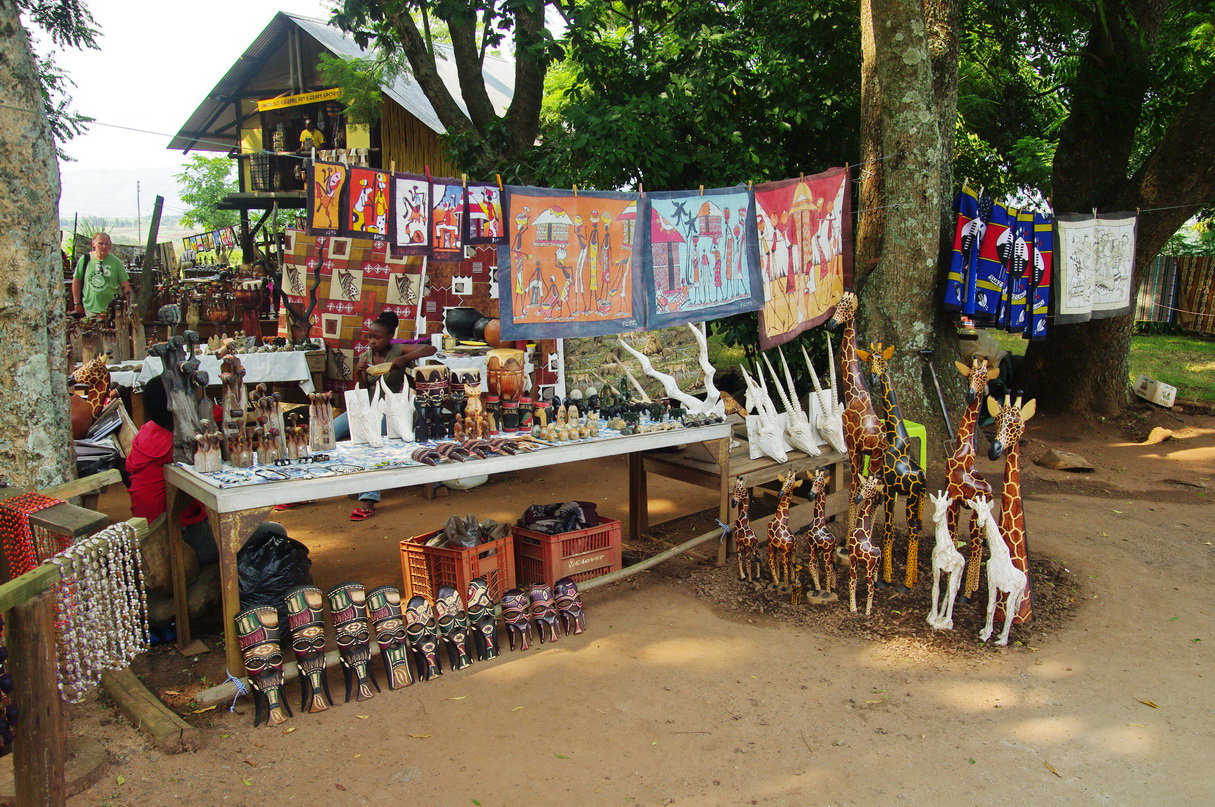
Mbabane's busiest open-air market is the best place to find handwoven Swazi baskets, tie-dye fabrics, carved wooden sculptures, and fresh produce. Bargaining is expected and the atmosphere is lively without being overwhelming.

Mlilwane Wildlife SanctuaryWildlife & Nature

Mlilwane Wildlife Sanctuary

Half day to full day

Eswatini's oldest protected area, just 20 km south of Mbabane in the Ezulwini Valley. Walk or mountain-bike alongside hippos, nyala, zebra, and warthog — no big cats, so guided bush walks are genuinely relaxed. Overnight camps make a great base.

Mantenga Cultural VillageCulture & Heritage

Mantenga Cultural Village

2–3 hours

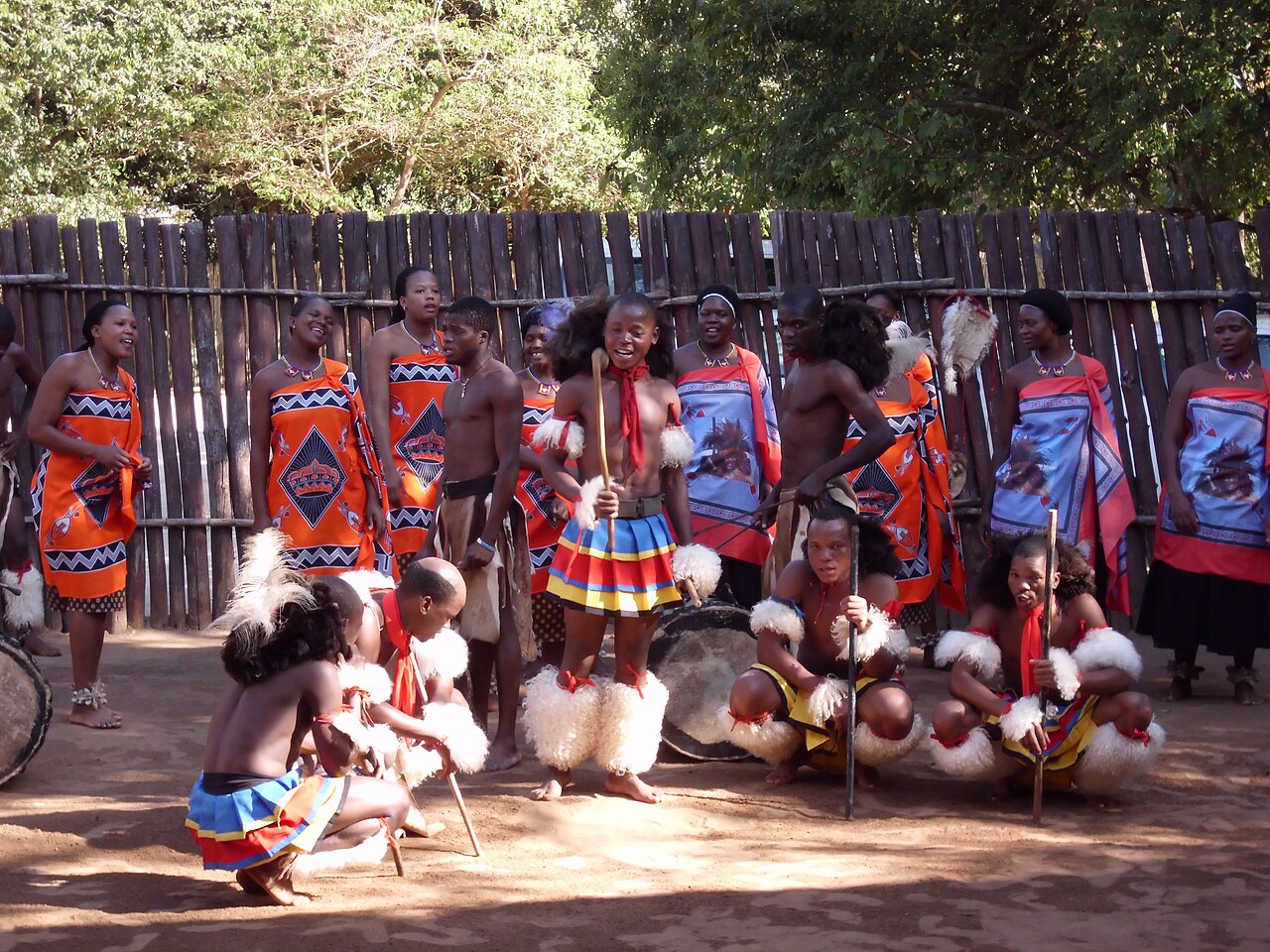
A living museum of a traditional Swazi village, with guided tours through beehive huts, cultural demonstrations, and performances of siSwati song and dance. Situated near the Mantenga Falls in the Ezulwini Valley.

Ngwenya Glass FactoryCraft & Industry

Ngwenya Glass Factory

1–2 hours

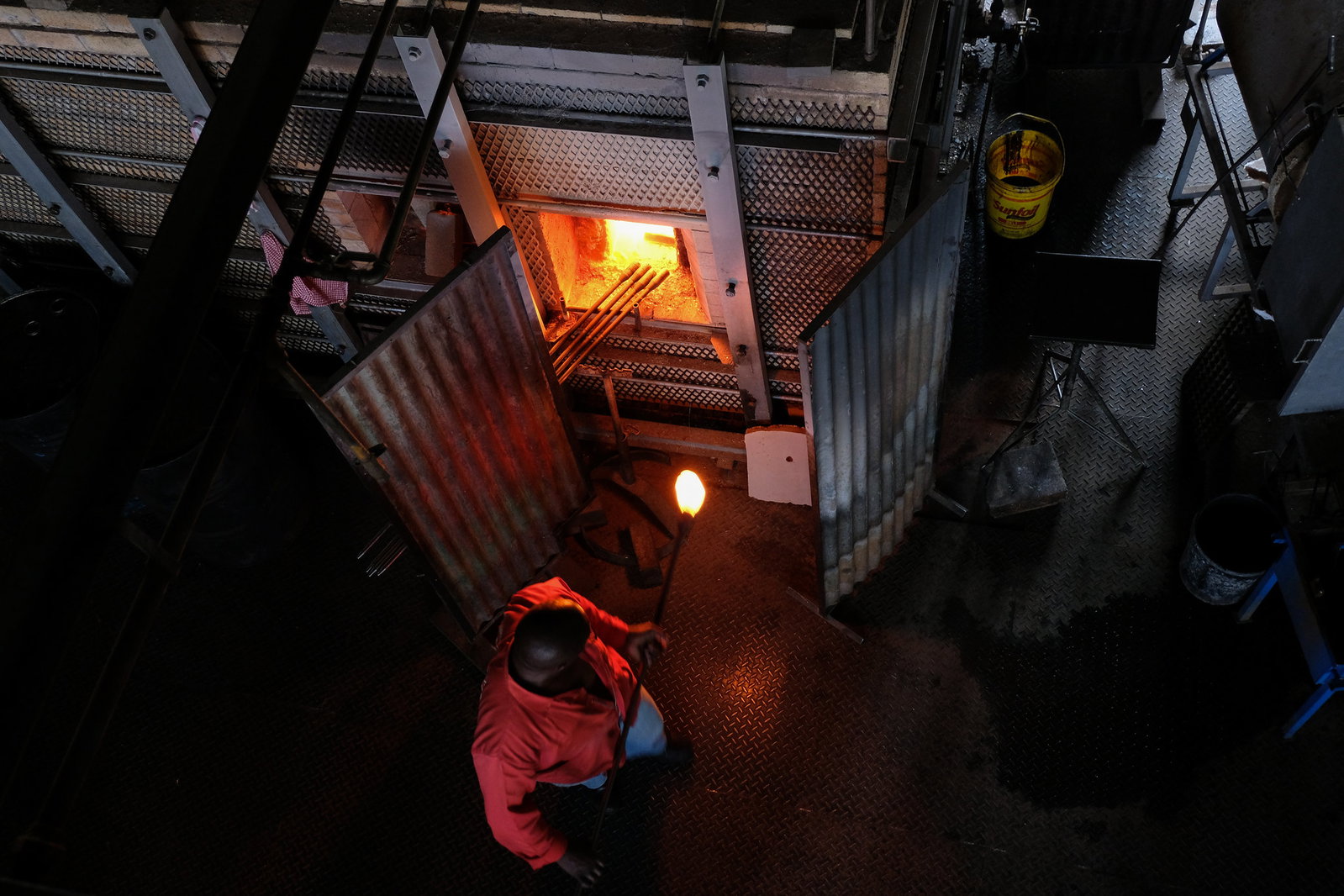
One of Africa's oldest glassblowing workshops, near the South African border. Watch artisans transform recycled glass into animals, vases, and jewellery. The adjacent Ngwenya Iron Ore Mine is one of the oldest mining sites in the world (43,000 years old).

Swazi CandlesShopping & Craft

Swazi Candles

1 hour

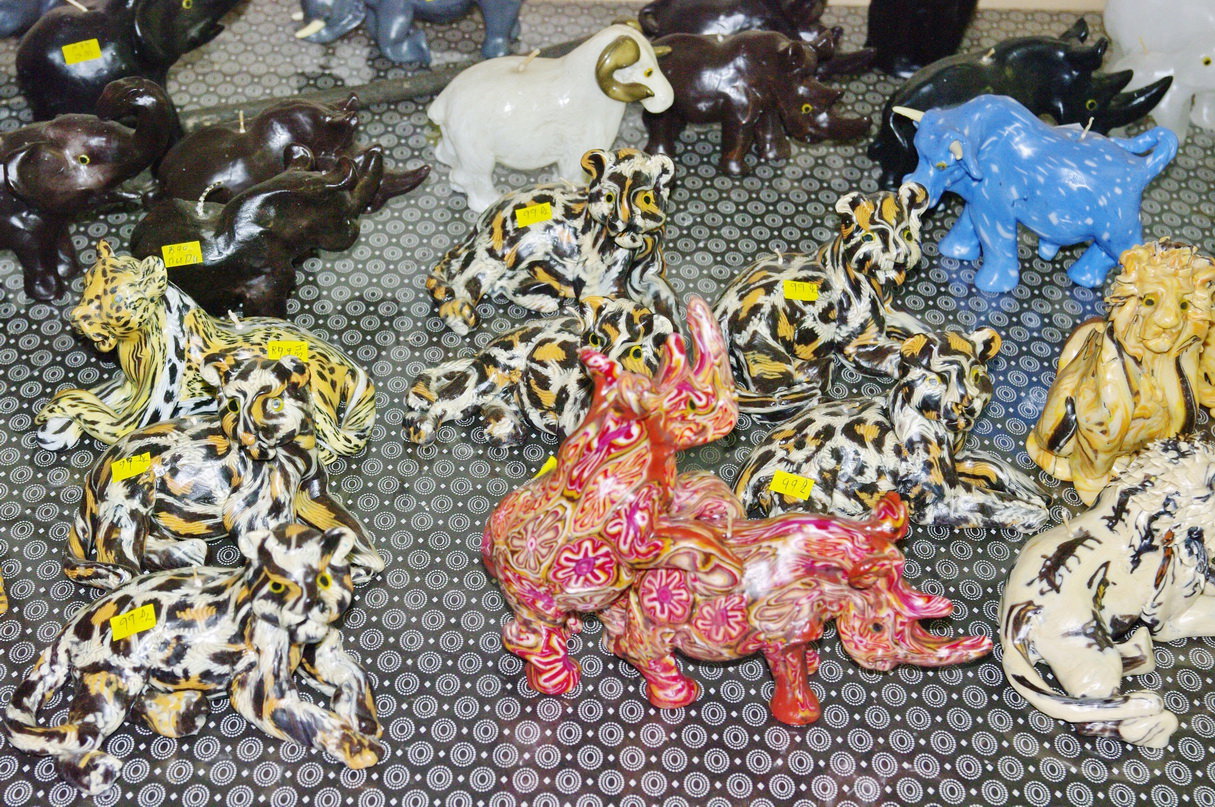
The Swazi Candles craft market near Malkerns is a 30-minute drive from Mbabane and sells vibrantly coloured hand-poured candles shaped like animals and figurines — one of Eswatini's most distinctive souvenirs.

Best time to visit Mbabane

The best time to visit Mbabane is May to September, the dry season, when skies are clear, humidity is low, and daytime temperatures in the highlands sit comfortably between 15°C and 22°C. Nights can be cold (down to 5°C in June–July), so pack a layer.

October and April are pleasant shoulder months — warm, mostly clear, with occasional afternoon showers that keep the hills lush and green.

November to March is the wet season. Mbabane receives most of its rainfall in summer thunderstorms, which can be heavy but usually pass quickly. The landscape is spectacular in its deep green, and this is the season for the Umhlanga Reed Dance (usually late August–early September) and Incwala Ceremony (December–January) — if attending these events, book accommodation many months ahead as rooms fill fast.

Avoid the Christmas–New Year peak if you dislike crowds; Mbabane itself stays manageable, but cross-border traffic from South Africa surges.

Is Mbabane safe to visit?

Yes — Mbabane is generally safe for tourists who exercise normal urban caution. Eswatini has one of the lower violent-crime rates among Southern African capitals, and the city centre is walkable during the day without significant concern.

Petty theft (bag-snatching, pickpocketing) does occur in busy market areas and around the bus rank, so keep valuables in a hotel safe, carry only what you need, and be discreet with phones and cameras.

After dark, take registered taxis rather than walking; the city is small and taxis are inexpensive. Avoid poorly lit streets on the outskirts at night.

Road safety is a more notable risk: Eswatini's highways see fast-moving traffic, and driving standards vary. If renting a car, drive defensively and avoid night driving on rural roads.

The political situation is generally calm for visitors, though Eswatini has periodic civil unrest related to pro-democracy movements. Check your government's travel advisory before departure and avoid any gatherings or protests.

Medical facilities in Mbabane are limited compared to South African cities — ensure your travel insurance covers medical evacuation, and bring any prescription medication you need.
Suggested itinerary

3 Days in Mbabane & the Ezulwini Valley

A relaxed mid-range itinerary based in Mbabane, mixing city culture, highland hikes, and wildlife day-trips through the Ezulwini Valley. Assumes private transport or a hired local driver for out-of-town days.

Day 1

Arrive, explore the city & the Swazi Market

Arrive in Mbabane and check in to your guesthouse or hotel in the city centre. Spend the afternoon exploring on foot: walk through the Swazi Market for textiles and crafts, visit the All Saints Cathedral, and stroll along Allister Miller Street for a feel of the compact downtown. In the evening, try a local restaurant for sishwala or grilled chicken with pap — the CBD has several unpretentious spots popular with locals.

Mbabane — Arrive, explore the city & the Swazi Market

Travel essentials

Getting around

Mbabane's city centre is small enough to walk. For the Ezulwini Valley, Lobamba, and outlying attractions, hire a local driver for the day (ask your guesthouse) or rent a car. Shared combis (minibus taxis) run between Mbabane and Manzini cheaply but can be crowded. Metered taxis are available in the city; agree a fare before departing.

Typical costs

Mbabane is affordable by Southern African standards. Budget guesthouses from SZL 500–800/night (≈ USD 27–43); mid-range hotels SZL 1,200–2,500/night. Meals at local restaurants cost SZL 80–200 (≈ USD 4–11). A full-day driver hire runs SZL 600–1,200 depending on distance.

Culture and etiquette

Swazi culture places high value on respect for the monarchy and elders — avoid public criticism of the king or royal family. Dress modestly when visiting rural areas, cultural villages, or any royal site. Ask permission before photographing people. The siSwati greeting 'Sawubona' (hello, singular) and 'Sanibonani' (hello, plural) are warmly appreciated.

Safety and planning

Carry a photocopy of your passport rather than the original. Use hotel safes for valuables. Take registered taxis after dark. Ensure travel insurance covers medical evacuation. Check your government's travel advisory for any current alerts around civil unrest.

Connectivity

MTN Eswatini and Eswatini Mobile (formerly Swazilink) offer 4G coverage in Mbabane and the Ezulwini Valley. Prepaid SIMs are available at the airport and phone shops in the city centre. Hotel Wi-Fi is standard at mid-range and above properties.

Payments

South African Rand is accepted almost everywhere alongside Swazi Lilangeni. ATMs (Nedbank, Standard Bank, FNB) are available in the city centre. Credit cards are accepted at larger hotels, supermarkets, and restaurants; smaller craft stalls and combis are cash-only. Carry small denominations for markets.

Mbabane travel FAQs

More destinations to explore