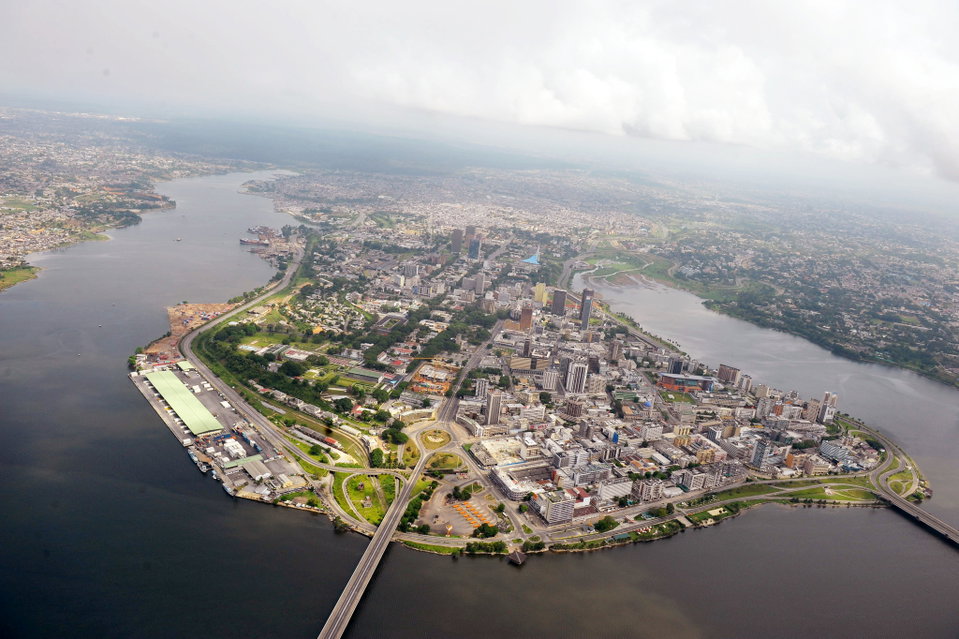
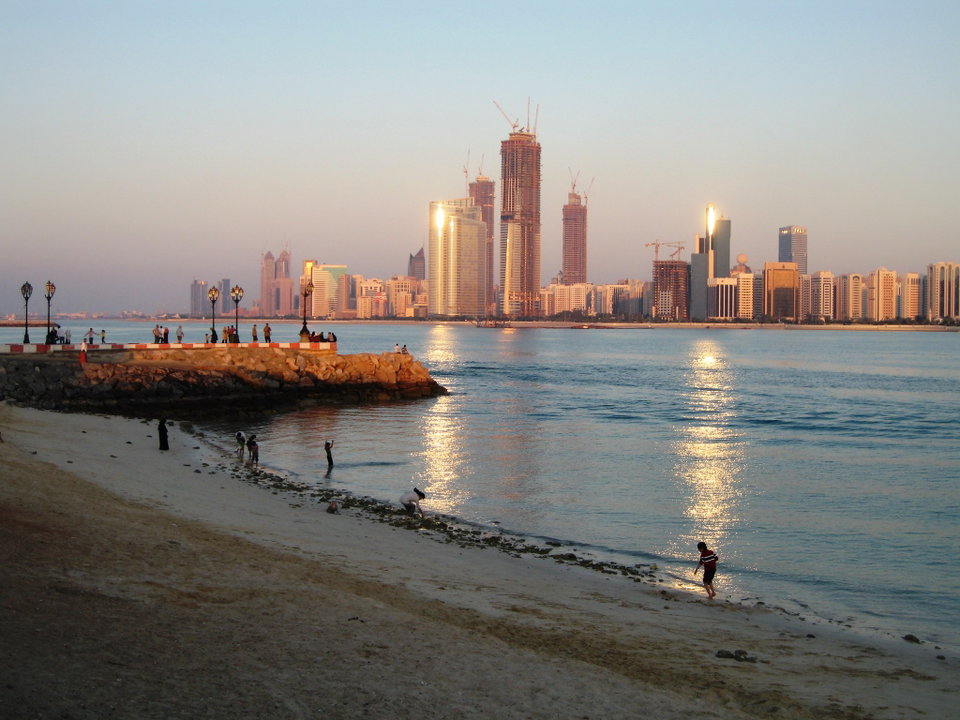
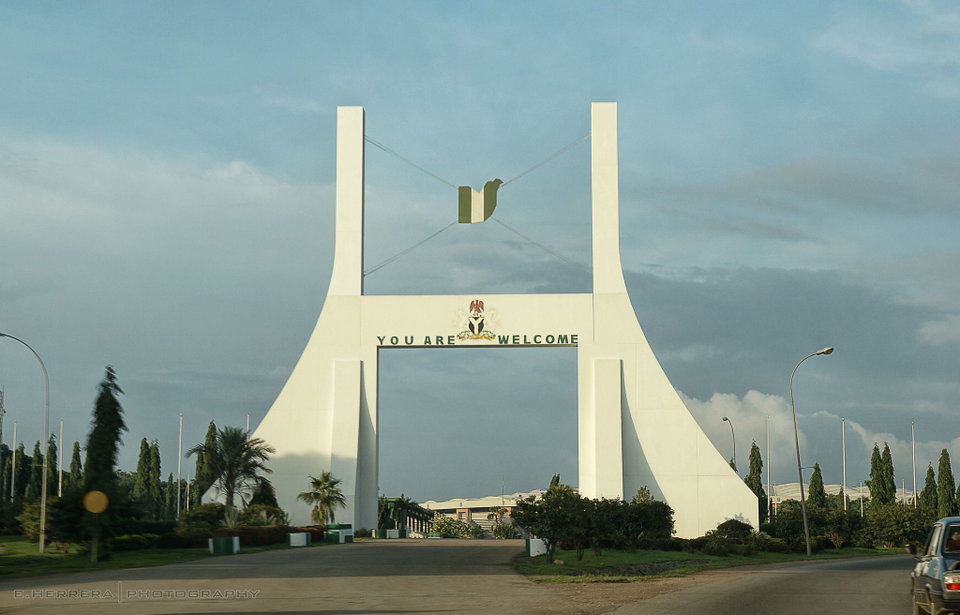
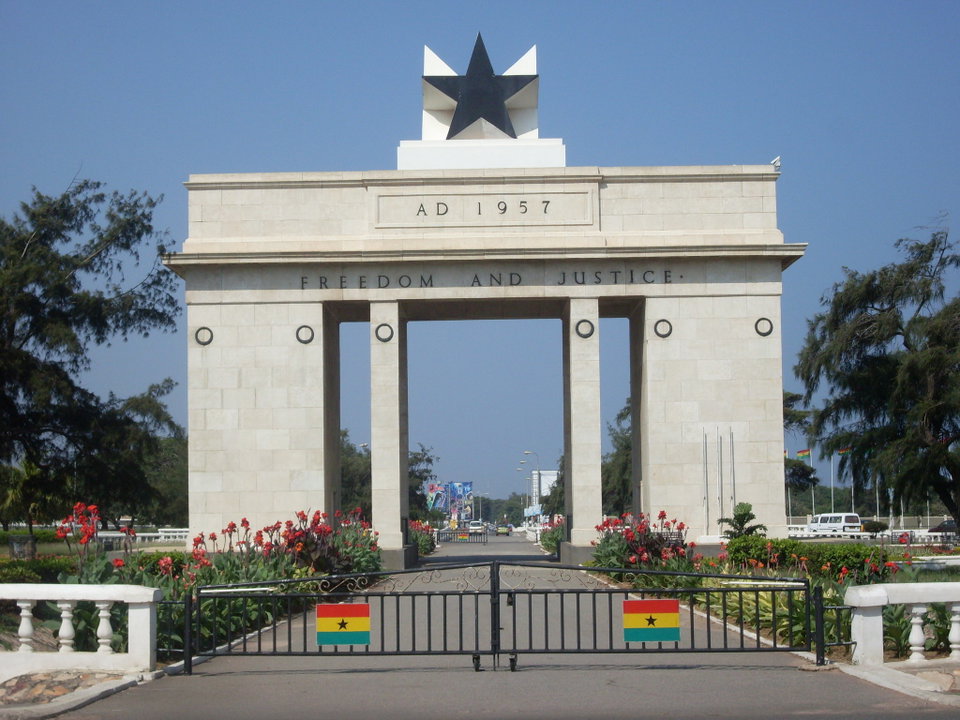
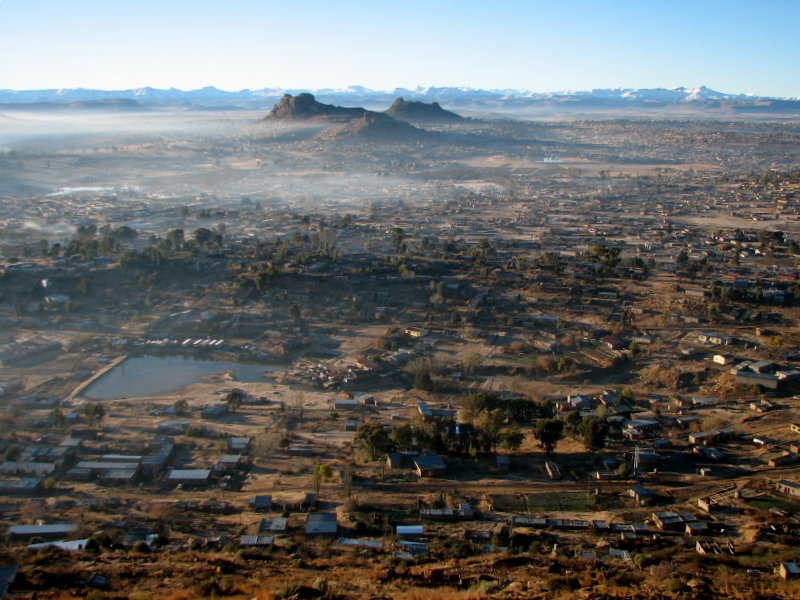
Maseru city skyline at dusk with the Maluti Mountains rising behind the rooftops

Destination guide

Maseru

Maseru District, Kingdom in the Sky · Lesotho

Lesotho's highland capital — where African city life meets the roof of the continent

Best season

May to September (dry winter) for clear skies and highland trekking; November to February for green mountain landscapes.

From Nairobi

Approximately 4–5 hours via Johannesburg O.R. Tambo (no direct service from Nairobi).

Why visit Maseru?

Maseru is the only capital city in the world entirely surrounded by a single other country, giving it an almost surreal geographic identity. Beyond that curiosity, it earns its place on the itinerary as the launchpad for Lesotho's remarkable highlands: the Sani Pass, the Maletsunyane Falls (one of Africa's tallest single-drop waterfalls), Thaba-Bosiu — the mountain fortress of legendary King Moshoeshoe I — and a network of pony-trekking routes unchanged for generations.

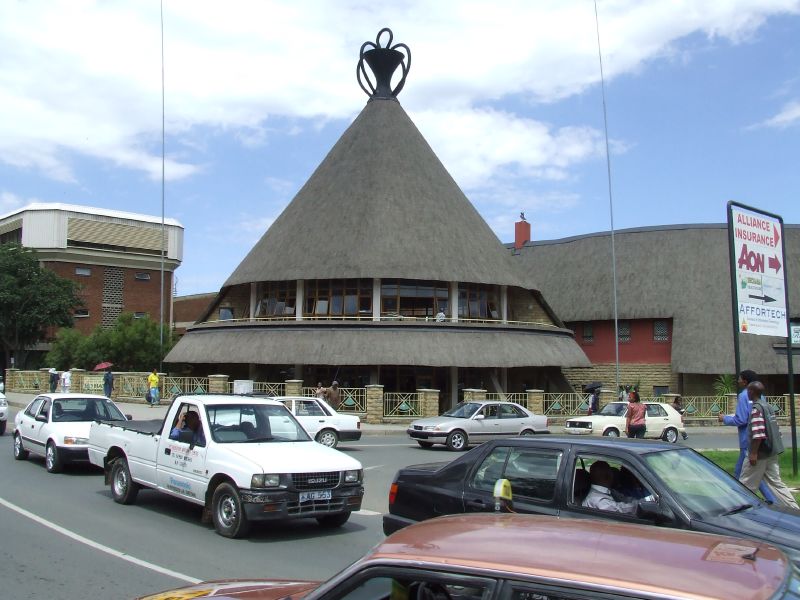
The city itself is small enough to navigate on foot in an afternoon, with Kingsway as its beating main street. Street vendors sell the iconic Basotho blanket and conical mokorotlo hat; local restaurants serve papa (maize porridge) with rich meat stews; and craft markets showcase woven goods and Lesotho's growing mohair textile industry. Cultural immersion here is genuine and unhurried — Maseru lacks the tourist infrastructure of Cape Town or Nairobi, which is precisely its charm.

  • Only capital city in the world completely encircled by a single country (South Africa)
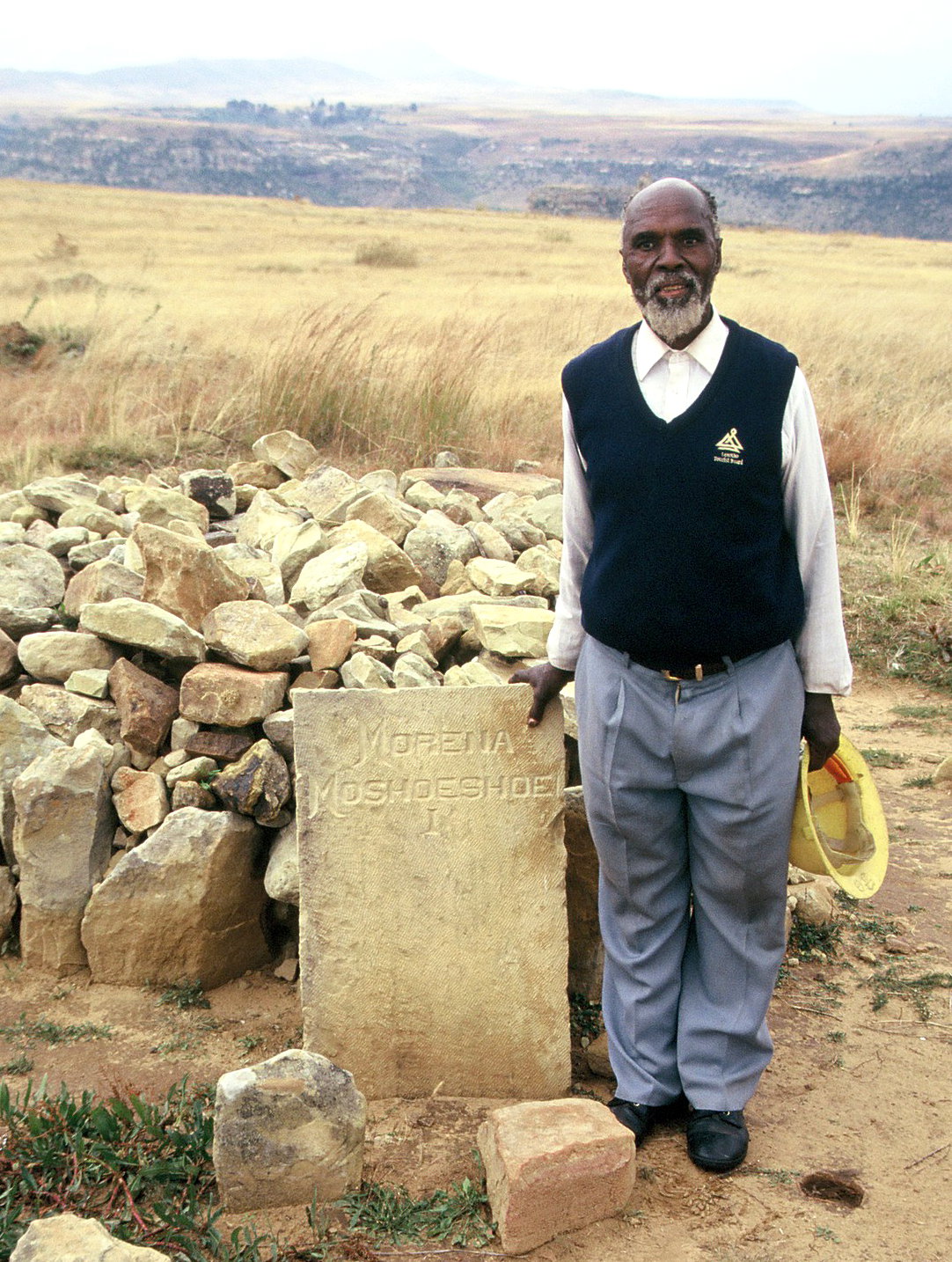
  • Gateway to Thaba-Bosiu, the unbreakable mountain stronghold of King Moshoeshoe I
  • Basotho blanket culture — vibrant street life and some of Africa's finest woven textiles
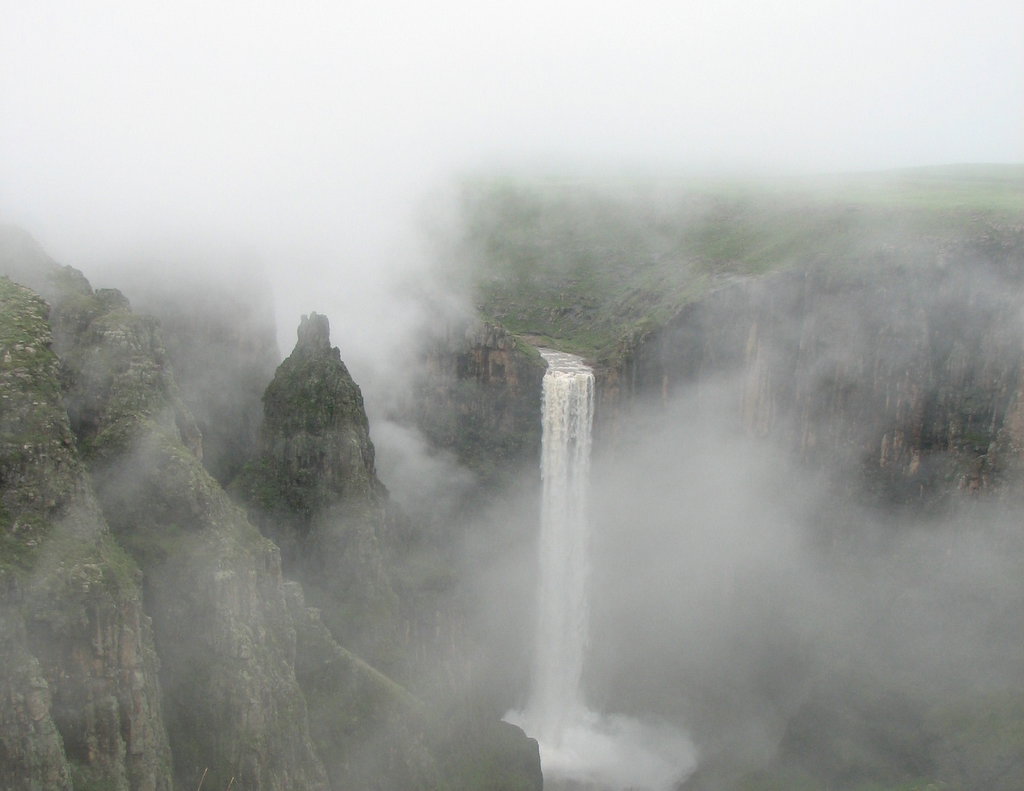
  • Easy day-trip to Maletsunyane Falls, one of Africa's highest single-drop waterfalls at 192 m
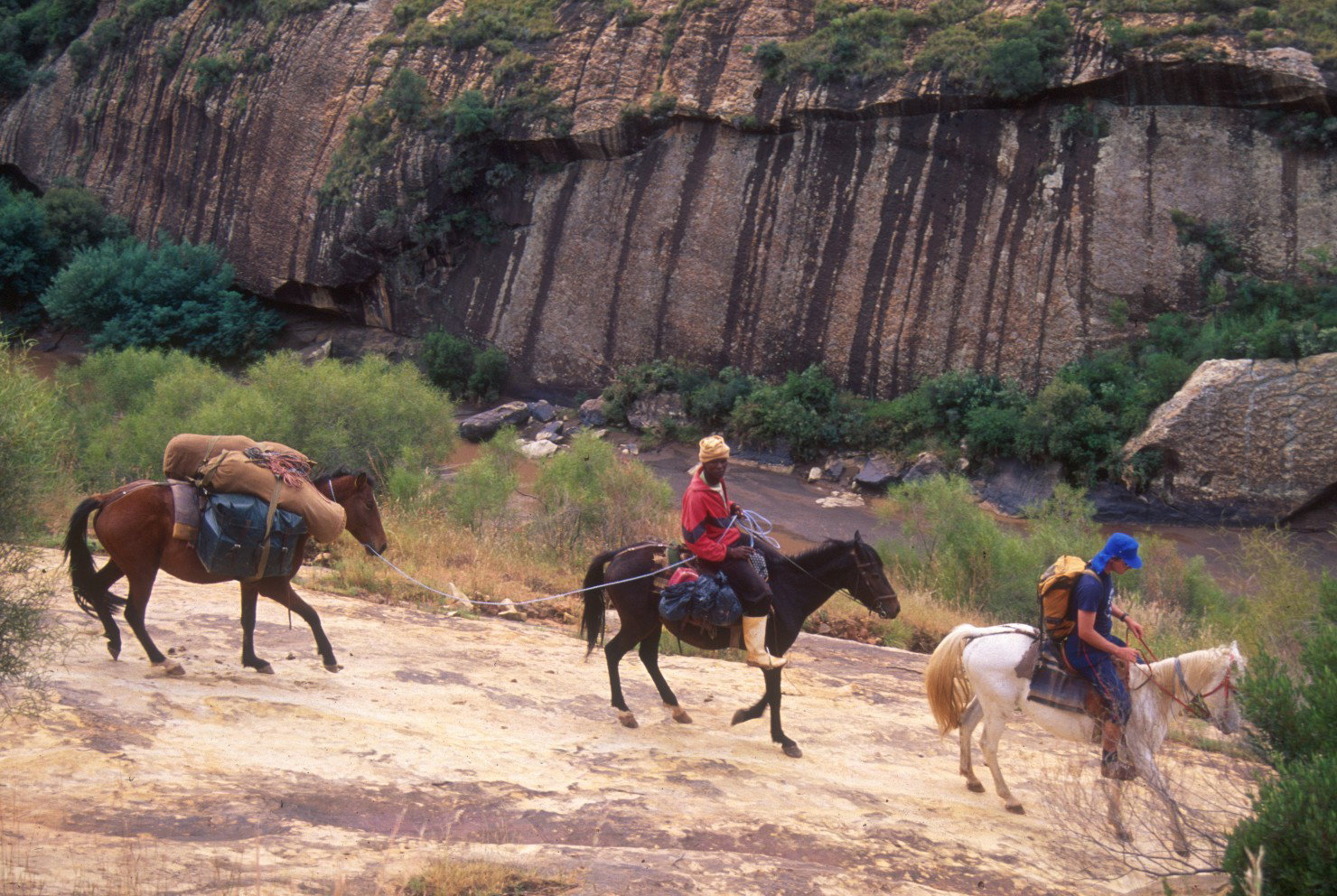
  • Maluti Mountain pony-trekking routes followed by horsemen for over 150 years
  • Affordable highland city with genuine hospitality and almost no tourist crowds

Best for

Adventure travellers, culture seekers, photographers, and anyone crossing from South Africa who wants a genuinely off-the-beaten-path African experience.

Trip style

Adventure, Culture, Mountain, Off-the-beaten-path

Known for

Basotho blankets and mokorotlo hats, mountain kingdom setting, Thaba-Bosiu fortress, pony trekking, Maletsunyane Falls, Sani Pass road trips

Quick facts

Best time to visit

May to September (dry winter) for clear skies and highland trekking; November to February for green mountain landscapes.

Currency

Lesotho Loti (LSL), pegged 1:1 with the South African Rand — Rand accepted everywhere.

Languages

Sesotho and English (both official); Zulu and Afrikaans also spoken.

Visa summary

Visa-free for most nationalities for up to 30 days; passports must be valid for 6 months beyond entry. Confirm requirements with the nearest Lesotho embassy.

Flight time from Nairobi

Approximately 4–5 hours via Johannesburg O.R. Tambo (no direct service from Nairobi).

Airport / arrival

Moshoeshoe I International Airport (MSU) lies 18 km south of the city centre; taxis take around 25 minutes. Frequent minibus taxis also cross the Maseru Bridge border post from Bloemfontein (140 km).

Safety note

Generally safe in tourist areas; petty theft exists in markets and bus ranks — keep valuables secure and avoid walking alone after dark.

Visa and entry

Look up entry rules by passport for travel to Lesotho on the Tsavaro visa checker.

Check visa requirements for Lesotho

Things to do

Visit Thaba-Bosiu National MonumentHistory & Culture

Visit Thaba-Bosiu National Monument

Half day

Climb the sandstone plateau where King Moshoeshoe I repelled Zulu, Ndebele, Boer, and British invaders throughout the 19th century. A guided walk covers the king's grave, royal ruins, and sweeping views across the lowlands. The site is 20 km east of Maseru and is the single most important historical landmark in Lesotho.

Explore the Basotho Hat (Kingsway Markets)Shopping & Culture

Explore the Basotho Hat (Kingsway Markets)

2–3 hours

Stroll Maseru's Kingsway and the surrounding craft markets to buy iconic Basotho blankets, hand-woven mohair goods, and conical mokorotlo hats. Local vendors are happy to explain the symbolic designs of each blanket pattern — a tradition central to Basotho identity from birth to death.

Day trip to Maletsunyane FallsAdventure & Nature

Day trip to Maletsunyane Falls

Full day or overnight

Drive or join a tour to the village of Semonkong (roughly 120 km south of Maseru) to see the 192 m Maletsunyane Falls — one of Africa's tallest single-drop waterfalls. Adrenaline seekers can abseil the face with a local operator; hikers can reach the base via a guided canyon trail.

Pony Trekking in the Maluti FoothillsAdventure

Pony Trekking in the Maluti Foothills

Half day to multi-day

Lesotho's Basotho pony is a hardy mountain breed uniquely adapted to high-altitude terrain. Half-day and multi-day rides depart from lodges on the city's outskirts and from Semonkong. Trails cross rivers, pass rondavel villages, and follow ridgelines with extraordinary views — no riding experience required for gentler routes.

Drive the Sani Pass to Sani TopAdventure & Scenic

Drive the Sani Pass to Sani Top

Full day or overnight

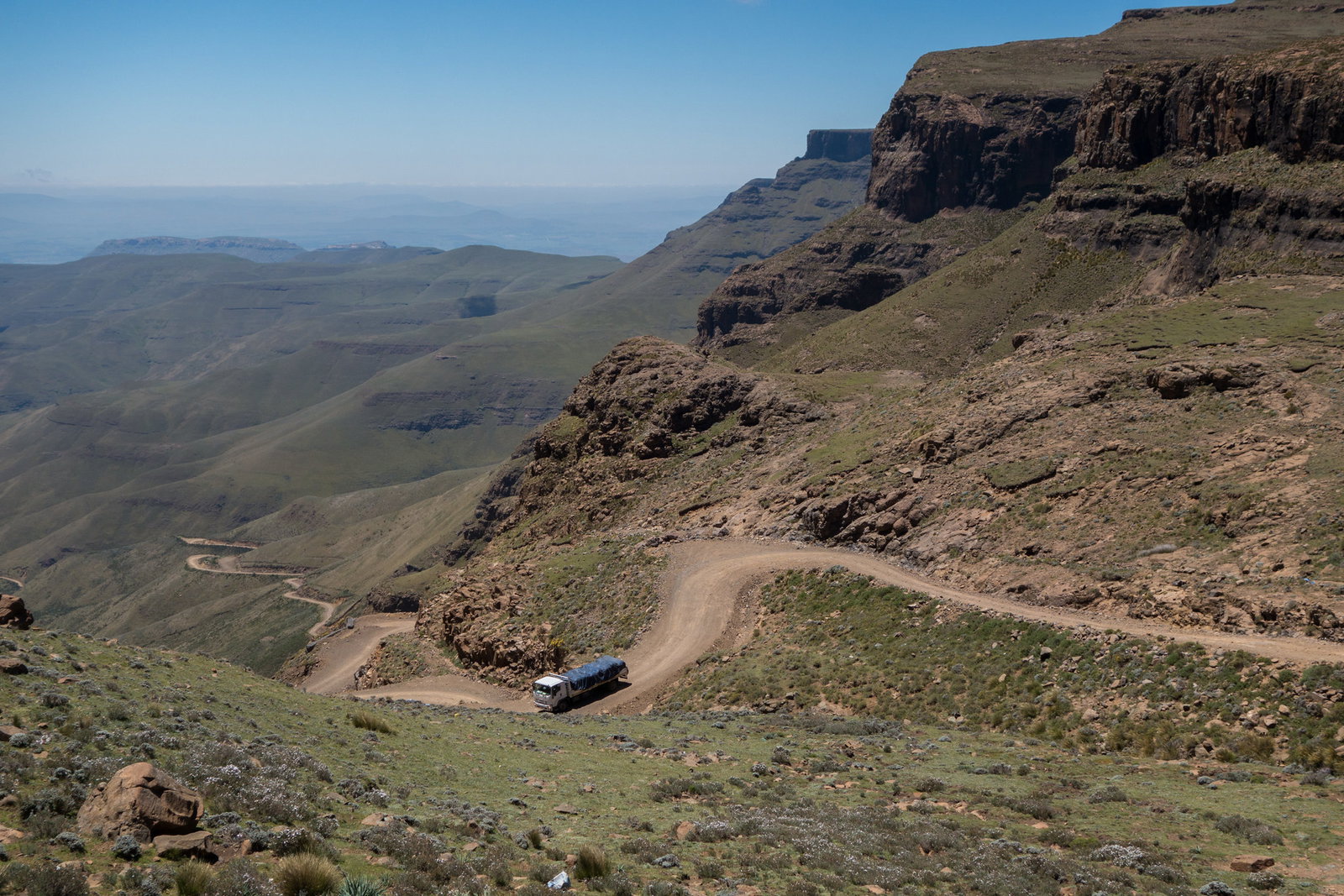
The Sani Pass road climbs from the Lesotho border gate up a legendary series of switchbacks to Sani Top at 2,874 m — officially one of the highest pubs in Africa. A 4WD is required for the Lesotho side. Tour operators from Maseru run day and overnight excursions with stops at viewpoints above the clouds.

Best time to visit Maseru

The best time to visit Maseru and the Lesotho highlands is May to September — the dry winter season. Days are clear and sunny with low humidity, mountain views are at their sharpest, and road conditions on highland routes are most reliable. Temperatures in Maseru itself are mild (12–22°C by day) but highland areas above 2,500 m can drop well below freezing at night, so pack layers.

June to August is the coldest period — snowfall is possible in the highlands and the Afriski Mountain Resort above Oxbow opens for skiing, making this season exciting for winter sports enthusiasts. Maseru city remains accessible year-round.

October to April is the summer and rainy season. The Maluti Mountains turn brilliantly green, wildflowers bloom, and Maletsunyane Falls runs at its most powerful. However, afternoon thunderstorms are common, some highland dirt roads become impassable when wet, and river crossings on trekking routes can be dangerous. November and March-April are the best months within this window — avoiding the peak rains of December to February.
Is Maseru safe to visit?

Yes — Maseru is generally safe for tourists who take standard urban precautions. The city centre and main tourist sites have a visible police presence and most visitors experience no problems. The main risks are opportunistic petty theft (pickpocketing and bag snatching in crowded markets and the bus rank area) rather than violent crime targeting tourists.

Practical tips: avoid displaying expensive cameras, phones, or jewellery in busy street areas; do not walk alone after dark, particularly away from Kingsway and well-lit hotel districts; use reputable taxis rather than unmarked vehicles; and keep copies of your passport and travel documents separately from the originals. The Lesotho Mounted Police Service runs a dedicated Tourist Police unit.

Road travel in the highlands requires extra care — mountain roads can be steep, unpaved, and subject to sudden mist or ice in winter (June–August). A 4WD is strongly recommended beyond the main paved routes. Check road conditions locally before setting out.

Suggested itinerary

Maseru & Lesotho Highlands: 5-Day Itinerary

This plan is based in Maseru for nights 1 and 5, with two nights in the highlands mid-trip. It suits independent travellers with a hire car (4WD recommended) or those joining a small-group tour from Johannesburg or Bloemfontein. Budget to mid-range throughout.

Day 1

Arrive in Maseru — Kingsway & Craft Markets

Arrive at Moshoeshoe I International Airport or cross the Maseru Bridge from Bloemfontein. Check in and walk Kingsway to get your bearings. Browse the craft stalls for Basotho blankets and pick up a mokorotlo hat as a souvenir. Have dinner at a local restaurant — try papa with lamb stew or grilled chicken. Early night to acclimatise to the altitude.

Maseru — Arrive in Maseru — Kingsway & Craft Markets

Travel essentials

Getting around

Within Maseru, shared minibus taxis run fixed routes cheaply but can be crowded; metered taxis and app-based rides are available for more comfort. For highland excursions a rental 4WD (available in Maseru and at the airport) is strongly recommended. Domestic buses connect Maseru to towns like Mafeteng, Mohale's Hoek, and Mokhotlong, though journey times are long on mountain roads.

Typical costs

Maseru is affordable by regional standards. Budget guesthouses cost USD 25–50/night; mid-range hotels USD 60–120/night. Meals at local restaurants run USD 3–8; international restaurants USD 10–20. Guided tours to Thaba-Bosiu or Semonkong typically cost USD 30–80 per person depending on group size and inclusions.

Culture and etiquette

Basotho culture values respect and courtesy. Greet people before launching into conversation — 'Lumela' (singular) or 'Lumelang' (plural) is the Sesotho greeting. Ask permission before photographing individuals, especially in rural areas. The Basotho blanket is a cultural symbol, not a costume — admire it but avoid wearing one flippantly. Dress modestly when visiting rural villages or traditional ceremonies.

Safety and planning

Carry a colour copy of your passport rather than the original when out exploring. Register with your embassy if staying more than a few days. Altitude sickness is rare at Maseru's 1,600 m but can affect visitors who ascend quickly to highland areas above 3,000 m — ascend gradually and stay hydrated. Travel insurance covering medical evacuation is strongly advised for highland trekking.

Connectivity

Lesotho has 4G LTE coverage in Maseru and along main routes via Vodacom Lesotho and Econet Telecom Lesotho. Buy a local SIM at the airport or any mobile shop on Kingsway. Wi-Fi is available in most mid-range and upmarket hotels. Coverage drops to 2G or zero in remote highland areas.

Payments

Cash is king outside the city centre. ATMs are available on Kingsway and at major shopping centres (Lesotho Loti and South African Rand both dispensed). Major hotels and upmarket restaurants accept Visa and Mastercard. Street markets and rural guesthouses are cash only. Carry small denomination Loti/Rand for taxis and markets.

Maseru travel FAQs

More destinations to explore