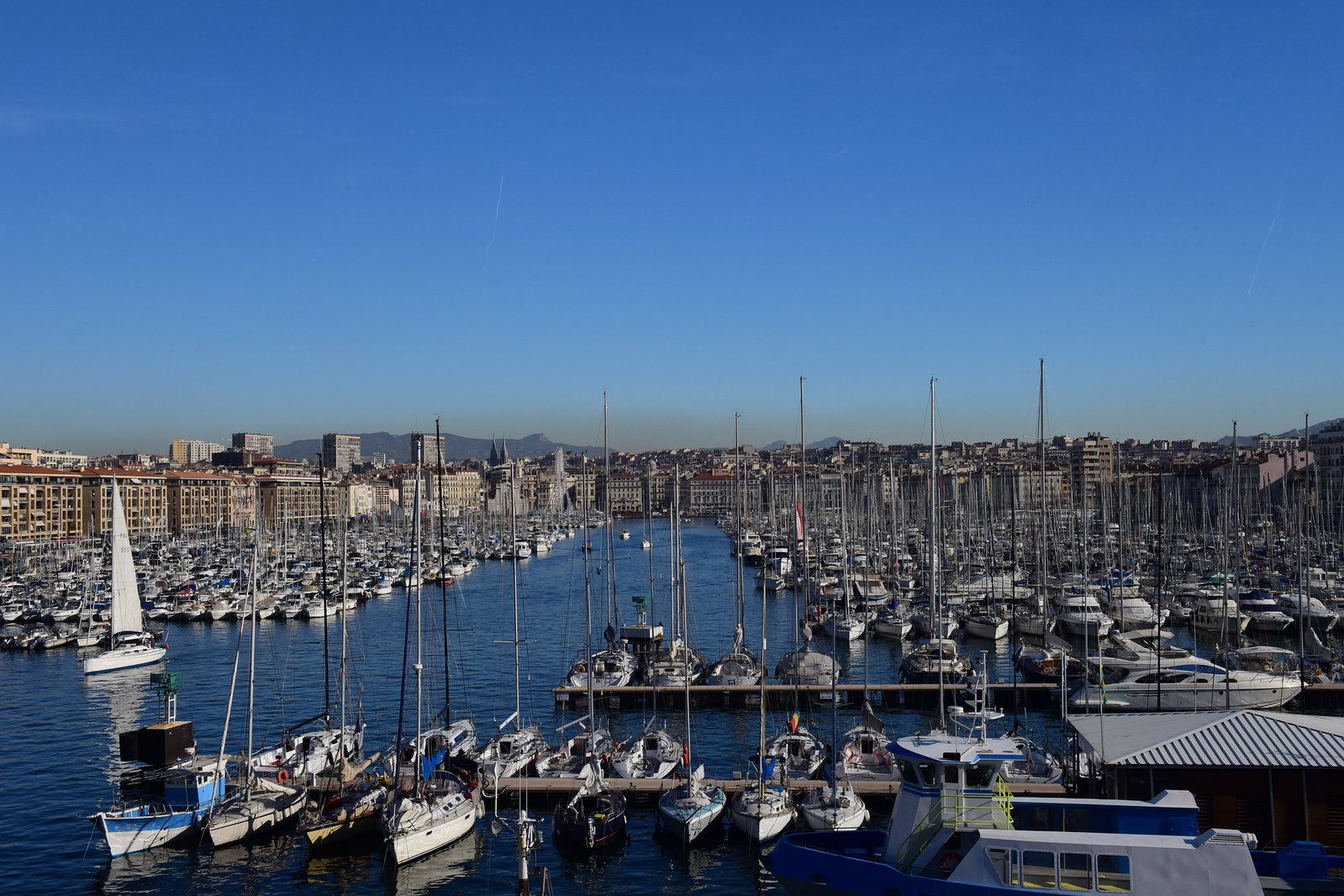
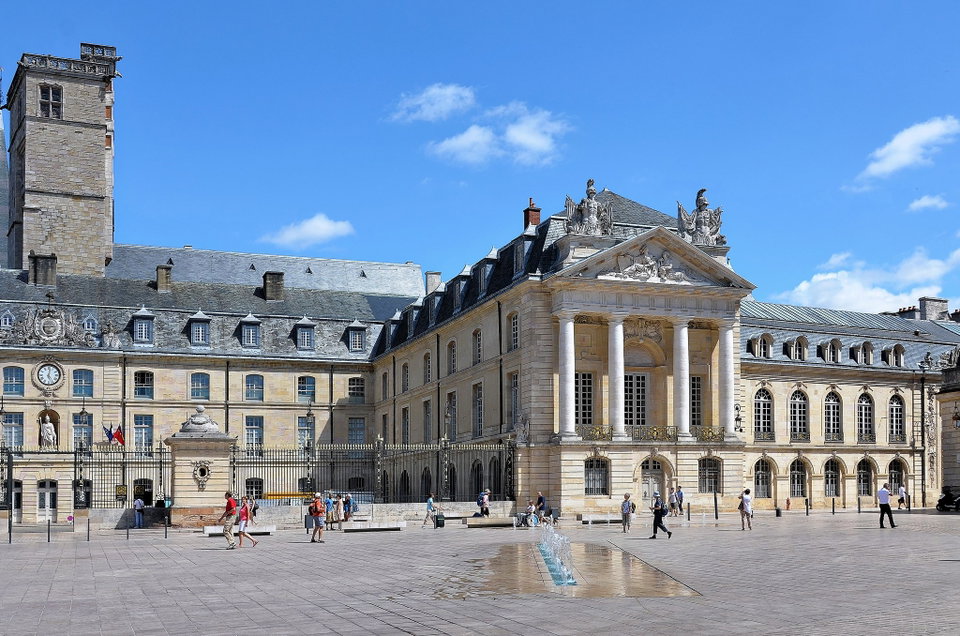
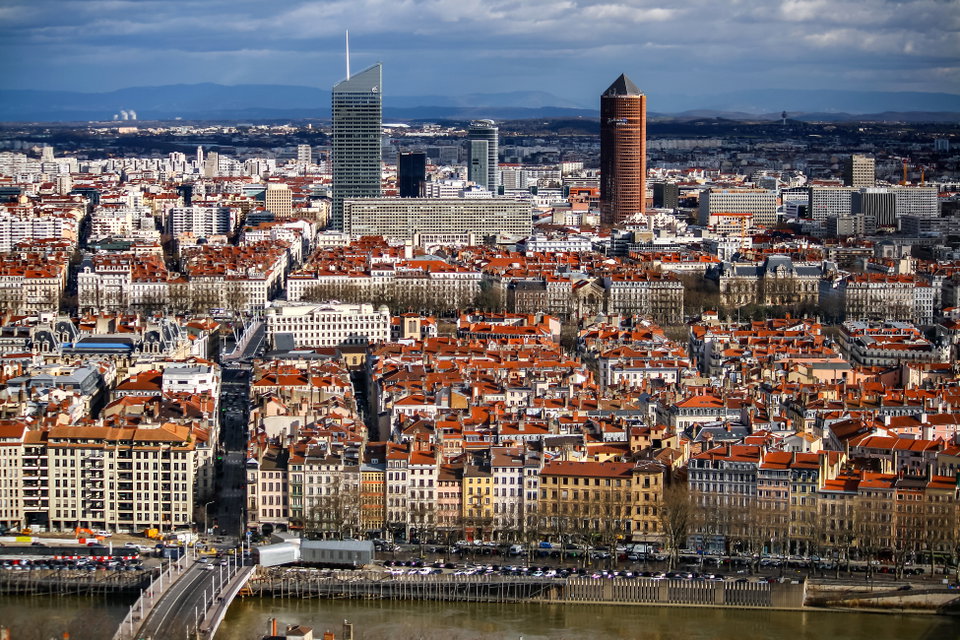
Marseille's Vieux-Port at golden hour, fishing boats moored in the foreground and the Basilique Notre-Dame de la Garde crowning the hilltop beyond

Destination guide

Marseille

Provence-Alpes-Côte d'Azur · France

France's oldest city: raw, sun-baked, and gloriously unpolished

Best season

May to June and September to October for warm, dry weather without peak-summer crowds.

From Nairobi

Approximately 8–9 hours direct; more commonly 10–14 hours with one stop (typically Paris CDG, Istanbul, or Dubai).

Why visit Marseille?

Marseille is the anti-postcard. Unlike the curated beauty of the Côte d'Azur to its east, it wears its contradictions openly — ancient ramparts beside brutalist housing blocks, luxury yachts moored next to weather-beaten fishing boats, Michelin-starred restaurants within walking distance of the best cheap North African street food in France.

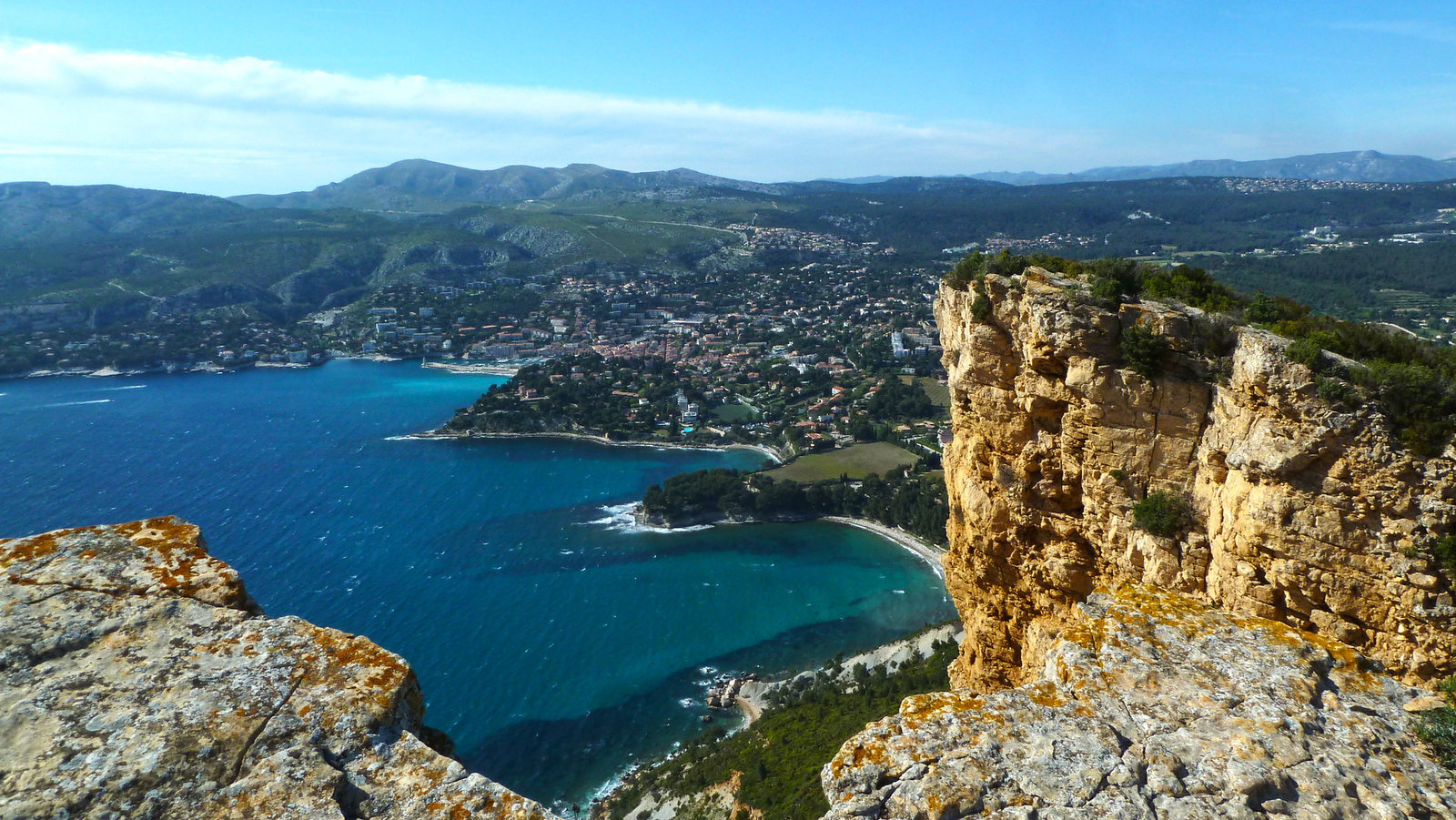
The city's coastline alone justifies the trip. The Calanques — a 20-kilometre stretch of fjord-like limestone inlets with turquoise water — begin almost at the city limits and offer some of the finest swimming, snorkelling, and hiking in the western Mediterranean. Back in the city, the hilltop Basilique Notre-Dame de la Garde watches over everything, and the rebooted MuCEM (Museum of European and Mediterranean Civilisations) has made Marseille a serious destination for contemporary culture.

Marseille also rewards those who eat well. Bouillabaisse — the city's iconic saffron-and-rouille fish stew — was invented here, and the covered Marché de Noailles is one of the most vibrant food markets in southern France. For a city often dismissed as rough, it is unexpectedly generous.

  • Kayak into the Calanques — dramatic limestone fjords with water so clear you can see the seabed 10 metres down.
  • Watch the morning fish auction at the Vieux-Port, where the same ritual has played out for 2,600 years.
  • Climb to Notre-Dame de la Garde for a panorama that takes in the city, the islands, and the open sea.
  • Eat a proper bouillabaisse with rouille and croutons — Marseille's greatest gift to world cuisine.
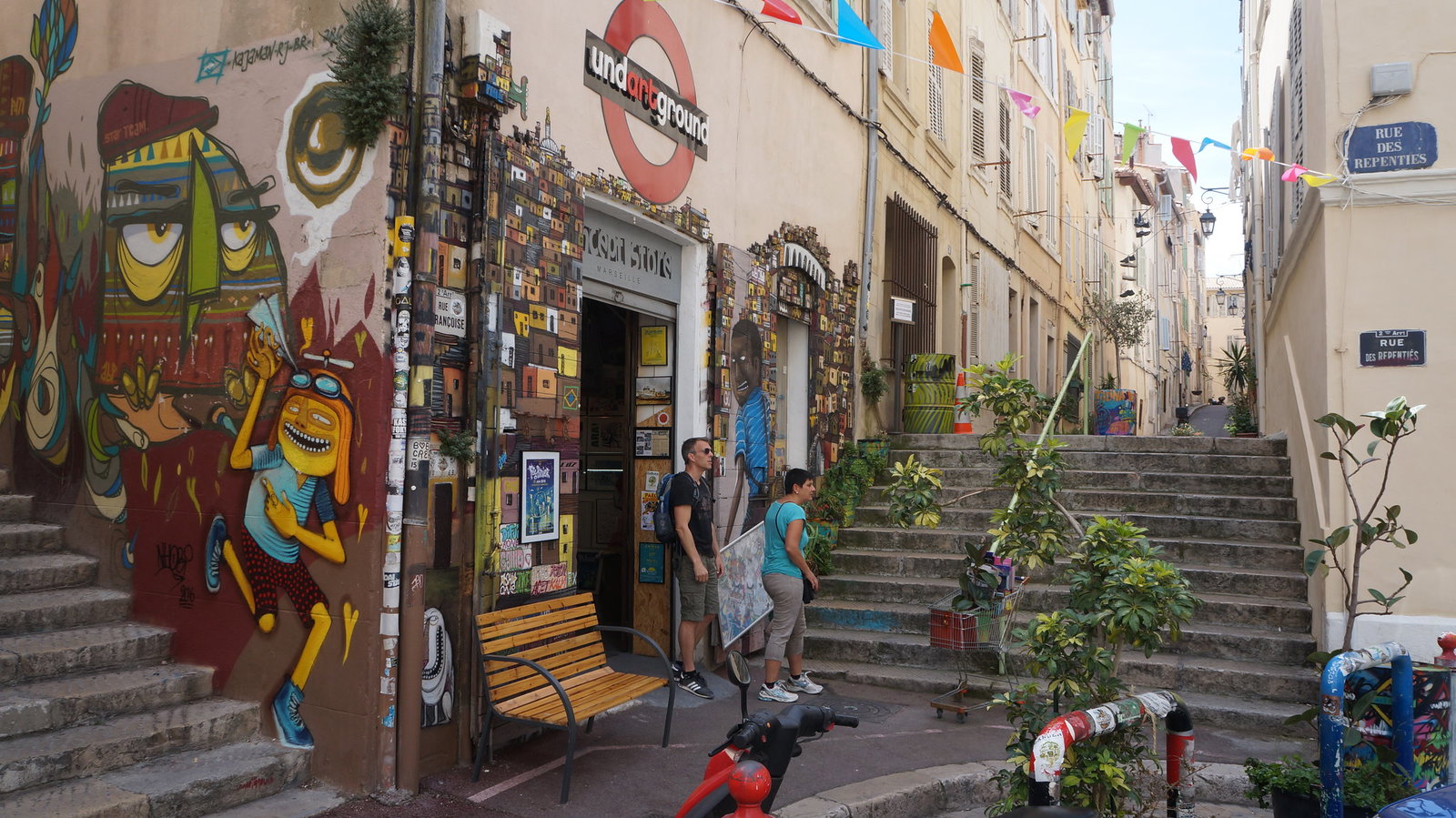
  • Lose yourself in Le Panier, the oldest quarter, where street art covers medieval walls and every staircase leads somewhere unexpected.
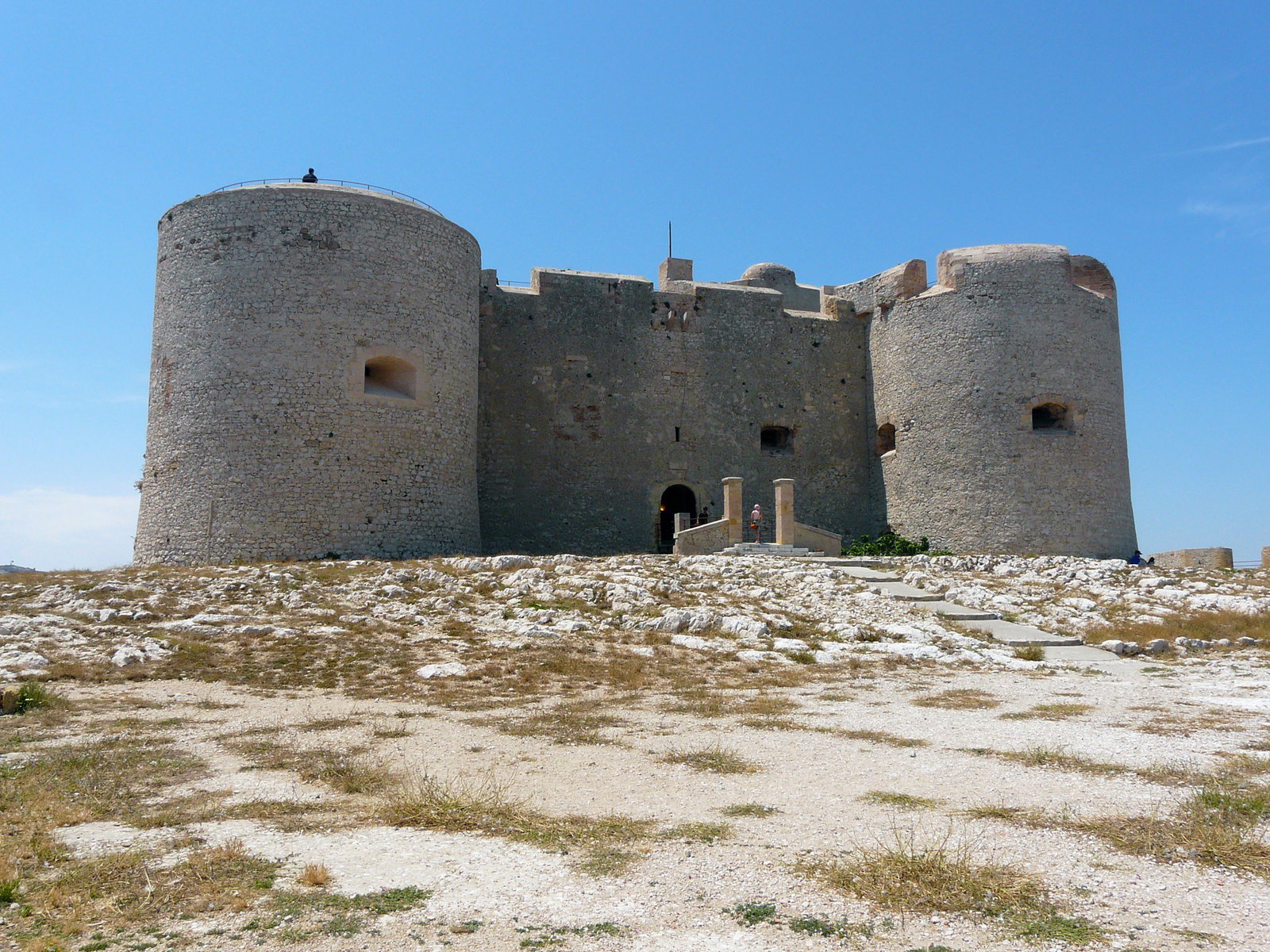
  • Cross to the Château d'If — the island fortress that inspired Alexandre Dumas and once held France's most feared political prisoners.

Best for

Coastal hiking, authentic French city life, seafood and Mediterranean cuisine, culture, street art, and weekend breaks from northern Europe.

Trip style

City break, coastal adventure, food & culture

Known for

Bouillabaisse, the Calanques, Vieux-Port, Notre-Dame de la Garde, MuCEM, Panier neighbourhood, pétanque, and a famously passionate football club (Olympique de Marseille)

Quick facts

Best time to visit

May to June and September to October for warm, dry weather without peak-summer crowds.

Currency

Euro (EUR)

Languages

French; Arabic and Comorian widely spoken in some neighbourhoods.

Visa summary

No visa required for EU/EEA and Schengen nationals. Non-EU visitors should check ETIAS requirements (launching 2025). Standard Schengen rules apply.

Flight time from Nairobi

Approximately 8–9 hours direct; more commonly 10–14 hours with one stop (typically Paris CDG, Istanbul, or Dubai).

Airport / arrival

Marseille Provence Airport (MRS) is 25 km north-west of the city. Shuttle buses (Navette Marseille) run to Saint-Charles train station every 15–20 minutes; journey time around 25 minutes.

Safety note

Generally safe for tourists; exercise normal urban caution in the northern arrondissements (13th–15th) and around La Canebière at night. The historic centre, Vieux-Port, and coastal areas are well-policed and busy with visitors.

Visa and entry

Look up entry rules by passport for travel to France on the Tsavaro visa checker.

Check visa requirements for France

Things to do

Hike and swim in the Calanques National ParkOutdoor & Nature

Hike and swim in the Calanques National Park

Half day to full day

The Parc National des Calanques stretches 20 km along the coast south-east of the city. The inlets of Morgiou, Sormiou, En-Vau, and Port-Pin are accessible on foot from Marseille's southern arrondissements or by boat from the Vieux-Port. Summer access on foot is sometimes restricted due to fire risk — check conditions before you go.

Explore the Vieux-Port and morning fish marketCulture & History

Explore the Vieux-Port and morning fish market

1–2 hours

The Old Port is the city's irreducible centre — every visitor ends up here. Arrive before 8 am on weekdays to watch fishermen sell the night's catch directly from their boats. The surrounding quays are lined with cafés, and the ferry to the islands leaves from the southern wharf.

Visit MuCEM — Museum of European and Mediterranean CivilisationsCulture & History

Visit MuCEM — Museum of European and Mediterranean Civilisations

2–3 hours

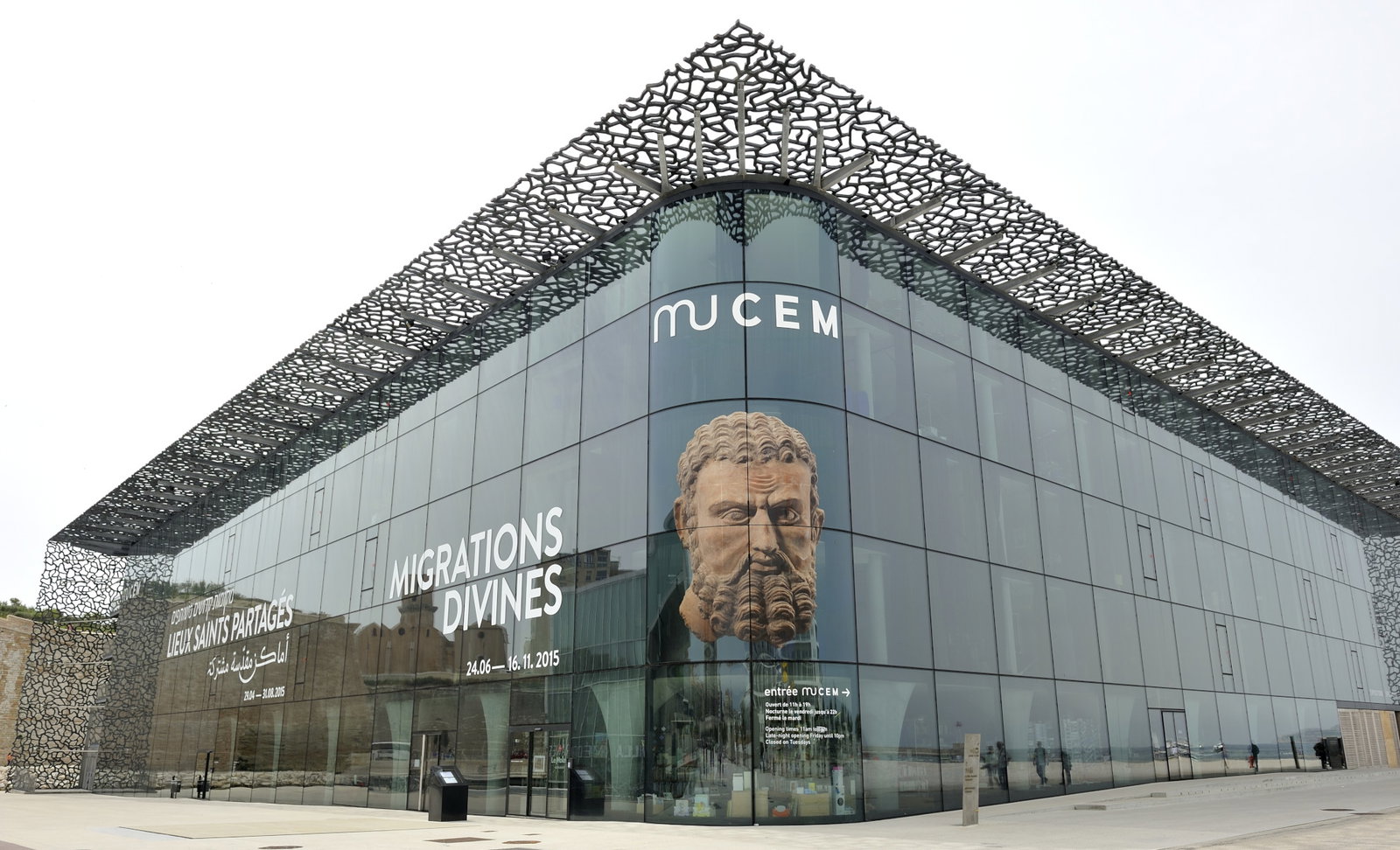
Opened in 2013 to coincide with Marseille's year as European Capital of Culture, MuCEM occupies a striking concrete-lattice building at the entrance to the Vieux-Port. Its permanent collection traces 7,000 years of Mediterranean history; temporary exhibitions are consistently excellent. A rooftop walk-way connects to Fort Saint-Jean, a 17th-century fortress with free access.

Climb to the Basilique Notre-Dame de la GardeCulture & History

Climb to the Basilique Notre-Dame de la Garde

1–2 hours

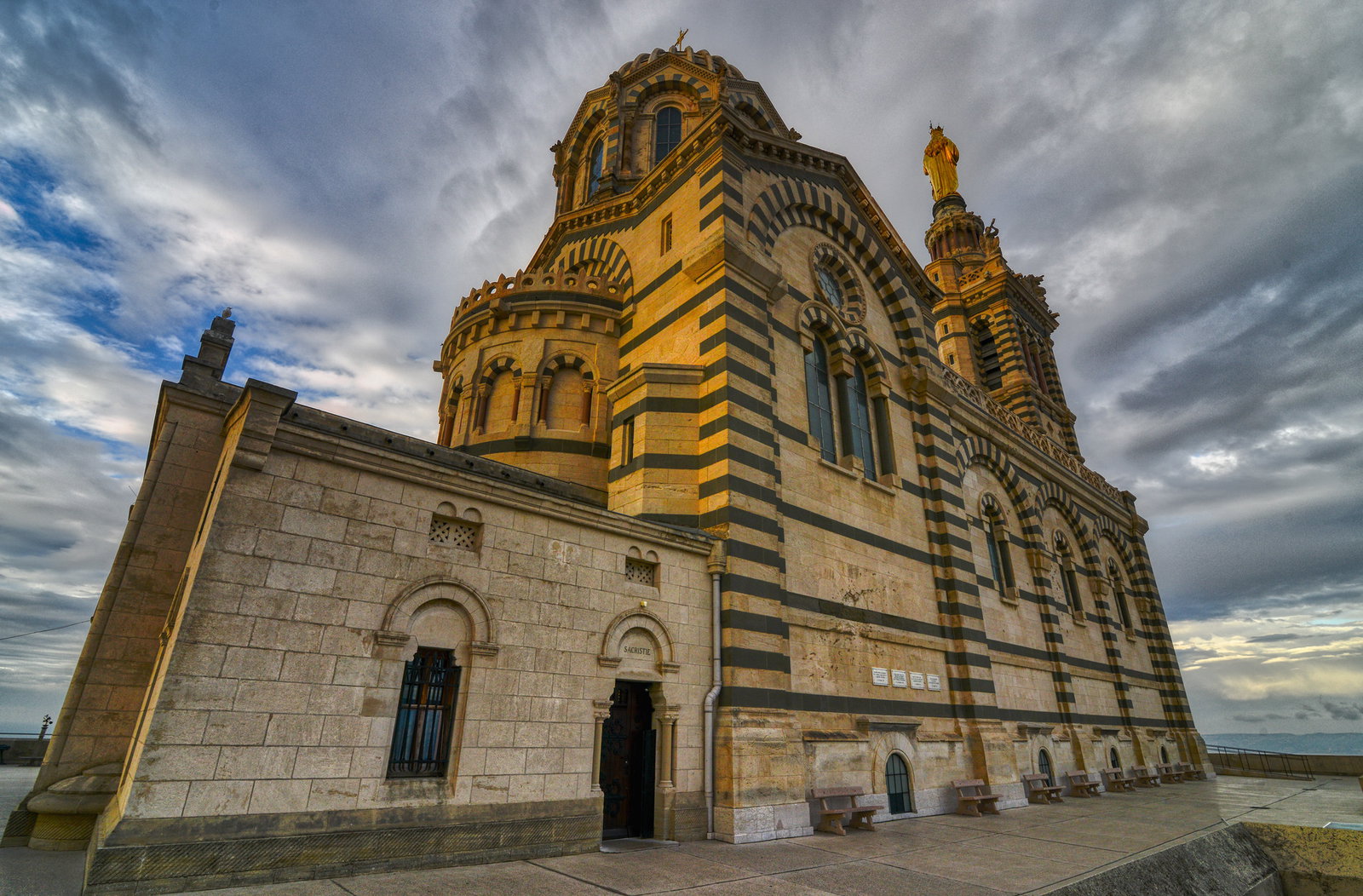
La Bonne Mère, as Marseillais call her, sits on the city's highest point at 162 m. The neo-Byzantine basilica is encrusted with ex-voto offerings from sailors and is as much a living shrine as a tourist attraction. Walk up through the Cours Julien neighbourhood or take bus 60. The 360-degree panorama over the islands and coast is unmatched.

Day trip to Château d'IfCulture & History

Day trip to Château d'If

Half day

A 20-minute ferry ride from the Vieux-Port brings you to this 16th-century island fortress, made famous by Alexandre Dumas' The Count of Monte Cristo. The prison cells, including those attributed to the fictional Edmond Dantès, can be visited, and the sea views back to the city skyline are spectacular.

Wander Le PanierCulture & History

Wander Le Panier

2–3 hours

Marseille's oldest neighbourhood occupies the hill above the Vieux-Port and is a dense tangle of narrow lanes, colourful shutters, and street art. The Centre de la Vieille Charité — a 17th-century almshouse with a Baroque chapel — houses two museums worth an hour each. Early morning is the best time to explore before tour groups arrive.

Best time to visit Marseille

The best time to visit Marseille is May to June or September to October, when temperatures are warm and settled (22–27°C), the Calanques are fully accessible on foot, and the city is busy but not overcrowded.

Spring (April–June): Arguably the finest season. Days are long, wildflowers cover the garrigue above the Calanques, and café terraces fill up without the crush of summer. Sea temperatures are still cool for swimming in April but comfortable by June.

Summer (July–August): Hot (often 30–35°C), sunny, and very crowded, especially around the Vieux-Port and on the beaches. Hiking access to the Calanques is restricted from mid-June to mid-September due to fire risk, though boat access remains. Book accommodation well ahead. The Mistral wind can bring relief.

Autumn (September–October): Sea temperatures peak in September (still around 23°C), making this the best time for swimming. Crowds thin after mid-September, prices drop, and the autumn light over the limestone coast is extraordinary.

Winter (November–March): Mild by northern European standards (8–14°C) but the Mistral wind can make it feel raw. The city is quieter, hotels are cheaper, and cultural venues are uncrowded. The Christmas market at the Vieux-Port and the tradition of buying navettes on Candlemas (2 February) are worth seeking out. Not suited to beach or Calanques trips.

Is Marseille safe to visit?

Yes — Marseille is generally safe for tourists, and millions of visitors enjoy the city without incident every year. The areas you will spend most time in — the Vieux-Port, Le Panier, MuCEM, the 6th and 7th arrondissements, the Corniche, and the Calanques — are well-frequented, well-policed, and present no unusual risks.

Practical tips for a safe trip:

Watch your pockets and bags around the Vieux-Port, La Canebière, and on the metro (Line 1 in particular). Pickpocketing is the most common issue for tourists.

Avoid the northern arrondissements (the 13th to 16th) at night unless you know the area or are with a local. These districts are not tourist areas and gang-related violence, while rare, is occasionally reported.

The Calanques are safe to hike but require preparation: take enough water, wear sun protection, and tell someone your route. Heat exhaustion is the main risk in summer.

Tap water is safe to drink. Healthcare is excellent — EU citizens should carry a European Health Insurance Card (EHIC); others should carry travel insurance with medical cover.

The Mistral wind can make coastal conditions change rapidly; heed warnings on beach safety flags.

Overall, treat Marseille as you would any large southern European city — aware, but not anxious.
Suggested itinerary

4 days in Marseille: coast, culture, and cuisine

This plan assumes a moderate pace, staying centrally near the Vieux-Port or the 6th arrondissement. It suits first-time visitors who want a mix of sightseeing, coastal nature, and serious eating, without rushing. Budget band: mid-range (€120–200/night hotel; €40–80/day for food).

Day 1

Arrival and the Old Port

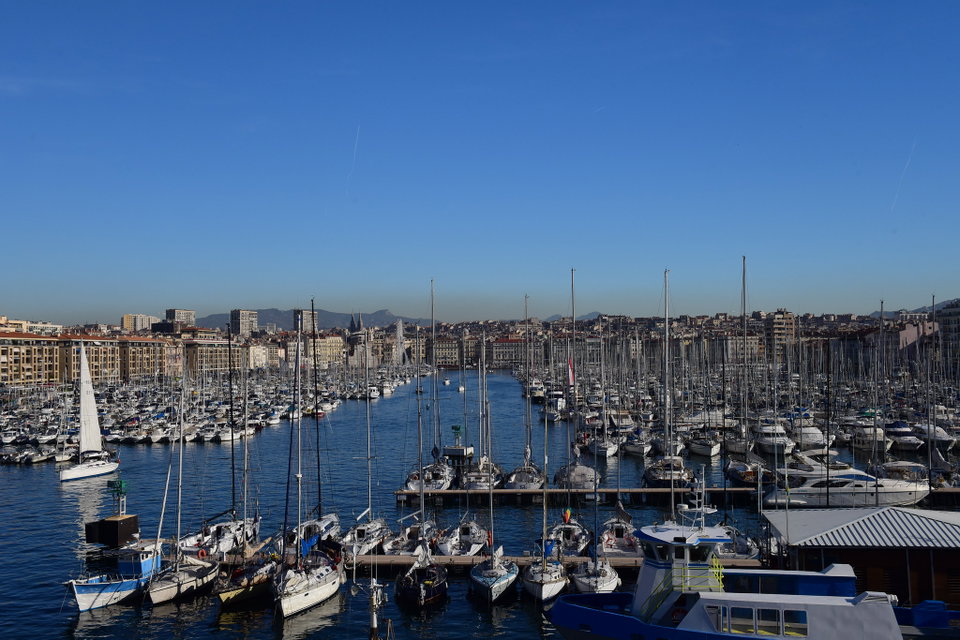
Check in and head straight to the Vieux-Port. Walk the full length of the quay, watching the boats and the city skyline settle in your mind. Cross to Fort Saint-Jean and stroll onto the MuCEM footbridge for a free view of the harbour entrance — you don't need to enter the museum today. In the late afternoon, take the steep 20-minute walk up through Le Panier to the Montée des Accoules viewpoint. Return to the port for dinner: try a simpler fish dish tonight — grilled loup de mer or moules frites — and save bouillabaisse for later in the trip.

Marseille — Arrival and the Old Port

Travel essentials

Getting around

The Vieux-Port and central neighbourhoods are walkable. The city's RTM metro (2 lines), tram (4 lines), and bus network cover most attractions; a 1-day or multi-day pass offers the best value. The Vélo'v bike-share has stations across the centre and along the Corniche. Taxis and Uber are widely available. For the Calanques, take the boat from the Vieux-Port or a local bus (line 21 to Luminy for the eastern trailheads).

Typical costs

Budget: €70–100/day (hostel, market food, public transport). Mid-range: €150–220/day (3-star hotel, sit-down meals, museum entries). Higher-end: €280+/day (boutique hotel, bouillabaisse dinner, boat charter). Museum entry: €6–13. Metro single ticket: €1.80. A café coffee: €2–3. Bouillabaisse set menu: €55–90 per person.

Culture and etiquette

Greet shopkeepers and restaurant staff with 'Bonjour' when entering — it is considered rude to skip this. Tipping is not obligatory in France but rounding up or leaving a few euros for good service in a restaurant is appreciated. Dress modestly inside the Basilique Notre-Dame de la Garde — shoulders and knees should be covered. Pétanque players take their game seriously; don't walk across a court mid-game.

Connectivity

4G and 5G coverage is excellent across the city. Free Wi-Fi is available in most hotels, cafés, and at Marseille Provence Airport. A French or EU SIM is the cheapest option for data; eSIM providers (Airalo, Holafly) work well. The airport has free Wi-Fi.

Payments

Cards are widely accepted, including contactless, in most shops, restaurants, and hotels. Some street-market stalls and small tabacs are cash-only. ATMs are abundant around the Vieux-Port and La Canebière. Notify your bank before travel if outside the EU.

Marseille travel FAQs

More destinations to explore