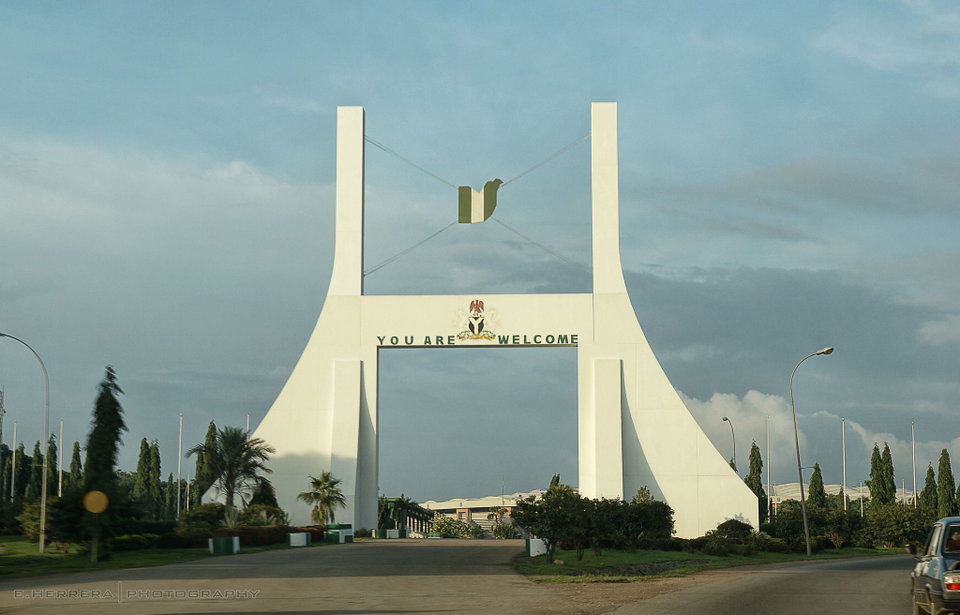
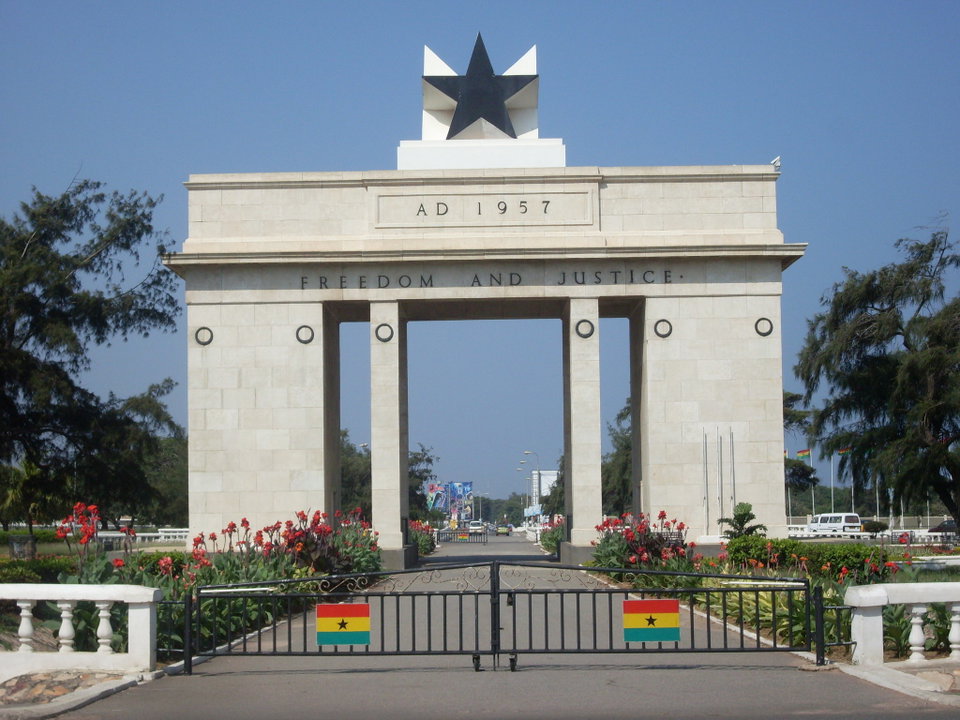
Colourful colonial-era buildings lining a palm-fringed boulevard in central Maputo, Mozambique

Destination guide

Maputo

Southern Mozambique · Mozambique

Africa's most underrated city break — Portuguese tiles, Indian Ocean breezes, and world-class prawns

Best season

May to October (dry season; cooler and less humid)

From Nairobi

Approximately 3 hours direct (Nairobi to Maputo)

Why visit Maputo?

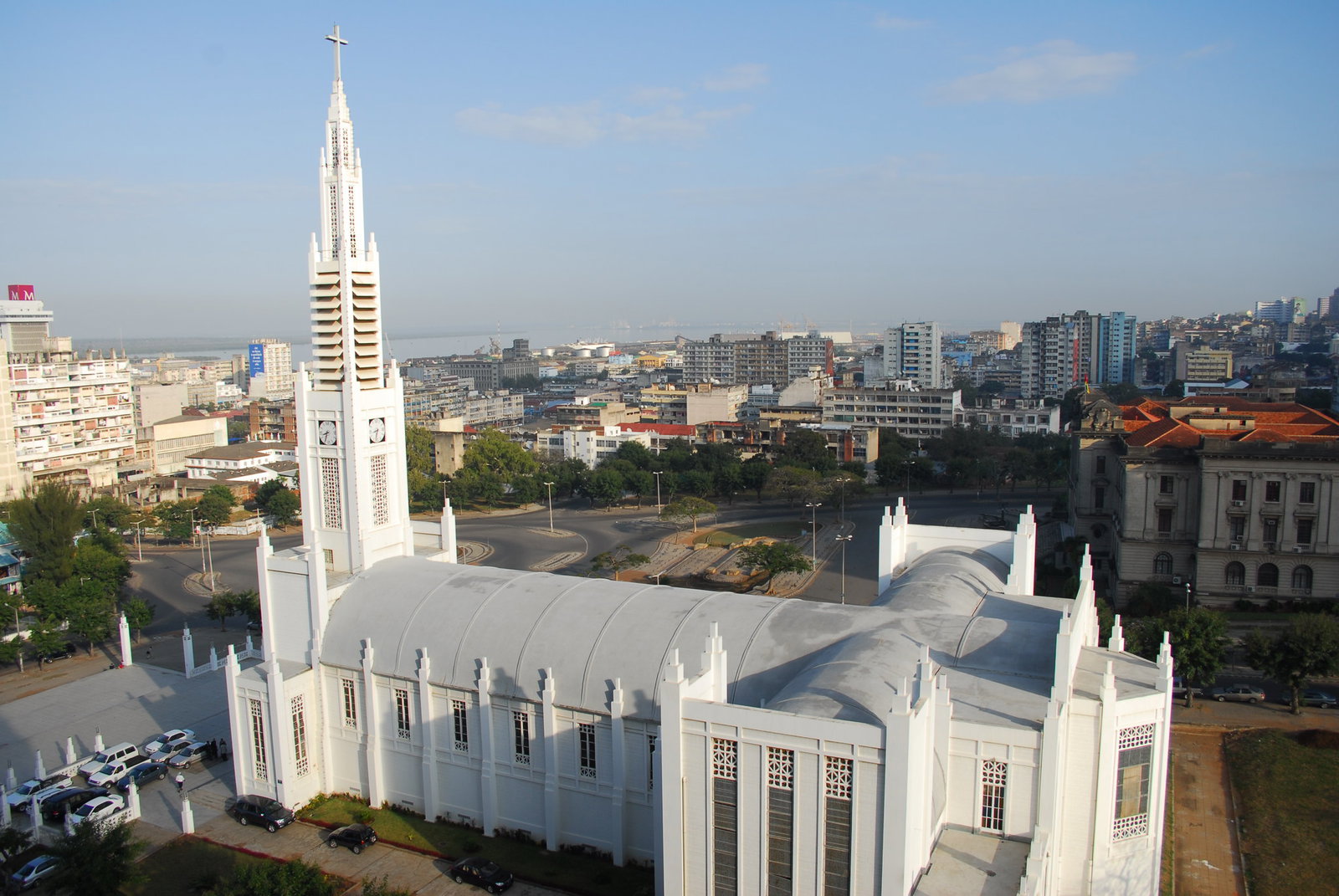
Maputo punches well above its weight for a capital of its size. The city's Portuguese colonial legacy has left behind a gorgeous streetscape of pastel-painted ironwork balconies, mosaic pavements, and grand civic buildings — many now draped in bougainvillea and occupied by independent restaurants and galleries.

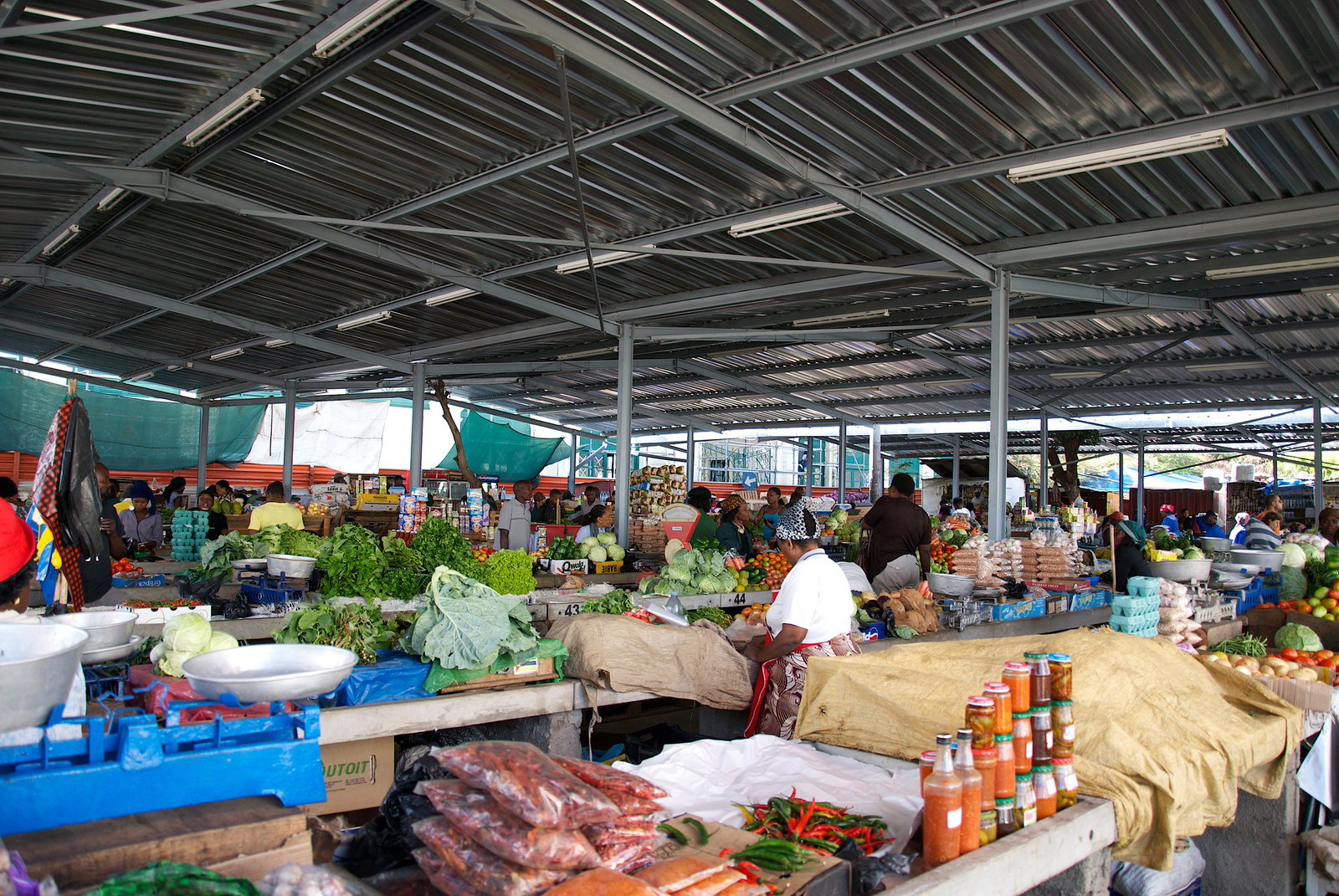
The food scene is the real draw for many visitors. Mozambican prawns — giant, flame-grilled, and basted in garlic and piri-piri — are considered among the finest in the world, and Maputo's waterfront restaurants serve them in abundance alongside espresso and warm pão. The city's informal markets, from the bustling Mercado Central to the craft stalls of Feira Popular, give a genuine window into everyday Mozambican life.

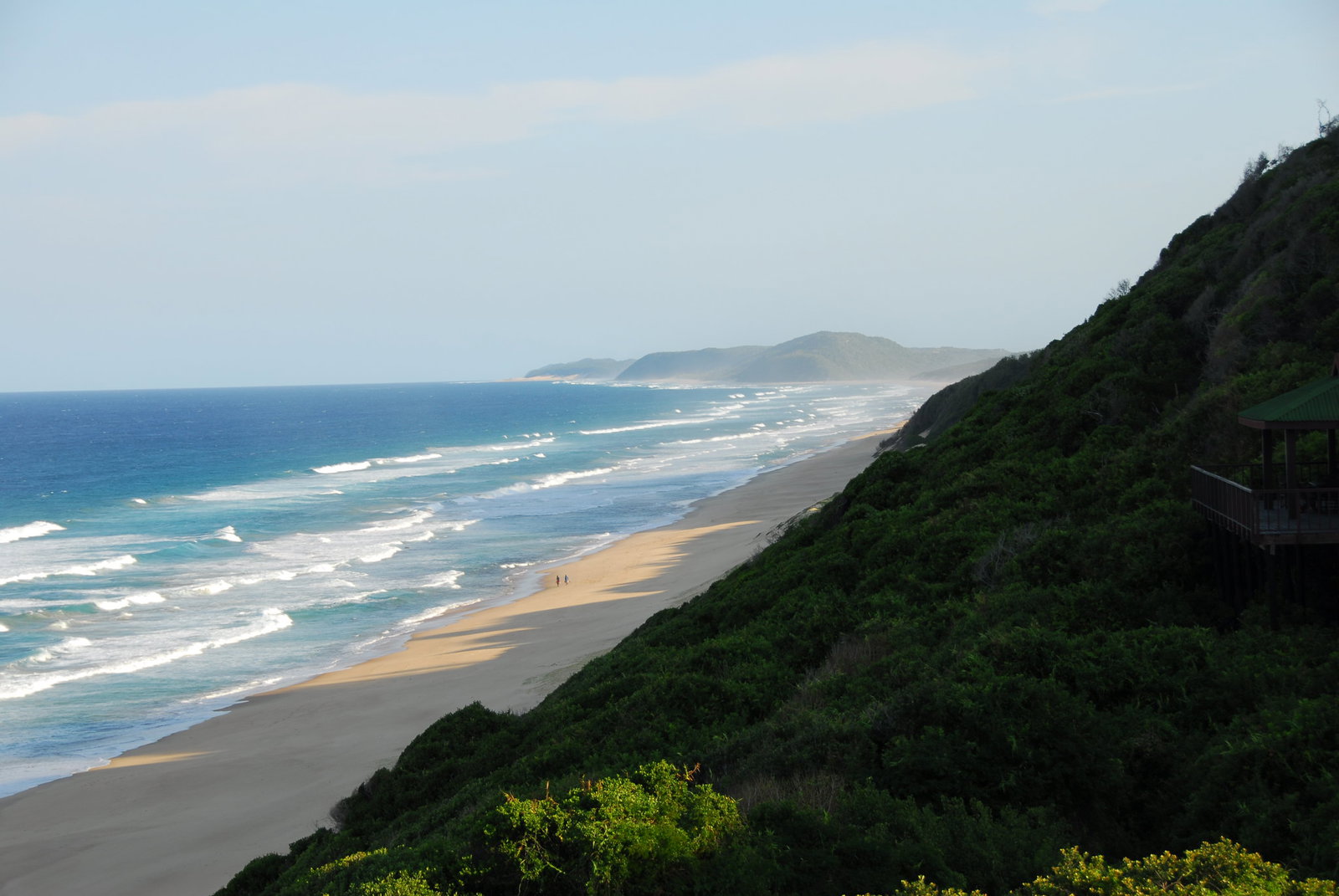
Beyond the city, Maputo is a practical base for Inhaca Island (a 90-minute ferry ride), the Maputo Special Reserve for elephant and hippo sightings, and the surf beaches of Ponta do Ouro near the South African border.

  • Feast on flame-grilled Mozambican prawns at a waterfront restaurant on Marginal Avenida
  • Wander ironwork balconies and mosaic pavements in the Baixa historic district
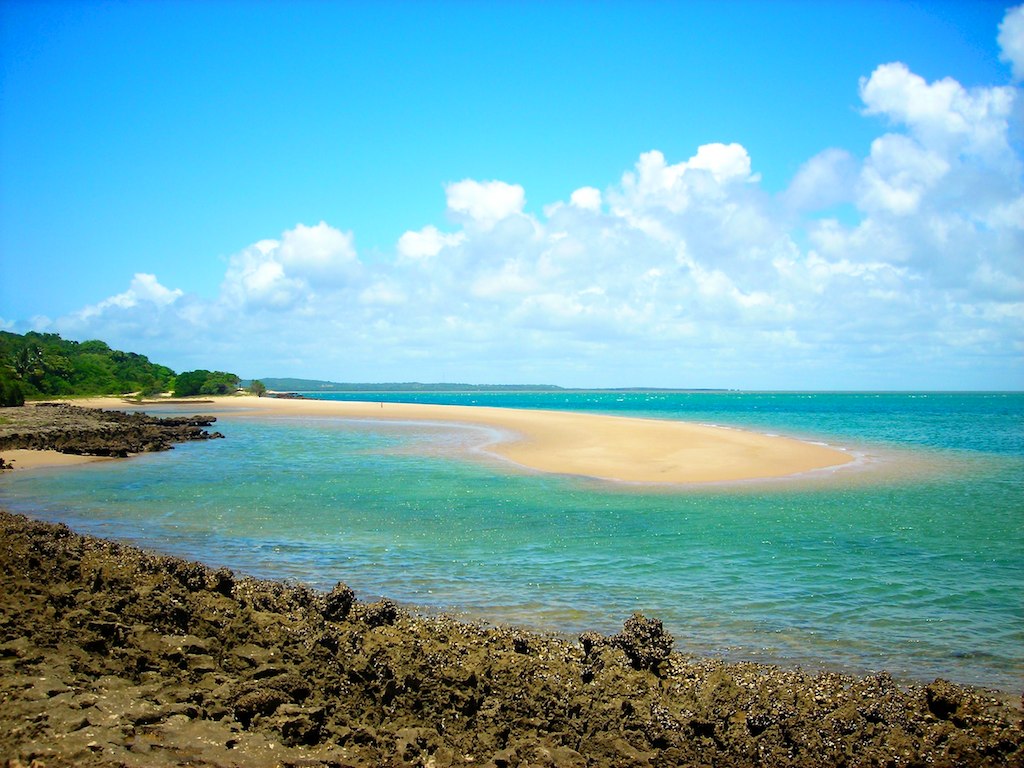
  • Take the ferry to Inhaca Island for snorkelling and powder-white beaches
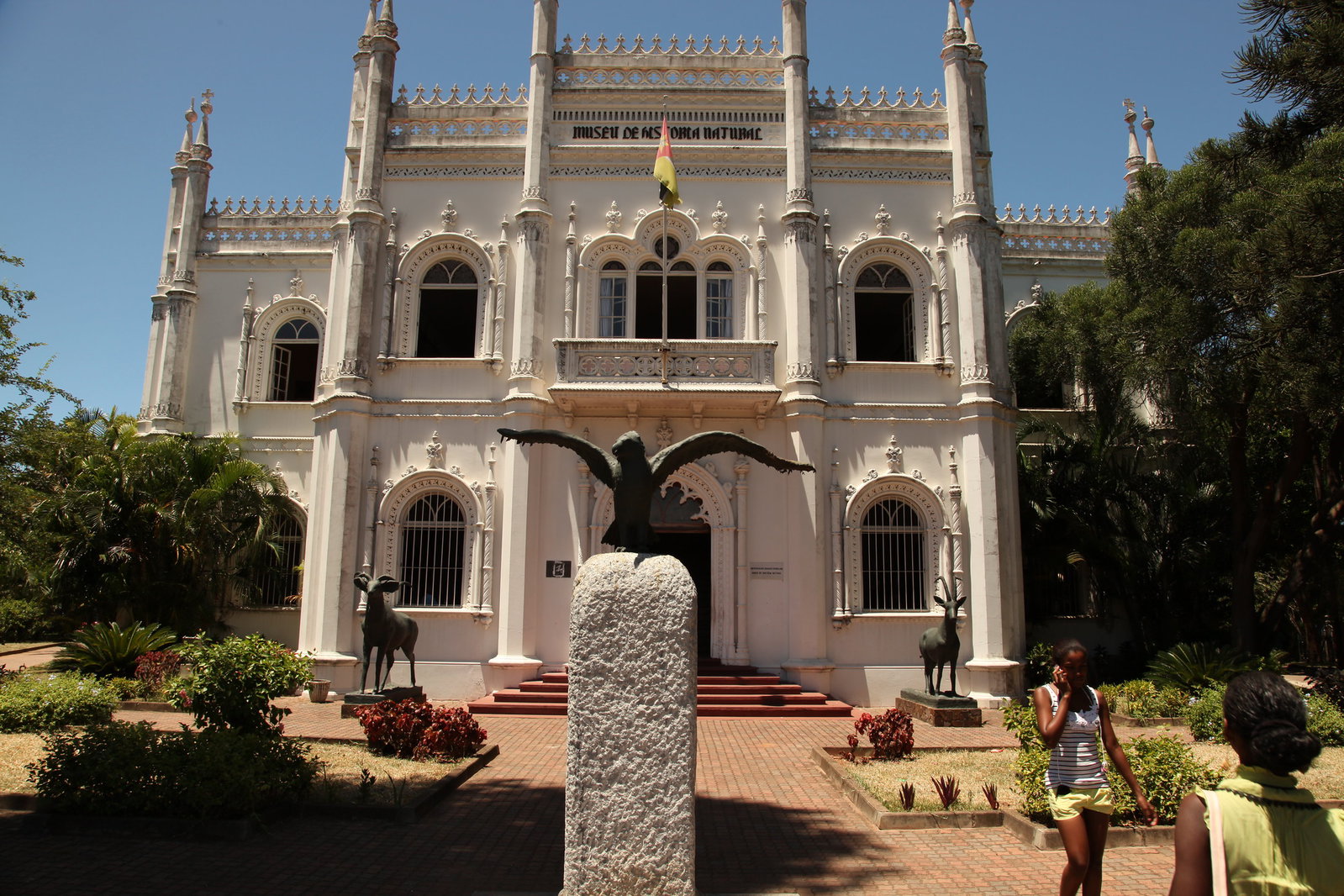
  • Browse contemporary Mozambican art at the Natural History Museum and Núcleo de Arte
  • Day-trip to Maputo Special Reserve to spot elephants roaming coastal dunes
  • Sip espresso in a colonial-era café as the city's Portuguese-African rhythms come to life

Best for

Foodies, city-break travellers, architecture lovers, beach add-ons

Trip style

Urban exploration, short break, coastal gateway

Known for

Giant piri-piri prawns, Art Deco and colonial architecture, Maputo Bay sunsets, lively café culture

Quick facts

Best time to visit

May to October (dry season; cooler and less humid)

Currency

Mozambican Metical (MZN). USD and ZAR widely accepted in hotels and restaurants.

Languages

Portuguese (official); Shangaan spoken locally. Some English in tourist areas.

Visa summary

Most nationalities obtain a visa on arrival or e-visa online. 30-day tourist visa costs around USD 50. Check latest requirements before travel.

Flight time from Nairobi

Approximately 3 hours direct (Nairobi to Maputo)

Airport / arrival

Maputo International Airport (MPM) is 6 km from the city centre — taxi or app-based ride takes 15–25 minutes.

Safety note

Exercise normal urban caution; petty theft in crowded areas. Avoid displaying valuables, use registered taxis, and stay alert after dark.

Visa and entry

Look up entry rules by passport for travel to Mozambique on the Tsavaro visa checker.

Check visa requirements for Mozambique

Things to do

Explore the Baixa historic districtCulture & Heritage

Explore the Baixa historic district

Half day

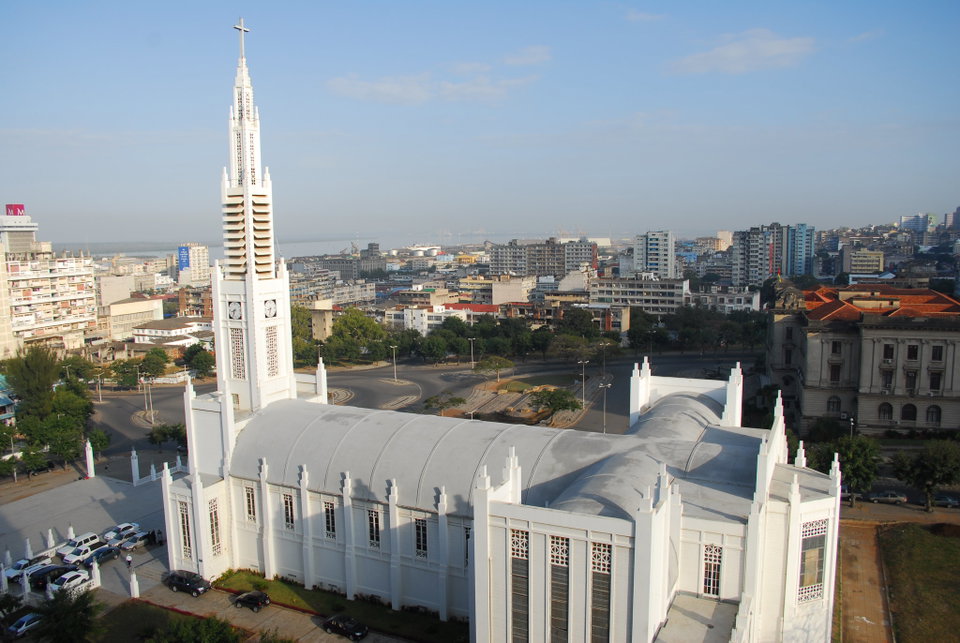
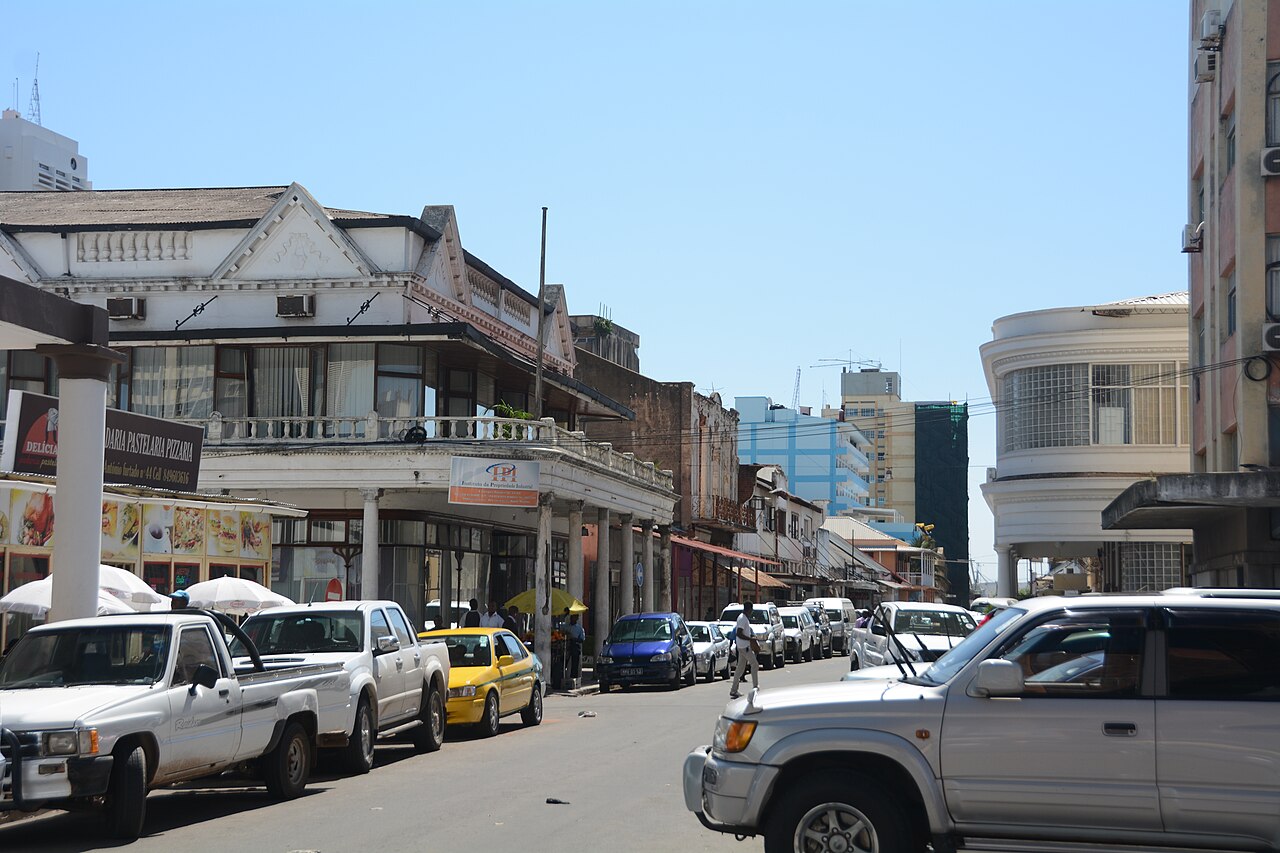
Maputo's lower city grid is a living museum of Portuguese colonial architecture — ironwork verandas, Art Deco facades, and the iconic Iron House (Casa de Ferro), a prefabricated structure reportedly designed by Gustave Eiffel. A self-guided walking tour takes 2–3 hours.

Visit the Natural History MuseumCulture & Heritage

Visit the Natural History Museum

1–2 hours

Housed in a striking Manueline-style palace, this museum holds one of Africa's only collections of elephant foetal specimens alongside taxidermy, geology, and Mozambican cultural artefacts. Admission is nominal and crowds are thin.

Núcleo de Arte gallery and workshopArts & Culture

Núcleo de Arte gallery and workshop

1–2 hours

This cooperative gallery in the Sommerschield neighbourhood showcases works by Mozambican painters and sculptors, many working on site. One of southern Africa's most authentic contemporary art spaces — pick up a unique piece directly from the artist.

Ferry to Inhaca IslandNature & Adventure

Ferry to Inhaca Island

Full day or overnight

A 90-minute public ferry from Maputo port drops you on Inhaca Island, where coral reefs, mangroves, and quiet beaches await. Snorkelling, diving, and birdwatching are the main draws. Day trips are possible; overnight stays at a simple lodge give a fuller experience.

Shop at Mercado CentralMarkets & Shopping

Shop at Mercado Central

1–2 hours

Maputo's main covered market is a sensory overload of fresh seafood, tropical produce, spices, and crafts. Arrive early in the morning for the freshest fish catch and to explore stalls selling capulanas (traditional printed cloth), wooden carvings, and basketry.

Surf and beach at Ponta do OuroBeach & Watersports

Surf and beach at Ponta do Ouro

Full day or overnight

A 120 km drive south along a sand track (4WD needed) or accessible by speedboat, Ponta do Ouro sits at Mozambique's southern tip. Consistent reef and beach breaks attract surfers, while spinner dolphin encounters are common on boat trips just offshore.

Best time to visit Maputo

The best time to visit Maputo is May to October, during the dry season, when days are warm and sunny (22–27 °C), humidity is manageable, and rainfall is minimal. This is the most comfortable period for city walking, beach trips to Inhaca, and day excursions to the Maputo Special Reserve.

November to April is the hot, humid wet season. Temperatures climb to 30–35 °C and afternoon thunderstorms are common, occasionally heavy. January and February sit within cyclone season — disruptions to ferry and road access are possible, though Maputo city itself rarely takes direct hits. Budget travellers and those happy with occasional rain can find lower rates and quieter streets during this period.

June and July are the coolest months and can feel brisk after dark (18 °C); pack a light layer. August to October offers the sweet spot of clear skies, moderate heat, and excellent snorkelling visibility around Inhaca Island. School holiday peaks in South Africa (December–January and June–July) bring an uptick in visitors from Joburg, so book ahead during those windows.

Is Maputo safe to visit?

Yes — Maputo is generally safe for tourists who apply sensible urban precautions. The city sees far lower levels of violent crime than comparable African capitals, and most visitors complete their trips without incident.

The main risk is opportunistic petty theft: phone-snatching, pickpocketing in crowded markets (especially Mercado Central), and bag grabs from vehicle windows in slow traffic. Keep phones out of sight in street-level restaurants, use a cross-body bag for valuables, and do not flash expensive cameras unnecessarily.

Transport: use metered yellow taxis (hail from your hotel or call ahead) or app-based rides such as inDriver rather than unmarked cars. Avoid walking alone after dark in the Baixa, which empties quickly at night. The Polana and Sommerschield neighbourhoods are significantly safer after dark and have better-lit streets.

Political situation: Mozambique experienced civil unrest and election-related protests in late 2024. Check government travel advisories (UK FCDO, US State Dept, South African DIRCO) close to your travel date for any updated guidance. The Cabo Delgado region in the far north has an active insurgency — this is a separate situation and does not affect Maputo.

Health: Malaria is present year-round; take prophylaxis and use repellent. Tap water is not reliably safe — drink bottled water. Ensure travel insurance covers medical evacuation.
Suggested itinerary

3 Days in Maputo: City, Coast, and Culture

This plan assumes you are based in the city centre or Sommerschield neighbourhood, travelling at a relaxed mid-range pace. It combines Maputo's walkable historic core with a half-day beach excursion and an evening on the waterfront — ideal for a long weekend or stopover.

Day 1

Baixa, Markets, and Waterfront Prawns

Start your morning at the Mercado Central to take in the city's energy over fresh fruit juice and pastries from a street vendor. Walk south into the Baixa to explore the colonial grid: the Municipal Market building, the Maputo Railway Station (one of Africa's most beautiful), and the Iron House. Grab lunch at a café on Avenida 25 de Setembro.

Spend the afternoon at the Natural History Museum, then head to the Marginal as the sun drops. Book a table at Costa do Sol or one of its neighbours and order the prawns — grilled, half-and-half, or in a coconut sauce. Eat slowly, with cold Dois M beer, watching fishing boats cross the bay.

Maputo — Baixa, Markets, and Waterfront Prawns

Travel essentials

Getting around

The city centre is walkable during the day. Yellow metered taxis are the safest option — agree the fare before departure or ensure the meter runs. InDriver (app) is widely available and popular with expats. Chapas (shared minibuses) are cheap and authentic but crowded; not recommended with luggage. Car hire is available but driving standards and road quality are unpredictable — a driver-guide is worth the premium for out-of-town trips.

Typical costs

Maputo sits in the mid-range bracket. A meal of prawns with beer at a good waterfront restaurant costs USD 20–35 per person. Budget guesthouse rooms start around USD 40–60; mid-range hotels USD 80–150; the Polana Serena (Maputo's grande dame) from USD 200+. A metered taxi across the city centre costs USD 3–6. Ferry to Inhaca Island around USD 10 return.

Culture and etiquette

Mozambicans are warm and formal in first meetings — greet with 'Bom dia' (good morning) or 'Boa tarde' (good afternoon) before any request. Dress modestly when visiting markets, churches, or government buildings. Asking permission before photographing individuals is strongly appreciated. Tipping in restaurants (10%) is welcome but not always expected; round up taxi fares.

Safety and planning

Register with your country's embassy if staying more than a few days. Carry a photocopy of your passport rather than the original. Keep emergency cash (USD or ZAR) separate from your wallet. Know the address of the nearest hospital — Hospital Central de Maputo is the main public facility; private clinics such as Clínica de Sommerschield offer faster service for travellers.

Connectivity

4G LTE coverage is good across central Maputo. Buy a local SIM card (Vodacom MZ or Movitel) at the airport or in the Baixa for data — ID required. Most mid-range hotels and cafés offer Wi-Fi. International roaming is possible but expensive.

Payments

Cash in Mozambican Metical (MZN) is essential for markets, street food, chapas, and smaller restaurants. USD and ZAR are accepted in many hotels and upmarket restaurants. ATMs (BCI, Millennium Bim) are available in the Baixa and Polana — use machines inside bank branches where possible. Credit cards (Visa) accepted in most hotels and larger restaurants; Mastercard less reliably so.

Maputo travel FAQs

More destinations to explore