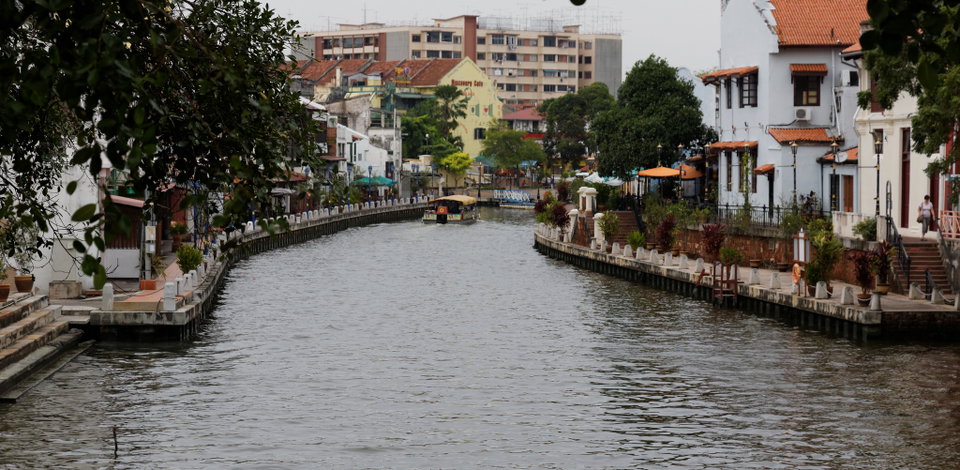
Colourful Jonker Street shophouses lining the Malacca River at dusk

Destination guide

Malacca

Southwestern Peninsular Malaysia · Malaysia

Five centuries of spice-trade history packed into one walkable UNESCO city

Best season

March–October (dry season); avoid major public holidays when Jonker Street becomes very crowded

From Nairobi

Approximately 10–12 hours to Kuala Lumpur (KUL), then 1.5–2 hours by express bus or taxi to Malacca

Why visit Malacca?

Malacca punches far above its size. Named a UNESCO World Heritage Site in 2008 alongside George Town, it holds a density of living history that few Southeast Asian cities can match: a Portuguese hill fort, a Dutch Stadthuys painted deep red, Chinese clan houses, Hindu temples, and mosques all within easy walking distance of each other.

The food scene is one of the city's greatest draws. Malacca is the heartland of Peranakan (Nyonya) cuisine — a fusion of Malay and Chinese flavours — alongside Portuguese-Eurasian dishes like devil curry, fresh seafood satay celup (hot-pot skewers), and the iconic asam pedas fish stew. Jonker Street's Friday and Saturday night market turns the old town into an open-air food and craft fair.

Beyond food and history, Malacca offers river cruises past painted murals, trishaw rides decorated with flowers and fairy lights, and a surprisingly creative arts scene tucked into converted warehouses. For travellers connecting through Kuala Lumpur, it is the perfect two-night addition to any Malaysia itinerary.
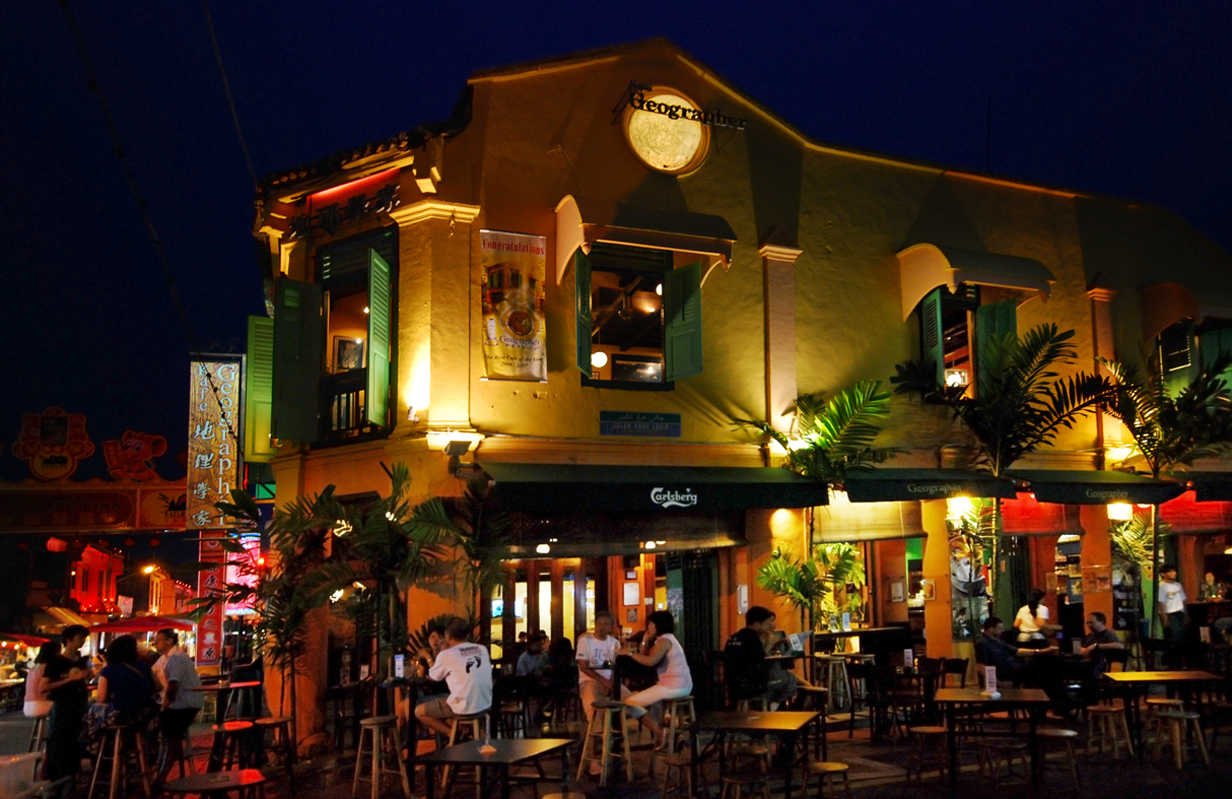
  • Walk between five centuries of colonial architecture — Portuguese, Dutch, and British — in a single afternoon
  • Eat your way through Jonker Street: Nyonya laksa, satay celup, and cendol all within 200 metres
  • Cruise the Malacca River past 30+ painted murals at golden hour
  • Explore St Paul's Hill for panoramic views and a ruined 16th-century church
  • Browse Peranakan antiques, vintage batik, and handmade pottery in heritage shophouses
  • Day-trip to the Portuguese Settlement for live Morna music and grilled seafood on weekends

Best for

History enthusiasts, food lovers, culture-seekers, heritage architecture admirers, and budget travellers

Trip style

City break, cultural immersion, food tour, weekend escape

Known for

UNESCO heritage town, Nyonya cuisine, Dutch Stadthuys, A Famosa fort, Jonker Street night market, Peranakan culture

Quick facts

Best time to visit

March–October (dry season); avoid major public holidays when Jonker Street becomes very crowded

Currency

Malaysian Ringgit (MYR)

Languages

Malay (official); English widely spoken in tourist areas; Mandarin, Hokkien, and Kristang (Portuguese-Creole) also heard locally

Visa summary

Visa-free for most nationalities for 30–90 days; check eNTRI requirements for Indian and Chinese passport holders

Flight time from Nairobi

Approximately 10–12 hours to Kuala Lumpur (KUL), then 1.5–2 hours by express bus or taxi to Malacca

Airport / arrival

No commercial airport in Malacca — arrive via Kuala Lumpur International Airport (KLIA) or Senai Airport (JHB) and take a direct bus or private transfer

Safety note

Generally very safe; standard city precautions apply — watch bags in busy Jonker Street night market crowds

Visa and entry

Look up entry rules by passport for travel to Malaysia on the Tsavaro visa checker.

Check visa requirements for Malaysia

Things to do

Explore Jonker Street (Jalan Hang Jebat)Culture & Food

Explore Jonker Street (Jalan Hang Jebat)

2–3 hours

The heart of Malacca's Chinatown is lined with antique dealers, Peranakan boutiques, and street-food stalls. Friday and Saturday evenings bring a lively night market with performances and dozens of local snacks. Come early on weekdays for a quieter browse of the antique shops.

Visit the Dutch Stadthuys and Christ ChurchHeritage

Visit the Dutch Stadthuys and Christ Church

1–2 hours

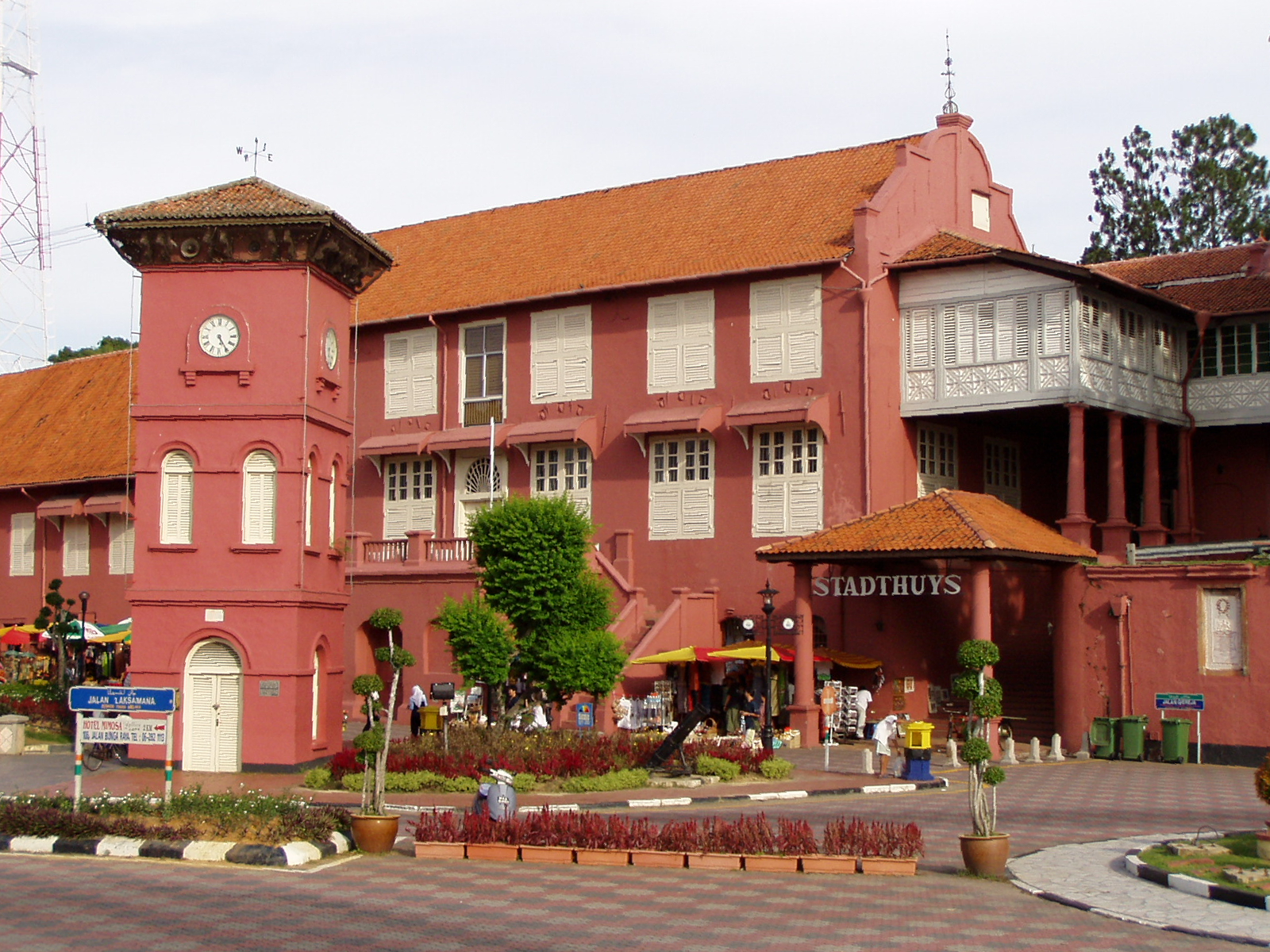
The salmon-red Stadthuys (1650) is one of the oldest Dutch buildings in Asia and now houses the History and Ethnography Museum. Next door, Christ Church (1753) still holds Sunday services. The town square setting — red buildings, a fountain, and trishaws — is Malacca's most photographed scene.

Climb St Paul's Hill to A FamosaHeritage & Views

Climb St Paul's Hill to A Famosa

1 hour

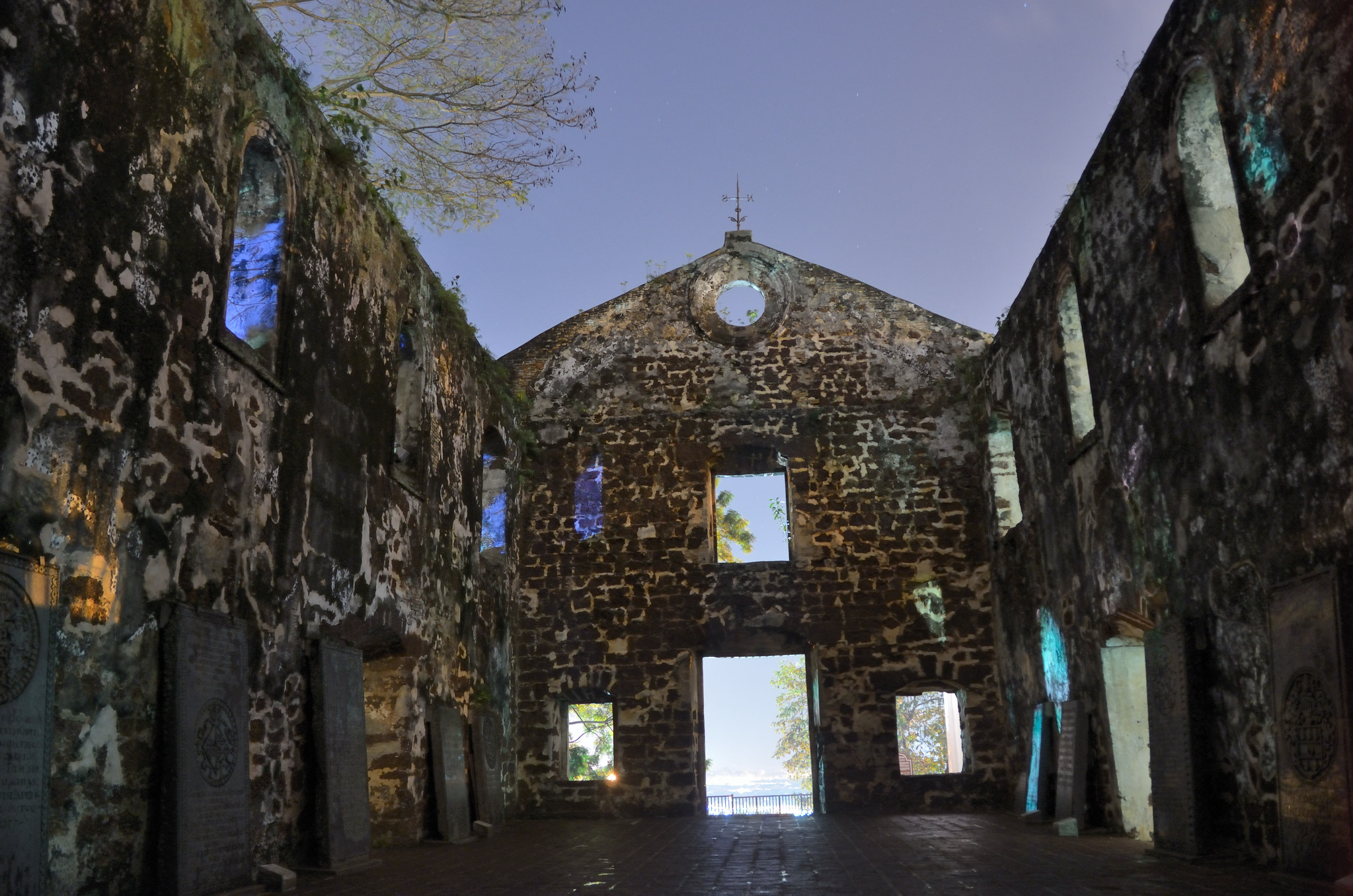
A short climb up St Paul's Hill leads to the roofless ruins of St Paul's Church, built by the Portuguese in 1521. Tombstones of Dutch nobles line the walls. Descend the other side to reach the solitary Porta de Santiago gate — all that remains of the massive A Famosa fortress.

Take a Malacca River CruiseSightseeing

Take a Malacca River Cruise

45 minutes

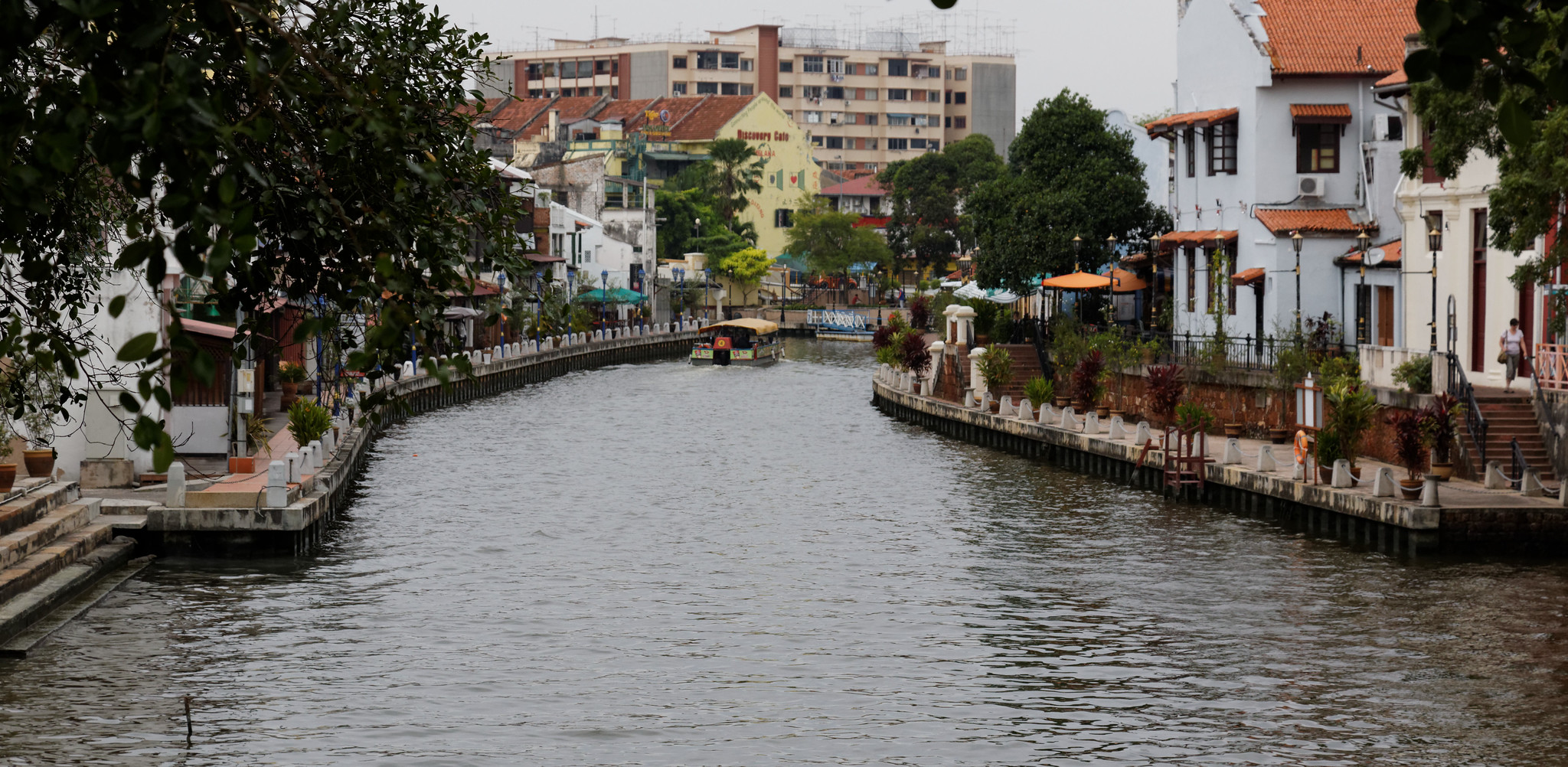
45-minute boat rides depart from Quayside along the Malacca River, passing 30+ large-scale murals, restored shophouses, and traditional Malay kampung stilt houses. The late-afternoon cruise catches the best light; the evening ride offers colourful LED reflections on the water.

Discover the Baba & Nyonya Heritage MuseumMuseum & Culture

Discover the Baba & Nyonya Heritage Museum

1 hour

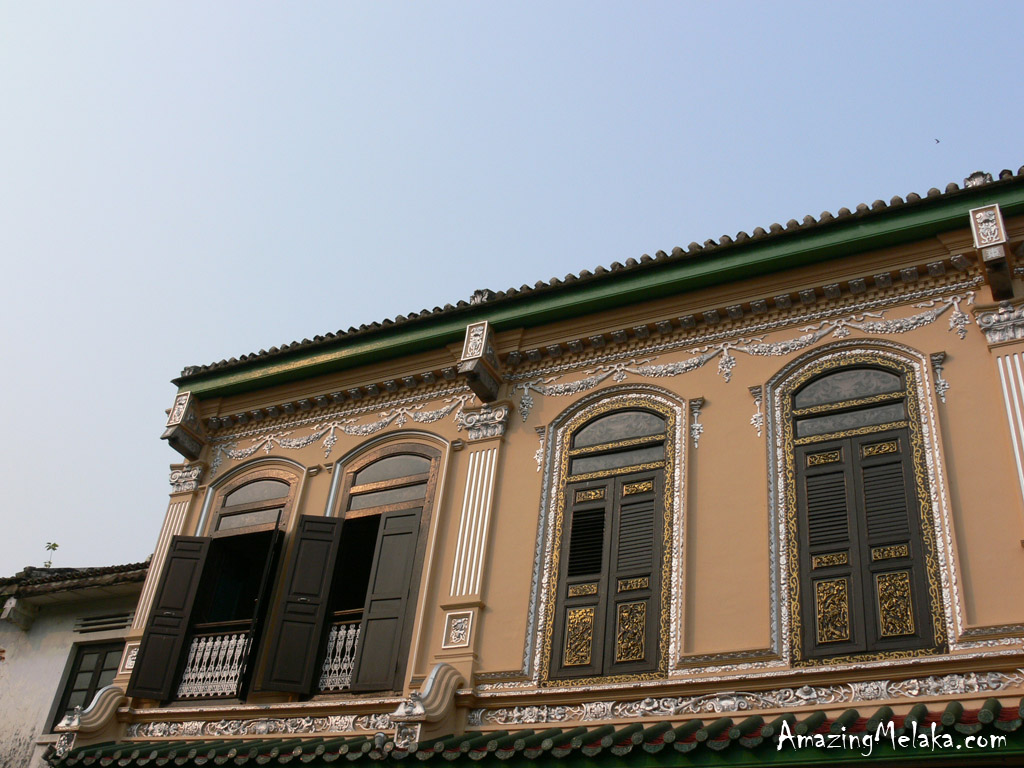
This meticulously preserved Peranakan townhouse on Jalan Tun Tan Cheng Lock offers guided tours through rooms packed with original furniture, porcelain, silverware, and wedding regalia. It is the single best introduction to Peranakan culture in Malacca.

Ride a Flower TrishawExperience

Ride a Flower Trishaw

30–45 minutes

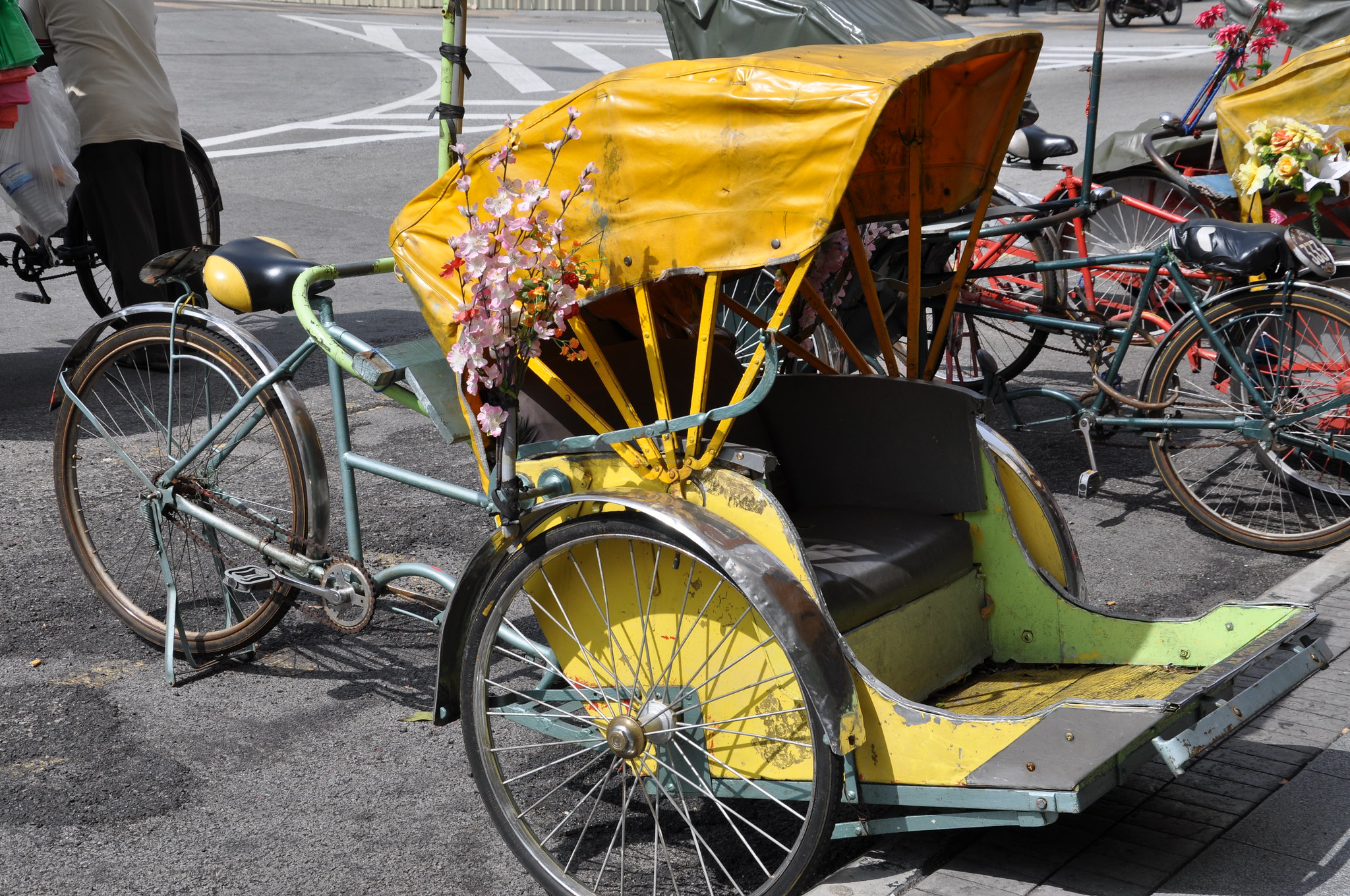
Malacca's trishaws are festooned with plastic flowers, fairy lights, and soundsystems playing pop hits — an entirely local tradition. Hire one at Dutch Square for a circuit around the historic town. Touristy? Absolutely. Fun? Undeniably.

Visit Kampung Kling Mosque and Sri Poyyatha Vinayagar Moorthi TempleCulture & Religion

Visit Kampung Kling Mosque and Sri Poyyatha Vinayagar Moorthi Temple

30–45 minutes

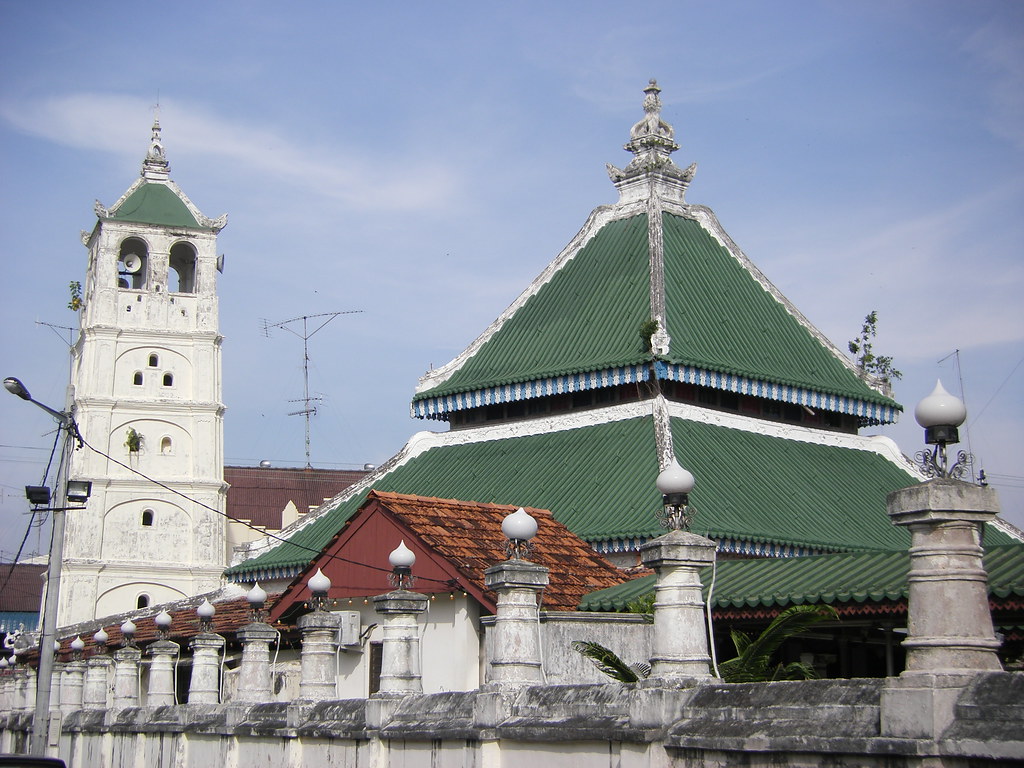
Along Harmony Street (Jalan Tukang Emas), a mosque, Hindu temple, and Chinese temple stand within metres of each other — a symbol of Malacca's multicultural heritage. The 18th-century Kampung Kling Mosque has a Sumatran pagoda-style minaret; the Vinayagar temple (1781) is Malaysia's oldest Hindu temple.

Sample Nyonya Food at Local RestaurantsFood & Drink

Sample Nyonya Food at Local Restaurants

Ongoing

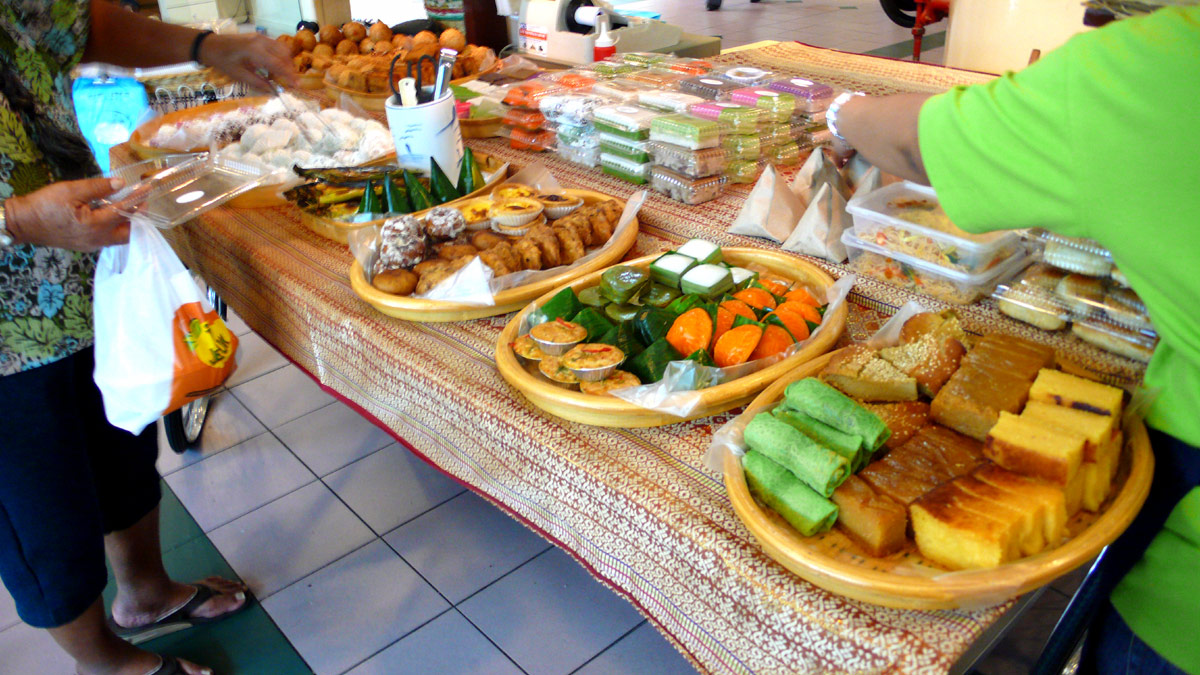
Don't leave Malacca without trying: asam pedas (sour-spicy fish stew), Nyonya laksa, ayam pongteh (braised chicken with fermented soy bean), and kuih (Peranakan sweets). Recommended spots cluster around Jonker Street and Jalan Bendahara. End with a bowl of cendol from a street cart near the Stadthuys.

Best time to visit Malacca

The best time to visit Malacca is between March and October, when rainfall is lower and humidity more manageable. Malacca sits outside the main monsoon belt that affects Malaysia's east coast, making it a year-round destination — but the dry season still offers the most comfortable sightseeing conditions.

March to May is ideal: warm, relatively dry, and before school holiday crowds. June and July bring hotter days but remain dry. August to October is pleasant with occasional afternoon showers that cool things down quickly.

November to February sees increased rainfall, particularly from the northeast monsoon, though showers are usually short and intense rather than all-day. December and January coincide with the school holiday rush and Chinese New Year preparations, making Jonker Street and accommodation very busy — book ahead.

Note that the famous Jonker Street Night Market runs only on Fridays and Saturdays; plan at least one weekend night in town to experience it properly.

Is Malacca safe to visit?

Yes — Malacca is one of the safest cities in Southeast Asia for tourists. Violent crime is rare, and the compact, well-lit historic core is monitored by tourist police and CCTV. Solo travellers, including solo women, report feeling comfortable walking the heritage streets after dark.

The main risks are petty: bag-snatching has been reported on motorcycles along quieter roads, so carry your bag on the side away from traffic. In busy Jonker Street market crowds, keep valuables secure. Scams are rare but the occasional overpriced trishaw fare is possible — agree on the price before boarding.

Traffic can be chaotic near the historic core; use designated pedestrian crossings. Heatstroke is a real concern in peak summer months — carry water, wear a hat, and take midday breaks. The river water is not for swimming.

Emergency services are reliable; Malacca Hospital (Hospital Melaka) is the main public facility. Pharmacies and private clinics are easy to find near Jonker Street.

Suggested itinerary

2 Days in Malacca: History, Food & Heritage

A relaxed two-day itinerary based in the UNESCO historic core, walking between most sights and taking one evening trishaw or river cruise. Suits a moderate pace with a mid-range budget. Arriving from Kuala Lumpur by express bus (roughly 2 hours from TBS or Pudu Sentral) is the easiest approach.

Day 1

Dutch Square, St Paul's Hill & Jonker Street Night Market

Start the morning at Dutch Square — photograph the red Stadthuys and Christ Church, then step inside the History and Ethnography Museum. Walk uphill to St Paul's Church for sweeping views over the Strait of Malacca, then descend to the Porta de Santiago gate.

After lunch at a Nyonya restaurant near Jalan Bendahara, spend the afternoon exploring the Baba & Nyonya Heritage Museum on Millionaires' Row. In the early evening, stroll Jonker Street as the market stalls open (Friday/Saturday only) or browse antique shops on quieter days. Dinner on Jonker Street — try satay celup at Capitol Satay or asam pedas at Nancy's Kitchen.

Malacca — Dutch Square, St Paul's Hill & Jonker Street Night Market

Travel essentials

Getting around

The UNESCO historic core is easily walkable — most major sights are within 1.5 km of Dutch Square. Flower trishaws are available for short rides around the old town (agree on price first; expect MYR 30–50 for a circuit). Grab and local taxis serve the wider city. There is no public bus network convenient for tourists within the historic district. Renting a bicycle from a Jonker Street shop (MYR 10–15/day) is a good way to cover slightly more ground.

Typical costs

Budget: MYR 80–120/day (dorm hostel, hawker meals, free sights). Mid-range: MYR 200–350/day (heritage boutique hotel, restaurant meals, museum entries, river cruise). Malacca is one of Malaysia's most affordable tourist cities — a Nyonya restaurant meal costs MYR 15–30 per person, and most museums charge MYR 5–15 entry.

Culture and etiquette

Dress modestly when visiting mosques and temples — cover shoulders and knees; remove shoes before entering. Malacca's multicultural population (Malay, Chinese, Indian, Peranakan, Portuguese-Eurasian) means you will encounter different customs within a short walk. Always ask before photographing people at places of worship. Tipping is not required but appreciated at restaurants (round up or leave small change).

Safety and planning

Share your itinerary with someone if exploring quieter areas after dark. Keep a photocopy of your passport; originals are safest in your hotel safe. The tourist police post near Dutch Square can assist with incidents. Travel insurance covering medical evacuation is recommended for all Malaysia trips.

Connectivity

4G coverage is excellent throughout Malacca city. Free Wi-Fi is available at most hotels, cafes, and restaurants on Jonker Street. Purchase a Malaysian tourist SIM at KLIA on arrival (Maxis, Celcom, Digi, or U Mobile) for MYR 30–50 for 7–30 days of data.

Payments

Cash is widely used, especially at night market stalls and smaller eateries. ATMs are available near Dutch Square and along Jonker Street. Most mid-range and upscale hotels, restaurants, and boutiques accept Visa and Mastercard. Contactless DuitNow QR payments are widely accepted at local shops.

Malacca travel FAQs

More destinations to explore