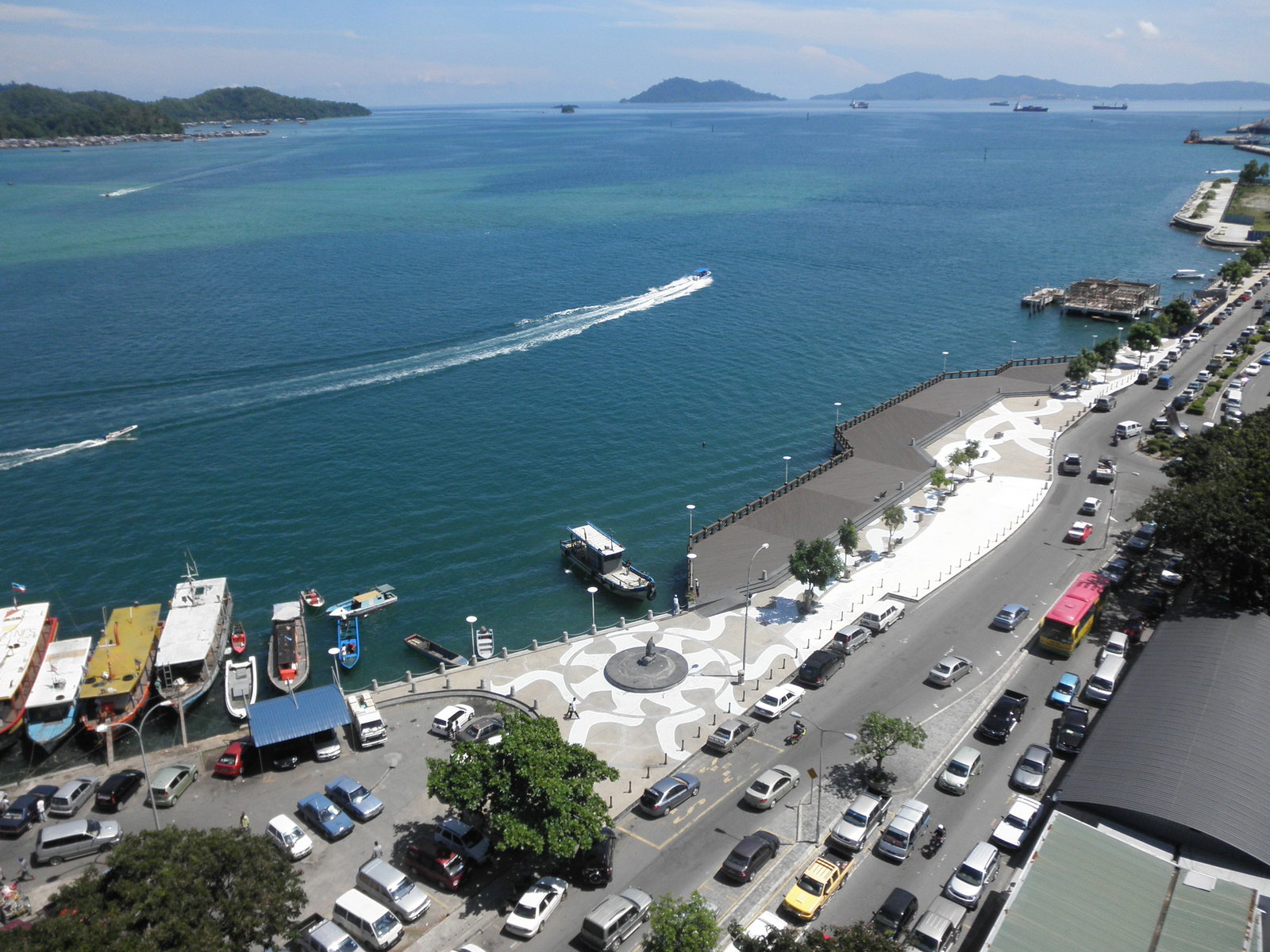
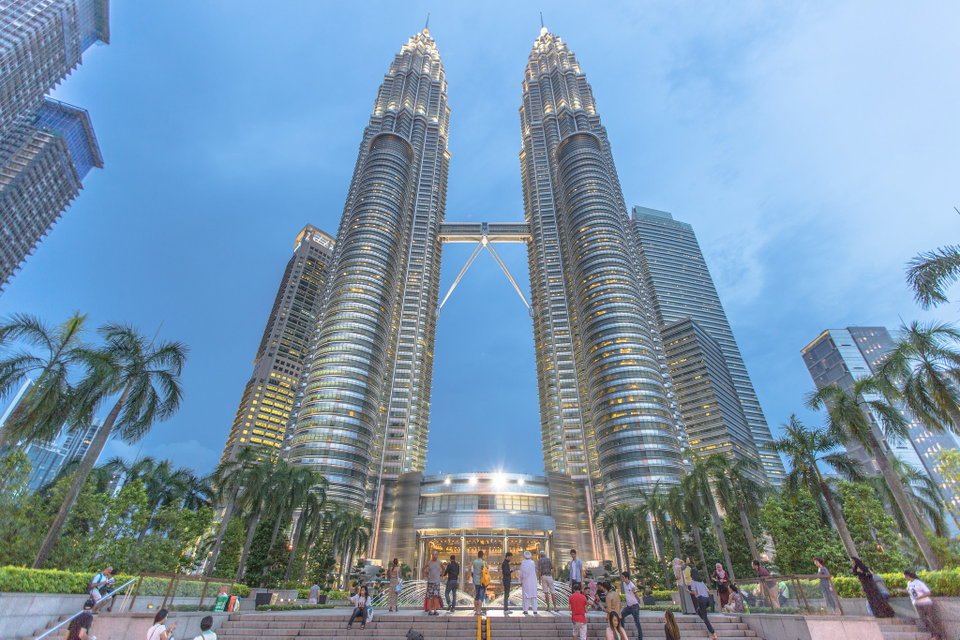
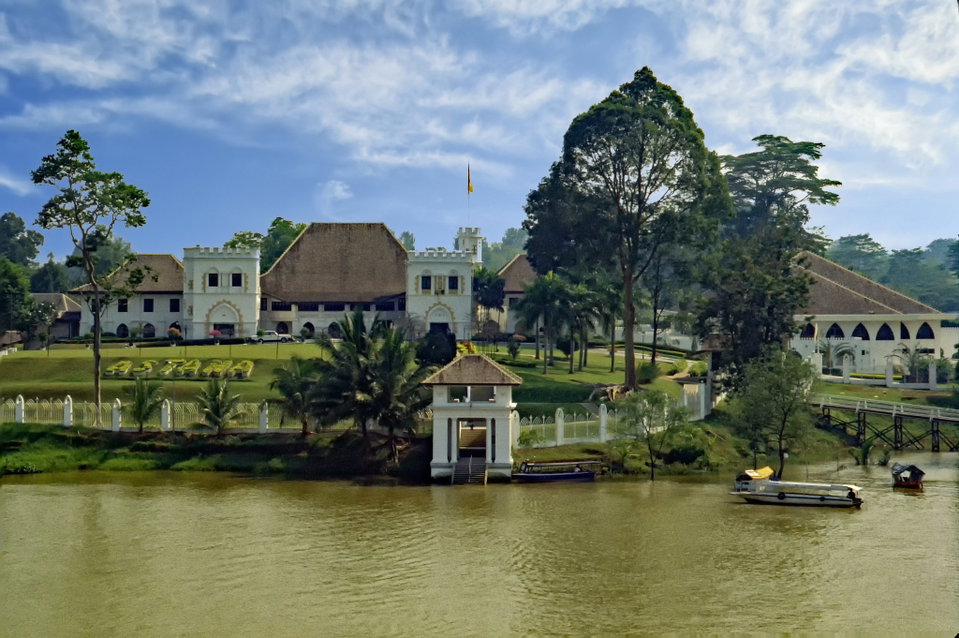
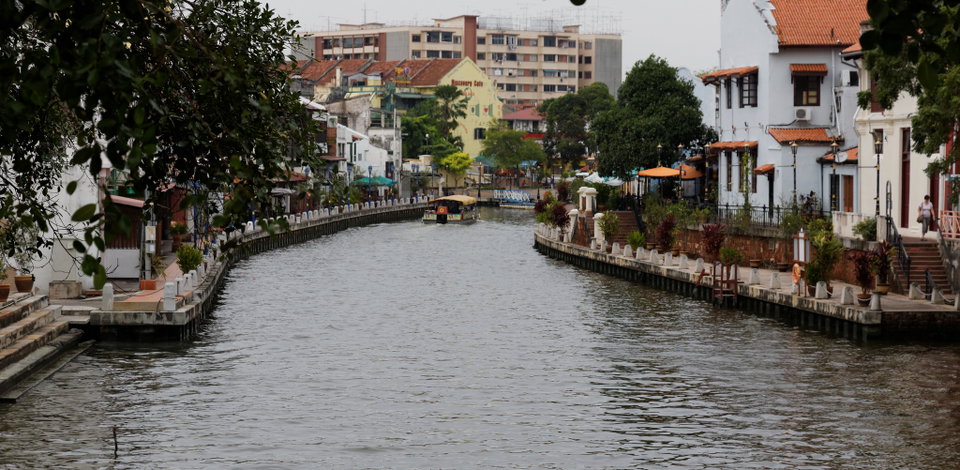
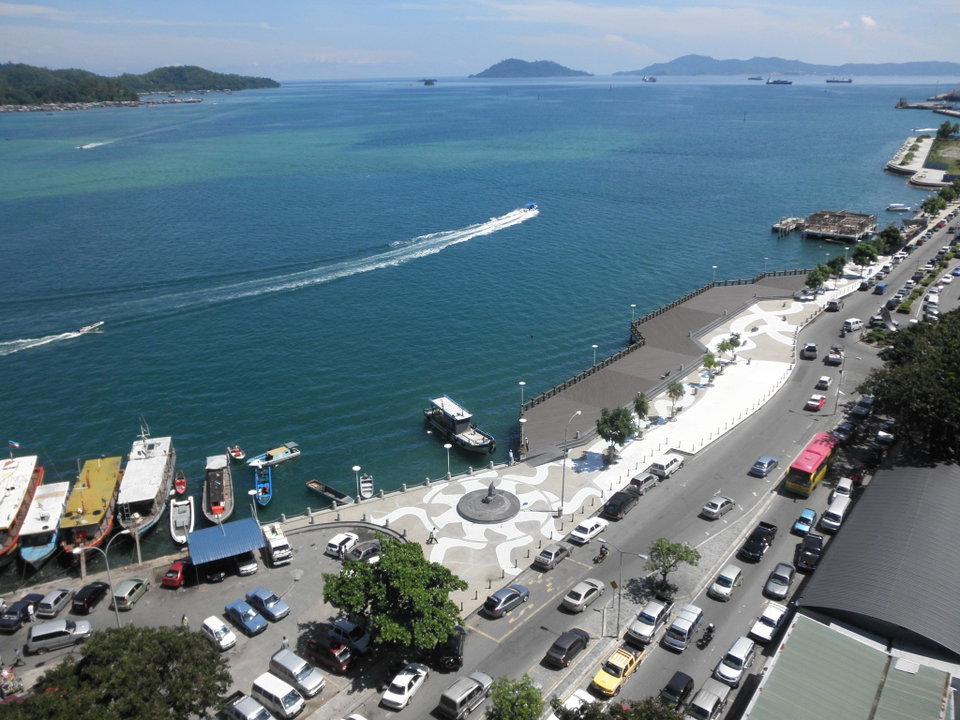
Kota Kinabalu, The Waterfront City. Photo by Jason Thien

Destination guide

Kota Kinabalu

Sabah, Borneo · Malaysia

Gateway to Borneo — jungle, islands, and one of Southeast Asia's great sunsets

Best season

March to October (dry season); avoid November–February when northeast monsoon brings heavy rain

From Nairobi

Approx. 12–14 hours via Kuala Lumpur or Doha (no non-stop service)

Why visit Kota Kinabalu?

Few cities pack Kota Kinabalu's range into such a small footprint. You can be snorkelling on a reef inside Tunku Abdul Rahman Marine Park within 15 minutes of leaving your hotel, or standing on the cold granite summit of a 4,095-metre mountain within a day and a half. The city itself rewards slower exploration: the Gaya Street Sunday Market is one of Malaysia's most atmospheric, the Central Market and Filipino Market spill fresh produce and handicrafts onto the waterfront, and the Sabah Museum offers one of the best introductions to Bornean cultures anywhere in the region.

The food scene is a highlight in its own right. Seafood towers over everything — grilled stingray, butter prawns, bamboo clam, and whole fish cooked over charcoal — but the city is equally good for noodle soups, roti canai, and Kadazan-Dusun specialities like hinava (raw fish cured in lime). Sunsets over the five islands of the marine park are reliably spectacular, which is why the waterfront Signal Hill and the top of Atkinson Clock Tower fill up every evening.

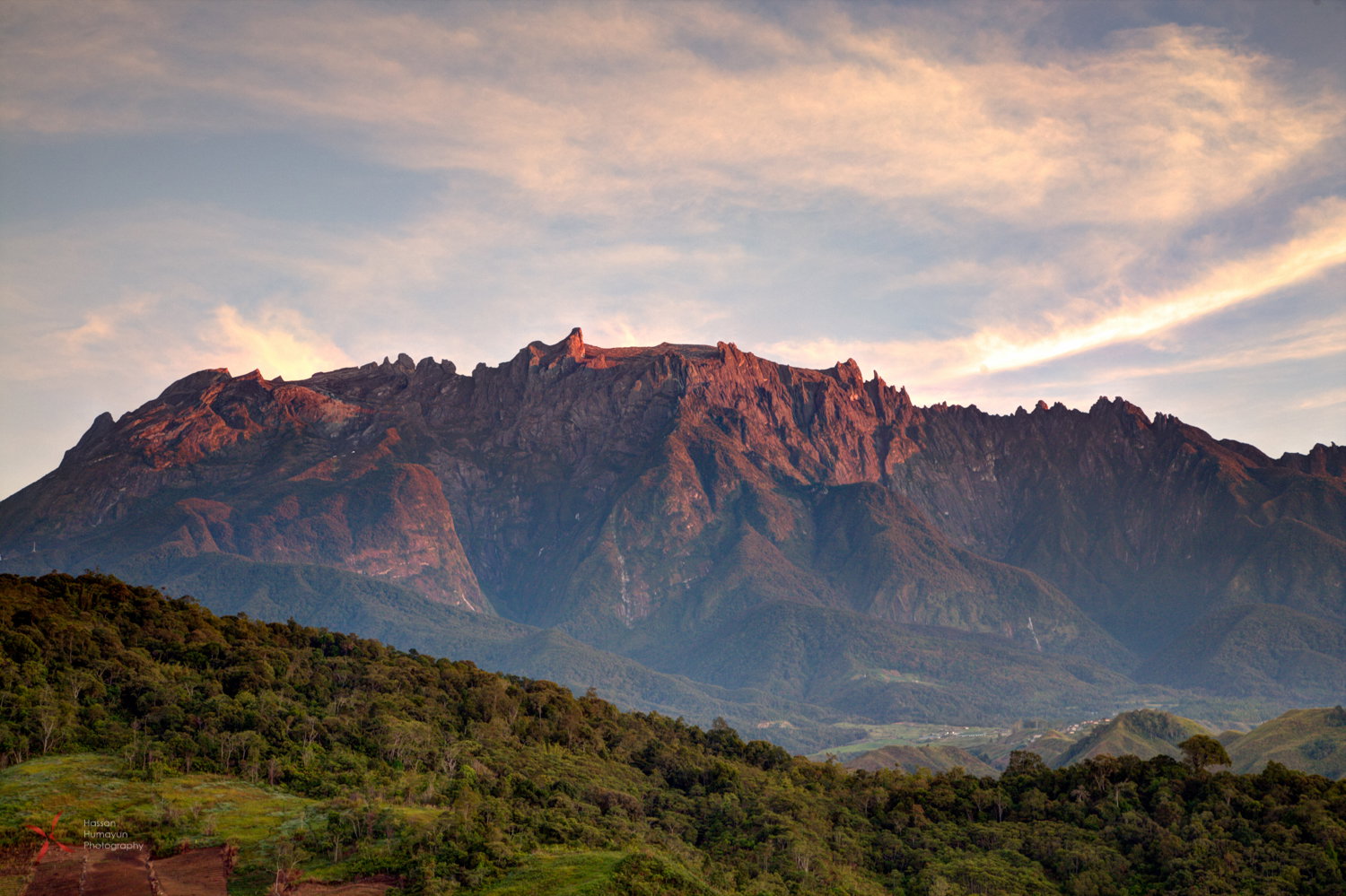
  • Climb Mount Kinabalu — the highest peak between the Himalayas and New Guinea at 4,095 m
  • Snorkel or dive the Tunku Abdul Rahman Marine Park, a 15-minute boat ride from the city
  • Watch the sun melt into the South China Sea from the KK waterfront — one of Asia's best sunsets
  • Spot proboscis monkeys, pygmy elephants, and orangutans within a day's drive of the city
  • Eat your way through Filipino Market seafood stalls and the legendary Gaya Street Sunday Market
  • Dive Sipadan — consistently ranked among the world's top dive sites — on a day trip from Mabul

Best for

Summit climbers, island-hoppers, divers, wildlife seekers, and food lovers

Trip style

Adventure, nature, beach, cultural city break

Known for

Mount Kinabalu, Tunku Abdul Rahman Marine Park, world-class diving, Sabah's night markets, Bornean wildlife

Quick facts

Best time to visit

March to October (dry season); avoid November–February when northeast monsoon brings heavy rain

Currency

Malaysian Ringgit (MYR)

Languages

Bahasa Malaysia (official); English widely spoken; Kadazan, Mandarin also common

Visa summary

Visa-free for most nationalities for 30–90 days; Sabah requires a separate entry stamp for some passports — check before travel

Flight time from Nairobi

Approx. 12–14 hours via Kuala Lumpur or Doha (no non-stop service)

Airport / arrival

Kota Kinabalu International Airport (BKI) is 7 km from the city centre; taxis and Grab available outside arrivals

Safety note

Generally safe; petty theft around markets — use a money belt. The Sulu Sea eastern coast has FCO/FCDO advisories — stay on the western side

Visa and entry

Look up entry rules by passport for travel to Malaysia on the Tsavaro visa checker.

Check visa requirements for Malaysia

Things to do

Climb Mount KinabaluAdventure

Climb Mount Kinabalu

2 days (overnight on the mountain)

The classic two-day ascent to Low's Peak (4,095 m) starts from Timpohon Gate in Kinabalu Park, a UNESCO World Heritage Site. Most climbers overnight at Laban Rata at 3,272 m and summit before dawn for views above the clouds. Permits, a mandatory guide, and accommodation at the mountain huts must be booked well in advance through Sutera Sanctuary Lodges.

Island-hop Tunku Abdul Rahman Marine ParkBeach & Snorkelling

Island-hop Tunku Abdul Rahman Marine Park

Half day to full day

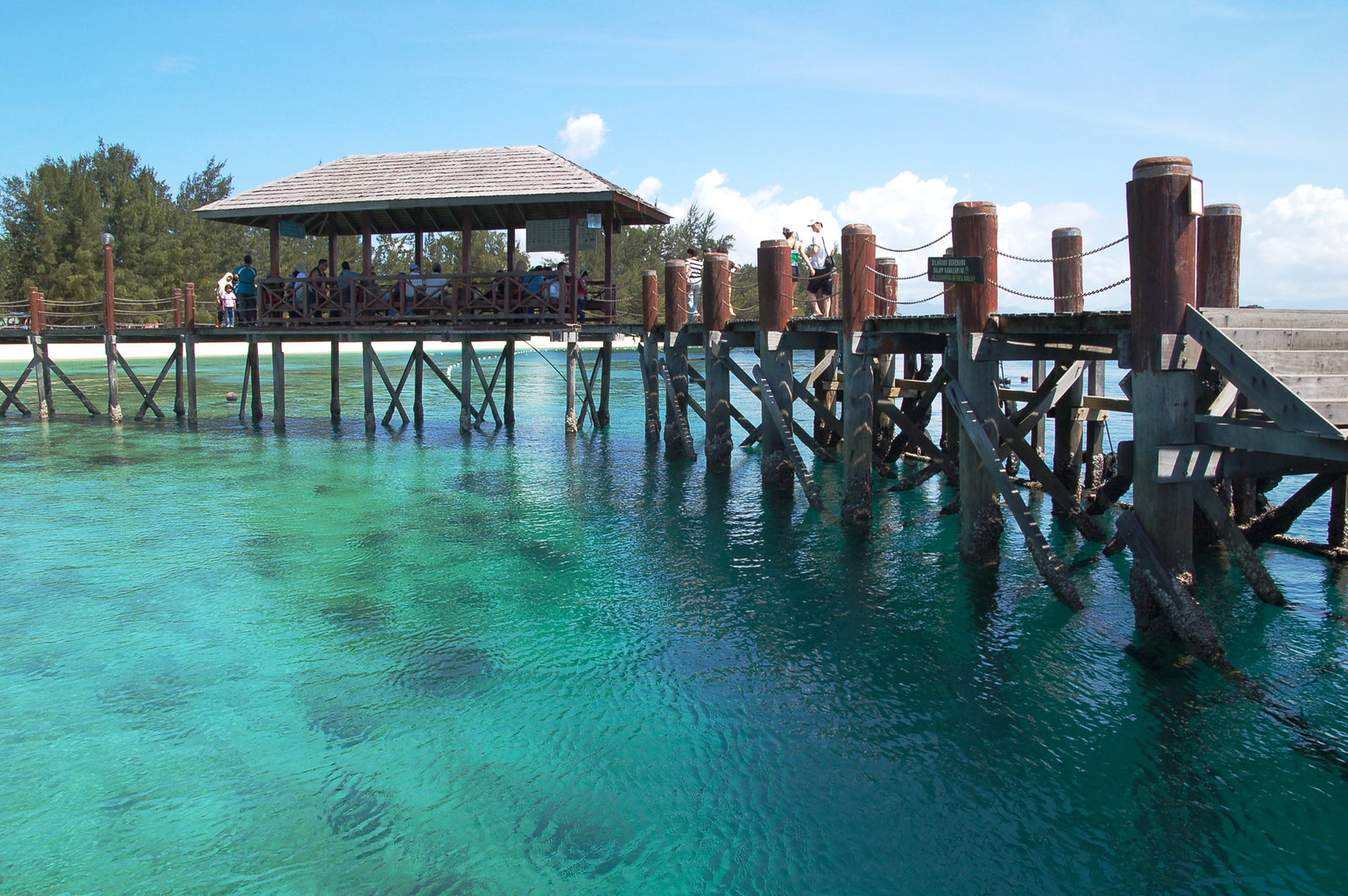
Five islands — Gaya, Sapi, Manukan, Mamutik, and Sulug — make up Sabah's only marine park, reachable by water taxi from Jesselton Point Ferry Terminal. Manukan has the best swimming and a resort; Mamutik is excellent for snorkelling; Sapi offers hiking trails and a canopy walkway. Combine two or three islands in a single day trip.

Explore Kinabatangan River WildlifeWildlife & Nature

Explore Kinabatangan River Wildlife

2–3 days

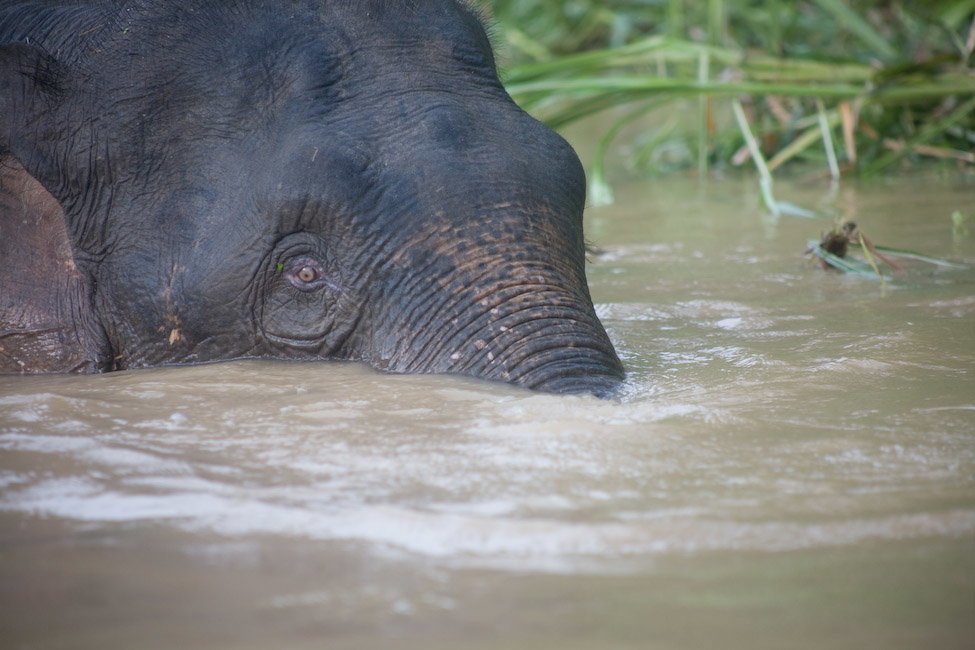
A five-hour drive east, the Kinabatangan River floodplain is one of the best places on Earth to see wild orangutans, proboscis monkeys, pygmy elephants, and dozens of hornbill species. Stay at a riverside lodge and join early-morning and dusk boat safaris for the best sightings.

Dive or snorkel Pulau SipadanDiving

Dive or snorkel Pulau Sipadan

2–4 days (fly KK–Tawau, then boat)

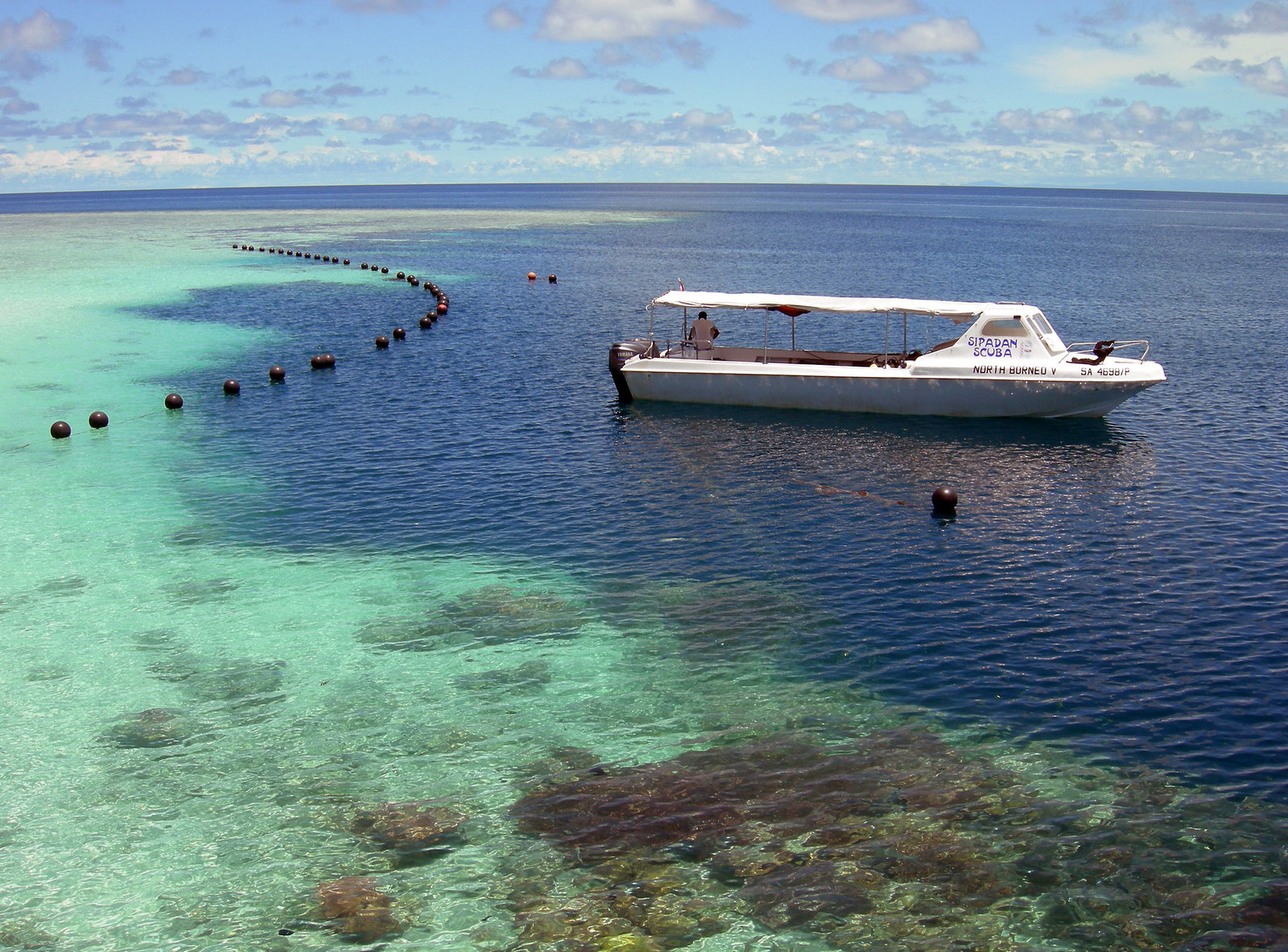
Sipadan — a limestone pinnacle rising from the Celebes Sea — is widely regarded as one of the world's top three dive sites, with wall dives, barracuda tornados, green turtles, and white-tip reef sharks as standard. Day-trip permits are strictly limited; stay at Mabul or Kapalai and pre-book your Sipadan permit months ahead.

Visit Sepilok Orangutan Rehabilitation CentreWildlife

Visit Sepilok Orangutan Rehabilitation Centre

Half day (near Sandakan, 5 hrs from KK)

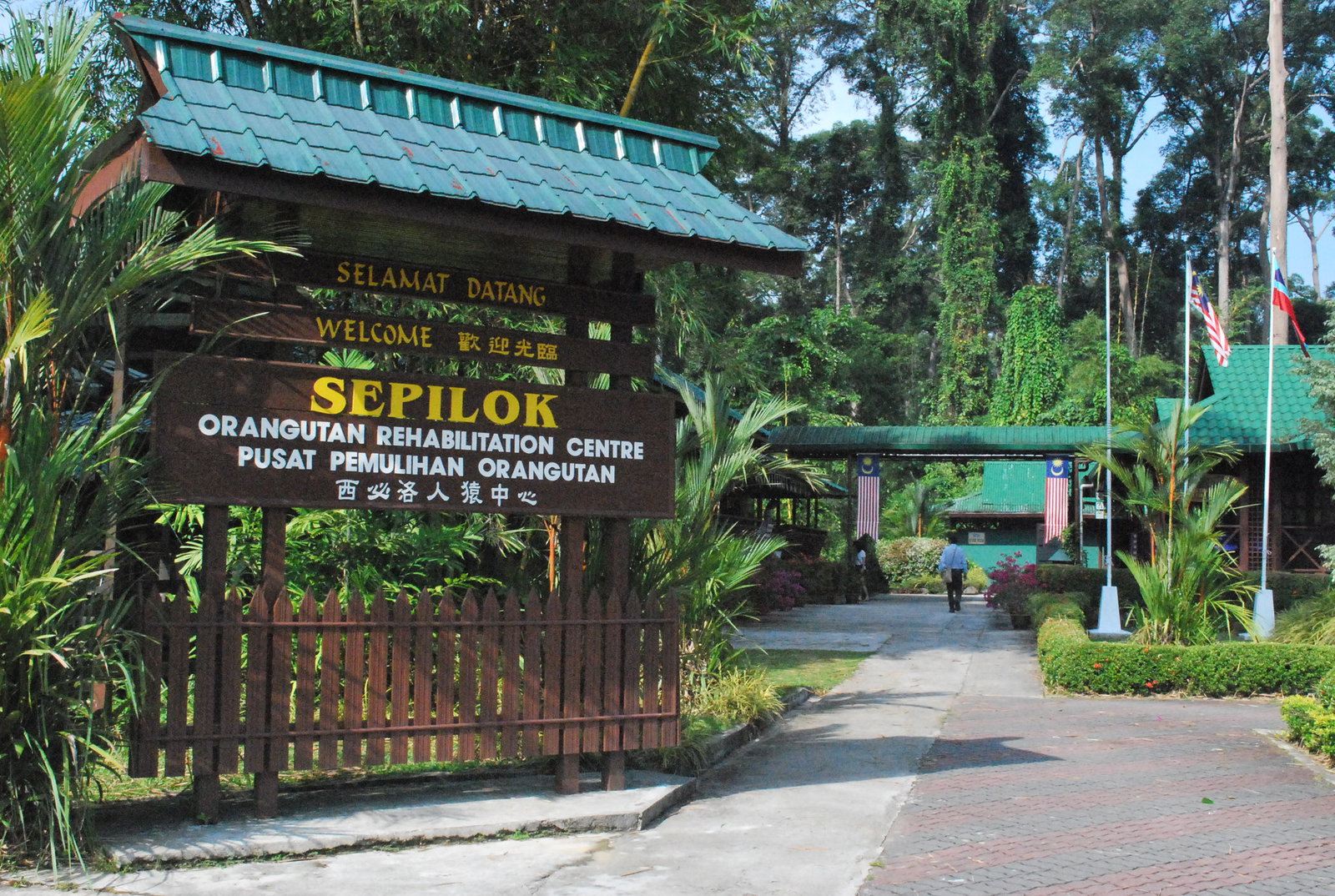
One of only four centres in the world that rehabilitates orphaned Bornean orangutans for return to the wild. Feeding platforms at 10 am and 3 pm guarantee close sightings. The adjacent Bornean Sun Bear Conservation Centre is equally unmissable — the world's only sun bear rescue programme.

Wander the Gaya Street Sunday MarketCulture & Food

Wander the Gaya Street Sunday Market

2–3 hours

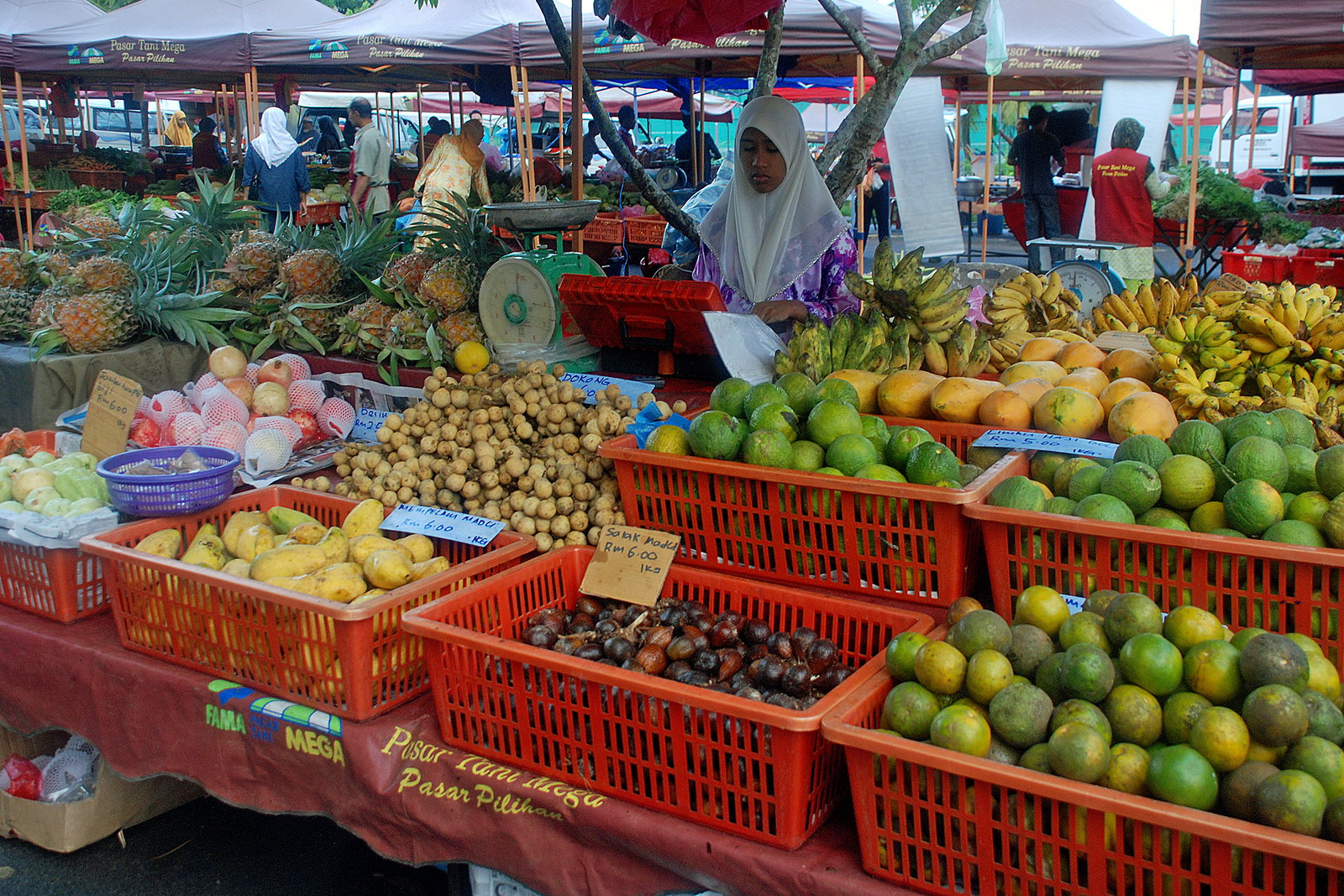
Every Sunday morning Gaya Street closes to traffic and fills with stalls selling jungle honey, traditional weaving, local snacks, antiques, plants, and Sabahan street food. Arrive by 7 am before the crowds and the heat — most vendors begin packing up by noon.

Filipino Market and Waterfront Night SeafoodFood & Nightlife

Filipino Market and Waterfront Night Seafood

Evening (1–2 hours)

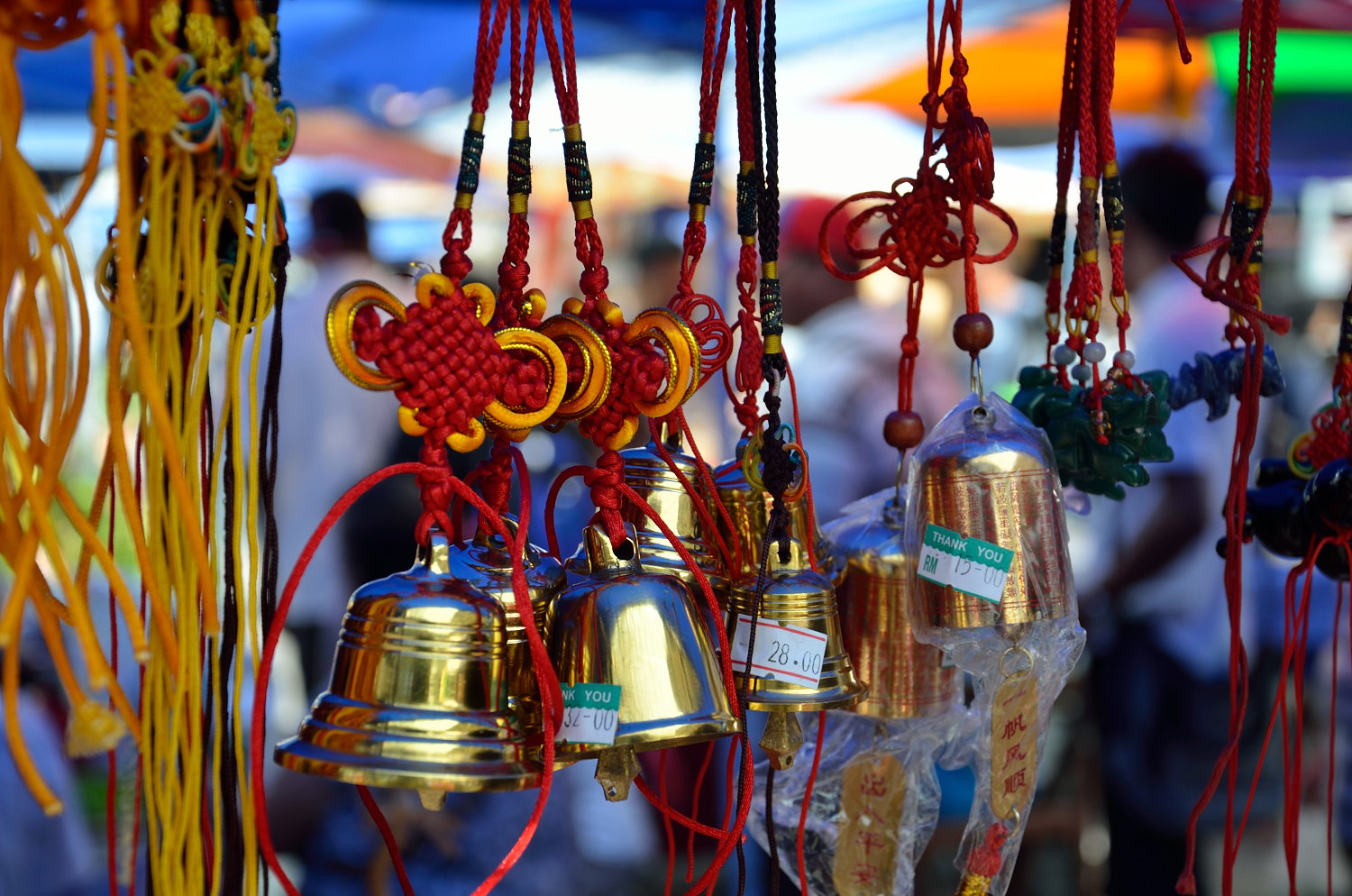
The Filipino Market along the waterfront is an informal bazaar of pearl jewellery, handicrafts, and fresh fruit. After dark, head to the adjacent open-air seafood stalls — point at your fish, choose your cooking style (grilled, steamed, butter sauce), and eat at plastic tables beside the sea.

White Water Raft the Kiulu or Padas RiverAdventure

White Water Raft the Kiulu or Padas River

Full day

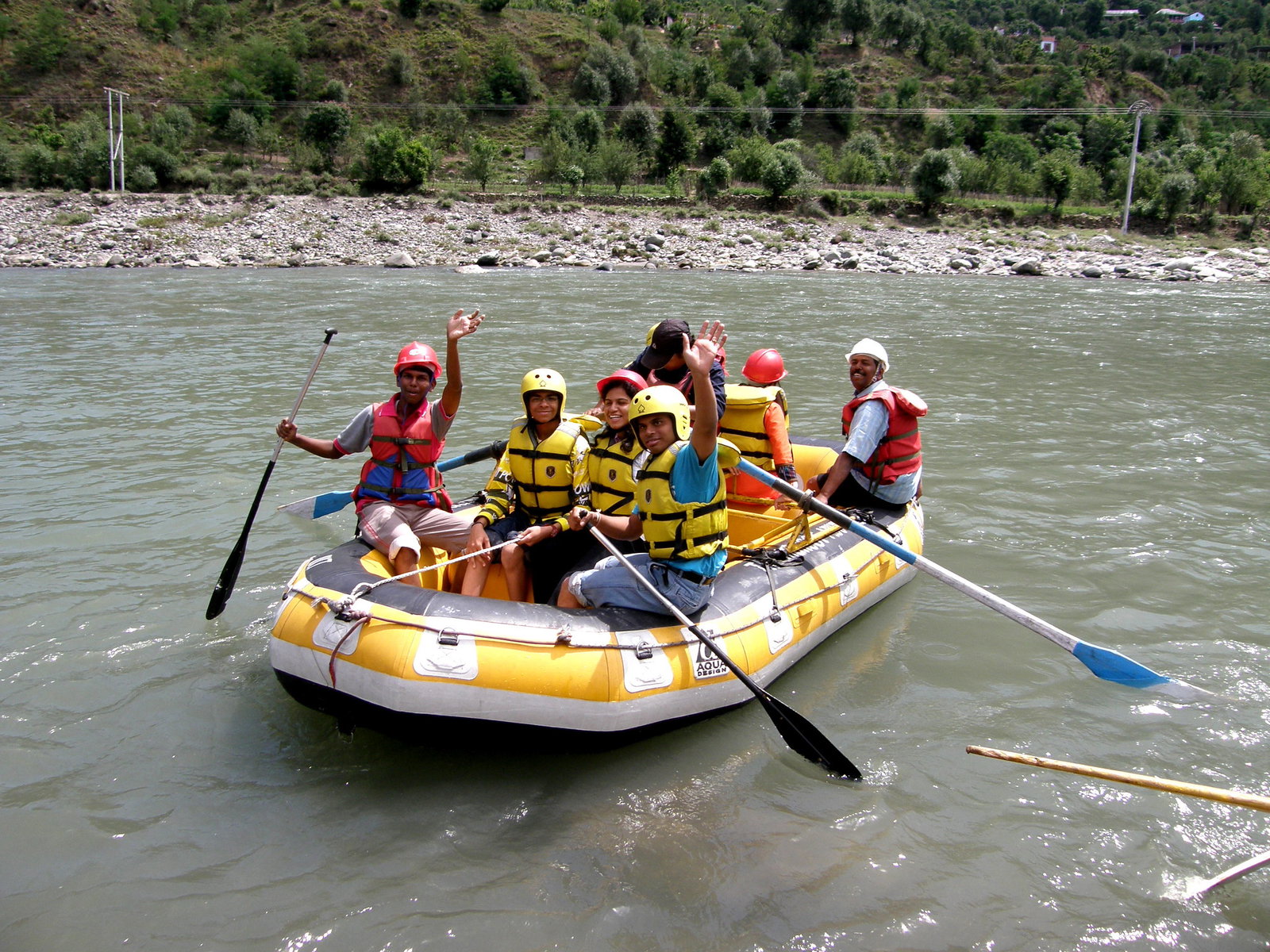
The Kiulu River (Grade 2–3) is perfect for beginners and families, while the Padas River (Grade 3–4) — accessible by a scenic jungle train — gives an adrenaline-heavy run through narrow limestone gorges. Full-day guided rafting trips depart from KK and include transport and equipment.

Best time to visit Kota Kinabalu

The best time to visit Kota Kinabalu is March to October, when the west coast of Sabah enjoys its dry season with lower humidity, calmer seas, and reliable sunshine — ideal for hiking, island-hopping, and diving.

March to May is arguably the sweet spot: post-Chinese New Year crowds have thinned, the mountains are clear, and sea conditions around the marine park are excellent. June and July bring the hottest and driest weather and coincide with the Mount Kinabalu Climbathon and Harvest Festival season — book mountain permits many months in advance if visiting at this time.

August to October remains largely dry and is a popular window for experienced divers visiting Sipadan, where visibility is often highest from July to October.

November to February marks the northeast monsoon. Kota Kinabalu's west-coast location buffers it from the worst rain (unlike Sandakan on the east coast), but expect short heavy downpours, choppier seas, and occasional cancellations of ferry services to the marine park islands. Prices drop noticeably and the city itself is still very visitable — many travellers find the tradeoff worthwhile.

For Mount Kinabalu, avoid January and February when the summit plateau is frequently rain-soaked and visibility poor. April, June, and September are considered the most reliable months for a clear-sky summit.
Is Kota Kinabalu safe to visit?

Yes — Kota Kinabalu is generally safe for tourists and is one of the more relaxed city destinations in Malaysian Borneo. Violent crime against visitors is rare, and the city centre, waterfront, and main tourist areas are well-lit and busy into the evening.

The main risks are typical urban ones: bag-snatching and pickpocketing around the markets (Filipino Market and Central Market especially) and opportunistic theft from unattended bags. Keep valuables in a money belt, avoid displaying expensive cameras or jewellery on the waterfront at night, and use Grab rather than unmetered taxis to avoid overcharging.

One important geographic note: travel advisories from the UK FCDO, Australian DFAT, and US State Department warn against travel to the eastern coastal areas of Sabah (Sandakan coastal strip, Lahad Datu, Semporna waterfront) due to kidnapping risks linked to Sulu Sea piracy. Kota Kinabalu itself is on the western coast and is not subject to these warnings. If you plan to visit Sipadan or Semporna, check your government's latest travel advice and stay in reputable dive resorts, which operate vetted transfers.

For the Kinabalu summit, the main risk is altitude-related — acclimatise properly, descend immediately if you develop symptoms of acute mountain sickness, and never attempt the summit without the mandatory licensed guide.

Suggested itinerary

5 Days in Kota Kinabalu & Sabah

A balanced mix of city, mountain, and coast aimed at first-time visitors. Based in KK for nights 1 and 5, with nights 2–3 on or near Mount Kinabalu and night 4 at a Kinabatangan riverside lodge. Moderate budget (mid-range hotels, guided activities). Climb permits and Laban Rata beds must be reserved at least 3 months ahead.

Day 1

Arrive & Explore the KK Waterfront

Land at Kota Kinabalu International Airport, check in, and orient yourself with a walk along the Esplanade waterfront. Climb Signal Hill for a panoramic overview of the city and the marine park islands. Browse the Filipino Market in the late afternoon, then settle in at the waterfront seafood stalls for grilled fish and cold Sabah tea as the sun drops into the South China Sea.

Kota Kinabalu — Arrive & Explore the KK Waterfront

Travel essentials

Getting around

The city centre is walkable. Grab (the Southeast Asian ride-hailing app) is the most reliable and fairly-priced option for journeys beyond walking distance — download the app before you arrive. Red taxis operate fixed-rate metered fares but always confirm the meter is running. Water taxis to the marine park islands leave from Jesselton Point Ferry Terminal; buy tickets on the jetty. For day trips to Kinabalu Park, shared minivans depart from Inanam bus terminal (under RM30), or book a private transfer through your hotel.

Typical costs

KK is affordable by Southeast Asian standards. Budget guesthouses start from RM60–100/night; mid-range hotels run RM200–400; top-end resorts from RM500+. A hawker meal costs RM8–15; a sit-down restaurant RM30–60 per person with drinks. Kinabalu Park entry is RM200 (foreigners) with guide fees, climb permits, and Laban Rata accommodation adding RM600–900 more. Marine park day trips cost RM60–100 all-in from Jesselton Point.

Culture and etiquette

Sabah is a majority-Muslim state though notably more relaxed than peninsular Malaysia — dress modestly at mosques and government buildings, and remove shoes at temple and longhouse entrances. The Kadazan-Dusun Harvest Festival (Kaamatan) in May is a joyous public celebration; visitors are warmly welcomed. Avoid pointing with a single finger (use your full hand or thumb). Photographing local people, especially at markets, always benefits from a smile and a request first.

Connectivity

4G coverage is excellent across KK and reasonable up to Kinabalu Park HQ (the summit has no signal). Buy a tourist SIM from Maxis, Celcom, or Digi at the airport arrivals hall — a 14-day 20 GB data package costs around RM30–40. Wi-Fi is standard in all mid-range and above hotels and most cafes.

Payments

Cash is king at markets, food stalls, and water taxi jetties. ATMs (Maybank, CIMB, HSBC) are plentiful in the city centre and at shopping malls. Most hotels, larger restaurants, and tour operators accept Visa and Mastercard. Currency exchange counters at the airport offer reasonable rates; slightly better rates at licensed money changers on Gaya Street.

Kota Kinabalu travel FAQs

More destinations to explore

Kota Kinabalu, Malaysia