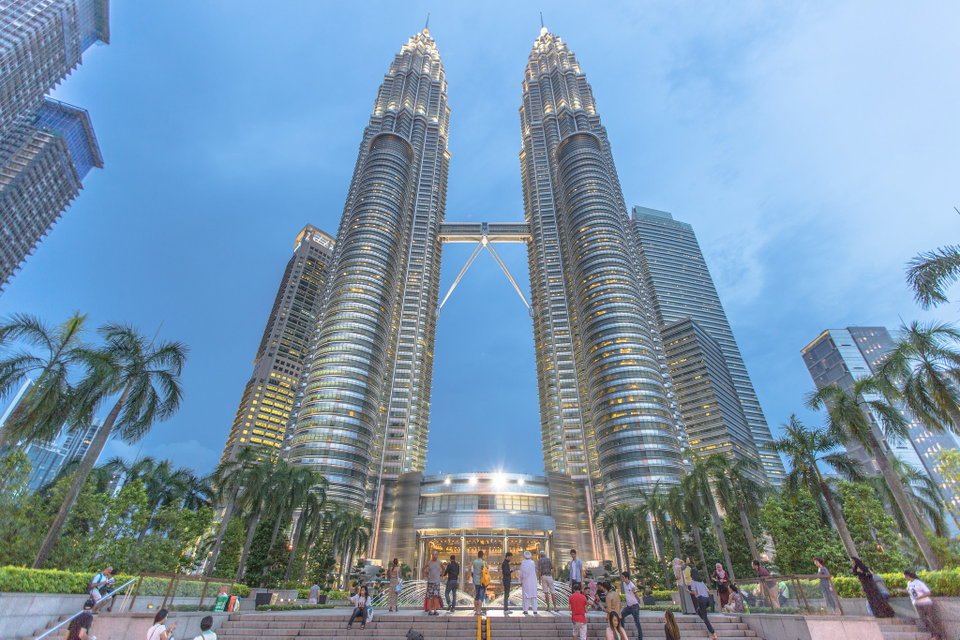
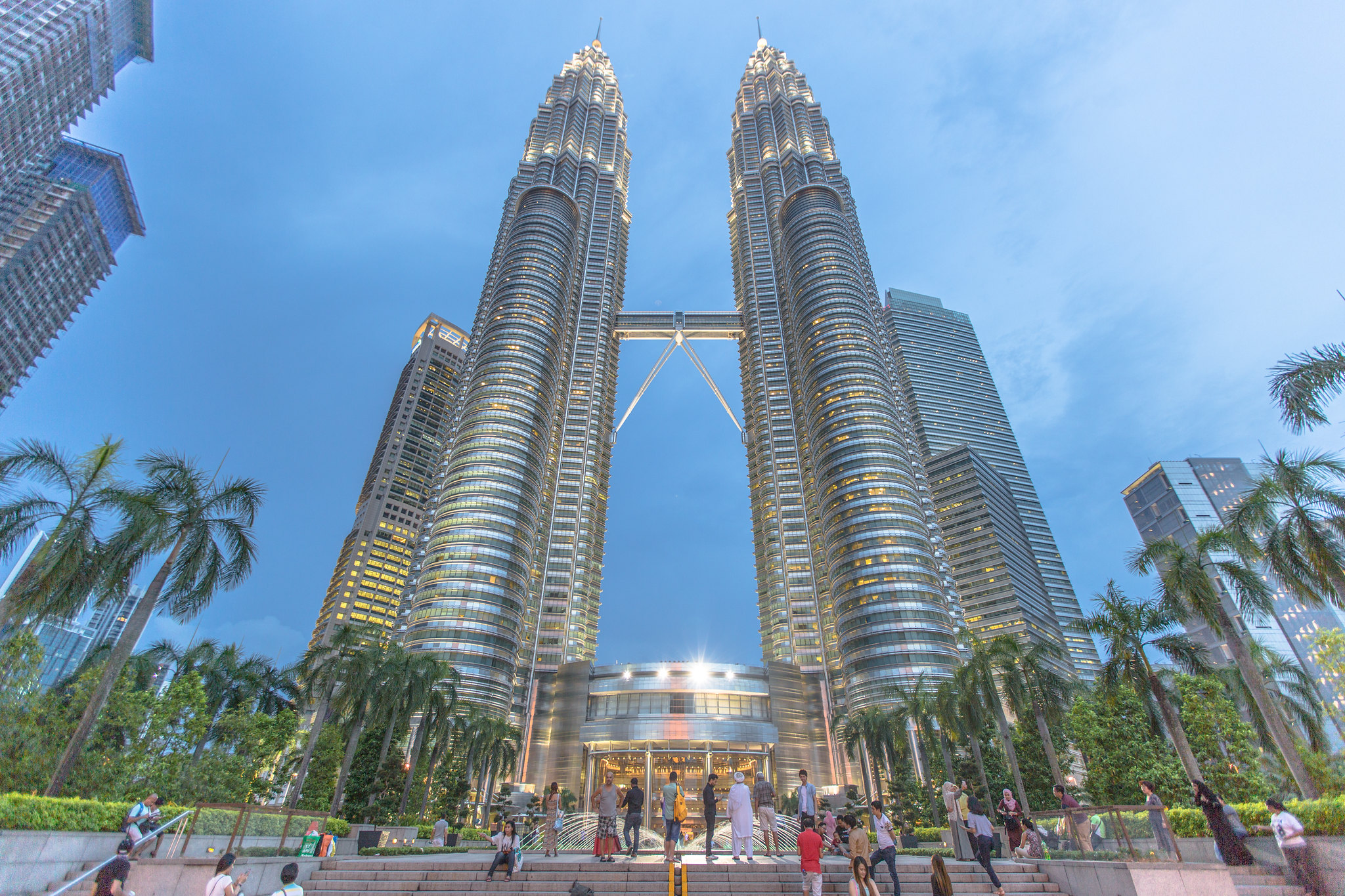
The Petronas Twin Towers rising above the Kuala Lumpur skyline at dusk, surrounded by lush greenery and city lights

Destination guide

Kuala Lumpur

Klang Valley, Peninsular Malaysia · Malaysia

Asia's most dynamic skyline meets street food paradise and tropical rainforest — all in one city.

Best season

May–July and December–February (drier spells between monsoon seasons)

From Nairobi

Approx. 8–9 hrs direct (Kenya Airways operates NBO–KUL); 10–14 hrs with one stop.

Why visit Kuala Lumpur?

Few cities on earth offer Kuala Lumpur's sheer density of experiences within such a compact, affordable footprint. The skyline — anchored by the iconic Petronas Twin Towers — is rivalled only by the street-level richness below: hawker centres dishing out laksa, char kway teow, and nasi lemak at any hour; mosques, temples, and colonial buildings sitting metres apart; and a nightlife scene that stretches from rooftop cocktail bars to hidden jazz clubs.

KL is also one of Asia's best value destinations. A full day of eating, sightseeing, and transport rarely exceeds USD 25–35, even at comfortable standards. The city's MRT, LRT, and monorail network is modern, air-conditioned, and covers most tourist areas, making it easy to explore without a car.

Beyond the city limits, KL is a launchpad: the Cameron Highlands are 3 hours away, Penang 4 hours, and Langkawi a 1-hour flight. For travellers combining Southeast Asia itineraries, KL's KLIA is one of the region's best-connected hubs.

  • Stand on the Skybridge between the Petronas Towers, 170 m above the city — free with a timed ticket.
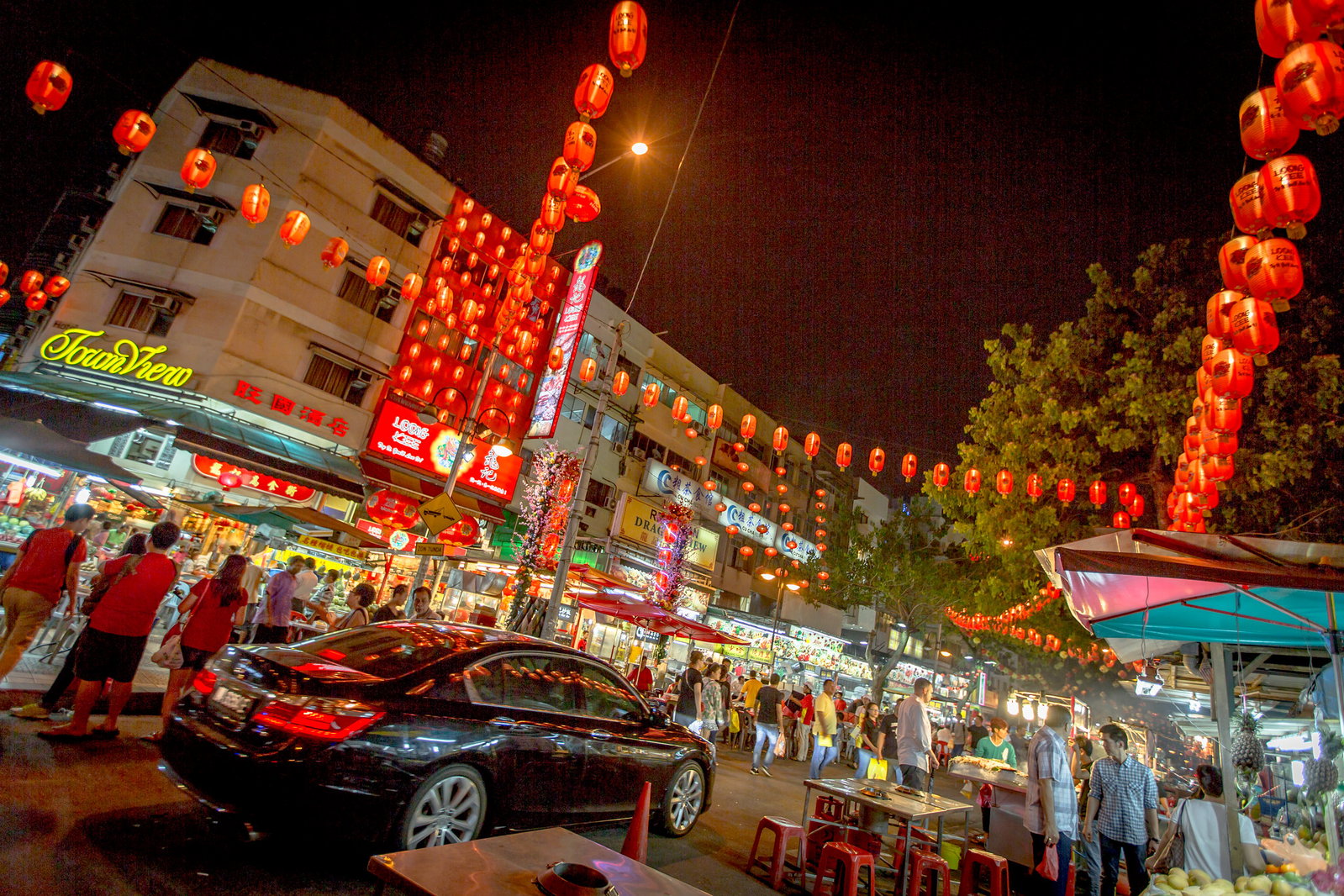
  • Eat your way through Jalan Alor night market: satay, oyster omelette, and durian all on one street.
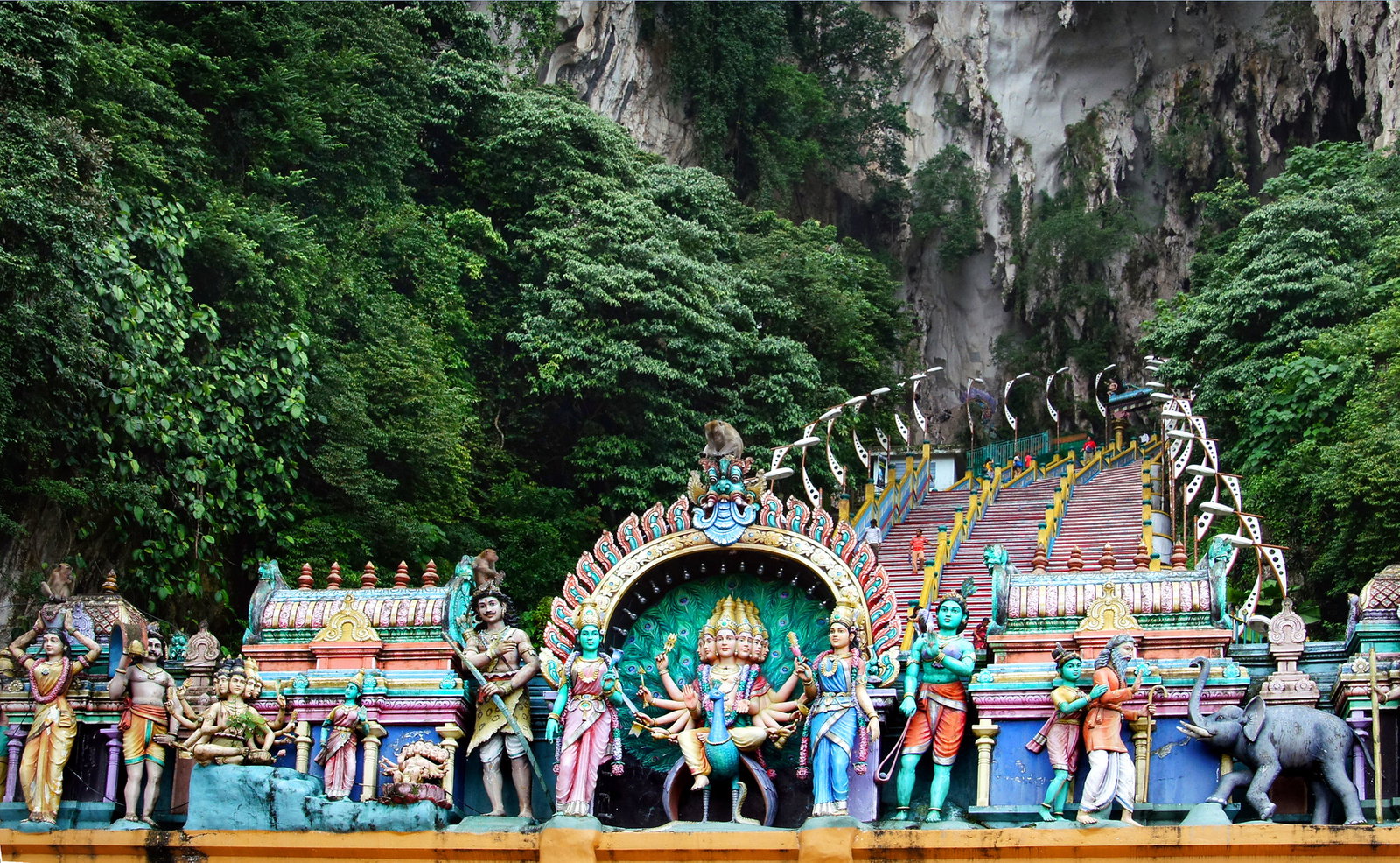
  • Climb 272 steps to the gold-painted Sri Murugan shrine at Batu Caves, 13 km from the city centre.
  • Lose yourself in the Street Art Trail of Chow Kit and the indie galleries of Publika.
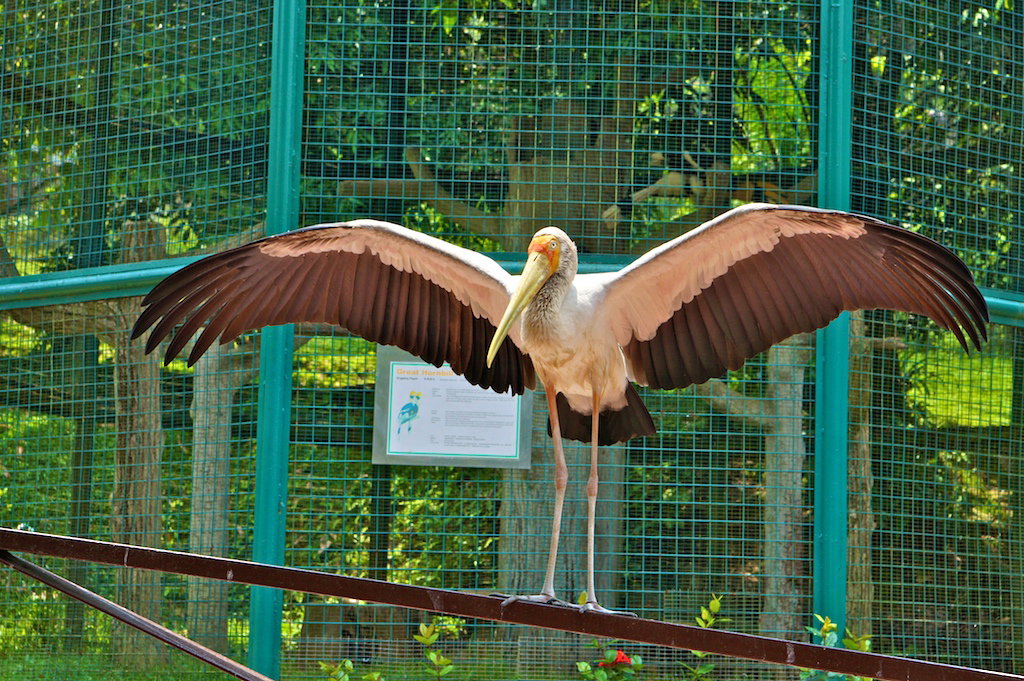
  • Escape the heat inside the KL Bird Park — the world's largest walk-in aviary, set in a rainforest valley.
  • Day-trip to the Batu Ferringhi beaches of Penang or the tea plantations of the Cameron Highlands.

Best for

Food lovers, city explorers, architecture enthusiasts, shoppers, and budget-savvy travellers

Trip style

Urban explorer, family holiday, stopover extension, cultural immersion

Known for

Petronas Twin Towers, hawker food, Batu Caves, multicultural heritage, KLIA transit hub

Quick facts

Best time to visit

May–July and December–February (drier spells between monsoon seasons)

Currency

Malaysian Ringgit (MYR). 1 USD ≈ 4.7 MYR (2025).

Languages

Bahasa Malaysia (official); English is very widely spoken.

Visa summary

Visa-free for 90 days for citizens of most Western, ASEAN, and GCC countries. Check the Malaysian Immigration Department for your nationality.

Flight time from Nairobi

Approx. 8–9 hrs direct (Kenya Airways operates NBO–KUL); 10–14 hrs with one stop.

Airport / arrival

Kuala Lumpur International Airport (KLIA) is 55 km south of the city. KLIA Ekspres train reaches KL Sentral in 28 minutes (MYR 55). Taxis and Grab (rideshare) are also available.

Safety note

Generally safe for tourists. Petty theft in Bukit Bintang and Chow Kit warrants normal vigilance. Avoid displaying expensive jewellery in busy street markets.

Visa and entry

Look up entry rules by passport for travel to Malaysia on the Tsavaro visa checker.

Check visa requirements for Malaysia

Things to do

Petronas Twin Towers & KLCC ParkLandmark

Petronas Twin Towers & KLCC Park

Half day

Visit the observation deck on Level 86 and the Skybridge on Level 41–42 of the world's tallest twin towers (452 m). Book Skybridge tickets online well in advance — they sell out days ahead. After, stroll the KLCC Park lake gardens, especially beautiful at dusk when the towers light up.

Batu CavesCultural & Religious

Batu Caves

Half day

A series of Hindu temple caves set inside a limestone hill 13 km north of the city. The vivid 42.7 m golden statue of Lord Murugan at the entrance is one of Malaysia's most photographed images. The cave interiors are genuinely dramatic — monkeys, stalactites, and incense smoke included. Arrive before 9 am to beat the crowds and the midday heat.

Jalan Alor Night MarketFood & Drink

Jalan Alor Night Market

2–3 hours

KL's most famous street-food strip comes alive from around 5 pm. Pull up a plastic chair and work your way through grilled satay, char kway teow, BBQ stingray, cendol, and fresh fruit juice — all at hawker prices. Best visited on a weekday to avoid weekend queues.

Merdeka Square & Colonial KL WalkHistory & Heritage

Merdeka Square & Colonial KL Walk

2–3 hours

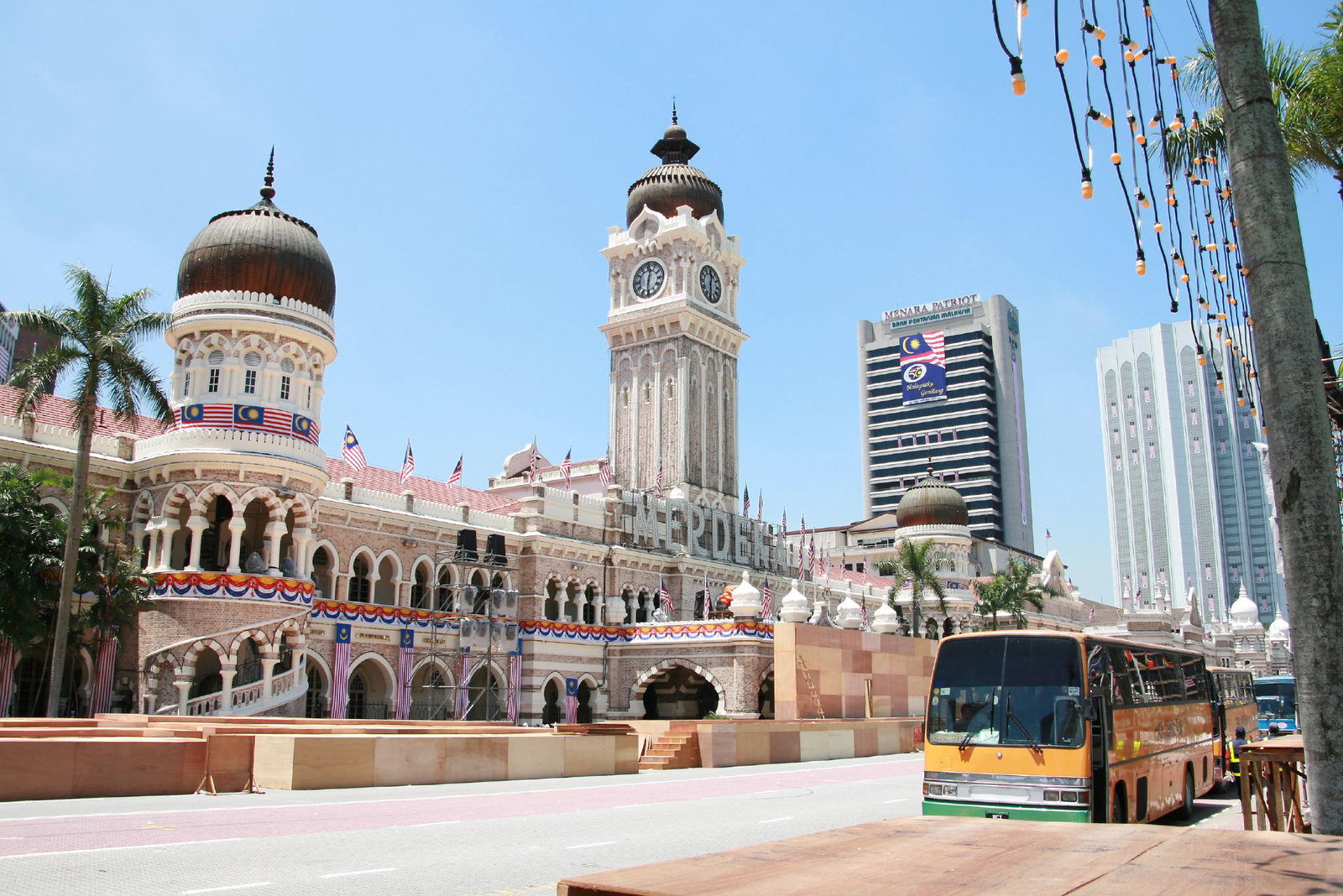
The vast padang in front of the Sultan Abdul Samad Building is where Malaysia declared independence in 1957. A short walk connects the Royal Selangor Club, St Mary's Cathedral, and the ornate Masjid Jamek mosque at the confluence of the Klang and Gombak rivers — KL's birthplace. Best done on foot in the cooler morning hours.

Petaling Street (Chinatown)Shopping & Culture

Petaling Street (Chinatown)

2–4 hours

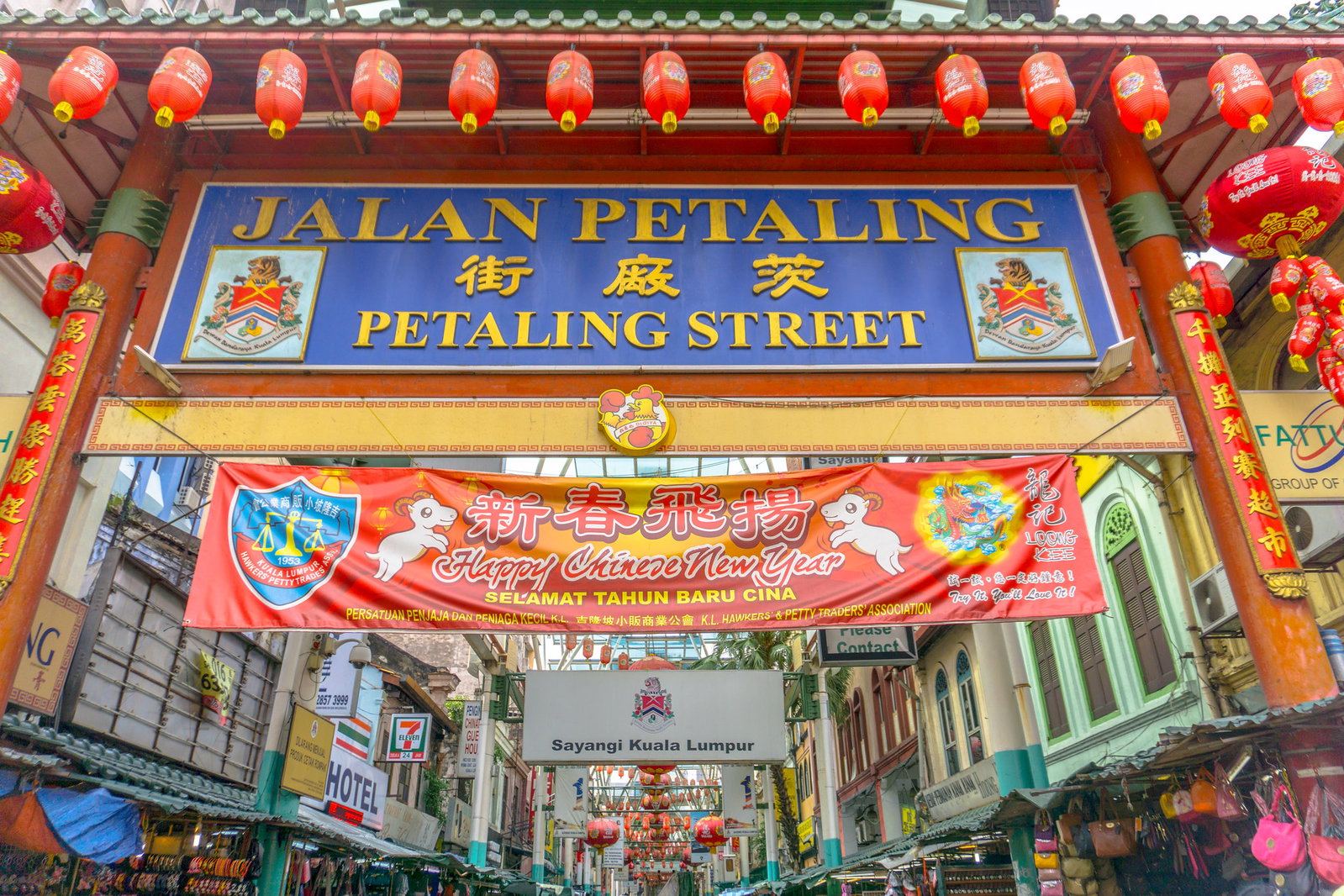
The heart of KL's Chinatown is a covered street market selling everything from replica watches and batik fabric to fresh mangosteen and roasted duck. The Sri Mahamariamman Temple and the elaborate Chan See Shu Yuen Clan Temple are just steps away. Grab a cup of white coffee and a pineapple tart from one of the heritage coffee shops spilling onto the five-foot ways.

KL Bird Park & Lake GardensNature & Wildlife

KL Bird Park & Lake Gardens

Full day

Set in 20 acres of valley rainforest, the KL Bird Park houses over 3,000 birds from 200 species in a free-flight walk-through aviary. Combine it with the adjacent Perdana Botanical Gardens, the National Museum, and the Islamic Arts Museum — one of the finest in Asia — for a full day in KL's green lung.

Bukit Bintang Shopping & NightlifeShopping & Nightlife

Bukit Bintang Shopping & Nightlife

Evening or full day

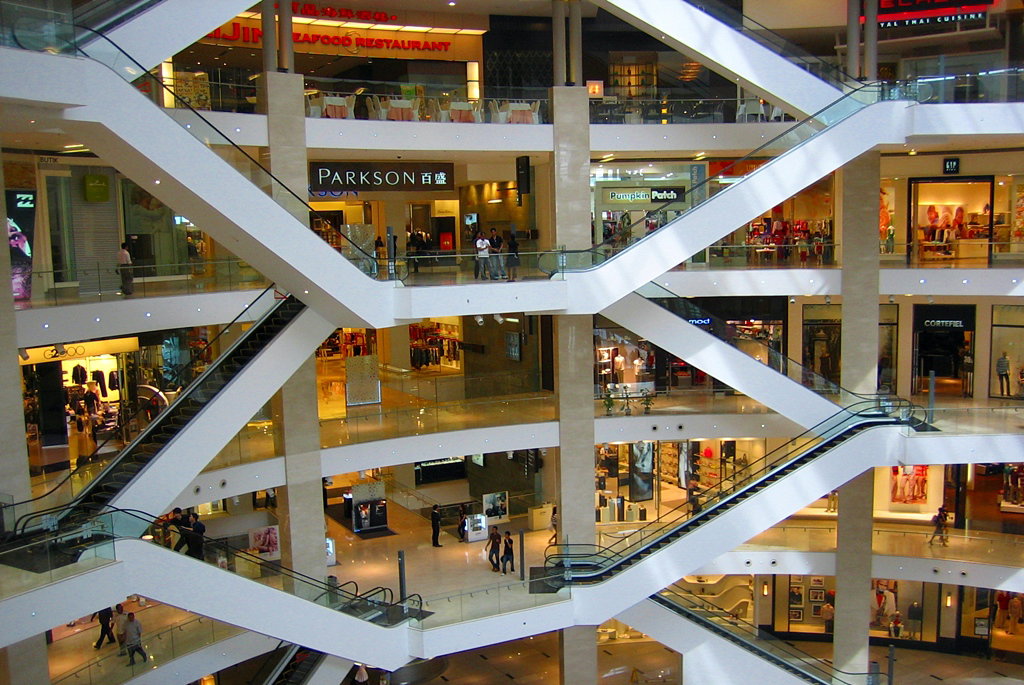
KL's entertainment district is compact, walkable, and stacked: Pavilion KL and Lot 10 for international brands; Berjaya Times Square for pop culture; and, by night, rooftop bars above the Aloft and Traders hotels for city views with a sundowner. The area connecting to Changkat Bukit Bintang has the densest bar and restaurant strip in the city.

Cameron Highlands Day TripDay Trip

Cameron Highlands Day Trip

Full day or overnight

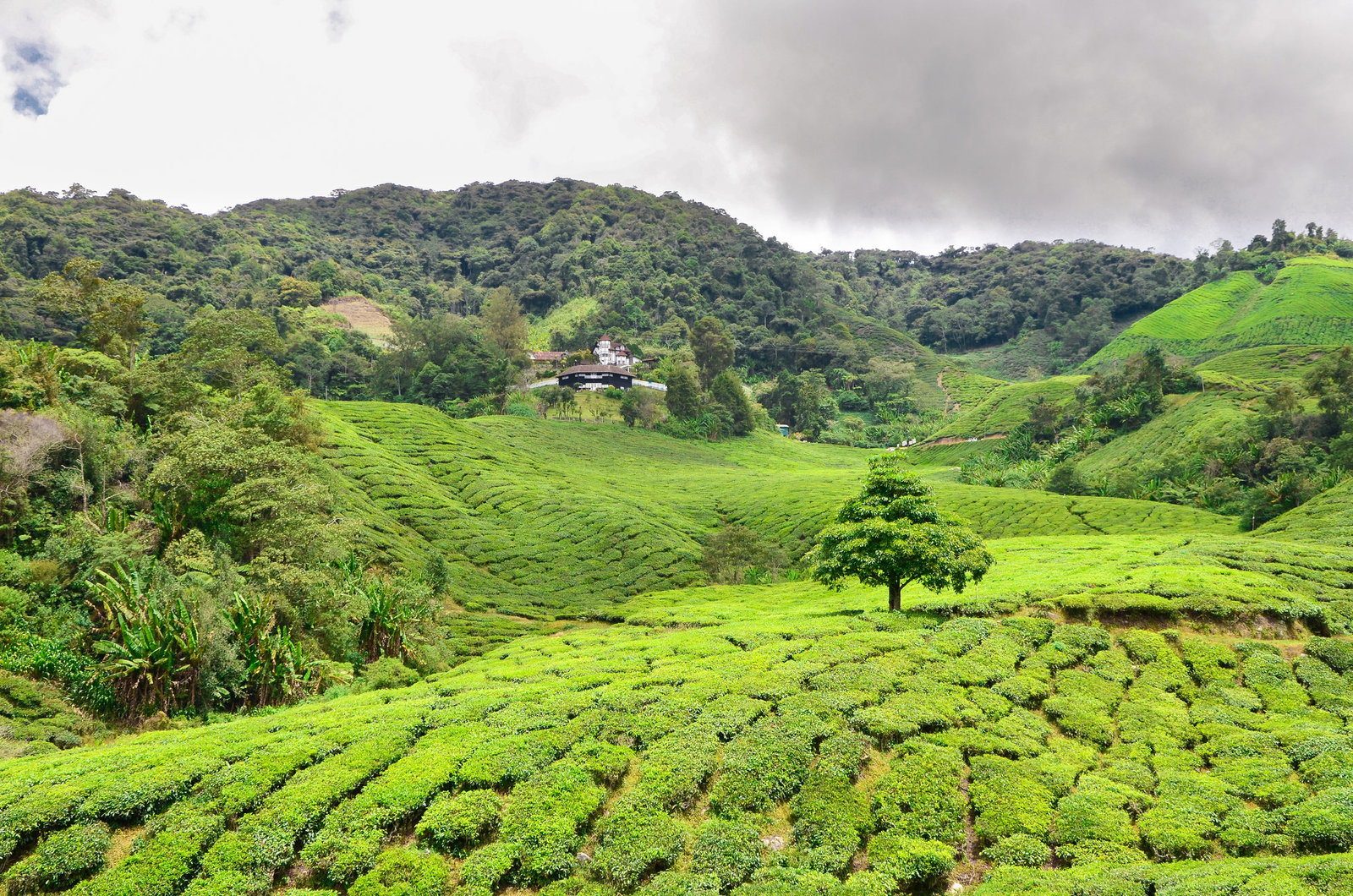
Three hours north by bus or private transfer, the Cameron Highlands sit at 1,500 m above sea level — a refreshing escape from the city heat. Walk between BOH tea plantation rows, stop in at a strawberry farm, and eat steamboat with locally-grown corn. Ideal as an overnight or day trip from KL.

Best time to visit Kuala Lumpur

The best time to visit Kuala Lumpur is May to July and December to February, when rainfall is lower and the skies are more reliably clear. That said, KL is a year-round destination — most rain arrives as afternoon thunderstorms rather than all-day downpours, and indoor attractions mean bad weather rarely ruins a day.

May–July is arguably the sweet spot: humidity is lower, festival crowds have cleared after Chinese New Year and Hari Raya, and flight prices are reasonable. December–January brings slightly more rain on the west coast but corresponds to school-holiday demand from the Middle East and Australia — book accommodation early.

March–April can be hazy due to regional agricultural burning (check the Air Pollution Index before travelling if respiratory health is a concern). October–November is the wettest period, with the east coast monsoon pushing moisture inland — not ideal for day trips but still very manageable in the city itself. January–February coincides with Chinese New Year, when Chinatown and Petaling Street are spectacular but hotel prices spike. Ramadan (dates vary) offers a quieter, more reflective side of the city, with beautiful Iftar spreads at Malay restaurants after sunset.

Is Kuala Lumpur safe to visit?

Yes — Kuala Lumpur is generally safe for tourists, and violent crime against visitors is rare. The city regularly ranks among Southeast Asia's more secure capitals, with a visible police and tourist-police presence in major districts.

The most common risks are petty theft and bag-snatching, particularly in busy areas like Bukit Bintang, Chow Kit night market, and on the LRT during rush hour. Keep bags zipped and in front of you, and use in-app Grab rather than hailing unmarked taxis to avoid overcharging.

Traffic is KL's real hazard: pedestrian crossings are not always respected by drivers, and footpaths can be uneven or absent in older neighbourhoods. The underground MRT and LRT system is the safest and most comfortable way to move around.

Women travelling solo generally report feeling comfortable in KL, especially in well-lit tourist and shopping areas. Dress modestly when visiting mosques and temples — covered shoulders and long trousers or skirts are required, and sarongs are often available at the entrance. The LGBTQ+ community should be aware that same-sex relationships are illegal in Malaysia under both civil and religious law; public displays of affection are inadvisable.

Drinking tap water is not recommended; bottled water is inexpensive everywhere. In an emergency, dial 999 for police or ambulance.
Suggested itinerary

5 Days in Kuala Lumpur: Food, Skyline & Culture

This plan is designed for a first-time visitor staying in or near Bukit Bintang or KLCC, using public transit throughout. Pace is moderate — two major activities per day — leaving room for spontaneous hawker discoveries. Budget band: mid-range (USD 60–120/day including accommodation).

Day 1

Arrival & Skyline First Look

Take the KLIA Ekspres from the airport to KL Sentral (28 minutes), then grab a Grab or the monorail to your hotel. Once checked in, walk the KLCC Park lake loop in the late afternoon for a first look at the Petronas Towers as the city's lights come up. Dinner at a rooftop restaurant in KLCC — try Cantaloupe at Troika or the hawker stalls at the KLCC food court for a more local entry point. Watch the fountain show below the Towers at 8 pm.

Kuala Lumpur — Arrival & Skyline First Look

Travel essentials

Getting around

KL has one of Southeast Asia's best urban transit networks. The MRT Putrajaya and Kajang lines, LRT Kelana Jaya and Ampang lines, monorail, and KTM Komuter trains cover virtually every tourist area. A Touch 'n Go card (purchase at any station, MYR 10 deposit) works across all lines and buses. Grab (rideshare app) is the safest, fairest option for road transport — always cheaper than metered taxis and fully tracked. Walking is pleasant in KLCC and Bukit Bintang but challenging in older kampung districts where pavements are patchy.

Typical costs

KL is outstanding value. A full hawker meal costs MYR 8–15 (USD 1.70–3.20). Mid-range restaurant dinner for two: MYR 80–150. Budget guesthouse: MYR 60–100/night. Mid-range hotel: MYR 250–450/night. A day of sightseeing including Petronas Towers entry (MYR 80), Batu Caves (free), and transport rarely exceeds MYR 150 (USD 32). Alcohol is comparatively expensive due to import taxes — a beer at a bar runs MYR 18–30.

Culture and etiquette

Malaysia is a Muslim-majority country; dress modestly and remove shoes before entering mosques and many temples. Eating with the right hand is traditional in Malay and Indian settings. Do not openly display alcohol outside licensed premises in conservative areas. Bargaining is expected at street markets but not in malls. Tipping is not customary but is appreciated — rounding up the bill or leaving MYR 5–10 for good service is well received. The phrase 'terima kasih' (thank you) goes a long way.

Safety and planning

Register your trip with your country's foreign ministry travel-smart programme. Keep digital copies of your passport and travel insurance in cloud storage. KLIA has a 24-hour Malaysia Tourism Centre (MaTiC) desk. The tourist police hotline is +60 3-2149 6590. Travel insurance covering medical evacuation is strongly recommended.

Connectivity

Wi-Fi is fast and free in virtually every hotel, café, mall, and many transit stations. A local SIM card (Celcom, Maxis, or Digi) with 20–30 GB of data costs MYR 15–30 and is available at KLIA on arrival. Malaysia has strong 4G coverage across KL and most tourist regions. eSIMs are widely supported.

Payments

Credit and debit cards are accepted at hotels, malls, and most mid-range restaurants. Cash is still expected at hawker stalls, wet markets, and street vendors. ATMs (Visa/Mastercard compatible) are ubiquitous in shopping malls and near train stations. Dynamic currency conversion at ATMs is best declined — choose to be charged in MYR for the best rate. Touch 'n Go e-wallet (Malaysia's dominant mobile payment system) is widely accepted at convenience stores and some hawker stalls.

Kuala Lumpur travel FAQs

More destinations to explore

Kuala Lumpur, Malaysia