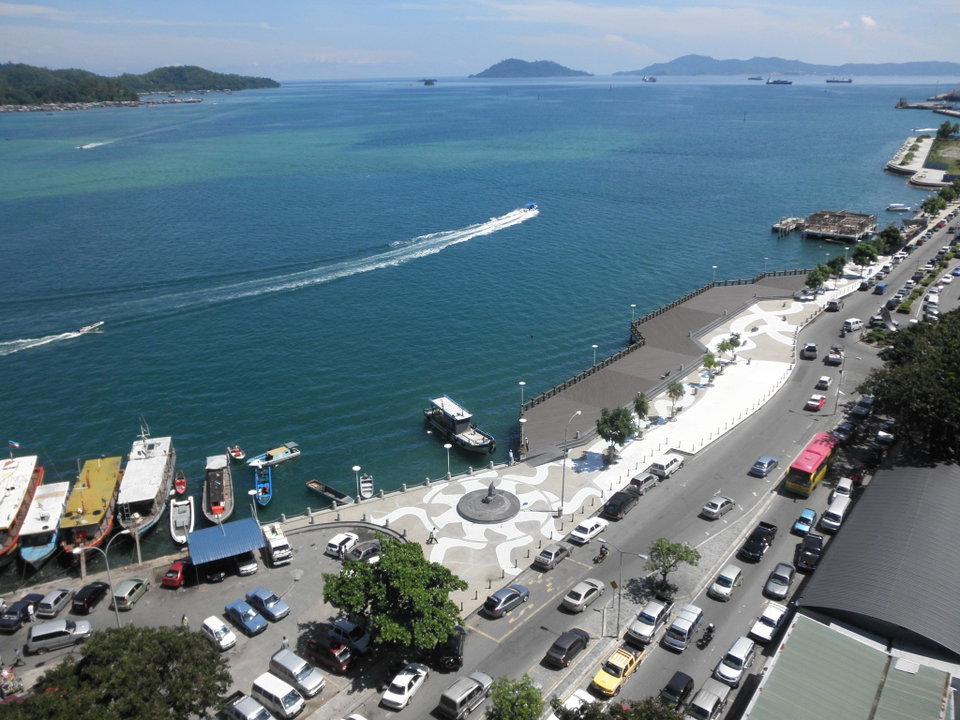
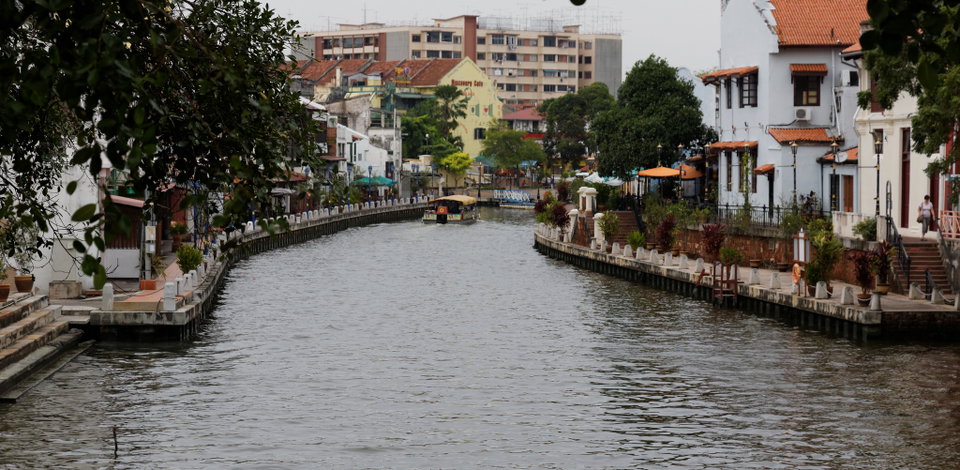
Kuching waterfront at dusk with the Sarawak River and colourful shophouses reflected in the water

Destination guide

Kuching

Sarawak, Borneo · Malaysia

Borneo's most liveable city — where jungle, culture, and great food collide

Best season

March to October (dry season); July–August for the Rainforest World Music Festival

From Nairobi

Approximately 14–17 hours (one stop, typically via Kuala Lumpur)

Why visit Kuching?

Few cities in Southeast Asia balance urban comfort with genuine wilderness access as effortlessly as Kuching. The city centre rewards slow exploration — colonial Fort Margherita faces a vibrant waterfront, the Indian Mosque and Malay kampung straddle the river, and a 1.5 km esplanade links it all. Yet within 30 minutes you can be watching wild orang-utans at Semenggoh Wildlife Centre or hiking into the extraordinary sandstone sea stacks of Bako National Park.

Kuching's food culture is one of its most underrated draws. The city claims dishes found nowhere else in Malaysia: kolo mee (springy dry noodles tossed in lard and shallot oil), Sarawak laksa (a coconut-and-sambal broth that Anthony Bourdain famously called the 'breakfast of the gods'), and manok pansuh — chicken slow-cooked in bamboo over an open fire. Night markets, air-conditioned hawker courts, and heritage-cafe coffee shops make eating here an adventure in itself.

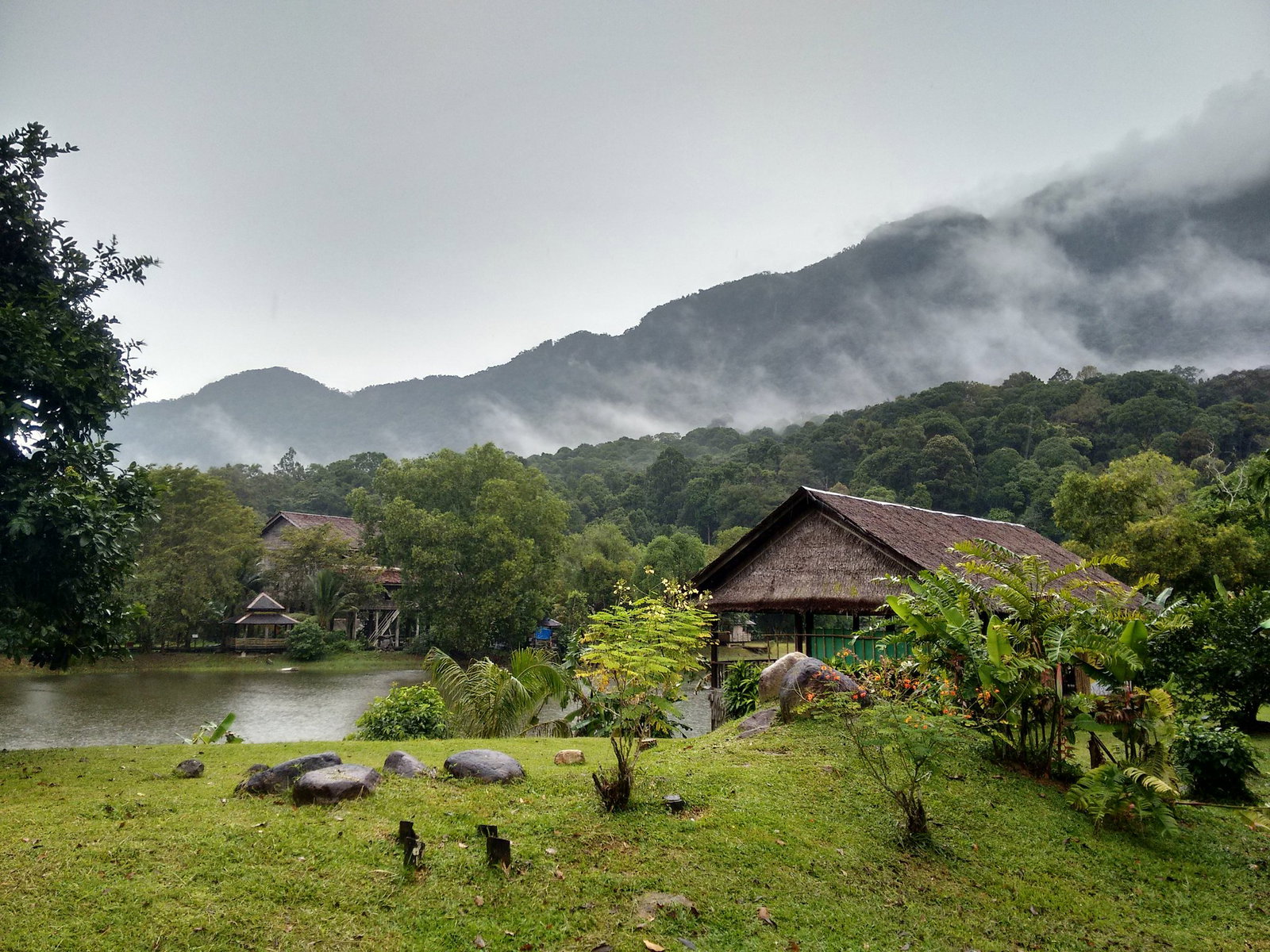
For culture travellers, Sarawak Museum (one of the oldest and best in Southeast Asia) and the Sarawak Cultural Village — a living museum where Dayak longhouse communities demonstrate traditional crafts, music, and blowpipe skills — provide rich context. Kuching is also the launchpad for longer Borneo adventures: the Skrang and Lemanak longhouse routes, Gunung Mulu's cave systems, and the slow boats to Sibu.

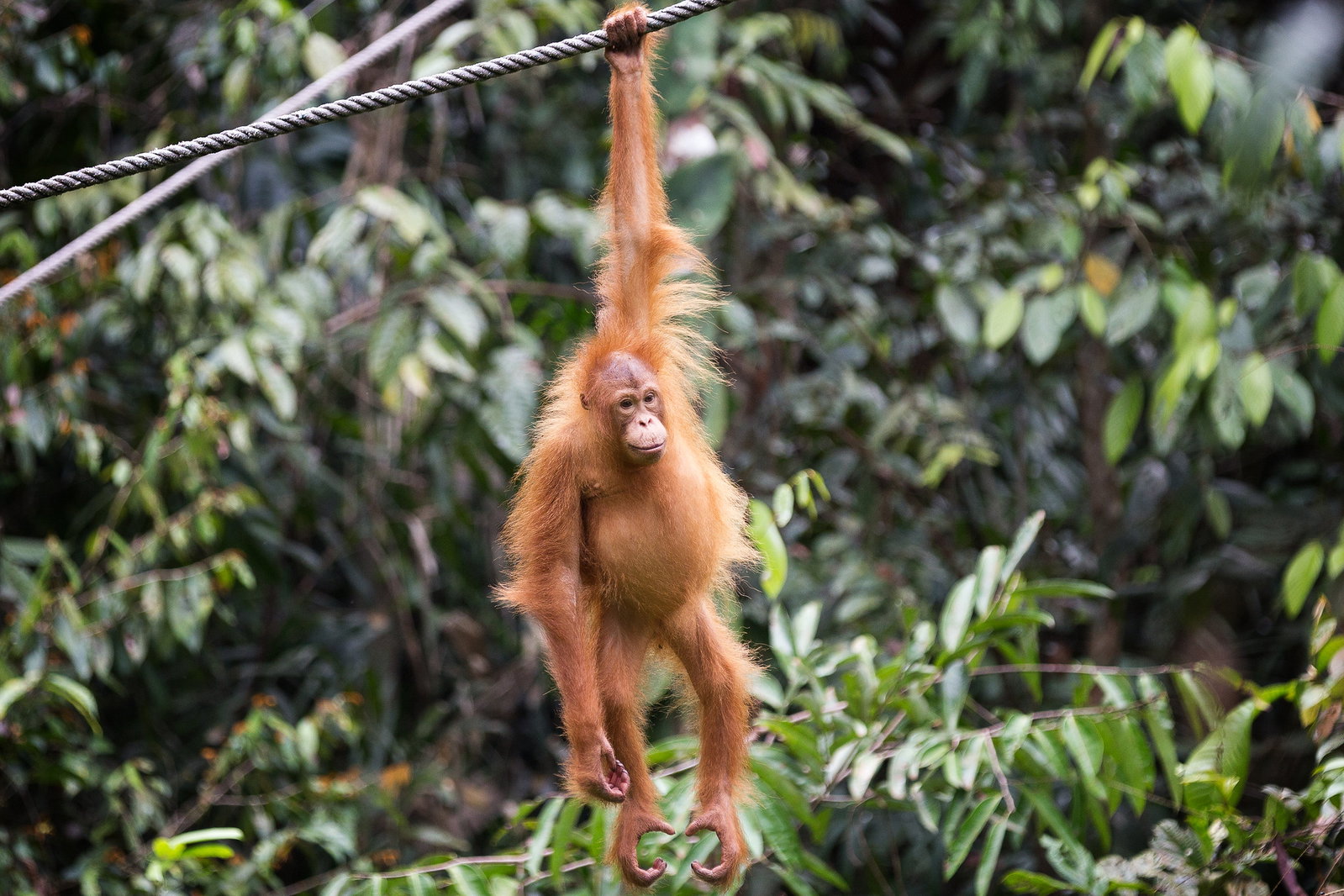
  • Watch semi-wild orang-utans feed at Semenggoh Wildlife Centre — just 24 km from the city
  • Sarawak laksa: the coconut-sambal noodle broth Anthony Bourdain called 'breakfast of the gods'
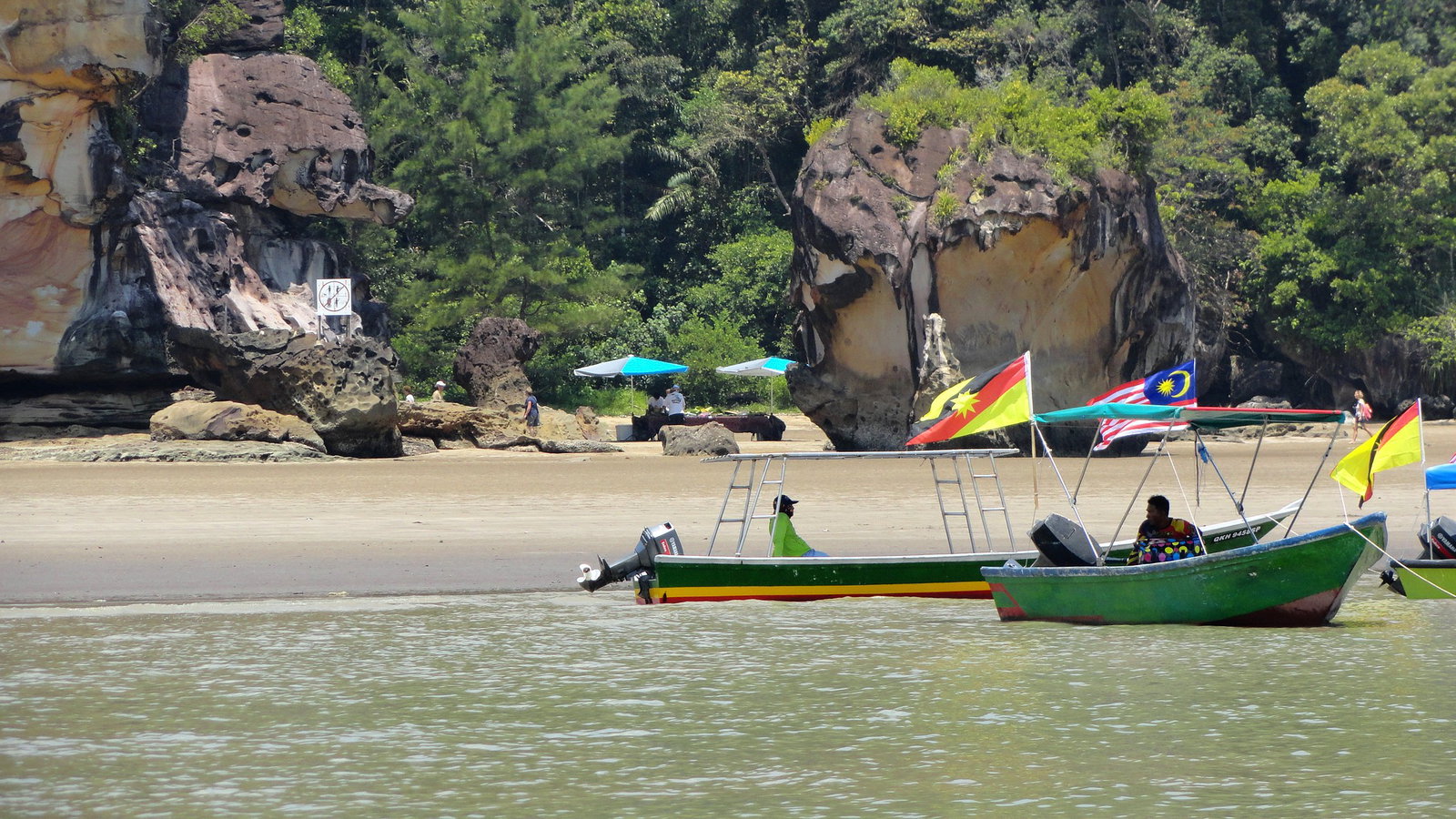
  • Bako National Park — ancient sea stacks, proboscis monkeys, and pitcher plants in one half-day trip
  • The Rainforest World Music Festival draws global artists to the jungle every July–August
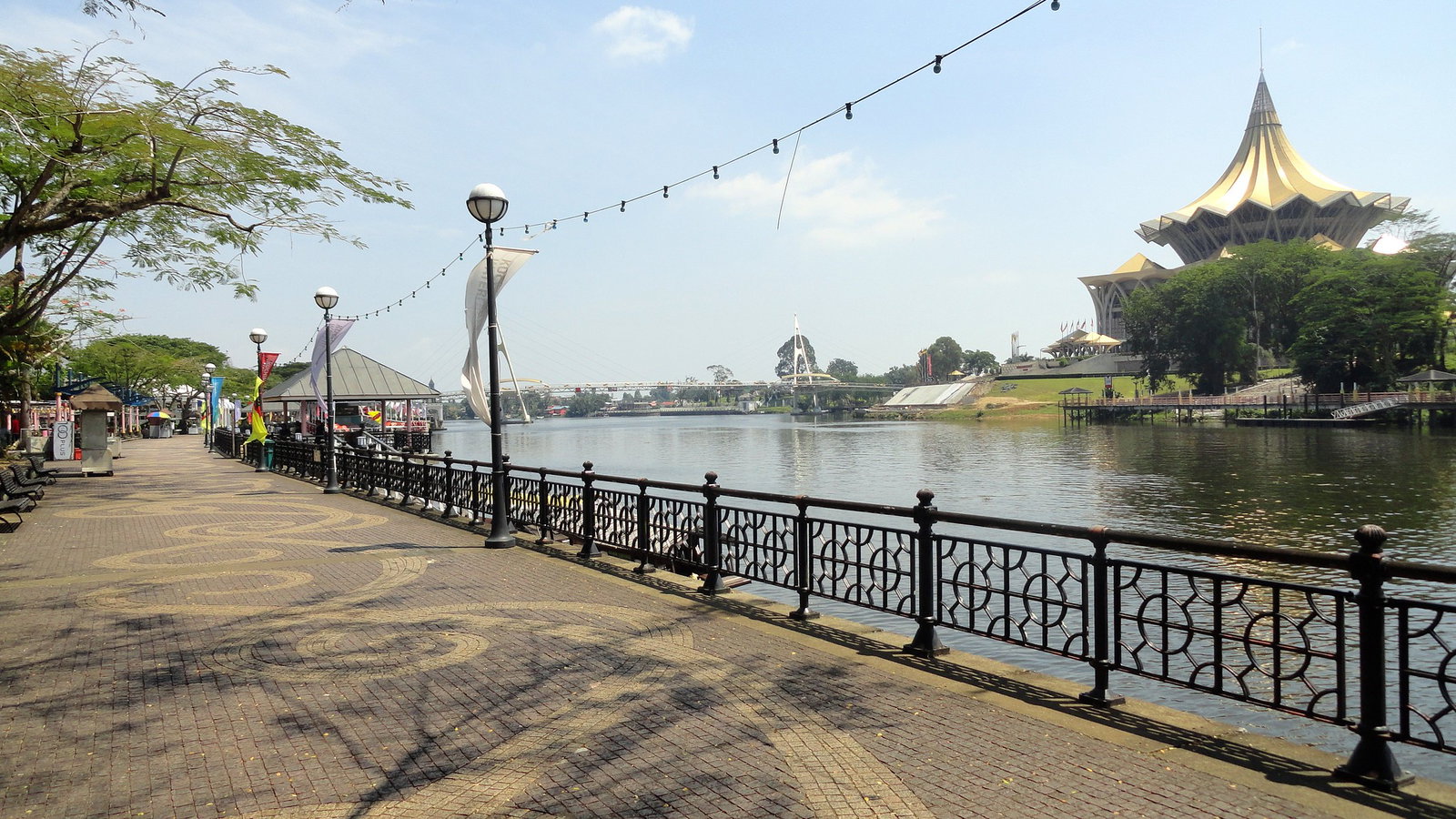
  • A walkable waterfront lined with 19th-century forts, Chinese shophouses, and Malay mosques
  • Gateway to Gunung Mulu's colossal cave systems and Iban longhouse stays on the Skrang River

Best for

Wildlife encounters, street food, Dayak culture, rainforest hiking, relaxed city breaks

Trip style

Culture & heritage, food & drink, wildlife & nature, adventure

Known for

Orang-utan sanctuaries, Sarawak laksa, the Rainforest World Music Festival, Bako National Park, the Sarawak waterfront

Quick facts

Best time to visit

March to October (dry season); July–August for the Rainforest World Music Festival

Currency

Malaysian Ringgit (MYR)

Languages

Bahasa Malaysia (official); English widely spoken; Mandarin, Hokkien, Iban also common

Visa summary

Visa-free for most Western passport holders for up to 90 days; note that Sarawak maintains its own immigration controls separate from Peninsular Malaysia

Flight time from Nairobi

Approximately 14–17 hours (one stop, typically via Kuala Lumpur)

Airport / arrival

Kuching International Airport (KCH) is 12 km south of the city centre; taxis and Grab are available at arrivals

Safety note

Generally safe; petty theft in crowded markets is the main risk — keep bags zipped and avoid unlit lanes late at night

Visa and entry

Look up entry rules by passport for travel to Malaysia on the Tsavaro visa checker.

Check visa requirements for Malaysia

Things to do

Semenggoh Wildlife CentreWildlife

Semenggoh Wildlife Centre

Half day

Watch semi-wild Bornean orang-utans return from the forest for twice-daily feeding sessions at this government rehabilitation centre. Sightings are not guaranteed (they sometimes choose to forage independently), which makes an appearance all the more thrilling. Arrive early for the morning session.

Bako National ParkNature & Hiking

Bako National Park

Full day or overnight

Sarawak's oldest national park packs extraordinary biodiversity into a small peninsula: proboscis monkeys, bearded pigs, pitcher plants, and 16 distinct vegetation zones. The 45-minute boat ride from Bako Bazaar is part of the adventure. Staying overnight dramatically increases your wildlife odds.

Sarawak Cultural VillageCulture & Heritage

Sarawak Cultural Village

Half day

A living museum at the foot of Mount Santubong where seven traditional Dayak and Malay dwellings — from Iban longhouses to Penan huts — have been reconstructed and are staffed by artisans demonstrating weaving, blowpipe-making, and traditional music. The evening cultural show is worth catching.

Kuching Waterfront & Old Town WalkCity & Culture

Kuching Waterfront & Old Town Walk

2–3 hours

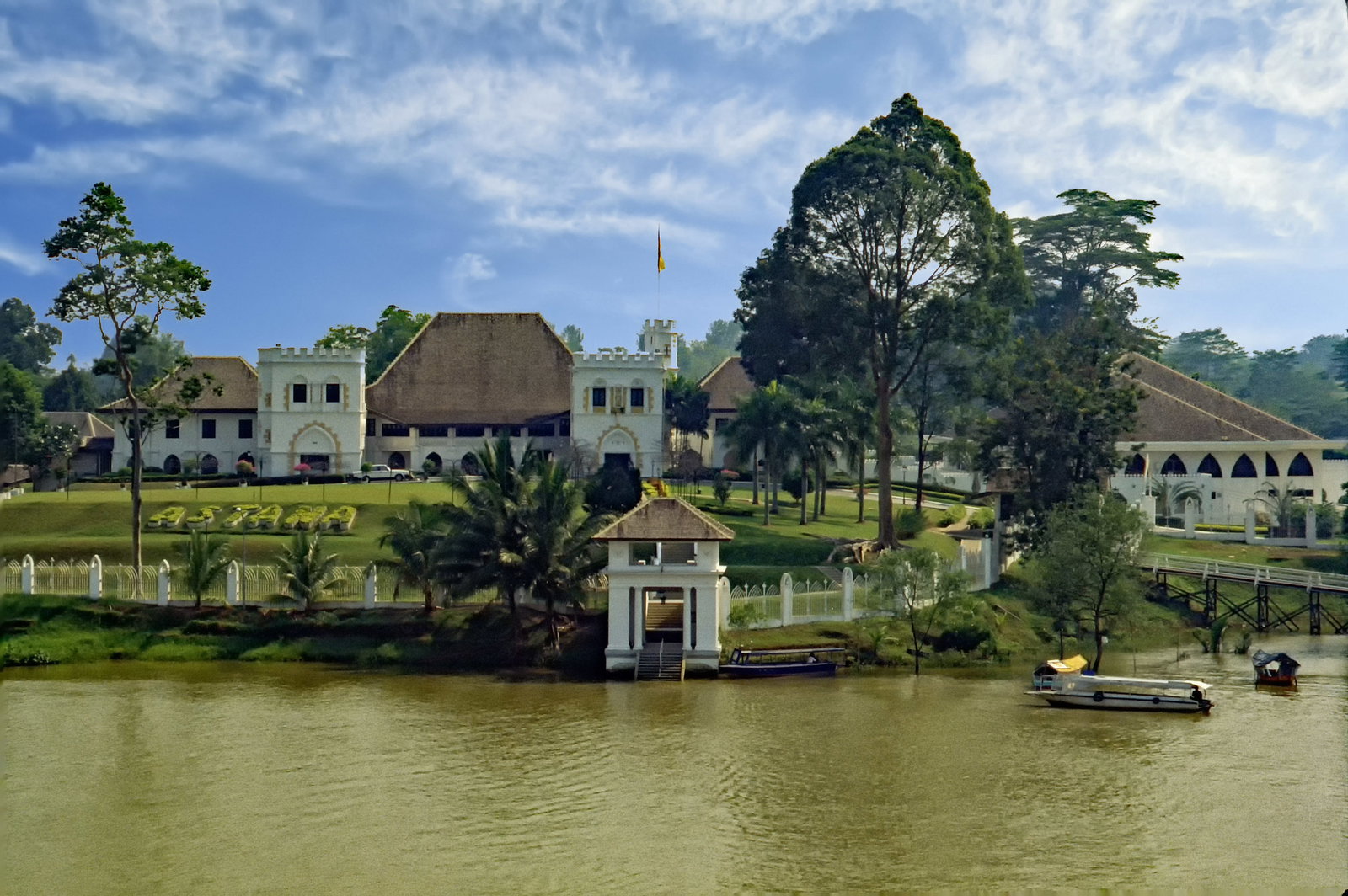
Stroll the 1.5 km esplanade past the Square Tower, Courthouse complex, and Sarawak Tourism Board building, then cross the Dambong Jetty ferry to Fort Margherita and the Astana. Weave back through the Main Bazaar's antique shops, the Indian Mosque, and the Malay kampung laneways.

Sarawak Museum & AnnexeMuseum & Heritage

Sarawak Museum & Annexe

2–3 hours

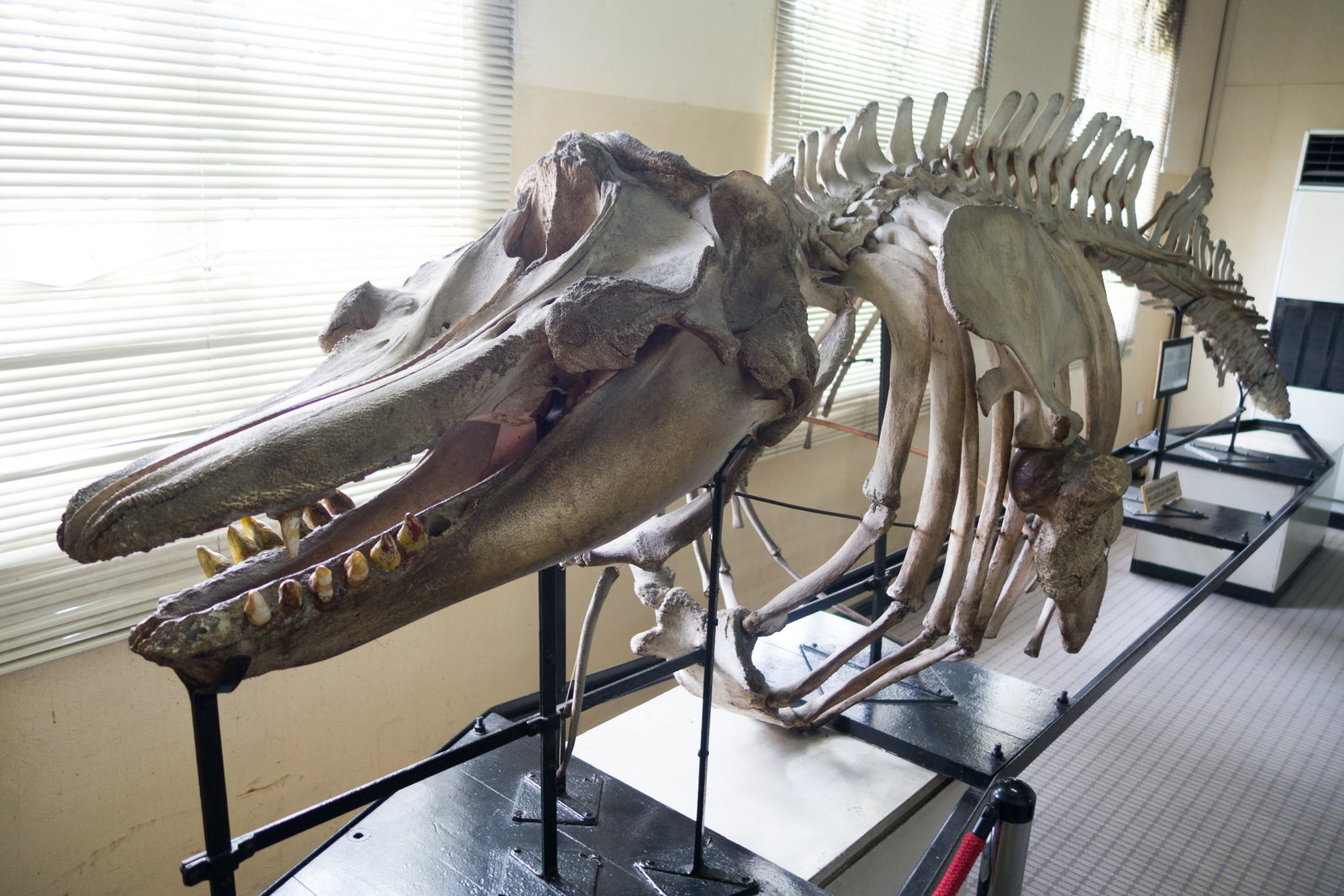
Founded in 1891 under naturalist Alfred Russel Wallace's inspiration, the Sarawak Museum holds one of the finest ethnographic collections in Southeast Asia — traditional Dayak weaponry, textiles, ceramics, and natural history exhibits. The new Sarawak Museum Campus (opened 2022) massively expanded the galleries.

Gunung Gading National Park & RafflesiaNature & Wildlife

Gunung Gading National Park & Rafflesia

Full day

A two-hour drive from Kuching, Gunung Gading protects the world's most reliable population of Rafflesia — the world's largest flower, which blooms unpredictably for just a few days. Call the park office to check bloom status before travelling; the summit trail also rewards with panoramic jungle views.

Best time to visit Kuching

The best time to visit Kuching is March to October, when the dry season brings lower rainfall, clearer river crossings, and easier access to national parks. Borneo sits on the equator and receives rain year-round, but the dry season months are noticeably more pleasant for hiking and boat trips.

July and August are peak months for the Rainforest World Music Festival, held at the Sarawak Cultural Village, making this the liveliest — and busiest — time to visit. Book accommodation well ahead for festival weekends.

November to February is the wet season. Heavy afternoon downpours can make jungle trails muddy and rough seas occasionally close the Bako National Park boat service. That said, wildlife sightings in the parks are often excellent after rain, visitor numbers drop, and hotel rates are lower. Kuching's indoor food scene means the rain rarely ruins a trip.

For the best balance of weather, value, and wildlife, aim for April to June or September to early October.

Is Kuching safe to visit?

Yes — Kuching is generally considered one of the safest cities in Southeast Asia and a very comfortable destination for solo travellers, families, and first-timers to Borneo. Violent crime against tourists is rare.

The main risks are low-level: bag snatching and phone theft in crowded markets and along the waterfront esplanade after dark. Keep bags on the side away from traffic, use a crossbody bag or money belt, and avoid displaying expensive cameras or phones in busy bazaar areas.

In national parks, respect the ranger guidelines — never feed wildlife, stay on marked trails, and check weather conditions before setting out on longer hikes. Water crossing at Bako can be rough in wet season; the boat operators make a safety call daily.

Kuching tap water is generally treated but most travellers stick to bottled or filtered water. Standard travel vaccinations (hepatitis A, typhoid) plus a dengue-awareness regime (use DEET repellent, especially at dusk) are recommended. Sarawak is generally malaria-free in urban and tourist areas, but check current advice for rural longhouse stays.

Emergency number in Malaysia: 999 (police/fire/ambulance).
Suggested itinerary

5 Days in Kuching & Surrounds

This itinerary assumes a mid-range budget, Kuching city as a base throughout, and a comfortable pace with one major day-trip per day. It suits first-time visitors wanting a well-rounded mix of wildlife, culture, food, and nature.

Day 1

Waterfront, Old Town & Kuching Night Market

Arrive and check in, then walk the Kuching Waterfront esplanade in the late afternoon when the light turns golden over the Sarawak River. Take the Dambong Jetty ferry across to Fort Margherita for views back over the city. Return and explore the Main Bazaar's antique and textile shops before heading to the Sunday Market (Pasar Minggu) or the nearby Carpenter Street kopitiam strip for your first taste of kolo mee and cendol.

Kuching — Waterfront, Old Town & Kuching Night Market

Travel essentials

Getting around

Kuching's city centre is walkable in about 30 minutes end to end, and Grab (Southeast Asia's Uber equivalent) is reliable, affordable, and the easiest way to reach national parks and outlying attractions. Metered taxis exist but negotiating fares is standard — agree the price before you get in. Car hire from the airport is practical for multi-park itineraries. For Bako National Park, public minibuses run to Bako Bazaar where you transfer to park boats.

Typical costs

Kuching is excellent value. A kopitiam breakfast (kolo mee + coffee) costs MYR 6–10 (USD 1.30–2.20). A mid-range restaurant dinner runs MYR 40–80 per person. Budget guesthouses start around MYR 80–120 per night; boutique heritage hotels MYR 250–450; top-end river-view properties MYR 600+. National park entry fees are modest (Bako: MYR 20 for foreigners); boat transfers add MYR 30–50 per trip.

Culture and etiquette

Sarawak is a multi-faith, multi-ethnic society — Malay Muslim, Chinese Buddhist, and Christian Dayak communities coexist harmoniously. Dress modestly when entering mosques (scarves provided) and remove shoes at religious sites. When visiting Dayak longhouses, accept offered food and tuak rice wine graciously (declining can cause offence); ask before photographing people. Bargaining is acceptable in antique and craft markets but not in fixed-price shops or food stalls.

Safety and planning

Travel insurance that covers medical evacuation is strongly recommended for anyone doing jungle trekking or remote longhouse visits. Register your itinerary with your accommodation if heading to remote parks. Carry photocopies of your passport; Sarawak immigration is separate and your entry stamp is checked on internal flights between Sarawak and Peninsular Malaysia.

Connectivity

4G LTE coverage is strong across Kuching city and at major park visitor centres, though signal drops on jungle trails. Grab a local SIM (Maxis, Celcom, or Digi) at the airport or in Padungan — a tourist data SIM with 20–30 GB costs around MYR 30–50. Most cafes, guesthouses, and hotels offer free Wi-Fi.

Payments

Cash (MYR) is king at hawker stalls, markets, and smaller guesthouses. ATMs are plentiful in the city centre (CIMB, Maybank, Hong Leong) and accept Visa/Mastercard. Larger restaurants, malls, and hotels accept credit cards. DuitNow QR contactless payment is increasingly accepted at mid-range eateries.

Kuching travel FAQs

More destinations to explore