Lomé beachfront palm-lined boulevard at sunset with fishing pirogues on the Atlantic shore

Destination guide

Lome

Gulf of Guinea, West Africa · Togo

West Africa's most underrated capital — voodoo markets, surf beaches, and colonial echoes on the Gulf of Guinea

Best season

November to February (dry season, cooler harmattan winds, low humidity)

From Nairobi

Approx. 6–7 hrs (usually via Addis Ababa, Lagos, or Accra — no direct service)

Why visit Lomé?

Lomé punches well above its weight for a city of around 1.9 million. Unlike many African capitals it sits directly on the ocean, meaning you can eat grilled barracuda at a beachside shack, walk to a colonial-era cathedral, and browse a voodoo fetish market — all within a couple of kilometres of each other.

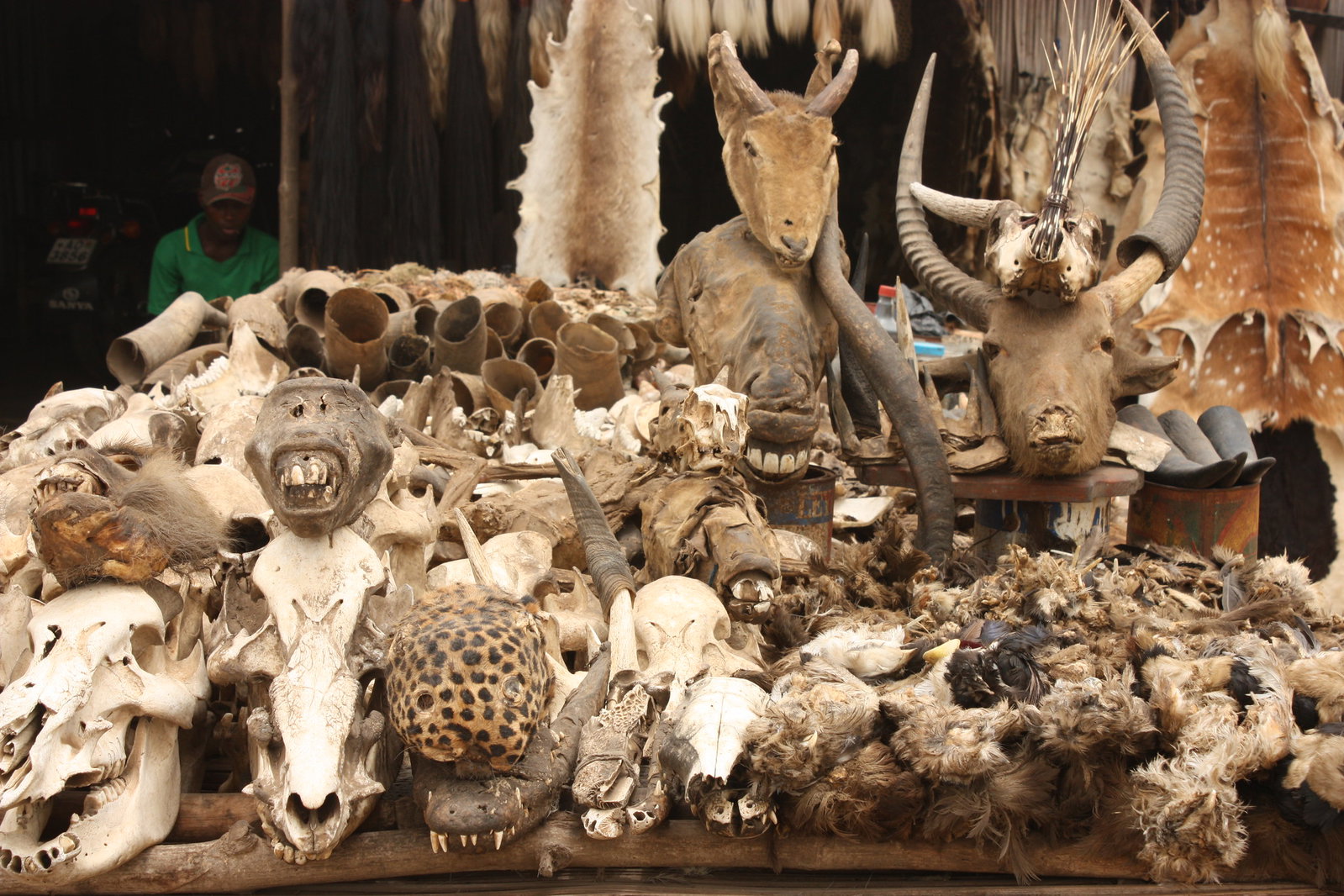
The Marché des Féticheurs (fetish market) at Akodessewa is arguably the most significant traditional medicine and voodoo artefact market on the continent — an open-air trove of skulls, skins, and ritual objects used by healers across the region. Pair that with the Grand Marché and its labyrinthine textile halls and you have a shopping and cultural experience unlike almost anywhere else.

Lomé also benefits from a long French colonial legacy that left behind a walkable low-rise city plan, shaded boulevards, decent restaurants, and a handful of well-preserved civic buildings. Add a genuine surf scene at Coco Beach, some of the lowest prices of any West African capital, and a nightlife culture built around open-air maquis bars, and it becomes clear why long-term Africa hands keep returning.

  • Home to the Akodessewa Fetish Market — the largest voodoo artefact market in the world
  • The only African capital where you can walk across an international border from the city centre (into Ghana)
  • Atlantic beach bars, fresh barracuda, and a maquis nightlife culture that lasts until dawn
  • Grand Marché wax-print fabrics and tailors who can turn a length of kente into a suit overnight
  • Compact, walkable colonial quarter with cathedral, National Museum, and shaded café terraces
  • Gateway city for road trips to Kpalimé waterfalls, Atakpamé highlands, and Koutammakou cliff dwellings

Best for

West Africa first-timers, culture travelers, foodies, beach lovers, nightlife seekers

Trip style

Cultural city break, beach extension, West Africa overland stopover

Known for

Akodessewa fetish market, Grand Marché textiles, Atlantic beachfront, CFA crossroads border, Ewe cuisine, colonial architecture

Quick facts

Best time to visit

November to February (dry season, cooler harmattan winds, low humidity)

Currency

West African CFA franc (XOF) — fixed to the euro at 655.96 XOF per EUR

Languages

French (official); Ewe and Mina widely spoken in markets and neighborhoods

Visa summary

Togo offers visa on arrival for most nationalities at Gnassingbé Eyadéma International Airport and the Ghana land border; e-visa also available online before travel. Yellow fever vaccination certificate required.

Flight time from Nairobi

Approx. 6–7 hrs (usually via Addis Ababa, Lagos, or Accra — no direct service)

Airport / arrival

Gnassingbé Eyadéma International Airport (LFW) is 6 km northeast of the city centre; taxis take 15–20 minutes. ASKY Airlines, Ethiopian, Air France, and Brussels Airlines are main carriers.

Safety note

Generally safe for tourists in the centre and beach strip; avoid political demonstrations and exercise standard urban caution after dark.

Visa and entry

Look up entry rules by passport for travel to Togo on the Tsavaro visa checker.

Check visa requirements for Togo

Things to do

Explore the Akodessewa Fetish MarketCulture

Explore the Akodessewa Fetish Market

2–3 hours

Akodessewa is the world's largest voodoo fetish market, where traditional healers (bokono) sell animal skulls, dried skins, herbs, and ritual objects sourced from across West Africa. A guide is highly recommended to explain the significance of each item and arrange a consultation with a healer if you wish.

Walk the Corniche BeachfrontLeisure

Walk the Corniche Beachfront

1–2 hours

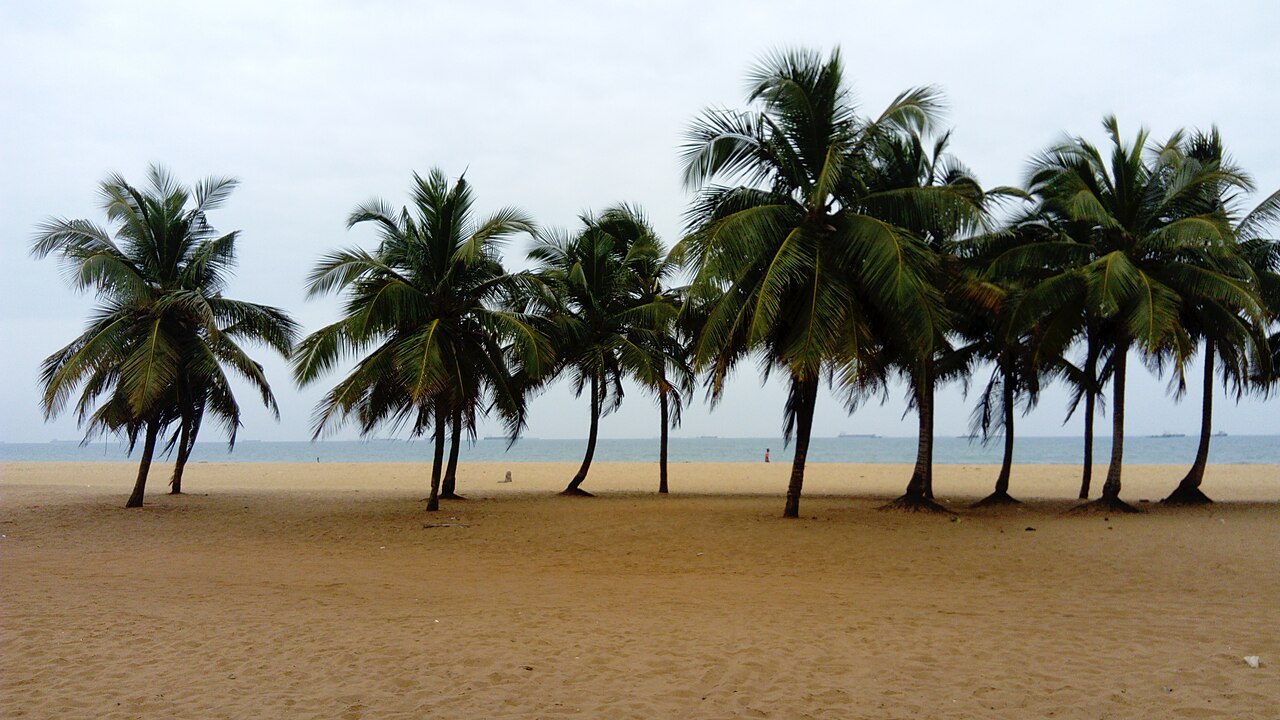
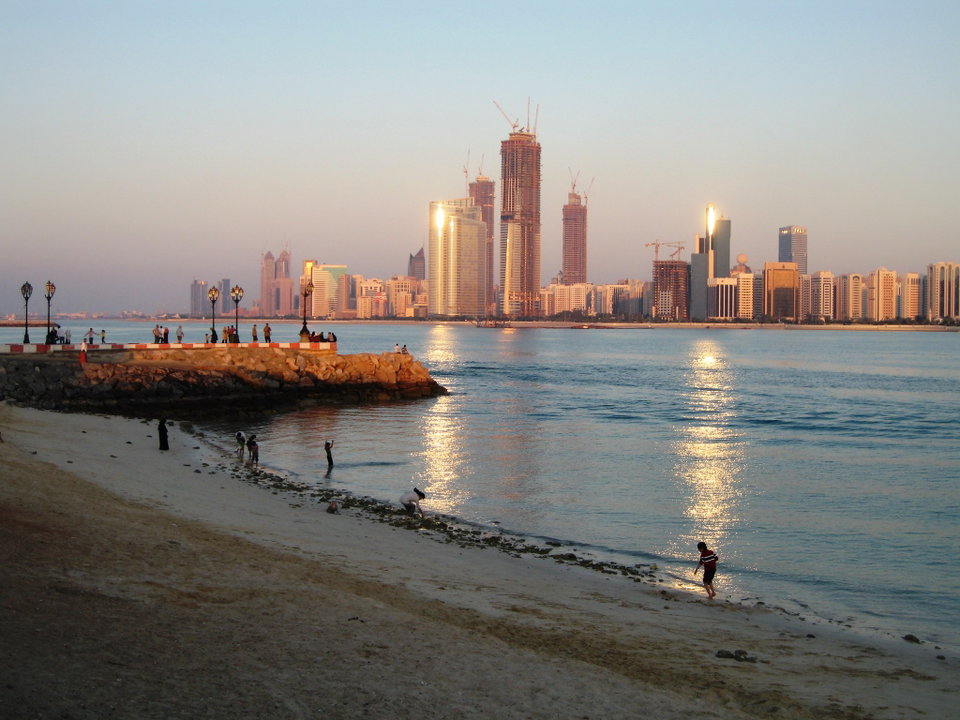
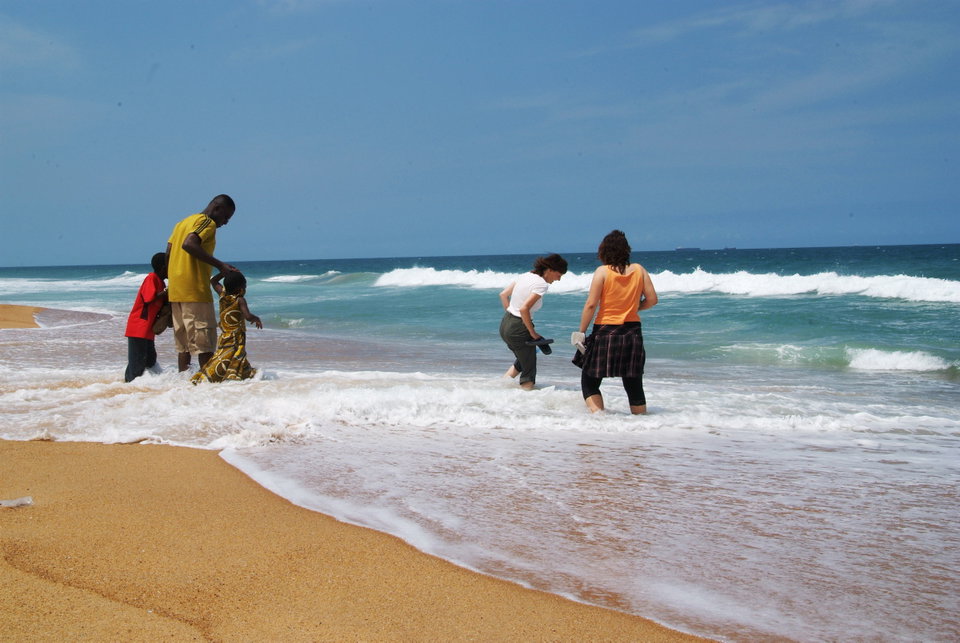
Lomé's palm-fringed Boulevard de la Marina runs for several kilometres along the Atlantic. Stroll past fishing pirogues hauled up on the sand, watch kids play football at dusk, and pick a beachside bar for cold Flag beer and grilled fish as the sun drops into the ocean.

Surf or Swim at Coco BeachBeach & Outdoors

Surf or Swim at Coco Beach

Half day

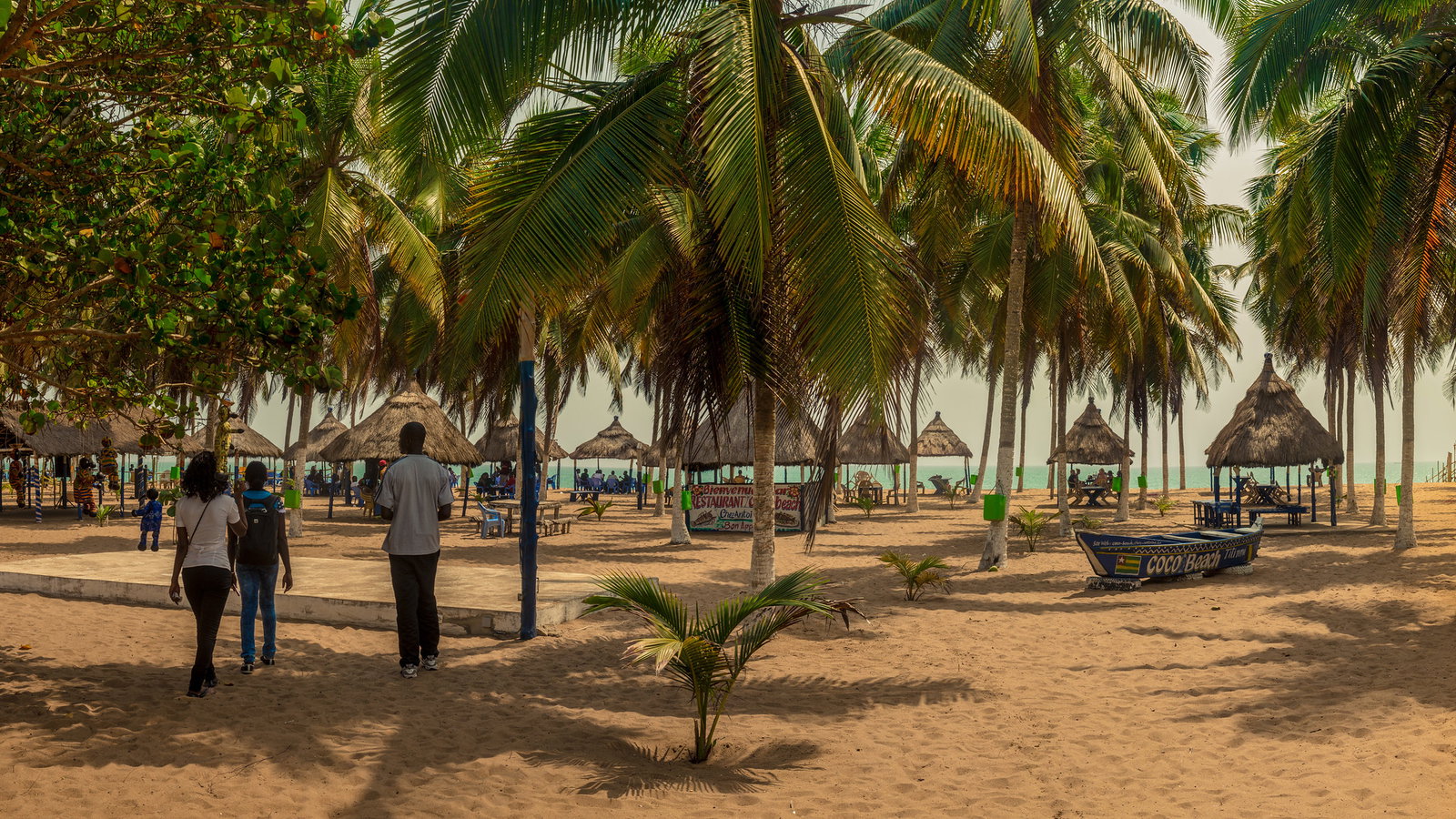
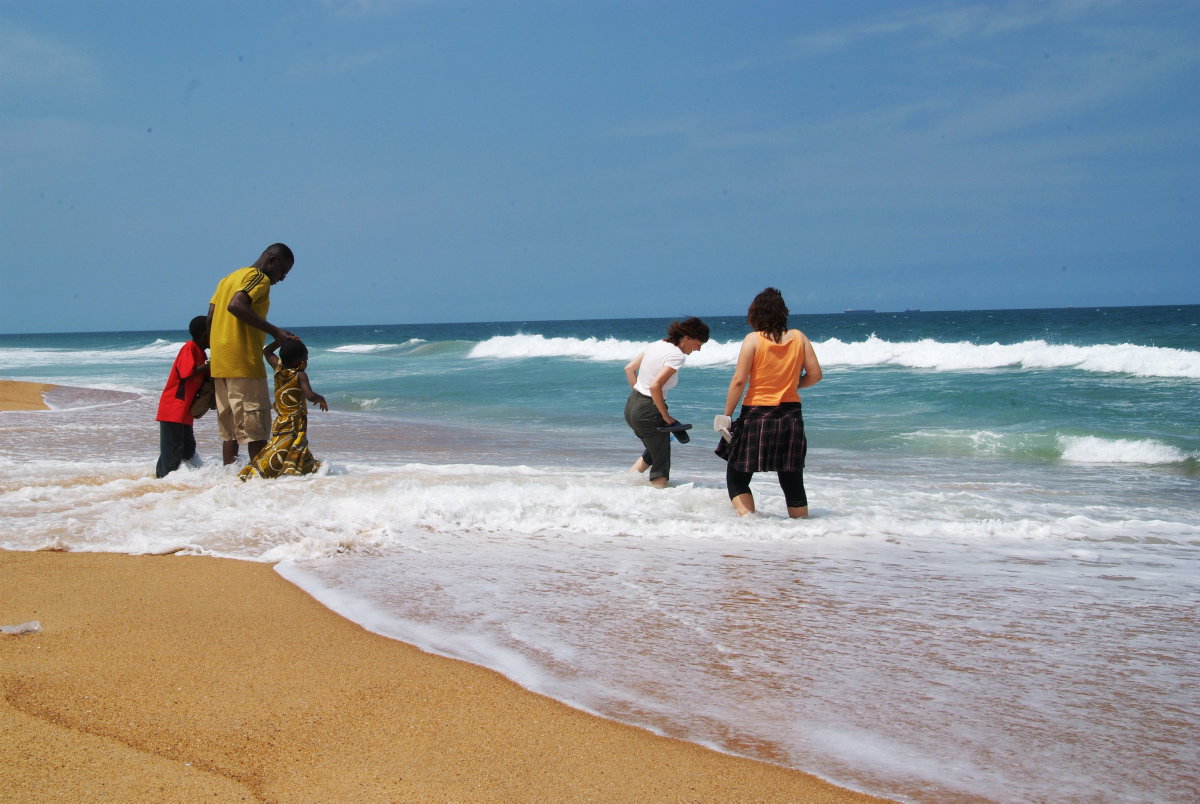
About 8 km east of centre, Coco Beach (Plage de Coco) is Lomé's most popular stretch of sand and has a small but growing surf culture. Boards can be rented from local instructors. Beachside restaurants serve cold drinks and grilled seafood in a completely unpretentious setting.

Day trip to Kpalimé and the Waterfall CircuitNature & Adventure

Day trip to Kpalimé and the Waterfall Circuit

Full day or overnight

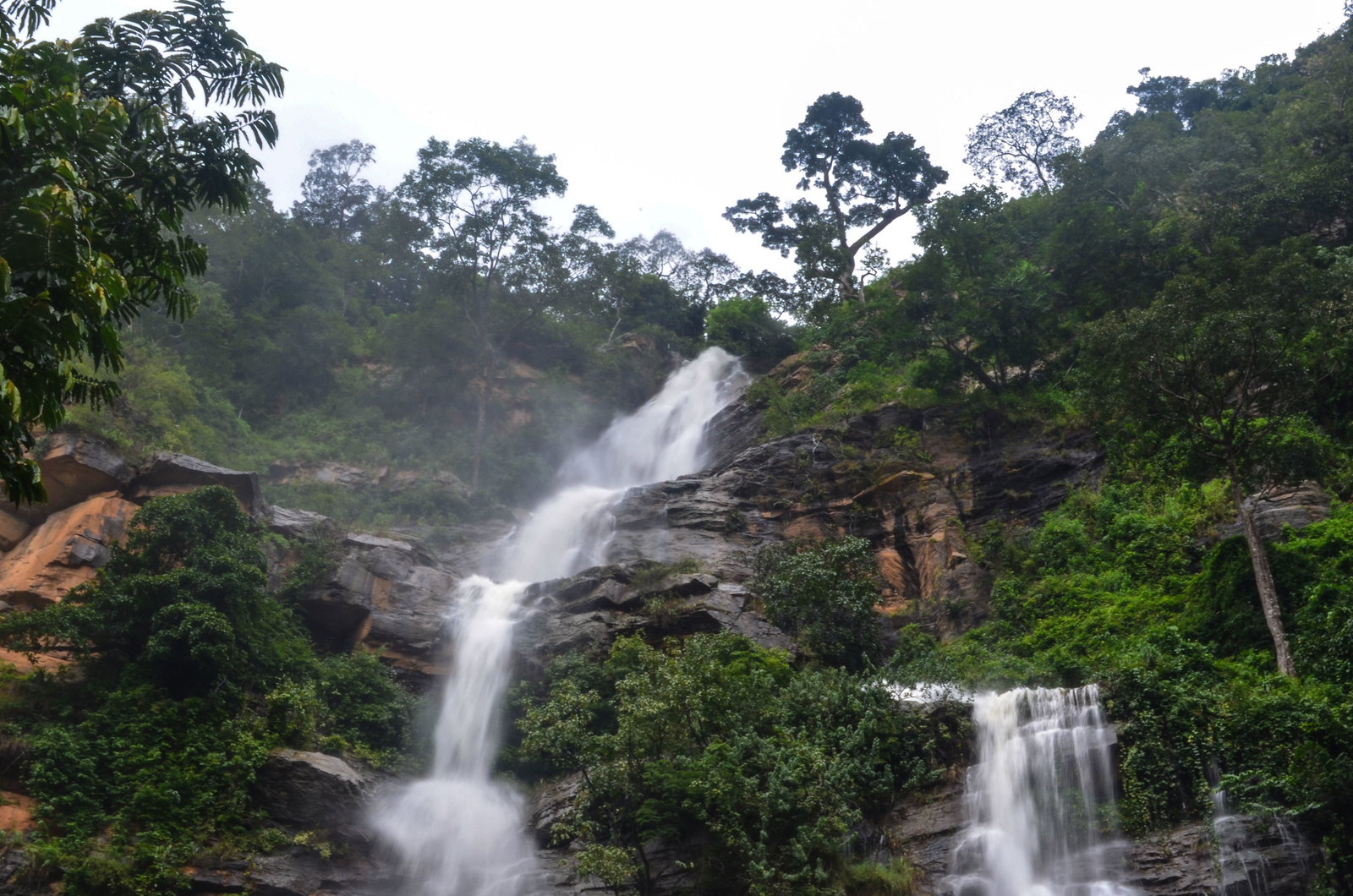
Two hours north of Lomé by bush taxi or private car, the highland town of Kpalimé is the base for hiking through cocoa and coffee plantations to Cascade de Kpimé, butterfly sanctuaries, and Mount Agou — Togo's highest peak at 986 m. A popular overnight or full-day excursion from the capital.

Sacred Heart Cathedral & Colonial QuarterHeritage

Sacred Heart Cathedral & Colonial Quarter

1.5 hours

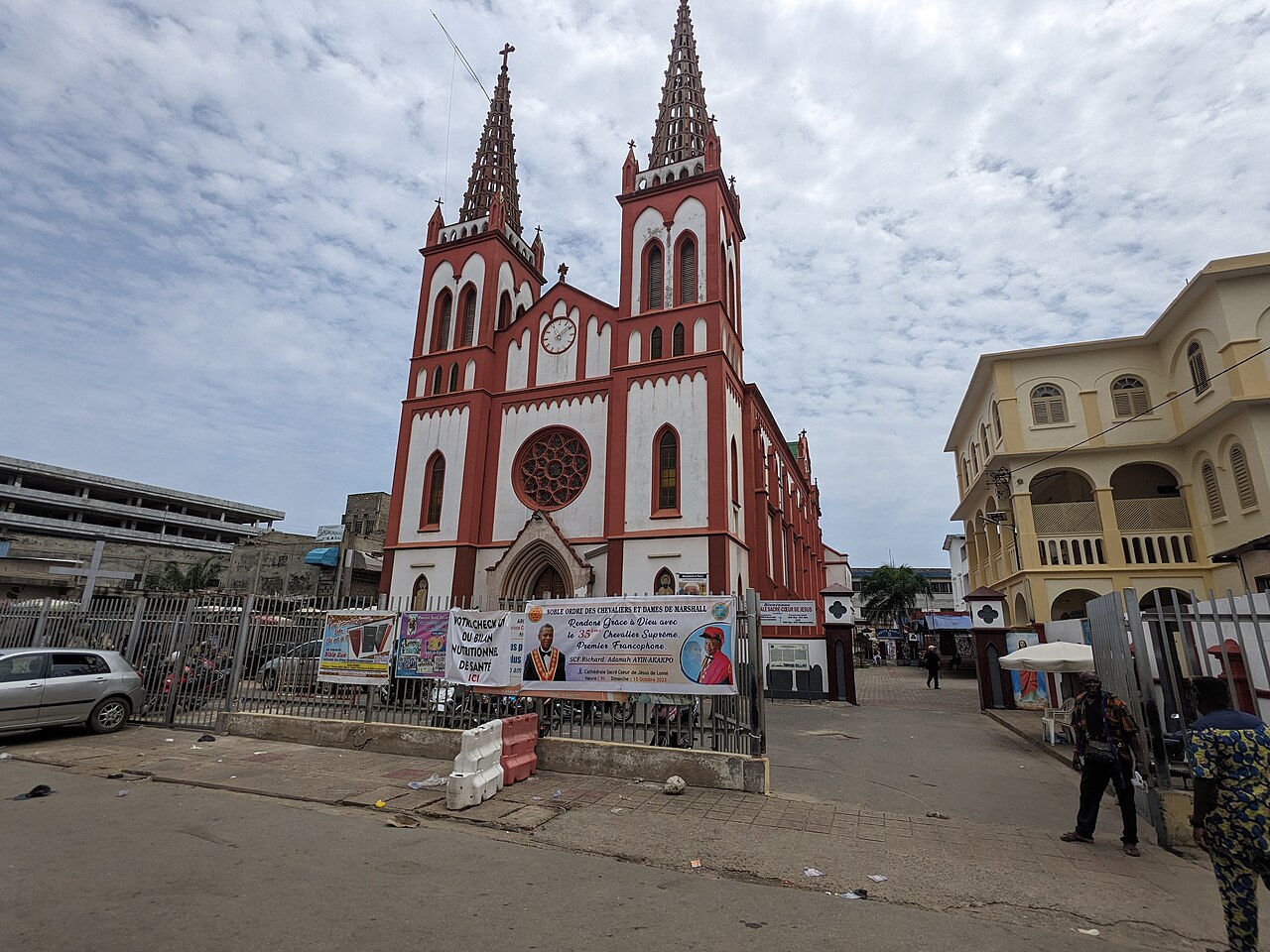
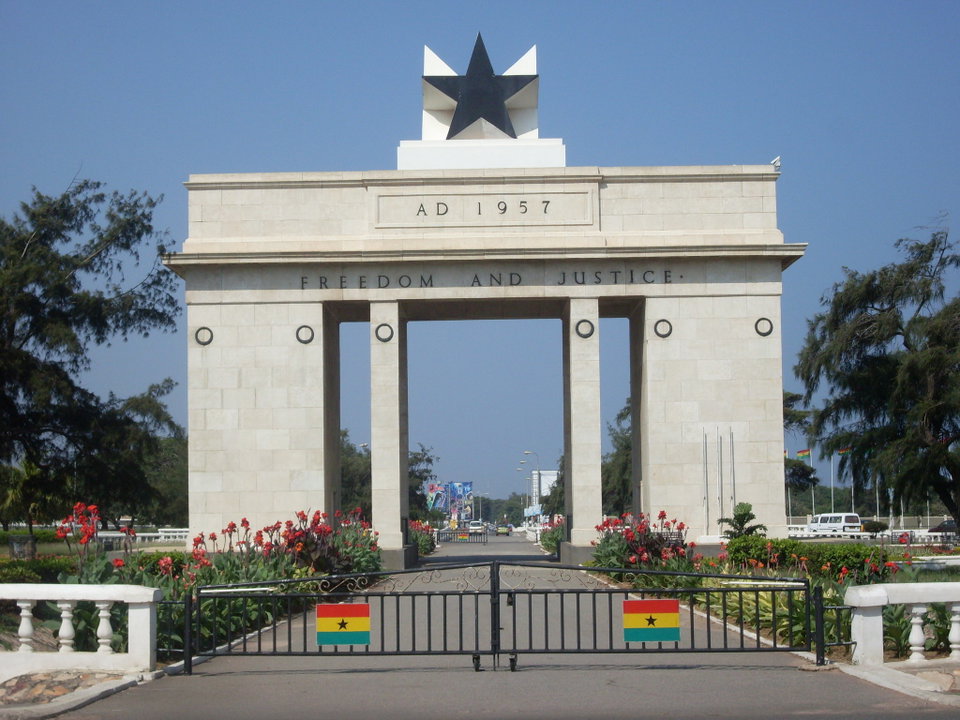
The twin-spired Cathédrale du Sacré-Coeur, completed by German missionaries in 1902, anchors a quiet colonial quarter of low bungalows, government ministries, and shaded avenues. Walk to the nearby German colonial-era Fort (now a police post) and the photogenic Independence Monument roundabout.

Best time to visit Lomé

The best time to visit Lomé is November to February, during the main dry season when the harmattan wind from the Sahara keeps temperatures lower (around 25–30 °C), humidity is manageable, and rainfall is minimal. These months are ideal for walking the city, visiting markets, and taking highland day trips.

March to mid-May brings the long rainy season — showers are usually afternoon downpours rather than all-day rain, and the city remains fully functional, though roads to Kpalimé can become muddy. May to July is Lomé's most humid stretch and sees occasional heavy rainfall.

A short dry season from mid-July to mid-September gives another pleasant window, especially for beach time at Coco Beach. The short rains return in October before conditions improve again in November.

Lomé sits unusually close to the Equator's dry band relative to neighbors — it actually receives less rain than Accra or Abidjan — so the city is broadly visitable year-round. Avoid major public holidays if you want quieter markets; conversely, traveling during Ewe festivals in January and the Evala wrestling festival (June–July in northern Togo) adds vivid cultural texture to a regional trip.

Is Lomé safe to visit?

Yes — Lomé is generally safe for tourists who apply standard urban common sense. It is consistently rated one of the more stable and welcoming capitals in West Africa, with a low rate of violent crime against foreigners and a visible, if not heavy, security presence in the tourist and diplomatic zones.

The main risks are opportunistic: phone and bag snatching can occur around the Grand Marché, the beach at night, and the Ghana border crossing area. Keep valuables out of sight, use a money belt for passports and large amounts of cash, and avoid walking alone on unlit beach stretches after midnight.

Moto-taxis (zemidjans) are the city's main transport and are generally safe, but insist on a helmet and fix the fare before you climb on. For longer journeys or night travel, use a registered taxi app or have your hotel call a driver.

Political demonstrations have occasionally turned tense in recent years; monitor local news and keep away from any large gatherings. The Togolese security forces tend to disperse protests quickly.

Health-wise: take malaria prophylaxis, ensure yellow fever vaccination is up to date (it is an entry requirement), and drink bottled or filtered water throughout. The private Clinique de l'Union in central Lomé and the Hôpital de la Lomé Commune are the best options for medical care if needed.
Suggested itinerary

Lomé in 4 Days: Culture, Coast & Day Trips

This plan is based in central Lomé or the beach strip, uses a mix of walking, shared taxis (zemidjans / moto-taxis), and one private car hire for the highland day trip. Budget to mid-range — Lomé rewards you at every price point.

Day 1

Arrival & Beachfront Orientation

Land at LFW and transfer to your hotel. Spend the first afternoon walking the Boulevard de la Marina — get your bearings, find a beachside bar, and watch the pirogue fishermen return. Evening at a maquis bar near the beach strip for grilled tilapia and cold Solibra. Early night to shake off travel.

Lome — Arrival & Beachfront Orientation

Travel essentials

Getting around

Moto-taxis (zemidjans) are the cheapest and fastest way around the city — wave one down anywhere and agree the fare upfront (most short trips cost 200–500 XOF). Shared taxis (clando) follow fixed routes and are slightly slower but more comfortable. Private taxis can be hired by the hour or day through hotels. Car hire with a driver is the best option for the Kpalimé day trip. Walking is feasible in the beach strip and colonial centre.

Typical costs

Lomé is one of the most affordable capitals in West Africa. Street food and market meals: 500–1,500 XOF (under €2.50). Maquis dinner with beer: 3,000–6,000 XOF. Mid-range restaurant: 8,000–15,000 XOF per head. Budget guesthouse: from 15,000 XOF/night. Mid-range hotel: 30,000–60,000 XOF. Quality hotel on the beach strip: 60,000–120,000 XOF. Moto-taxi ride: 200–500 XOF. Private airport transfer: around 5,000–8,000 XOF.

Culture and etiquette

Greet before transacting — jumping straight to bargaining without a greeting is considered rude in Togolese culture. A simple 'Bonjour' or 'Akpe' (thank you in Ewe) goes a long way. Dress modestly when visiting markets, churches, or the fetish market — shoulders and knees covered is appropriate. Ask before photographing people, and expect a small tip if someone poses for you at the fetish market. The left hand is traditionally considered unclean for passing or receiving items.

Safety and planning

Register your trip with your country's embassy in Accra, Lagos, or Abidjan (few countries maintain a resident embassy in Lomé). Carry a photocopy of your passport; the original should stay in your hotel safe. Keep emergency XOF cash — ATMs (Ecobank and UTB branches are most reliable) can sometimes run out of notes. Buy a local SIM from Togocel or Moov at the airport for data navigation.

Connectivity

SIM cards from Togocom and Moov Togo are available at the airport and throughout the city — bring your passport to register. Data is affordable; a 1 GB package costs around 500–1,000 XOF. Hotel Wi-Fi is available at most mid-range and above properties. Cafés and restaurants in the beach strip often offer free Wi-Fi.

Payments

Cash is king in Lomé. CFA francs (XOF) are the only practical currency for markets, street food, and moto-taxis. USD and EUR can be exchanged at banks and licensed bureaux de change on Boulevard de la Marina; rates are reasonable. ATMs (Visa accepted at Ecobank, Orabank, and UTB branches) are available in the centre and airport. Card payments are limited to upmarket hotels and a small number of restaurants.

Lome travel FAQs

More destinations to explore