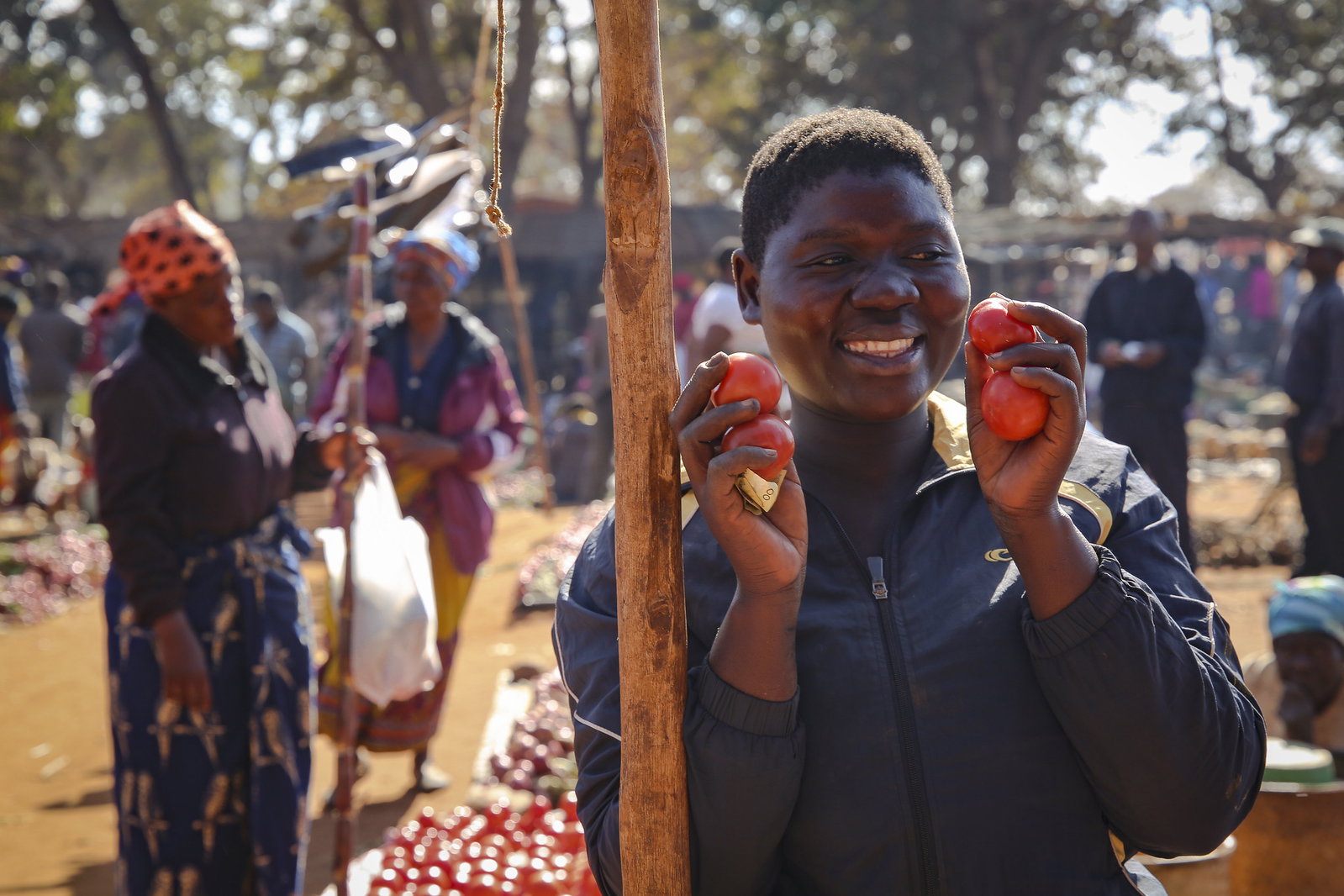
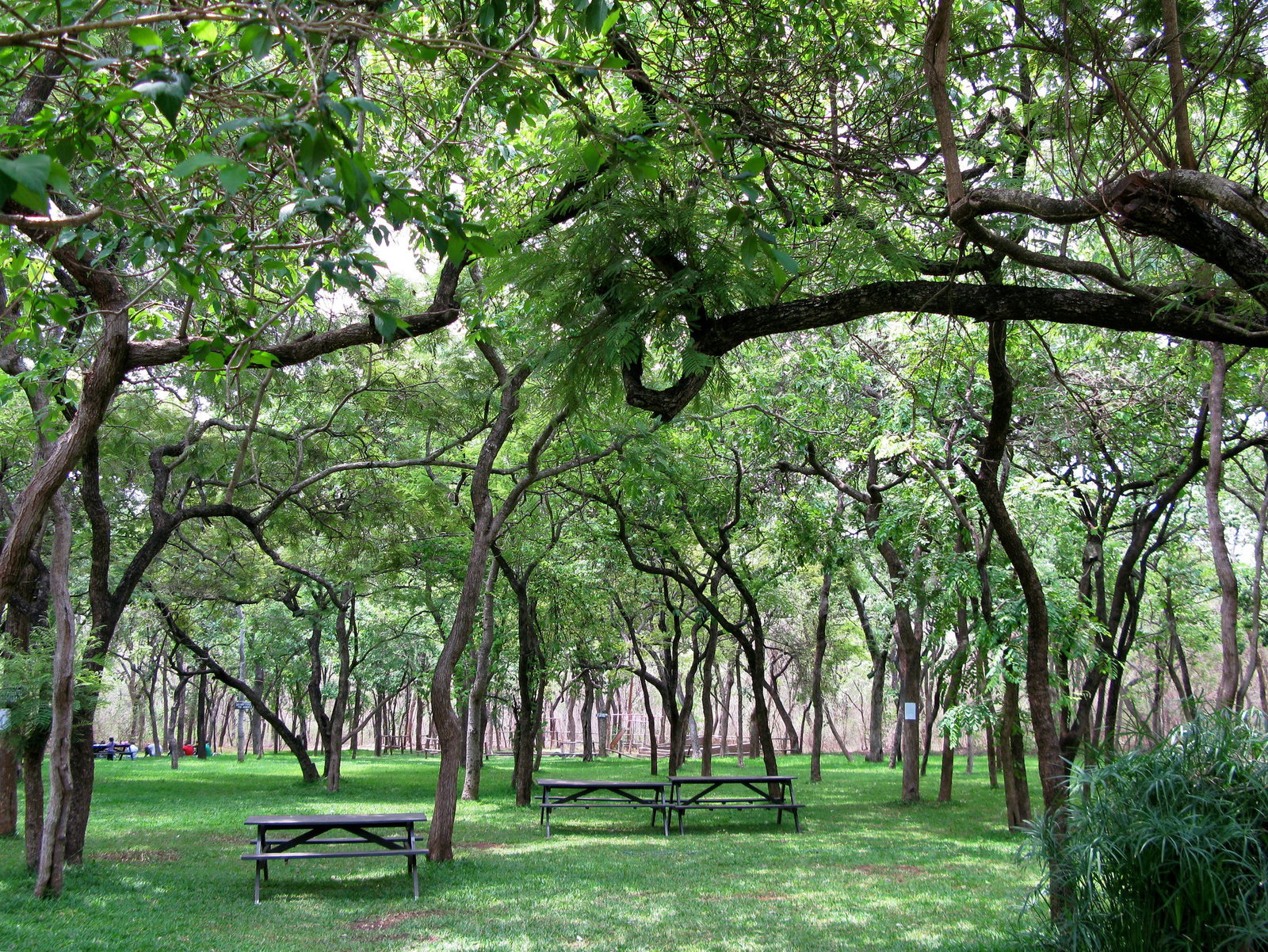
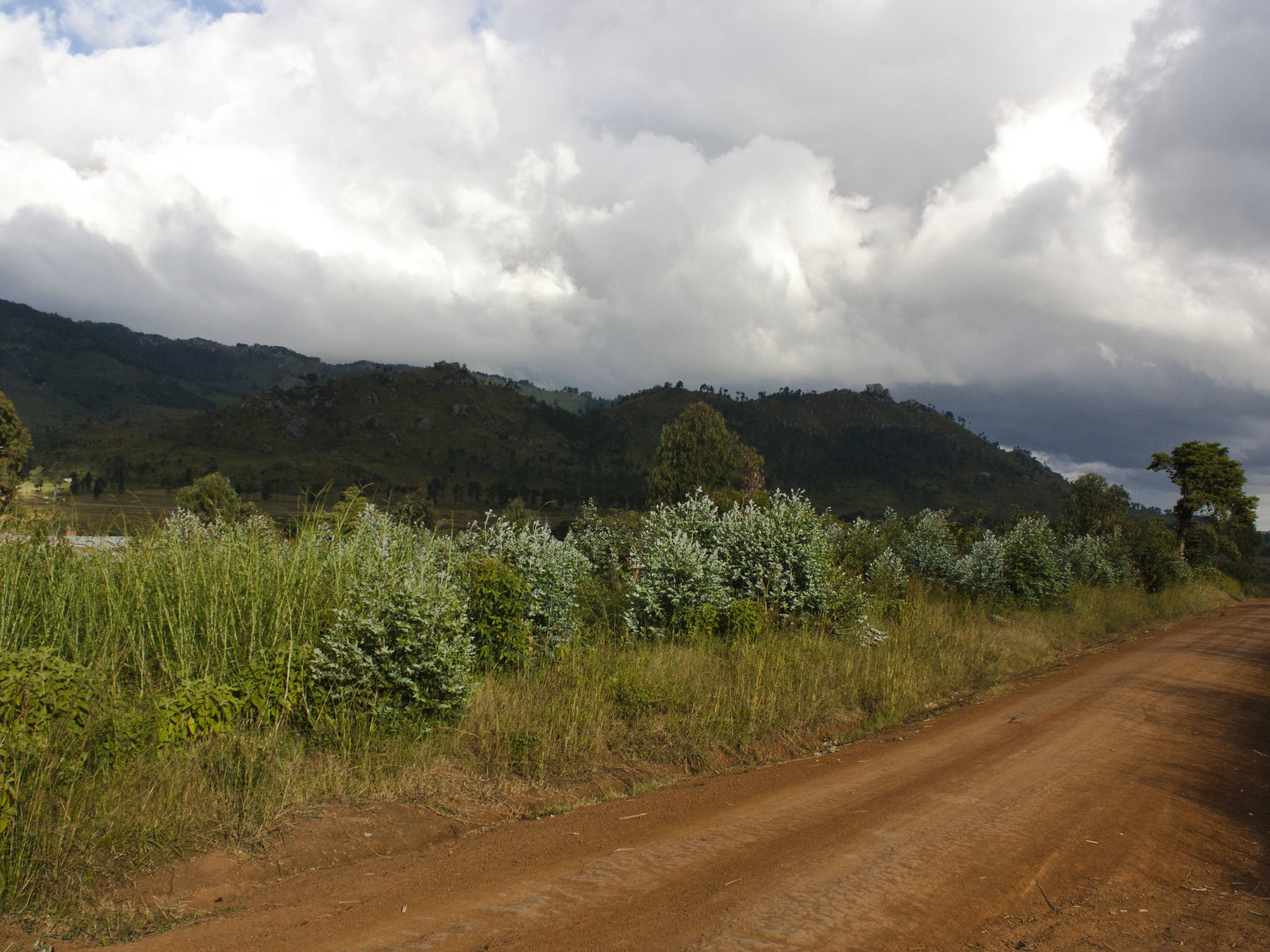
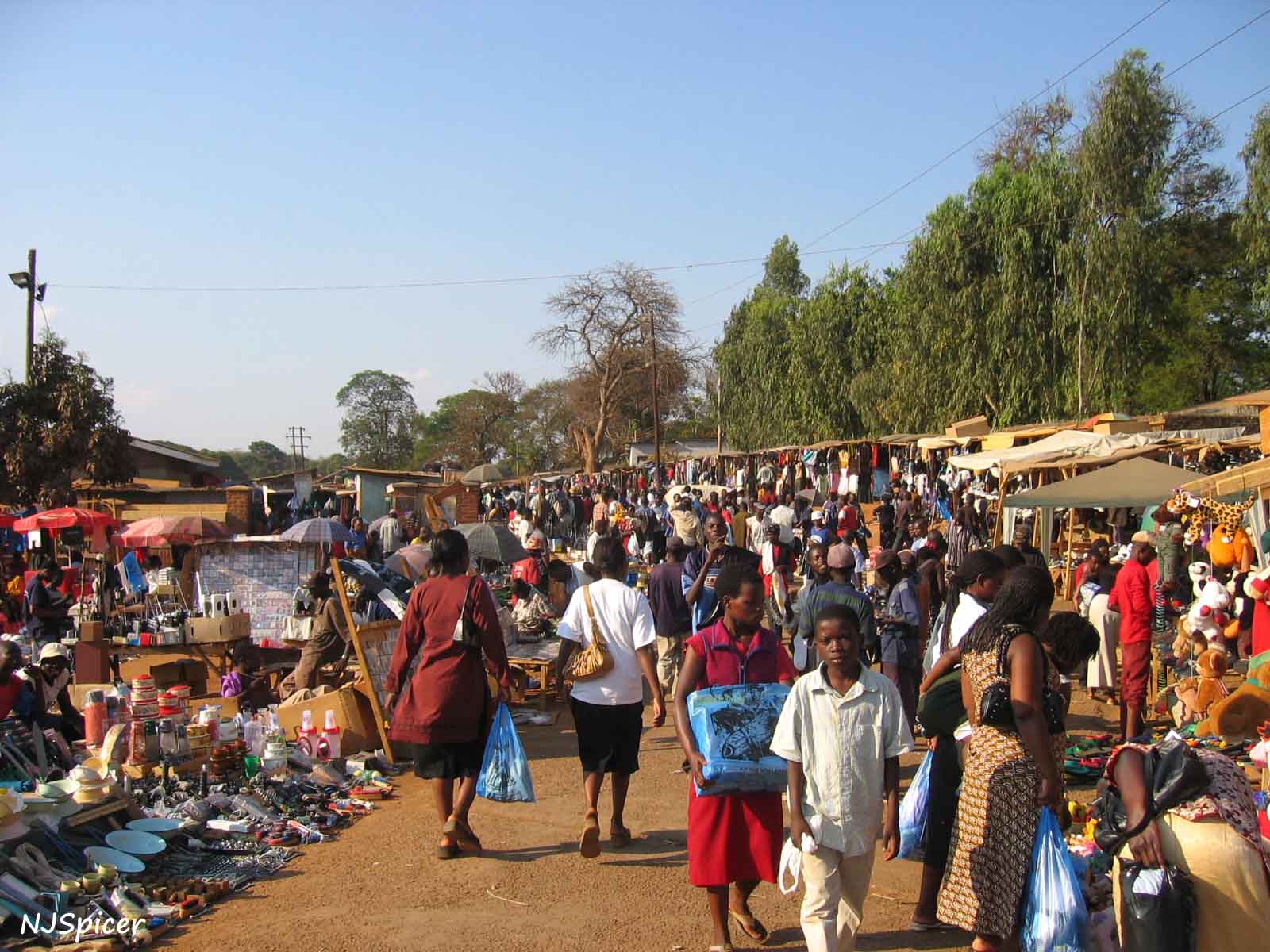
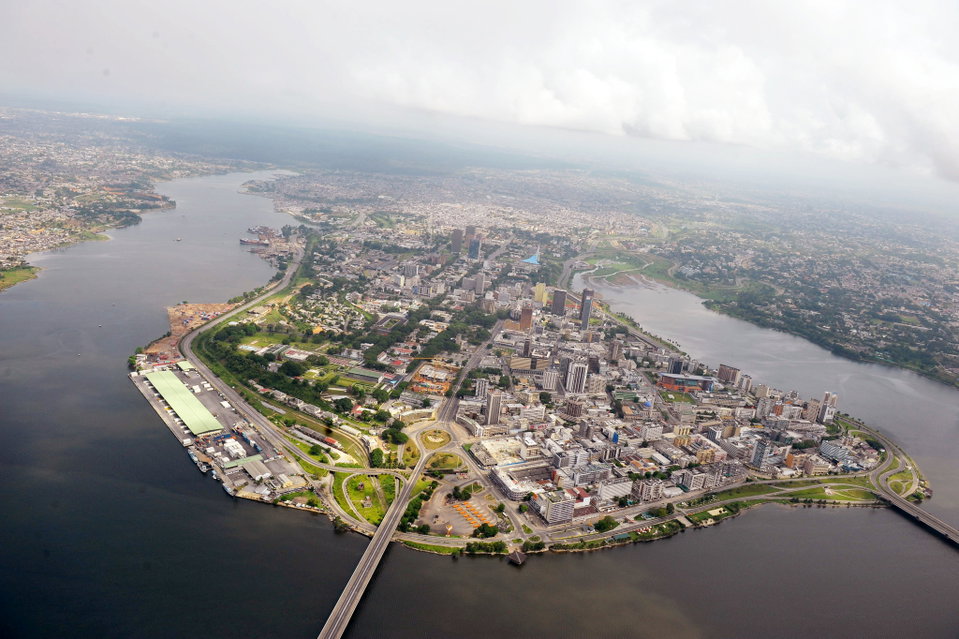
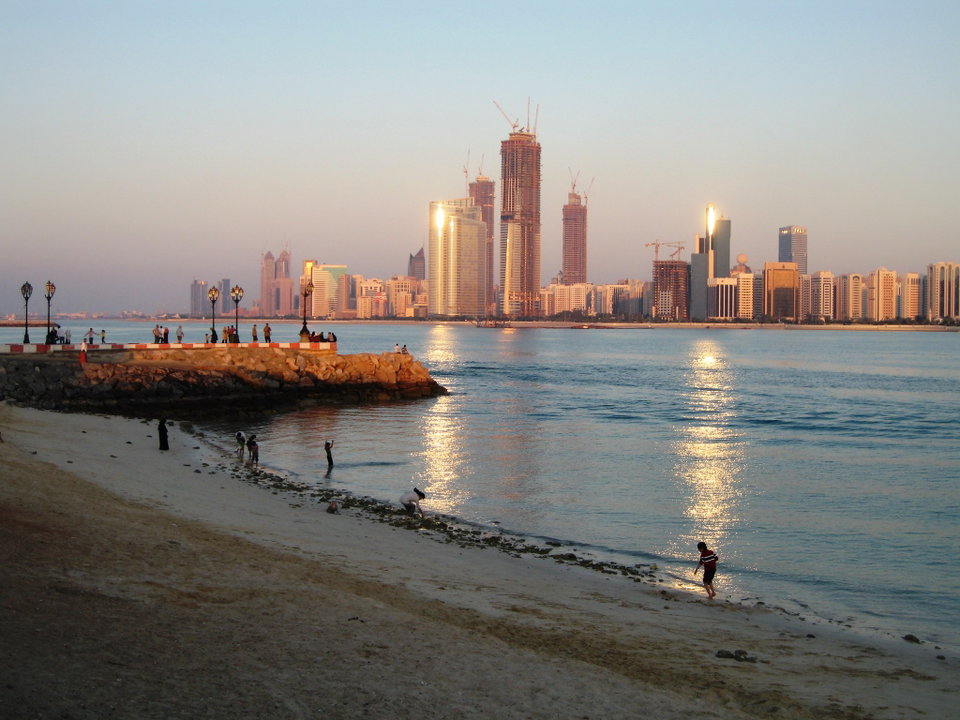
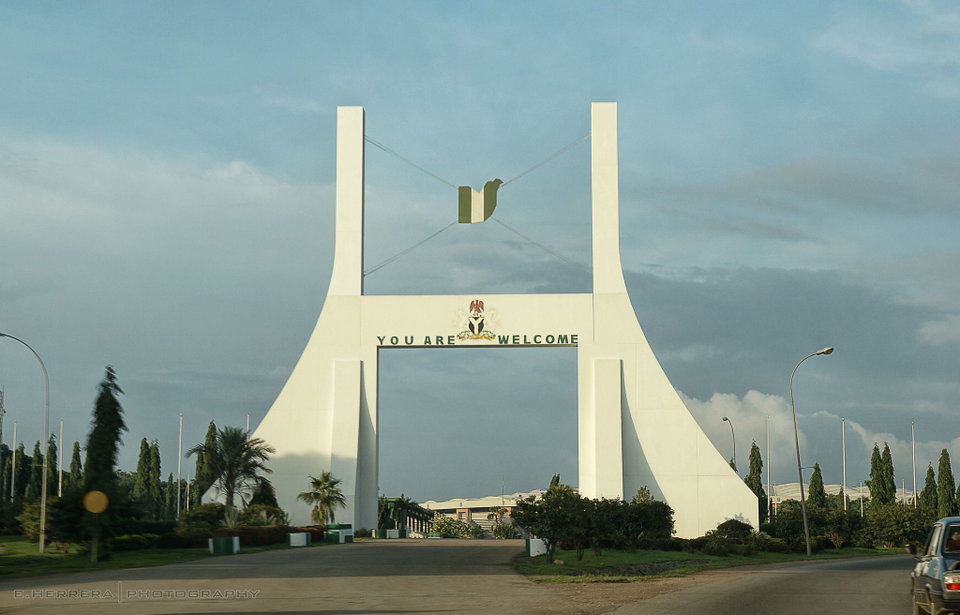
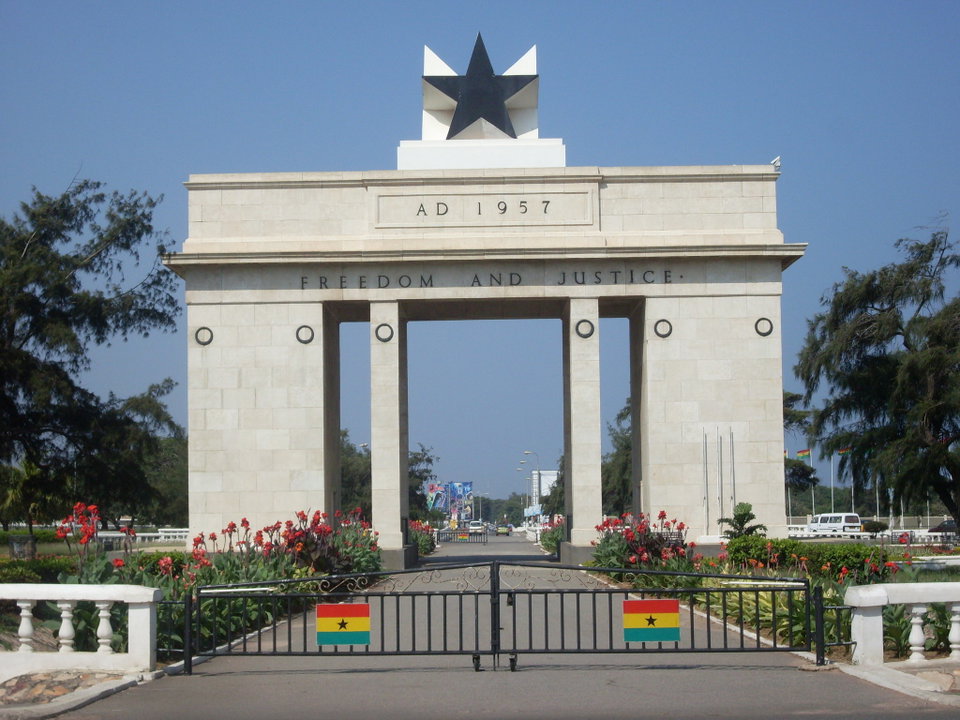
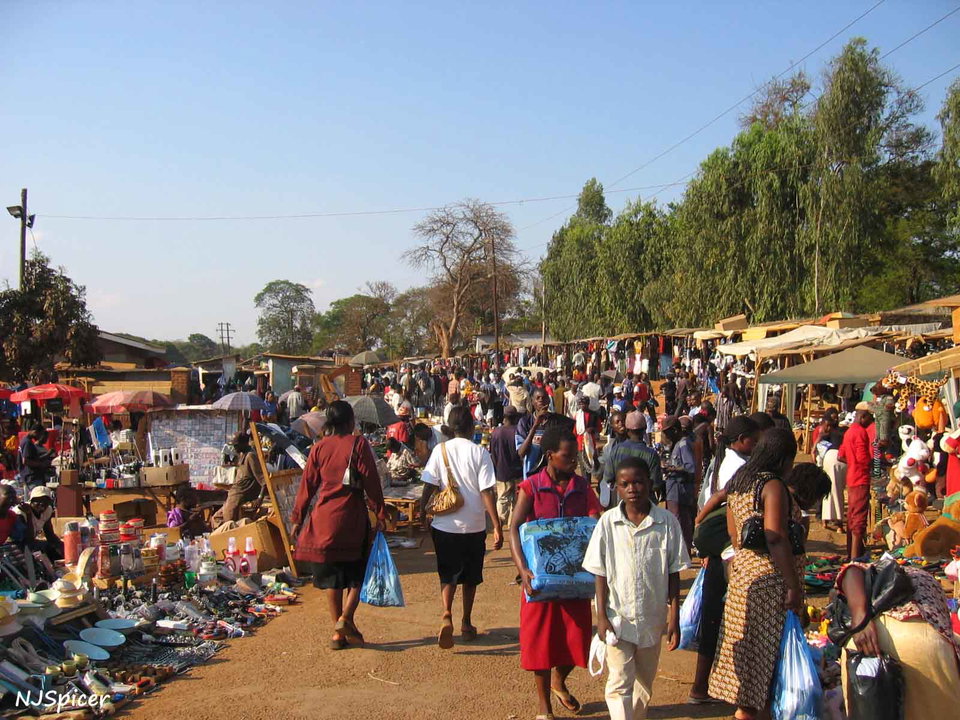
Tree-lined streets and markets of Lilongwe, Malawi's leafy capital city

Destination guide

Lilongwe

Central Malawi · Malawi

Malawi's green capital — a calm base for wildlife, culture, and onward adventure

Best season

May–October (dry season); July–August are peak months with cool, clear days

From Nairobi

Approx. 2 hours 30 minutes (Nairobi NBO to Lilongwe LLW)

Why visit Lilongwe?

Lilongwe earns its place on the Malawi itinerary not just as a transit hub but as a destination worth pausing in. The city's two halves tell very different stories: Old Town is a sensory overload of open-air markets, street food stalls, and workshops spilling onto dusty lanes, while City Centre has leafy boulevards, embassies, and relaxed café terraces.

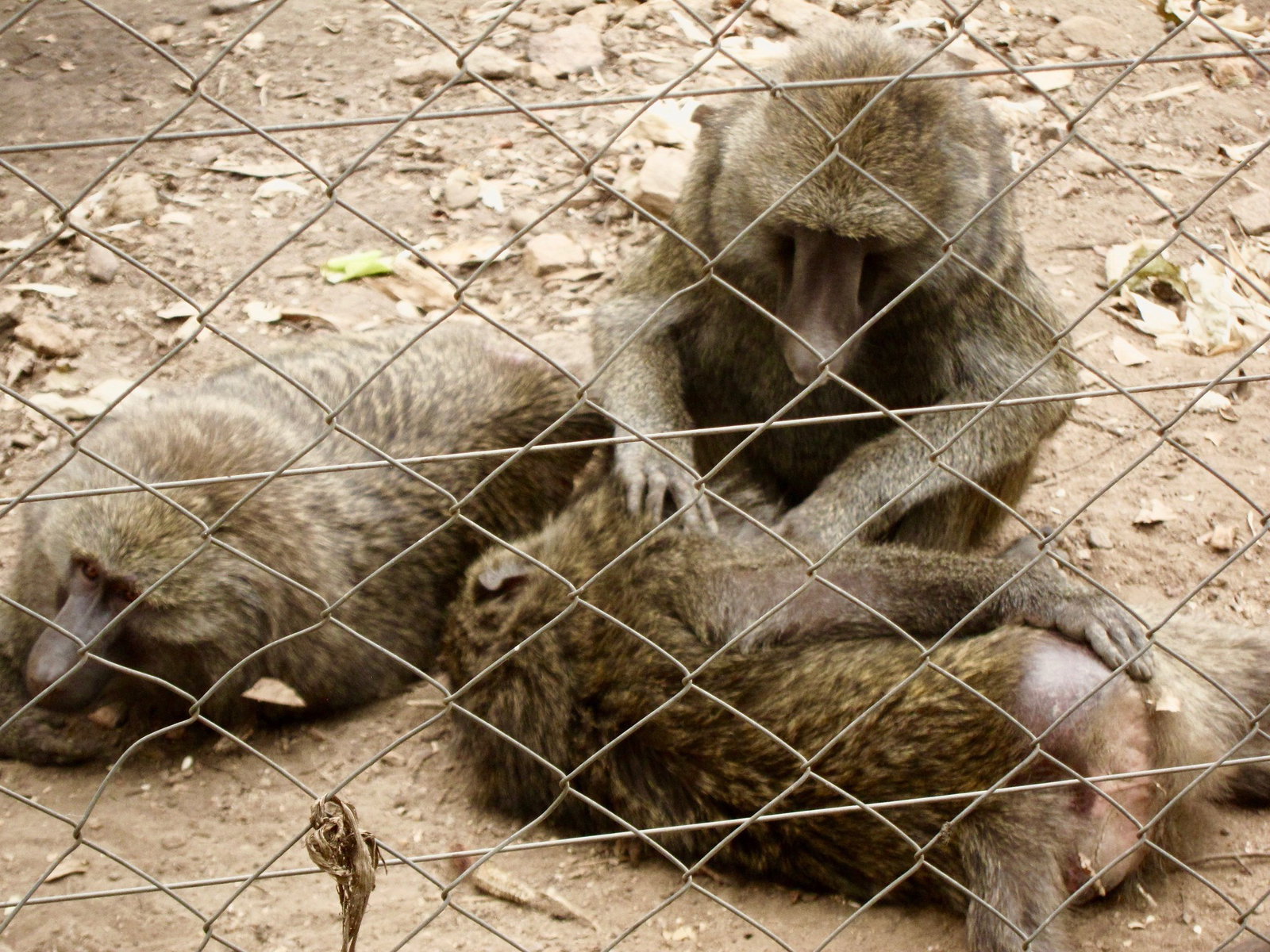
For wildlife, the Lilongwe Wildlife Centre is a genuine highlight — a 180-hectare forested sanctuary sitting inside the city limits where you can walk guided trails past rescued leopards, civets, servals, baboons, and the facility's star residents, African pangolins. It is one of the few places in Africa where you can reliably see a pangolin in a responsible, conservation-led setting.

Beyond the city itself, Lilongwe is the gateway to everything: a two-hour drive east reaches the southern shores of Lake Malawi; Liwonde National Park — home to large elephant herds, hippos, and rare African wild dogs — is three hours south; and the sweeping Nyika Plateau is a day's journey north. For travellers on a regional loop, Lilongwe also connects easily to Zambia (through Chipata) and to Zimbabwe via the south.

  • Walk with rescued leopards and pangolins at the Lilongwe Wildlife Centre — inside the city limits
  • Dive into Old Town's sprawling markets for fresh produce, crafts, and Malawian street food
  • Perfectly placed for Lake Malawi, Liwonde National Park, and Nyika Plateau day or overnight trips
  • One of Southern Africa's most relaxed capitals — easy to navigate, genuinely welcoming
  • Strong café and restaurant scene fuelled by the NGO and expat community
  • Direct flights from Nairobi, Johannesburg, Addis Ababa, and Dar es Salaam

Best for

First-time Malawi visitors, wildlife enthusiasts, culture seekers, overland travellers

Trip style

City break, safari gateway, cultural, overland

Known for

Lilongwe Wildlife Centre, Old Town markets, friendly locals, jacaranda-lined streets

Quick facts

Best time to visit

May–October (dry season); July–August are peak months with cool, clear days

Currency

Malawian Kwacha (MWK). USD and ZAR widely accepted at hotels and lodges

Languages

Chichewa (national) and English (official) — English is spoken throughout the city

Visa summary

Visa on arrival available for most nationalities (30-day, extendable). East African nationals typically visa-free. Check requirements before travel.

Flight time from Nairobi

Approx. 2 hours 30 minutes (Nairobi NBO to Lilongwe LLW)

Airport / arrival

Kamuzu International Airport (LLW) is 26 km north of the city centre. Taxis and hotel transfers available; journey time 30–40 minutes.

Safety note

Generally safe for tourists. Petty theft in markets and at night. Use reputable taxis after dark and keep valuables secure.

Visa and entry

Look up entry rules by passport for travel to Malawi on the Tsavaro visa checker.

Check visa requirements for Malawi

Things to do

Lilongwe Wildlife CentreWildlife

Lilongwe Wildlife Centre

2–3 hours

A 180-hectare forested sanctuary inside the city that rescues and rehabilitates orphaned and injured wildlife. Guided bush walks pass leopard enclosures, pangolin nocturnal houses, servals, baboons, and over 200 bird species. Proceeds fund conservation across Malawi.

Old Town Market (Tsoka)Culture & Markets

Old Town Market (Tsoka)

1–2 hours

The beating commercial heart of Lilongwe — a labyrinth of produce stalls, tailors, phone-repair shops, and street-food vendors. Come for the energy, the grilled cassava, and the chance to pick up hand-carved wooden crafts direct from the maker.

Lilongwe Nature Sanctuary Bird WalkBirding & Nature

Lilongwe Nature Sanctuary Bird Walk

2–3 hours (early morning)

The Lilongwe Wildlife Centre doubles as a birding hotspot with over 200 recorded species, including broadbills, Narina trogons, and various sunbirds. Dedicated morning bird walks are available with a specialist guide.

Day trip to Dedza PotteryDay Trip & Culture

Day trip to Dedza Pottery

Full day

An 85-km drive south of Lilongwe brings you to Dedza town and its famous pottery workshop, set in beautiful highland scenery. Watch craftspeople throw and fire traditional red-clay pots and pick up hand-decorated pieces as gifts.

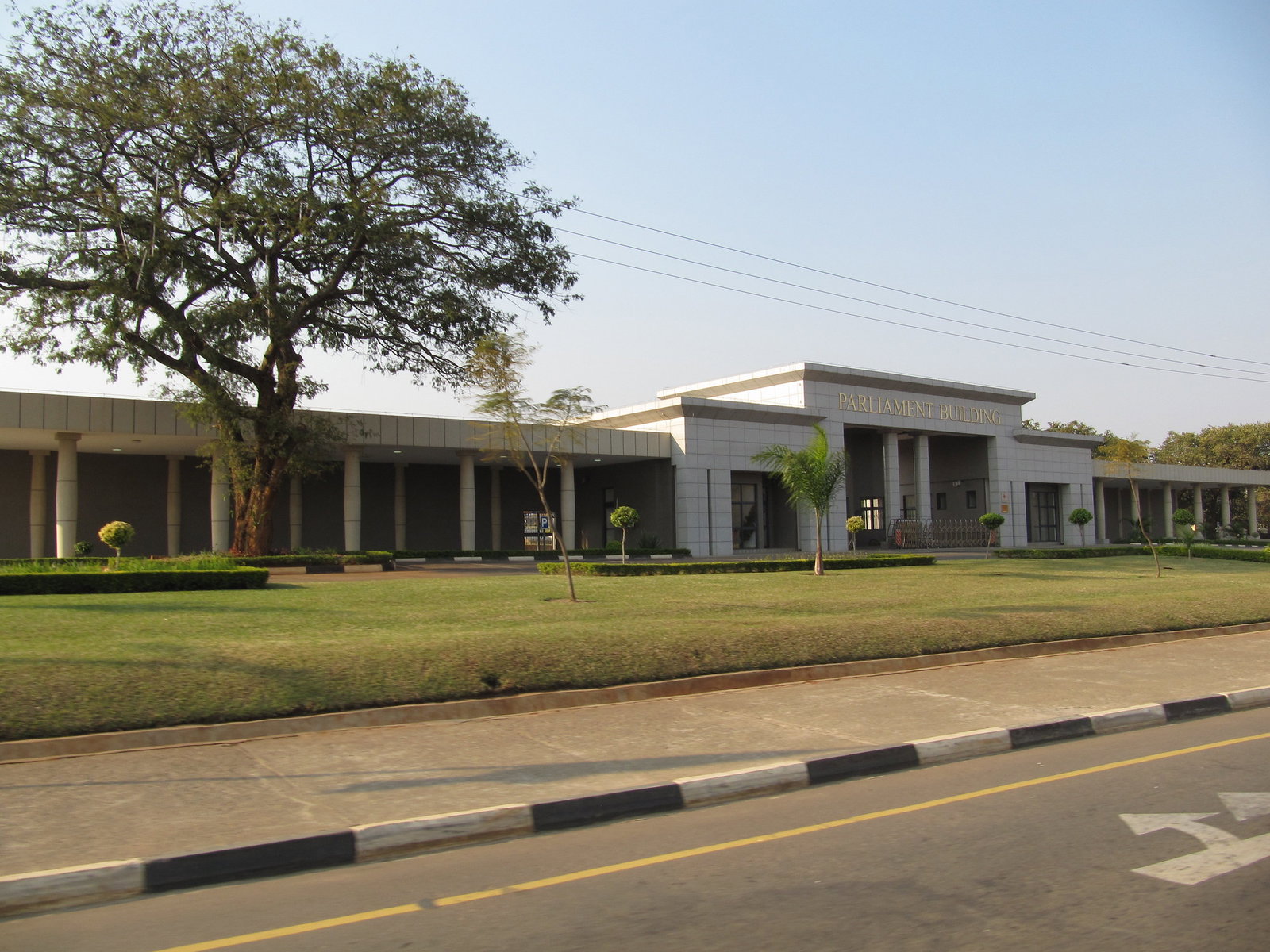
Parliament Building & Civic QuarterHeritage & Architecture

Parliament Building & Civic Quarter

1 hour

Lilongwe's purpose-built City Centre houses a cluster of modernist civic buildings including the National Parliament. The surrounding gardens make for a pleasant stroll and offer insight into Malawi's post-independence urban planning.

Best time to visit Lilongwe

The best time to visit Lilongwe is May to October, during Malawi's dry season, when days are clear, roads are reliable, and wildlife in nearby parks is easier to spot around shrinking waterholes.

May–June: The rains have just ended and the bush is lush and green. Temperatures are pleasantly warm (20–25°C during the day) and cooling in the evening. This is an excellent time for birding as migrant species are still present.

July–August: Peak dry season and the most popular months. Days are clear and sunny (18–24°C) but nights can be cool at altitude. Accommodation books up — reserve ahead for Liwonde and Nyika if combining those parks.

September–October: Temperatures climb toward 30°C and vegetation thins further, making wildlife viewing outstanding. October is hot and dry — the very end of the season before the rains begin.

November–April (Wet Season): The rains arrive in November, intensifying through January–March. Lilongwe itself remains accessible and lush; tropical downpours are dramatic but usually short. Some lodges in the national parks close and dirt roads become difficult. Birding is superb for residents and intra-African migrants. Budget accommodation offers lower rates.

Is Lilongwe safe to visit?

Yes — Lilongwe is generally safe for tourists who take standard urban precautions. Malawi has a well-earned reputation as one of the friendliest countries in Africa, and violent crime against visitors is rare.

Petty theft — pickpocketing and bag-snatching — is the most common risk, particularly in Old Town's crowded markets and around the bus depots. Keep your phone in a front pocket, carry only the cash you need for the day, and leave valuables in your hotel safe.

After dark, avoid walking alone in unlit areas and use a reputable taxi app (Mondo Ride operates in Lilongwe) or a hotel-arranged cab rather than flagging down an unmarked vehicle. City Centre and the Area 9 restaurant strip are well-frequented in the evenings and feel safe.

Road safety is a greater concern than crime: driving standards are variable, pedestrians often share narrow roads, and livestock can appear unexpectedly. If hiring a car, drive defensively and avoid travel after dark on rural roads.

Malaria is present year-round — take prophylaxis, use repellent, and sleep under a mosquito net. The main hospitals (Kamuzu Central Hospital and Mwaiwathu Private Hospital) can handle most emergencies.
Suggested itinerary

Lilongwe in 3 Days: City, Wildlife & a Taste of the Country

This plan is based in Lilongwe city and suited to first-time visitors arriving by air. It assumes a mid-range budget, a hire car or private transfer for the day trip, and a relaxed pace that leaves time for spontaneous market wandering and good meals.

Day 1

Arrive, settle in, and discover Old Town

Land at Kamuzu International Airport and transfer to your hotel in City Centre or the quieter Area 9 lodge belt. After settling in, head straight to Old Town for a late-morning wander through the Tsoka market — allow yourself to get pleasantly lost among the vegetable vendors, tailors, and roadside chapati makers.

Lunch at one of the simple restaurants on Malangalanga Road; try nsima (Malawi's maize staple) served with chambo fish from Lake Malawi. In the afternoon, browse the Area 18 Craft Market for batik, carvings, and wire art before a sundowner at one of the City Centre hotel terraces.

Lilongwe — Arrive, settle in, and discover Old Town

Travel essentials

Getting around

City taxis and Mondo Ride (Lilongwe's ride-hailing app) are the safest options for getting around. Minibuses (matolas) connect Old Town and City Centre cheaply but are crowded. Car hire is available at the airport and through most hotels — useful for day trips to Dedza or onward self-drive to Lake Malawi.

Typical costs

Mid-range hotel: USD 80–150 per night. Budget guesthouse: USD 20–40. Restaurant meal: USD 5–15. Wildlife Centre entry: USD 10–15. Day-trip hire car with driver: USD 60–100. Local beers: USD 1–2.

Culture and etiquette

Malawians are famously courteous — greet people before asking a question, use two hands or the right hand when giving or receiving items, and dress modestly outside tourist areas. Photograph people only with explicit permission. Chichewa greetings (Moni for hello, Zikomo for thank you) are warmly received.

Safety and planning

Take anti-malarials and pack repellent; malaria is present year-round. Drink bottled or filtered water. Ensure your travel insurance covers medical evacuation. Carry a photocopy of your passport; leave the original in the hotel safe.

Connectivity

Airtel and TNM are the main mobile networks; SIM cards are available at the airport and in shops for a few hundred kwacha. City Centre and most mid-range hotels have reliable Wi-Fi. Mobile data is relatively affordable on local SIMs.

Payments

Cash (MWK or USD) is widely used. ATMs (Standard Bank, National Bank, FDH) are available in City Centre and Old Town but can run out of notes — draw cash on arrival. Major hotels and upmarket restaurants accept Visa; Mastercard less universally so. Carry small-denomination kwacha for markets and street food.

Lilongwe travel FAQs

More destinations to explore