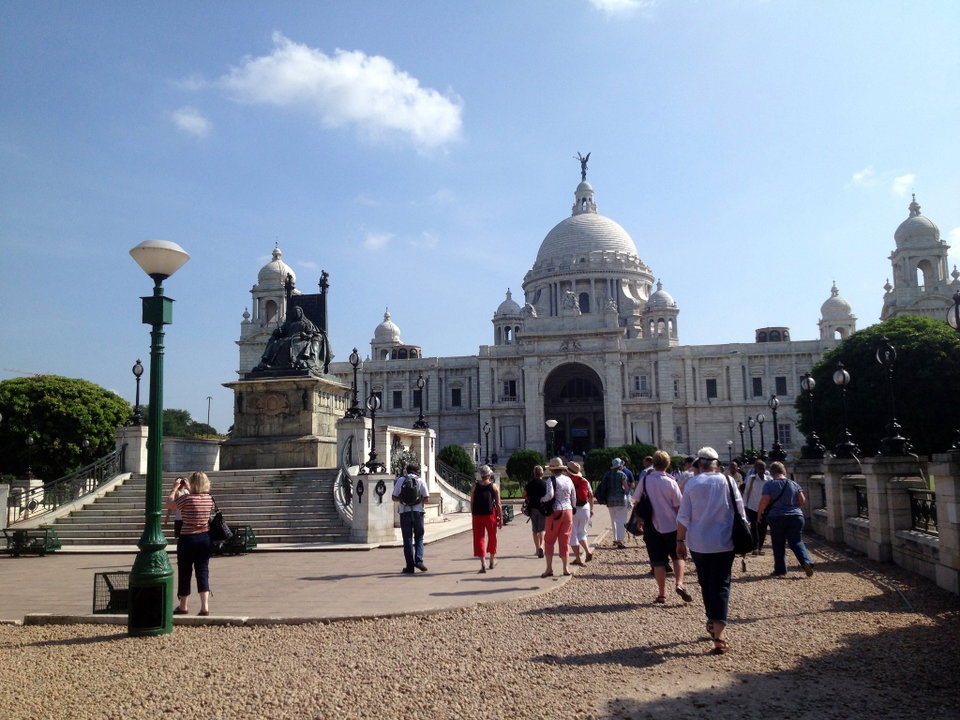
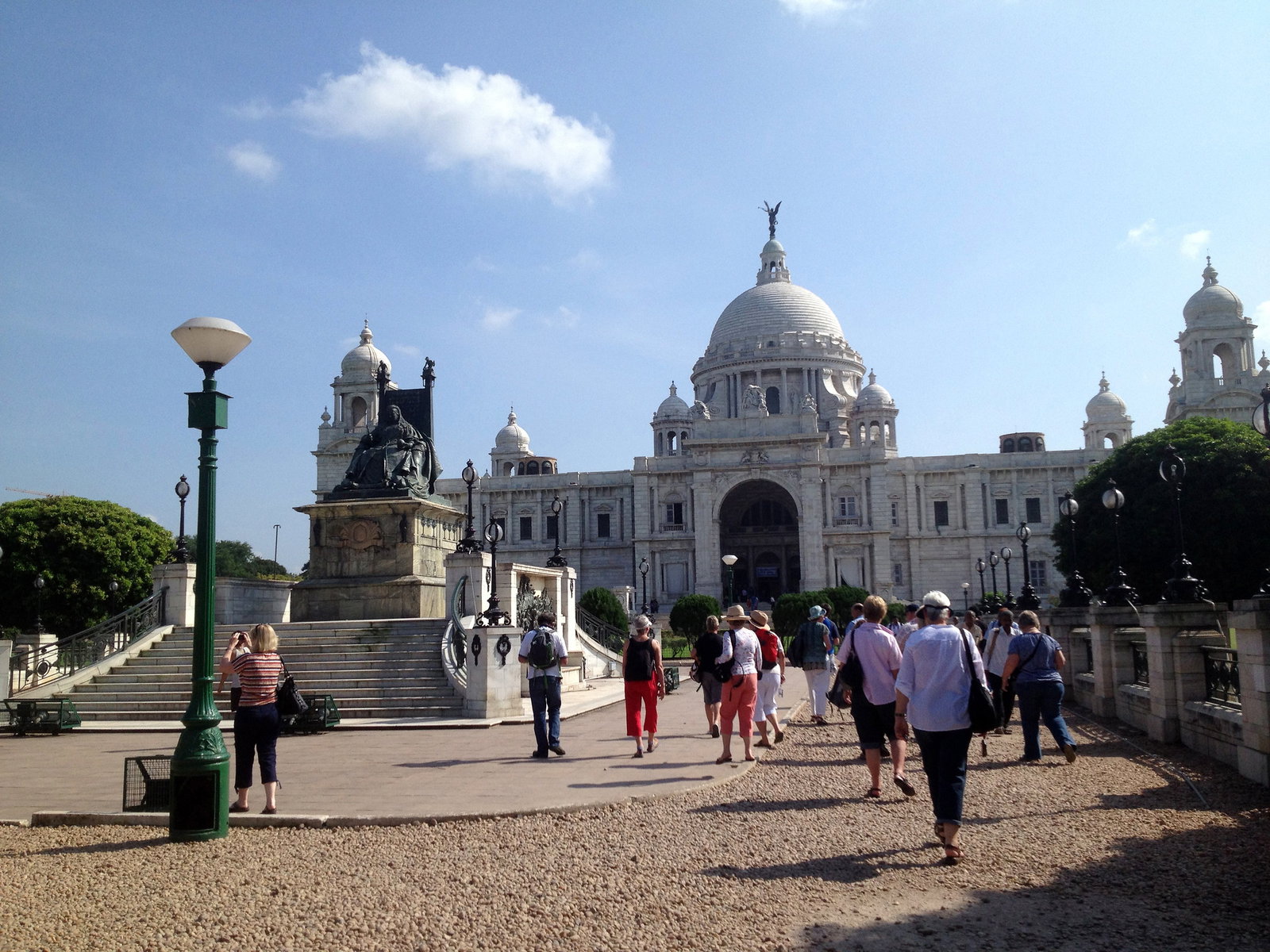
Victoria Memorial gleaming white against a blue sky in central Kolkata

Destination guide

Kolkata

West Bengal, Eastern India · India

India's cultural capital — where colonial grandeur meets intellectual fire and street-food brilliance

Best season

October to March (post-monsoon cool, Durga Puja in Oct)

From Nairobi

Approx. 6–7 hrs direct; most connections via Delhi or Mumbai

Why visit Kolkata

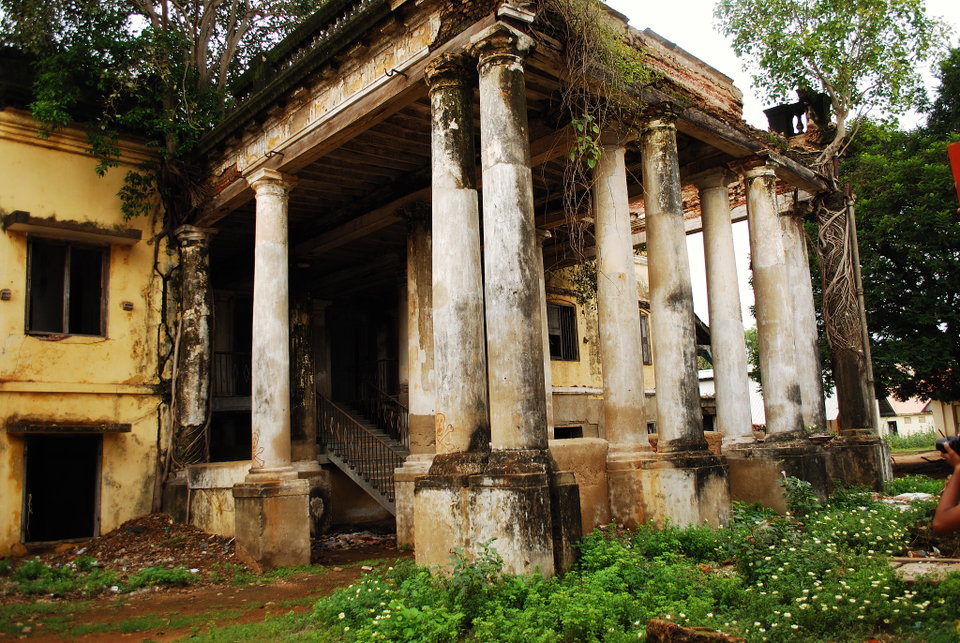
No Indian city carries its history — colonial, revolutionary, literary — quite like Kolkata. The British-built Writers' Building, the neoclassical Victoria Memorial, and the iron-latticed Howrah Bridge are not museum pieces but living backdrops to daily commerce. Neighbourhoods such as Kumartuli (where artisans sculpt festival idols), Tiretti Bazaar (Kolkata's old Chinatown), and the crumbling mansions of North Kolkata's zamindars tell a layered story that no guidebook can fully exhaust.

The city's food scene is arguably the finest street-food culture in India: kati rolls, muri mixtures, phuchka at every corner, and the legendary hilsa fish prepared a dozen ways. Add Durga Puja — ten days of community art installations, late-night processions, and collective joy unmatched anywhere on earth — and Kolkata becomes a city that gets under your skin.

  • Victoria Memorial — the finest Indo-Saracenic monument in Asia, surrounded by manicured gardens open to the public
  • Howrah Bridge — 85,000 tonnes of riveted steel spanning the Hooghly, carrying a million crossings a day
  • Durga Puja — ten days every October when the entire city becomes an open-air art biennial and street party
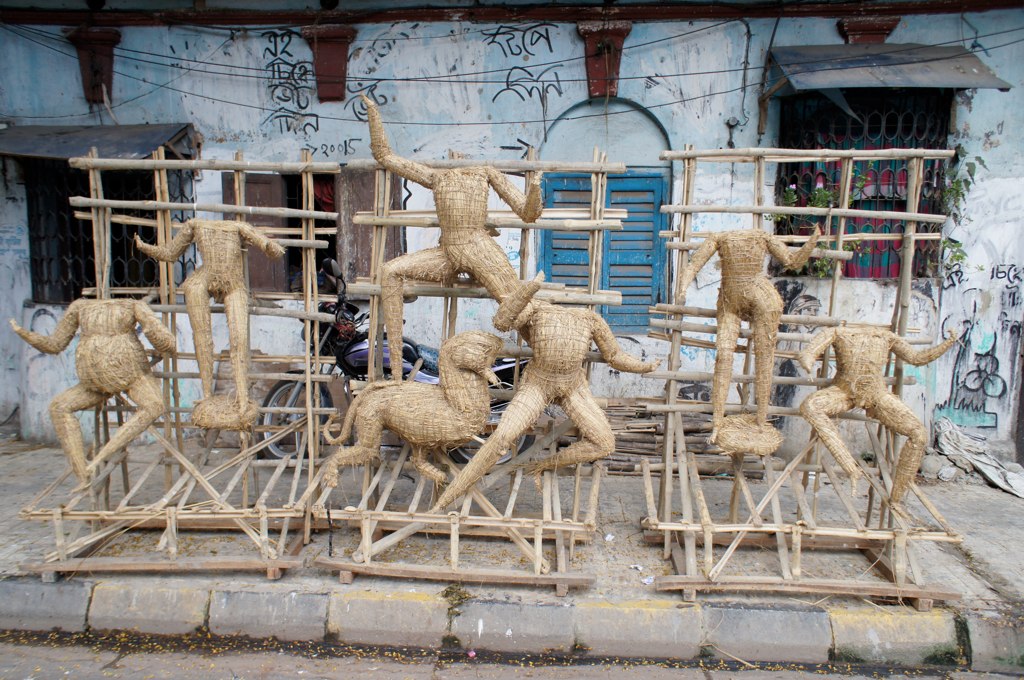
  • Kumartuli — the potter's quarter where clay idols are handcrafted by families who have worked the same lanes for generations
  • Kolkata street food — phuchka, kati roll, mishti doi, and kosha mangsho served from roadside stalls older than most restaurants
  • Indian Museum — the oldest and largest museum in Asia, housing artefacts spanning geology, art, archaeology, and natural history

Best for

History lovers, foodies, festival seekers, art enthusiasts, slow travellers

Trip style

Cultural immersion, heritage walks, culinary exploration

Known for

Victoria Memorial, Durga Puja, street food, Tagore, the Howrah Bridge

Quick facts

Best time to visit

October to March (post-monsoon cool, Durga Puja in Oct)

Currency

Indian Rupee (INR)

Languages

Bengali (primary); Hindi and English widely spoken

Visa summary

e-Visa available for most nationalities; apply online before travel

Flight time from Nairobi

Approx. 6–7 hrs direct; most connections via Delhi or Mumbai

Airport / arrival

Netaji Subhas Chandra Bose International Airport (CCU), 17 km north of the city centre; prepaid taxis and metro rail (Airport–Dakshineswar line) available

Safety note

Generally safe for tourists; be alert in dense crowds and avoid displaying valuables on the metro

Visa and entry

Look up entry rules by passport for travel to India on the Tsavaro visa checker.

Check visa requirements for India

Things to do

Tour the Victoria MemorialHeritage & Museums

Tour the Victoria Memorial

2–3 hours

The gleaming white marble memorial to Queen Victoria houses 25 galleries of colonial-era paintings, manuscripts, and artefacts. The surrounding park is one of the city's best open green spaces and perfect for an early-morning walk.

Cross the Howrah Bridge on footLandmarks

Cross the Howrah Bridge on foot

30–45 minutes

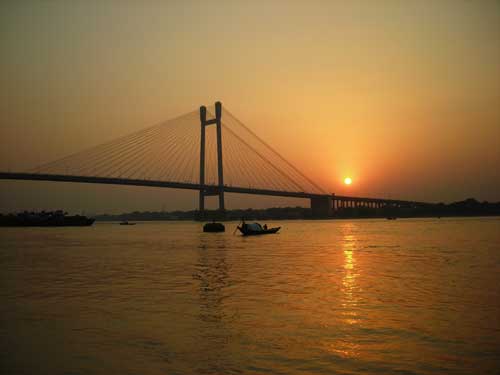
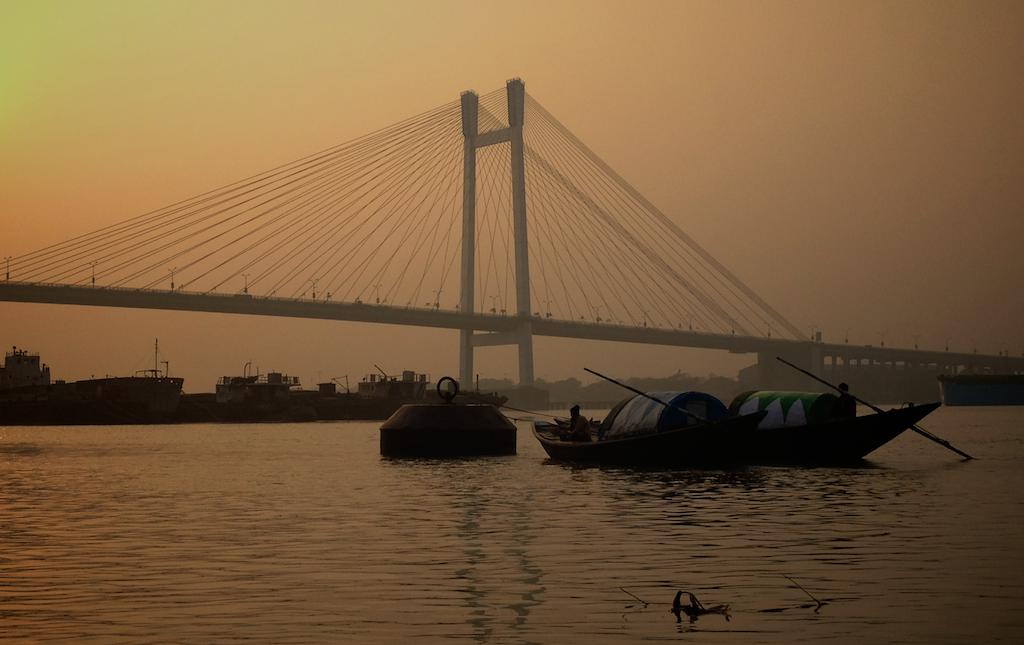
Walk or cycle across the iconic cantilever bridge at dawn for the most cinematic views of the Hooghly and the city skyline. The bridge is officially called Rabindra Setu but universally known by its original name.

Wander Kumartuli, the idol-makers' quarterCultural Neighbourhoods

Wander Kumartuli, the idol-makers' quarter

1–2 hours

Follow the narrow lanes of this North Kolkata neighbourhood where generations of artisans (kumors) hand-sculpt enormous festival idols from river clay, bamboo, and straw. Visits are most rewarding in the two months before Durga Puja.

Visit the Indian MuseumHeritage & Museums

Visit the Indian Museum

3–4 hours

The oldest museum in Asia (founded 1814) holds vast collections of Indus Valley seals, Mughal miniatures, Egyptian mummies, fossils, and Buddhist sculptures. A full visit easily takes half a day.

Take a sunrise ferry on the HooghlyLocal Experiences

Take a sunrise ferry on the Hooghly

30 minutes

Board a local passenger ferry at Babu Ghat or Chandpal Ghat for a short river crossing. The morning light on the ghats, flower-sellers, and the silhouette of Howrah Bridge are extraordinary — and the fare costs just a few rupees.

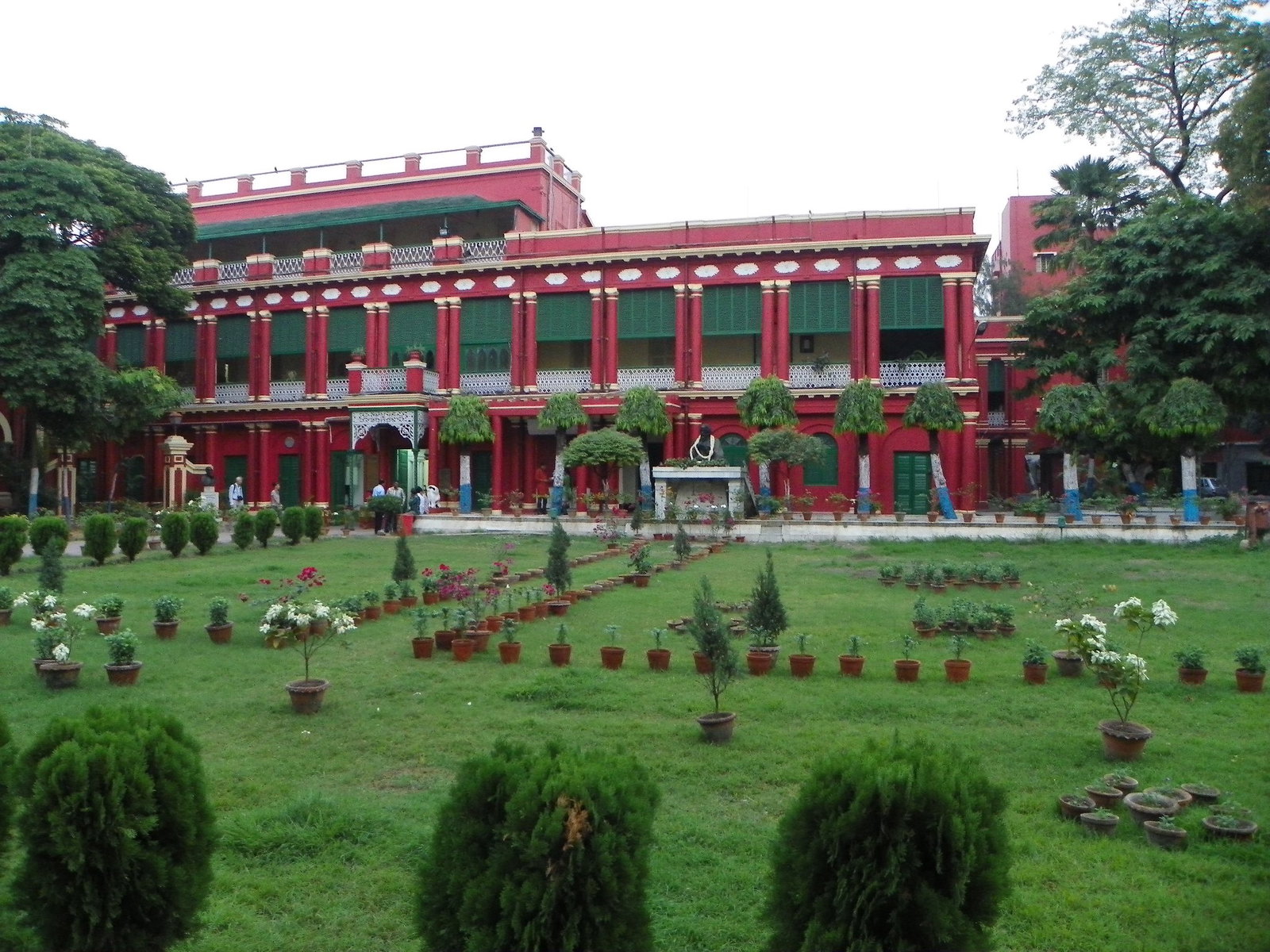
Explore the Rabindranath Tagore Museum (Jorasanko Thakur Bari)Heritage & Museums

Explore the Rabindranath Tagore Museum (Jorasanko Thakur Bari)

1.5–2 hours

The ancestral home of Nobel laureate Rabindranath Tagore is now a museum dedicated to his life, paintings, manuscripts, and the Bengal Renaissance. A moving and rarely crowded attraction in the heart of North Kolkata.

Best time to visit Kolkata

The best time to visit Kolkata is October to March, when temperatures are comfortable and the city's greatest festival — Durga Puja — takes place.

October–November: Peak season. Durga Puja (usually October) transforms the city into a ten-day open-air festival of art, light, and music. Post-Puja, Diwali and Kali Puja follow within weeks. Temperatures sit around 24–32°C with low humidity.

December–February: The coolest and driest months, with temperatures occasionally dipping to 12–14°C at night in January. This is the most comfortable time for walking and sightseeing. Expect higher hotel prices and some domestic tourism.

March–May: Spring warms quickly into a punishing pre-monsoon heat. Temperatures regularly exceed 40°C by May. Not recommended unless you are specifically visiting for the Bengali New Year (Poila Boishakh) in mid-April.

June–September: The monsoon season brings heavy, humid rainfall and periodic flooding in low-lying areas. The city stays lush and green, and prices drop sharply — experienced travellers find a raw, atmospheric side of Kolkata in the rain. Not ideal for first-time visitors.

Is Kolkata safe to visit?

Yes — Kolkata is generally considered one of the safer large cities in India for tourists, with a reputation for hospitality and relatively low rates of violent crime against visitors.

Petty theft: Pickpocketing can occur in crowded areas such as the metro, Esplanade, and Dakhineswar temple on festival days. Use a cross-body bag and keep your phone in a front pocket.

Transport: Use prepaid taxis from the airport or app-based cabs (Ola, Uber) rather than unmarked vehicles. The Kolkata Metro is safe, efficient, and air-conditioned — the best way to move north-south.

Neighbourhoods: Most central and tourist areas — Park Street, Esplanade, Salt Lake, and North Kolkata's heritage belt — are safe to walk day and night. Exercise standard urban caution after midnight in unfamiliar areas.

Health: Drink only bottled or filtered water. Stomach upsets from street food are the most common ailment — start cautiously with reputable stalls and build up. Mosquito repellent is advisable year-round, especially during and after the monsoon.

Solo and female travellers: The city has a strong tradition of public safety and a vocal civil society. Solo female travellers generally report Kolkata as more relaxed than Delhi or Mumbai, though standard precautions apply at night.
Suggested itinerary

5 Days in Kolkata: A Cultural Deep Dive

This itinerary is designed for a mid-budget independent traveller based in central Kolkata (around Park Street or Sudder Street). It runs at a relaxed pace — one or two anchor attractions per day — leaving room for spontaneous neighbourhood wandering and long meals, which is how the city is best understood.

Day 1

Arrival & Park Street Evening

Check in and shake off jet lag with a walk along Park Street. Visit the South Park Street Cemetery (one of the finest colonial-era cemeteries in Asia) in the late afternoon, then join the evening crowd for kati rolls and people-watching. End at Flurys on Russell Street for a piece of Kolkata's best-loved Anglo-Indian patisserie tradition.

Kolkata — Arrival & Park Street Evening

Travel essentials

Getting around

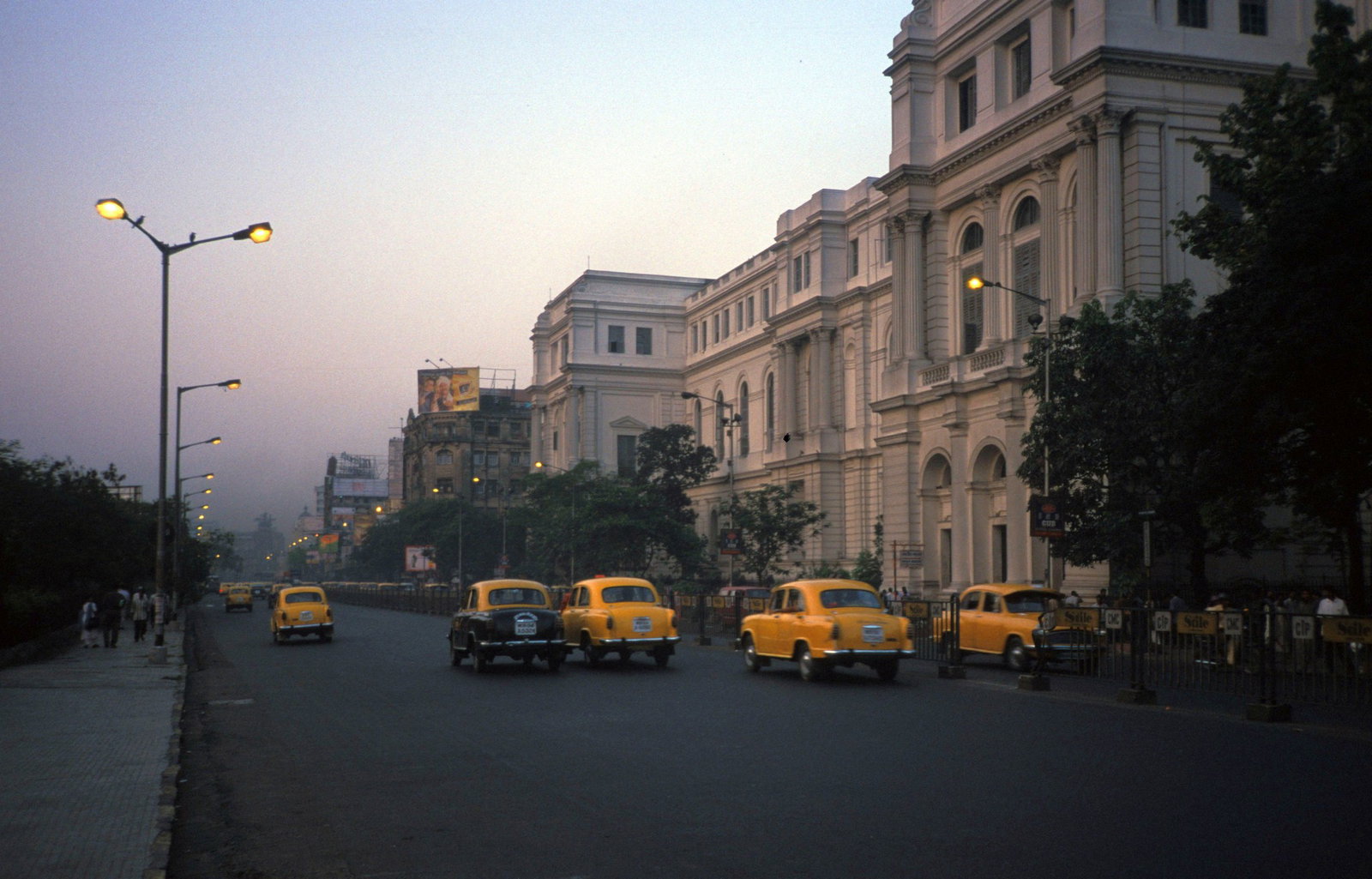
The Kolkata Metro (India's oldest, opened 1984) is the fastest way to travel the north-south spine. App-based cabs (Ola, Uber) are cheap and reliable. Yellow Ambassador taxis and auto-rickshaws cover areas not on the metro. Trams still run on a few heritage routes and are a slow but charming option in central Kolkata.

Typical costs

Budget travellers can manage comfortably on INR 1,500–2,500/day (USD 18–30) including a guesthouse, street meals, and entry fees. Mid-range travellers spending INR 4,000–8,000/day (USD 48–96) can stay in comfortable hotels, eat at sit-down restaurants, and use app-based cabs. A phuchka from a street vendor costs INR 30–50; a full dinner at a heritage restaurant like Peter Cat runs INR 800–1,200 per person.

Culture and etiquette

Remove shoes before entering temples and many family homes. Dress modestly when visiting religious sites — cover shoulders and knees. Ask before photographing people, especially in markets or at religious ceremonies. Tipping is appreciated but not mandatory: 10% at restaurants is generous. Bengalis are famously conversational — engaging locals about food, football, or politics will be warmly received.

Safety and planning

Carry a photocopy of your passport rather than the original when sightseeing. Share your itinerary with someone you trust. Have the number of your country's consulate or embassy saved. During Durga Puja, crowds at popular pandals (marquees) can be overwhelming — visit early morning for calmer conditions.

Connectivity

4G coverage (Jio, Airtel, Vi) is excellent across the city. Prepaid SIMs are available at the airport and licensed shops with your passport. Free Wi-Fi is available in many cafés, the metro, and most mid-range hotels. VPN access to some apps may be required.

Payments

Cash (INR) is still widely used for street food, markets, and auto-rickshaws. UPI payments (Google Pay, PhonePe) are near-universal in India — if you have an Indian bank account, this is the easiest payment method. ATMs are plentiful in commercial areas. Major credit cards accepted at hotels, large restaurants, and malls.

Kolkata travel FAQs

More destinations to explore