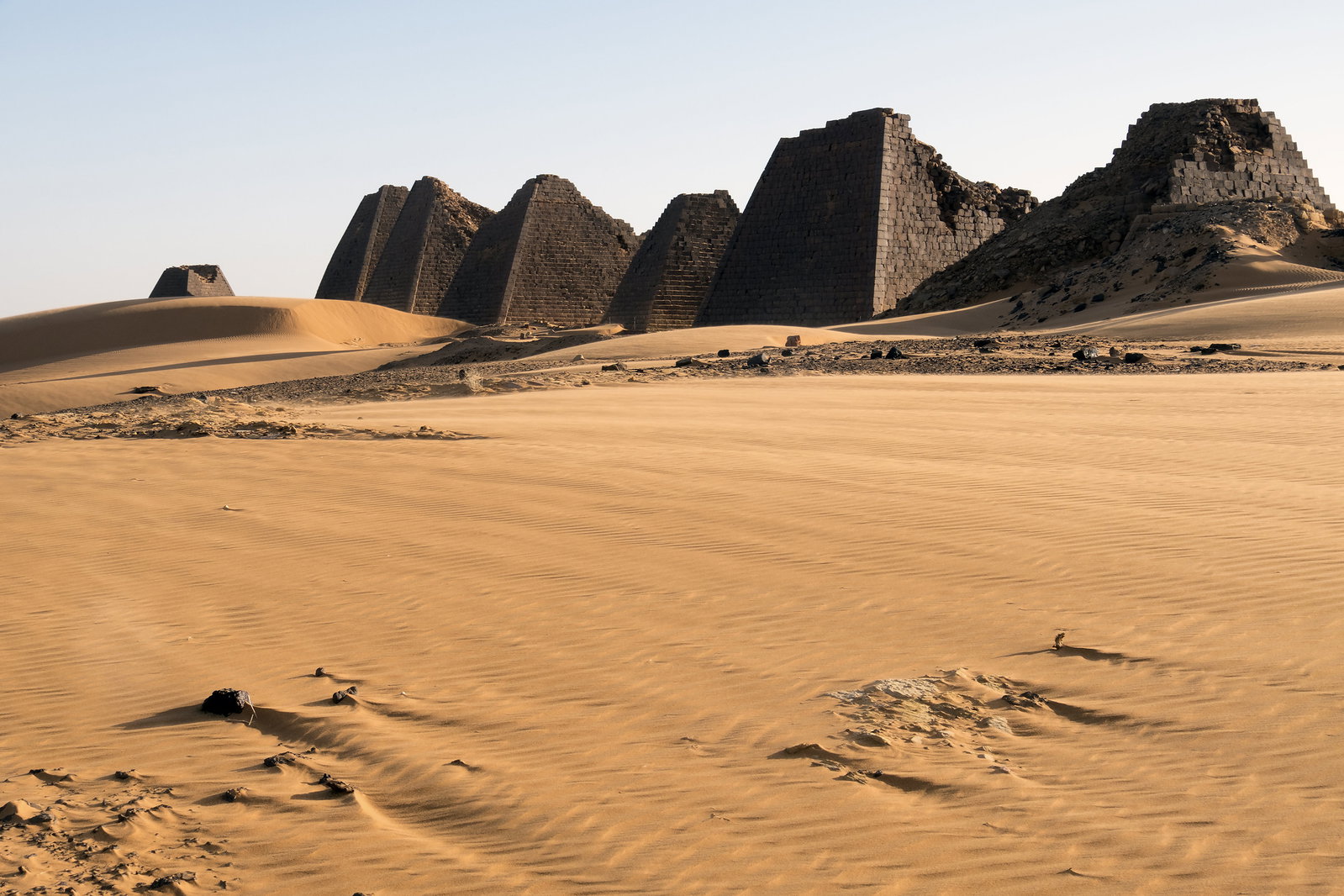
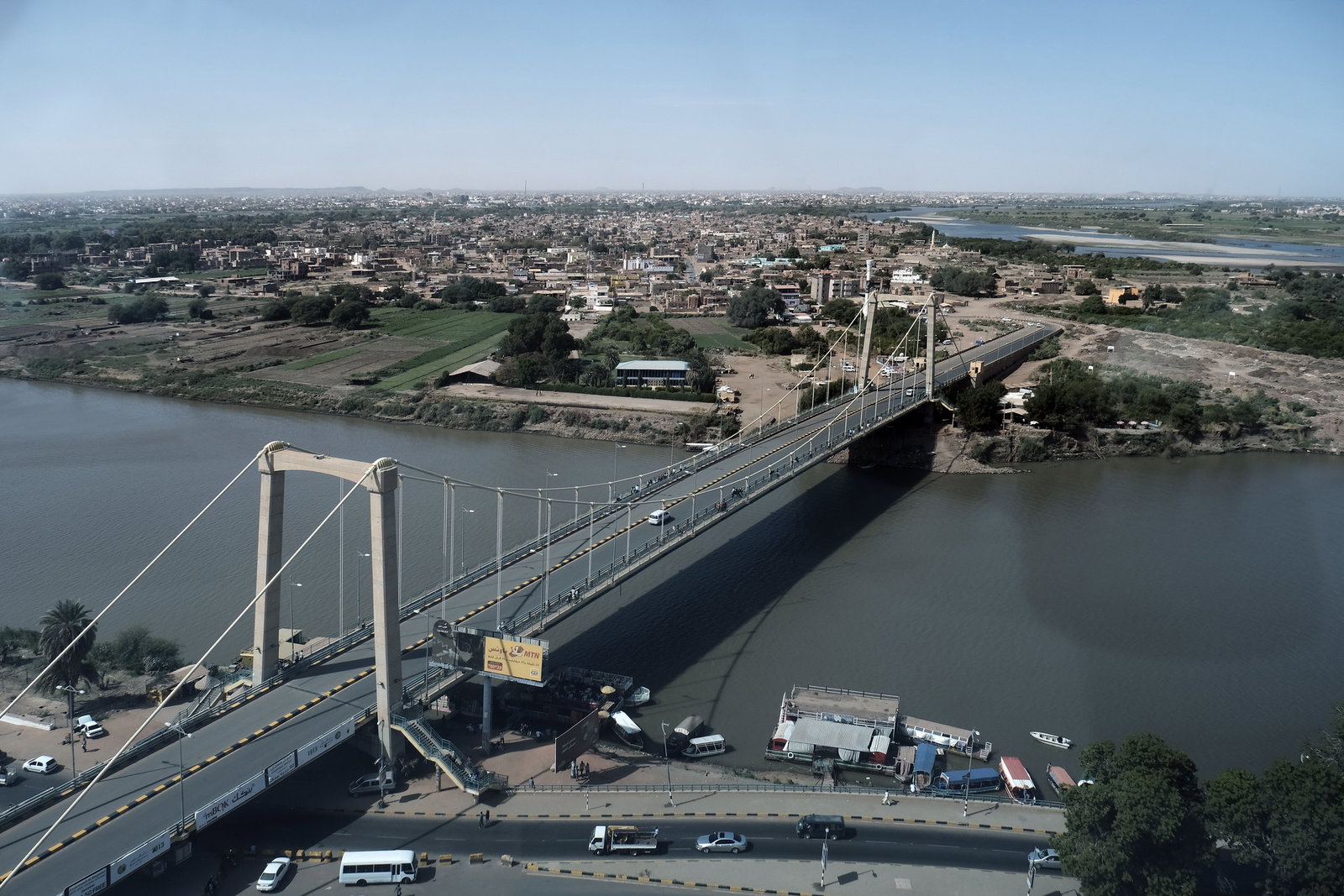
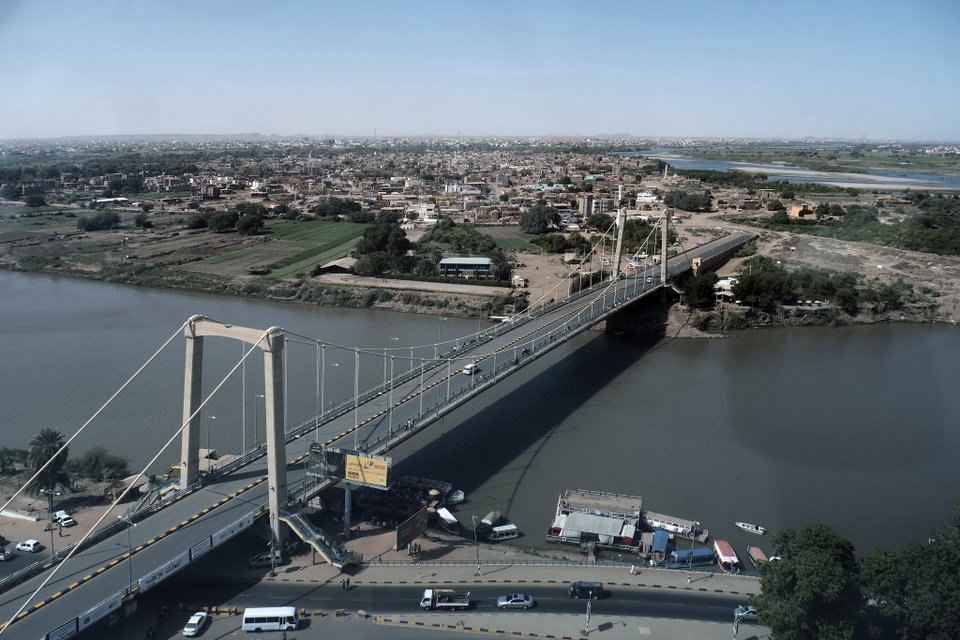
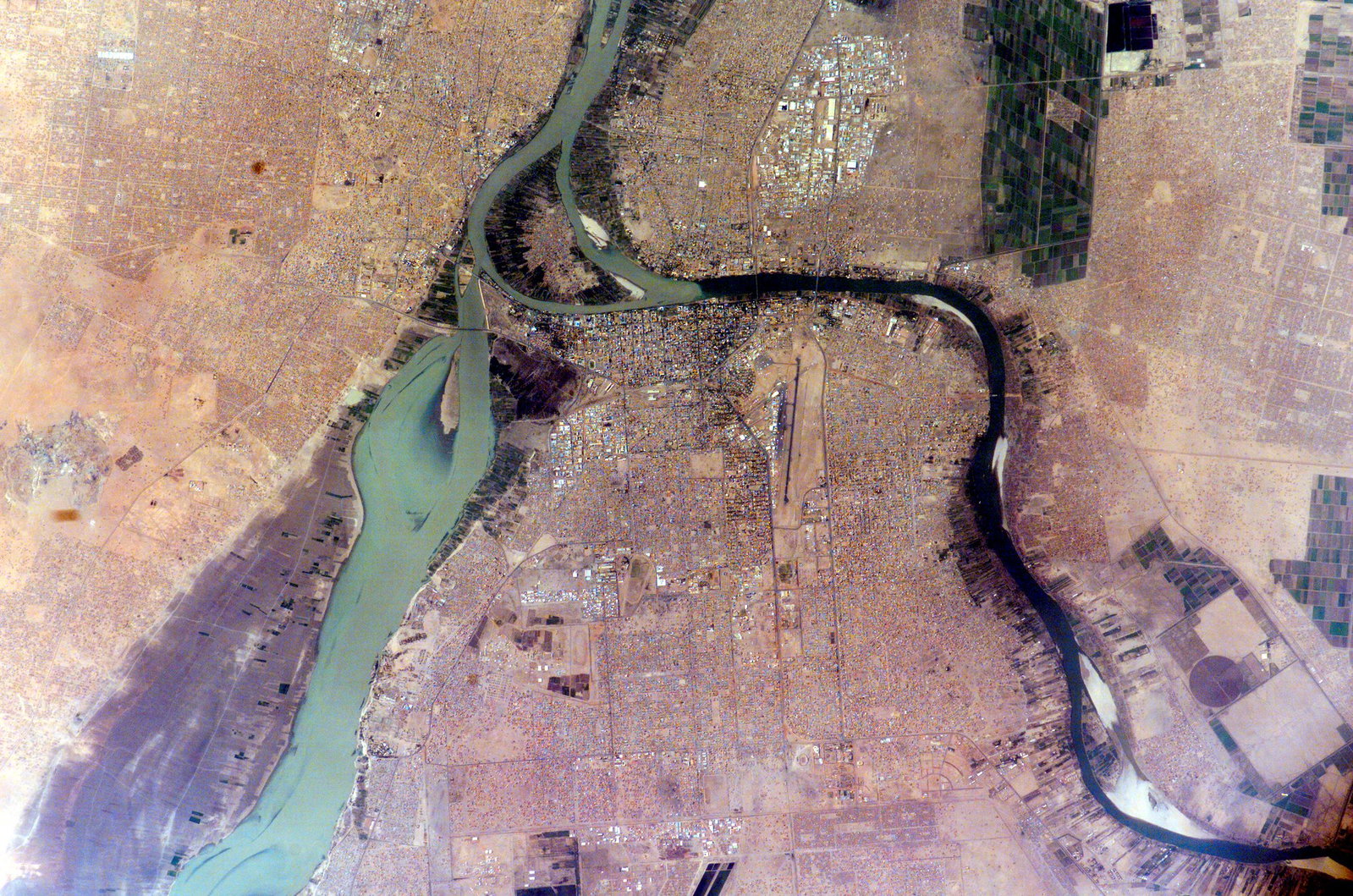
Khartoum occupies a position that geography alone makes extraordinary: stand at the Mogran Family Park and watch the dark-blue waters of the Blue Nile physically merge with the pale-green flow of the White Nile, two rivers that together birth the Nile that shaped ancient civilisation. That single view encapsulates what Khartoum offers — layered history, raw natural drama, and a sense that you are somewhere genuinely off the beaten path.
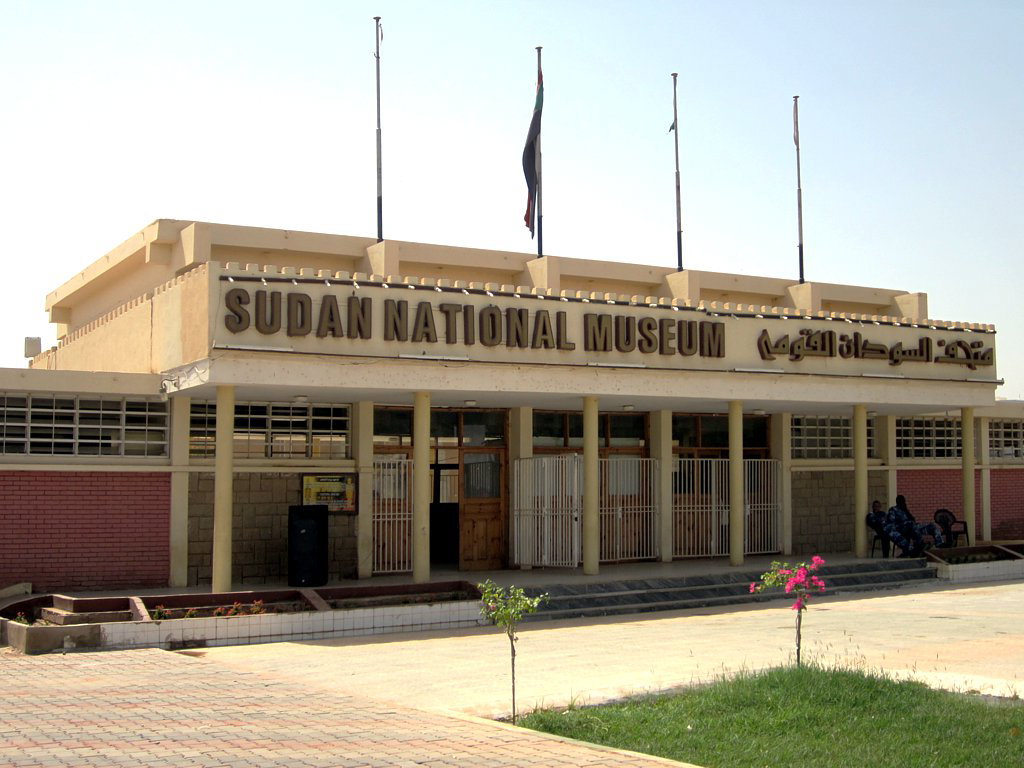
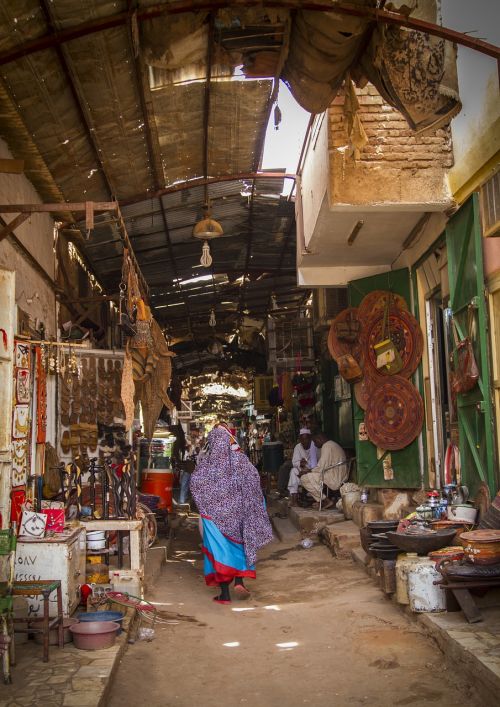
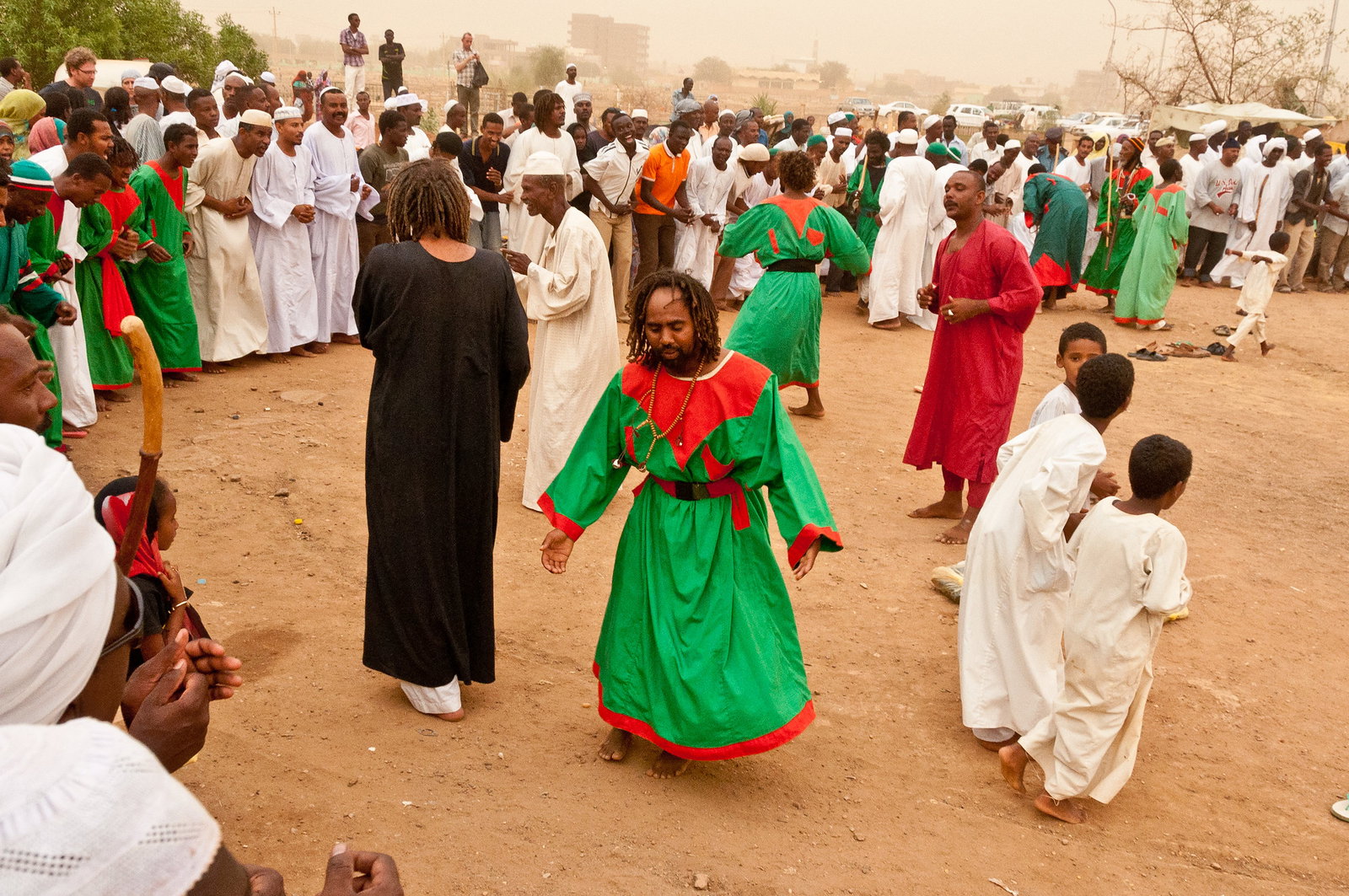
Beyond the confluence, the city is a living museum of Sudanese identity. The Sudan National Museum houses some of the finest collections of Nubian antiquities outside of Egypt, including reconstructed temples rescued before the waters of Lake Nasser rose. The Omdurman souk — technically across the Nile in the sister city — is one of the largest traditional markets in Africa, a sensory labyrinth of spices, silver jewellery, hand-woven cloth, and camel traders. Friday afternoons bring the mesmerising whirling ceremony of the Qadiriyya Sufi dervishes at Hamed al-Nil tomb in Omdurman, a spiritual spectacle of drumming and trance-dancing that few visitors ever forget.
For a capital city, Khartoum moves slowly and warmly. Sit in a Nile-side tea garden, accept the strong spiced coffee pressed into your hand by a street vendor, and you will quickly understand why travellers who make it here so often say it was the most unexpectedly rewarding stop of their African journey.
 Nature & Scenery